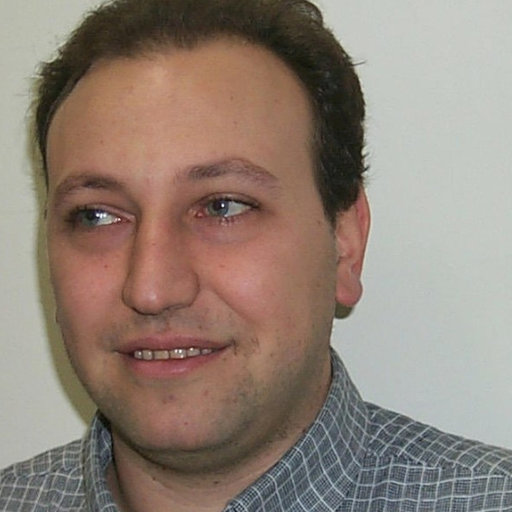
Massimiliano GrecoView profile
Assistant Professor
Massimiliano Greco is an Assistant Professor at Humanitas University and an anesthesiologist/intensivist at the IRCCS Humanitas Research Hospital in Milan. He leads clinical research in the Department of Anesthesiology and Intensive Care while maintaining roles in teaching, clinical practice, and academic leadership. His educational background includes a Medical Degree from the University of Milan, a specialization in Anesthesiology and Intensive Care, and a Master of Science in Epidemiology from the London School of Hygiene and Tropical Medicine. Teaching responsibilities include physiology courses for the MEDTEC Degree program and clinical planning modules for nursing science students. He also instructs advanced life support courses (ALS/ILS and ATLS) for emergency responders. His research focuses on critical care innovations, pandemic response strategies, and data science applications in medicine, with notable contributions to studies on postoperative outcomes, sepsis management, and wearable health technologies. Key Projects: Data Science Supervisor for the DASMEN PhD Project Coordinator of the UNITE-COVID-II multicenter study on critical care outcomes Principal Investigator for the BRAIN-PROMISE randomized trial on brain-targeted therapies Dr. Greco’s academic recognition includes the Premio Anzalone 2020 (for pandemic-era research), EACTA Young Investigator Grant, and grants from Italy’s Ministry of Health. His work emphasizes translational research bridging clinical practice and emerging technologies, particularly during the SARS-CoV-2 pandemic where he contributed to ICU strain analysis and vitamin C treatment trials. Grants & Collaborations: ESICM Methodology Group member SIAARTI Regional Board member Lead on EU-funded projects involving machine learning in critical care His clinical roles involve managing complex cases in anesthesia and resuscitation while advancing evidence-based practices through guidelines development (e.g., SIAARTI regional anesthesia safety protocols). He also oversees initiatives to improve patient monitoring via wearable devices and AI-driven predictive analytics.