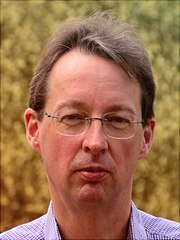
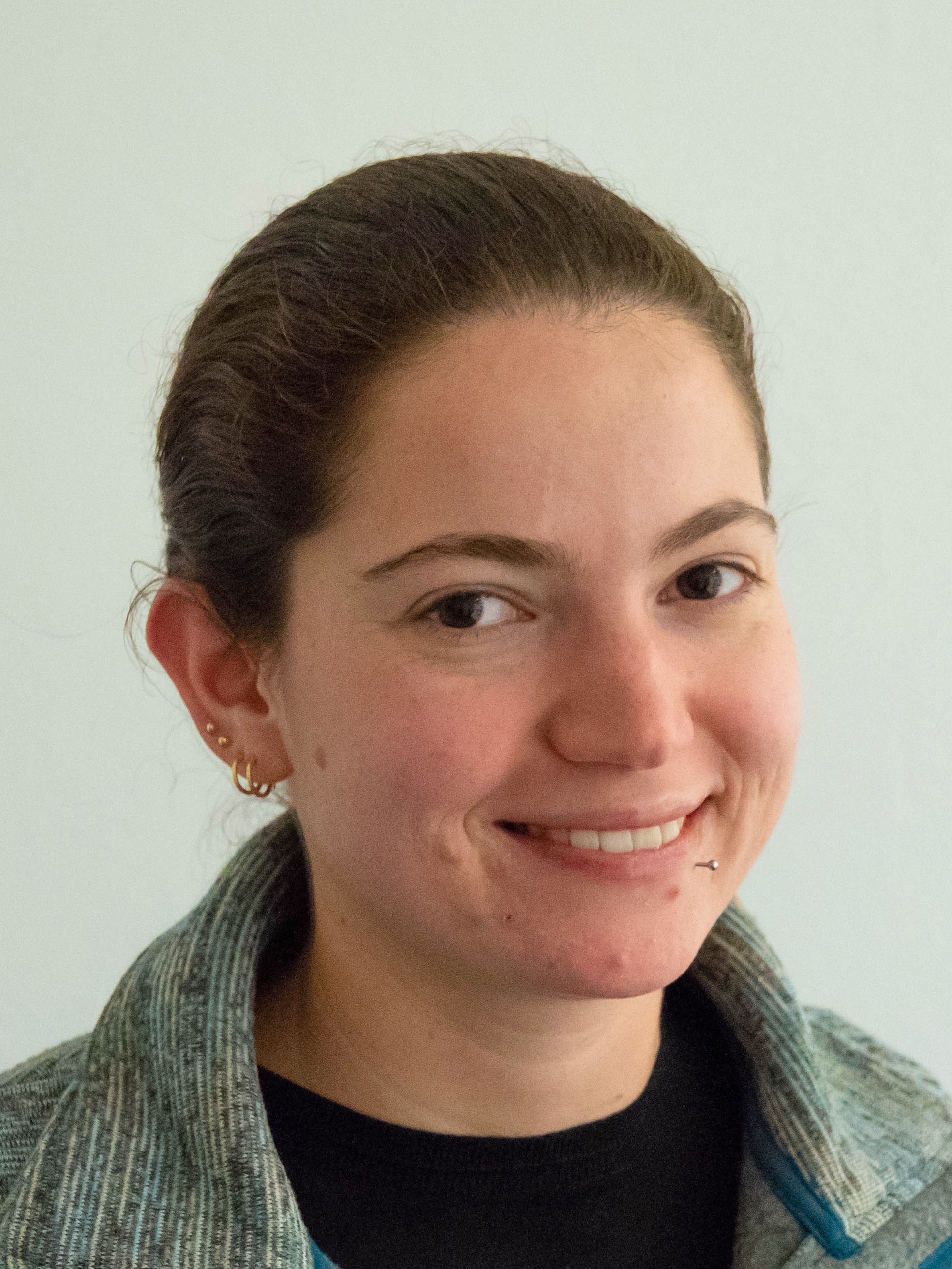
Prof. Jörn Ostermann is a Full Professor and Head of the Institut für Informationsverarbeitung at Leibniz Universität Hannover since 2003, with prior roles at AT&T Bell Labs and AT&T Labs-Research. He served as Dean of the Faculty of Electrical Engineering and Computer Science (2011–2013) and member of the Senat (since 2020). His research spans video coding, computer vision, machine learning, 3D modeling, and computer-human interfaces , with applications in SAR imaging, predictive maintenance, children's speech analysis, and cochlear implants. Key projects include Next Generation Video Coding , Conditional Coding for Learned Compression , and GreenAutoML4FAS . Notable trends in his recent publications (2025–2023) include Neural network-based video compression Uncertainty estimation in speech recognition Zero-delay coding for cochlear implants Domain adaptation for aerial image segmentation 3D mesh compression standards Error concealment in VVC coding Scientific recognitions: AT&T Standards Recognition Award (1998) ISO Award (1998) IEEE Fellow (2005) Distinguished Lecturer, IEEE CAS Society (2002/2003) MPEG Convenor (2020–2023) He co-authored a graduate textbook on Video Communications , holds >30 patents, and has led >20 research projects. His work bridges academic research and industrial standardization, particularly in MPEG and IEEE committees.
Professor Martin Dichgans serves as the Founding Director of the Institute for Stroke and Dementia Research (ISD) and Chair of the Department of Translational Stroke and Dementia Research at Ludwig-Maximilians University Munich's Medical Center. He has held these positions since 2010 and has been a Professor of Neurology at LMU since 2006. Additionally, he serves as President of the European Stroke Organisation (since 2020) and President of the German Stroke Society (since 2016). Dr. Dichgans' research focuses on the molecular, cellular, and physiological mechanisms of stroke and cerebrovascular disease, with particular emphasis on cerebral small vessel disease and large artery atherosclerotic stroke. His laboratory employs genetic approaches to identify novel risk genes and explores their functional roles using genome-editing, proteomics, and imaging technology. His team has established genetic mouse models for cerebral small vessel disease derived from genetic discoveries (e.g., HtrA1, Col4A1, Foxf2) to identify key molecular pathways relevant to disease pathogenesis. Analysis of his recent publications reveals a strong focus on genetic determinants of stroke and vascular disease, with increasing attention to inflammatory pathways in atherosclerosis and cerebrovascular disease. His work spans basic molecular mechanisms, translational research, and large-scale genetic studies across diverse populations. Recent publications demonstrate growing interest in the intersection of vascular disease and neurodegeneration, particularly in vascular cognitive impairment and dementia. Professor Dichgans leads a substantial research team including postdoctoral researchers, PhD students, and technical staff, and has successfully secured numerous competitive grants including the Fondation Leducq Trans-Atlantic Network of Excellence on Brain Endothelium and the Horizon-EIC-2022-Pathfinder Challenges project. His laboratory is part of the Munich Cluster for Systems Neurology (SyNergy), reflecting its integration into a broader neuroscience research ecosystem.
Dr. Michael Gentner is a researcher at the Institute of Optimization and Operations Research, Ulm University, where he teaches courses including Angewandte Diskrete Mathematik (Combinatorics) and Advanced Discrete Algorithms. His institutional contact details include office Helmholtzstr. 18, Room 1.47, with Thursday office hours (14:00-16:00) and phone number +49 731 50-23637. His primary research focuses on structural graph theory and combinatorics, with expertise in domination theory, independence number, zero forcing sets, and extremal graph problems. Gentner investigates properties of graphs through degree sequences, clustering coefficients, and dynamic monopolies, particularly in specialized graph classes like forests and graphs without short cycles. Analysis of his 2015-2018 publications reveals consistent emphasis on establishing bounds and extremal values for graph invariants. His work bridges theoretical combinatorics with applications in network science, frequently collaborating with Dieter Rautenbach and other researchers in the field. Scientific Awards No scientific awards or honors were mentioned in the provided information. Advising and Grants No details regarding student supervision, PhD advisees, or research grants were found in the source material. Labs and Teams Gentner operates within Ulm University's Institute of Optimization and Operations Research, though specific laboratory structures or research team compositions are not detailed in the available text.
Jürgen Landes is a Postdoctoral Fellow at Ludwig Maximilian University of Munich (LMU) within the Faculty of Philosophy, Theory of Science, and Religious Studies , specifically in the Department of Philosophy of Science . He serves as the Principal Investigator (PI) of his research project on Evidence and Objective Bayesian Epistemology , focusing on formal epistemology, uncertainty, and rational belief formation. Landes' work bridges philosophy, statistics, and computer science, particularly in Bayesian epistemology and inductive logic. His research interests include uncertainty quantification, philosophy of probability and statistics, inductive logic, Bayesian epistemology, scoring rules, accuracy-first epistemology, maximum entropy methods, decision theory, mechanism design, negotiations, and multi-agent systems. He has taught courses such as Environmental Philosophy, Philosophy of Probability and Statistics, and Rational Choice Theory at LMU. Landes actively contributes to academic conferences and organizations, including co-organizing the 2020 Bayesian Epistemology workshop and the Foundations, Applications & Theory of Inductive Logic (FATIL) network. His research emphasizes applying formal methods to address challenges in evidence aggregation, causal assessment, and scientific reasoning. Landes has published extensively on topics such as imprecise probabilities, evidence-based medicine, and the foundations of Bayesian epistemology. His work integrates interdisciplinary approaches to advance methodologies in data-driven science and decision-making under uncertainty.
Prof. Dr. Jörn Bennewitz is a Full Professor of Animal Genetics and Breeding at the University of Hohenheim, leading the Department of Animal Genetics and Breeding. His roles include serving as Chairman of the Society for Animal Breeding Science (GfT e.V.) from 2017–2023 and Vice President of the German Society for Plant Breeding (DGfZ e.V.) since 2018. He holds a diploma in Agricultural Sciences from the Universities of Kiel and Edinburgh, followed by a doctorate and habilitation in livestock genetics at Kiel University. His research focuses on genomic selection strategies, host-microbiota interactions, and resilience in livestock, particularly in dairy cattle and sheep. He was a DFG Heisenberg Fellow (2007–2008) at the Norwegian University of Life Sciences. His work addresses challenges in animal breeding, including heat tolerance, feed efficiency, and genetic improvement of production traits. Research interests span genomic analyses of health and production traits, microbiota’s role in animal efficiency, and breeding strategies for crossbred livestock in diverse environments. He has contributed to optimizing breeding programs for German Merino sheep and dairy cattle, leveraging genomic and transcriptomic data. His interdisciplinary approach integrates genetics, microbiology, and agricultural economics to enhance livestock sustainability. His recent articles highlight advancements in identifying genetic variants for milk yield resilience, analyzing gut microbiota effects on nitrogen utilization, and evaluating heat tolerance in crossbred dairy cattle. Awards include the DFG Heisenberg Fellowship, recognizing his early career contributions. He actively participates in scientific societies and promotes the application of genomic tools to address global agricultural challenges.
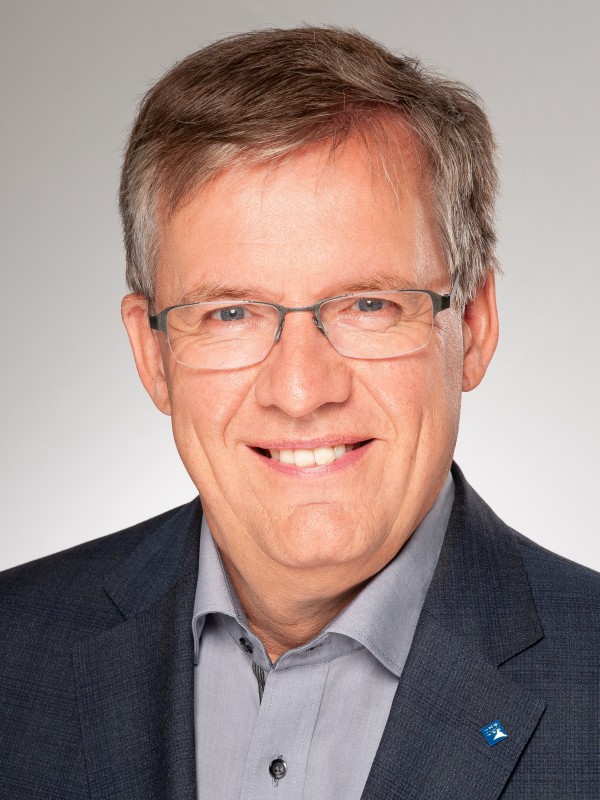
Anja Coym is a Clinical Professor in Internal Medicine, Hematology/Oncology, and Palliative Medicine at the University Medical Center Hamburg-Eppendorf (UKE). She serves in the II. Medical Clinic and Polyclinic, part of the Faculty of Medicine. Her work focuses on advanced cancer care, ethical challenges in oncology, and palliative symptom management. Dr. Coym leads the Palliative Medicine division within the Center for Oncology, addressing complex cases requiring interdisciplinary collaboration. Education: Medical degree (Dr. med.) from University of Hamburg Specializations: Internal Medicine, Hematology, Oncology Certifications: Medical Specialist in Palliative Medicine Research interests prioritize improving palliative care delivery through innovative assessments (e.g., virtual tools for caregiver training) and optimizing shared decision-making models. Her work bridges clinical practice with ethical considerations in end-of-life care, including gender-specific caregiver experiences and systemic challenges in interdisciplinary consultations. Publications emphasize translational research in immunotherapy (e.g., PD-1/PD-L1 inhibitors for prostate and bladder cancer) and clinical oncology. She collaborates on large-scale trials evaluating treatment protocols and palliative care pathways. Recent work explores biomarkers in liquid biopsies (CTC-PD-L1 expression) for urothelial carcinoma prognosis. Key contributions: Developed symptom assessment frameworks for palliative care admissions Co-designed training modules for virtual palliative care education Labs/Teams: Active member of UKE's Cancer Center Hamburg and Oncology Ethics Committee. Involved in multidisciplinary tumor boards for complex cases.
Nicholas J. Zabaras is a Professor in the College of Engineering at the University of Notre Dame and serves as director of the Warwick Centre for Predictive Modelling at the University of Warwick. He holds a Hans Fischer Senior Fellowship at the Technical University of Munich Institute for Advanced Study (TUM-IAS) since 2014. His academic journey began with a diploma in Mechanical Engineering from the National Technical University of Athens (1982), followed by an M.Sc in Material Science and Engineering from the University of Rochester (1983), and a PhD in Theoretical and Applied Mechanics from Cornell University (1987). His research spans computational mathematics, computational statistics, and scientific computing with focus on predictive modeling of complex multiscale and multiphysics materials systems. Key research themes include Bayesian uncertainty quantification, high-dimensional problem modeling, information-theoretic coarse graining, stochastic model reduction, and optimization under uncertainty. His work has significant applications in materials science, particularly in uncertainty propagation from ab initio to continuum simulations and modeling of random microstructures. His recent publications demonstrate strong activity in Bayesian coarse-graining techniques, deep Gaussian processes, and uncertainty quantification for multiscale materials systems. The research shows consistent focus on developing computationally efficient methods for high-dimensional problems with applications across materials science and engineering disciplines. Major Awards and Recognitions: Royal Society Wolfson Research Merit Award (2014) Research Fellow, Isaac Newton School of Mathematical Sciences, University of Cambridge (2011) Michael Tien'72 College of Engineering Teaching Award, Cornell University (2009) Fellow, American Society of Mechanical Engineers (2006) Presidential Young Investigator Award (1991) Zabaras leads the Scientific Computing and Artificial Intelligence (SCAI) Laboratory and the Computational Science and Engineering (CSE) Laboratory at Notre Dame, where his team develops innovative mathematical and statistical approaches addressing unique challenges in predictive modeling. His research integrates computational mathematics, machine learning, and multiscale/multiphysics modeling to address problems in materials physics, geological sciences, and climate modeling.
Prof. Dr. Holger Drees is a Professor of Actuarial Mathematics at the University of Hamburg, affiliated with the Faculty of Mathematics, Computer Science and Natural Sciences. He holds a position in the Department of Mathematics, specializing in the ST – Mathematical Statistics and Stochastic Processes research group. His office is located at Bundesstraße 55, Room T15 in Hamburg. He earned his diploma in mathematics from the University of Dortmund (1990), his PhD from the University of Siegen (1993), and his habilitation from the University of Cologne (1998). His research focuses on extreme value theory, actuarial mathematics, financial time series modeling, and non/semiparametric statistics. He is a member of the Hamburger Zentrum für Versicherungswissenschaft (HZV) and serves as an Associate Editor for *Bernoulli* and *Extremes* journals. His recent research emphasizes statistical inference on extreme value dependence structures, cluster-based methods for time series extremes, and dimension reduction techniques for multivariate extremes. His work bridges theoretical advancements in extreme value analysis with practical applications in finance and insurance. Teaching activities include advanced courses on extreme value theory and actuarial mathematics. Professional contributions include editorial roles and collaborative projects on statistical methodologies for extremes. His research has been supported by grants such as the DFG Heisenberg grant (2000–2002). He maintains an active international research network, collaborating with institutions like the University of Cologne and the University of Heidelberg.
Prof. Dr. Shirly Geffen is a Mathematics Professor at the University of Münster, affiliated with the Mathematisches Institut within the Faculty of Mathematics and Computer Science . She serves as an Investigator in Mathematics Münster and is a member of the Collaborative Research Centre (CRC) 1442 “Geometry: Deformations and Rigidity” . Her research focuses on operator algebras and mathematical physics, with active involvement in projects exploring Models and universes (T3) , Groups and actions (T4) , and Random discrete structures and their limits (T8) . Her research expertise lies in operator algebras and mathematical physics, with a particular emphasis on C*-algebras, dynamical systems, and their interplay with geometric and group-theoretic structures. She investigates topics such as boundary actions of hyperbolic groups, tracially amenable actions, and Z-stability of crossed products. Her work also addresses the classification of C*-algebras, nuclear dimension, and the structure of partial dynamical systems. Additionally, she explores applications of operator algebras to problems in geometric group theory and noncommutative geometry. Prof. Geffen's recent publications reflect her contributions to the classification of C*-algebras, the study of crossed products arising from group actions, and the analysis of dynamical systems. Her work often bridges operator algebras with geometric and topological methods, addressing foundational questions in noncommutative geometry and functional analysis. In terms of academic contributions, Prof. Geffen has advised several students, though specific names are not listed in the provided texts. Her research has been supported through her involvement in collaborative projects and the CRC 1442 framework. She is part of the Operator Algebras Research Group at the University of Münster and collaborates within the Mathematics Münster cluster, contributing to interdisciplinary initiatives in geometry and deformation theory.
Prof. Dr. Patrick Dondl is a Professor of Applied Mathematics at the Albert Ludwig University of Freiburg , leading the Department of Applied Mathematics. He specializes in Calculus of Variations , Partial Differential Equations , and Scientific Computing , with a focus on interdisciplinary applications in biomaterials and biomechanics. His research includes projects funded by the Cluster of Excellence livMatS, such as the non-local meta-material of the pomelo peel for bio-inspired long-fiber reinforcement. He supervises doctoral student Simone Hermann and collaborates on studies analyzing plant mechanics (e.g., cactus branch abscission, Carex pendula structural adaptations). Prof. Dondl’s work bridges theoretical mathematics with practical applications, including homogenization limits of elastic networks and computational models of plant morphology. His office is located at Room 217, Hermann-Herder-Straße 10, Freiburg, and he holds regular office hours on Mondays 14:15–15:45.
Thomas Zimmermann is a Professor at the Department of General Medicine within the Faculty of Medicine at University Medical Center Hamburg-Eppendorf. With a background as a Diplom-Psychologist and holding a doctoral degree, he has established himself as a prominent researcher in primary care medicine with a focus on integrating mental health services, interdisciplinary care approaches, and healthcare system analysis. ORCID: 0000-0002-2047-9907 Affiliation: Institute and Outpatient Clinic for General Medicine Dr. Zimmermann's research primarily centers on mental health integration within primary care settings, with special emphasis on collaborative and stepped care models for patients with mental disorders. His work extends to social prescribing initiatives, self-management support strategies, and the intersection between oral health and general medical care, particularly for elderly patients in home care settings. His research often addresses systemic challenges in healthcare delivery and explores innovative solutions to improve patient outcomes through better care coordination. His publication record demonstrates a clear trajectory toward increasingly complex interdisciplinary research, with recent work focusing on the boundary between dental and medical care for home care patients (InSEMaP study) and the implementation of collaborative care models for mental health conditions in primary care (COMET study). These projects reflect his commitment to addressing gaps in healthcare delivery through evidence-based interventions that bridge traditional sector boundaries. Dr. Zimmermann has been actively involved in multiple significant research projects including the COMET Study (Collaborative and Stepped Care for Mental Disorders), the InSEMaP study (Interactions of Systemic Diseases and Oral Health in Home Care), and contributions to understanding the German healthcare system structure. His work frequently appears in high-impact medical journals and book chapters on general medicine, demonstrating his influence in shaping primary care practices and policies in Germany.
Prof. Dr. Günter Last is a Professor at the Institute of Stochastics within the Faculty of Mathematics at the Karlsruhe Institute of Technology (KIT) . He has held this position since 2000 (C4/W3 Professorship). Last's research focuses on stochastic processes , stochastic geometry , and their applications in mathematics, physics, and finance. Education: Diploma in Mathematics, Humboldt University Berlin (1984) PhD in Mathematics, Humboldt University Berlin (1987) Dr. Sc. in Mathematics, Technical University Braunschweig (1995) Research Interests: Last leads research in Poisson processes, Boolean models, Gibbs processes, and spatial random systems. His work explores Palm calculus, hyperuniformity, normal approximation, and percolation phenomena. He co-authored the textbook Lectures on the Poisson Process with Mathew Penrose. Publications & Trends: His recent work includes Normal approximation of Kabanov-Skorohod integrals , Hyperuniform stable matchings , and Poisson hulls , reflecting a focus on stochastic analysis and geometric probability. His research bridges theoretical insights with applications in digital microstructures and wireless network modeling. Scientific Leadership: Co-Editor for Electronic Journal of Probability (2018-2023) Speaker of DFG Research Unit Geometry and Physics of Spatial Random Systems (2011-2018) Associate Editor for Applied Probability Journals (2005-2019) Advising: Last has supervised 15 doctoral theses and numerous diploma/master's theses, including topics on neural networks, random tessellations, and stochastic financial models.
Arthur Liesz is a Professor of Stroke-Immunology at the Faculty of Medicine, Ludwig-Maximilians-Universität (LMU) Munich, and leads the Liesz Lab at the Institute for Stroke and Dementia Research (ISD). He is a full member of the Graduate School of Systemic Neurosciences (GSN) and holds a senior consultant position in Neurology at LMU Hospital. His research is centered on the complex bidirectional interactions between the brain and immune system after stroke, with a strong emphasis on translational impact. Professor for Stroke-Immunology, LMU Munich (2020–present) Senior Consultant in Neurology, ISD, LMU Hospital (2020–present) Board Certified in Neurology, Medical Board of Bavaria (2019) Habilitation: Immunological Mechanisms in Acute Brain Ischemia (2016) Medical Degree: Universities of Würzburg & Heidelberg (2003–2010) Training in Experimental Immunology, DKFZ Heidelberg (2006–2009) His research focuses on neuroinflammation, trained immunity, inflammasome activation, and systemic immunomodulation after stroke. He investigates how immune responses affect neuronal damage and recovery, and how brain injury leads to long-term changes in peripheral immunity, including secondary organ damage. His lab uses advanced models of brain ischemia, transgenic animals, and cutting-edge immunological and imaging techniques. The recent publications of Arthur Liesz reflect a strong trend toward understanding chronic and systemic consequences of stroke, particularly the role of trained immunity and inflammasome activation in driving remote organ dysfunction and recurrent vascular events. His 2024 papers in Nature and Cell highlight the importance of DNA-sensing inflammasomes and innate immune memory in post-stroke complications, marking a shift from acute to chronic and systemic perspectives in stroke research. ERC Starting Grant (2018) Science Award (Pette Prize), German Neurological Society (2020) Young Investigator Award, European Stroke Organization (2015) Speaker, DFG Research Unit FOR2879 'ImmunoStroke' (2022–2025) Organizer, EMBO Workshop 'Stroke-Immunology' (since 2020) Local Chair, European Stroke Organization Conference (2023) Liesz has mentored numerous PhD and postdoctoral students, many of whom have gone on to independent research or industry roles. His lab is supported by major grants from the DFG (including CRC TRR274, CRC1123, SPP2395), the European Research Council, and the SyNergy Excellence Cluster. He leads a multidisciplinary team investigating brain-immune crosstalk, with active projects on microglia, T cells, the choroid plexus, and systemic immunity. The Liesz Lab is a dynamic and international research group based at the Center for Stroke and Dementia Research in Munich. It includes postdoctoral fellows, PhD students, and technical staff working on diverse aspects of stroke immunology. The lab fosters a collaborative environment with strong translational goals and active participation in multicenter and interdisciplinary projects such as the DEMDAS Study Group.
Professor Malka Gorfine Orgad is a distinguished faculty member in the Department of Statistics and Operations Research at the School of Mathematical Sciences, Tel Aviv University. She has held the position of Professor since 2016, following her promotion from Associate Professor (2014-2016). Additionally, she maintains a long-standing affiliation as an Affiliate Investigator at the Division of Public Health Sciences, Fred Hutchinson Cancer Research Center in Seattle since 2003. Prof. Gorfine Orgad earned her MA (1994) and PhD (1999) in Statistics from the Hebrew University of Jerusalem under the supervision of Professors Banjamin Yakir and David Zucker. Her academic journey includes previous appointments as Associate Professor at Harvard School of Public Health (2011-2012) and at the Technion - Israel Institute of Technology (2010-2014), where she served as Senior Lecturer prior to that. Her research focuses on survival data analysis, non-parametric statistics, biostatistics, and machine learning. Specifically, she investigates inference based on Survival Deep Learning, natural experiment methods for causal inference, and various challenges of causal inference with survival outcomes. She has developed several innovative methodologies for survival analysis, particularly in the areas of competing risks, semi-competing risks, and illness-death models. Analysis of her recent publications reveals a strong emphasis on practical applications of survival analysis methodology to real-world health problems, particularly related to cancer and infectious diseases like COVID-19. Her work frequently bridges theoretical statistical development with practical implementation through software packages, demonstrating her commitment to making advanced methods accessible to applied researchers. Associate Editor of JASA Applications and Case Studies (2022 - present) Associate Editor of EJS (2022 - present) Associate Editor of Scandinavian Journal of Statistics (2021 - 2024) Co-Editor of Biometrics (2017 - 2019) Associate Editor of Biometrics (2009 - 2016) Member of Editorial Board of Lifetime Data Analysis (2013 - 2016) Prof. Gorfine Orgad actively mentors students at all levels, currently supervising one postdoc, two PhD students, and four MSc students, with numerous former students who have completed their degrees under her guidance. She serves as co-chair of the STRATOS TG8 (Survival Analysis Topic Group), which provides guidance on survival analysis methods for observational studies. She has also developed multiple software packages including PyMSM, PyDTS, frailty-LTRC, HHG, and others that implement her methodological contributions for the broader research community.
Thomas Grund is a Full Professor at the Institute of Sociology at RWTH Aachen University, Germany. He previously held professorial positions at University College Dublin (Ireland), where he served as Professor (2021-2022), Associate Professor (2018-2021), and Assistant Professor (2015-2018). He has also been a Visiting Professor at the University of Zurich and the University of Manchester. His educational background includes a DPhil in Sociology from the University of Oxford (2007-2011), an MPhil in Modern Society and Global Transformations from the University of Cambridge (2005-2006), and a Diplom in Sociology from the University of Trier (2001-2005). He also holds a Vordiplom in Computer Sciences and Business Administration from the University of Trier (2000-2002). Grund's research focuses on social network analysis, complex systems modeling, and analytical sociology. His work examines how social structures limit individuals' view of the world, how embeddedness in social context affects behavior, and how combined relational patterns lead to macro-level outcomes. His research spans diverse empirical settings including crime, sports, health, and social movements. Recent publications demonstrate a strong focus on network analysis applications across various domains. His work shows consistent methodological sophistication with increasing emphasis on computational approaches to social science. The research spans political science, criminology, public health, and sociology, reflecting his interdisciplinary approach. Teaching Excellence Award at University College Dublin (2017) Grund has developed innovative teaching methods incorporating technology-enhanced learning strategies, including video trailers, live surveys, and game-based learning. He is currently developing a software suite for network analysis using Stata and has co-authored 'Social Network Analysis Using Stata' with Peter Hedström, forthcoming with Stata Press. His research is conducted through collaborations with various institutions and research groups focused on social network analysis and computational social science.


/bilder/personen/coymanjadr_20150810_02_kontaktbild.jpg)