Tara MastrenView profile
Associate Professor
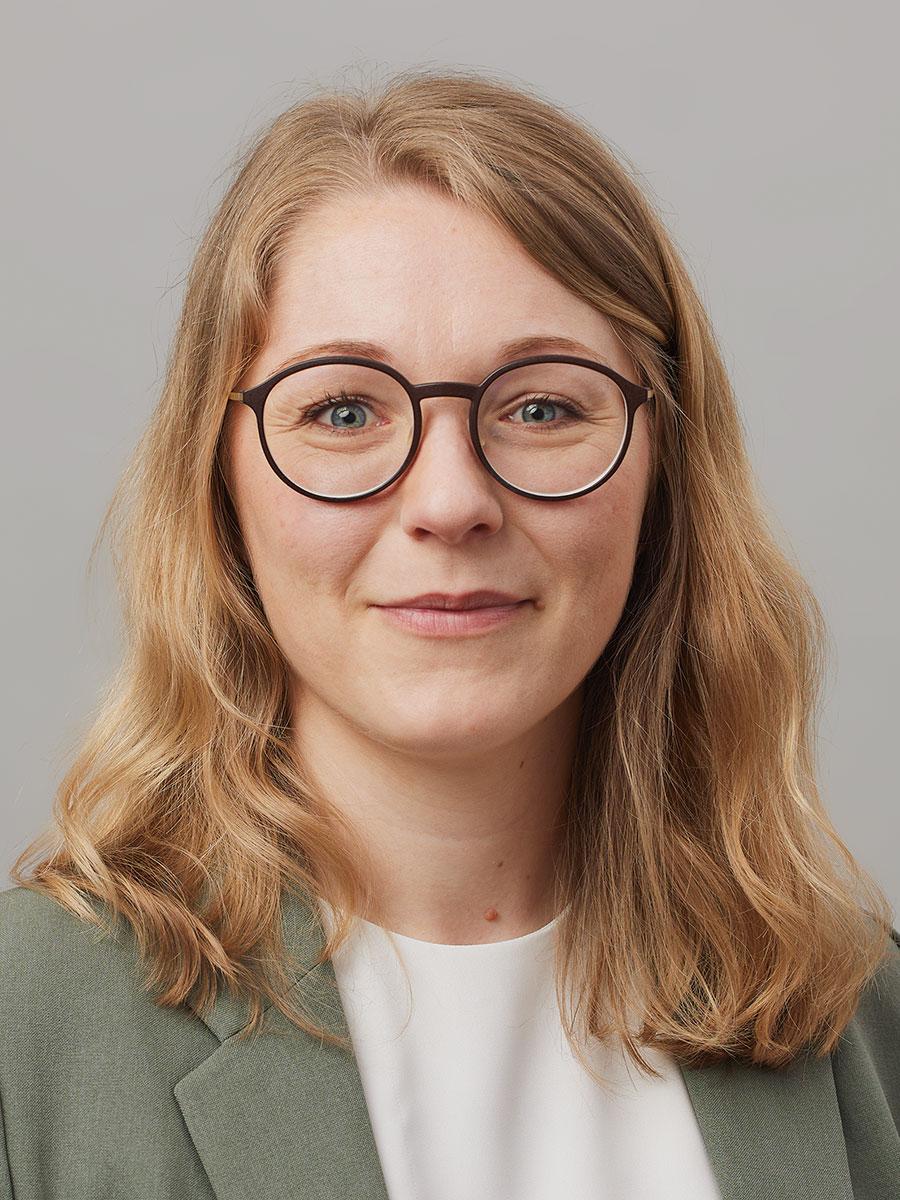
Tara Mastren is an Associate Professor in the Civil & Environmental Engineering department at the University of Utah, specializing in radiochemistry and nuclear chemistry applications for medical and national security purposes. Her academic journey includes a BS in Chemistry from Maryville University and a PhD in Nuclear and Radiochemistry from Washington University in St Louis, followed by postdoctoral training at Los Alamos National Laboratory and UT Southwestern Medical Center. Her research spans multiple critical areas in nuclear science, with primary focus on targeted alpha therapy, radionuclide production, and advanced separation techniques for medical isotopes. Dr. Mastren's work bridges fundamental chemistry with clinical applications, developing novel approaches for cancer treatment and neurodegenerative disease therapy. Her publications demonstrate expertise in actinide and lanthanide chemistry, extraction chromatography, and radiochemical processing techniques. Analysis of her recent publications reveals a strong trend toward medical applications of nuclear chemistry, particularly in developing targeted alpha therapies for cancer and Alzheimer's disease. Her work combines fundamental radiochemistry with practical medical applications, focusing on novel separation techniques, radiopharmaceutical development, and isotope production methods that address critical shortages in nuclear medicine. Early Career Award from Department of Energy (2021) Top 100 in Chemistry from Scientific Reports (2018) Travel Award from International Workshop on Targetry and Target Chemistry (2012) Dr. Mastren has secured substantial research funding through multiple external grants, including projects on francium-silver molecules for hadronic CP violation studies, nuclear forensics research, and the HIPPO isotope production pipeline. Her grant portfolio demonstrates strong connections with national laboratories and federal agencies, addressing both fundamental science questions and practical applications in nuclear medicine and security. While specific student advising information isn't provided in the text, her teaching activities include graduate courses in radiochemistry, health physics, and thesis research supervision. Her laboratory work focuses on advanced radiochemical processing, isotope production, and radiopharmaceutical development, with particular emphasis on alpha-emitting radionuclides for targeted therapy applications. The research team appears to collaborate extensively with national laboratories and medical institutions to translate basic research into clinical applications.