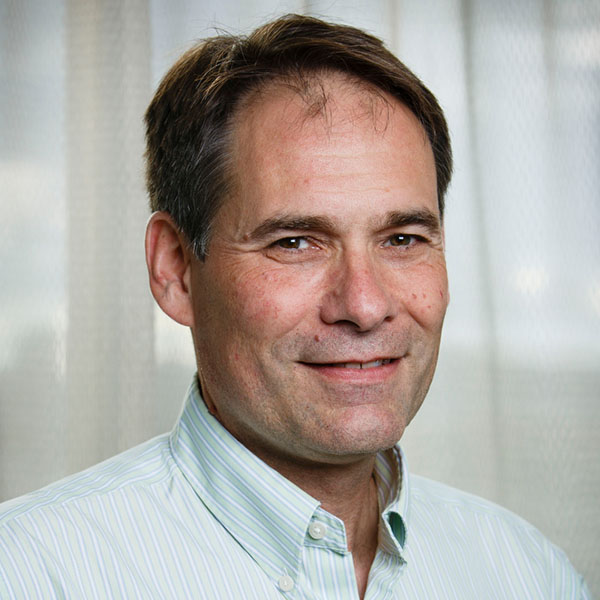
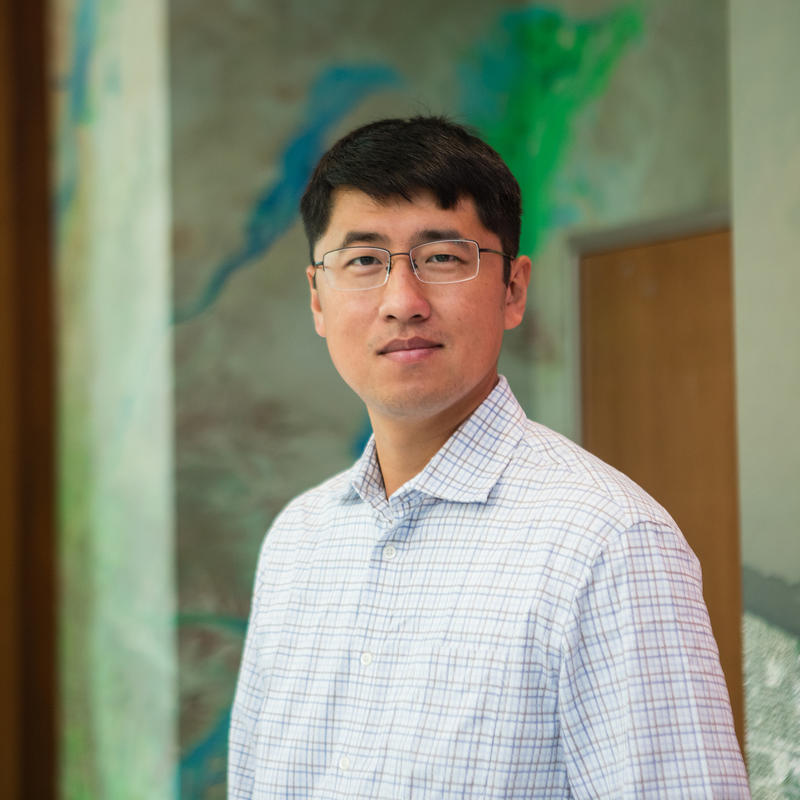
John Ford is an Associate Professor in the Department of Nuclear Engineering at Texas A&M University. His research focuses on radiobiology, radiation carcinogenesis, and medical applications of radiation. He holds academic appointments within the College of Engineering and contributes to the Health Physics, Radiation Biology & Medical Physics research group. Education includes a B.S. and M.S. in Nuclear Engineering from Mississippi State University (1982, 1986), a Ph.D. in Biomedical Sciences from the University of Tennessee (1992), and postdoctoral training at Oak Ridge National Laboratory (1992–1993). His work emphasizes understanding radiation effects on biological systems, with notable contributions to radiation dosimetry, bystander signaling mechanisms, and dietary modulation of radiation damage. Recent studies explore space radiation monitoring technologies and therapeutic applications of radiation. Awards include the BP Award for Teaching Excellence (2007) and ARRO Educator of the Year (2013–2014). Research spans interdisciplinary areas such as radiation-induced cancer mechanisms, nutritional interventions to mitigate radiation effects, and advanced radiation detection instrumentation. He has advised numerous projects in radiation safety curriculum development and collaborated on NASA-funded studies modeling radiation impacts on astronauts.
Bruce H. Alexander, PhD, serves as Professor and Division Head of Environmental Health Sciences at the University of Minnesota's School of Public Health. His educational background includes a PhD in Epidemiology from the University of Washington (1994), an MS in Environmental Health from Colorado State University (1987), and a BS in the same field from Colorado State University (1984). Dr. Alexander is an occupational and environmental epidemiologist whose research spans environmental determinants of cancer and respiratory disease, injury prevention and control, One Health approaches, agricultural population health, and global health initiatives. His work emphasizes multidisciplinary approaches to address complex public health problems and building public health research and practice capacity. His expertise encompasses occupational and environmental epidemiology, environmental exposures, infectious disease, injuries, occupational health, One Health frameworks, global health, and agricultural health. Analysis of his recent publications (2019-2024) reveals a continued focus on occupational exposures, environmental health risks, and injury epidemiology across diverse populations and settings. His research demonstrates methodological diversity including cohort studies, systematic reviews, and meta-analyses addressing chemical exposures, UV radiation risks, temperature-related injuries, and mineral particle exposures in mining contexts. Scientific Recognition Member, Delta Omega Honorary Society in Public Health Mayo Professor of Public Health, School of Public Health, University of Minnesota (2016) Faculty Excellence Award, Division of Environmental and Occupational Health, University of Minnesota (2002) Dr. Alexander maintains active professional affiliations with major epidemiological organizations including the Society for Epidemiologic Research, International Society for Environmental Epidemiology, American College of Epidemiology, International Commission on Occupational Health, and Delta Omega. His work through the Upper Midwest Agricultural Safety and Health Center (UMASH) and Midwest Center for Occupational Health and Safety demonstrates commitment to translating research into practice for worker safety and health.
David J. Brenner serves as Higgins Professor of Radiation Biophysics in Radiation Oncology and Environmental Health Sciences at Columbia University Medical Center. He directs both the century-old Center for Radiological Research and the Radiological Research Accelerator Facility (RARAF), leading interdisciplinary teams focused on radiation applications in medicine and safety. BA in Physics from Oxford University (1974) MSc in Radiation Physics from University of London (1976) MA in Physics Philosophy from Oxford University (1979) PhD in Physics from University of Surrey (1980) His research spans dual aspects of radiation: therapeutic applications in cancer treatment and risk assessment across diverse scenarios. Key initiatives include advancing carbon-ion therapy for pancreatic cancer, developing safe far-UVC light for pathogen elimination, and investigating low-dose radiation risks from medical imaging to nuclear terrorism. His team leverages RARAF's unique capabilities for mechanistic studies of radiation effects. Publications reveal dominant themes in radiation biophysics, with significant contributions to biodosimetry (RABiT platform), UV disinfection technology, and cancer risk modeling. Recent work emphasizes translational applications including medical countermeasures for radiation exposure and precision radiation oncology techniques. National Academy of Sciences Nuclear and Radiation Studies Board member National Council on Radiation Protection and Measurements member Radiation Research Society Failla Gold Medal recipient (2011) Oxford University Weldon Prize for mathematical biology (2015) Robert D. Moseley Award for Radiation Protection in Medicine Brenner leads multiple NIH-funded projects including biodosimetry development and UV disinfection research. His mentorship extends through directing Columbia's Radiological Research Accelerator Facility and training programs in radiological sciences. Current lab efforts focus on carbon-ion therapy mechanisms and 222-nm UV applications against drug-resistant pathogens, with active collaborations across oncology, microbiology, and physics disciplines.
Maureen Sartor is a Professor in the Department of Computational Medicine and Bioinformatics at the University of Michigan Medical School. Her work bridges computational biology, epigenetics, and cancer research, with recent contributions to understanding environmental toxicant impacts on DNA methylation, HPV-associated head and neck cancers, and neurodegenerative disease mechanisms. Key research themes: Epigenetic regulation, bioinformatics modeling, environmental health Active clinical trial collaborations in immunotherapy rechallenge and neoadjuvant treatment strategies Leadership in cross-species toxicoepigenetic studies and microbiome-immune crosstalk in oral cancer Recent publications highlight her expertise in: Epigenetic age acceleration in ALS and its environmental correlates HPV integration mechanisms in oropharyngeal cancer Chemical oxidation techniques for piRNA discovery Sex-specific epigenetic responses to lead and phthalate exposure Her interdisciplinary approach connects computational methods with experimental validation across multiple disease models.
University of Texas Southwestern Medical CenterUnited States
Jerry W. Shay is a Professor in the Department of Cell Biology at UT Southwestern Medical Center, holding the Southland Financial Corporation Distinguished Chair in Geriatric Research. He also serves as Associate Director for Education and Training at the Harold Simmons Comprehensive Cancer Center. His research focuses on telomere biology, aging, and cancer therapy development, with an emphasis on targeting telomerase in cancer treatment and understanding age-related disease mechanisms. Shay earned his BA in Zoology/Cell Biology from the University of Texas at Austin (1966), MA in Cell Biology from the University of Kansas (1968), and PhD in Developmental Biology from the University of Colorado Boulder (1975). He joined UT Southwestern in 1975, advancing from Assistant/Associate Professor to full Professor in 1993. His research interests include telomere dysfunction-induced anti-tumor immunity, cancer therapy resistance, and the role of telomerase in cellular aging. Key projects involve developing therapies like 6-thio-dG, which targets telomerase-dependent cancers, and studying the interplay between environmental toxins and colorectal carcinogenesis. Awarded numerous honors including the UT Regent’s Outstanding Teaching Award (2012) and the Piper Professorship (2013), Shay has contributed to over 30 patents, including methods to detect telomerase activity and compounds targeting cancer cell adhesion. His lab collaborates with companies like Maia Biotechnology and Reata Pharmaceuticals to translate research into clinical applications. Shay’s work bridges basic science and translational research, with ongoing projects in radiation-induced cancer progression, immune modulation in cancer treatment, and telomere measurement technologies like the TeSLA assay.
Karen S. Anderson is a Professor of Pharmacology and Molecular Biophysics and Biochemistry at Yale School of Medicine, with a primary appointment in the Department of Pharmacology. She serves as Co-Leader of Developmental Therapeutics at Yale Cancer Center and Co-Director of the Therapeutics/Chemotherapy Program. Dr. Anderson is also an undergraduate research mentor and fellow at Pierson College at Yale, where she advises freshman students. Dr. Anderson's research program focuses on mechanistic enzymology and structure-based drug design to develop novel therapeutics. Her work centers on understanding molecular mechanisms of enzymes that play critical roles in cancer and infectious diseases, including HIV/AIDS. She has made significant contributions to the understanding of HIV reverse transcriptase, anticancer targets like EGFR and HER-2, and enzymes involved in parasitic infections. Her laboratory employs a multidisciplinary approach combining biophysical techniques, structural studies, and computational methods to advance drug discovery. Analysis of her recent publications (2023-2025) reveals a strong research trajectory spanning three main areas: HIV drug resistance and novel inhibitors, cancer therapeutics focusing on resistance mechanisms and targeted therapies, and antiviral/antimicrobial drug development including work on SARS-CoV-2. Her research demonstrates consistent innovation in structure-based drug design approaches across multiple disease areas. Selected Awards and Honors: Enzymes, Coenzymes, & Metabolic Pathways Gordon Research Conference Chair (2001) Yale Cancer Breast Cancer Initiative Research Award (1996) Dean's Young Faculty Award from Yale University (1991) Multiple Monsanto Research Achievement Awards (1985-1989) YWCA Women's Leadership Award (1986-1987) Dr. Anderson has trained over 50 undergraduates, graduate students, M.D./Ph.D. students and postdoctoral fellows who have gone on to successful careers in academia and industry. Her laboratory, the Anderson Lab, focuses on translating mechanistic and structural studies into novel therapeutic approaches for viral infections and cancer. The lab utilizes a range of biophysical techniques to study clinically relevant proteins with the goal of developing more effective therapies for conditions including cancer, infectious diseases, and neurodegenerative disorders.
Professor Francis Cucinotta is a faculty member at the University of Nevada, Las Vegas, within the Department of Health Physics and Diagnostic Sciences. He teaches radiation biology, dosimetry, and radiation science at both undergraduate and graduate levels. Education: B.S. in Physics (Rutgers University), Ph.D. in Nuclear Physics (Old Dominion University) His research focuses on biophysics models of radiation effects on Earth (e.g., cancer treatment) and in space (e.g., astronaut risk assessment). Key areas include radiation carcinogenesis, neurodegeneration, cataracts, DNA repair, and radiation transport. He has developed theoretical frameworks for nuclear fragmentation, microdosimetry, and systems biology of cell signaling. Recent publications analyze clustered DNA damage, lunar radiation environments, heavy ion therapy, and radiation risk compensation policies. These works span disciplines like biophysics, medical physics, neuroscience, and space systems engineering. Radiation Research Society President (2013-2014) National Council on Radiation Protection and Measurements Council Member Editorial Board Member: Life Sciences in Space Research Guest Editor: Radiation Research, Frontiers in Radiation Oncology Cucinotta has received continuous funding from the National Cancer Institute (2016-2021), with past support from the Department of Energy and NASA. He has authored over 350 peer-reviewed articles and book chapters.
Rukiyah T. Van Dross-Anderson is an Associate Professor and Director of Graduate Programs in the Pharmacology & Toxicology Concentration at East Carolina University's Brody School of Medicine . She holds an Adjunct Professor position in the Department of Chemistry and serves as Advisor for the Summer Biomedical Research Program . Her research focuses on the chemotherapeutic potential of cannabinoids and endocannabinoid metabolites in targeting skin cancer and colorectal cancer through ER stress and oxidative stress pathways. She leads a lab with graduate students, medical students, and research specialists. Education: B.S. in Chemistry, Alabama State University Ph.D. in Molecular and Cellular Pharmacology, Rutgers University/UMDNJ-RWJMS Post-doctoral Fellowship, Vanderbilt-Ingram Cancer Center and University of Kansas Medical Center Her work explores CB1/CB2 receptor-independent mechanisms of endocannabinoids , with a focus on 15dPMJ 2 as a selective antitumor agent. Articles demonstrate its role in DAMP signaling , apoptosis induction , and mitochondrial dysfunction in melanoma and non-melanoma skin cancer. Scientific awards include grants from Golfer’s Against Cancer and East-West Grant . She collaborates with researchers from the Department of Chemistry and Department of Statistics at ECU.
Dr. D. Marshall Porterfield is a Professor of Agricultural & Biological Engineering at Purdue University, specializing in biosensors, bio-nanotechnology, and space biology. His research focuses on developing technologies for bioregenerative life support systems and nutrient delivery in microgravity environments. He served as NASA's Division Director for Space Life and Physical Sciences (2012-2016), pioneering initiatives like geneLAB and materialsLAB to advance space research utilization. His work bridges engineering and biology, with applications in space exploration and terrestrial challenges. Porterfield holds leadership roles in organizations like the American Society for Gravitational and Space Research and the Institute for Biological Engineering. He has authored over 100 peer-reviewed papers and holds patents in biosensor technology. Awards include the Halstead Investigator Award and election to the AIMBE College of Fellows. His research portfolio includes lab-on-a-chip devices, biomimetic sensors, and gravitational physiology studies, with recent emphasis on lunar agriculture and space radiation mitigation. His articles highlight advancements in space microbiology, extraterrestrial crop systems, and molecular responses to spaceflight. Key themes include optimizing oxygen delivery for hydroponics, detecting cancer biomarkers via microtest tech, and understanding aging in space environments. Porterfield collaborates across disciplines, leveraging Purdue's facilities like the Birck Nanotechnology Center and Discovery Park for interdisciplinary innovation.
Longxiang Li is an Assistant Professor in the Gangarosa Department of Environmental Health at Emory University's Rollins School of Public Health. His research focuses on environmental pollutants' human health impacts, particularly unconventional oil and gas development (fracking) and radon exposure. Funded by NIH, he develops satellite-based machine learning models to assess exposure risks. Before joining Emory in 2024, he studied/worked at Harvard T.H. Chan School of Public Health. Education: Sc.D. from Harvard T.H. Chan School of Public Health; M.S. from Chinese Academy of Sciences; B.S. from China University of Geosciences (Beijing). Research interests include exposure assessment, spatial analysis/GIS, and machine learning applications in environmental health. Notable work includes high-resolution radon models and collaborations with the White House on radon-related lung cancer prevention strategies. Key articles focus on radon's effects on asthma, cancer, and pregnancy outcomes, using advanced modeling techniques. His work bridges environmental data science with public health policy. Affiliations: International Society of Environmental Epidemiology, International Society of Exposure Science, American Chemistry Society.
Rodney J. Taylor is a Professor and Chair of the Department of Otorhinolaryngology-Head & Neck Surgery at the University of Maryland School of Medicine. With clinical expertise in head and neck cancer management, skull base surgery, and endocrine surgery, he has led national-recognized research initiatives since joining the faculty in 2001. As Chief of Otolaryngology at the Baltimore Veteran’s Administration Medical Center, he combines clinical excellence with scientific innovation. Education : MD from Harvard Medical School (1995), MPH from University of Michigan School of Public Health (1999) Training : Residency in Otolaryngology-Head & Neck Surgery at University of Michigan (1995-2001) Dr. Taylor's research focuses on improving head and neck cancer survival through immune-cytotoxicity studies, SCCHN cell line analysis, xenograft models, and clinical trials. His collaborations with Dr. Zalzman's lab explore cancer stem cell immortality mechanisms and regenerative medicine advancements. Current research also investigates NK cell FcγRIIIa polymorphisms for personalized antibody therapy. Scientific achievements include developing the Neck Dissection Impairment Index and recognition as a top otolaryngologist. His lab secures funding from NIH, DOD, and philanthropic sources like the Orokawa Foundation and Weitzman family. Research trends emphasize translational oncology, immunotherapy, and stem cell applications in head and neck diseases. Scientific Awards : Ranked among 'America’s Top Otolaryngologists'
Dr. Wenyi Luo is an Assistant Professor of Pathology at Yale School of Medicine, specializing in Anatomic Pathology and GI Pathology. He holds roles such as Director of the Immunohistochemistry Lab and has previously served at the University of Oklahoma Health Sciences Center (OUHSC) as Assistant Professor and Surgical Pathology Rotation Director. His research focuses on liver and gastrointestinal pathology, oncology, and cellular mechanisms in diseases like hepatocellular carcinoma and pancreatic cancer. Education: MD from Peking University Health Science Center (2004), PhD in Genetics from University of Alabama Birmingham (2010), and postdoctoral training at UAB and MD Anderson Cancer Center. Board certified in Anatomic and Clinical Pathology. Research interests include cancer biology, necroptosis regulation, liver fibrosis, and therapeutic strategies for cholestasis and cholangiopathy. His work integrates molecular pathology with clinical outcomes, emphasizing translational applications. Notable contributions include studies on macrophage-cancer cell interactions in pancreatic cachexia and miRNA roles in adipogenesis. Collaborations span hepatology, oncology, and metabolic disorders. He has no listed awards but maintains an active publication record in high-impact journals like Cancer Cell and Gastroenterology . Labs/Teams: Involved in gastrointestinal and liver pathology research at Yale, contributing to interdisciplinary projects in cancer biology and liver disease mechanisms.
Zhiguo Li is an Assistant Professor at the University of Kentucky in the Department of Toxicology and Cancer Biology. He is affiliated with multiple research programs, including the Center for Appalachian Research in Environmental Sciences (UK-CARES), Markey Cancer Center, and Molecular and Cellular Oncology Research Program. Education: Ph.D., Chinese Academy of Sciences (2011) B.S., Hebei University (2006) Zhiguo Li's research focuses on Polo-like kinase 1 (PLK1) and its role in prostate and lung cancer progression, DNA damage response, immunotherapy, and targeted therapy. His work explores how PLK1 interacts with pathways like MNK/GRP78, p300/CBP bromodomain, and BRD4 to influence tumor growth and drug resistance. He also investigates epigenetic mechanisms and metabolic reprogramming in cancer cells, aiming to develop novel therapeutic strategies. The articles extracted reveal a strong emphasis on PLK1 as a therapeutic target across cancers, particularly prostate cancer. Recent studies examine its role in androgen receptor signaling, DNA repair, and immune checkpoint regulation. Older works extend to leukemia, stress response, and plant physiology, showcasing interdisciplinary breadth. Grants: Funded by the Department of Defense (2025), National Cancer Institute (2022-2027), American Cancer Society (2020-2022), and National Institute of Environmental Health Sciences (2020). Projects include targeting proteostasis, enhancing immunotherapy, and treating arsenic-induced lung cancer. Labs and Collaborations: Works within the Molecular and Cellular Oncology Research Program and collaborates with institutions like the National Cancer Institute and American Cancer Society. Research spans tumor biology, proteostasis, and environmental carcinogenesis.
Dr. Zui Pan is a Professor at The University of Texas at Arlington (UTA) in the College of Nursing and Health Innovation, with additional appointments in the Department of Biology, Bioengineering, and Kinesiology. She has been at UTA since 2016, initially as an Associate Professor and promoted to Professor in 2021. Prior to UTA, she held academic positions at The Ohio State University, Rutgers-Robert Wood Johnson Medical School, and UMDNJ. Dr. Pan earned her BS and MS in Biophysics from Nankai University in China, followed by a PhD in Biophysics from the Institute of Biophysics at the Chinese Academy of Sciences. She completed postdoctoral training in the Department of Physiology and Biophysics at Case Western Reserve University. Dr. Pan's research focuses on calcium and zinc signaling in esophageal cancer, muscle, and heart diseases. Her work aims to understand the cellular mechanisms underlying dysregulated calcium signals to provide insights for disease prevention and treatment. She has published over 100 articles in prestigious journals including Nature, Nature Cell Biology, and Nature Communications, with research featured in Newsweek, Reader's Digest, and ScienceDaily. Analysis of Dr. Pan's recent publications reveals a strong focus on calcium signaling pathways in cancer biology, particularly esophageal cancer. Her work integrates molecular biology, physiology, and mathematical modeling to understand store-operated calcium entry mechanisms and their role in cancer progression. Recent publications also show expanding interests in cardiac physiology, tissue engineering, and translational applications of her basic research findings. Dean's Research Mentoring Award, UTA College of Nursing and Health Innovation (2024) Faculty Scholarship Mentor Award, UTA College of Nursing and Health Innovation (2024) Interdisciplinary Research Award, UTA (2024) R15 Research Award, National Institutes of Health (2023) Senior Member, National Academy of Inventors (2020) Texas STARS Award (2016) Dr. Pan has mentored numerous students across multiple disciplines, serving as Dissertation Committee Chair for PhD students in Nursing, Kinesiology, and related programs. Her laboratory has received over $3 million in research funding from NIH (R01, R15, S10 awards), the American Diabetes Association, and other sources. She actively collaborates with researchers across multiple departments and institutions. Dr. Pan directs a research laboratory focused on calcium signaling mechanisms, with specialized equipment including a Confocal Microscopy and Cell Imaging Core. Her team includes postdoctoral researchers, graduate students, and undergraduate researchers working collaboratively on projects spanning cancer biology, cardiac physiology, and muscle regeneration.
Karen Anderson, PhD, is a Professor of Pharmacology and Molecular Biophysics and Biochemistry at Yale School of Medicine. She serves as Co-Leader of the Developmental Therapeutics Program at Yale Cancer Center and Co-Director of the Therapeutics/Chemotherapy Program. Her research focuses on mechanistic enzymology and structure-based drug design to develop therapies for cancer, infectious diseases (e.g., HIV/AIDS), and antimicrobial targets. She has trained over 50 students across undergraduate, graduate, and postdoctoral levels. Educational Background: PhD from Ohio State University (1982), Senior Research Specialist at Monsanto Co. (1989). Research Interests: HIV reverse transcriptase mechanisms, antiviral agents, drug resistance, enzyme inhibitors for cancer and infectious diseases, and translational drug development. Key targets include KDO8P synthase (antibacterial), TS-DHFR (antiparasitic), and tyrosine kinase inhibitors (cancer). Awards & Honors: Dean's Young Faculty Award (1991), Yale Cancer Breast Cancer Initiative Award (1996), Gordon Research Conference leadership (2000-2001), and multiple Monsanto Research Achievement Awards (1985-1989). Grants & Collaborations: Leads interdisciplinary teams at Yale Cancer Center and collaborates with researchers like William Jorgensen on drug design. Her lab's work includes developing synergistic therapies for bladder cancer and alternatives to Paxlovid for SARS-CoV-2. Labs & Teams: Anderson Lab at Yale, part of the Structural Biology and Virology Laboratories programs. Active in initiatives like the Yale-UPR HIV Research Collaboration.