
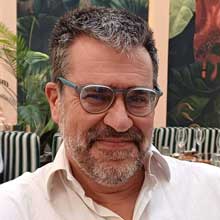
Piero CapelliView profile
Professor
Piero Capelli is a Full Professor in the Department of Asian and North African Studies at Ca' Foscari University of Venice, where he specializes in Hebrew language and Jewish studies. His academic work spans biblical interpretation, rabbinic literature, Jewish mysticism, and medieval interreligious polemics. University: Ca' Foscari University of Venice Department: Department of Asian and North African Studies Academic Rank: Professor Email: piero.capelli@unive.it Capelli’s research focuses on the development of Jewish thought from antiquity through the medieval period, particularly in areas such as apocalyptic literature, the problem of evil, textual transmission, and the interaction between Jewish and Christian intellectual traditions. He has published extensively on topics including Ezekiel’s Merkavah vision, the figure of Satan in early Judaism, and the interpretation of Deuteronomy in late antique sources. His scholarly interests also extend to the cultural and theological dimensions of Jewish-Christian polemics in the Middle Ages, especially concerning figures like Nicolas Donin and Pablo Christiani. His recent publications demonstrate a sustained engagement with both primary textual analysis and broader thematic explorations. From 2023 to 2025, his work includes studies on apocalyptic texts like 1 Enoch, 2 Baruch, and 4 Ezra, as well as critical editions and translations of rabbinic and mystical writings. He has also contributed prefaces, introductions, and editorial leadership to journals such as Skenè and Humanitas , curating special issues on Jewish theatres and demonic traditions in Western culture. While no formal awards are listed in the provided text, his prolific output and editorial roles indicate significant recognition within the academic community. Capelli has advised on bibliographic projects and contributed to collective volumes, showing strong mentorship and collaborative engagement. He has not supervised any named students in the data provided, but his role as a professor implies teaching and guidance responsibilities. He leads no named labs or research teams in the available information, but his editorial and curatorial work suggests leadership in scholarly networks and academic publishing. His career reflects deep commitment to advancing the study of Jewish texts and their reception across historical and cultural contexts.