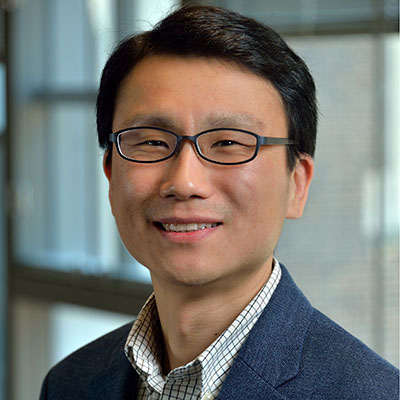
Daeyeon Lee is a Professor in the Department of Chemical and Biomolecular Engineering at the University of Pennsylvania and holds the Russell Pearce and Elizabeth Crimian Heuer Professorship. He leads the Soft Materials Research and Technology (SMART) Lab, focusing on interdisciplinary research in soft materials, microfluidics, and biomedical applications. His work spans gas-encapsulating microcapsules, nanozyme-shelled microrobots, and AI-empowered droplet synthesis. Research Interests : Soft materials, polymer-nanoparticle interactions, microfluidics, targeted drug delivery, and AI-driven manufacturing. Grants : NSF Artificial Intelligence-driven RNA BioFoundry (NSF AIRFoundry), Wellcome Leap contract for lipid nanoparticle research. Scientific Awards : Penn CBE Distinguished Teaching Award, 2022 Outstanding Achievement Award in Nanoscience, Nemirovsky Engineering and Medicine Opportunity (NEMO) Prize. The SMART Lab has produced notable publications in ACS Nano , Advanced Healthcare Materials , and Science Advances , with recent work on biofilm treatment, water harvesting, and RNA-lipid nanoparticle manufacturing. The lab relocated to the Vagelos Laboratory for Energy Science and Technology (VLEST) in 2024 and collaborates with institutions like the Technical University of Munich and Carnegie Mellon University.
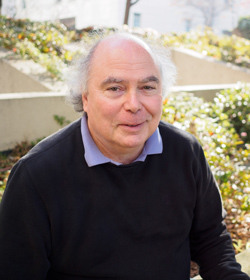
Donald Rio holds the Richard and Rhoda Goldman Distinguished Chair in the Biological Sciences and is a Professor of Biochemistry, Biophysics, and Structural Biology. He is affiliated with the Division of Biochemistry and Molecular Biology and the Center for Integrative Genetics. His lab focuses on nucleic acid transactions, including transposable element mobilization (P elements) and RNA binding protein mechanisms controlling alternative splicing. Research highlights include studies on THAP9 proteins in humans/zebrafish, cryo-EM structural analysis of transposase-DNA complexes, and splicing regulation in neurodegenerative diseases like ALS and Parkinson’s. His work combines biochemical, genetic, and computational approaches, including the development of the Junction Usage Model (JUM) for splicing analysis. Research interests span transposition mechanisms linked to HIV integration, immune system recombination, and evolutionary genome dynamics. His team investigates how RNA binding proteins like hnRNPA1 influence splicing in disease contexts, with projects involving CRISPR-based models and patient RNA-seq data analysis. Collaborations include studies on splicing accuracy across tissues and age, and the impact of splicing defects in neurodegenerative disorders. Key awards include the Goldman Chair. His lab’s contributions bridge fundamental molecular mechanisms with translational applications in genetic disease modeling and drug discovery. Recent work focuses on isogenic stem cell models (iSCORE-PD) for Parkinson’s research and structural biology insights into transposase function. Grants and projects involve NIH funding for ALS splicing studies and collaborations with institutions like the Buck Institute. His lab actively publishes in top journals such as Genome Research , PNAS , and Nature , with a strong emphasis on cryo-EM and bioinformatic methods.
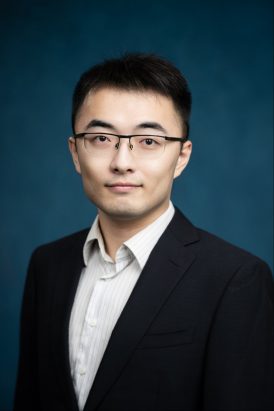
Darryl Overby is a Professor of Mechanobiology in the Department of Bioengineering at Imperial College London's Faculty of Engineering. His academic affiliations include the CRUK Convergence Science Centre, Cancer Technology Network, and multiple interdisciplinary networks focused on ocular biomechanics, vascular science, and regenerative medicine. He holds an Orcid identifier (0000-0001-9894-7515) and was previously affiliated with Tulane University and Harvard Medical School. Education: Ph.D. in Mechanical Engineering (2002) from MIT under Prof. Roger Kamm, followed by postdoctoral research at Harvard Medical School under Prof. Donald Ingber. His work focuses on cellular biomechanics, mechanotransduction, and the role of mechanical forces in intraocular pressure regulation and glaucoma pathophysiology. Research interests span mechanobiology of Schlemm’s canal endothelial cells, nitric oxide signaling in ocular tissues, and development of organ-on-chip models for studying aqueous humor outflow dynamics. His lab explores how mechanical signals drive transcellular pore formation and how these mechanisms fail in glaucomatous conditions. Key contributions include consensus guidelines for Brillouin microscopy measurements, ex vivo perfusion studies, and the role of TRPV4 channels in mechanosensing. His work integrates engineering techniques with clinical ophthalmology to advance therapies targeting glaucoma and ocular hypertension. Professional activities include leadership roles in the Ocular Biomechanics Network and Wound Healing and Regeneration Network. His research has led to patents for devices enhancing aqueous humor drainage and RNAi-based therapies.
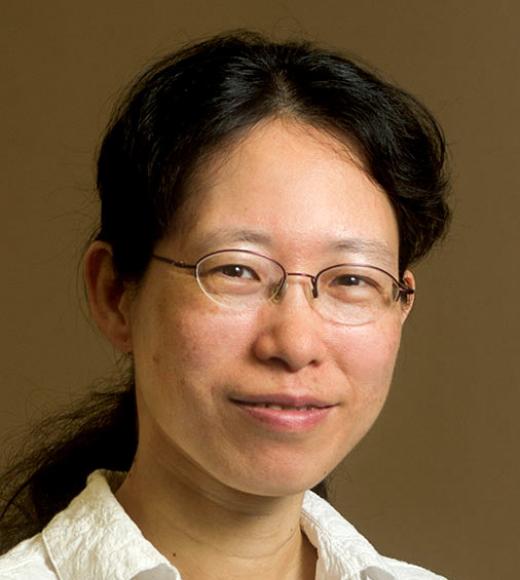
Ying Ge is a Professor at the University of Wisconsin–Madison, jointly appointed in the Department of Cell and Regenerative Biology and the Department of Chemistry. Her research integrates chemistry, biology, and medicine, focusing on advanced mass spectrometry-based proteomic and metabolomic technologies to address cardiovascular diseases. Education: B.S., Peking University (1997) Ph.D., Cornell University (2002) Ying Ge's work centers on developing ultra high-resolution mass spectrometry platforms for top-down proteomics and metabolomics, applied to systems biology studies of heart failure and regenerative medicine. Key projects include myofilament protein modification mapping, stem cell therapy evaluation, and biomarker discovery for cardiac conditions. The 15 most recent articles highlight her lab's methodological innovations (e.g., photocleavable surfactants, native mass spectrometry) and biological discoveries in AMPK structural heterogeneity, RBM20-mediated cardiotoxicity, and sarcomere-metabolism cross-talk during regeneration. These publications span proteomics, metabolomics, structural biology, and clinical applications.
Ian Bradley is an Assistant Professor in the Department of Civil, Structural and Environmental Engineering at the University at Buffalo, State University of New York. His research focuses on creating sustainable biological processes to address needs in engineered and natural systems for water and wastewater treatment and resource recovery. Education: PhD in Environmental Engineering, University of Illinois at Urbana-Champaign (2017) MS in Environmental Engineering, University of Illinois at Urbana-Champaign (2011) MS in Civil Engineering (Structures), University of Illinois at Urbana-Champaign (2010) Research Interests: Dr. Bradley specializes in microalgal-based nutrient recovery, wastewater surveillance for public health monitoring, PFAS degradation using nanomaterials, and sustainable resource recovery systems. His work integrates biological processes with environmental engineering to optimize wastewater treatment efficiency and develop predictive models for water quality and health outcomes. Publications: His recent research includes advancements in microalgal cultivation (EcoRecover process), wastewater-based epidemiology for SARS-CoV-2 tracking, and computational enzyme design for PFAS remediation. These studies demonstrate interdisciplinary expertise spanning environmental engineering, biotechnology, and public health analytics.
Jerelle A. Joseph is an Assistant Professor at Princeton University , affiliated with the Department of Chemical and Biological Engineering and the Omenn-Darling Bioengineering Institute . They also hold associated faculty roles in the Department of Chemistry , Andlinger Center for Energy and the Environment , Princeton Institute for Computational Science and Engineering , and the Biophysics Graduate Program . Research Interests : The Joseph Group investigates the physicochemical principles governing biomolecular condensate formation, dissolution, and misregulation . Their work focuses on phase separation mechanisms , computational modeling of protein-RNA interactions , and engineering condensates for biomedical and sustainability applications , including therapeutic targeting of neurodegenerative diseases and design of synthetic microreactors . Scientific Awards : NIGMS MIRA (R35) Award (2024) Biophysical Society Award Lecture (2024) Chan Zuckerberg Initiative Investigator (2023) Postdoctoral Award, Biophysical Society IDP Subgroup (2022) Rising Star in Soft and Biological Matter (University of Chicago, 2020) Advising : Dr. Joseph advises graduate students including Ananya Chakravarti , Dominic Curtis , and Pablo Garcia . The group develops chemically-specific coarse-grained models using molecular dynamics , Monte Carlo sampling , and machine learning to study condensate microstructure , aging dynamics , and surface electrostatics .
Montserrat Anguera, Ph.D. is an Associate Professor in the Department of Biomedical Sciences at the University of Pennsylvania's School of Veterinary Medicine. Her research focuses on epigenetic mechanisms of gene regulation underlying sex differences in development and disease, with particular emphasis on X-chromosome inactivation (XCI) and its implications for female-biased autoimmune disorders. Dr. Anguera investigates how gene expression from the X-chromosome is regulated to ensure dosage compensation between males and females, and how these mechanisms become altered in diseases exhibiting sex-bias. Her laboratory has established novel epigenetic pathways involving the X-chromosome that impact human development, immune responses, and lymphocyte function. She employs advanced techniques including RNA/DNA fluorescence in situ hybridization, immunofluorescence, and allele-specific RNA sequencing to achieve single-cell resolution of epigenetic characteristics of the inactive X chromosome. Her research reveals a consistent focus on the intersection of X-chromosome biology and immunology, particularly regarding sex-biased autoimmune diseases like systemic lupus erythematosus. Key findings include the discovery that lymphocytes maintain X-chromosome inactivation differently than other somatic cells, with the inactive X exhibiting euchromatic features in female lymphocytes that may underlie female bias in autoimmune disorders. She coined the term 'dynamic XCI maintenance' to describe how T and B cells relocalize Xist RNA and heterochromatic marks to the inactive X chromosome following antigen-mediated stimulation. Dr. Anguera's laboratory includes postdocs Katherine Forsyth and Nikhil Jiwrajka, research specialist Zowie Searcy, graduate students Isabel Sierra and Natalie Toothacre, postdoctoral researcher Nuriban Valero-Pacheco, and PhD student Emma Welter. Together, they investigate epigenetic regulation of X-linked genes in development and disease contexts. She is an active member of multiple prestigious research institutes at Penn, including the Epigenetics Institute, Institute for Immunology, Center for Research on Reproduction & Women's Health, and Institute for Regenerative Medicine. Her work bridges epigenetics, immunology, and developmental biology, providing novel insights into mechanisms underlying female-biased autoimmune disorders.
Brent Page is an Associate Professor (tenured) in the Faculty of Pharmaceutical Sciences at the University of British Columbia (UBC) and maintains a research group at the Karolinska Institute , Department of Oncology and Pathology. His dual affiliation underpins a trans-Atlantic program that integrates cutting-edge chemical biology with medicinal chemistry for anti-cancer drug discovery. Education & Training PhD in Chemistry – University of Toronto (2013) HBSc in Chemistry (Honours) – University of British Columbia (2008) CIHR Postdoctoral Fellow – Karolinska Institute, Sweden (2008–2016) Assistant Professor (non-independent) – Karolinska Institute, Department of Oncology-Pathology (2017–2021) Research Focus Dr. Page’s laboratory operates at the interface of medicinal chemistry and chemical biology , aiming to identify and optimize small-molecule inhibitors for proteins previously considered “undruggable.” Core targets include STAT3, CLIC3, NUDT5/15 and SRPK3 . The group employs cellular thermal shift assays , isothermal ligand-induced resolubilization (ILIRA) , and CeTEAM technologies to quantify target engagement and refine structure–activity relationships in physiologically relevant models of breast cancer, triple-negative breast cancer, leukemia and atopic diseases . Funding & Collaborations His program is supported by Canadian Institutes of Health Research (CIHR) and other national and international agencies. Dr. Page actively participates in UBC’s Accelerated Translational Opioid Research Cluster and welcomes interdisciplinary collaborations and undergraduate research involvement. Equity, Diversity & Inclusion Committed to fostering an inclusive environment, Dr. Page mandates EDI training for all lab members and actively encourages participation from equity-deserving groups.
Hang Lu is an Associate Professor in the Department of Communication and Media at the University of Michigan's College of Literature, Science, and the Arts. He specializes in science, health, environmental, and risk communication (ComSHER), with a focus on media psychology. His research explores audience responses to media messages about sensitive topics and strategies to enhance message effectiveness. Lu holds a Ph.D. in Communication from Cornell University (2018), along with advanced degrees from Cornell, Marquette University, and Central South University in China. He directs the Media and Risk (MaR) Lab and previously served as a postdoctoral fellow at the Annenberg Public Policy Center. His research spans four main areas: 1) emotion dynamics in media responses, 2) predictors of information behaviors, 3) media effects on stigmatization, and 4) AI applications in sensitive domains. He has published in journals like Journal of Communication , Risk Analysis , and Public Understanding of Science , earning multiple top paper awards. As Vice Chair of the Environmental Communication Division at the International Communication Association, Lu contributes to interdisciplinary dialogue. His work addresses critical societal issues such as climate change communication, vaccination hesitancy, and emerging technology ethics.
James Shorter is a Professor of Biochemistry and Biophysics at the Perelman School of Medicine, University of Pennsylvania. He is affiliated with multiple prestigious institutes, including the Institute on Aging (IOA), the Institute for Translational Medicine and Therapeutics (ITMAT), the Penn Center for AIDS Research (CFAR), the Chemistry-Biology Interface (CBI), and the Penn Institute for RNA Innovation. He mentors several training programs such as the Penn Summer Undergraduate Internship Program (SUIP), PennPREP, and the Translational Research Immersion Program (TRIP), and serves as a Primary Trainer at the Center for Neurodegenerative Research (CNDR). Ph.D. in Cell Biology, University of London, 2000 M.A. in Biology, University of Oxford, 1995 Dr. Shorter’s research focuses on protein homeostasis, particularly the mechanisms of protein disaggregation and the role of prion-like domains in neurodegenerative diseases such as ALS, Alzheimer’s, Parkinson’s, and frontotemporal lobar degeneration. His lab investigates the Hsp104 disaggregase from yeast and has engineered variants to combat human proteinopathies. They also identified the mammalian disaggregase system (Hsp110/Hsp70/Hsp40) and explore how small molecules and nuclear import receptors can reverse pathological phase transitions of RNA-binding proteins like TDP-43 and FUS. His work bridges structural biology, genetics, and translational neuroscience. His recent publications highlight trends in targeting TDP-43 and FUS proteinopathies, engineering Hsp104 for selective detoxification, understanding mitochondrial disaggregases like Skd3, and modulating phase transitions with nuclear import receptors. His research spans from fundamental mechanisms of protein folding to therapeutic development for neurodegenerative diseases. Faculty Member, Institute on Aging (IOA) Faculty Member, Institute for Translational Medicine and Therapeutics (ITMAT) Mentor, Penn Summer Undergraduate Internship Program (SUIP) Primary Trainer, Center for Neurodegenerative Research (CNDR) Faculty Member, Penn Center for AIDS Research (CFAR) Member, Penn Institute for RNA Innovation Mentor, Translational Research Immersion Program (TRIP) Dr. Shorter advises numerous graduate students and postdoctoral researchers through the Biochemistry and Molecular Biophysics, Pharmacology, Neuroscience, and Cell and Molecular Biology graduate groups. His lab receives funding from NIH and other sources to support research on protein disaggregation, phase separation, and neurodegenerative disease mechanisms. He has trained many scientists now active in academia and biotech. His lab, located in Stellar-Chance Laboratories, operates at the intersection of biochemistry, cell biology, and translational medicine, with active projects on Hsp104 engineering, mitochondrial proteostasis, and the role of RNA-binding proteins in disease. The lab collaborates widely across Penn and with international partners to advance understanding and treatment of protein misfolding disorders.
Dr. Xi Chen is a Professor in the Department of Chemistry at the University of California, Davis, where he has been a faculty member since 2003. His research spans carbohydrate chemistry, glycobiology, and cancer biology, with notable contributions to chemoenzymatic methods for glycoconjugate synthesis. Dr. Chen's work focuses on developing hybrid chemical-enzymatic approaches to synthesize complex carbohydrates and glycoconjugates, characterizing glycosyltransferase mechanisms, and designing enzyme mutants for improved catalysis. He also investigates carbohydrate-based diagnostics and therapeutics, particularly in cancer and inflammatory diseases. His recent publications highlight interdisciplinary studies linking carbohydrate metabolism to p53 tumor suppression pathways and RNA-binding protein regulation in cancer. Awards include AAAS Fellow (2015), ACS Isbell Award (2012), and NSF CAREER Award (2006). He earned his Ph.D. at Wayne State University (2000) and B.S. at Xiamen University (1994). Scientific Awards American Association for the Advancement of Science Fellow (2015) Dean's Team Award for Excellence (2013) Carbohydrate Research Award for Creativity (2013) ACS CARB Horace S. Isbell Award (2012)
Nicole C. Riddle is a Professor and Associate Chair for Research and Facilities in the Department of Biology at the University of Alabama at Birmingham (UAB). She holds a B.S. in Biology from the University of Missouri Columbia and a Ph.D. in Evolutionary and Population Biology from Washington University in St. Louis. Her research focuses on epigenetics and chromatin dynamics, particularly in the context of aging and sex differences using Drosophila melanogaster as a model system. Dr. Riddle's work explores how epigenetic mechanisms influence lifespan, genome stability, and phenotypic variation. She has pioneered the use of Drosophila to study exercise-induced physiological changes and their genetic underpinnings. Her lab investigates the roles of HP1 proteins in transcriptional regulation and chromatin organization, with recent studies emphasizing cross-species comparisons of aging mechanisms. Her research has been supported by grants including the BII: IISAGE project on sex-specific aging mechanisms. Notable contributions include developing novel tools like the Rotating Exercise Quantification System (REQS) to measure Drosophila activity levels. Dr. Riddle actively mentors students and postdoctoral researchers, inviting inquiries via riddlenc@uab.edu to join her lab.
Dr. Yang Zhang is a Professor at the National University of Singapore (NUS), holding appointments in the Department of Computer Science (School of Computing) and the Department of Biochemistry (Yong Loo Lin School of Medicine). He also leads the Zhang Lab, which focuses on AI-driven computational methods for protein structure prediction and design. Previously, he was a Professor at the University of Michigan. His research integrates artificial intelligence, deep learning, and physics-based models to address challenges in computational biology. Affiliations: School of Computing; Yong Loo Lin School of Medicine; Cancer Science Institute of Singapore Key Roles: Principal Investigator of Zhang Lab; Developer of I-TASSER algorithm Research interests span AI-driven protein design, deep learning for RNA structure prediction, and drug discovery. Projects include the EvoDesign server for protein interaction design and TripletRes for coevolution-based contact prediction. Major contributions include the I-TASSER algorithm, ranked top in CASP experiments for protein structure prediction. Awards: Alfred P. Sloan Award, NSF CAREER Award, and seven-time Highly Cited Researcher (2015–2021).
Professor Christopher Roland is a faculty member in the Department of Physics at North Carolina State University, part of the College of Sciences. He holds the rank of Professor since 2002, joining the university in 1993 after completing his PhD in Physics at McGill University, Canada, and postdoctoral work at the University of Toronto and AT&T Bell Laboratories. His research focuses on theoretical condensed matter physics and biophysics, particularly investigating nucleic acid structures (DNA and RNA) associated with neurodegenerative and neuromuscular disorders like Trinucleotide Repeat Expansion Diseases (TREDs). Key areas include DNA/RNA hairpin dynamics, free energy calculations, and molecular mechanisms underlying genetic mutations. Recent publications emphasize structural and computational studies of nucleic acid conformations, such as Z-DNA motifs, triplex formations, and disease-linked repeat sequences. His work bridges quantum transport simulations, biomolecular modeling, and disease prediction. No scientific awards are explicitly listed in the provided materials. His research is supported by grants from NC State University and collaborations within the Department of Physics. Laboratory and team details are not specified, though his work aligns with computational biophysics and condensed matter research groups at NC State.
Clifford P. Brangwynne is the June K. Wu '92 Professor of Chemical and Biological Engineering and Bioengineering at Princeton University, serving as Director of the Omenn-Darling Bioengineering Institute. His research bridges biophysics, bioengineering, and cell biology to investigate the physical principles governing intracellular organization through liquid-liquid phase separation. Education Ph.D. in Applied Physics, Harvard University (2007) B.S. in Materials Science and Engineering (minor in Physics), Carnegie Mellon University (2001) Research Focus Brangwynne's lab pioneers the study of membrane-less organelles (biomolecular condensates) formed via phase separation, exploring their roles in nuclear architecture, genome regulation, and disease mechanisms. His work integrates soft matter physics with advanced cell biology to uncover how these condensates form, function, and contribute to pathological protein aggregation in neurodegenerative disorders, while developing synthetic organelle engineering for biomedical applications. Publication Trends His publications consistently demonstrate how liquid phase condensation governs cellular organization across scales—from nuclear genome restructuring to pathological aggregation. The interdisciplinary approach reveals fundamental physical principles while driving technological innovations in organelle engineering and disease modeling. Major Awards Breakthrough Prize for Life Sciences (2023) Raymond and Beverly Sackler International Prize in Biophysics (2023) Tsuneko & Reiji Okazaki Award (2021) Wiley Prize in Biomedical Sciences (2020) Blavatnik National Award in Life Sciences (2020) Human Frontier Science Program Nakasone Award (2020) Michael and Kate Bárány Award, Biophysical Society (2020) HHMI Transformative Technology Award (2019) MacArthur Fellow (2018) HHMI, Simons Foundation, and Bill & Melinda Gates Foundation Faculty Scholar (2016) SCB Gibco Emerging Leader Prize, American Society of Cell Biology (2015) Sloan Research Fellowship (2014) NSF CAREER Award (2013) NIH New Innovator Award (2012) Searle Scholar Award (2012) Helen Hay Whitney Fellow (2008-2010) Advising and Funding He mentors graduate students including Jordy Botello, Yi-Che (Eje) Chang, Yoonji Kim, Claire Weaver, Lennard Wiesner, and Jessica Zhao. Research is supported by HHMI, Simons Foundation, Bill & Melinda Gates Foundation, NIH, NSF, and the Human Frontier Science Program. Laboratory and Collaborations Leading the Soft Living Matter Group, Brangwynne collaborates with theorists including Mikko Haataja (Princeton Mechanical Engineering), Ned Wingreen (Princeton Molecular Biology), and Rohit Pappu (WUSTL), while contributing to the NIH 4D Nucleome Consortium to advance understanding of nuclear organization.