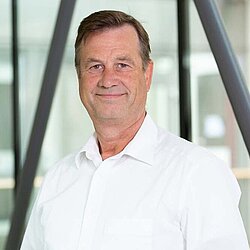
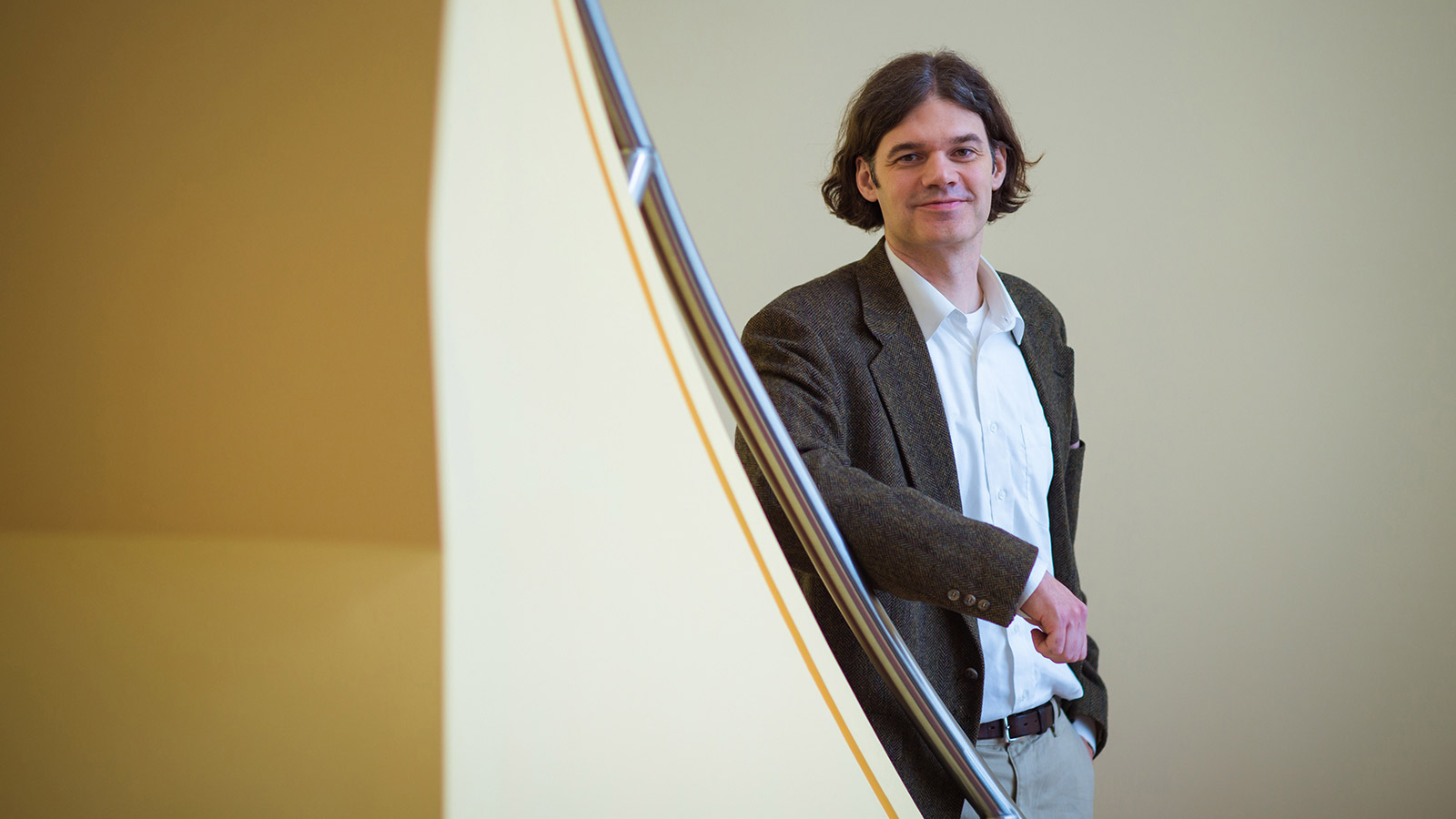
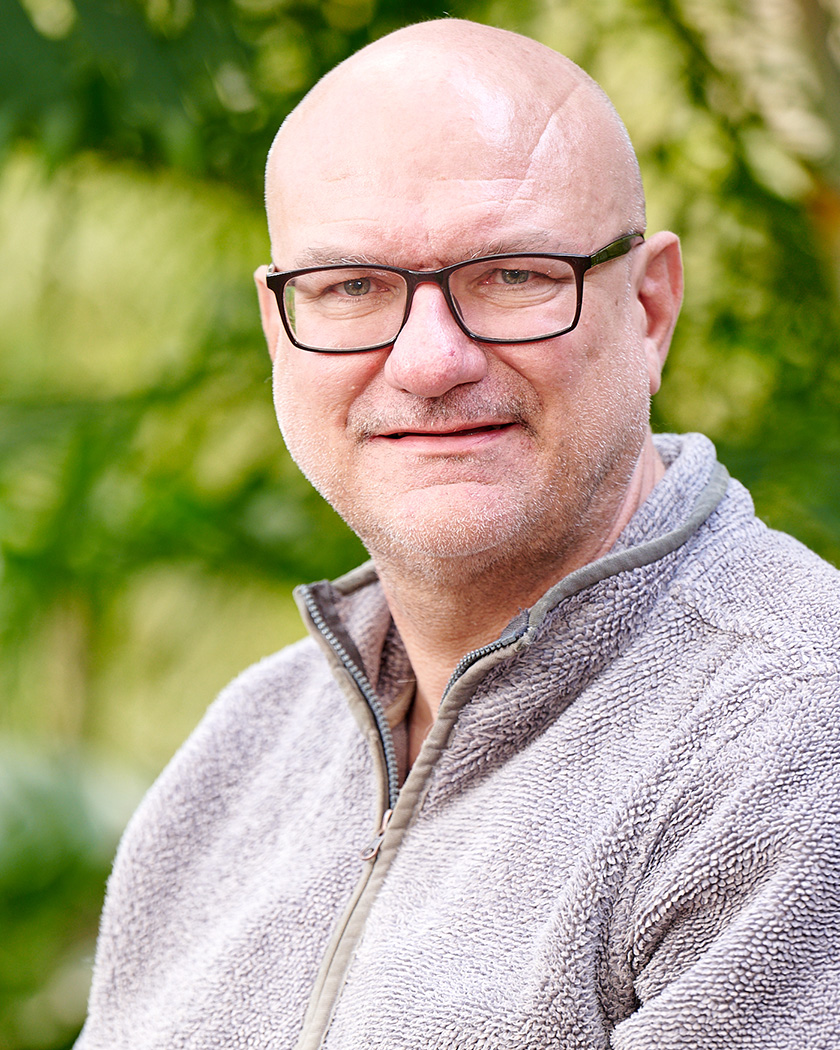
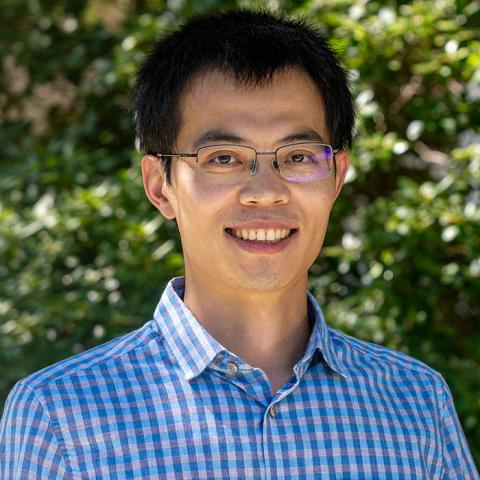
Robert Geffers is a Research Group Leader at the Helmholtz Centre for Infection Research (HZI) and the head of the Genome Analytics group since 2011. He is also a founding member of the Braunschweig Integrated Centre of Systems Biology (BRICS). His work focuses on advanced genome, epigenome, and transcriptome analysis technologies to support interdisciplinary research. Biology degree from the University of Hamburg (1996) Doctoral research on gene regulation at TU Braunschweig Established genome analysis services at HZI His research spans genomics , transcriptomics , and bioinformatics , with recent publications addressing microbiota dynamics in liver cirrhosis, immune regulation in cancer, SARS-CoV-2 pathogenesis, and genetic mechanisms in congenital diseases. The Genome Analytics group provides critical tools for high-throughput sequencing and computational modeling, enabling studies on host-pathogen interactions and immune system modulation. Despite no explicit awards listed, his leadership in technical innovation and collaborative projects underscores his institutional significance.
Christophe Lucas is a CNRS Research Scientist and Manager of the Chemical Ecology Platform at the Research Institute on Insect Biology (IRBI), University of Tours, France. He holds a HDR (Habilitation à Diriger des Recherches) and has been affiliated with institutions including the University of Lausanne (Switzerland) and University of Toronto (Canada). His research focuses on chemical and behavioral ecology, particularly in social insects like termites, ants, and wasps, exploring how environmental and social factors influence behavior through chemical communication and genetic mechanisms. Education: PhD in Sciences (1998-2002), University of Paris-Sud Post-doctoral Researcher (2003-2006), University of Toronto First Assistant (2007-2009), University of Lausanne Research Themes: Chemical ecology, behavioral genetics, and adaptation in social insects. Key areas include chemical communication pathways, gene expression linked to behavior (e.g., the foraging gene), and the role of environmental factors in behavioral plasticity. Models include termites, ants (e.g., Solenopsis invicta , Pheidole pallidula ), earwigs, and Drosophila. Methodologies: Gas chromatography-mass spectrometry (GC-MS), RNA interference, omics tools (W4M, Galaxy), and behavioral tracking. Recent work highlights chemical heterogeneity in hornets, termite reproductive signaling, and defensive adaptations in insect societies. Grants and Collaborations: Collaborations include the International Union for the Study of Social Insects and GDR Chemical Ecology. His work intersects with invasive species biology and ecological stress responses.
Gregor Bucher is Professor of Evolutionary Developmental Genetics at the University of Göttingen, where he leads research on insect development using the red flour beetle (Tribolium castaneum) as a model system. His laboratory investigates the genetic and cellular mechanisms underlying insect head formation, brain development, and evolutionary diversification. Bucher developed the iBeetle RNAi screening platform that enables genome-wide functional analysis in Tribolium. Research spans three interconnected areas: (1) Genetic control of insect head development, (2) Evolution of insect brain structures with focus on the central complex, and (3) Application of RNA interference for pest control. The laboratory employs CRISPR/Cas9 genome editing, transgenic tools, and comparative approaches to study evolutionary developmental processes. Recent publications demonstrate increasing focus on RNAi applications for agricultural pest control and comparative brain development. Work from 2022-2025 shows methodological innovations in dsRNA design, genome-wide screening for pest control targets, and comparative analyses of neurodevelopmental timing between beetles and flies. Bucher contributes to graduate education through the Göttingen Graduate Center for Neurosciences, Biophysics, and Molecular Biosciences, training PhD students in functional genomics and evolutionary biology.
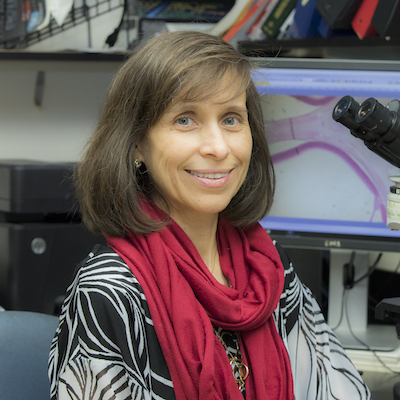
Katia Del Rio-Tsonis is a Professor in the Department of Biology at Miami University. Her research focuses on understanding cellular and molecular mechanisms underlying tissue regeneration, particularly in the retina and lens. She uses models such as salamanders, axolotls, frogs, and embryonic chicks to study how pigmented epithelial cells reprogram into functional tissues post-injury. Collaborations include work with Dr. Mike Robinson and Justin Saul to develop in vitro human models using induced pluripotent stem cells for retinal regeneration. Her lab investigates key molecules (transcription factors, miRNAs) and signaling pathways involved in reprogramming, aiming to translate findings into therapies for conditions like cataracts and retinal degenerative diseases. Key research areas: Retina regeneration, cellular reprogramming, developmental plasticity Models: Salamanders, newts, axolotls, embryonic chicks Techniques: Gene silencing, stem cell engineering, in vitro human models Her work bridges basic science and clinical applications, seeking to regenerate retinal cells for therapeutic use. Notable collaborations emphasize translational research into human retinal diseases such as Cone-Rod Dystrophy and Stargardt Disease. Selected publications highlight contributions to understanding BMP signaling in regeneration, C3a’s role in morphogenesis, and Wnt pathway regulation. Courses taught include Patterns in Development and Biology of Cancer , integrating research insights into education.
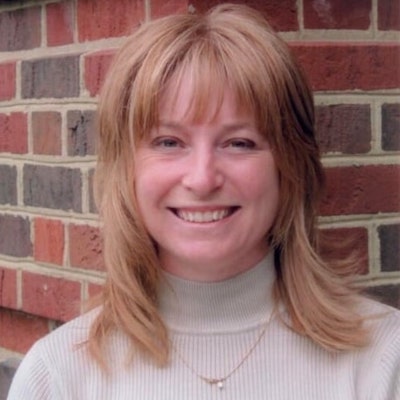
Tracy Haynes is a Senior Lecturer in the Department of Biology at Miami University. Her research focuses on stem cell research, tissue regeneration, and retina regeneration, particularly using chick and newt models. Collaborating with Dr. Katia Del Rio-Tsonis, she investigates the role of complement proteins and Wnt signaling in inducing retina regeneration. Her work spans developmental biology, cell signaling, and regenerative mechanisms. Education details are not explicitly provided, but her career has been dedicated to experimental biology. Her research highlights include identifying complement anaphylatoxin C3a as a potent inducer of chick retina regeneration and developing protocols for gene manipulation in newts. She teaches courses such as Principles of Human Physiology and Cell Biology. Her publications emphasize interdisciplinary approaches, bridging immunology, developmental biology, and regenerative medicine. Research trends in her work include understanding molecular regulators of regeneration and applying findings to potential therapeutic strategies. Courses taught reflect her expertise in physiology, cell biology, and biotechnology.
Craig C. Mello is the Blais University Chair in Molecular Medicine and a Distinguished Professor at UMass Chan Medical School, where he leads research in the RNA Therapeutics Institute. He holds multiple appointments across the T.H. Chan School of Medicine and Morningside Graduate School of Biomedical Sciences, including positions in the Cancer Center, Program in Molecular Medicine, and RNA Therapeutics and Biology Program. Brown University: BS Biochemistry Harvard University: PhD Cellular/Developmental Biology Mello's research focuses on RNA-mediated gene regulation, with groundbreaking work on RNA interference (RNAi) that earned him the 2006 Nobel Prize in Physiology or Medicine. His laboratory investigates how cells use short segments of genetic code to find and regulate matching information, with particular emphasis on piRNA pathways, germline determination, and CRISPR-mediated genome editing tools for C. elegans. His work has revealed fundamental mechanisms of epigenetic inheritance and transgenerational silencing. Analysis of Mello's recent publications (2018-2024) shows continued innovation in RNA biology and genome editing. His research spans molecular mechanisms of piRNA production, Argonaute protein function, transgenerational epigenetic inheritance, and CRISPR optimization. The work demonstrates increasing sophistication in understanding how RNA pathways maintain genome integrity and regulate gene expression across generations, with significant implications for therapeutic applications. Nobel Prize in Physiology or Medicine (2006) Howard Hughes Medical Investigator Blais University Chair in Molecular Medicine Mello has mentored numerous graduate students through UMass Chan's Interdisciplinary Graduate Program and MD/PhD Program, with his laboratory serving as a training ground for future scientists in RNA biology. His research has been supported by continuous funding from the Howard Hughes Medical Institute since 2000 and various NIH grants. The laboratory maintains strong collaborations with researchers worldwide, particularly in the fields of small RNA biology and genome editing. The Mello laboratory operates at the forefront of RNA biology research, with specialized facilities for C. elegans genetics, molecular biology, and advanced microscopy. The team includes postdoctoral researchers, graduate students, and technical staff working collaboratively to unravel the complexities of RNA-mediated gene regulation and develop novel genome editing approaches.
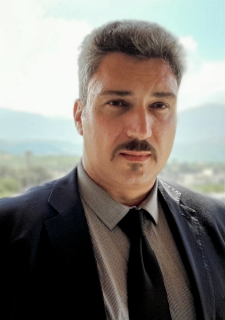
Sarris Panagiotis is an Associate Professor in the Department of Biotechnology and Applied Biology at the University of Crete, where he conducts research at the intersection of plant-microbe interactions and molecular immunology. His work focuses on understanding the molecular mechanisms underlying plant immune responses to bacterial pathogens, with particular emphasis on effector-triggered immunity and host-pathogen coevolution. His primary research interests include Molecular Microbiology, Molecular Pathogen-Host Interactions, Microbiomes analysis, Molecular Immunology of plant organisms, Molecular bacteriology, and Plants and microbes genomic sequencing annotation and analysis. His laboratory investigates how plant immune receptors recognize pathogen effectors and how these interactions shape plant defense responses. Dr. Sarris's publication record demonstrates a strong focus on plant immune receptor architecture, particularly NLR (Nucleotide-binding Leucine-rich Repeat) receptors, and their role in recognizing bacterial effectors. His work spans structural biology, molecular genetics, and functional genomics approaches to dissect plant-pathogen interactions. Recent publications highlight his contributions to understanding how bacterial effectors target host cellular machinery and how plants have evolved countermeasures to detect these virulence strategies. His research has significant implications for developing novel strategies for crop protection against bacterial diseases. The laboratory employs a multidisciplinary approach combining molecular biology, biochemistry, genetics, and advanced imaging techniques to investigate plant immune mechanisms.
Peter Reddien is a Professor of Biology at the Massachusetts Institute of Technology (MIT) and a Core Member and Associate Director of the Whitehead Institute for Biomedical Research. He is also an Investigator at the Howard Hughes Medical Institute (HHMI) since 2013. His research focuses on understanding how stem cells regulate regeneration of missing tissues in planarians, integrating molecular genetics, high-throughput sequencing, and RNA interference techniques. Key contributions include identifying stem cell regulatory mechanisms, Wnt/β-catenin signaling pathways, and muscle-guided regeneration processes. Education : PhD in 2002, MIT SB in Molecular Biology, University of Texas at Austin, 1996 Research Interests : Reddien’s work explores stem cell dynamics, tissue patterning, and regeneration in planarians. His lab studies the interplay between genetic networks (e.g., Wnt, Notch, BMP signaling) and environmental cues during regeneration. Recent breakthroughs include characterizing transcriptional regulators of stem cell identity and the role of muscle cells as instructive signals for tissue repair. Publications Overview : Over 60 peer-reviewed articles highlight his contributions to understanding regeneration at molecular and cellular levels. Notable studies include the role of map3k1 in stem cell differentiation (2025), Notch-mediated neuron-glia coordination (2025), and the transcriptional atlas of planarian stem cells (2024). Awards : HHMI Investigator (2013), recognizing his transformative work in regenerative biology. Lab & Collaborations : The Reddien Lab at Whitehead Institute combines genomic tools with experimental embryology. Collaborations include single-cell profiling with computational biologists and functional genomics with molecular biologists.
Mark Fisher is a Research Associate at Curtin University's Centre for Crop Disease Management (CCDM), affiliated with the School of Molecular and Life Sciences and Faculty of Science and Engineering. His research focuses on RNA interference applications in agriculture, particularly targeting the necrotrophic fungus Sclerotinia sclerotiorum in canola. He holds advanced degrees including a PhD from the University of Western Australia (UWA), MA from the University of Cambridge (Cantab), and certifications in Engineering (C Eng) and Computer Science (MBCS). His work spans Ribosomally synthesized cyclic peptides Plant seed proteomics Peptide evolution and structure Herbicide target analysis Key contributions include discoveries in orbitides, macrocyclic peptides, and de novo peptide sequencing. His articles (2016-2022) reflect interdisciplinary research in plant biology, biochemistry, and pharmacology, with emphasis on structural biology and drug delivery mechanisms. Awards and grants are not explicitly listed.
Hilde-Gunn Opsahl Sorteberg is a Professor in the Department of Chemistry, Biotechnology and Food Science at the Norwegian University of Life Sciences (NMBU), Faculty of Science and Technology. Her research spans plant developmental biology, molecular genetics, and biotechnology, with a recent focus on sugar kelp (Saccharina latissima) development and genomics. Her research interests lie at the intersection of plant development and genetic regulation. She began her career studying seed development and epidermal cell identity in maize and barley, identifying key genes such as DEK1 , ESR , and GASA4 . Her work has evolved to explore early embryogenesis in macroalgae, where she investigates cell patterning, meristem identity, and gene regulation using techniques like RNA-seq, CRISPR, and live imaging. She emphasizes bridging basic science with applied biotechnology, including genome editing for crop improvement and edible vaccines. The recent publications highlight a shift toward marine plant systems, particularly kelp, while maintaining strong roots in plant molecular biology. Themes include developmental control, gene family evolution (e.g., CLE peptides), and biotechnological applications in agriculture and medicine. Her work combines classical genetics with modern omics and genome editing tools. She has supervised multiple PhD and master’s students, including Ioannis Theodorou, Lene Therese Olsen, Espen Evju, Iva Andrasevic, and Dorota Monika Jaskula. She has been involved in significant research collaborations with institutions such as Sorbonne/CNRS Roscoff, UC Berkeley, Yale University, and NIBIO. Her projects include international efforts like the submitted EU proposal Sea2Biodive4Life, focusing on kelp genomics and biodiversity. She has led COST actions as a working group leader and management committee member in biotechnology. Her international experience includes postdoctoral work at ENS/Lyon, sabbaticals at UC Berkeley and Yale, and active participation in global research networks. Dr. Opsahl Sorteberg has taught core courses such as Introductory Genetics (BIO120), Cell Biology (BIO100), and Developmental Biology (BIO320/420). She has also contributed to BIO101 and HFX133. She is actively involved in student guidance and curriculum development.
Dr. Cesar Lopez-Camacho serves as a Group Leader and Jenner Investigator at the University of Oxford's Nuffield Department of Medicine within the Medical Sciences Division. Leading the RNA Technology Programme at the Jenner Institute, he directs research on mRNA vaccine platforms and arthropod-borne pathogen vaccines. His team comprises two postdoctoral scientists and two DPhil students developing novel Lipid Nanoparticle delivery systems. His research spans mRNA vaccine development , viral-vectored vaccines , and arbovirus immunopathogenesis . Specializing in Dengue, Zika, Chikungunya, and malaria vaccines, his work integrates molecular cloning, in-silico gene design, and immune response analysis. During the pandemic, he engineered SARS-CoV-2 antigens for diagnostics and immune monitoring while serving on the UK Parliament's COVID-19 Expert Database and National Testing Scientific Advisory Panel. Analysis of his 15 most recent publications reveals dominant focus on coronavirus variant immune evasion (70% of 2020-2021 work), malaria vaccine platforms (2024 lead publication), and cross-protective alphavirus immunity . His research consistently bridges structural virology with translational vaccinology, emphasizing pre-clinical validation in murine models. Ohtli Award from Mexican Government (2021) JFF Grant for mRNA Platform Development NIHR Capital Fund for mRNA Core Facility Dr. Lopez-Camacho advises DPhil students in the Jenner Institute's graduate program while managing multiple grants including the JFF award and NIHR funding. His team operates the newly established mRNA core facility supporting internal and external pre-clinical research. Current projects include combination arbovirus vaccines and next-generation LNP formulations for enhanced immunogenicity.
Foen Peng is an Assistant Professor of Biology at Haverford College, specializing in evolutionary and genetic mechanisms underlying plant adaptation to pollinators. His research focuses on monkeyflowers (Mimulus), examining genomic and phenotypic changes in floral traits such as color, shape, and scent. Education: BS in Urban Planning (2011), East China Normal University PhD in Biology (2018), University of Washington Peng's lab investigates how organisms evolve in response to environmental pressures, particularly through plant-pollinator interactions, integrating genomics, developmental biology, and ecological modeling. His work spans speciation, immune responses in parasitism, and reaction-diffusion systems in pigmentation. Recent publications highlight interdisciplinary approaches to understanding evolutionary conflicts, hybrid speciation, and gene regulation in floral adaptation. Research themes include pollinator-driven diversification, genetic trade-offs, and molecular mechanisms of phenotypic variation.
Fei Li serves as Professor of Biology in the Department of Biology at New York University's College of Arts and Science, where she leads an active research program investigating epigenetic regulation of heterochromatin and centromeres using fission yeast ( Schizosaccharomyces pombe ) as a primary model system. Her work bridges fundamental chromatin biology with implications for cancer and human disease through interdisciplinary approaches combining genetics, biochemistry, and genomics. Her academic training includes: Ph.D. in Molecular Biology from The University of Texas at Austin M.S. in Biology from the University of Louisiana at Monroe B.S. in Biology from Sichuan University, China Dr. Li's research centers on epigenetic mechanisms governing heterochromatin formation and centromere identity, with particular focus on how histone modifications, RNA interference, and protein complexes establish heritable epigenetic states. Her laboratory employs cutting-edge techniques including cryo-EM, chromatin immunoprecipitation, and advanced microscopy to dissect the molecular machinery controlling chromosome segregation and gene silencing, revealing conserved principles relevant to human disease pathogenesis. This work has positioned her as a leader in understanding how epigenetic dysregulation contributes to cancer development. Analysis of her 15 most recent publications (2019-2025) reveals evolving research trajectories: early work established foundational mechanisms of heterochromatin assembly through RNAi and histone deacetylation, while recent studies have expanded into phase separation phenomena, spatial chromatin organization, and cross-species applications including plant ion channels and mammalian aging clocks. Her publications consistently demonstrate technical innovation, particularly in structural biology approaches applied to epigenetic complexes, with increasing translational relevance to aging and disease mechanisms. Her scientific recognition includes: Pew Scholar in the Biomedical Sciences (2013) Memorial Research Scholarship from The University of Texas at Austin (2002) Dr. Li maintains an active mentoring program with current post-doctoral and research assistant positions available in her NYU laboratory. Her research program is supported by competitive grants including the Pew Biomedical Scholars Award, enabling multidisciplinary investigations that integrate genetic, biochemical, and genomic approaches to epigenetic questions. She has established collaborative networks spanning molecular biology, structural biology, and translational medicine fields. Her research infrastructure includes a dedicated laboratory in NYU's Brown Building equipped for advanced genetic manipulation, live-cell imaging, chromatin biochemistry, and next-generation sequencing, facilitating comprehensive analysis of epigenetic mechanisms from molecular to organismal levels.
Eve Veromann is a Professor of Applied Entomology at the Estonian University of Life Sciences, where she has served since 2020 in the Institute of Agricultural and Environmental Sciences, specifically within the Chair of Plant Health. Her academic career spans over two decades at the same institution, progressing from Researcher to Professor, with additional international collaborations through Erasmus programs and EU-funded projects. Her research focuses on sustainable plant protection strategies, with particular emphasis on developing RNAi-based approaches for pest control in oilseed rape, implementing Integrated Pest Management (IPM) systems including push-pull strategies and companion planting, and studying the ecosystem services provided by biodiversity at both field and landscape levels. Her work examines the complex interactions between agricultural landscapes, pest populations, and natural enemies, particularly parasitoids of oilseed rape pests. Analysis of her recent publications reveals a strong trend toward innovative pest management solutions, with RNAi technology emerging as a central theme in her research. Her work bridges fundamental entomological research with practical agricultural applications, focusing on environmentally friendly alternatives to chemical pesticides. She has contributed significantly to both theoretical understanding of pest ecology and practical implementation of sustainable farming practices across multiple European projects. 2024 Estonian National Science Award in Agricultural Sciences for research cycle 'Innovative RNAi approach in pest control and implementation of ecosystem services in sustainable agriculture' 2018 Medal of merit from Estonian University of Life Sciences 2015 Letter of thanks for significant contribution to international teaching 2007 Diploma prize in biological and environmental sciences at PhD level Professor Veromann actively supervises numerous doctoral and master's students, with current projects focusing on RNAi applications, landscape ecology effects on pest populations, and sustainable pest management. She has secured substantial funding through competitive grants including EU Horizon 2020 projects, Estonian Research Council grants, and European Commission funding. Her leadership extends to directing major research centers including the Center for Sustainable Land Use (TK232) with 6.99 million EUR funding. She leads the Kreutzwald Renewable Resources Research Center and collaborates extensively with international networks including the European Network of Organic Agriculture Teachers and the Functional Agrobiodiversity Learning Network. Her work integrates laboratory research with field applications, connecting fundamental entomological knowledge with practical farming solutions across Estonia and Europe.
Adam Labadorf is an Assistant Professor at Boston University Chobanian & Avedisian School of Medicine in the Department of Neurology . He received his PhD in Bioinformatics from Boston University, MS in Bioinformatics from Colorado State University, and BS in Biology from Dickinson College. Director of Graduate Studies for BU Bioinformatics Masters Program Director of Bioinformatics for VA PTSD Brain Bank Member of BU Alzheimer's Disease Research Center Member of BU CTE Center His research focuses on genomic and transcriptomic mechanisms of neurodegeneration , applying bioinformatics and machine learning to study Huntington's, Parkinson's, and Chronic Traumatic Encephalopathy (CTE) . He specializes in post-mortem human brain tissue analysis and cerebrospinal fluid transcriptomics , with methodological expertise in metatranscriptomics spanning applications from Caribbean coral ecology to central nervous system-microbiome interactions . Recent publications highlight his work on tau haplotype risks in CTE , transposable element RNAs in neurodegeneration , and APOER2 splicing in Alzheimer's disease . His research has been supported by NIH/National Institute on Aging (2024-2029) and multiple Department of Veterans Administration grants. He leads interdisciplinary collaborations with institutions including Boston University Alzheimer's Disease Research Center , VA Boston Healthcare System , and Boston Medical Center , while maintaining active roles in BMC Med Genomics and PLoS Genet editorial boards.