Carol PrivesView profile
Professor
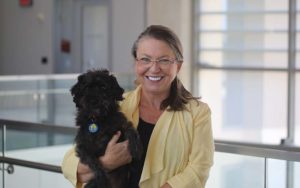
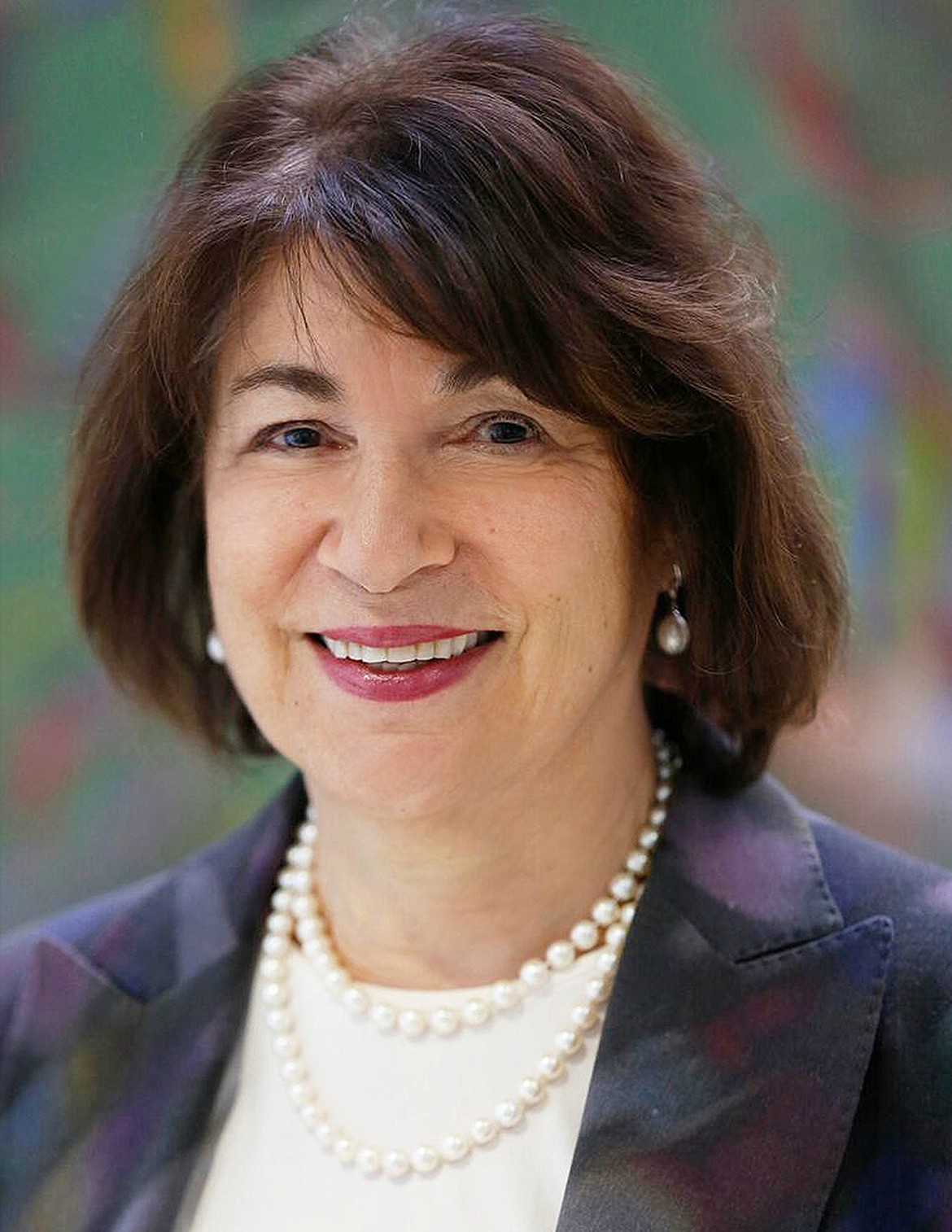
Carol Prives serves as the Da Costa Professor of Biology at Columbia University's Faculty of Arts and Sciences, where she leads groundbreaking research on the p53 tumor suppressor protein. Her work is central to understanding cancer biology, as mutation of the p53 gene represents the most frequent lesion detected in human cancer. Location: 816 Fairchild, Mail Code: 2422, Columbia University Contact: +1 212 854 2557 | clp3@columbia.edu Dr. Prives' research focuses on several critical aspects of p53 biology: the structure and function of the p53 protein, the p53/Mdm2 regulatory circuit, cellular responses to genotoxic stress, the roles of p63 and p73 homologs, and the mechanisms by which p53 promotes apoptosis. Her laboratory has made seminal discoveries, including identifying hCAS/Cse1L as a novel co-regulator of p53 target genes, demonstrating that p53 can slide on DNA, and revealing how cyclin G1 regulates the p53/Mdm2 circuit. Her extensive publication record shows a consistent focus on p53 signaling pathways with increasing exploration of connections to cancer metabolism, immune responses, and metastasis. Recent work has revealed p53's role in repressing the mevalonate pathway for tumor suppression and its connections to ferroptosis in hepatocellular carcinoma. Her 2024 publication on "p53 at the crossroads of tumor immunity" demonstrates her ongoing leadership in connecting fundamental p53 biology to cutting-edge cancer immunotherapy approaches. Among her distinguished honors are membership in the American Academy of Arts & Sciences, Fellowship in The Royal Society, and membership in the National Academy of Sciences. These prestigious recognitions reflect the profound impact of her work on the field of cancer biology. American Academy of Arts & Sciences Member Fellow of The Royal Society National Academy of Sciences Member Dr. Prives' laboratory has been instrumental in training numerous scientists in cancer research, with many of her former students and postdocs establishing successful independent careers. Her research has been consistently supported by major funding from the National Institutes of Health and other prestigious organizations, enabling her team to maintain cutting-edge facilities for molecular and cellular analysis. The Prives laboratory operates as a vibrant research community where molecular biologists, biochemists, and cell biologists collaborate to unravel the complexities of p53 signaling. Her team employs diverse methodologies including structural biology, genomics, and live-cell imaging to investigate how p53 functions as the "guardian of the genome" and how its dysfunction contributes to cancer development.