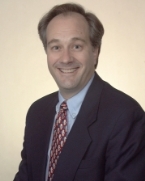
John Mattick is an Honorary Professor at the Institute for Molecular Bioscience, University of Queensland. His research focuses on non-coding RNAs, epigenetics, and their roles in development, cognition, and disease. He has contributed extensively to understanding RNA's regulatory functions and their implications in fields like neuroscience and cancer biology. Mattick's work integrates genomic, transcriptomic, and computational approaches to explore the complexity of the transcriptome. He has co-authored over 200 journal articles, including studies on long noncoding RNAs (lncRNAs), RNA editing, and epigenetic mechanisms. His research spans collaborations across disciplines, from molecular biology to computational genomics. Key areas of investigation include the role of lncRNAs in neural plasticity, the regulatory networks governed by non-coding RNAs, and the application of high-throughput sequencing technologies. His lab has also explored the clinical relevance of non-coding RNAs in diseases such as cancer and neurodegenerative disorders.
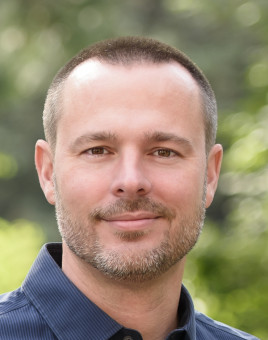
Professor Hubert Hondermarck is a distinguished biochemist specializing in Cancer Neuroscience at the University of Newcastle Australia's School of Biomedical Sciences and Pharmacy. As Head of the Discipline of Medical Biochemistry within the Faculty of Health and Medicine, he leads groundbreaking research on the interactions between nerves and cancer cells. Dr. Hondermarck earned his PhD in neurobiochemistry from the University of Lille, France in 1990, followed by post-doctoral research at the University of California Irvine (1990-1993) in Professor Ralph A. Bradshaw's laboratory. He previously established and led a research unit at the French Institute of Health and Medical Research (U908, INSERM) before relocating to Australia in 2011 to establish his Cancer Neuroscience program. Professor Hondermarck's research focuses on the crosstalk between nerves and cancer cells, investigating how the nervous system, neurotrophic growth factors, and neuromolecules influence tumor growth and metastasis. His laboratory has pioneered the understanding that nerves actively promote tumor initiation and progression, challenging previous assumptions that neurons were not involved in cancer development. This paradigm-shifting research has significant implications for developing new clinical biomarkers and therapeutic targets in oncology. His methodologies include analysis of human tumor samples, cell cultures, proteomics, and mass spectrometry, with collaborations spanning neurobiologists, pathologists, clinicians, and private companies to translate findings into practical oncology applications. His recent publications reveal consistent themes across multiple cancer types including prostate, breast, pancreatic, and brain cancers, with a particular emphasis on nerve density as a potential diagnostic and prognostic biomarker, neurotrophic factors like NGF and proNGF, and membrane proteins such as sortilin as therapeutic targets. The research demonstrates that denervation can suppress both primary tumor development and metastatic outbursts, highlighting the therapeutic potential of targeting nerve-cancer interactions. Molecular and Cellular Proteomics (ASBMB) FASEB Bioadvances (Wiley) Proteomics (Wiley) Proteomics Clinical Applications (Wiley) Open Cancer Journal (Bentham) Frontiers in Endocrinology (Frontiers Media) Professor Hondermarck actively supervises students and early-career researchers in Cancer Neuroscience, with numerous publications co-authored with team members including Chenchen Jiang, Sam Faulkner, Phillip Jobling, and others. His laboratory receives funding through competitive grants including the TROG 03.04 RADAR trial, which has generated significant long-term data on prostate cancer outcomes. The research team collaborates extensively with clinicians and researchers across multiple institutions, facilitating translational research from bench to bedside. Professor Hondermarck's laboratory operates at the intersection of neuroscience and oncology, with specialized facilities for proteomic analysis, cell culture, and tumor sample analysis that enable comprehensive investigation of nerve-cancer interactions.
Ihab Younis is a Teaching Professor in the Department of Biological Sciences at Carnegie Mellon University , leading the Biological Sciences Program at CMU Qatar. He holds a Ph.D. in Molecular, Cellular, and Developmental Biology from The Ohio State University, with M.S. and B.S. degrees in Biology from the American University of Beirut. His research focuses on post-transcriptional regulation of gene expression , particularly intron splicing mechanisms and their role in cancer. His lab employs cutting-edge techniques like RNA-seq and high-throughput screening to study splicing defects in cancer cells and has identified novel splicing regulators. A key focus is the role of minor introns as stress-induced molecular switches, mediated by the unstable U6atac snRNA component of the minor spliceosome. Younis teaches courses including Genetics, Molecular Biology, Virology, and Cancer Biology. His lab integrates computational and experimental approaches, including projects exploring splicing aberrations in cancer and mechanisms controlling mRNA length. He has published extensively on splicing regulation, HTLV viral replication, and the SMN complex's role in RNP assembly. His work bridges basic science and translational research, aiming to uncover therapeutic targets for cancer and viral diseases. Despite no explicitly listed awards, his contributions to splicing mechanisms and stem cell applications highlight impactful academic leadership.
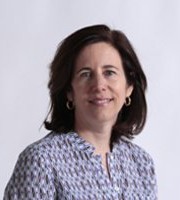
Thoru Pederson is the Vitold Arnett Professor of Cell Biology at UMass Chan Medical School and Associate Vice Provost for Research. His pioneering work has transformed understanding of nuclear organization, particularly nucleolar functions beyond ribosome biogenesis, including microRNA localization and stress responses. His laboratory discovered signal recognition particle (SRP) assembly in the nucleolus and identified nucleolar microRNAs. Current NSF-funded research investigates the nucleolus as a multifunctional domain housing cell cycle regulators and examines nuclear body formation through phase separation mechanisms. His laboratory employs cutting-edge techniques including CRISPR-based genome imaging and fluorescence correlation spectroscopy. Pederson has received the Wilhelm Bernhard Medal and Medal of Charles University for nuclear research. He serves on editorial boards for Journal of Cell Biology, Molecular Biology of the Cell, and FASEB Journal, and chairs the Marine Biological Laboratory's Research Awards Committee. His career contributions include seminal studies on RNA trafficking and nuclear dynamics. Beyond research, he writes extensively on science policy, biomedical ethics, and historical perspectives in cell biology.
Selma Masri is Associate Professor of Biological Chemistry at UC Irvine School of Medicine, investigating circadian regulation of metabolism and chromatin dynamics. Research explores sirtuin-mediated epigenetic control of metabolic pathways and circadian disruption in cancer. Key findings reveal partitioning of circadian transcription by SIRT6 and metabolic control mechanisms. Current studies examine DNA damage responses, tumor immunosuppression rhythms, and therapeutic modulation of circadian-metabolic interactions in disease.
Dr. Marlin Touma is an Associate Professor-in-Residence in the Department of Pediatrics at the David Geffen School of Medicine, University of California Los Angeles (UCLA). His research focuses on understanding the genetic and molecular mechanisms underlying congenital heart defects and cardiac development, with particular emphasis on gene-environment interactions during perinatal heart maturation. Dr. Touma's research interests span multiple areas including congenital heart defects, cardiac development genetics, long noncoding RNA biology, and precision cardiovascular medicine. His work bridges basic science with clinical applications, investigating how genetic variants and environmental factors interact to influence cardiac chamber development and function. His laboratory employs cutting-edge genomic technologies including whole-exome sequencing, ChIRP-seq, and murine models to uncover molecular pathways critical for normal heart development and to identify pathogenic mechanisms in congenital heart disease. Analysis of Dr. Touma's recent publications reveals a strong focus on genetic causes of congenital heart defects, with particular attention to chamber-specific development and maturation. His work combines genomic approaches with functional validation to identify novel variants in genes like GATA5/6, FBN1/2, and LMOD2 that cause specific cardiac phenotypes. A significant portion of his research investigates the role of long noncoding RNAs, particularly Ppp1r1b-lncRNA, in regulating cardiac development through epigenetic mechanisms. His publications also demonstrate a growing interest in environmental influences on cardiac development, including air pollution exposure and hypoxemia during perinatal transition. Dr. Touma serves as Principal Investigator on NIH-funded research projects including 'Novel Gene-Environment Regulatory Circuit in Chamber-Specific Growth of Perinatal Heart' (R01HL153853, 2020-2024) and previously led the R56HL146738 project. His collaborative work involves multiple co-investigators across UCLA, particularly with the Congenital Heart Defects-BioCore Faculty, and extends to clinical applications in precision child health cardiovascular medicine.
Dr. Tatiana Soboleva is an Associate Professor in the Genome Sciences and Cancer Division at The Australian National University (ANU). She holds affiliations with the Shine-Dalgarno Centre for RNA Innovation and collaborates with the Chromatin and Translational Regulation group led by Prof. David Tremethick. Her research focuses on epigenetic mechanisms governing cell differentiation and cancer, particularly the role of histone variants like H2A.B in spermatogenesis and oncogenesis. Dr. Soboleva completed her undergraduate studies in biochemistry at Moscow State University, earned a PhD in Molecular Medicine from ANU’s John Curtin School of Medical Research (JCSMR), and conducted postdoctoral research under Prof. Ian Young and Prof. David Tremethick. Her work revealed H2A.B’s dual role in chromatin regulation and RNA processing, with implications for male fertility and brain function. Key research interests include the interplay between epigenetic regulators, gene expression, and disease. Her lab investigates how H2A.B modulates ribosome biogenesis in cancers like Hodgkin lymphoma and its role in spermatogenesis-specific processes. Collaborations emphasize translational epigenetics and cross-disciplinary approaches. Her projects are supported by NHMRC grants and focus on developing therapies targeting H2A.B in cancer. She supervises research students and leads a team exploring histone-RNA interactions, chromatin dynamics, and epigenetic dysregulation in disease.
Dr. Rippei Hayashi is a Research Fellow and Group Leader at the John Curtin School of Medical Research (JCSMR) at the Australian National University (ANU), leading the Hayashi Group focused on transposon defense and animal development. He holds a PhD from the University of Tokyo and has conducted postdoctoral research at Cancer Research UK and the Institute of Molecular Biotechnology (IMBA) in Vienna. His research integrates Drosophila genetics with RNA biology to study gene expression control mechanisms, particularly host-transposon interactions and their roles in developmental processes. His research interests include transposon silencing, pre-mRNA splicing, organogenesis, and RNA modifications. He supervises multiple research projects, including the role of phase separation in transposon defense, Paf1 complex functions, and small RNA trimming mechanisms. He has mentored numerous students at undergraduate, Honours, Masters, and PhD levels. Dr. Hayashi’s lab is part of the Division of Genome Sciences and Cancer and the Shine-Dalgarno Centre for RNA Innovation. His work has contributed to understanding RNA surveillance, stem cell regulation, and the evolution of endogenous retroviruses. Current projects explore novel splicing rescue pathways and the interplay between transposon defense and gonadal development. Collaborative efforts include developing tools like R2Dtool for RNA feature analysis.
Dr. Joseph Stukey is an Assistant Professor of Biology at Hope College, where he has taught and conducted research since 2003, transitioning to full-time faculty in 2009. His primary roles include teaching and mentoring undergraduate students in research, particularly in bacteriophage studies. He holds a Ph.D. in microbiology from Rutgers University (1990) and a B.A. in microbiology from Rutgers College (1981). His research focuses on mycobacteriophages, investigating their infection mechanisms and genome evolution, as well as yeast lipid metabolism. He has co-authored numerous publications in journals like Elife , PLoS One , and Biochemical and Biophysical Research Communications . His work often involves collaborative student research projects, including studies on phage cytotoxicity and genomic diversity. Dr. Stukey also has industry experience in bacteriology and has contributed to educational initiatives like the Phage Genomics Research Program for first-year students. He resides in Holland, Michigan, with his family.
Michael G. Schmidt is a tenured Professor in the Department of Pharmacology & Immunology at the Medical University of South Carolina (MUSC). He holds academic affiliations with the Colleges of Dentistry, Graduate Studies, and Medicine at MUSC. His primary research focuses on controlling hospital-acquired infections through antimicrobial copper surfaces, pandemic preparedness, and bacterial pathogenesis. He earned his Ph.D. in Microbiology from Indiana University, Bloomington. Schmidt leads interdisciplinary teams investigating microbial transmission in clinical environments, notably demonstrating that copper alloys reduce healthcare-associated infections by 58% through sustained microbial burden reduction. His professional roles include serving as immediate past Chair of the Council for Microbial Sciences (2019-2020), contributing to global summits on SARS-CoV-2, and co-chairing ASM public engagement initiatives. Notably, his work with copper surfaces has been featured in Smithsonian Magazine and Vice , alongside a TEDxCharleston talk. He actively participates in educational missions, reviews scientific literature, and co-hosts the This Week in Microbiology podcast. Research interests extend to phage therapy, mineralization of vapor solvents, and disaster preparedness. His work has been funded by NIH, the Department of Defense, and the Department of Justice. Key achievements include patents on copper-iodide dental materials and antimicrobial adhesives, as well as collaborations with architects and engineers to design infection-resistant clinical environments. Major awards include Fellowships in the American Academy of Microbiology and the American College of Dentists. His interdisciplinary approach bridges microbiology, public health, and clinical practice, addressing critical challenges in infection control and global health emergencies.
Evan Merkhofer is the Vice President of Academic Affairs and Associate Professor of Biology at Mount Saint Mary College. He joined the faculty in 2014 and previously served as Chairperson of the Division of Natural Sciences (2021-2023). His research focuses on gene expression regulation using model organisms like budding yeast, particularly pre-mRNA splicing and its role in disease. He also develops inquiry-based laboratory projects for students. Education: Bachelor of Science in Biochemistry and Molecular Biology from Gettysburg College (2002) PhD in Genetics and Molecular Biology from University of North Carolina at Chapel Hill (2010) Research interests include molecular mechanisms of gene expression, cancer biology, and innovative educational practices. His publications emphasize course-based undergraduate research experiences (CURE), genomics education, and phage diversity studies. Collaborative efforts include the Genomics Education Partnership (GEP) and Science Education Alliance-PHAGES (SEA-PHAGES), fostering inclusive research communities. He teaches Genetics and laboratory courses at the Mount. Dr. Merkhofer’s work bridges molecular biology research with pedagogical innovation, advancing both scientific discovery and student engagement.
Nikolaus Loening is a Professor of Chemistry at Lewis & Clark College, where he teaches courses in general, physical, analytical, and biochemistry. His research focuses on developing new methods for nuclear magnetic resonance (NMR) spectroscopy and applying them to chemical and biological problems, including protein structure determination and drug target screening. He holds a PhD from the University of Cambridge (2001) and postdoctoral experience at MIT and Cambridge. Professional Experience: Before joining Lewis & Clark, he worked as a postdoctoral researcher under Bob Griffin at MIT and James Keeler at the University of Cambridge. He has conducted research sabbaticals at the Medical Research Council Laboratory of Molecular Biology (UK), Leibniz Institute (Germany), and Oregon State University. He established the college's Overseas Program to Berlin and led programs in Australia and Berlin multiple times. Research Interests: His lab develops NMR pulse sequences and techniques for faster data acquisition, structural analysis, and metabolic profiling. Key areas include protein dynamics, drug discovery, and improving NMR sensitivity through methodological innovations. Publications: His recent work includes advancements in TEV protease variants, conotoxin structural analysis, and dynein regulation studies. He has contributed to NMR instrumentation development, including a 400 MHz NMR spectrometer acquisition for undergraduate research. Advising & Grants: He has advised numerous undergraduate researchers listed in his group members. His grant work includes NSF RUI funding for structural biology research and infrastructure projects like the NMR spectrometer acquisition.
Lawrence D’Antonio is a Professor of Mathematics at Ramapo College of New Jersey, affiliated with the School of Theoretical and Applied Science (TAS). He joined the college in 1992 and teaches courses such as Calculus, Discrete Structures, Numerical Analysis, and History of Mathematics. His research focuses on historical mathematics (particularly Euler and Islamic mathematics), bioinformatics applications in algorithms, and elliptic curves. He has contributed to computational tools for genetic sequencing analysis, including GRSDB and QGRS Mapper databases. Education: B.A. from Utica College, M.S. and Ph.D. from Syracuse University. His teaching interests span analysis, geometry, algorithms, and object-oriented programming. Recent publications highlight interdisciplinary work in historical mathematics and bioinformatics, with a focus on G-quadruplex structures and Safavid Persian mathematics. Professor D’Antonio’s work bridges historical mathematical methods with modern computational challenges, emphasizing the application of classic techniques to contemporary problems in genetics and algorithm design.
Dr. Cathy Savage-Dunn is a Professor at Queens College, City University of New York (CUNY), specializing in cell signaling mechanisms using the model organism Caenorhabditis elegans . Her laboratory focuses on TGFβ-related pathways, particularly the DBL-1 signaling pathway, investigating its roles in body size regulation, fat storage, and developmental processes. She leads the CSwormlab, active on Twitter and Instagram (@CSwormlab). Education: Ph.D., Columbia University. Her research integrates genetic, molecular, and imaging techniques to study how TGFβ signaling influences developmental outcomes and disease-relevant processes. She has mentored numerous doctoral and undergraduate students, many of whom have pursued academic and industry careers. Key research interests include: Cell-cell signaling in development and disease. Body size control via epidermal signaling and cuticle collagen regulation. Feedback mechanisms between TGFβ pathways and extracellular matrix components. Genetic screens identifying novel TGFβ signaling components, including sma-9 and adt-2 . Advising: Current students include PhD candidates Emma Ciccarelli and Kat Yamamoto, and undergraduates Moshe Bendelstein and Hannah Reich. Alumni have transitioned into academic, medical, and industry roles. Lab alumni include researchers at institutions like Columbia University and Thomas Jefferson University. Labs/Teams: The lab is located in NSB D-349, Queens College, with active collaborations in developmental biology and C. elegans genetics.
María de la Cruz Muñoz Centeno is a Full Professor in the Department of Genetics at the University of Seville. She leads research on gene expression mechanisms, particularly focusing on transcription elongation, RNA polymerase dynamics, and ribosome biogenesis. Her work integrates molecular genetics, cell biology, and systems biology approaches in yeast models to study processes like proliferative heterogeneity, cellular aging, and the role of the prefoldin complex in transcription. She has coordinated several national and international research projects, including studies on RNA homeostasis, ribosome assembly feedback loops, and the impact of transcriptional stress on cellular processes. Research Projects: Global control mechanisms of genome expression (PID2023-148037NB-C21) RNA homeostasis in eukaryotic cells (PID2020-112853GB-C32) Contribution of Prefoldin to Gene Expression in Human Cells (US-1256285) Key Themes: Transcription elongation regulation Prefoldin complex functions Cell cycle and ribosome biogenesis coordination Recent Work: Human prefoldin’s role in RNA splicing Proliferative heterogeneity in yeast Impact of cellular volume on gene expression Her lab collaborates extensively with national and international groups, publishing in high-impact journals like Nucleic Acids Research and eLife . She has mentored multiple PhD students and contributed to over 50 peer-reviewed publications and conference presentations.