Christopher B. Burge is Associate Professor of Biology and Biological Engineering at the Massachusetts Institute of Technology (MIT), serving as Director of the Computational and Systems Biology PhD Program. He has been a faculty member in MIT's Department of Biology since 2002, receiving tenure in 2006. His educational background includes a BS from Stanford University (1990), followed by work with a W.H.O.-sponsored project in Nicaragua, and a PhD in computational biology from Stanford University (1997). Dr. Burge's research integrates computational and experimental approaches to investigate gene regulation mechanisms, with primary focus on RNA splicing dynamics and microRNA regulatory networks across vertebrate and invertebrate models. His work bridges bioinformatics and molecular biology to decode genomic information processing. His major scientific awards include: Overton Prize for Computational Biology (2001) Schering-Plough Research Institute Award (2007) As an active researcher and educator, Dr. Burge leads a research laboratory at MIT (Room 68-271A), supervises graduate students in the Computational and Systems Biology program, and secures external funding for genomic regulation studies. His leadership extends to program direction and curriculum development in computational biology education.
Erwin Pauws is an Associate Professor in the Developmental Biology & Cancer Department at University College London's Great Ormond Street Institute of Child Health. His research focuses on molecular mechanisms of craniofacial birth defects like cleft palate and craniosynostosis, utilizing genetic mouse models and computational approaches. University College London (2009-present) Imperial College London (2004-2006) University of Amsterdam (1994-2003) Research Interests: Dr. Pauws investigates the pathogenesis of human mutations in the FGF signaling pathway affecting bone development and homeostasis. His lab focuses on cellular mechanisms of craniofacial anomalies to develop translational therapies. Current funding comes from Great Ormond Street Hospital Children’s Charity, Newlife Charity, and EPSRC. Publications and Impact: With over 40 peer-reviewed papers and an H-index of 25, his work spans craniofacial biomechanics, mouse modeling, and clinical translation. Recent studies examine mechanical loading effects on craniofacial development and computational tools for tissue segmentation. Scientific Recognition: Senior Fellowship Higher Education Academy (2022-present) Associate Fellowship Higher Education Academy (2016-2022) Recognised Practitioner in Advising (2025-present) Royal Society of Biology member (2024) Teaching and Leadership: He serves as Programme Director for MSc Paediatrics and Child Health and teaches across UCL's biosciences and medical school curricula. His educational philosophy emphasizes research-led teaching and scholarly discussion over passive knowledge transfer.
Ali Senejani, Ph.D. , is an Associate Professor and Coordinator of the M.S. in Cellular & Molecular Biology at the University of New Haven , affiliated with the College of Arts and Sciences and the Biology and Environmental Science Department . His research focuses on DNA damage and repair mechanisms influenced by environmental factors, chemotherapies, and radiation. Post-doctoral training at Yale University School of Medicine Ph.D. in Genetics (University of Connecticut) M.S. in Biotechnology (Mannheim University of Applied Science, Germany) His work explores how genetic variants in DNA repair pathways affect susceptibility to diseases like cancer, autoimmunity (e.g., lupus), and neurodegenerative disorders (e.g., Alzheimer’s). Recent publications highlight interdisciplinary studies combining molecular biology with bio-nanosensor development for pathogen and disease detection. Key publications span DNA repair mechanisms , Lyme disease-related neuroinflammation , and bio-nanosensor applications in diagnostics. His research also addresses genomic instability in autoimmune diseases and cancer, emphasizing the role of base excision repair proteins. BMC Highly accessed article (2009) for work on intron/intein evolution
Dr. Chenglin Chai is a Visiting Assistant Professor of Biology at Emory University. He holds a PhD in Genetics and Developmental Biology from the Chinese Academy of Sciences (2008), an MS from China Agriculture University (2020), and a BA from Agricultural University of Hebei (1997). His research focuses on plant genetics, molecular biology, and stress physiology, particularly in rice, soybean, and maize systems. Educational background: PhD, Institute of Genetics and Developmental Biology, Chinese Academy of Sciences (2008) MS, China Agriculture University (2020) BA, Agricultural University of Hebei (1997) Dr. Chai teaches various biology courses including Concepts in Biology (BIOL120), Cell Biology and Genetics (BIOL_OX_141), Advanced Topics in Genetics and Molecular Biology (BIOL_OX 142), General Biology (BIOL1114), Botany, Plant Physiology, and related topics. His research interests include: Plant genetics and molecular biology Auxin transporter gene families in monocots and dicots Genetic regulatory networks for drought resistance Phenylpropanoid metabolic flux control Photoprotection mechanisms in rice Carotenoid biosynthesis and ABA precursor pathways High-throughput plant phenotyping systems Protein-DNA interaction methodologies His publication record spans plant hormone signaling, gene family characterization, and stress response mechanisms. Notably, he received a competitive grant ($10,000) to mentor undergraduate scholars in both 2016 and 2018. Dr. Chai has presented at numerous international conferences including the American Society of Plant Biology meetings and specialized workshops on plant development and drought stress. He has also contributed to book chapters on plant cytoskeleton imaging techniques. Scientific contributions: Developed soybean transcription factor ORFeomic resources for drought resistance studies Characterized auxin transporter gene families in rice and soybean Identified candidate genes for aflatoxin reduction in maize Discovered genetic interactions controlling flowering time in rice Investigated carotenoid isomerase functions in photoprotection Explored MYB-mediated lignin gene repression in maize Advanced 2D agar-based high-throughput phenotyping methods Dr. Chai's work has been published in journals such as Frontiers in Plant Sciences, Scientific Reports, BMC Genomics, Plant Cell, and PNAS, covering research from 2001 to 2022. His publications often address agricultural challenges through molecular approaches, focusing on stress response mechanisms and crop improvement.
John Blenis is a Professor of Pharmacology at Weill Cornell Medicine, where he leads the Blenis Laboratory as the Anna-Maria and Stephen Kellen Professor in Cancer Research. He serves as Associate Director for Basic Science at the Meyer Cancer Center and Graduate Program Director for the Department of Pharmacology. His work bridges cellular signaling, metabolism, and cancer biology through collaborations with New York-Presbyterian Hospital and Tri-Institutional programs (Weill Cornell Medicine, Memorial Sloan Kettering Cancer Center, and Rockefeller University). Current research focuses on mTORC1 signaling, cancer metabolism, and drug resistance mechanisms Key affiliations: Meyer Cancer Center, Tri-Institutional PhD programs in Chemical Biology and MD-PhD His lab investigates how cancer cells exploit metabolic pathways (e.g., mTOR, Ras/ERK, PI3K/Akt) and environmental cues to drive tumorigenesis. They employ advanced technologies in cell-based and mouse models to identify therapeutic targets, with clinical translation supported by collaborations. Recent work explores aging-associated metabolites like methylmalonic acid in metastatic progression and dietary influences on signaling networks. Scientific awards include the Anna-Maria and Stephen Kellen Professorship in Cancer Research. The lab's publication trends highlight mTORC1's role in mRNA processing, lysosome function, and metabolic vulnerabilities, with applications in drug combination strategies and oncometabolite biology. Retracted papers and corrections indicate rigorous scientific validation practices.
Beate Schwer is a Professor in the Department of Microbiology and Immunology at Weill Cornell Medical College and a member of the Weill Cornell Graduate School of Medical Sciences (WCGS). Her research focuses on the molecular mechanisms of gene expression, particularly transcription and RNA processing in fission and budding yeast. She investigates the RNA Polymerase II C-terminal domain (CTD) code and its role in coordinating mRNA synthesis, termination, and phosphate homeostasis. Her research interests include: Gene Expression and Transcription Regulation RNA Polymerase II CTD Code (phosphorylation, proline isomerization) Transcriptional Interference and lncRNA Function Inositol Pyrophosphates (e.g., IP8) and Metabolite Signaling RNA 3'-Processing and Transcription Termination Chromatin Remodeling and Epigenetic Regulation Yeast Genetics and Functional Genomics The most recent 15 publications reflect a strong focus on inositol pyrophosphate metabolism, phosphate homeostasis, and the regulation of non-coding RNA-mediated gene silencing in fission yeast. Her work combines structural, biochemical, and genetic approaches to dissect how signaling metabolites interface with the transcription machinery to control gene expression. A recurring theme is the identification of suppressor mutations that rescue toxic effects of inositol pyrophosphate dysregulation, revealing novel regulatory pathways. Scientific awards and distinctions include: EMBO Fellowship (1989) New Jersey Commission on Cancer Research Award (1993) American Cancer Society Junior Faculty Research Award (1995) Fellow of the American Academy of Microbiology (2022) Dr. Schwer has been continuously funded as a Principal Investigator, including an active NIH/NIGMS grant (2023–2027) on inositol pyrophosphate dynamics in RNA 3'-processing and transcription termination. She mentors graduate students through the WCGS Molecular Biology program and leads a research program that bridges fundamental biochemistry with systems-level genetic analysis. Her lab has made seminal contributions to understanding RNA capping enzymes, splicing factors, and tRNA repair mechanisms. She has no listed formal advisees in the provided text, but her long-standing faculty role implies extensive mentorship. She is affiliated with the Microbiology and Immunology department and the Brain and Mind Research Institute.
Emily May Armstrong is a Researcher in the Department of Molecular Biosciences at the University of Glasgow. They work on plant molecular biology with a focus on circadian rhythms and RNA processing, particularly exploring temperature-responsive mechanisms in Arabidopsis. Their most recent publication (2024) in New Phytologist examines thermosensitive splicing of the REVEILLE2 gene, revealing how nocturnal temperature cues are integrated into the plant circadian clock system. This work contributes to understanding gene regulation in plant adaptability to environmental changes.
Tracey Davey is a Research Fellow at Newcastle University with an active 17-year publication record (2008-2025) in ultrastructural pathology and mitochondrial biology. Her work bridges veterinary and human medicine, focusing on neuromuscular disorders, retinal degeneration, and pancreatic pathology through advanced electron microscopy techniques. Her core research domains include: Mitochondrial dynamics in neurodegenerative and metabolic diseases Neuromuscular junction ultrastructure in equine and human disorders Retinal pigment epithelium pathology in age-related macular degeneration Quantitative electron microscopy for pancreatic stress assessment Species-specific neurotoxic mechanisms in snake venoms Analysis of her 2018-2025 publications reveals consistent methodological innovation in SBF-SEM and COX histochemistry for 3D mitochondrial mapping, with increasing focus on translational applications in mitochondrial myopathies, diabetic complications, and SARS-CoV-2 pathogenesis. Her collaborative work with Emeritus Professors Turnbull and Harris demonstrates deep integration within Newcastle's mitochondrial medicine research ecosystem. No scientific awards were documented in the source material. While student supervision details are absent, her role as consistent co-investigator on multi-author studies indicates significant mentorship contributions. No specific grant funding or laboratory leadership information was provided, though her methodological developments suggest ongoing institutional research support.
Dr. Valeria Chichagova is a researcher at Newcastle University , focusing on retinal organoid modeling, stem cell differentiation, and genetic mechanisms of retinal diseases. Her work spans biomedical research, ophthalmology, and regenerative medicine, with collaborations across multiple disciplines. Stargardt disease genotype-phenotype correlations IGF1/BMP4 signaling in retinal organoid differentiation Macular degeneration regeneration strategies PRPF31 gene splicing in retinitis pigmentosa Biomaterials for retinal tissue engineering Her research emphasizes the use of patient-derived models to understand disease mechanisms and develop therapeutic interventions. While no scientific awards or student mentorship details are listed in the provided data, her publications highlight expertise in stem cell biology, genetic analysis, and tissue engineering methodologies.
Dr Joseph Collin is a Research Fellow at Newcastle University, Faculty of Medical Sciences, specializing in stem cell biology and ophthalmology. His work focuses on retinal disease modeling, photoreceptor regeneration, and RNA splicing mechanisms using pluripotent stem cell technologies. His primary research interests include: Stem Cell Biology: Differentiation of pluripotent stem cells into retinal lineages Ophthalmology: Modeling retinoblastoma, age-related macular degeneration, and retinitis pigmentosa Gene Editing: Zinc finger nuclease applications for photoreceptor development RNA Splicing: Investigating spliceosome defects in genetic eye disorders Single Cell Genomics: Transcriptional profiling of retinal organoids Analysis of his 15 most recent publications (2018-2024) reveals a strong trend toward single-cell resolution studies of retinal development and disease mechanisms. His work consistently leverages stem cell-derived organoids to model ocular pathologies, with significant contributions to understanding SARS-CoV-2 ocular transmission and extracellular vesicle roles in macular degeneration. Collaborations with Professor Majlinda Lako and Professor David Steel demonstrate integration within Newcastle's ophthalmology research ecosystem. Dr Collin actively participates in cellular regeneration research through Newcastle University's stem cell laboratories. His work on CRX reporter systems and photoreceptor transplantation protocols positions him at the forefront of vision restoration therapeutics, with ongoing investigations into interphotoreceptor matrix components and BMP signaling pathways in corneal differentiation.
Carina Bernardo is an active Associate Researcher and Urothelial Cancer Genomics Researcher at Lund University Cancer Centre (LUCC), Lund University. Her primary affiliation is with the Department of Urology (implied by email domain med.lu.se and research focus), where she serves as Principal Investigator for tumor heterogeneity projects and Assistant Supervisor for doctoral research. Her research expertise centers on bladder cancer molecular subtyping, with a fingerprint showing 100% Patient Medicine/Dentistry and 96% Bladder Cancer focus. Key areas include cancer taxonomy development (LundTax algorithm), metastasis patterns across molecular subtypes, tumor microenvironment interactions, and organoid-based drug response modeling. Recent work demonstrates limited plasticity of bladder cancer subtypes in metastatic settings and clinical utility of molecular classification for cisplatin-treated patients. Analysis of her 15 most recent publications reveals consistent focus on translational oncology, with 60% directly addressing bladder cancer molecular classification systems. Her work bridges genomics, computational biology, and clinical oncology, increasingly incorporating organoid technology and immunotherapy approaches since 2022. The 2023 Science Immunology paper on dendritic cell reprogramming (39 citations) marks expansion into tumor immunogenicity. Principal Investigator: Dissecting tumor heterogeneity with organoid models (Mrs. Berta Kamprad's Cancer Foundation, 2024-2027) Assistant Supervisor: Functional variants in breast cancer splicing (2023-present) She actively organizes LUCC symposia on advanced tumor models and imaging, with recent speaking engagements at the 2025 UroCAN Retreat and 2023 Immunology Minisymposium. Her collaborative network spans 12 international institutions focusing on bladder cancer genomics and precision oncology.
Petar Ozretić is an Assistant Professor and Head of the Laboratory for Hereditary Cancer at the Ruđer Bošković Institute's Division of Molecular Medicine in Zagreb, Croatia. He has established himself as a prominent researcher in molecular oncology with a focus on cancer genetics, epigenetics, and signaling pathways. His educational background includes a B.Sc. in Molecular Biology from the University of Zagreb (2005) and a Ph.D. in Biomedicine and Health from the University of Dubrovnik and Ruđer Bošković Institute (2013). Dr. Ozretić has taught numerous courses at multiple Croatian universities including the University of Zagreb, Josip Juraj Strossmayer University of Osijek, and the University of Rijeka. Dr. Ozretić's research primarily focuses on molecular mechanisms underlying cancer development, with particular emphasis on the Hedgehog-Gli signaling pathway, non-coding RNAs, and the role of various signaling molecules in tumor progression. His work spans multiple cancer types including melanoma, breast cancer, ovarian cancer, head and neck cancers, and prostate cancer. Recent publications show an increasing interest in the role of sex hormone receptors in head and neck tumors and computational studies of protein interactions. His extensive publication record demonstrates consistent research output with over 50 peer-reviewed articles, numerous book chapters, and conference proceedings. His most recent work explores the intersection of sex hormone signaling and cancer pathways, suggesting potential new therapeutic targets. FEBS bursary for attending the 34th FEBS Congress in Prague, Czech Republic FEBS bursary for attending the 35th FEBS Congress in Gothenburg, Sweden EACR Travel Fellowship FEBS Collaborative Experimental Scholarships for Central & Eastern Europe Croatian Science Foundation's Fellowship for Doctoral Students (project number 03.01/214) Dr. Ozretić has been actively involved in mentoring and teaching, having led courses on Cell Signaling Pathways, Experimental Methods in Molecular Oncology, and Molecular Diagnostics of Hereditary Tumor Diseases. He has also served as editor for multiple conference proceedings including the HDIR series (Croatian Association for Cancer Research). His laboratory focuses on hereditary cancer mechanisms, particularly investigating molecular pathways that drive tumor development and progression.
Rhiju Das is a Professor of Biochemistry at Stanford University School of Medicine. He is also a member of Bio-X and the Wu Tsai Neurosciences Institute at Stanford. His research focuses on computational modeling and design of RNA molecules, with applications in biology and medicine. Dr. Das received his education from prestigious institutions: Ph.D. in Physics from Stanford University (2005) M.Res. in Biocomplexity from University College London (2000) M.Phil. in Physics (Radio Astronomy) from Cambridge University (1999) A.B. in Physics from Harvard University (1998) Dr. Das's research interests center on predicting and designing how biopolymer sequences define and regulate structure and function, with a focus on medically important RNA and RNA/protein complexes. His lab develops algorithms to predict RNA structures and energetics at high resolution, with increasing emphasis on ribosomes and viruses. They test these ideas through community-wide blind trials and by solving molecule structures using chemical mapping, NMR, crystallography, and cryo-EM data. A notable achievement includes top models in the majority of RNA-Puzzles blind structure prediction challenges. Complementing computational research, Dr. Das's lab develops biochemical methods to model unknown non-coding RNA structures, focusing on RNA structure and conformational changes in processes like splicing and mRNA transport in brain cells and viruses. They also design new RNA molecules for basic science, diagnostics, therapeutics, and vaccines through the Eterna platform, which engages citizen scientists in solving RNA design problems. Their work has produced the first algorithm for automated 3D RNA design, RNA calculators for point-of-care diagnostics, and RNA sensors for molecular computing. Dr. Das's recent publications show a strong focus on RNA structure determination using cryo-EM, RNA design through community science (Eterna), and RNA structure prediction challenges. His work spans structural biology, computational biology, and molecular engineering, with applications in virology, diagnostics, and therapeutics. Notable 2025 publications include studies of naturally ornate RNA complexes and complex water networks around RNA, while 2024 work featured RNA-Puzzles Round V, OpenASO for antisense oligonucleotide design, and Ribonanza for deep learning of RNA structure. Dr. Das has received numerous scientific awards: Gold Medal, Top US score, 2nd place worldwide, International Physics Olympiad (1995) British Marshall Scholar (1998-2000) Jane Coffin Childs Foundation Fellowship (2006-2008) Career Award at the Scientific Interface, Burroughs-Wellcome Foundation (2008-2015) Keck Medical Research Grant award (2012) OpenEye Outstanding Junior Faculty Award (2015) Discovery Innovation Award, Stanford University School of Medicine (2016) Stanford Medicine Endowed Faculty Scholar (2020-2023) Howard Hughes Medical Institute Investigator Dr. Das advises several doctoral students including Hamish Blair, Rachael Kretsch, and Georgia Tully, and serves as a co-advisor for Christian Choe. He also mentors postdoctoral scholars Alissa Hummer and Jigyasa Verma. His research is funded by multiple sources including the Howard Hughes Medical Institute, Burroughs-Wellcome Foundation, W.M. Keck Foundation, and other major grants supporting his innovative work in RNA biology and computational design. Dr. Das leads the Das Lab at Stanford, which is centered around the Eterna platform - an open science initiative that crowdsources RNA design problems to over 250,000 players of an online video game. The platform provides scoring feedback based on actual wet-lab experiments, enabling citizen scientists to contribute to RNA research. His lab also participates in major community efforts like RNA-Puzzles and CASP for RNA structure prediction assessment, and has made significant contributions to understanding RNA structure in coronaviruses, ribosomes, and other biologically important systems.
Rickard Sandberg is a Professor at the Department of Cell and Molecular Biology, Karolinska Institutet , and an EMBO Member (2019). He is also part of the Nobel Assembly (2019), which selects Nobel laureates in Physiology or Medicine. His research combines single-cell transcriptomics , computational biology , and robotics to decode gene regulation principles. Education : PhD in Molecular Biology (KI, 2004), Postdoc at MIT (2005-2007) Awards : Torsten Söderberg Professorship (2022), EMBO Young Investigator (2012), Anders Jahre’s Medical Prize (2014) Methods : Developed Smart-seq3xpress , NASC-seq , and Molecular Spikes for precise RNA quantification and splicing analysis. His work focuses on transcriptional bursting , splicing regulation , and RNA sequencing in clinical applications . He has published extensively in top journals like Nature , Cell , and Nature Biotechnology , often addressing cellular heterogeneity in diseases such as cancer and psychiatric disorders. Key Trends in Publications : 2024-2025 studies emphasize single-cell RNA-seq innovations , clonal mutation analysis , inflammatory gene dynamics , and splicing defects in cancer . Techniques like Smart-seq3xpress and NASC-seq dominate, with applications in neuroscience, oncology, and developmental biology. Scientific Awards : Torsten Söderberg Academy Professorship (2022) EMBO Membership (2019) Anders Jahre’s Medical Prize (2014) EMBO Young Investigator (2012) Sven and Ebba-Christina Hagbergs Prize (2012) Research Themes : Transcriptional Burst Kinetics Single-Cell Gene Expression RNA Splicing in Brain Cells Computational Tools for Transcriptomics His lab integrates dry and wet lab approaches equally, a model now standard but pioneered in 2008. Outside academia, he advocates for open scientific discourse and enjoys racket sports and cycling.
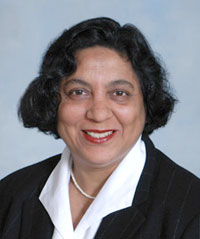
Meena Kumari serves as Associate Professor in the Department of Anatomy & Physiology at Kansas State University's College of Veterinary Medicine, where her research investigates molecular mechanisms underlying substance use disorders with emphasis on neurobiological pathways. Education: PhD in Andrology, University of Delhi, Delhi, India MPhil in Neuroendocrinology, University of Delhi Research Focus: Dr. Kumari's laboratory maintains two primary research trajectories: (1) Molecular analysis of alcohol-induced gene expression alterations targeting NMDA receptor regulation through RNA-protein interactions and splicing mechanisms; (2) Investigation of cannabis effects on central nervous system communication via exosomal pathways. Her methodology integrates in vivo murine models of alcohol dependence with in vitro cortical neuron systems, employing biochemical and molecular techniques to dissect neuroadaptation processes in substance use disorders. Publication Trends: Recent publications (2021-2023) demonstrate strategic expansion into exosome-mediated neurocommunication, revealing connections between extracellular vesicles and neurodegenerative processes. Earlier work (2000-2019) established foundational insights into ethanol's regulation of NMDA receptor variants through RNA-binding proteins, creating a continuum from molecular alcohol effects to contemporary cannabis-exosome investigations. Laboratory Operations: The Kumari lab maintains active research programs utilizing transgenic mouse models and primary neuronal cultures, with experimental workflows spanning molecular cloning, protein biochemistry, and cellular imaging to address neuropharmacological questions in substance use disorders.