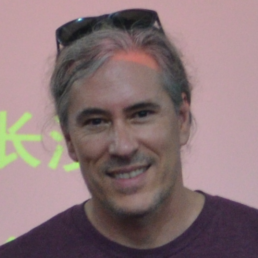
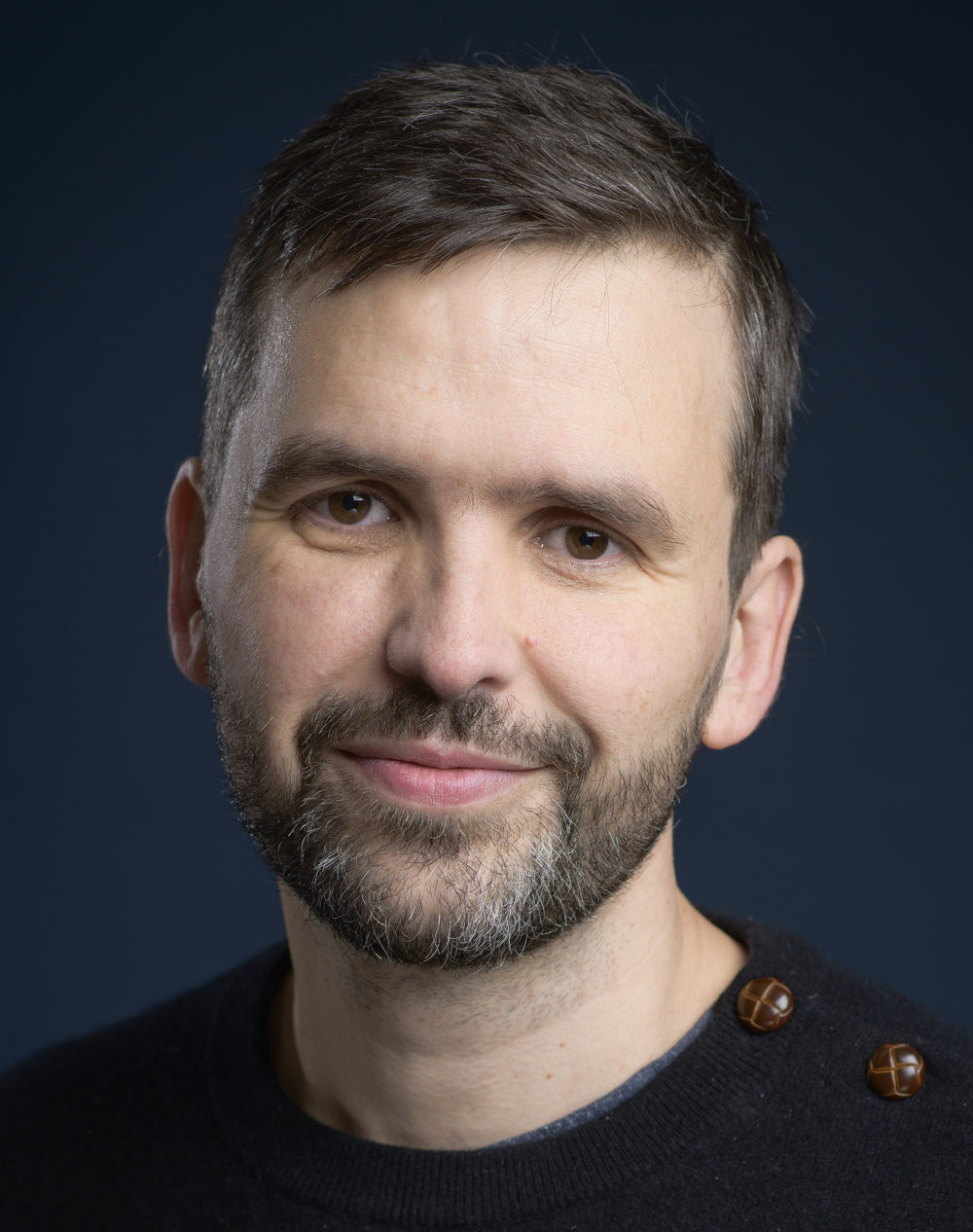
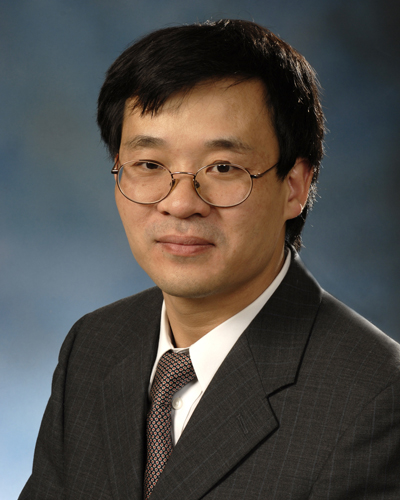
Alexis Battle is an Associate Professor at Johns Hopkins University with appointments in Biomedical Engineering , Computer Science , and Genetic Medicine (secondary). She directs the Malone Center for Engineering in Healthcare and serves as Deputy Director of the Data Science and AI Institute . Educated at Stanford University (PhD in Computer Science, 2013), Battle transitioned to academia after leadership roles at Google. Research Focus: Battle’s work bridges genomics and machine learning , emphasizing the impact of genetic variation on human health. Her lab develops tools like Watershed to predict functional effects of rare variants, aiming to enhance rare disease diagnosis. Key themes include non-coding DNA analysis , personalized genomics , and systems biology , with applications in cardiovascular disease and neurodegenerative disorders . Publications & Awards: Over 60 peer-reviewed articles in journals like Nature , Science , and Genome Biology , with recent emphasis on single-cell transcriptomics , multiomics integration , and telomere biology . Recipient of the President’s Frontier Award (2022), Microsoft Investigator Fellowship (2019), and Searle Scholar (2016). Scientific Awards: 2022 President’s Frontier Award 2019 Microsoft Investigator Fellowship 2019 Johns Hopkins Discovery Award 2017 Johns Hopkins Catalyst Award 2016 Searle Scholar Advising & Funding: Mentors 11 PhD students, 3 undergraduates, and postdoctoral fellows. Her research is funded by NIH, Searle Scholars, and institutional grants. The Battle Lab collaborates on projects like the GTEx Consortium , focusing on gene regulation and clinical genomics .
Professor Christopher Roland is a faculty member in the Department of Physics at North Carolina State University, part of the College of Sciences. He holds the rank of Professor since 2002, joining the university in 1993 after completing his PhD in Physics at McGill University, Canada, and postdoctoral work at the University of Toronto and AT&T Bell Laboratories. His research focuses on theoretical condensed matter physics and biophysics, particularly investigating nucleic acid structures (DNA and RNA) associated with neurodegenerative and neuromuscular disorders like Trinucleotide Repeat Expansion Diseases (TREDs). Key areas include DNA/RNA hairpin dynamics, free energy calculations, and molecular mechanisms underlying genetic mutations. Recent publications emphasize structural and computational studies of nucleic acid conformations, such as Z-DNA motifs, triplex formations, and disease-linked repeat sequences. His work bridges quantum transport simulations, biomolecular modeling, and disease prediction. No scientific awards are explicitly listed in the provided materials. His research is supported by grants from NC State University and collaborations within the Department of Physics. Laboratory and team details are not specified, though his work aligns with computational biophysics and condensed matter research groups at NC State.
Kyu Y. Rhee is a Professor of Medicine and Professor of Microbiology and Immunology at Weill Cornell Medical College . His research focuses on Mycobacterium tuberculosis , with emphasis on metabolic pathways , antibiotic resistance mechanisms , and drug development . Research highlights include: Multi-omic approaches to TB drug discovery Mechanistic studies of antibiotic action Deciphering TB transmission genetics Metabolomics-driven target identification Current funding includes: Bill & Melinda Gates Foundation : AI/ML-assisted bacterial permeability platform National Institute of Allergy & Infectious Diseases : UM1 TB drug regimen design consortium National Heart, Lung, & Blood Institute : Studies on M. tuberculosis PE/PPE proteins and fructose-induced cancer He has authored over 50 publications on TB metabolomics, drug development, and pathogen persistence. His work bridges systems biology , chemical biology , and clinical research to address antimicrobial resistance.
Pavel P. Kuksa is a Research Assistant Professor in the Department of Pathology and Laboratory Medicine, specializing in bioinformatics, computer science, and functional genomics. His work focuses on high-throughput sequencing analysis, chromatin interaction data, and developing scalable software platforms for genomics research.
Michael Skinnider serves as Assistant Professor at Princeton University's Lewis-Sigler Institute for Integrative Genomics and Assistant Member of the Ludwig Princeton Branch. His research develops AI-driven computational methods to identify unknown small molecules in mass spectrometry data, with applications in cancer biology and forensic drug detection. His educational background includes: BArtsSc from McMaster University (2015) PhD from University of British Columbia (2021) MD from University of British Columbia (2023) Skinnider's work centers on illuminating the "metabolomic dark matter" —unidentified chemical entities in mass spectrometry data. His lab pioneers machine learning approaches for metabolite identification, focusing on connections between unknown metabolites, cancer risk, and the microbiome. Recent innovations include chemical language models that transform mass spectrometry outputs into chemical structures, with applications spanning cancer diagnostics to forensic analysis of designer drugs. His research bridges computational biology, chemistry, and clinical medicine through low-data learning techniques. Publication trends reveal three dominant themes: (1) AI-driven metabolite identification (25% of recent work), (2) single-cell/spatial data analysis (40%), and (3) molecular interaction networks (35%). His 2024 Nature Machine Intelligence paper demonstrated that invalid SMILES strings enhance chemical language models , overturning previous assumptions. Articles consistently apply computational methods to biological discovery, with growing emphasis on cancer metabolism and translational applications. Major recognitions include: Forbes 30 Under 30 (2022) International Birnstiel Award (2022) Dan David Prize Borealis AI Fellowship NIH Award C&EN's Talented Twelve (2023) Young Explorer Award Grand Prize Skinnider leads the Skinnider Research Lab at Princeton's Carl Icahn Laboratory, which collaborates with forensic laboratories and Ludwig cancer researchers. The lab specializes in transforming mass spectrometry data into biological insights through innovative algorithms. During his undergraduate studies, he co-founded Adapsyn Bioscience to translate natural product discovery research into commercial applications. Current projects include developing metabolome-wide identification tools and exploring diet-derived metabolites that modulate cancer progression.
Yulong Wei is a Researcher in the Department of Microbial Pathogenesis at Yale School of Medicine. His work focuses on understanding viral persistence mechanisms, particularly in HIV-1 and SARS-CoV-2, using cutting-edge genomic and immunological approaches. He explores how host cellular environments influence viral integration, reservoir formation, and immune evasion. Research interests include: HIV reservoir dynamics and latency mechanisms Host-pathogen interactions in viral persistence Single-cell multiomics analysis of viral infections Antiviral drug discovery and repurposing Ribosomal adaptation and translation mechanisms in bacteria Recent work highlights his contributions to understanding how interferon signaling and chromatin structure affect HIV integration sites, as well as computational studies of griseofulvin's potential in combating SARS-CoV-2. He has also investigated evolutionary genomic signatures in microbes related to translation efficiency and environmental adaptation. His lab is part of the Yale School of Medicine's broader efforts in microbial pathogenesis and infectious disease research, with a focus on translational applications for persistent viral infections.
Kay C. Wiese is a Professor and Software Systems Chair at the School of Computing Science, Simon Fraser University. His research focuses on computational intelligence and bioinformatics, particularly RNA secondary structure prediction and visualization. He leads the Bioinformatics Research Lab and has contributed to RNA design and gene finding. Wiese holds a PhD in Computer Science from the University of Regina (1999) and degrees in Computer Science and Mathematics from the Universität des Saarlandes (Germany). He has extensive editorial roles, including Associate Editor for the IEEE/ACM Transactions on Computational Biology and Bioinformatics, and has organized major conferences like the IEEE Symposium on Computational Intelligence in Bioinformatics. His teaching interests include Bioinformatics, Computational Biology, and Discrete Mathematics. Wiese has supervised numerous graduate students, including Boris Shabash, Wenbo Jiang, and Andrew Hendriks. His research group developed tools like jViz.RNA for RNA visualization and SARNA-Predict for structure prediction. His work bridges computational methods with biological applications, emphasizing algorithmic innovation and practical software solutions.
Verena Siewers is a Research Professor at the Department of Biology and Biological Engineering, Chalmers University of Technology. Her work focuses on synthetic biology and metabolic engineering of yeast cell factories for producing biofuels, pharmaceuticals, nutraceuticals, and bioplastics, with particular emphasis on developing biosensor tools for pathway optimization. Key research themes: yeast-based biosensors, lipid metabolism engineering, CRISPRi/a applications, and dynamic gene regulation Notable projects include: Development of acetic acid tolerance mechanisms Optimization of fatty acid ethyl esters production Engineering phosphoketolase pathways for acetyl-CoA overproduction Her recent articles reveal trends in: CRISPR-mediated pathway engineering Stress response transcriptional profiling Heterologous plant gene expression in yeast Promoter and transcription factor engineering Funding sources: VINNOVA Novo Nordisk Foundation Carl Tryggers Stiftelse EU Horizon grants Swedish Research Council (VR) Formas
Nicholas J. Provart is a Professor and Chair of the Department of Cell & Systems Biology at the University of Toronto. He is a founding member of the Centre for the Analysis of Genome Evolution and Function (CAGEF) and a key contributor to the Bio-Analytic Resource (BAR), which provides essential bioinformatics tools for plant research. His work focuses on integrating genomic and transcriptomic data to uncover mechanisms of plant stress biology, development, and evolution. Provart earned his Ph.D. from Freie Universität Berlin (1996), and his M.Sc. and B.Sc. from the University of Toronto (1993 and 1990, respectively). Research Interests: Provart’s lab employs systems biology approaches to analyze plant responses to abiotic and biotic stresses, particularly using cluster analysis of gene expression data. Key areas include plant stress signaling, seed development, and the functional roles of transcription factors and cytochrome P450s. His team develops tools like the BAR platform to facilitate large-scale data integration and visualization. Recent Grant: $2.5M NSERC grant (2024) to advance plant health visualization tools. Award: Recognized with the Arabidopsis community award (2025) for decades of research and outreach. Provart also serves on the Multinational Arabidopsis Steering Committee and chairs the Bioinformatics and Computational Biology Program. His lab’s work spans diverse plant species, including Arabidopsis, maize, and wheat, with a focus on translational applications of genomic data.
Debarati Das is an Assistant Professor in Computer Science and Engineering , specializing in Clustering Algorithms , Edit Distance , and Approximation Algorithms . Her research focuses on theoretical computer science, particularly in algorithm design for data streams, permutation clustering, and sequence alignment. Grants: NSF CAREER Award (2024), NSF Student Travel Grant (2023). Her work includes breakthroughs in consensus clustering, achieving sub-2-approximation, and developing space-efficient algorithms for edit distance in distributed models. Recent projects explore dynamic shortest paths in planar graphs and pseudorandomness extraction. Her publications span journals like the Journal of the ACM and conferences such as SODA, STOC, and FOCS. Collaborations include researchers from institutions in the U.S. and Europe, with applications in computational biology and parallel computing.
Hosna Jabbari serves as Associate Professor in Biomedical Engineering and cross-appointed in Electrical and Computer Engineering at the University of Alberta's Faculty of Engineering, directing the Computational Biology Research and Analytics Laboratory (COBRA Lab) focused on RNA-centric diagnostics and therapeutics development. Education: BSc in Computer Science, University of Victoria MSc in Computer Science - Bioinformatics, University of British Columbia PhD in Computer Science - Bioinformatics, University of British Columbia Research Focus: Dr. Jabbari pioneers RNA structure-function characterization through computational biology to decode disease mechanisms. Her work integrates transcriptomics , RNA-RNA/protein interaction analysis , and aging research with advanced machine learning and quantum computing approaches, emphasizing explainable AI for medical applications in RNA therapy development. Publication Trends: Recent work (2018-2024) demonstrates sustained innovation in RNA pseudoknot prediction algorithms applied to viral pathogenesis (notably SARS-CoV-2) and therapeutic design, with increasing integration of quantum computing and AI methodologies reflecting her interdisciplinary trajectory in computational genomics. Advising & Grants: Actively recruiting undergraduate researchers for funded projects including non-DNA life research, AI-driven vaccine development (comparative analysis and self-amplifying RNA platforms), and aging studies. She instructs BME 415/615 (Bioinformatics Algorithms) and MED 621 (Grant Writing), providing hands-on research training and grant preparation mentorship. Laboratory: As COBRA Lab Director, she leads a globally connected research network advancing RNA bioinformatics through algorithm development, fostering collaborations across virology, aging research, and therapeutic design domains.
Yann Ponty is a tenured CNRS Researcher at the Computer Science Department (LIX) of École Polytechnique (Institut Polytechnique de Paris, France). He leads the AMIBio team and serves as Deputy Director of LIX. His work focuses on developing bioinformatics methods at the intersection of computer science, mathematics, and molecular biology, particularly for RNA structure prediction, design, and evolution. He holds leadership roles in the ISCB Board of Directors (2025-2027) and the HDR referent for the IDIA department (CS&Interactions) at IP Paris. Research Interests: RNA folding/design/evolution, RNA-RNA/RNA-protein interactions, random generation, enumerative combinatorics, discrete algorithms, parameterized complexity, RNA visualization Key Contributions: Developed algorithms for RNA inverse folding, pseudoknot modeling, and dynamic programming optimization Collaborations: Partnerships with institutions like Simon Fraser University, Boston College, and Université Paris-Saclay His recent publications (15 most recent) span RNA structure prediction, pseudoknot partition functions, linear-time inverse folding algorithms, and parameterized sampling techniques. The work emphasizes dynamic programming, combinatorial approaches, and integration of experimental data for improving RNA modeling. Scientific awards include election to the ISCB Board of Directors (2025-2027) and leadership roles in academic networks like GdR BIM. He actively contributes to software development (VARNA, RNANR, SPARCS, IncaRNAtion, RNARedPrint) and serves as Associate Editor for Bioinformatics (OUP). Teaching engagements include graduate-level courses in combinatorial optimization, RNA bioinformatics, and algorithms at Université Paris-Saclay and École Polytechnique.
Dr. Peixin Yang is the Christopher R. Harman, MD Endowed Professor of Obstetrics, Gynecology, and Reproductive Sciences at the University of Maryland School of Medicine. He serves as Professor with tenure in the Department of Obstetrics, Gynecology and Reproductive Sciences and holds a secondary appointment in the Department of Biochemistry & Molecular Biology. Dr. Yang is the founding director of the Center for Birth Defect Research at the University of Maryland School of Medicine and leads multiple NIH-funded research projects totaling millions of dollars. Dr. Yang's educational background includes: B.S. in Animal Science from Zhejiang Agricultural University (1986-1990) M.S. in Animal Reproductive Sciences from Nanjing Agricultural University (1990-1993) Ph.D. in Biophysics from Tokyo University of Agriculture & Technology and Zhejiang University (1994-1999) Postdoctoral Research Associate at University of Nebraska Medical Center (1999-2002) BIRCWH scholar (NIH K12) at University of Maryland Baltimore (2008-2009) Dr. Yang has built an extensive research program focused on diabetic embryopathy, particularly examining how maternal diabetes induces neural tube defects (NTDs), congenital heart defects (CHDs), and kidney defects. His laboratory was the first to establish a mouse model of diabetic embryopathy and reveal the causal role of JNK1/2 in neural tube defects. He has made significant contributions to understanding the molecular mechanisms of cellular stress, endoplasmic reticulum stress, and autophagy in neural tube defect formation. Dr. Yang also investigates the effects of maternal obesity on placental function and has established the Maryland Maternal Health Research Center of Excellence. His recent work has expanded to include studies on SARS-CoV-2 infection in pregnancy and connections between insulin resistance signaling and Alzheimer's disease. Analysis of Dr. Yang's recent publications reveals a strong focus on the molecular mechanisms of diabetic embryopathy, with particular emphasis on epigenetic regulation, cellular stress signaling pathways, and placental function. His work consistently bridges basic science with clinical applications, developing potential therapeutic approaches for preventing birth defects. A significant portion of his recent research examines the intersection of maternal metabolic conditions (diabetes and obesity) with fetal development, while also expanding into novel areas like viral infections in pregnancy and connections to neurodegenerative diseases. Dr. Yang's notable scientific achievements include: The F. Clarke Fraser New Investigator Award from the Teratology Society (2013) BIRCWH scholar (NIH K12) (2008-2009) The Lalor foundation postdoctoral Fellowship (2002-2003) Dr. Yang currently directs a multi-million dollar NIH-funded research group with multiple active R01 grants. His current projects investigate the intersection of mTOR/p70S6K1 signaling and HIPPO-Yap tissue organizer in neurulation, heightened hypoxia and DNA methylation in heart defects of diabetic embryopathy, hyperglycemia-induced cardiac progenitor dysfunction, and epitranscriptomic alterations in diabetic embryopathy. He has developed a robust research program in maternal diabetes-induced heart defects, which was previously an understudied area. Dr. Yang is also leading efforts to establish the Maryland Maternal Health Research Center of Excellence, focusing on the adverse effects of obesity, placental accreta spectrum, and opioid use disorder. As the founding director of the Center for Birth Defect Research at the University of Maryland School of Medicine, Dr. Yang leads a multidisciplinary team of translational and clinical scientists. His laboratory has made original contributions to understanding the molecular mechanisms underlying maternal diabetes-induced structural birth defects. The team employs genetically modified mouse models, whole-embryo culture systems, and human placental studies to investigate the effects of metabolic conditions on fetal development. Dr. Yang's group has been instrumental in developing natural compounds as potential preventatives for diabetic embryopathy, including trehalose, epigallocatechin-3-gallate, and curcumin.
Professor Marcel Dinger is a prominent academic and researcher currently serving as Professor and Head of School for Biotechnology and Biomolecular Sciences at UNSW Sydney. With over 20 years of experience in genomics, he has established himself as a leading figure in both academic and entrepreneurial spheres within the field. He has published 153 papers with over 24,000 citations and maintains an h-index of 61 on Google Scholar. His leadership extends beyond academia as he serves as President of the Australasian Genomics Technologies Association (AGTA) and holds director positions at Pryzm Health and the National Centre for Indigenous Genomics (NCIG). Professor Dinger's research laboratory focuses on establishing new links between phenotype and genotype, particularly examining rare and complex diseases in relation to underexplored regions of the genome including pseudogenes, repetitive elements, non-canonical DNA structures, and noncoding RNAs. His work harnesses population-scale genomic datasets and sophisticated data science methods to bring an objective perspective to understanding how the genome stores information and how it is transacted in biology. His research interests span genomics, non-coding RNA biology, clinical applications of genomic medicine, and the development of computational approaches for analyzing complex genomic data. Analysis of Professor Dinger's recent publications reveals a strong emphasis on non-coding RNA research, particularly long noncoding RNAs and their roles in disease mechanisms. His work spans cancer genomics, neurological disorders, and fundamental genomic mechanisms including DNA secondary structures like i-motifs and G-quadruplexes. His research combines experimental approaches with advanced bioinformatics to address fundamental questions in genomic medicine and has significant translational implications for disease diagnosis and treatment. Highly Cited Researcher in Cross-Field category (2019, 2020, 2021) Fellow of the Faculty of Science (Research), Royal Society of Pathologists of Australasia (2016) NHMRC Career Development Award (2010) Queensland Government Smart Futures Fellowship (2009) Foundation of Research, Science and Technology New Zealand Postdoctoral Fellowship (2005) Professor Dinger has been instrumental in establishing and leading several significant research initiatives including Genome.One, one of the first companies globally to provide clinical whole genome sequencing services, and the Kinghorn Centre for Clinical Genomics at the Garvan Institute of Medical Research. His entrepreneurial experience includes founding four biotechnology and IT startups. He serves on multiple governance boards including the National Centre for Indigenous Genomics, focusing on using genomics to improve health outcomes for Australia's First Peoples. His laboratory at UNSW continues to advance our understanding of genomic regulation and its implications for human health and disease.
Martin Smith is an Assistant Professor at the Université de Montréal in the Department of Biochemistry and Molecular Medicine . His research focuses on harmonizing genomic technologies and artificial intelligence for precision medicine and functional genome annotation , particularly using single-molecule sequencing and computational biology approaches. PhD in Genomics from University of Queensland (2012) Postdoctoral work at Garvan Institute of Medical Research Director of Genomic Technologies Program at Kinghorn Centre for Clinical Genomics (2017) His research initiatives include transcriptomic profiling using real-time nanopore sequencing , with projects funded by the NSERC , FRQS , Génome Québec , and the Cole Foundation . He supervises M.Sc. student Kristina Atanasova and collaborates with interdisciplinary teams in pediatric acute leukemia and COVID-19 research. Research Highlights : Clonal and transcriptional landscape of lymphocytes Real-time classification of leukemias Evolutionary RNA structure analysis AI-enhanced immunopeptidomics High-resolution RNA sequencing methods Scientific Awards : CSIRO Pre-Incubator Performance Award Palmer Foundation Innovation Award Megabase DNA Sequencing Prize Robert Cedergren Bioinformatics Poster Prize Martin Smith is recognized for developing bioinformatics tools like DotAligner and SLOW5 , and will direct the Ramaciotti Centre for Genomics at UNSW Sydney starting 2024. His work bridges biotechnology and high-performance computing to advance precision medicine applications for conditions including Leishmania and acute leukemia .