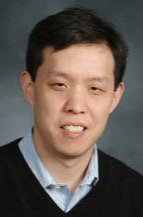
Shasha Chong is an Assistant Professor of Chemistry at the California Institute of Technology and a Ronald and JoAnne Willens Scholar. She earned her B.S. from the University of Science & Technology of China (2008) and Ph.D. from Harvard University (2014). Her research bridges chemistry, physics, and biology to investigate the molecular mechanisms of cellular processes, focusing on intrinsically disordered regions (IDRs) in transcription proteins. Research Focus: IDRs in transcriptional regulation, cancer biology, liquid-liquid phase separation, and single-molecule imaging techniques. Grants & Awards: CCE Innovation Award (2024), ALSF Innovation Grant, Mallinckrodt Research Grant, Margaret E. Early Medical Research Trust Grant. Collaborations: Caltech-City of Hope Biomedical Research Initiative Grant (2025). Teaching: Co-instructor for courses like Biochemistry Laboratory (Ch 11) and Advanced Topics in Biochemistry (BMB/Bi/Ch 174). Labs & Teams: Leads the Chong Laboratory at Caltech, focusing on interdisciplinary approaches combining single-molecule imaging, genome editing, and bioinformatics.
Michele Klingbeil is a Professor in the Department of Microbiology at the University of Massachusetts Amherst, where she leads the Klingbeil DNA Replication Laboratory. She received her PhD in Cell and Molecular Biology from the University of Toledo in 1996 and previously worked at Johns Hopkins School of Medicine before moving to UMass in July 2007. Her educational background includes: PhD in Cell and Molecular Biology, University of Toledo, 1996 Dr. Klingbeil's research focuses on the unique biology of trypanosomatid parasites, particularly Trypanosoma brucei , the causative agent of African sleeping sickness. Her laboratory investigates two main areas: (1) replication of the unusual mitochondrial DNA network called kinetoplast DNA (kDNA), and (2) nuclear DNA replication initiation. Her work on kDNA is particularly significant as this structure is essential for parasite survival but has no counterpart in mammalian hosts, making it an attractive drug target. She employs a combination of reverse genetics (RNAi), cell biology, and biochemistry to understand the replication and repair mechanisms of kDNA, with a special focus on a family of four DNA polymerases related to bacterial Pol I. Dr. Klingbeil's recent publications reveal her laboratory's deep investigation into mitochondrial DNA polymerases in trypanosomatids, with discoveries showing multiple polymerases having specialized functions in kDNA replication and repair. Her research has established that several of these polymerases are essential for parasite viability, opening new avenues for drug development. She has also made significant contributions to understanding the simplified Origin Recognition Complex in trypanosomatids compared to other eukaryotes. Dr. Klingbeil has received the Thomas G. Lessie Distinguished Lectureship Award for her impact on teaching at the graduate level. Her research is funded by the National Institutes of Health, U.S. Department of Agriculture, the Joeph P. Healey Endowment, and the University of Massachusetts Amherst. She has mentored numerous graduate and undergraduate students, including current PhD candidates Dave Bruhn, Jeniffer Concepción, and Juemin Luo, as well as visiting scholar Eva Vidal Rico. Her former students have gone on to positions at institutions including Dana Farber/Broad Institute, Regis College, and Flagship Ventures. The laboratory regularly participates in scientific conferences including the Molecular Parasitology Meeting at Woods Hole and the Kinetoplastid Molecular Cell Biology conference. Dr. Klingbeil teaches several courses including Parasitology (MICRO 590S), Parasitology Lab (MICRO 590L), Molecular Mechanisms of Pathogenesis (MICRO 797P), Advanced Cell Biology (MCB 641), and Writing in Microbiology (MICRO 360). Her laboratory organizes regular social events including pumpkin carving parties and outings to Six Flags New England and Mt. Sugarloaf.
Professor David Grainger is a faculty member at the University of Birmingham's School of Biosciences, specializing in Molecular Microbiology. He leads the Grainger Lab, focusing on bacterial chromosome biology, pathogenicity, and antibiotic resistance. His research integrates high-throughput techniques and single-molecule analysis to study gene regulation and bacterial pathogenesis. Education: PhD (2004), PGCE (2000), BSc (1999) in Biochemistry from the University of Birmingham. Affiliations: Part of the Institute of Microbiology and Infection (IMI), collaborating with experts in genomics, proteomics, and structural biology. Research Interests: Deciphering chromosome biology of pathogenic bacteria, including transcriptional regulation, toxin production control, and antibiotic resistance pathways. Utilizes cutting-edge methods like Hi-C for 3D chromatin analysis and single-molecule microscopy. Recent Articles: Focused on transposon capture mechanisms, bacterial promoter diversity, and quorum sensing signaling. Highlights include studies on Salmonella regulons and Vibrio cholerae biofilm suppression. Awards: Wellcome Trust Career Development Fellowship (2008), Runner-up in 'Science Snaps' competition for scientific communication. Grants: Career Development Fellowship-funded establishment of his research group at the University of Warwick (2008). Labs/Teams: Grainger Lab at the University of Birmingham, part of the IMI network. Engages in public science outreach via Twitter and lab website.
Masato Kato serves as Professor in the Department of Biochemistry at the University of Texas Southwestern Medical Center since 2020 and concurrently as Team Leader at Japan's National Institutes for Quantum and Radiological Science and Technology. His academic trajectory includes progressive appointments from Assistant Professor (2004-2014) to Associate Professor (2014-2020) at UT Southwestern, with prior postdoctoral training at Harvard Medical School and Nara Institute of Science and Technology. 2020-present: Professor, Department of Biochemistry, UT Southwestern 2020-present: Team Leader, National Institutes for Quantum and Radiological Science and Technology, Japan 2014-2020: Associate Professor, Department of Biochemistry, UT Southwestern 2010-2014: Assistant Professor, Department of Biochemistry and Internal Medicine, UT Southwestern 2004-2010: Assistant Professor, Department of Internal Medicine, UT Southwestern 1999-2004: Postdoctoral Fellow, Ellenberger Lab, Harvard Medical School 1998-1999: Postdoctoral Fellow, Hakoshima Lab, Nara Institute of Science and Technology Dr. Kato's research pioneers the biophysical characterization of protein phase separation, particularly focusing on low-complexity domains (LCDs) in neurodegenerative disease contexts. His work establishes fundamental mechanisms of biomolecular condensate formation, including hydrogel polymerization, liquid-solid transitions, and mutation-induced dysregulation in ALS/FTD. Key contributions demonstrate how C9orf72-encoded poly-dipeptides disrupt nucleocytoplasmic transport and how redox states regulate Ataxin-2 phase behavior, bridging structural biochemistry with pathological mechanisms. Analysis of his 22 publications reveals a cohesive research program centered on LCD-driven phase transitions. The most recent 15 articles (2012-2019) systematically investigate pathological aggregation in neurodegeneration, structural basis of condensate formation, and regulatory mechanisms like phosphorylation and oxidation. This body of work establishes LCDs as central players in both physiological RNA granule assembly and disease-associated solidification, with strong emphasis on C9orf72-related ALS/FTD mechanisms. Dr. Kato maintains active leadership within the McKnight Laboratory at UT Southwestern, where his team employs integrated approaches spanning structural biology, cell biology, and biophysics to dissect phase separation mechanisms. His collaborative network includes prominent neuroscience and biochemistry groups, with co-authorship on key studies in Cell, Science, and PNAS.
Jens S. Andersen is a Professor in the Department of Biochemistry and Molecular Biology at the University of Southern Denmark, where he leads research in Biomedical Mass Spectrometry and Systems Biology. His work is centered on the development and application of quantitative mass spectrometry and microscopy-based proteomics to study human cell biology, particularly the structure and function of organelles such as centrosomes, cilia, autophagosomes, and mitochondria. His research focuses on determining the protein composition and dynamic properties of cellular organelles, the roles of specific protein groups, and their contributions to biological processes and diseases. He investigates cell signaling mediated by post-translational modifications, especially within the DNA damage response, autophagy, and immune systems. His lab, the Jens S. Andersen Lab, is part of the Research Section of Biomedical Mass Spectrometry. The analysis of his recent publications reveals a strong interdisciplinary trend combining proteomics, structural biology, and cell signaling. His work spans cilia biology, RNA metabolism, DNA repair, and cancer mechanisms, with frequent use of advanced techniques like mass spectrometry, CRISPR, and live-cell imaging. The integration of systems biology approaches is evident across his research outputs. Professor, Department of Biochemistry and Molecular Biology, University of Southern Denmark Head of Research, Biomedical Mass Spectrometry and Systems Biology Principal Investigator, Jens S. Andersen Lab ORCID: 0000-0002-6091-140X While no specific scientific awards are mentioned in the provided texts, his extensive publication record in high-impact journals such as Science , Nature Communications , Molecular Cell , and EMBO Journal reflects significant scholarly contributions. He has supervised research projects and collaborated widely across Europe, though specific names of students are not listed. His research is supported by multiple ongoing projects, reflecting sustained funding and academic leadership. The Jens S. Andersen Lab operates at the intersection of proteomics and cell biology, contributing to fundamental understanding of organelle dynamics and disease mechanisms. The lab's work is highly collaborative, involving partnerships with groups in structural biology, RNA research, and cancer biology.
Dr. Jacques Archambault is a Professor in the Department of Microbiology and Immunology at McGill University , and an associate member of the Division of Experimental Medicine since 2016. His research focuses on the molecular biology and pathogenesis of human papillomaviruses (HPVs) and polyomaviruses (HPyVs), with an emphasis on their replication mechanisms as episomes in host cells. The Archambault laboratory employs functional genomics, proteomics, and chemical biology approaches to identify cellular pathways exploited by these viruses and develop high-throughput assays for screening small molecule inhibitors of viral replication. Analysis of his recent publications reveals a strong focus on HPV and HPyV replication machinery, including studies on the E1 helicase, UAF1-USP1 interactions, and structural characterization of viral proteins involved in DNA replication. His work bridges virology, oncology, and drug discovery, particularly targeting oncogenic HPV types implicated in anogenital and oropharyngeal cancers, as well as HPyVs like BKPyV and JCPyV that cause pathologies in immunosuppressed patients. Current efforts in the lab aim to elucidate the molecular mechanisms by which HPVs and HPyVs replicate their genomes and to develop antiviral therapies targeting these processes. Techniques such as fluorescence anisotropy, NMR spectroscopy, and crystallography are frequently employed to study protein-DNA and protein-protein interactions critical to viral replication.
Prof. Dr. Ralph Bock serves as Director of Department 3: Organelle Biology, Biotechnology and Molecular Ecophysiology at the Max Planck Institute of Molecular Plant Physiology in Potsdam, Germany, where he also leads the Organelle Biology and Biotechnology research group. Previously, he held positions as C4 Professor for Plant Biochemistry and Biotechnology at the University of Münster (2001-2004) and Group Leader at the Institute of Biology III, University of Freiburg (1996-2001). His academic credentials include: Habilitation: University of Freiburg, 1999 Doctorate: University of Freiburg, 1996 Diploma: University of Halle, 1993 Prof. Bock's research focuses on plant molecular biology with particular emphasis on chloroplast biology, organelle biotechnology, and molecular ecophysiology. His work spans genetic engineering of plastids, photosynthesis research, plant biotechnology applications, and understanding organelle-nucleus communication. He has made significant contributions to developing chloroplast transformation systems and applying them to molecular farming, metabolic engineering, and understanding fundamental processes in plant cell biology. His research has important implications for sustainable agriculture, bioenergy, and pharmaceutical production, particularly through the development of plant-based systems for producing vaccines and therapeutic proteins. Analysis of Prof. Bock's recent publications (2023-2025) reveals a strong focus on chloroplast biology, genetic engineering, and molecular farming applications. His work spans fundamental research on organelle genetics, photosynthesis, and stress responses, as well as applied research on using plant and algal systems for biopharmaceutical production. A notable trend is the increasing use of advanced genetic engineering techniques, including CRISPR-based approaches, to manipulate organelle genomes. His research also shows growing interest in algal systems as alternative expression platforms for molecular farming, particularly red algae like Porphyridium for producing viral antigens and glycoproteins.
Curtis Suttle is a Professor in the Department of Botany at the University of British Columbia's Faculty of Science. He also holds affiliations with Earth and Ocean Sciences, Microbiology and Immunology, and the Institute for Oceans and Fisheries. His research focuses on marine virology and the ecological roles of viruses in aquatic ecosystems, particularly their impact on phytoplankton and microbial communities. Dr. Suttle received his B.Sc. and Ph.D. from UBC, was a Coastal Marine Scholar at SUNY StonyBrook (1987-88), and served as Assistant/Associate Professor at the University of Texas at Austin (1988-96) before returning to UBC. His research program investigates the biology and ecology of viruses that infect microalgae and cyanobacteria. Key areas include discerning viral effects on primary productivity, isolating novel marine viruses, developing molecular identification methods, and studying viral distribution patterns. His work has revealed that viruses can occur in seawater at concentrations exceeding 10 5 ml -1 , with cyanophage concentrations reaching 10 6 infectious units ml -1 in coastal waters. Dr. Suttle's team has developed PCR primers specific for viral DNA polymerase genes, showing these viruses belong to a single family related to herpes viruses. Recent publications show a strong focus on marine viral ecology, with particular attention to oyster microbiomes, viral taxonomy, and the role of viruses in marine ecosystems. His research spans from coastal environments to the deepest ocean trenches, examining viral diversity across environmental gradients and investigating viral impacts on carbon cycling and marine food webs. Dr. Suttle leads an active research group with several post-doctoral associates, research scientists, and graduate students. His team conducts field work at multiple locations including the Naica Mine in Mexico, Pavilion Lake in British Columbia, Saanich Inlet, and the Strait of Georgia. Current projects include collaborations with the Hakai Institute, Line P Research Cruise, and CASES (Canadian Arctic Shelf Exchange Study). His laboratory has made significant contributions to understanding viral roles in marine ecosystems, particularly through expeditions to extreme environments like the Naica crystal caves and deep ocean trenches. Ongoing research explores viral impacts on microbial community structure, carbon cycling, and ecosystem function across diverse marine habitats.
Kyu Y. Rhee is a Professor of Medicine and Professor of Microbiology and Immunology at Weill Cornell Medical College . His research focuses on Mycobacterium tuberculosis , with emphasis on metabolic pathways , antibiotic resistance mechanisms , and drug development . Research highlights include: Multi-omic approaches to TB drug discovery Mechanistic studies of antibiotic action Deciphering TB transmission genetics Metabolomics-driven target identification Current funding includes: Bill & Melinda Gates Foundation : AI/ML-assisted bacterial permeability platform National Institute of Allergy & Infectious Diseases : UM1 TB drug regimen design consortium National Heart, Lung, & Blood Institute : Studies on M. tuberculosis PE/PPE proteins and fructose-induced cancer He has authored over 50 publications on TB metabolomics, drug development, and pathogen persistence. His work bridges systems biology , chemical biology , and clinical research to address antimicrobial resistance.
James Manley is the Julian Clarence Levi Professor of the Life Sciences at Columbia University, with extensive research in gene expression regulation. His work spans transcription, RNA splicing, and polyadenylation mechanisms in human cells, connecting these processes to neurodegenerative diseases (ALS/FTD) and cancers. Affiliation: Columbia University, Department of Biological Sciences Contact: jlm2@columbia.edu Research Interests: Dr. Manley's laboratory investigates nuclear processes including: Transcriptional control via RNA polymerase II CTD modifications Alternative splicing regulation by hnRNP and SR proteins Polyadenylation dynamics in cell cycle and differentiation Disease mechanisms in spliceosome mutations (SF3B1, SRSF2) RNA-protein interactions in stress responses Publication Trends: Recent work focuses on disease-associated mutations affecting RNA processing, non-canonical RNA functions, and immune regulation via polyadenylation. Articles span molecular oncology, neurodegeneration, and RNA surveillance mechanisms. Scientific Recognition: Member, American Academy of Arts & Sciences Member, National Academy of Sciences Key Collaborations: Studies involve interdisciplinary work with neurology, cancer biology, and immunology teams. His lab employs biochemical assays, structural analysis, and genetic models to dissect RNA processing pathways.
Aaron Hoskins is a full-time Professor of Biochemistry and Chemistry at the University of Wisconsin–Madison, where he leads an active research program focused on pre-mRNA splicing, spliceosome assembly, and single-molecule biophysics. He is affiliated with the Department of Biochemistry and the Hoskins Group laboratory, located in the Biochemical Sciences Building. Education: B.S., 2000 – Purdue University Ph.D., 2006 – Massachusetts Institute of Technology Postdoctoral Fellow, 2006–2011 – Brandeis University and UMass Medical School His research centers on understanding the molecular mechanisms of pre-mRNA splicing and spliceosome assembly in eukaryotes. Using single-molecule fluorescence microscopy, his lab investigates how the spliceosome recognizes RNA targets, how ribonucleoproteins are assembled, and how splicing fidelity is maintained or disrupted in disease. His work integrates genetics, chemical biology, and biophysical approaches to dissect spliceosome dynamics and to develop new tools for studying RNA processing. Aaron Hoskins has published over 80 peer-reviewed articles since 2004, with recent work appearing in RNA , eLife , Structure , and Cell Chemical Biology . His research trends include the structural dynamics of spliceosomal snRNPs, cancer-associated mutations in splicing factors, and the development of splicing inhibitors as potential therapeutics. His lab also explores translational applications, including the use of humanized yeast strains for drug screening. He is supported by multiple NIH grants (R01 GM053007, R01 GM112735, R01 GM081648) and has collaborated extensively with UW-Madison colleagues David Brow and Samuel Butcher. His lab is equipped with custom-built fluorescence microscopes for single-molecule imaging and is actively training the next generation of scientists in RNA biology and biophysics.
Suyang Zhang is a Researcher at the University of Cambridge , affiliated with the MRC Laboratory of Molecular Biology (MRC-LMB). His research focuses on the molecular mechanisms underlying transcription-coupled alternative splicing, integrating structural biology and biochemical approaches to elucidate interactions between the transcription and splicing machineries. Primary institution: MRC-LMB, University of Cambridge Research group members: Jack Bowden, Yuliya Gordiyenko, Yunke Luo, Pei Wang, Helen Zhang Research Interests: Dr. Zhang investigates how RNA polymerase II (Pol II) transcription and pre-mRNA splicing are mechanistically coupled. His work aims to uncover the structural basis for splice site selection and the functional interplay between the transcription and splicing machineries, with implications for understanding gene regulation in eukaryotic systems. Recent Publications: His group has published high-impact structural studies on Pol II complexes with spliceosomal components (U1 snRNP) and regulatory factors (DSIF, SPT6), as well as mechanistic insights into APC/C activation and translation initiation complexes. These studies leverage cryo-EM, biochemical reconstitution, and RNA sequencing to bridge structural and functional gaps. 2025: Structural basis of RECQL5-induced Pol II transcription braking 2025: Pol II-DSIF-SPT6-U1 snRNP complex architecture 2021: Pol II-U1 snRNP interaction mechanisms 2019: Cyclin A2 degradation pathways 2016: APC/C activation dynamics 2014: Translation initiation complex structure Methodologies: The lab employs multidisciplinary approaches, including cryo-EM, biochemical assays, and in vivo RNA sequencing, to dissect molecular mechanisms at atomic resolution.
Prof. Dr. Andreas Beyer holds a faculty position at the University of Cologne, affiliated with the Cluster of Excellence Cellular Stress Responses in Aging-Associated Diseases (CECAD) and the Cologne Excellence Cluster for Cellular Mechanisms in Cancer (CMMC). His research focuses on systems-level analysis of aging processes in humans and model organisms, integrating genomic, proteomic, and computational approaches. Key interests include understanding how genetic variation influences protein networks, developing algorithms for big data analysis, and exploring epigenetic mechanisms related to longevity. Research projects include studying age-associated changes in transcriptional elongation, molecular networks in kidney disease, and the impact of dietary restriction on aging. His group develops tools for proteomics and systems biology, such as methods for analyzing limited proteolysis data and single-cell resolution imaging. Collaborative efforts emphasize translational research in aging-related diseases and drug discovery. Prof. Beyer’s work spans computational biology, molecular genetics, and translational medicine. Notable contributions include identifying epigenetic changes linked to longevity and developing predictive models for age-related disease progression. His lab’s projects often involve multi-omics integration and network-based analyses to uncover disease mechanisms. His research has implications for personalized medicine, cancer biology, and interventions to extend healthspan. Current efforts include optimizing drug combinations targeting aging processes and advancing proteomic technologies for clinical applications.
Y. Jessie Zhang is a Professor at the University of Texas at Austin, holding the L. Leon Campbell, Ph.D. Distinguished Professorship in the Department of Molecular Biosciences within the College of Natural Sciences. She leads the Zhang Lab, which focuses on transcription processes in eukaryotic cells and the structure-function mechanisms of CTD phosphatases. Her educational background includes: B.S. from Tsinghua University, China (1997) M.S. from University of Oregon (2000) Ph.D. from The Scripps Research Institute (2004) Professor Zhang's research focuses on the transcription process in eukaryotic cells, particularly the C-terminal domain (CTD) of RNA polymerase II and its post-translational modification states. Her lab investigates how gene-specific regulation is achieved by CTD regulatory enzymes, with specific attention to protein regulation prolyl isomerization states of CTD proline residues. This research examines how these states affect transcription by controlling substrate pools for phosphatases. Her team develops chemical compounds as tools to understand proline isomerization state specificity and creates chemical probes to promote neuron regeneration. Her work bridges structural biology, biochemistry, and molecular mechanisms of gene expression. Professor Zhang has received significant recognition for her contributions: Margaret C. Etter Early Career Award by American Crystallographic Association (2015) Professor of the Year (2017) NSF Teaching Excellence Award (2019) As a dedicated educator, Professor Zhang participates in the Interdisciplinary Life Sciences Graduate Programs, mentoring the next generation of scientists. Her research program integrates structural, biochemical, and chemical approaches to address fundamental questions about transcriptional regulation. She has secured research funding to support her innovative work on CTD phosphatases and their role in cellular processes. The Zhang Lab serves as a dynamic research environment where interdisciplinary approaches are used to investigate the molecular mechanisms of transcription regulation, with implications for understanding both normal cellular function and potential therapeutic interventions.
Job Dekker is a Professor holding the Joseph J. Byrne Chair in Biomedical Research at UMass Chan Medical School, where he serves as faculty across multiple departments including Systems Biology, Biochemistry and Molecular Biotechnology, and Bioinformatics and Integrative Biology. His work bridges the T.H. Chan School of Medicine and Morningside Graduate School of Biomedical Sciences, with significant contributions to understanding the three-dimensional organization of genomes. Utrecht University, Utrecht, Netherlands: MS Biology Utrecht University, Utrecht, Netherlands: PhD Physiological Chemistry Dekker's research focuses on the fundamental question of how chromosomes are organized in three-dimensional space and how this organization influences gene regulation. As a pioneer in chromosome conformation capture technologies (particularly Hi-C), his laboratory investigates long-range gene regulation, higher-order chromosome organization, and the mechanisms of chromatin folding. The lab employs a multidisciplinary approach combining cell culture, protein biochemistry, microscopy, genomics, and computational modeling to address these questions. Analysis of Dekker's recent publications reveals a continued focus on the structural principles governing chromosome organization, with particular emphasis on mitotic chromosome formation, loop extrusion mechanisms, and the role of cohesin and condensin complexes. His work spans multiple model systems and has increasingly incorporated multi-omics approaches to understand how 3D genome architecture relates to cellular function in both normal and disease states. Member, National Academy of Sciences (2022) Member, National Academy of Medicine (2021) EMBO Associate Member (2020) International Award of the Biochemical Society (2018) Novitski Prize of the Genetics Society of America (2018) Investigator, Howard Hughes Medical Institute (2015) Fellow, American Association for the Advancement of Science (2014) As Principal Investigator of the Dekker Lab within the Program in Systems Biology, Dekker has secured substantial funding including his HHMI Investigator position, which supports his research into chromosome organization. His laboratory offers multiple rotation projects for graduate students focusing on long-range gene regulation and chromosome organization using high-throughput genomics technologies. Dekker's work has been instrumental in developing and refining chromosome conformation capture techniques that are now widely used across the genomics field. The Dekker Lab is a leader in the 4D Nucleome field, contributing significantly to our understanding of how chromosomes fold in three-dimensional space and how this organization changes over time (the fourth dimension). His research group continues to push the boundaries of chromosome conformation capture technologies, developing new methodologies to investigate genome architecture at increasingly higher resolutions and across diverse biological contexts.