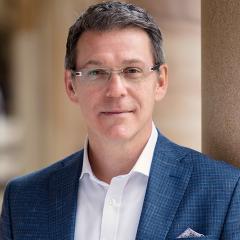
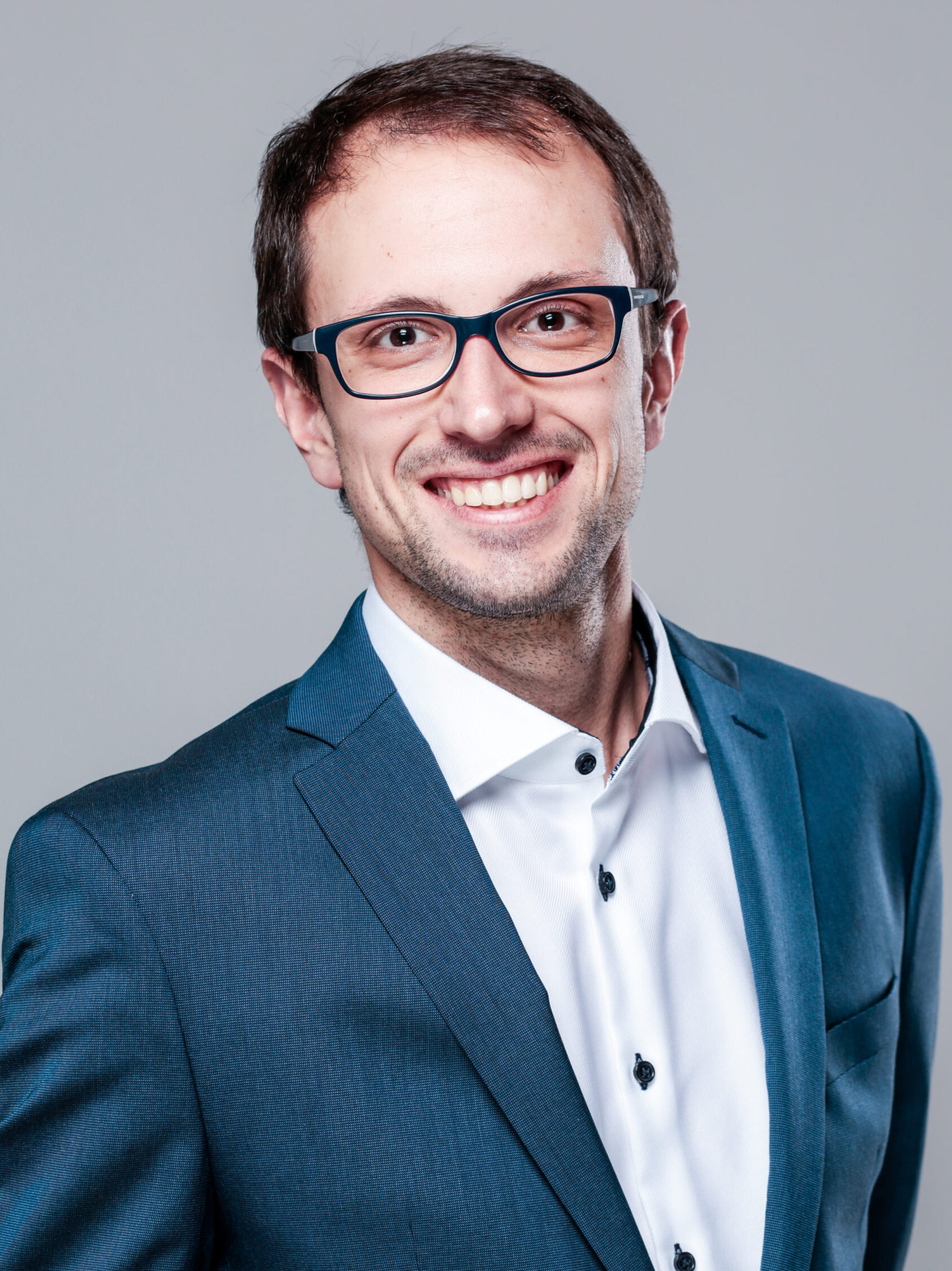
Associate Professor Timothy Bredy is a leading figure in cognitive neuroepigenetics at the Queensland Brain Institute (QBI) , focusing on how epigenetic modifications and RNA dynamics regulate fear-related memory and psychiatric disorders like PTSD. His research explores the interplay between environmental experiences and genomic activity, particularly through non-coding RNA and DNA methylation. University: University of Queensland School: Faculty of Health, Medicine and Behavioural Sciences Role: Professorial Research Fellow and Group Leader Research Interests span epigenetic mechanisms in memory formation, RNA modifications in synaptic plasticity, and therapeutic applications for anxiety disorders. He pioneered discoveries linking dynamic DNA structures (e.g., G-quadruplexes) and RNA methylation to memory stability. Recent Work includes studies on RNA-based therapeutics, stress-induced epigenetic inheritance, and synaptic long noncoding RNA activity. His scientific awards encompass NHMRC and ARC grants for neuroepigenetics research. Key Collaborators: Paul Marshall, Esmi Zajaczkowski Labs: Bredy Laboratory at QBI
Julio Fernandes is a Full Professor in the Department of Surgery at the University of Montreal’s Faculty of Medicine and holds the University of Montreal Research Chair in Orthopedics at the Hôpital du Sacré-Cœur de Montréal. He is a globally recognized leader in orthopedic surgery and non-viral gene therapy using polymeric nanoparticles. His research focuses on osteoporosis, bone quality analysis, surgical instrumentation, and advanced therapies for arthritis and fractures. Education: MD, MSc Affiliations: CIUSSS Nord-de-l’Île-de-Montréal, Hôpital du Sacré-Cœur de Montréal International Collaborations: Brazil, China, USA, Europe Research Highlights: Over CAD 13 million in funding since 2000, 68 international invited lectures, and pioneering work on chitosan-based nanoparticles for gene delivery. Key projects include developing resolvin analogues for osteoporosis therapy and investigating 4-hydroxynonenal’s role in osteoarthritis. Advising & Grants: Supervised 16+ graduate students (PhD/MSc), led projects like the CAD 1.3M ‘Science Without Borders’ program. Major grants include IRSC and FQRNT funding for bone metabolism and nanomedicine research. Labs & Teams: Leads the Orthopedic Research Chair and collaborates with global teams on biomaterials, fracture prevention, and gene therapy.
Martin H. Wühr is an Associate Professor of Molecular Biology and a member of the Lewis-Sigler Institute for Integrative Genomics at Princeton University. He leads the Wuhr Lab, focusing on quantitative proteomics to understand cellular organization. His work investigates how molecules self-organize into organelles and cells, particularly studying nuclear-cytoplasmic proteome partitioning and its impact on biological function. Research employs mass spectrometry-based proteomics combined with computational, biochemical, and imaging approaches, using models like human tissue cells and Xenopus laevis embryos. Key contributions include analyzing protein localization dynamics during embryogenesis and developing novel proteomic methodologies. Recent publications highlight advancements in multiplexed proteomics, nuclear import mechanisms, and microbial nutrient interactions. Awards and grants are not explicitly listed, but his lab’s technical innovations indicate significant field impact. Advising and lab management details are not provided, though collaborations with institutions like MIT and Harvard suggest active academic engagement. Labs/Teams: The Wuhr Lab at Princeton University focuses on systems-level proteomics and cellular organization studies.
Jessica Brown is an Associate Professor in the Department of Chemistry and Biochemistry at the University of Notre Dame, where she leads a research group focused on RNA structure and function. Her lab investigates the structural, biochemical, and cellular roles of RNA triple helices, with a particular emphasis on the MALAT1 triple helix and its implications in cancer biology. Education: Ph.D. in Biochemistry, The Ohio State University (2010) B.S. in Chemistry and Biological Sciences, Wright State University (2005) Her research lies at the intersection of biochemistry, structural biology, and molecular oncology. She explores fundamental questions about RNA triple helix formation, stability, protein interactions, and degradation pathways. Using techniques such as X-ray crystallography, cryo-EM, and high-throughput assays, her work aims to uncover the biophysical principles governing RNA triplexes and their regulatory roles in human disease. The recent publications from her lab highlight a strong trend in RNA modification, non-coding RNA structure, and therapeutic targeting of oncogenic RNAs. Her studies span from mechanistic enzymology (e.g., METTL16 kinetics) to disease-associated structural rearrangements in MALAT1, reflecting a multidisciplinary approach that bridges basic science and translational applications. Scientific Awards: NIH Pathway to Independence Award (K99/R00), 2014–2019 American Cancer Society Postdoctoral Fellowship, 2012–2014 OSU Presidential Fellowship, 2010 American Heart Association Predoctoral Fellowship, 2008–2010 Dr. Brown advises graduate students and postdoctoral researchers in her lab, fostering training in cutting-edge biochemical and structural methods. While specific grant details are not listed, her sustained research output and prestigious fellowships indicate active external funding. Her lab is positioned at the forefront of RNA structural biology, with future work likely to expand the understanding of the 'triplexome' and develop tools for targeting stable RNA structures in disease. Labs and Research Teams: The Brown Laboratory at the University of Notre Dame employs a collaborative, interdisciplinary team of researchers using structural, biochemical, and cellular approaches to study RNA triple helices. The lab actively recruits graduate and postdoctoral trainees and contributes to major discussions in RNA biology and epitranscriptomics.
Professor Marcel Dinger is a prominent academic and researcher currently serving as Professor and Head of School for Biotechnology and Biomolecular Sciences at UNSW Sydney. With over 20 years of experience in genomics, he has established himself as a leading figure in both academic and entrepreneurial spheres within the field. He has published 153 papers with over 24,000 citations and maintains an h-index of 61 on Google Scholar. His leadership extends beyond academia as he serves as President of the Australasian Genomics Technologies Association (AGTA) and holds director positions at Pryzm Health and the National Centre for Indigenous Genomics (NCIG). Professor Dinger's research laboratory focuses on establishing new links between phenotype and genotype, particularly examining rare and complex diseases in relation to underexplored regions of the genome including pseudogenes, repetitive elements, non-canonical DNA structures, and noncoding RNAs. His work harnesses population-scale genomic datasets and sophisticated data science methods to bring an objective perspective to understanding how the genome stores information and how it is transacted in biology. His research interests span genomics, non-coding RNA biology, clinical applications of genomic medicine, and the development of computational approaches for analyzing complex genomic data. Analysis of Professor Dinger's recent publications reveals a strong emphasis on non-coding RNA research, particularly long noncoding RNAs and their roles in disease mechanisms. His work spans cancer genomics, neurological disorders, and fundamental genomic mechanisms including DNA secondary structures like i-motifs and G-quadruplexes. His research combines experimental approaches with advanced bioinformatics to address fundamental questions in genomic medicine and has significant translational implications for disease diagnosis and treatment. Highly Cited Researcher in Cross-Field category (2019, 2020, 2021) Fellow of the Faculty of Science (Research), Royal Society of Pathologists of Australasia (2016) NHMRC Career Development Award (2010) Queensland Government Smart Futures Fellowship (2009) Foundation of Research, Science and Technology New Zealand Postdoctoral Fellowship (2005) Professor Dinger has been instrumental in establishing and leading several significant research initiatives including Genome.One, one of the first companies globally to provide clinical whole genome sequencing services, and the Kinghorn Centre for Clinical Genomics at the Garvan Institute of Medical Research. His entrepreneurial experience includes founding four biotechnology and IT startups. He serves on multiple governance boards including the National Centre for Indigenous Genomics, focusing on using genomics to improve health outcomes for Australia's First Peoples. His laboratory at UNSW continues to advance our understanding of genomic regulation and its implications for human health and disease.
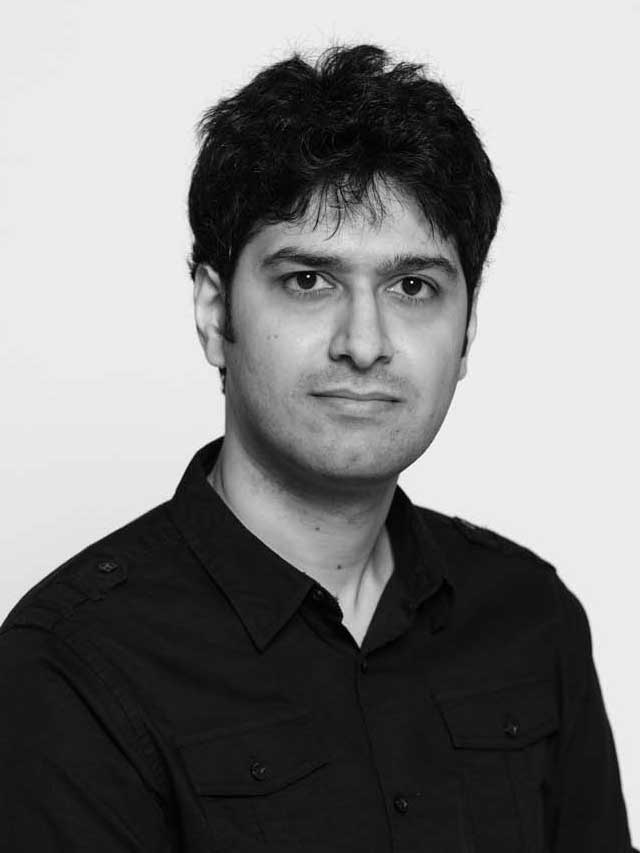
Miten Jain is an Assistant Professor in the Department of Bioengineering at Northeastern University, with a joint appointment in the Department of Physics. His research focuses on nanopore technology, single-cell analysis, and computational biology, aiming to advance genomic and transcriptomic sequencing methodologies. He holds a PhD in Bioinformatics and Biomolecular Engineering from the University of California-Santa Cruz (2017). Dr. Jain leads research projects including 'Characterization of paired tumor and normal cell lines using long read sequencing' (NIST, 2021) and 'Multi-platform, high-coverage, long read sequencing of reference human genomes' (NIST, 2020). His work bridges engineering, physics, and biology, with applications in clinical diagnostics and space microbiology. He was recognized as a top 2% most-cited scientist globally in 2024 by Stanford University. His research outputs span epigenetic profiling, nanopore sequencing innovations, and space-based microbiome analysis. Recent studies include CRISPR-based therapeutic screening for glioma and real-time microbial profiling aboard the International Space Station. Collaborations with institutions like NIST and NASA highlight his interdisciplinary impact. Grants and awards include funding from NIST and recognition for ultra-rapid genome sequencing in critical care settings. His lab focuses on developing scalable, high-resolution genomic tools with applications in precision medicine and fundamental biology.
Dr. Laura Leighton is a Postdoctoral Research Fellow in the mRNA Sciences group at the Australian Institute for Bioengineering and Nanotechnology (AIBN), The University of Queensland. Her research focuses on RNA biology, particularly the functional characterization of RNA molecules and their roles in cancer therapy and neurological processes. She leads the development of mRNA-based therapeutics for liver cancer, leveraging lipid nanoparticle (LNP) delivery systems to target intracellular cancer proteins. Dr. Leighton holds a PhD from the Queensland Brain Institute (2021), where her work, supported by the Westpac Future Leaders Scholarship, explored small noncoding RNAs in fear-related learning and memory. She completed her postdoctoral training under Dr. Seth Cheetham at AIBN in 2023. Her educational background includes a Bachelor of Science and Bachelor of Science (Honours) from The University of Queensland. Her research interests integrate molecular biology, neuroscience, and translational medicine, with a focus on RNA modifications (e.g., m6A), long noncoding RNAs, and the epigenetic regulation of memory processes. Key themes in her work include fear extinction mechanisms, synaptic plasticity, and the application of mRNA therapeutics in cancer treatment. Dr. Leighton’s articles consistently explore RNA-driven mechanisms in memory and disease. Recent work highlights the role of DNA G-quadruplex structures in memory regulation, the interplay between stress hormones and sperm RNA dysregulation, and the synthesis of novel long noncoding RNAs (e.g., ADRAM) that drive fear extinction. Her findings bridge basic neuroscience and clinical applications, emphasizing RNA’s dynamic role in health and disease. Awards: Westpac Future Leaders Scholarship (2017) Grants: TdC Mid Career Grant (Targeting liver cancer with mRNA therapies), Prader Willi Syndrome Research Grant (2022–2024) She is actively involved in supervising research students and contributes to the development of advanced drug delivery systems targeting liver cancers. Her lab is part of AIBN’s mRNA Sciences team, collaborating on projects that translate RNA-based discoveries into clinical solutions.
Prof. Mile Šikić is a Full Professor at the Department of Electronic Systems and Information Processing, Faculty of Electrical Engineering and Computing (University of Zagreb). His research spans computational biology, genomics, and machine learning applications in sequencing technologies. Focus on nanopore sequencing analysis, genome assembly, and protein interaction prediction Developed tools like GraphMap , RiNALMo , and Orthobalancer Active in metagenomics, RNA structure prediction, and CUDA-based algorithm acceleration Scientific contributions include: Advances in de novo genome assembly for error-prone long reads Deep learning models for base modification detection Efficient algorithms for sequence alignment and similarity searches Technical implementations cover: GPU-accelerated sequence alignment libraries (e.g., SW# ) Web platforms for comparative protein analysis Simulation tools for epidemic spread on complex networks
Huanhuan CUI is a Research Associate Professor in the Department of Biology within the School of Life Sciences at Southern University of Science and Technology (SUSTech) in Shenzhen, China. She joined SUSTech in December 2018 and serves as a master's supervisor, contributing to both research and graduate education in molecular biology and genetics. Educational Background: PhD in Biology, Free University of Berlin (2011.09-2016.04) MS in Animal Genetics, Northwest A&F University (2008.09-2010.06) BE in Bioengineering, Northwest A&F University (2004.09-2008.06) Dr. CUI's research focuses on the mechanisms and method development of gene transcription and epigenetic regulation, with particular emphasis on RNA translation control. Her work spans multiple biological systems including cancer biology, developmental biology, and cardiovascular research, demonstrating a strong interdisciplinary approach that integrates molecular biology, genomics, and bioinformatics techniques. She has made significant contributions to understanding chromatin remodeling, transcriptional regulation, and RNA processing mechanisms. Dr. CUI's publication record shows a consistent trajectory of high-impact research, with publications in prestigious journals including Nature Communications, Nucleic Acids Research, and Cellular & Molecular Immunology. Her work demonstrates expertise in CRISPR-based technologies, epigenetic regulation, and multi-omics approaches to studying complex biological processes. Before joining SUSTech, Dr. CUI held positions as a Clinical Research Manager at BGI Genomics (2017.09-2018.11), a PostDoc at Charite Universitaetsmedizin Berlin (2016.05-2017.06), and a Research Assistant at Humboldt University of Berlin (2010.09-2011.08), building a diverse research background that bridges basic science and clinical applications.
Cynthia J. Burrows is a Professor in the Department of Chemistry at the University of Utah, where she maintains her laboratory in the Thatcher Building. She serves as Editor-in-Chief of Accounts of Chemical Research and leads a research program internationally recognized for pioneering work in nucleic acid chemistry, with continuous NIH and NSF funding spanning over three decades. Her research focuses on the dual nature of oxidative DNA damage—exploring how lesions like 8-oxoguanine can act as both mutagenic threats and epigenetic regulators through G-quadruplex structures. She has developed groundbreaking sequencing technologies including nanopore-based OG-Seq and chemical pull-down methods to map base modifications genome-wide, revealing how oxidative stress targets specific genomic regions like telomeres and gene promoters. Analysis of her 15 most recent publications shows a decisive shift toward RNA modifications and direct sequencing applications, with 60% of 2023-2025 papers focusing on RNA epitranscriptomics. Her work increasingly integrates biophysical methods like nanopore analysis to correlate modification chemistry with functional outcomes in cancer and viral systems. Dr. Burrows has received unparalleled recognition including membership in the National Academy of Sciences (2014) and American Academy of Arts and Sciences (2009), along with top honors like the James Flack Norris Award (2018) and Willard Gibbs Medal (2018). Her sustained excellence is reflected in sustained leadership roles including Cope Scholar Award (2008) and the Rosenblatt Prize (2019). Her research is continuously funded through major NIH R01 grants including CA090689 (Oxidative DNA Damage & Repair), GM129267 (Sequencing for Base Modifications), and GM093099 (RNA Modifications), alongside NSF support (CHE1808745). These projects sustain a vibrant research group that has pioneered methods now widely adopted for studying nucleic acid modifications, with significant collaborations including the Cairns laboratory for stress-response studies. Her laboratory in the Thatcher Building maintains specialized facilities for nanopore analysis, single-molecule biochemistry, and oxidative stress modeling, supporting interdisciplinary work that bridges chemical biology, biophysics, and genomics to unravel the molecular consequences of nucleic acid modifications.
Professor Alfredo Castello is a Professor in Systems Virology at the MRC-University of Glasgow Centre for Virus Research within the Institute of Infection, Immunity and Inflammation at the University of Glasgow's College of Medical, Veterinary and Life Sciences. With an active research program and numerous recent publications, he leads the Castello Lab which focuses on understanding RNA-binding proteins in virus infection. Castello's research interests center around the critical role of cellular RNA-binding proteins (RBPs) in viral infections. His work reveals how viruses exploit host RBPs for replication while cells utilize RBPs as part of their antiviral defense. His lab employs innovative approaches to discover cellular proteins that interact with viral RNA during infection, combining cell and molecular biology, RNA biology, virology, and 'omic' technologies to understand host-virus interactions at a systems level. Analysis of Castello's recent publications shows a strong focus on RNA-protein interactions in viral infections across multiple viral systems including alphaviruses, HIV-1, SARS-CoV-2, and other RNA viruses. His work spans from fundamental RNA biology to translational applications, with particular emphasis on identifying host factors that could serve as targets for broad-spectrum antivirals. ERC consolidator Grant: Towards the discovery of cellular RNA-binding proteins with master regulatory roles in virus infection (2021-2026) MRC Career Development Award: Proteome-Wide Identification of RNA-Binding Proteins Playing Critical Roles in Virus Infection (2021-2022) Marie Curie postdoctoral fellowship: Structural basis of TRIM25 and RIPLET mediated antiviral response (2023) Castello actively supervises multiple PhD students and postdoctoral researchers in the Castello Lab, including Rozeena Arif, Namah Raut, Innes Jarmson, and others. His research group receives substantial funding through multiple grants including RBP-ReguNet (2023-2027) and Understanding the Roles of Cellular RNA-Binding Proteins in HIV-1 Infection (2023). The lab maintains active collaborations both within the University of Glasgow and with external institutions worldwide. The Castello Lab operates as a multidisciplinary research unit combining expertise in molecular virology, cellular biology, RNA biology, and computational approaches. The group has developed innovative methods for identifying RNA-binding proteins in cells, representing significant breakthroughs in understanding protein-RNA interactions during viral infection.
Rajesh Rao is an Associate Professor in the Department of Ophthalmology and Visual Sciences at the University of Michigan. His work spans ocular oncology, retinal diseases, and stem cell biology, with a focus on translational applications. Key Research Areas: Vitreoretinal lymphoma diagnostics using liquid biopsy Stem cell therapies for age-related macular degeneration (AMD) Role of MYD88 L265P mutation in ocular CLL diagnosis Quiescence mechanisms in embryonic stem cells Collaborations: Work with Qiang Li, Hakan Demirci, Noah Brown, Bryan Betz, and others Multidisciplinary teams in ophthalmology, oncology, and stem cell research Recent publications in Nature Communications , Ophthalmology Retina , and Stem Cell Reports highlight his contributions to ocular lymphoma detection and stem cell fate regulation. No scientific awards or student advisement details were explicitly mentioned in available data.
Alexey Petrov is an Associate Professor in the Department of Biological Sciences at Auburn University, affiliated with the College of Sciences and Mathematics. His research focuses on the molecular mechanisms of protein synthesis, particularly ribosome dynamics and translational regulation. His research interests lie at the intersection of biochemistry, biophysics, and molecular biology. He investigates how ribosomes achieve high-speed and high-fidelity protein synthesis, how mRNA structure and modifications regulate translation, and how viral elements hijack the translational machinery. His lab employs cutting-edge single-molecule fluorescence techniques and biochemical assays to dissect these processes in real time. The recent publications highlight a strong focus on ribosome translocation, initiation, elongation fidelity, and the impact of mRNA modifications such as 2′-O-methylation and m6A on translation dynamics. His work frequently involves the study of viral internal ribosome entry sites (IRES), providing insights into alternative translation mechanisms. The research is characterized by a deep mechanistic and kinetic understanding of translation, often revealing multiple parallel pathways and dynamic conformational changes. Alexey Petrov received his B.S. from Moscow State University, Russia, followed by a Ph.D. from the University of Maryland, College Park, under Dr. Jonathan Dinman. He completed his postdoctoral training with Dr. Joseph D. Puglisi at Stanford University, where he pioneered single-molecule studies of translation. Postdoctoral fellow with Dr. Joseph D. Puglisi, Stanford University Ph.D. with Dr. Jonathan Dinman, University of Maryland, College Park B.S., Moscow State University, Russia He leads an active research group within Auburn University's Biophysics Cluster, established in 2017. His lab is dedicated to advancing the single-molecule toolbox by developing new instrumentation and data analysis pipelines to make these powerful techniques more accessible. While specific grants are not listed, his publication record in top journals suggests a well-funded and productive research program. He mentors students and postdoctoral researchers in biochemical and biophysical methods, contributing to the training of the next generation of scientists.
Dr. Fabian Barthels is a Researcher and Research Group Leader at the Institute of Pharmaceutical and Biomedical Sciences of Johannes Gutenberg-Universität Mainz , Germany. His work focuses on RNA methyltransferases, epitranscriptomics, and medicinal chemistry technologies. Ph.D. in Medicinal Chemistry (University of Mainz, 2018) Biochemistry M.Sc. (University of Tübingen, 2016) Biochemistry B.Sc. (University of Tübingen, 2013–2016) Dr. Barthels' research explores dysregulation of RNA modifications in disease pathology, developing selective covalent/non-covalent inhibitors for RNA methyltransferases using DNA-encoded libraries and PROTACs. His group created microscale thermophoresis assays and 3D-printed lab equipment like FINDUS and a differential scanning fluorometer. His group's publications highlight advancements in RNA-MST protocols, METTL1/DNMT2 inhibitor discovery, and photoaffinity probes for viral proteases. Recent work includes fluorescent MTase probes (Angewandte Chemie 2024) and RNA-ligand interaction studies (Chemical Science 2023). 2023 Boehringer-Ingelheim Foundation Dissertation Award 2022 Walter-Schunack Prize in Medicinal Chemistry 2022 Phoenix Pharmacy Award (co-awarded) 2016–2018 Deutschlandstipendium for academic potential Dr. Barthels' lab includes researchers like Ariane Frey (Poster Award winner) and Annabelle Weldert (best presentation awardee). His DFG-funded Transregio 319 project on RNA Modification and Processing and CZS MAINCE initiative on Medical AI demonstrate his grant leadership.
Benjamin Wolozin is a Professor at the Boston University Chobanian & Avedisian School of Medicine in the Department of Pharmacology , with an adjunct position in Neurology. He specializes in neurodegenerative diseases, particularly Alzheimer's , Parkinson's , and ALS . MD/PhD, Albert Einstein College of Medicine Past Associate Professor at Loyola University Medical Center (1996-2004) Current affiliations: Alzheimer's Disease Center, Boston University Graduate Program for Neuroscience His research investigates RNA binding proteins (RBPs) , stress granules , and liquid-liquid phase separation in neurodegenerative disease. Key projects include the role of TIA1 and HNRNPA2B1 in tauopathy, m6A RNA methylation in Alzheimer's pathology, and development of 3D iPS-neuron/astrocyte assembloids to model dementia. His lab has identified disease-linked circRNA changes and explores nanobodies targeting stress granule components. Recent awards include the Donald B. Lindsley Prize (Society for Neuroscience) and A. E. Bennett Award . He serves on NIH CDIN study sections and editorial boards for Journal of Biological Chemistry and Neurodegenerative Diseases . Grants include multiple NIH R01 and U01 awards for AD/tauopathy research.