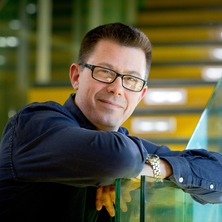
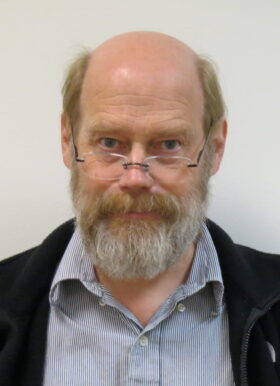
Professor Frederic Meunier is a leading academic at the University of Queensland , affiliated with the School of Biomedical Sciences, Queensland Brain Institute, and Clem Jones Centre for Ageing and Dementia Research. His career spans molecular neuroscience, lipid biology, and neurodegenerative disease research.
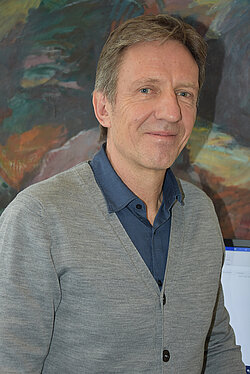
Thomas Rudel is the Chair Professor of Microbiology at the University of Würzburg’s Biocenter, leading an active research group since 2008. His work focuses on host-pathogen interactions, particularly with Chlamydia trachomatis, Neisseria gonorrhoeae, and Staphylococcus aureus, integrating systems biology, vaccine development, and 3D infection models. Education: 1983–1989: Biology studies, University of Tübingen 1989–1994: PhD in Microbiology, Max Planck Institute for Biology, Tübingen 2001: Habilitation (Microbiology), Free University Berlin Research Interests: His group investigates the intracellular niche of Chlamydia, innate immune defenses, sphingolipid roles in infection, RNA regulation in gonococci, and metabolic interactions between pathogens and host cells. They also develop 3D tissue models and vaccines. Recent Research Trends: Recent publications (2023–2025) highlight advances in understanding metabolic reprogramming during Chlamydia infection, neutrophil manipulation by Chlamydia effectors, and the role of non-coding RNAs in Neisseria pathogenesis. His team employs cutting-edge techniques like expansion microscopy and organoid models. Team and Funding: His lab comprises >15 PhD students and post-docs, including Aziza Boyny, Andreas Kluge, and Fabienne Wagner. While specific grants are not listed, his prolific output and large team suggest substantial DFG or EU funding. Contact: Room C202, Biocenter, University of Würzburg, Tel: +49 931 31-84401, Email: thomas.rudel@uni-wuerzburg.de
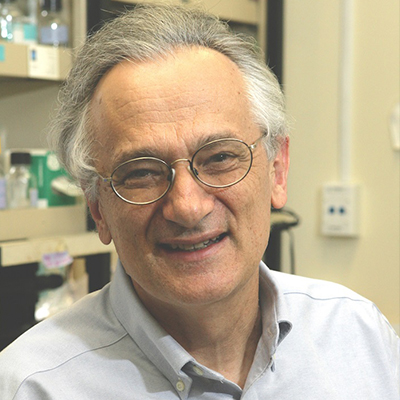
Steven Clarke is a Distinguished Professor in the Department of Chemistry and Biochemistry at UCLA, where he has been a faculty member since 1978. He directs the UCLA Cellular and Molecular Biology Training Program and investigates protein methylation's role in aging and disease states. His work spans biochemical, genetic, and molecular approaches across organisms including Saccharomyces cerevisiae , Caenorhabditis elegans , and Arabidopsis thaliana . Clarke earned his Ph.D. in Biochemistry and Molecular Biology from Harvard University, where he worked with NSF Fellow Peter Mitchell at Glynn Research Laboratories on mitochondrial amino acid transport. He completed postdoctoral work as a Miller Fellow at UC Berkeley with Dan Koshland, studying bacterial chemotaxis receptors. His research has identified key methyltransferases like protein L-isoaspartyl repair methyltransferase and PRMT9, while exploring connections between methylation, insulin signaling, and longevity pathways. His laboratory has produced over 250 publications since 2000, focusing on protein methylation (PRMT7/9), aging mechanisms (isoaspartyl damage, methionine addiction), ribosomal modification , and stress response pathways . Recent work examines PCMTD1/2 in proteostasis, COQ5 in coenzyme Q biosynthesis, and novel methyltransferases in Trypanosoma brucei. Current graduate students include Eric Pang (biochemistry/structural biology) and Cindy Wang (biochemical-computational hybrid). Undergraduates Celeste Medina-Seymour, Elizabeth Oroudjeva, Olivia Pacheco, and Jasmine Winter contribute to projects involving yeast, plant, and nematode models. His team's interdisciplinary approach combines biochemical assays, mass spectrometry, and computational methods to uncover methylation's impact on cellular function.
Pedro Lowenstein is a Professor at the University of Michigan , holding appointments in the Department of Neurosurgery and Cell and Developmental Biology . He serves as Program Director of MM Neurosurgery and Assistant Chair of Neurosurgery. Lowenstein is a member of the AI and Digital Health Innovation , Rogel Cancer Center , and Center for Cell Plasticity and Organ Design . Education MD, University of Buenos Aires School of Medicine (1981) PhD, University of Buenos Aires (1984) Research Interests : Lowenstein's work focuses on three main areas: Tumor Self-organization : Molecular and physical mechanisms of glioma growth, invasion, and microenvironmental interactions, particularly H3.3-G34R and IDH1 mutations. Adaptive Immunity : T-cell and NK-cell interactions with gliomas, including immunological synapse formation and mechanisms of immune evasion. Clinical Translation : Development of combined cytotoxic/immune-stimulatory gene therapy (Ad-hCMV-TK/Flt3L) for glioblastoma, leading to FDA-approved Phase I trials (NCT01811992). Scientific Trends : Recent publications emphasize epigenetic reprogramming, liquid crystal tumor modeling, and AI-driven diagnostics. Collaborative work with Maria G. Castro spans in vivo models and clinical trial implementation. Key Grants include NIH funding for neuro-immune mechanisms, American Brain Tumor Association projects on tumor microenvironment, and Alex's Lemonade Stand support for pediatric glioma gene therapy.
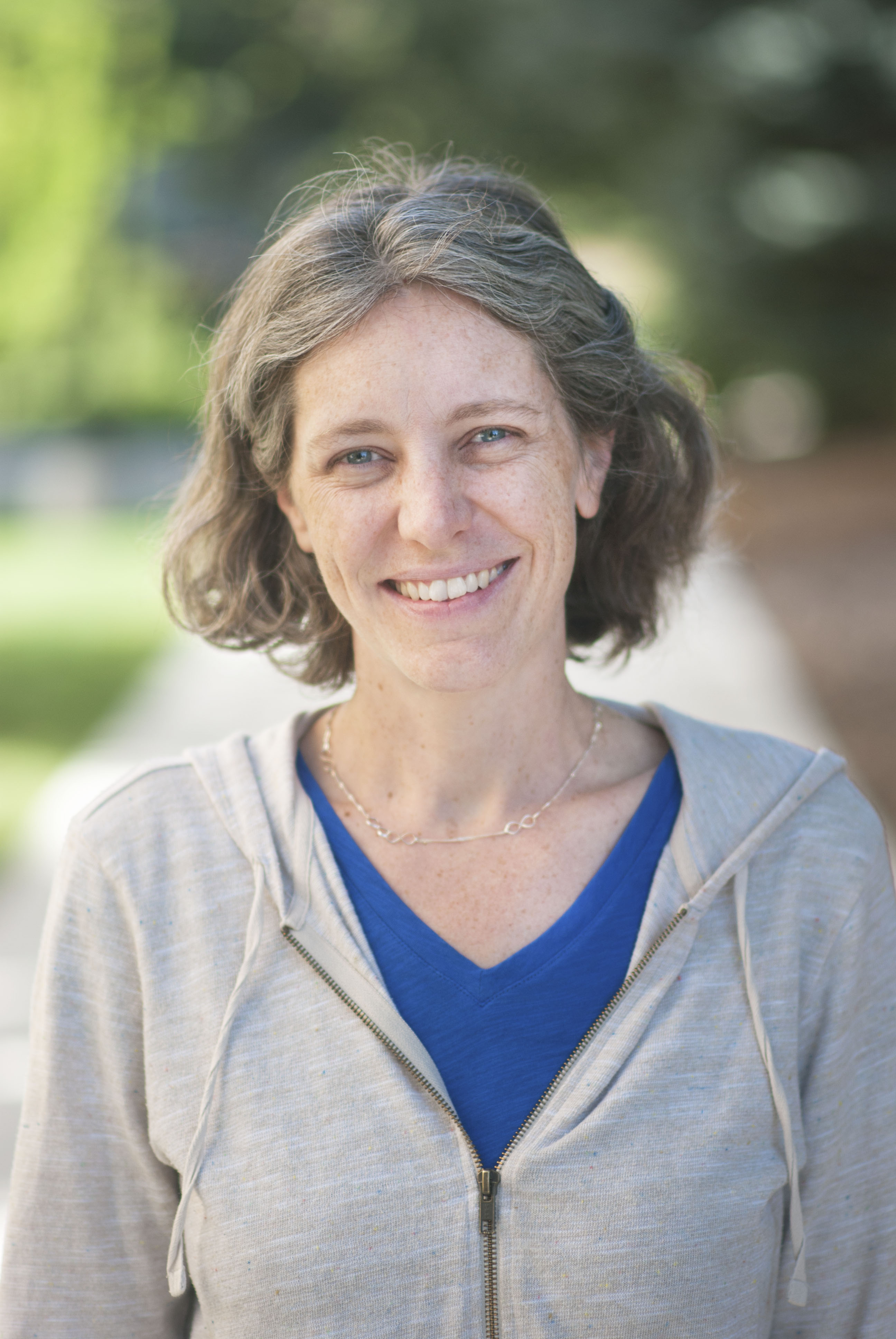
Julie Hollien is a Professor of Biological Sciences at the University of Utah, leading research on endoplasmic reticulum (ER) stress mechanisms and their implications in neurodegenerative diseases. Her work bridges molecular cell biology with disease pathology, focusing on protein homeostasis pathways critical in conditions like Huntington's disease and Alzheimer's. Her academic background includes: B.A. from Reed College Ph.D. from the University of California, Berkeley Dr. Hollien's research program investigates the Unfolded Protein Response (UPR) and Regulated Ire1-Dependent Decay (RIDD), revealing how mRNA decay pathways regulate lysosome positioning and protein aggregate clearance. Her lab demonstrated that RIDD-mediated degradation of Blos1 mRNA triggers perinuclear lysosome clustering, enhancing clearance of disease-associated aggregates like mutant Huntingtin. This work establishes critical links between ER stress, RNA regulation, and neurodegeneration using Drosophila and mammalian models. Analysis of her publication trends shows sustained focus on ER stress adaptation mechanisms, with recent work expanding into therapeutic implications for neurodegenerative and metabolic disorders. Her articles consistently explore intersections between RNA biology, organelle dynamics, and disease pathogenesis, demonstrating translational relevance from fundamental mechanisms to disease models. She directs an active research laboratory at the University of Utah that employs molecular, cellular, and genetic approaches to dissect stress response pathways. Her team investigates how RNA decay mechanisms influence cellular physiology during proteotoxic stress, with ongoing work exploring therapeutic modulation of these pathways for neurodegenerative conditions.
Yuru Wang is an Assistant Professor of Medicinal Chemistry at the University of Utah , College of Pharmacy. She is affiliated with both the Molecular Biology Program and the Biological Chemistry Program , where she leads the Wang Lab focused on epitranscriptomics and RNA therapeutics . Education: B.S., Nankai University Ph.D., University of California, Davis Research Interests: Dr. Wang's research centers on understanding RNA modifications such as pseudouridine and inosine , and their roles in cellular processes like immune responses, phase separation, and embryonic development. Her lab develops innovative molecular tools and therapeutic strategies targeting RNA modifications. Her work spans multiple disciplines including biochemistry , RNA biology , mass spectrometry , protein engineering , and genetics . Publications & Trends: Dr. Wang's recent publications (2023-2015) demonstrate a strong focus on pseudouridine detection and RNA modification mapping , particularly using advanced sequencing techniques like LEAD-m6A-seq and BID-seq . Her work also emphasizes enzyme engineering for RNA modification tools and ADAR enzyme specificity . Lab & Training: The Wang Lab provides an interdisciplinary training environment for graduate students and postdocs, preparing them for careers in RNA biology and therapeutics. The lab's ultimate goal is to develop innovative RNA-based therapies and identify new drug targets for human diseases.
Matthew A. Mulvey is a Professor of Biological Sciences at the University of Utah, where he leads the Mulvey Laboratory within the Molecular Biology Program. His work integrates microbiology, genetics, cell biology, and bioinformatics to understand how pathogenic E. coli strains colonize hosts, evade immune responses, and develop antibiotic resistance. Education: B.S. in Biological Sciences – University of Texas, Austin Ph.D. – University of Texas, Austin Research Interests: Dr. Mulvey’s laboratory focuses on the molecular mechanisms underlying bacterial pathogenesis, with a particular emphasis on Extraintestinal Pathogenic Escherichia coli (ExPEC). His team investigates how genetic diversity and environmental pressures shape virulence, using zebrafish, mouse, and cell culture models. Key areas include urinary tract infections, sepsis, antibiotic resistance, and the role of the microbiota in disease outcomes. His lab employs cutting-edge techniques such as high-throughput screening, advanced microscopy, genomics, and bioinformatics to dissect host-pathogen interactions. They also collaborate closely with clinicians to translate findings into therapeutic strategies. Scientific Publications Overview: Mulvey’s recent publications span a broad range of topics including antibiotic resistance gene networks, plant-derived antimicrobials, bacterial adhesion mechanisms, and the use of zebrafish as infection models. His work consistently bridges basic science with translational applications, addressing urgent challenges in infectious disease management. Teaching & Mentorship: Dr. Mulvey teaches undergraduate and graduate courses including BIOL 2020: Principles of Cell Biology , BIOL 5210: Cell Structure and Function , and DENT 7135: Host and Defense, Bacterial Pathogenesis . His lab is actively involved in training the next generation of scientists. Laboratory & Collaborations: The Mulvey Lab is part of the University of Utah’s robust bioscience research community. It collaborates with bioinformaticians, clinicians, and core facilities to advance understanding of bacterial pathogenesis and develop novel therapeutic interventions.
Cynthia Burrows serves as Professor and Thatcher Presidential Endowed Chair of Biological Chemistry at the University of Utah's Department of Chemistry within the College of Science. She also holds membership at the Huntsman Cancer Institute and serves as Editor-in-Chief of Accounts of Chemical Research. Her leadership extends to chairing the Chemistry Department where she spearheaded development of the Thatcher Building, a state-of-the-art biological chemistry research facility. Her educational background includes a Bachelor of Arts in Chemistry from the University of Colorado, Boulder (1975) and a Ph.D. from Cornell University (1982). Postdoctoral work included research with Nobel laureate Jean-Marie Lehn at Université Louis Pasteur. Burrows' research centers on oxidative damage to DNA/RNA molecules and their physiological consequences, particularly cancer development. Her laboratory investigates how oxidation alters nucleic acid structures (especially G-quadruplexes), repair mechanisms for thousands of daily cellular damage events, and the epigenetic implications of oxidative modifications. Recent breakthroughs include nanopore-based detection systems developed with Henry White for identifying DNA damage at single-molecule resolution. Analysis of her 15 most recent publications reveals consistent focus on oxidative DNA damage mechanisms, with particular emphasis on G-quadruplex structures in gene regulation, RNA modification detection via nanopore sequencing, and the dual roles of oxidative lesions as both mutagenic threats and epigenetic regulators. Her work bridges fundamental biochemistry with clinical applications in cancer research. Willard Gibbs Medal (2018) James Flack Norris Award (2018) National Academy of Sciences (2014) Utah Governor's Medal (2016) Rosenblatt Prize for Excellence (2019) AAAS Fellow ACS Fellow Burrows has mentored numerous students reflected in her teaching awards including the Robert W. Parry Teaching Award and Distinguished Teaching Award. She secured funding for five faculty chairs, four named lectureships, and student awards. As a founding leader of the University of Utah Curie Club for Women, she's advanced women in STEM through community building. Her laboratory work continues to explore oxidative damage mechanisms with implications for cancer therapeutics and epigenetic regulation.
Jorg van Loosdregt is an Associate Professor at UMC Utrecht , affiliated with the Laboratory for Translational Immunology (LTI) and the Center for Molecular Medicine (CMM) . His research focuses on molecular pathways in immune-related diseases, particularly Juvenile Idiopathic Arthritis , combining immunology and translational medicine to improve diagnostics and therapies. PhD in Molecular Immunology (2011, cum laude), University Medical Center Utrecht His research explores immune homeostasis, T-cell regulation, and the role of epigenetics and metabolic reprogramming in autoimmune disorders. He investigates how autophagy and epigenetic modifications influence T-cell function in rheumatoid arthritis and pediatric conditions. Recent publications highlight his work on CD4+ T-cell metabolism , epigenetic regulation , and molecular targets for autoimmune therapies. Studies include glycolytic reprogramming in arthritis, CBP/P300 inhibition effects, and RNA modifications in T-cell responses. 2016 : Wilhelmina Children's Hospital fellowship (€150,000) 2015 : Dutch Arthritis Foundation fellowship (€160,000) 2014 : NWO VENI fellowship (€250,000) Van Loosdregt leads translational research projects supported by multiple grants and contributes to interdisciplinary studies on immune-driven diseases. His work spans collaborations with the Pediatric Immunology team to develop preventive interventions for autoimmune conditions.
Dr. Ageliki Tsagaratou is an Assistant Professor in the Department of Genetics at the University of North Carolina at Chapel Hill School of Medicine, where she leads the Tsagaratou Lab focused on epigenetic mechanisms in immune cell development. Her research program investigates how TET family proteins regulate DNA demethylation and transcriptional networks during T cell differentiation in the thymus and periphery. Her primary research interests include: Epigenetic regulation of T cell lineage specification DNA demethylation mechanisms mediated by TET proteins (TET1, TET2, TET3) Role of 5-hydroxymethylcytosine in immune cell development Mechanisms linking epigenetic dysregulation to autoimmunity and hematological malignancies Transcriptional control of invariant natural killer T cell development Dr. Tsagaratou's laboratory employs genetically modified mouse models, primary cell culture, multiparameter flow cytometry, molecular biology assays, and next-generation sequencing technologies to elucidate epigenetic regulatory mechanisms. Recent publications demonstrate her team's focus on TET protein functions in T cell receptor repertoire formation, T follicular helper cell biology, and malignant transformation pathways. As a mentor, she emphasizes individualized development plans, daily communication, and collaborative problem-solving. Her lab participates in interdisciplinary seminars at UNC's Comprehensive Lineberger Cancer Center and Carolina Chromatin Consortium. The laboratory is located in the Burnett-Womack Building on UNC's Chapel Hill campus.
Orsolya Barabas is a Full Professor at the University of Geneva , leading research in the Department of Molecular and Cellular Biology . Her work focuses on structural and biochemical mechanisms of DNA rearrangements, particularly transposon biology and genetic engineering.
Dr. Emine Sümeyra Turalı-Emre is an Assistant Professor at the Institute of Biomedical Engineering, Bogazici University, where she joined in 2024. She combines expertise in nanotechnology, biomedical engineering, and data science to solve critical healthcare challenges. Previously, she was a Postdoctoral Research Fellow in Chemical Engineering at the University of Michigan (2021-2024) and completed her PhD in Biomedical Engineering from the same institution in 2021. Her educational background includes: PhD in Biomedical Engineering, University of Michigan, 2021 MSc in Biomedical Engineering, University of Michigan, 2015 BSc in Molecular Biology and Genetics, Istanbul University, 2008 Dr. Turalı-Emre's research focuses on engineering inorganic nanoparticles for applications such as drug and gene delivery, antibacterial and anticancer treatments, bone regeneration, and extracellular vesicle capturing for diagnostics. Her work spans chiral nanoparticles, antibacterial nanoparticles, extracellular vesicle capturing, AI-driven nanoparticle-protein interactions, drug and gene delivery systems, cancer therapies, and translational nanotechnology. She approaches biomedical challenges through multidisciplinary collaborations that bridge engineering, life sciences, and computer science. Her recent publications in leading journals like Advanced Materials, Matter, and PNAS demonstrate strong trends in chiral nanomaterials for diagnostics and therapeutics, antibacterial applications against biofilms and antibiotic-resistant bacteria, and the integration of artificial intelligence with nanotechnology. Her work shows a clear progression from fundamental nanoparticle synthesis to translational applications in healthcare. Scientific awards and recognitions include: BioInterfaces Research Community Innovator Award, 2024 Full Member, Sigma Xi, The Scientific Research Honor Society, 2024 Women in Science and Engineering, Cinda Sue Davis STEM Equity Leadership Award (Nominee), 2024 Women in Science and Engineering, Willie Hobbs Moore Achievement Award (Nominee), 2024 Selected Participant, AI in Science & Engineering Summer Academy, 2023 And several other prestigious awards and recognitions Dr. Turalı-Emre is actively involved in mentoring students and fostering interdisciplinary collaboration. She currently leads a TÜBİTAK-BİLGEM project developing an AI-driven database to optimize antibacterial nanoparticles for diagnostics and treatments, in collaboration with Dr. Betül Özateş from the Institute of Data Science and Artificial Intelligence. She has also contributed to Coulter Translational Research Partnership projects focused on extracellular vesicle capture, optimizing RNA isolation from biofilms, and developing antibacterial surfaces using chiral nanoparticles. Her laboratory provides a vibrant environment for undergraduate, graduate, and non-traditional students from various fields, including engineering, life sciences, and computer science, to conduct impactful research and contribute to transformative innovations in healthcare.
Takeo Narita serves as Associate Professor at the Novo Nordisk Foundation Center for Protein Research (CPR), part of the Faculty of Health and Medical Sciences at the University of Copenhagen. He conducts research within the Choudhary Group, focusing on advanced proteomic analysis of protein modifications and their regulatory roles in cellular processes. His research interests encompass: Proteomics and post-translational modifications Protein acetylation dynamics Ubiquitylation systems biology Chromatin biology and epigenetic regulation Transcription mechanisms and enhancer activation DNA repair pathways Narita's work integrates cutting-edge quantitative proteomics with molecular and cellular biology to investigate how protein modifications regulate fundamental biological processes. His research has revealed critical insights into how histone and non-histone protein acetylation governs transcription, enhancer activity, and DNA repair mechanisms. He has developed novel methodologies for site-resolved analysis of modification occupancy and turnover rates. His publication record demonstrates consistent high-impact contributions to the field, with articles in premier journals including Nature Communications, Cell, Nature Genetics, and Molecular Cell. His 2019 review article 'Functions and mechanisms of non-histone protein acetylation' in Nature Reviews Molecular Cell Biology has been particularly influential with over 900 citations. His most recent work challenges conventional understanding of the relationship between transcription and protein acetylation. Narita maintains an active research program with extensive collaborations both within the University of Copenhagen and internationally. His work has gained significant attention in the scientific community, as evidenced by numerous citations, social media mentions, and coverage in news outlets and academic platforms.
Mark Warchol is a Professor in the Department of Otolaryngology-Head and Neck Surgery and the Department of Anatomy & Neurobiology at Washington University School of Medicine, focusing on inner ear development and regeneration mechanisms. Education: BS in Physics, University of Washington, Seattle (1981) PhD in Neurobiology, Northwestern University, Evanston (1989) His research investigates molecular regulation of sensory receptor differentiation, including GATA3 transcription factor roles, PCP/JNK signaling in hair cell orientation, and epigenetic modifications (histone acetylation/DNA methylation) in regeneration. Current projects employ siRNA knockdown, small molecule inhibitors, and chick/mouse models to study ototoxic injury responses and stereocilia regrowth pathways. Analysis of 2010-2014 publications reveals consistent emphasis on hair cell regeneration mechanisms across avian and mammalian models, with key themes including transcriptional networks (PAX/EYA/SIX), epigenetic regulators, and collaborative genomic approaches using microarrays and RNAi screening. Dr. Warchol leads a research laboratory collaborating with Washington University's Department of Genetics on large-scale gene expression studies, utilizing organ cultures, in ovo chick models, and quantitative techniques to map regenerative pathways in sensory epithelia.
Janne Lehtiö is a Professor in Medical Proteomics at Karolinska Institutet's Department of Oncology-Pathology in Stockholm, Sweden. He has held continuous positions at Karolinska Institutet since 2004, progressing from Senior Scientist to Associate Professor and currently Professor. His research focuses on proteomics and proteogenomics applications in cancer research and precision medicine. Lehtiö earned his PhD in School of Biotechnology from Kungliga Tekniska Högskolan (Royal Institute of Technology) in Stockholm (1997-2001) and his Master of Science in Department of Biochemistry from Helsingin Yliopisto (University of Helsinki) in Finland (1991-1997). Prior to his academic career at Karolinska, he worked as a Field Scientist at Ciphergen Biosystems Inc. in Fremont, California (2001-2003). His research interests center on proteomics, proteogenomics, cancer biology, and precision medicine . Lehtiö's work bridges molecular biology with clinical applications, particularly in cancer diagnostics and treatment selection. His laboratory develops advanced proteomic technologies for in-depth molecular phenotyping of cancer. Analysis of his recent publications reveals a strong trend toward clinical proteogenomics with emphasis on spatial proteomics, immune-oncology, and biomarker discovery. His research increasingly integrates machine learning approaches for early cancer detection and treatment response prediction, with significant focus on lung cancer, ovarian cancer, and lymphoma. Lehtiö serves as Principal Investigator on numerous research grants and has extensive experience as a peer reviewer for high-impact journals including Nature Communications, Cell, and Nature Genetics. His research is supported by substantial grant funding from major Swedish research organizations including the Swedish Research Council (VR), Swedish Cancer Society, and VINNOVA. Current projects focus on proteogenomics for cancer immunotherapy, precision medicine infrastructure, and early lung cancer diagnosis.