Matthew J. GrahamView profile
Research Professor
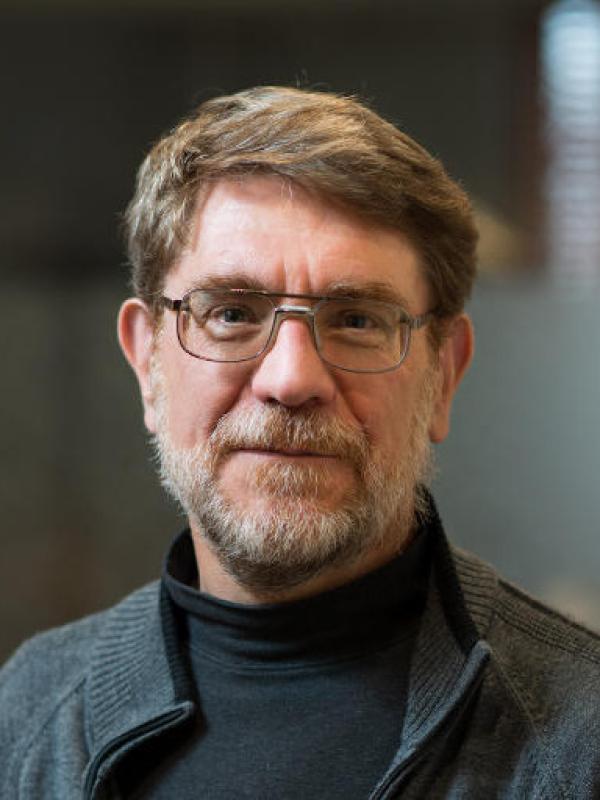
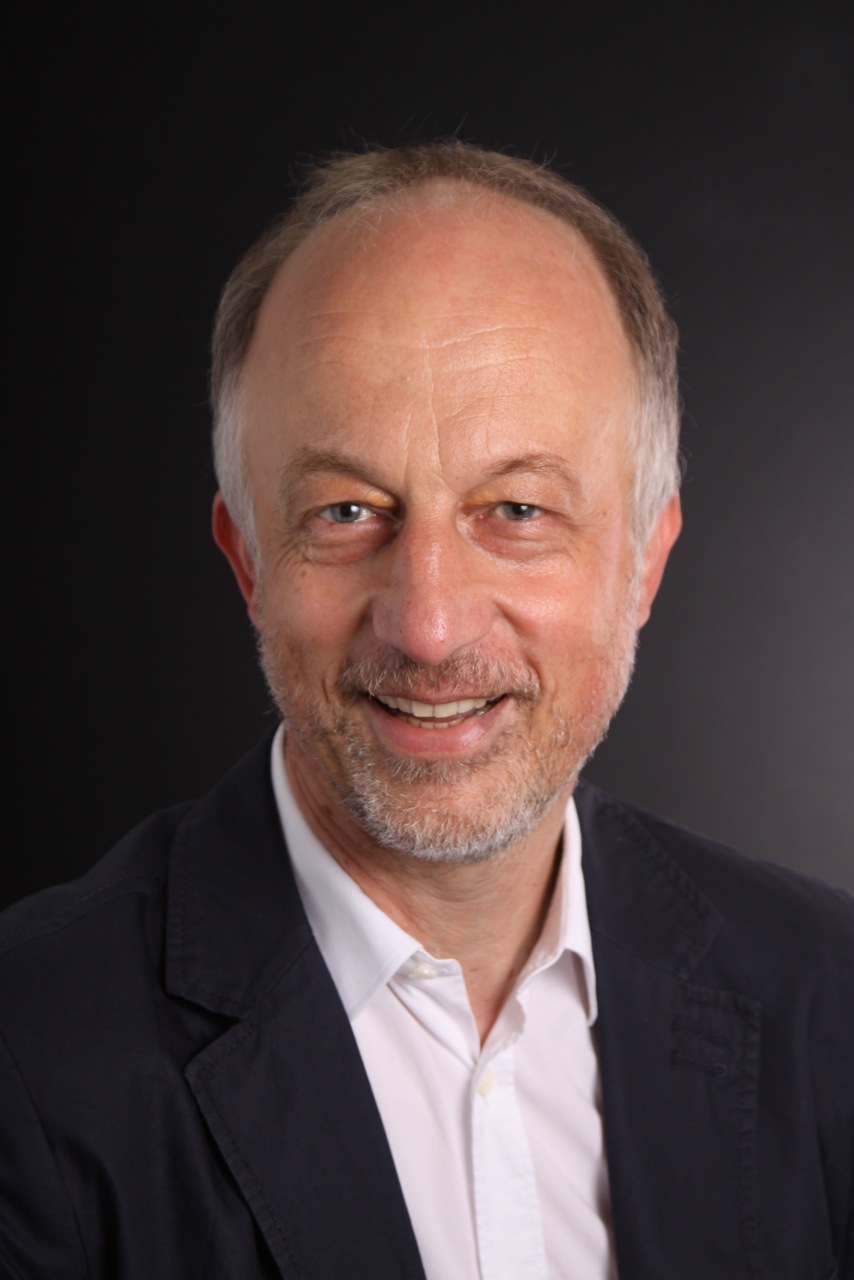
Matthew J. Graham is a Research Professor of Astronomy at the California Institute of Technology (Caltech), serving as the Project Scientist for the Zwicky Transient Facility (ZTF). His work bridges astronomy, machine learning, and data science, focusing on time-domain sky surveys that produce hundreds of thousands of public transient alerts per night. Previously, he has worked on the Catalina Real-time Transient Survey (CRTS), NOAO DataLab, Virtual Observatory, and Palomar-Quest Digital Sky Survey. Dr. Graham's primary research interests involve applying machine learning and advanced statistical methodologies to astrophysical problems, particularly the variability of quasars and other stochastic time series. His work addresses the unprecedented data volumes generated by 21st-century astronomy while expanding our ability to work with complex information systems beyond simple correlations. His current projects include real-time low latency inferencing via the NSF-funded A3D3 Institute, reinforcement learning for optimizing astrophysical follow-up campaigns, neural differential models for supermassive black hole variability, and functional analysis of multivariate time series. Analysis of Graham's recent publications reveals a strong focus on time-domain astronomy, particularly leveraging the capabilities of the Zwicky Transient Facility. His work spans multiple areas including gravitational wave counterpart identification, active galactic nuclei variability, supernova characterization, and machine learning applications for transient detection. A notable trend is the integration of artificial intelligence techniques to handle the massive data streams from modern sky surveys, enabling real-time analysis and decision-making that would be impossible with traditional methods. Dr. Graham has been instrumental in developing infrastructure for time-domain astronomy, including the alert distribution system for ZTF and data processing pipelines for handling massive transient datasets. His work on the Catalina Real-time Transient Survey established important methodologies for identifying variable and transient sources that continue to influence the field. As Project Scientist for ZTF, Graham leads a major international collaboration involving Caltech, IPAC, and numerous partner institutions worldwide. The facility represents a significant advancement in time-domain astronomy, providing unprecedented coverage of the dynamic sky and enabling discoveries across multiple areas of astrophysics.