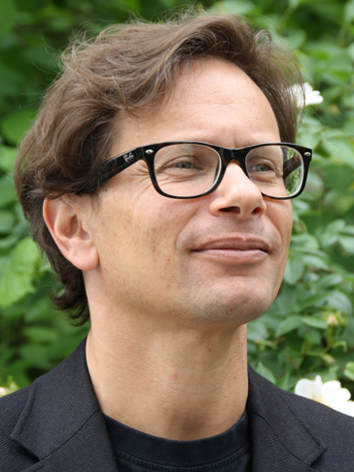
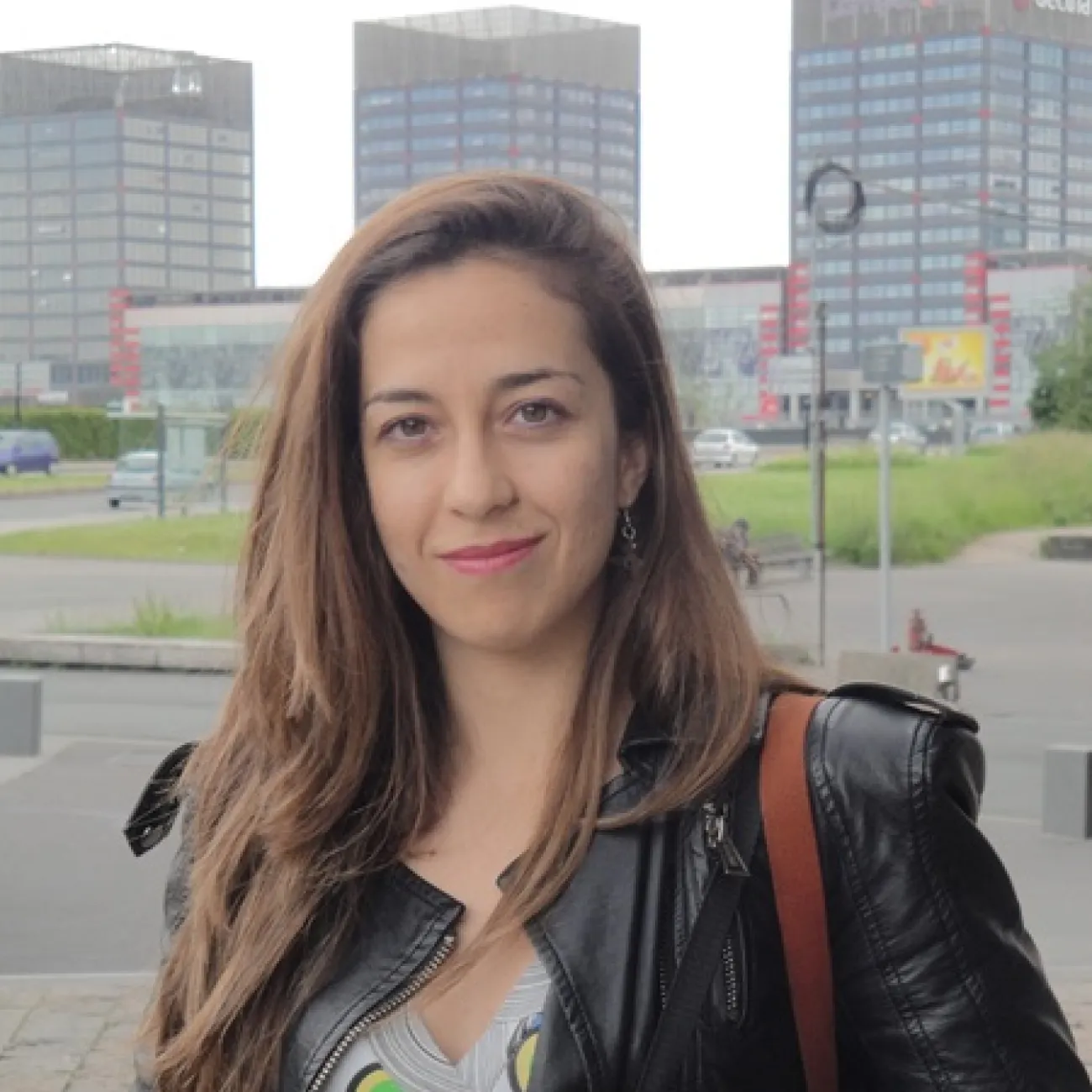
Julia CramerView profile
Assistant Professor
Julia Cramer is an Assistant Professor in the Department of Science Communication and Society at the Institute of Biology Leiden (IBL), Leiden University, with a joint affiliation at the Leiden Institute of Physics (LION). Her research focuses on the intersection of quantum science and technology with society, particularly through the lens of science communication, public engagement, and societal readiness. She leads the Quantum and Society research group and is actively involved in national and European initiatives on the Ethical, Legal, and Societal Aspects (ELSA) of quantum technology. PhD in Applied Physics, Delft University of Technology Member of the Dutch Physics Association (NNV) Co-founder of Women in Quantum Development (WIQD) Chair of the Young Academy Leiden (from 2023) Former member of the CBS communicatie-adviesraad Member of the Physics Scientific Advisory Board of the Lorentz Center Julia Cramer's research interests lie at the intersection of quantum technology and society. She investigates how quantum science is communicated to the public, how societal groups perceive quantum technologies, and how to foster inclusive and responsible innovation. Her work emphasizes broadening youth participation in STEM and enhancing diversity in quantum fields. She is passionate about making quantum accessible to non-expert audiences and ensuring that technological development aligns with societal values. Her recent publications reflect a strong trend in science communication, public perception, and societal integration of quantum technologies. Themes include measuring public attitudes, designing effective outreach interventions, promoting diversity, and addressing ethical implications. The research combines qualitative and quantitative methods to assess communication strategies and societal impacts. Casimir Prize (during PhD) Recognized as one of the Faces of Science by KNAW Julia Cramer supervises several PhD candidates and is involved in mentoring early-career researchers. She has led initiatives such as the Women in Quantum Development (WIQD) and contributes to national science policy through advisory roles. Her research is supported by collaborations with Quantum Delta NL and other European networks focused on responsible quantum innovation. She leads the Quantum and Society research group, which focuses on content analysis of quantum communication, developing attitude measurement tools, and evaluating the impact of public engagement interventions. The group collaborates with physicists, social scientists, educators, and policymakers to ensure a multidisciplinary approach to quantum-society integration.