Z. (Zeila) ZanolliView profile
Professor
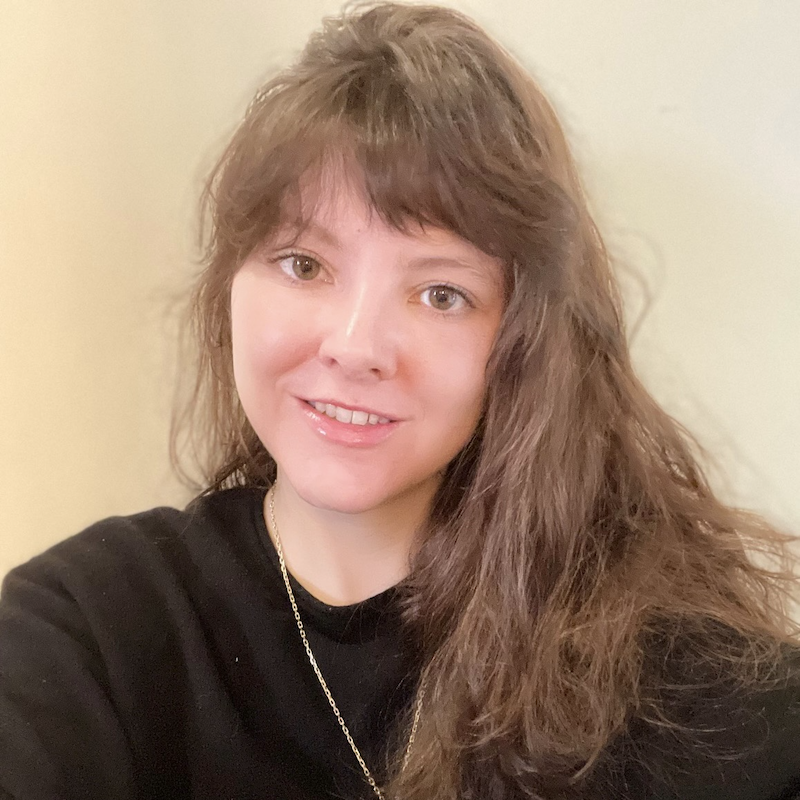
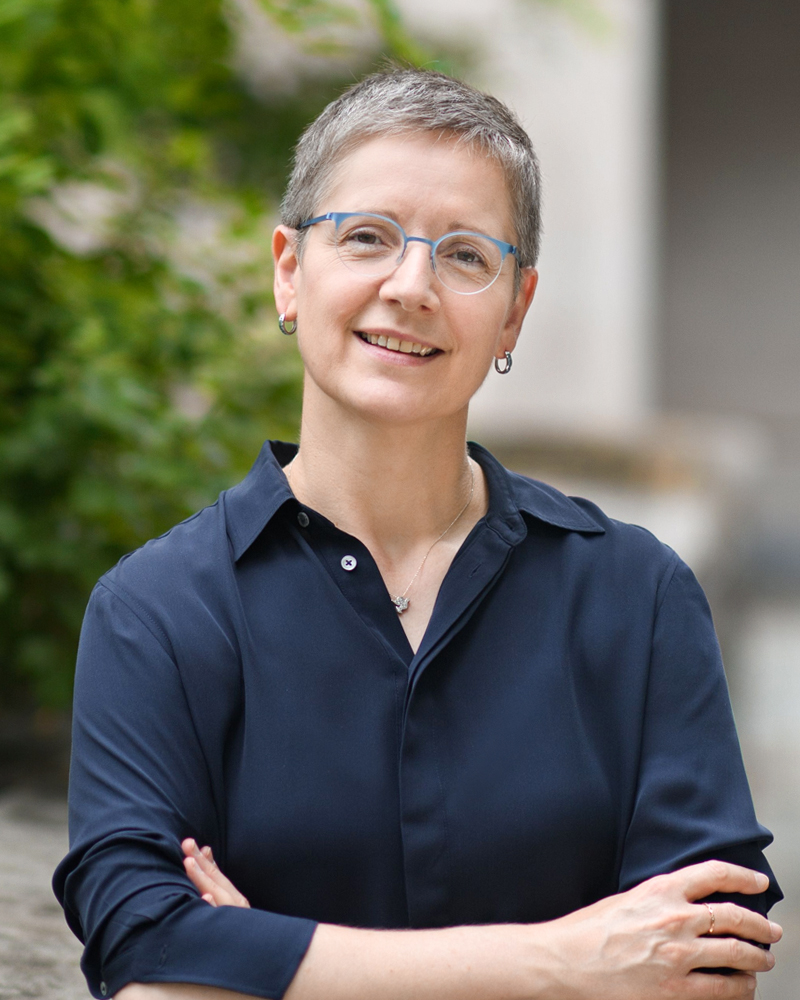
Prof. Dr. Zeila Zanolli is a Full Professor in 'Theory and Simulations of Quantum Materials' at Utrecht University, leading the 'Quantum Materials by Design' research group. She holds affiliations with the Debye Institute for Nanomaterials Science and the Condensed Matter and Interfaces department. Her work focuses on first-principles modeling of nanoscale materials, particularly topological materials and applications in nanoelectronics/spintronic devices. She has pioneered superconducting Density Functional Theory implementations in SIESTA and contributed to understanding quantum transport phenomena like spin-polarized currents and photoluminescence dynamics. Education & Career: Prior to Utrecht, she was a Ramon y Cajal Fellow (ICN2, Spain) and led the Nanospintronics Group at RWTH Aachen University. Her academic trajectory includes a Marie Curie Fellowship at Forschungszentrum Jülich (2012–2015). She serves as Deputy Chair of the European Theoretical Spectroscopy Facility (ETSF) and holds editorial roles at SciPost Physics and Journal of Physics Materials. Research Interests: Her expertise spans quantum materials, topological matter, computational modeling (DFT, GW/BSE, NEGF), and materials discovery. Key systems include 2D materials, carbon nanostructures, hybrid organic-inorganic materials, and multiferroics. She emphasizes open-source software development (SIESTA, YAMBO) and open science practices. Awards & Recognition: Notable recognitions include the Marie Curie Intra-European Fellowship (2012–15), Ramon y Cajal Fellowship (2018–20), and Treasurer of the Young Academy of Europe (2018–22). She coordinates international initiatives like the MaX Center of Excellence for materials design at exascale computing levels. Teaching & Outreach: Teaches quantum mechanics, quantum transport, and materials theory at Utrecht. Organized graduate schools and international conferences. Engages in science policy, public outreach via videos (e.g., 'Quantum Materials by Design' YouTube channel), and editorial leadership to advance open access science.