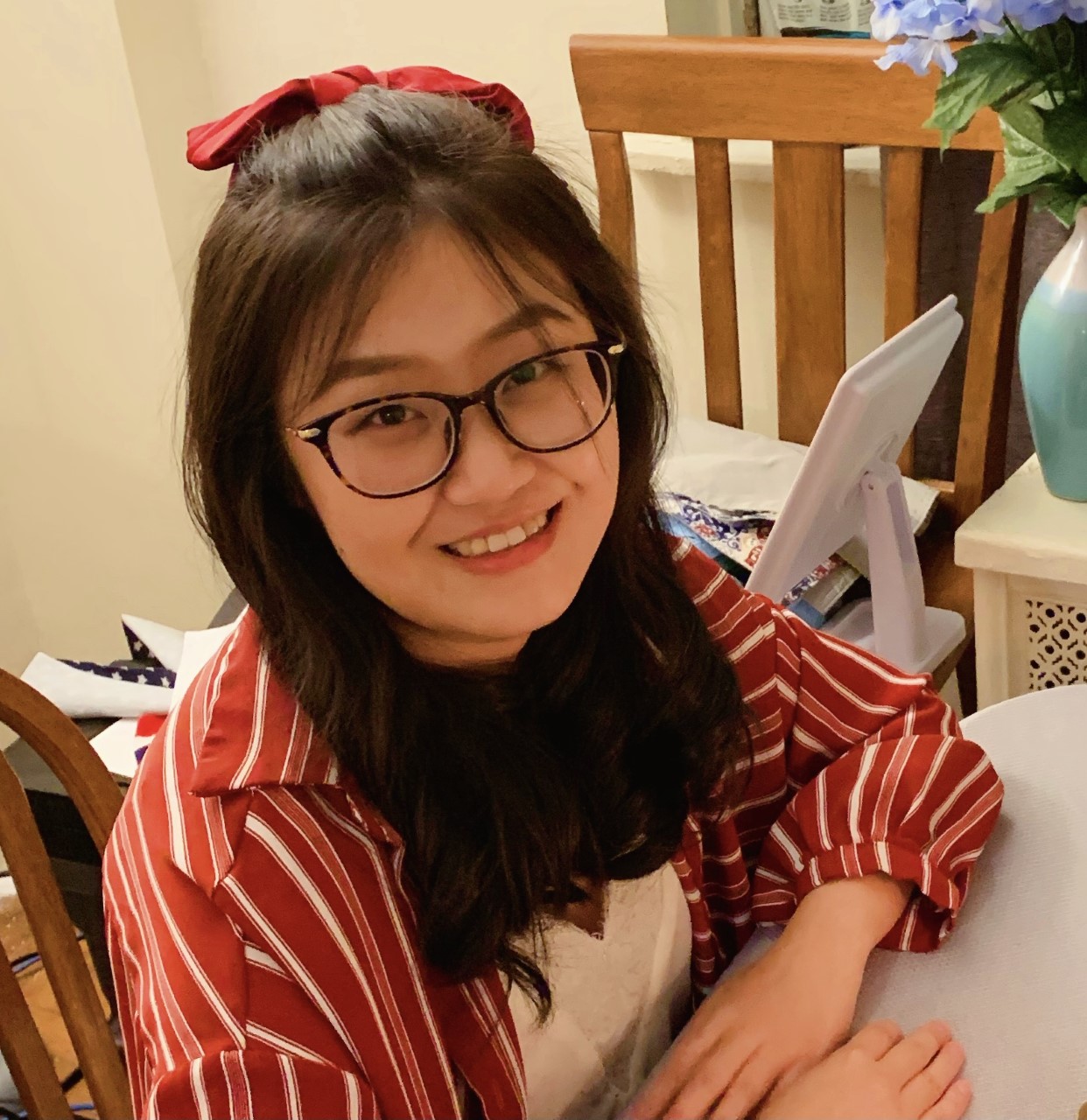
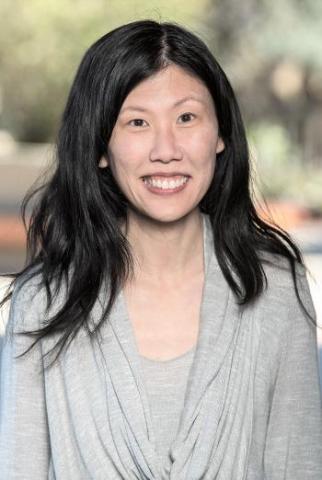
Yanan Guo is an Assistant Professor in the Department of Computer Science at the University of Rochester, specializing in computer architecture and cybersecurity. Her research focuses on GPU memory safety, side-channel attacks, quantum computing, and machine learning security, with recent projects exploring cross-VM side-channel vulnerabilities and quantum circuit simulation. PhD, University of Pittsburgh (advisor: Dr. Jun Yang) Her work bridges hardware and software security, addressing issues like GPU cache eviction mechanisms, memory corruption attacks, and adversarial threats in neural networks. She actively collaborates with researchers like Youtao Zhang and Jun Yang, with publications in top venues including USENIX Security, MICRO, and ICML. Recent publications highlight trends in GPU security (memory safety, side-channel attacks), quantum computing optimizations, and adversarial machine learning. Her team’s projects have received recognition such as the NSF OAC grant for AI workflow security and features in IEEE Transactions on Computers. Featured Paper in IEEE Transactions on Computers (02/22 issue) Shortlisted for Top Picks in Hardware and Embedded Security 2023 Dr. Guo mentors PhD students and offers weekly office hours for undergraduates, emphasizing career paths, graduate applications, and research guidance. She serves on program committees for conferences like USENIX Security and ASPLOS.
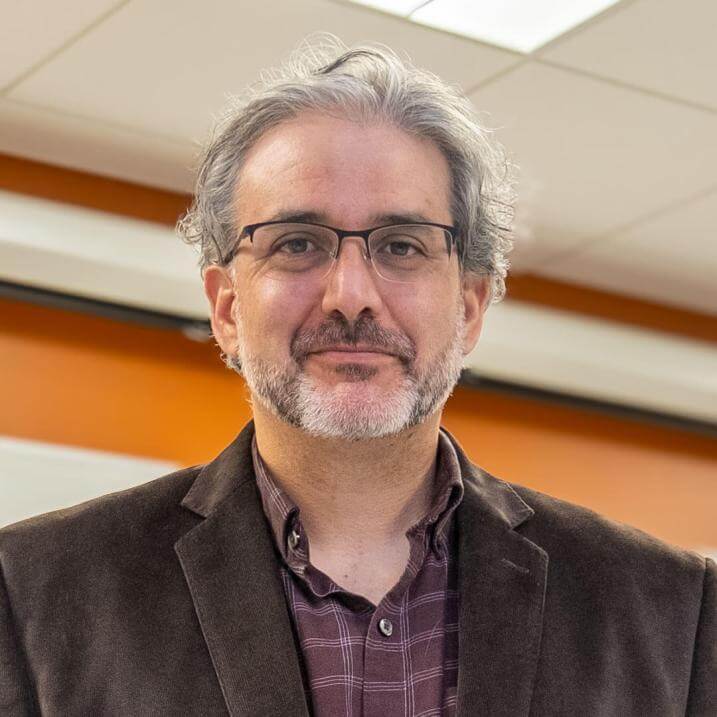
Markus Hennrich is a Professor at the Department of Physics, Stockholm University, where he leads the Trapped Ion Quantum Technologies Group. His research focuses on developing quantum technologies using trapped ions with particular expertise in Rydberg ion systems, quantum computation architectures, and quantum simulation platforms. Education includes: Habilitation in Experimental Physics from University of Innsbruck (2012) Dr. rer. nat. summa cum laude from TU Munich and Max Planck Institute of Quantum Optics (2004) Diploma in Physics from University of Stuttgart (1998) Research interests center on quantum manipulation of trapped ions with three primary focus areas: Developing scalable quantum processors using Rydberg ion interactions Engineering quantum simulations of condensed matter systems Precision control of light-matter interactions in cavity QED systems Recent publications demonstrate strong emphasis on overcoming technical challenges in trapped-ion quantum computing, particularly regarding micromotion control, Rydberg excitation stability, and multi-body interactions. Major scientific awards: ERC Synergy Grant for Open 2D Quantum Simulator (2024) ERC Starting Grant for Quantum Simulations with Trapped Rydberg Ions (2011) Marie-Curie Intra-European Fellowship (2005-2007) Leads multiple research initiatives including: EU-funded project on Rydberg ions for scalable quantum processors ERC Synergy project: Open 2D Quantum Simulator Wallenberg Center for Quantum Technology (national consortium) Directs the Trapped Ion Quantum Technologies Laboratory at Stockholm University, developing next-generation ion trap systems.
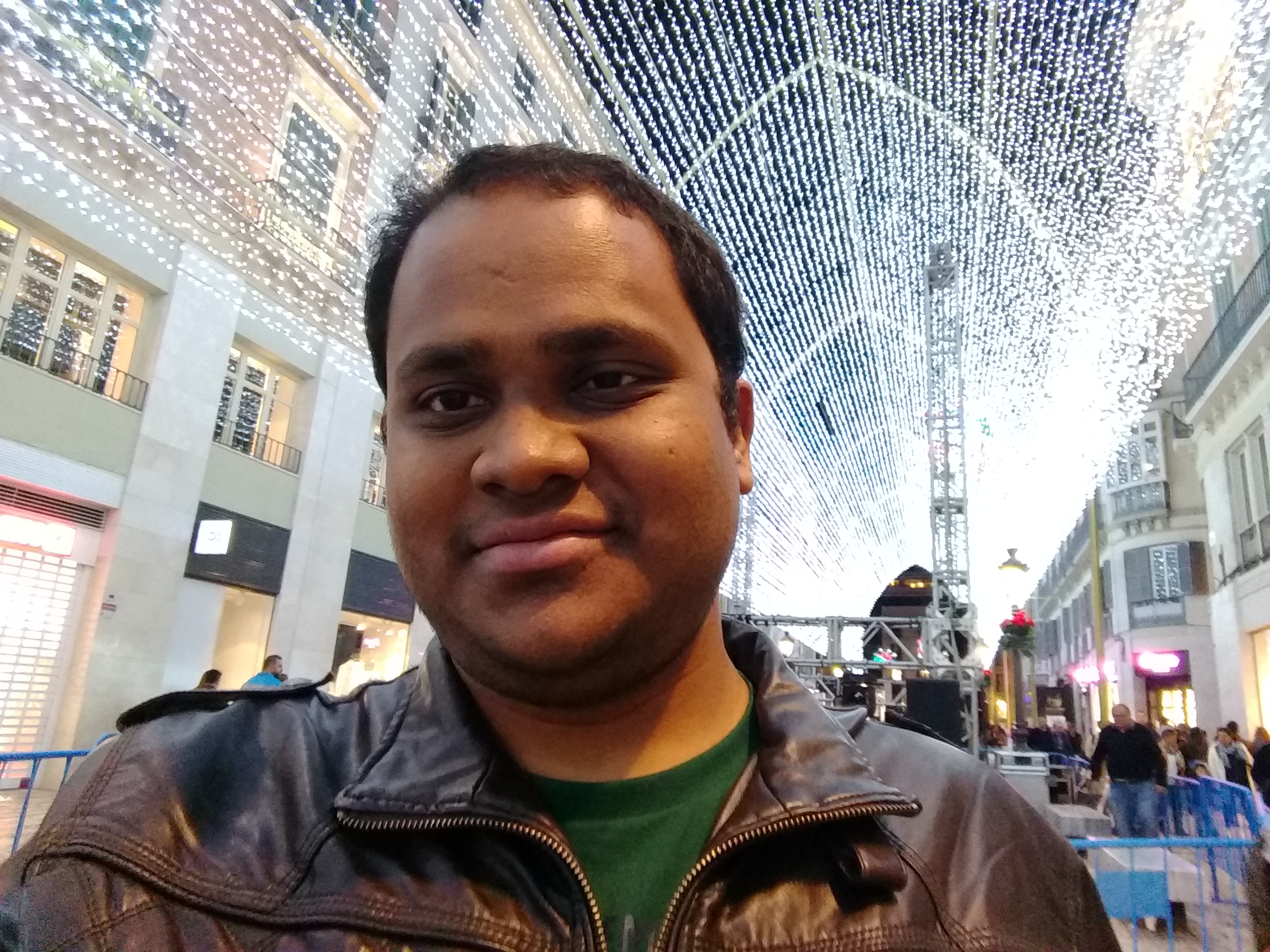
Angshuman Karmakar is an Assistant Professor in the Department of Computer Science and Engineering at the Indian Institute of Technology Kanpur, India. His research focuses primarily on Post-Quantum Cryptography (PQC) and Computation On Encrypted Data (COED), which are critical areas in modern cryptography and computer security. Dr. Karmakar received his Ph.D. from Katholieke Universiteit Leuven (KU Leuven), Belgium, where he worked under Prof. Ingrid Verbauwhede in the COSIC research group. He was awarded the prestigious Erasmus Mundus fellowship for his doctoral studies and the FWO (Fonds voor Wetenschappelijk Onderzoek – Vlaanderen) fellowship for his post-doctoral research at KU Leuven. His research spans theoretical development of cryptographic schemes, implementation algorithms, side-channel and fault attack analysis, and countermeasure development. Dr. Karmakar has established extensive international collaborations with researchers and engineers worldwide to address complex challenges in cryptography and security. Recent publications demonstrate a strong focus on practical post-quantum cryptographic implementations with particular attention to hardware and software efficiency, side-channel resistance, and novel attack methodologies. His work bridges theoretical cryptography with real-world implementation challenges across diverse platforms from IoT devices to high-performance computing systems. Erasmus Mundus fellowship for doctoral studies at KU Leuven FWO fellowship for post-doctoral study at KU Leuven Google India Research Award for work on practical transition to post-quantum cryptography Dr. Karmakar is actively seeking graduate students and postdoctoral researchers to collaborate on cutting-edge research in cryptography and computer security. His work has significant implications for securing future communication systems against quantum computing threats, with applications spanning blockchain technologies, IoT security, and general-purpose computing systems.
Gábor Magyarfalvi is an Assistant Professor and Lecturer at Eötvös Loránd University, affiliated with both the Institute of Chemistry and the Department of Inorganic Chemistry. His office is located at 1117 Budapest, Pázmány Péter sétány 1/a. (Room 542), and he can be contacted via email at gmagyarf@elte.hu or phone extension 6587. His research focuses on physical and inorganic chemistry, with specialization in spectroscopy, astrochemistry, and computational methods. Key areas include matrix isolation techniques for studying interstellar molecule formation (e.g., H 2 catalysis via polyaromatic hydrocarbons), photochemical generation of reactive intermediates, and conformational dynamics of biomolecules. His work extensively employs low-temperature matrix isolation coupled with laser spectroscopy and quantum chemical calculations. Magyarfalvi's publications demonstrate consistent themes: 60% focus on low-temperature photochemistry and spectroscopy of small molecules (e.g., nitrogen/sulfur compounds, amino acids), 30% on peptide/protein conformational analysis using vibrational circular dichroism (VCD) and NMR, and 10% on methodological developments in computational chemistry. Recent works increasingly explore astrochemistry and quantum tunneling phenomena.
Summary Luis A. Duffaut Espinosa is an Assistant Professor in the Department of Electrical and Biomedical Engineering at the University of Vermont (UVM), affiliated with the College of Engineering and Mathematical Sciences. His research focuses on control theory, estimation, robotics, and nonlinear systems with applications in autonomy, quantum control, and environmental monitoring. He holds a Ph.D. in Electrical and Computer Engineering from Old Dominion University (2009) and has held academic positions at George Mason University and postdoctoral roles at Johns Hopkins University and the University of New South Wales. Education: Ph.D. in Electrical and Computer Engineering (2009), Old Dominion University M.S. in Mathematics (2005), Pontificia Universidad Católica del Perú B.S. in Physics (2003), Universidad Nacional de Ingeniería, Peru Research Interests: His work emphasizes data-driven control and estimation methodologies, including model-free approaches for power systems, environmental monitoring, and quantum control. Current projects include real-time data assimilation in harsh environments, resilient robotics in GPS-denied conditions, and SAR with small satellites. He co-directs the Autonomous and Intelligent Systems Research Laboratory (AIRLab) and is part of the CREATE center. Recognition: 2024 NSF CAREER Award for work on safety-aware data-driven control frameworks Teaching & Advising: He teaches courses in estimation theory, control systems, and signal processing. Advises a team of graduate and undergraduate students focusing on autonomy, robotics, and control systems. Notable students include Danial Waleed (Ph.D. 2024), Jacob Friz-Trillo (M.S. 2025), and Farnaz Boudaghi (Ph.D. candidate). Labs & Collaborations: AIRLab: Focuses on data-driven control for autonomy in robotics and engineered systems CREATE: Research on resilient energy and autonomous technologies
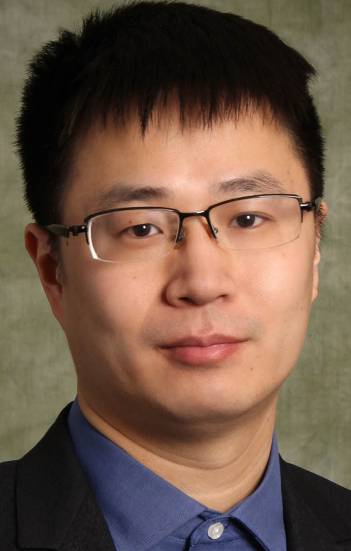
Wenfeng Zhao is an Assistant Professor in the Department of Electrical and Computer Engineering at Binghamton University. He holds a PhD from the National University of Singapore (2014) and BS/MS degrees from Huazhong University of Science and Technology (2007-2009). Prior to this role, he conducted postdoctoral research at the University of Minnesota's Biomedical Engineering Department. His research focuses on neural engineering, compressed sensing, ultra-low-power VLSI systems, and in-memory computing. Key areas include hardware security, biomedical signal processing, and energy-efficient computing architectures. His work spans applications in neural interfaces, cryptographic hardware, and IoT edge devices. Recent publications highlight advancements in block-cipher-in-memory architectures, emotion recognition via EEG analysis, and energy-efficient FPGA accelerators for neural networks. His research also addresses challenges in cryogenic memory systems and MRI-compatible neural recording devices. Zhao's contributions emphasize interdisciplinary approaches at the intersection of hardware design, signal processing, and cybersecurity. His lab develops novel solutions for low-power embedded systems and trustworthy IoT infrastructure.
Gurjot Singh is a Research Fellow at the Department of Computer and Information Science (IDA) at Linköping University, Sweden. His research focuses on cybersecurity in aviation systems, next-generation communication networks, and industrial IoT security. He collaborates with prominent researchers like Andrei Gurtov and Suleman Khan, contributing to projects such as SEC-AIRSPACE and Post Quantum Secure Handover Mechanisms. His work spans vulnerability assessments, secure protocol design, and post-quantum cryptography applications. Education details are not explicitly stated, but his research aligns with advanced cybersecurity and network engineering domains. Key research interests include aviation cyber risk assessment, secure data link communications, and privacy-preserving authentication mechanisms for IoT and industrial environments. Publications emphasize cybersecurity challenges in aviation, industrial networks, and IoT, with recent work addressing quantum-resistant protocols and drone remote identification security. Collaborations include contributions to conferences like NordSec and AIAA DATC. He is affiliated with the cybersecurity lab at LiU, supporting educational programs like Digital4Business, which integrates AI and cybersecurity expertise. His role in the Database and Information Techniques (ADIT) division highlights involvement in interdisciplinary research groups.
Aayush Jain is an Assistant Professor in the Computer Science Department at Carnegie Mellon University. Previously, he was a Postdoctoral Fellow at NTT Research and a PhD student at UCLA, advised by Professor Amit Sahai. His work bridges theoretical and applied cryptography with core computer science principles. Education PhD in Computer Science, University of California, Los Angeles (UCLA) Postdoctoral Fellowship, NTT Research Research Focus His research explores: foundational cryptography, indistinguishability obfuscation, functional encryption, lattice-based cryptography, secure multi-party computation, and post-quantum security. Work emphasizes rigorous theoretical frameworks with practical implications. Publication Trends Recent articles (2021-2024) demonstrate consistent focus on cryptographic primitives, obfuscation techniques, and security reductions. Dominant venues include CRYPTO, EUROCRYPT, FOCS, and STOC with emerging work in machine learning interfaces. Awards Best Paper Award at STOC 2021 for foundational contributions to indistinguishability obfuscation Advising and Collaboration Current PhD advisees: Alper Cakan, Quang Dao (co-advised), Sagnik Saha, Noah Singer (co-advised). Mentored postdocs: Mitali Bafna (2022-2023) and Rex Fernando (2022-2023). Teaches graduate courses in cryptography and theoretical tools. Leadership Leads the CMU Cryptography research group; organized the CMU Cryptography Workshop. Program committee member for FOCS, TCC, ITCS, and ICALP.
Anand Natarajan is an Assistant Professor at the Massachusetts Institute of Technology (MIT), affiliated with the Theory of Computation research group. His work focuses on quantum computing, complexity theory, and theoretical computer science, particularly exploring quantum verification, nonlocal games, and the intersection of quantum information with computational complexity. He is a key contributor to foundational results like the MIP*=RE theorem, which resolved longstanding questions in quantum complexity theory. Research Interests: Quantum Verification and Cryptography Quantum Complexity Classes (QMA, MIP*) Nonlocal Games and Tsirelson's Theorem Quantum Error-Correcting Codes Oracle Separations in Complexity Theory Recent Work Trends: His publications from 2020-2024 emphasize advancing our understanding of quantum advantage, noise resilience in quantum protocols, and bridging quantum computing with classical complexity theory. Notable contributions include resolving the quantum PCP conjecture via game-theoretic frameworks and analyzing the computational limits of interactive proof systems involving entangled provers. Lab/Team Affiliation: Core member of MIT's Theory of Computation group under Vinod Vaikuntanathan, collaborating on algorithms, security, and programming languages research.
Wendy Mao is a Professor of Earth and Planetary Sciences, Photon Science, and (by courtesy) Geophysics at Stanford University, affiliated with SLAC National Accelerator Laboratory. Her research focuses on materials under extreme conditions, particularly high pressure, to understand planetary interiors, energy materials, and novel phases. Key interests include phase transitions in minerals, silicate melts, and light-element alloys, with applications in planetary core modeling and hydrogen storage. Education: Ph.D. in Geophysical Sciences from the University of Chicago (2005). Teaching includes Earth's interior dynamics, mineralogy, and a freshman seminar on diamonds. Research emphasizes high-pressure experimentation using diamond anvil cells and synchrotron X-ray techniques. Recent work explores metallic hydrogen, iron spin states in super-Earths, and amorphization in halide perovskites. Collaborations leverage machine learning and advanced imaging for material characterization. Her lab develops methods to stabilize metastable phases and study ultrafast structural responses under shock compression. The group also investigates defects in quantum sensors and novel synthesis pathways for energy materials.
Sonali Das is a Lecturer in the Department of Electrical and Computer Engineering at the University of Central Florida. She earned her Ph.D. in Electrical Engineering from the Indian Institute of Engineering Science and Technology, India, in 2017. Research Interests: Her work focuses on device electronics, RF and microwave MEMS, solar cells, phototransistors, optoelectronic synaptic and neuromorphic devices, and emerging micro-nano fabrication technologies. She investigates light-trapping mechanisms in solar cells, develops biomimetic photovoltaic structures, and explores 2D material-based memristors for neuromorphic computing. Professional Activities: Das has served as a technical reviewer for the UCF Seed Funding Program (2019), instructor for Camp Connect I and II lab tours (2017–2019), and mentor for Camp Connect III programs at UCF (2019). She is an IEEE member. Scientific Awards: GAP Award, UCF Research Foundation and UCF Office of Technology Transfer (2019) Fulbright Bhaskara Advanced Solar Energy (BASE) Fellowship (2015) Teaching: She teaches courses including Semiconductor Devices (EEE 3350), Electronics I and II (EEE 3307/4309), Linear Circuits II (EEL 3123), Electromagnetic Fields (EEL 3470), Signal Analysis & Analog Communication (EEL 3552), Linear Control Systems (EEL 3657), and Digital Systems (EEE 3342).
Giacomo Fiumara is an Associate Professor at the University of Messina, Department of Mathematical and Computer Sciences, Physical Sciences and Earth Sciences. He holds academic rank since October 2021. Previously, he served as a Permanent Researcher (2008–2021) and secondary school teacher (1997–2008). He earned a Doctorate in Physics (1993) and a Degree in Physics (1989), both from the University of Messina. He is an associate member of the Accademia Peloritana dei Pericolanti and qualified as an associate professor in INF/01 and ING-INF/05 sectors. His research focuses on social network analysis, network science, data science, criminal networks, knowledge representation, bioinformatics, and computational modeling. He has supervised over 170 theses and advised PhD students in Mathematics and Computational Sciences. Key collaborations include work with Prof. Pasquale De Meo on criminal networks and complex systems, and international projects with institutions in the US, UK, China, and Australia. Teaching includes courses on Algorithms, Data Structures, Bioinformatics, and Machine Learning across Computer Science, Engineering, and Medical programs since 2000. He also contributed to international programs at Lviv Polytechnic, Birzeit University, Cluj-Napoca, and Murcia. His editorial roles include Associate Editor of IEEE Access and Academic Editor of Complexity. He holds a patent for predictive analysis of criminal organizations' social structures and has received FFABR research funding. Key awards include FFABR funding (2017) and recognition in the FFABR Unime 2020 II edition. He organized conferences like Crimenet 2014 and participated in high-profile events such as the 2022 Complex Networks conference in Palermo, presenting on quantum walks for criminal network analysis.
Dr Rita Borgo is a Professor in Data Visualization and Head of the Human Centred Computing Group at King's College London's Department of Informatics. She holds a leadership role within the Faculty of Natural, Mathematical & Engineering Sciences and is affiliated with the Centre for Urban Science and Progress (CUSP) London. Her research focuses on interdisciplinary visualization challenges, including human-computer interaction, AI trust calibration, and epidemiological modeling. Education details are not explicitly stated in the provided text. Her work spans over 58 publications, emphasizing visualization techniques for large datasets, trust in AI systems, and urban science applications. Key projects include RAMPVIS (visual analytics for pandemic response) and Trusted Autonomous Systems Hub (AI ethics and human-machine partnerships). Research interests include data visualization, human factors, generative AI, and policy simulation. Recent articles explore trust calibration in AI, time-series visualization, and ethical clinical decision support systems. She has led grants totaling £multi-million, including EPSRC-funded initiatives. Collaborations with organizations like ContactEngine Limited highlight her industry engagement. Labs/Teams: Leads the Human Centred Computing Group and contributes to CUSP's urban data initiatives. Supervised student work includes a notable BSc thesis by Munkhtulga Battogtokh. Current projects address visualization in nuclear policy, social media mental health correlations, and trustworthy autonomous systems.
Prof. Karsten Urban is a Full Professor of Numerical Mathematics at the University of Ulm, leading the Institute for Numerical Mathematics. He holds roles such as Dean of Studies in Computational Science and Engineering (CSE) and Deputy Spokesman for the Research Association for Scientific Computing in Baden-Württemberg. He is an active member of prestigious societies including the Deutsche Mathematikervereinigung (DMV) and SIAM. His academic journey includes a PhD from RWTH Aachen (1995), Habilitation (2001), and a full professorship at Ulm since 2005. Research focuses on numerical methods for PDEs, reduced basis techniques, multiscale simulations in fluid mechanics, biomechanics, quantum sciences, and financial mathematics. He has pioneered wavelet-based methods and collaborated with industries on ship propulsion and energy trading models. His work integrates mathematical rigor with real-world applications, emphasizing model reduction and computational efficiency. Editorial Roles: Managing Editor of Advances in Computational Mathematics , Editor of SN Partial Differential Equations and Applications . Awards: Teaching award of Baden-Württemberg (2005), Science-Economy Cooperation Awards (2004, 2008). Administrative Roles: Member of the University Council and ASIIN expert committee. Supervises doctoral students in numerical analysis, quantum simulations, and biomechanics. Active in interdisciplinary projects, including quantum systems (IQST) and fracture healing modeling in collaboration with biomechanics experts. His contributions bridge academia and industry, driving innovation in computational methods.
Professor Matthew Jonathan Rosseinsky holds the Chair of Inorganic Chemistry at the University of Liverpool, a position he has occupied since October 1999. His career includes significant appointments at the University of Oxford (1992-1999) and Bell Laboratories in New Jersey (1990-1992), following his DPhil at Merton College, Oxford. As a Fellow of the Royal Society and recipient of numerous prestigious awards, Professor Rosseinsky maintains an active research program and leadership roles in the international chemistry community. Professor Rosseinsky's educational background includes a First Class Honours degree in Chemistry with Quantum Chemistry from the University of Oxford (1987) and a DPhil in "Physical Properties of Superconducting Oxides and Radical Cation Salts" completed in 1990 under Professor P. Day FRS. His research focuses on the synthesis of new materials with applications in energy storage and generation, communications, separation, and catalysis. The Rosseinsky Group employs a broad range of synthesis and characterization techniques, including neutron and synchrotron X-ray diffraction, combined with computational methods in collaboration with Dr. George Darling. Current research areas include Dynapore, CO2 fuels, SOLBAT, and CATMAT projects that target specific material challenges. Professor Rosseinsky's publication record is exceptional, with 304 papers including 11 in Nature, 6 in Science, and 3 in Nature Materials, accumulating over 15,000 citations and an h-index of 56 as of 2012. His work demonstrates consistent excellence across materials chemistry, with particular emphasis on porous frameworks, electronic materials, and solid-state chemistry. Among his numerous accolades are the Harrison Memorial Prize (1991), Corday-Morgan Medal (2000), Royal Society Wolfson Research Merit Award (2002), De Gennes Prize (2009), and the prestigious Hughes Medal from the Royal Society (2011). He also holds an ERC Advanced Investigator Grant and has delivered distinguished lectures worldwide. Professor Rosseinsky has served in numerous editorial and advisory capacities, including as Associate Editor for Chemical Sciences, membership on the Royal Society Conference and Travel Grant Committee since 2007, and as a member of the International Advisory Board for the Max Planck Institut for Solid State Research since 2011. His professional activities extend to international review committees for research institutions in France, South Korea, and Saudi Arabia. The Rosseinsky Group operates within the Department of Chemistry at the University of Liverpool, collaborating extensively with researchers including Dr. John Claridge, Professor Andrew Cooper, and Professor Paul Chalker. The group maintains strong international partnerships and utilizes advanced facilities for materials synthesis and characterization to drive innovation in functional materials development.