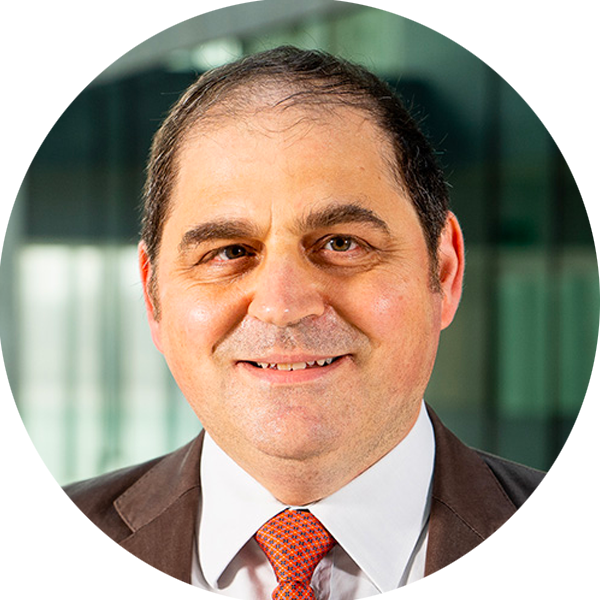
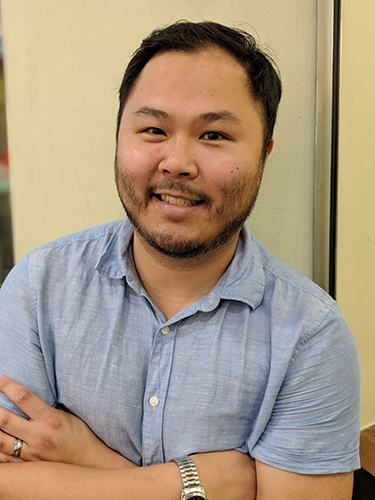
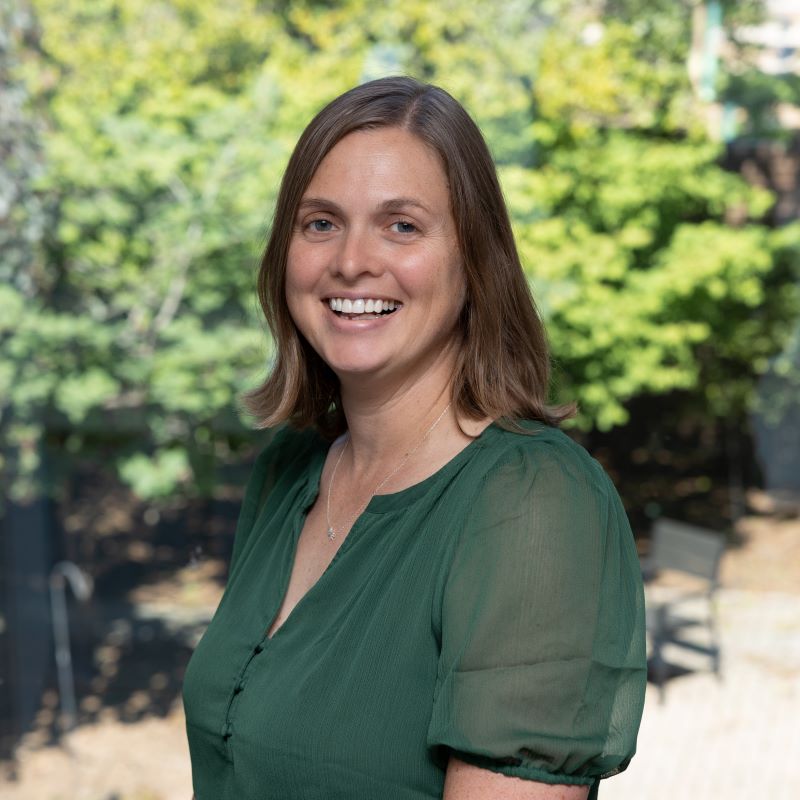
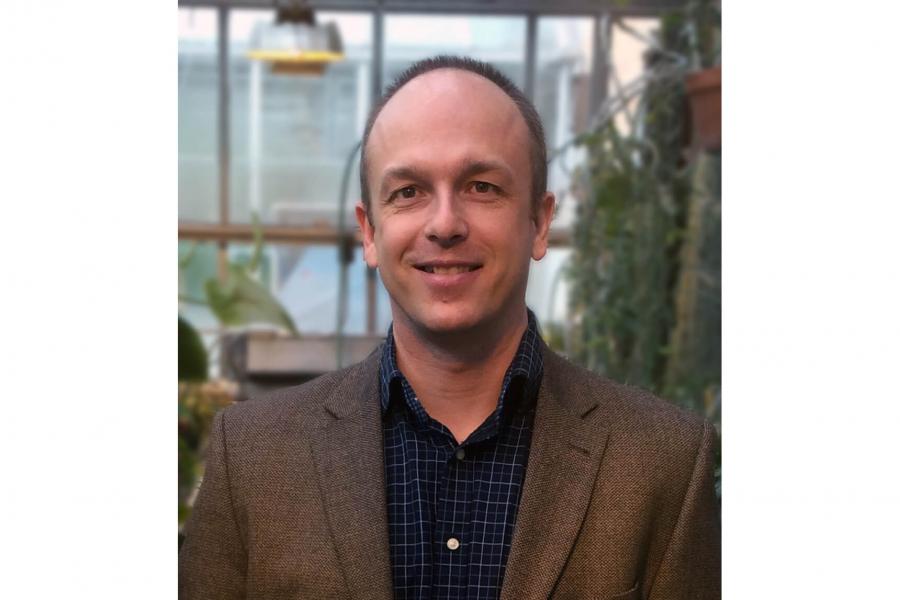
Dwight E. Stambolian, MD/PhD , holds the William C. Frayer Professorship in Ophthalmology at the University of Pennsylvania School of Medicine. He is a Full Member of the Institute for Human Gene Therapy and serves as an Attending Physician at Penn Presbyterian Medical Center and the Hospital of the University of Pennsylvania. Education: BA (Lycoming College, 1971), MD (SUNY Downstate, 1976), PhD in Genetics (University of Pennsylvania, 1983) Training: Intern/Resident in Medicine (Long Island Jewish Hospital, 1976-1977); Postdoctoral fellowships in Anatomy and Neurological Science (University of Pennsylvania, 1977-1983); Ophthalmology residency (1983-1986); Clinical/Molecular Genetics fellowship (1986-1988) Research Focus : Dr. Stambolian specializes in the genetics of eye diseases , particularly age-related macular degeneration (AMD) and refractive error. His work spans: Genome-wide association studies (GWAS) for AMD and glaucoma Next-generation sequencing of AMD in African Americans Genetic studies of AMD in the Amish population Whole exome sequencing of refractive error families Zebrafish modeling of eye disease mechanisms Mouse models for microphthalmia Publication Trends : His recent work (2023-2025) emphasizes multiethnic genetic studies , advanced sequencing methodologies , and transcriptomic analysis in AMD. Collaborative studies highlight international consortia involvement and cross-platform validation using bioinformatics. Laboratory : The lab employs bioinformatics , DNA cloning , PCR , in situ hybridization , and zebrafish phenotyping to validate genetic findings. Key personnel include Murthy Chavali , Eric Chen , Debra Dana , and others working on AMD, refractive error, and microphthalmia projects. Technical Expertise : Combines human genetic studies with model organism validation (zebrafish, mice) to bridge clinical observations and molecular mechanisms in eye diseases.
Joan Farre-Mensa serves as Associate Professor and Interim Department Head of the Department of Finance at the University of Illinois Chicago, holding the Bielinski Family Faculty Scholar title. His research examines how firms' listing status (public vs. private) shapes financing environments and influences real/financial policies, with significant contributions to entrepreneurial and corporate finance literature. He earned his PhD in Economics from New York University in 2011. Prior academic appointments include six years as Assistant Professor at Harvard Business School, followed by roles as Senior Economist at Cornerstone Research and Visiting Assistant Professor at Northeastern University (2018-2019). His research program investigates IPO markets, private equity dynamics, patent finance, and financial constraints through rigorous empirical analysis. Recent work employs quasi-experimental designs to study regulatory impacts on capital formation, including how private equity market deregulation affects IPO activity and how patent systems influence startup employment. His publications consistently address real-world financing challenges faced by entrepreneurs and corporations. Analysis of his 15 most recent publications (2010-2025) reveals evolving focus from foundational corporate finance puzzles toward contemporary entrepreneurial finance issues, particularly tax policy effects on innovation and private market dynamics. Key trends include increasing interdisciplinary work bridging finance with intellectual property law and innovation economics. His scientific recognition includes: Bielinski Family Faculty Scholar Review of Financial Studies Referee of the Year Award (2022) Dr. Farre-Mensa currently serves as Associate Editor for the Journal of Financial and Quantitative Analysis (2025-present) and Journal of Corporate Finance (2022-present), and Co-Editor for the Journal of Economics and Management Strategy (2024-present). No information regarding student advising or research grants appears in source materials. No research laboratories or collaborative teams are documented in the provided sources.
Claudio Tebaldi is an Associate Professor at Università Bocconi , specializing in financial economics and quantitative methods. He serves as Managing Editor of Quantitative Finance and has collaborated with institutions including UCLA, NYU, the Federal Reserve Board, and ECB. Education : Ph.D. in Statistical Mechanics from SISSA; Master in Economics and Finance from Venice International University His research spans financial economics (asset/derivative pricing, risk management) and mathematical/physical sciences (complexity theory, collective phenomena). He employs advanced statistical methods like machine learning and big data analysis to develop decision rules for uncertain environments. Key publication themes include computational finance (2025), pension economics (2024), network-based financial contagion (2024), and optimal trading algorithms (2024). Earlier works focus on econometric theory (2023) and risk measurement frameworks (2022). Scientific Recognition : Excellence in Research Award (2023), Best Paper in Derivatives (NFA 2019), Best Paper (Swiss Econometrics and Finance Society meeting 2007)
Dong Kyoo Shin is a Professor at Sejong University's Department of Computer Science and Engineering, where he has been employed since 1998. He holds a Ph.D. from Texas A&M University (1997), an M.S. from Illinois Institute of Technology (1992), and a B.S. from Seoul National University (1986). His professional background includes roles as a Researcher at the Korea Institute of Defense Analyses (1986-1991) and Senior Researcher at Hyundai Electronics (1997-1998). Shin leads research in cybersecurity, machine learning, and ubiquitous systems , with specialized interests in intrusion detection, data mining, cyber warfare frameworks, and adversarial ML defense. His recent publications focus on AI-driven security solutions, ransomware analysis, and resilience quantification in critical infrastructure. He directs the Cyber Warfare Research Institute (established 2017) and the Multimedia & Internet Lab , focusing on defense technologies and smart systems. His team has executed projects for the Ministry of National Defense, ADD, and ETRI, including cyber threat response systems and military security frameworks. Service includes advisory roles for the Ministry of National Defense, Defense Acquisition Program Administration, and editorial duties for defense journals. He holds patents in malware detection, data encryption, and sensor-based interfaces.
Dr. Upali Nanda is an Adjunct Professor in the School of Public Health at the University of Michigan and an Associate Professor of Practice at the Taubman School of Architecture and Urban Planning. She holds a PhD in Architecture from Texas A&M University (2005), an MA in Architecture from the National University of Singapore (2001), and a BArch from the School of Planning and Architecture, New Delhi (1999). Currently serving as Director of Research at HKS Inc., a global architectural firm, Dr. Nanda's academic and professional work bridges architecture, healthcare design, and human wellbeing. PhD in Architecture, Texas A&M University (2005) MA in Architecture, National University of Singapore (2001) BArch, School of Planning and Architecture, India (1999) Dr. Nanda's research focuses on the intersection of architecture and health. Her core interests—Human Health and Wellbeing, Sensory Design, and Power of Place—explore how built environments impact mental and physical health. She has pioneered evidence-based approaches to healthcare design, including the concept of 'Sensthetics,' which examines crossmodal sensory experiences in architectural contexts. Her recent publications highlight interdisciplinary applications of design thinking across healthcare, education, and urban environments. Key trends include leveraging sensory design for mental health, optimizing healthcare facilities through data-driven models, and addressing aging populations through adaptive urban planning. These works emphasize the role of architecture in shaping healthier outcomes across diverse populations. Dr. Nanda has received notable recognition for her contributions, including: Top 10 Most Influential People in Healthcare Design (Healthcare Design Magazine, 2015) Women in Architecture Innovator Award (Architectural Record, 2018) In addition to her academic roles, Dr. Nanda contributes to practice-based research at HKS Inc., where she develops tools like the Design Diagnostic and Post-Occupancy Evaluation Toolkit. Her work integrates neuroscience principles (e.g., neuroesthetics) with architectural practice, influencing global standards for patient-centered environments.
Jonathan Y. Huang, PhD, serves as an Assistant Professor in the Department of Epidemiology at the University of Hawaiʻi at Mānoa, focusing on translating epidemiological research into actionable public health interventions through rigorous quantitative methods. His academic credentials include: PhD in Epidemiology with Certificate in Public Health Genetics from the University of Washington, Seattle MPH in Community-Oriented Public Health Practice from the University of Washington, Seattle BSc in Biochemistry and English Literature from the University of Virginia Dr. Huang’s research examines social and biological determinants of early child health and development, with specific emphasis on environmental contaminant effects, exposome social determinants, placental multi-omic pathways, paternal health influences, and mHealth interventions for expectant couples. His methodological expertise strengthens causal inference in life-course epidemiology. Publication trends reveal consistent contributions to environmental-child health interfaces, with recent work addressing pandemic impacts on children, socioeconomic exposome mapping, and multi-omic mediation analysis across international birth cohorts. He directs competitively funded birth cohort studies across four continents and holds editorial positions at the International Journal of Epidemiology (Associate Editor) and Fertility & Sterility (Methodological Editor), reflecting his methodological leadership.
Prof. Dr. Annette Liesegang serves as a Professor at the Institute of Animal Nutrition and Dietetics within the Vetsuisse Faculty of the University of Zurich. Her research focuses on bone and cartilage physiology, obesity, and clinical nutrition impacts across multiple animal species including ruminants, dogs, reptiles, pigs, and birds. Her primary research interests encompass bone metabolism, mineral nutrition, comparative physiology, and veterinary diagnostics. She specializes in bone marker analysis, bone mineral density measurement via quantitative peripheral computed tomography, and calcium absorption mechanisms using immunohistochemical methods. Her work investigates physiological and nutritional influences on bone resorption/formation dynamics during critical periods like gestation and lactation, with extensive species-specific expertise. Analysis of her 2024-2025 publications reveals dominant research themes in calcium metabolism (particularly in sheep/goats), urolithiasis pathogenesis across species, vitamin D optimization, and clinical dietary interventions for conditions like intestinal malabsorption. Methodological innovations include in-vitro digestion models and UVB-irradiated feed development, reflecting her translational approach from basic bone physiology to practical animal nutrition solutions. Scientific awards: No scientific awards were documented in the provided materials. Prof. Liesegang mentors thesis students and leads collaborative research projects, notably with Prof. Brigitte von Rechenberg on growth plate physiology in foals and lambs. Her work leverages institutional facilities including specialized CT equipment and laboratory infrastructure for biochemical analysis, though specific grant details remain unreported in the source text. The Institute of Animal Nutrition and Dietetics operates dedicated animal research facilities with stables for multiple species and managed sheep/goat herds under veterinary supervision. These resources enable controlled studies on bone metabolism, dietary interventions, and species-specific nutrition, supporting her extensive publication record in veterinary and comparative nutrition science.
Stella Resko is a Professor jointly appointed in the School of Social Work and the Merrill Palmer Skillman Institute for Child and Family Development at Wayne State University. She serves as Director of the social work doctoral program and the graduate certificate in alcohol and drug use studies (CADUS), with research focused on preventing substance use and violence through drug overdose prevention, treatment, and recovery initiatives. Dr. Resko's educational background includes: Post-Doctoral Fellow, University of Michigan Addiction Research Center Ph.D. in Social Work, Ohio State University M.S.W., Ohio State University B.S.S.W., Ohio State University Her research expertise spans substance use treatment and prevention, interpersonal violence, and public perceptions of cannabis and opioids, with emphasis on families affected by substance misuse and cannabis legalization impacts. Methodologically, she specializes in community-based research, advanced quantitative methods (latent variable and multilevel models), and survey design targeting adolescents, emerging adults, women, and families. Analysis of her recent publications reveals dominant themes in the opioid crisis, cannabis policy, and collegiate recovery programs, with consistent examination of stigma, public attitudes, and barriers to treatment across diverse populations including bereaved families and peer recovery specialists. Dr. Resko has received the following scientific recognition: Fellow of the Society for Social Work & Research As Director of the Social Work PhD program and CADUS certificate, she mentors doctoral students while serving as Co-Principal Investigator for Michigan's State Opioid Response grants evaluation, focusing on community-based interventions and policy implementation in substance use treatment. Her work is conducted through the Merrill Palmer Skillman Institute for Child and Family Development, involving collaboration with community treatment programs like Maryhaven and interdisciplinary research teams developing brief interventions for substance use prevention.
Dr. Jared G. Carlberg is a Professor in the Department of Agribusiness and Agricultural Economics at the University of Manitoba , with an adjunct appointment in the Department of Economics. He focuses on applied agricultural economics research and teaching in food systems analysis. PhD in Agricultural Economics, Oklahoma State University MSc in Agricultural Economics, University of Saskatchewan BA (Honors) in Economics, University of Saskatchewan B Commerce in Finance, University of Saskatchewan His research spans agricultural marketing (cattle/beef sectors, grain/pulses/oilseeds), nutrition economics (healthcare costs of food-related chronic diseases), and sustainable agrifood systems (conservation easements, pea coproducts, durum wheat supply response). Key projects examine beef quality grade pricing, grain supply dynamics, and health-economic policy linkages. Dr. Carlberg’s 15 most recent publications demonstrate interdisciplinary expertise bridging agricultural markets, food policy, and health economics. Recurring themes include value chain optimization, sustainable practices, policy frameworks, and quantitative analysis of food-health linkages. Professor of the Year Award, Faculty of Agricultural and Food Sciences Student Organization Outstanding Teacher in Agricultural and Food Sciences (twice awarded) He has advised 13 graduate students since 2001, covering topics from flax/corn/oat supply responses to growth-enhancing technologies in cattle feeding. His teaching portfolio includes econometrics (ABIZ 3080) and agricultural marketing research (ABIZ 7240).
Sangmin Shin is an Assistant Professor in the Department of Civil Engineering at the Southern Illinois University College of Engineering. His research focuses on integrated water resources management, critical interdependent infrastructure modeling, water cyber-physical-social systems, artificial intelligence applications, urban water sustainability and resilience, socio-environmental hydrology, multi-objective optimization, and systems analysis. PhD: Civil and Environmental Engineering, University of Utah (2016-2020) MS: Civil and Environmental Engineering, Korea Advanced Institute of Science and Technology (KAIST) (2008) BS: Civil Engineering, Pusan National University (2006) Shin leads the SciWater Lab, which investigates smart and connected infrastructure for water systems under uncertainty. Key strategies include: increasing infrastructure variety, building cyber-physical-social networks, and integrating feedback interactions between critical systems. The lab aims to transform water infrastructure through interdisciplinary approaches involving communities, engineers, and policymakers. His research portfolio demonstrates trends in: climate change adaptation (14% of publications), infrastructure resilience (22%), AI applications (18%), socio-hydrology (12%), and systems thinking (16%). Notable methodologies include system dynamics modeling, modern portfolio theory, and cyber-physical attack simulations. Postdoc Travel Assistance Award (University of Utah, 2019) Best Paper Presentation Award (Korean Society of Disaster & Security, 2015) Contact: Engineering B, Room 34, 1230 Lincoln Drive, Carbondale, IL 62918, USA | Phone: 618-453-3325 | Email: sangmin.shin@siu.edu
Tim Vlandas is Professor of Comparative Political Economy and Social Policy in the Department of Social Policy and Intervention at the University of Oxford. He is also a Fellow of St Antony's College and an associate member of Nuffield College. Professor Vlandas has held visiting positions at Harvard University, the London School of Economics and Political Science, Sciences Po Paris, and the University of Konstanz. Professor Vlandas's research focuses on comparative political economy with particular emphasis on the political determinants and consequences of social and economic policies in advanced capitalist democracies. His key research areas include the political economy of ageing, universal basic income, labor market policies, far-right party support, political economy of economic policy and outcomes, sovereign wealth funds, and trade union institutions and inequality of work and income. His work employs a comparative political economy approach to explore how political and economic factors interact to shape social policies and their outcomes across different democratic contexts. Professor Vlandas has been awarded prizes by the American Political Science Association, the European Network for Social Policy Analysis, and the London School of Economics. He has also been nominated for the SAGE prize for Innovation and Excellence. His research has been funded by the British Academy, including a mid-career fellowship for his book on the political economy of ageing under contract with Oxford University Press. Prize from American Political Science Association Prize from European Network for Social Policy Analysis Prize from London School of Economics Nominated for SAGE prize for Innovation and Excellence Professor Vlandas supervises several doctoral students including Enrico Benassi, Yaxin Guo, Solhee Han, Adrienne McManus, and Steffen Redeker. His research has been cited over 1,800 times by prominent international organizations including the OECD, ILO, UN, World Bank, European Commission, European Parliament, and UK House of Commons, as well as major media outlets such as the New York Times, The Economist, The Guardian, and Financial Times.
Dr. Christine Drew serves as Assistant Professor in Auburn University's College of Education within the Department of Special Education, Rehabilitation, and Counseling. She coordinates the Graduate Transition Certificate Program and advises the EAGLES Program, leveraging her expertise in behavior analysis for intellectual and developmental disabilities. Her academic foundation includes a Ph.D. from the University of Oregon, M.Ed. in Special Education from Texas State University, and B.A. in Economics from the University of Texas. Educational background: Ph.D. in Special Education from University of Oregon M.Ed. in Special Education with Applied Behavior Analysis concentration from Texas State University B.A. in Economics with minor in secondary social studies education from University of Texas Dr. Drew's research pioneers intersections of behavior analysis, sexuality education, and IDD support through parent collaboration. Her work advances telehealth interventions for challenging behavior and inclusive practices for neurodiverse populations, with growing emphasis on social justice dimensions like LGBTQIA+ inclusion and racial equity in autism services. Methodologically, she integrates single-case designs with community-based participatory approaches to address systemic barriers. Analysis of her 2021-2025 publications reveals three dominant trajectories: (1) Practical skill-building interventions for daily living and menstrual health, (2) Telehealth adaptations for family-implemented behavior support across generations, and (3) Critical examinations of equity gaps in disability research and incarceration systems. Her scholarly impact extends through editorial contributions to the Journal of Positive Behavior Interventions . Professional recognition includes Board Certified Behavior Analyst-Doctoral (BCBA-D) status achieved in 2019, though no formal scientific awards are documented. Her editorial board service demonstrates peer acknowledgment of expertise. As EAGLES Program Faculty Research Advisor, Dr. Drew mentors transition-focused projects while coordinating graduate certificate training. Her telehealth research during the pandemic suggests NIH or IES grant involvement, though specific funding isn't detailed. Current work emphasizes sustainable activism models for behavior analysts. Dr. Drew leads Auburn's EAGLES Program research initiatives, developing inclusive higher education frameworks for students with IDD. Her telehealth case studies involve multi-stakeholder teams including grandparents, parents, and school personnel, reflecting her commitment to ecological intervention approaches.
Wusheng Yu is a full-time Professor in the Department of Food and Resource Economics at the Faculty of Science, University of Copenhagen, holding this position since March 2018 after serving as Associate Professor from 2005-2018. His academic foundation includes a PhD in Agricultural Economics from Purdue University (2000) and an MSc in Economics from Renmin University of China (1995). Educational background: PhD in Agricultural Economics, Purdue University, West Lafayette, IN, USA (2000) MSc in Economics, Renmin University of China, Beijing, China (1995) Professor Yu's research centers on international trade, agricultural policy, computable general equilibrium modeling, and climate-food security intersections. He employs advanced quantitative methods to analyze global trade dynamics and environmental policy impacts, with recent work emphasizing geopolitical dimensions of food systems under climate stress. His methodological approach combines empirical analysis with scenario-based modeling to address real-world policy challenges. Analysis of his 2023-2025 publications reveals three dominant trends: (1) Geostrategic assessments of food security amid global tensions, (2) Climate-agriculture policy integration through emission modeling, and (3) Trade mechanism innovations like carbon border adjustments. His work bridges theoretical economics with actionable policy insights, particularly for EU and developing economies. Professor Yu coordinates graduate courses in Advanced International Trade and Applied Trade and Climate Policy Models. His research is funded by the European Union, Danish governmental bodies, and international organizations, operating under an advisory committee with private sector representatives as specified by departmental Terms of Reference. He maintains strict institutional alignment as a full-time permanent employee without external remuneration. His collaborative network spans seven countries with significant engagement in Danish animal food sectors and public authorities. The Section for Production, Markets and Policy at IFRO serves as his primary research hub, facilitating cross-border studies on trade-displacement effects and food demand elasticity modeling under socioeconomic pathways.
Despina Kontos, PhD is the Herbert and Florence Irving Professor of Radiological Sciences at Columbia University Irving Medical Center (CUIMC), with appointments in the Department of Radiology and the Herbert Irving Comprehensive Cancer Center. She serves as the Chief Research Information Officer for CUIMC, Vice Chair of Artificial Intelligence and Data Science Research in the Department of Radiology, and Director of Biomarker Imaging at NewYork-Presbyterian Hospital. Additionally, she holds appointments in the Departments of Biomedical Informatics and Biomedical Engineering. Dr. Kontos received her educational training from prestigious institutions: BS in Engineering from the University of Patras, Greece MSc and PhD in Computer and Information Sciences from Temple University Postdoctoral training in Radiology at the University of Pennsylvania Certificates in Biostatistics and Epidemiology from UPenn, Cancer Biology from Harvard, and AI for Decision Making from Wharton As a computer scientist with expertise in artificial intelligence and machine learning, Dr. Kontos focuses on developing computational methodologies to leverage imaging as quantitative biomarkers for personalized disease prediction, particularly in cancer. Her research program investigates how imaging data can be mined to extract sophisticated phenotypic signatures with diagnostic, prognostic, and predictive value. While her primary focus has been on breast cancer, her lab also pursues related research in lung cancers, evaluating the integration of CT radiomic features with liquid biopsy data to characterize tumor heterogeneity. Dr. Kontos founded and directs Columbia University's Center for Innovation in Imaging Biomarkers and Integrated Diagnostics (CIMBID), a multidisciplinary center dedicated to developing and integrating quantitative imaging and non-imaging biomarkers for personalized disease prediction. Through CIMBID, she has built a vibrant scientific ecosystem that brings together expertise across Columbia's campuses, linking basic science, engineering, clinical medicine, public health, and health services research. Analysis of Dr. Kontos's publication record reveals a strong focus on applying AI and machine learning to biomedical imaging, particularly for cancer risk prediction and personalized treatment. Her work demonstrates a progression from foundational methodological development to clinical translation, with increasing emphasis on multi-modal biomarker integration. Recent publications show expansion into new disease areas including Alzheimer's disease prediction, while maintaining her strong focus on breast and lung cancer applications. Dr. Kontos has received significant recognition for her contributions to the field: Academy for Radiology and Biomedical Imaging Research Distinguished Investigator Award (2020) Eastern Cooperative Oncology Group - American College of Radiology Imaging Network ECOG-ACRIN Young Investigator Award of Distinction for Translational Research (2014) Dr. Kontos has been highly successful in securing research funding, with numerous grants from federal agencies including the National Institutes of Health (NIH) and the Department of Defense (DOD), as well as private foundations such as the American Cancer Society (ACS) and the Radiological Society of North America (RSNA). Her leadership extends to mentoring students and postdoctoral researchers through her roles at CIMBID and the Department of Radiology. As the founding director of CIMBID, Dr. Kontos leads a multidisciplinary team that includes the Computational Imaging Biomarker Group (CBIG), the Laboratory of AI and Biomedical Science (LABS), and several other affiliated research labs. The center leverages Columbia's institutional strengths in engineering, data science, and clinical medicine to advance personalized healthcare through AI and imaging technologies.
Ronan Gruenbaum serves as Dean of International Affairs & Program Development at Hult International Business School, leading global partnerships and academic innovation. Previously, he directed the award-winning Bachelor of Business Administration program as Global Director of Undergraduate Learning and Development, and served as Dean of Hult's London undergraduate campus (2016-2022) after joining the institution in 2011 as a full-time professor of marketing technology. His expertise centers on digital transformation in business education, with core research areas including: E-commerce strategy and implementation Social technologies for organizational innovation Hybrid and online learning methodologies Future of work competencies development Business school evolution in digital age Digital marketing ecosystems Analysis of his publications reveals consistent focus on technology's disruptive impact across educational and business landscapes, particularly examining how social media, AI, and Web 2.0 tools necessitate fundamental shifts in teaching methodologies and organizational structures. His work emphasizes practical frameworks for implementing digital solutions while addressing associated risks and measurement challenges. No scientific awards were documented in the source materials. Professional engagement includes extensive conference speaking on educational innovation topics, though specific student advisement records and research grants remain undisclosed. His leadership in developing Hult's undergraduate programs demonstrates applied focus on preparing students for technological disruption in global business environments. Current initiatives indicate strong emphasis on AI integration challenges for business education and strategies for maintaining institutional relevance amid rapid technological change.