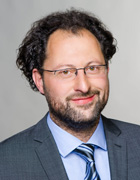
Lutz Schubert is a researcher at the Institute of Computer Science , University of Cologne. He focuses on efficient distributed and parallel execution environments for heterogeneous systems, notably the MyThOS operating system in collaboration with Brandenburg University of Technology, Cottbus-Senftenberg. His interdisciplinary work bridges computer science and digital archaeology , addressing modeling of non-deterministic events from sparse excavation data and exploring human behavior constraints in archaeological contexts. Research Interests Design of modular, scalable operating systems for distributed systems Optimization of execution environments for heterogeneous hardware Application of complex systems modeling to digital archaeology Statistical and probabilistic methods for archaeological interpretation Autonomic resource distribution and adaptation in computing Publication Trends : His work spans operating systems , parallel computing , and digital humanities , with recent emphasis on probabilistic reasoning in archaeology and adaptive OS design for multicore architectures. Labs & Collaborations : He collaborates with Brandenburg University of Technology on MyThOS and leads research in computational archaeology as chair of Computer Applications and Quantitative Methods in Archaeology (CAA) , Germany.
PD Dr. Christian Zillinger is a researcher at the Karlsruhe Institute of Technology (KIT), specifically within the Department of Mathematics. He leads the Junior Research Group "Stability and Instability in Fluids and Materials" (AP6) as part of the CRC 1173. His office is located at Kollegiengebäude Mathematik (20.30), room 2.024 in Karlsruhe, Germany. Dr. Zillinger obtained his PhD under the supervision of Herbert Koch at the University of Bonn. Following his doctorate, he served as an assistant professor (NTT) at the University of Southern California and was a postdoctoral fellow at BCAM (Basque Center for Applied Mathematics). He recently completed his habilitation thesis titled "On Mixing and Resonances in Fluid Systems" at KIT in 2023. Dr. Zillinger's research focuses on partial differential equations motivated by physical problems, particularly in fluid dynamics and material sciences. His work encompasses several key areas: Mixing as a (de)stabilizing mechanism in fluids and inviscid damping Cascades of resonances and instabilities in fluids and plasmas Convex integration and microstructures in materials, including rigidity and flexibility phenomena Magnetic fluids and magnetohydrodynamics Partial dissipation in the Boussinesq equations His recent publications demonstrate a strong focus on stability and instability phenomena in fluid systems, with particular attention to mathematical analysis of PDEs governing fluid behavior. He has made significant contributions to understanding echo chains, resonance phenomena, and damping mechanisms in various fluid models. His work bridges theoretical mathematics with applications in physics and materials science, often employing advanced analytical techniques to address challenging problems in nonlinear PDEs. Dr. Zillinger actively teaches courses at KIT, including "Klassische Methoden für partielle Differentialgleichungen" (Classical Methods for Partial Differential Equations), "Introduction to convex integration," "Introduction to Kinetic Equations," and seminars on microstructure in materials and fluid dynamics. He leads the Junior Research Group "Stability and Instability in Fluids and Materials" which is part of the Collaborative Research Centre (CRC) 1173 at KIT, focusing on wave phenomena. This research group investigates mathematical aspects of stability and instability in physical systems, with applications to fluid dynamics and material science.
Prof. Dr. Mirko Kremer is a Professor of Supply Chain Management at the Frankfurt School of Finance & Management since July 2014. Prior to this, he was an Assistant Professor at Pennsylvania State University (2008-2014) and held visiting roles at London Business School, Kellogg School of Management, and INSEAD. He earned a Ph.D. in Business Administration from the University of Mannheim (2008), with prior studies in Business Administration at Mannheim (1999-2003) and Economics at Ruhr-Universität Bochum (1997-1999). Research Focus: Micro-behavioral foundations of supply chains, inventory management, sales forecasting, and service systems. Editorial Roles: Department Editor for Production and Operations Management , Associate Editor for Operations Research . Teaching: Courses in Operations Management, Supply Chain Strategy, and quantitative decision modeling at Frankfurt School, INSEAD, London Business School, and Kellogg School of Management. Research Trends: His work bridges behavioral economics with supply chain operations, emphasizing how human decision-making (e.g., managerial biases, consumer behavior) impacts inventory systems, pricing strategies, and forecasting accuracy. Recent articles focus on diagnostic errors under congestion, strategic sourcing biases, and dynamic pricing experiments.
Professor Rainer Böhme is a prominent academic in the field of IT security and privacy at the University of Münster's School of Business and Economics, Department of Information Systems. He also holds a professorship for Security and Privacy at the University of Innsbruck's Institute of Computer Science. His research spans multiple dimensions of digital security, with particular expertise in steganography, digital forensics, privacy-enhancing technologies, and the economic aspects of cybersecurity. Dr. Böhme earned his Doctoral Degree from TU Dresden's Faculty of Computer Science in 2008, following studies in Communications, Economics and Computer Science at Technische Universität Dresden and Université Paris XII. His academic journey includes positions as Assistant Professor at the University of Münster (2010-2015), Postdoctoral Fellow at the International Computer Science Institute in Berkeley (2009-2010), and Scientific Staff at TU Dresden's Chair of Privacy and Data Security. His research interests focus on steganography and steganalysis, digital forensics, privacy-enhancing technologies, security and usability, economic and behavioral aspects of information privacy, virtual currencies, and the economics of information security. His work bridges technical security mechanisms with economic and behavioral considerations, creating a unique interdisciplinary approach to cybersecurity challenges. Analysis of his recent publications reveals a strong trend toward the economics of security, particularly regarding blockchain technologies, cryptocurrency, and privacy valuation. His work increasingly examines the intersection of technical security mechanisms with market dynamics, regulatory frameworks, and user behavior. The research spans theoretical game-theoretic models, empirical studies of user behavior, and practical applications in digital forensics and privacy protection. Program Co-Chair, Financial Cryptography and Data Security (2015) Program Co-Chair, New Security Paradigms Workshop (NSPW) (2015) General Chair, 8th International Conference on IT Security Incident Management & IT Forensics (2014) Organizer and Program Co-Chair, 1st Workshop on Bitcoin Research (2014) Associate Editor, Electronic Commerce Research (since 2013) Associate Editor, EURASIP Journal on Information Security (since 2013) Professor Böhme has supervised multiple Master's theses in Information Systems, including work on static code analysis for smart contracts, remote maintenance protocol security, and application protection requirements in retail banking. His research is supported by significant grants from the German Federal Ministry of Research, Technology and Space, the DFG, and the EU FP7 program, with projects focusing on digital forensics, privacy-enhancing technologies, and cryptocurrency crime prevention. He leads the IT Security Research Group at the University of Münster, which investigates theoretical and applied aspects of information security with particular emphasis on the economic dimensions of security decisions.
Larissa Schlegel-Pape serves as a Scientific Associate at the Department for Ornamental and Pedigree Poultry within the Farm Animal Clinic of Freie Universität Berlin's Faculty of Veterinary Medicine. Her work focuses on developing innovative methods for assessing chicken welfare through the creation of the "Stressed Chicken Scale," which aims to systematically identify stress indicators in poultry. Her research interests center on animal welfare science, specifically stress assessment in chickens using both behavioral observation and computer vision technology. She investigates how body posture, movement patterns, and other visual indicators can reliably signal discomfort or stress in poultry, with the goal of creating practical assessment tools for veterinarians and poultry farmers. Her work bridges veterinary medicine, ethology, and technological innovation, contributing to refinement research (one of the 3Rs principles) in animal husbandry. Analysis of her publications reveals a strong focus on developing and validating the Stressed Chicken Scale across multiple contexts. Her work spans methodological development, practical implementation studies, and technological integration with computer vision systems. The research demonstrates progression from conceptual framework to validation studies and practical application, with increasing sophistication in assessment techniques and broader implications for animal welfare standards in poultry farming. Schlegel-Pape actively collaborates with the Federal Institute for Risk Assessment (BfR) and participates in interdisciplinary projects involving artificial intelligence applications in agriculture. She presents her findings regularly at major German veterinary conferences including the DVG (Deutsche Veterinärmedizinische Gesellschaft) events, DACh Epidemiology conferences, and specialized poultry medicine gatherings. Her work contributes significantly to advancing animal welfare assessment methodologies and promoting refinement in poultry husbandry practices.
Jaan Masso is an Associate Professor at the University of Tartu, Estonia, where he has been affiliated with the Faculty of Economics and Business Administration since at least 2001. He currently serves as Chair of the department, Head of the Chair of Economic Modelling, and Programme Manager of the Master's programme in Quantitative Economics. His research focuses on applied econometrics, economic development, foreign direct investment, and labor economics, with particular emphasis on Estonia and the Baltic region as catching-up economies. He has published 146 scholarly works with over 23,000 reads and 1,745 citations, demonstrating significant scholarly impact in his field. Masso's research interests span multiple interconnected areas including foreign direct investment effects , productivity analysis , gender wage gap studies , innovation economics , and labor market dynamics . His work often employs rigorous econometric methods to analyze firm-level and regional economic data, particularly from Estonia and other Baltic states. His recent publications (2023-2025) show consistent scholarly productivity across multiple journals, with particular focus on foreign ownership effects, gender pay gaps in academia, FinTech sector development, and innovative methods for measuring firm innovativeness through web data analysis. His scientific contributions demonstrate expertise in analyzing economic transitions in small open economies, with methodological strengths in econometric analysis of firm-level data and innovative approaches to measuring economic phenomena.
Benjamin Mako Hill is an Associate Professor in the University of Washington Department of Communication and an Adjunct Associate Professor in Human-Centered Design & Engineering , the Paul G. Allen School of Computer Science & Engineering , and the Information School at UW. He is a Faculty Associate at the Berkman Klein Center for Internet and Society at Harvard University and a Fellow at the Center for Information Technology Policy at Princeton University during the 2023–2024 academic year. Educational Background : PhD in an interdepartmental program at Massachusetts Institute of Technology (MIT) , involving the MIT Sloan School of Management and the MIT Media Lab , advised by Eric von Hippel, Yochai Benkler, Tom Malone, and Mitch Resnick. MS in Media Arts and Sciences from MIT. B.A. in Technological and Legal History from Hampshire College . Research Interests span peer production, online communities, collective action, cooperation, learning, and computer-mediated communication. His work explores how communication and information technologies shape social outcomes in collaborative environments like Wikipedia and Linux, focusing on governance, moderation, anonymity, and educational platforms such as Scratch. Article Trends : His publications analyze peer production dynamics, privacy in open collaboration, and computational thinking in youth. Topics include underproduction in open source software, algorithmic fairness, taboo knowledge production, and legitimate peripheral participation in online communities. Methodologies combine big data, quasi-experimental, and comparative analyses. Scientific Awards : Dordick Award for Best Dissertation (2013). CHI '22 Best Paper Honorable Mention (2022). CSCW '18 Best Paper Honorable Mention (2018). CHI '17 Best Paper Honorable Mention (2017). CSCW '13 Best Paper Award (2013). CHI '11 Best Paper Honorable Mention (2011). Advising and Grants : He co-founded the Community Data Science Collective and collaborates with researchers like Aaron Shaw. Grants include multiple National Science Foundation awards for studies on digital knowledge commons, anonymous participation, and collaborative success, as well as a Sloan Foundation grant for modeling underproduction in peer production. Labs and Teams : He leads the Community Data Science Collective , an interdisciplinary research group studying online communities, and contributes to open-source projects like Debian and Ubuntu . He actively edits Wikimedia projects and participates in the Cascadia Wikimedians User Group .
Professor Oliver Razum at Bielefeld University's Faculty of Health Sciences leads Working Group 3 in Epidemiology & International Public Health. He serves on multiple commissions including the Faculty Conference and Teaching Commission, and contributes to the Center for Statistics and Bielefeld Center for Data Science. His work focuses on Epidemiology of migration and health Refugee health inequalities Medical rehabilitation equity Othering processes in public health Gender-sensitive health research Recent articles explore 2026 medical rehabilitation for people with disabilities, 2025 refugee mental health frameworks, and 2024 pandemic equity research. Key scientific contributions include the 2025 Georg Forster Fellowship and leadership in diversity-sensitive healthcare initiatives. His research spans urban neighborhood health effects , digital rehabilitation , and structural racism in healthcare . Current projects address intersectional inequalities , post-migration stress , and gender as social determinant . Professor Razum maintains active collaborations with institutions like the German Research Foundation and DRV Westphalia.
Sebastian Kube is a Professor of Behavioral and Experimental Economics at the University of Bonn, Germany. He holds concurrent positions as Senior Researcher at the Max Planck Institute for the Study of Public Goods, Research Fellow at the Institute for the Future of Labor (IZA), and Vice Director of the BonnEconLab. He also coordinates the European Doctoral Program in Quantitative Economics and serves on multiple editorial/research boards. University of Bonn Max Planck Institute for Research on Collective Goods Institute for the Study of Labor (IZA) BonnEconLab European Doctoral Program in Quantitative Economics His experimental research examines social preferences , cooperation mechanisms , incentive design , and norm enforcement . Key areas include: how remuneration schemes affect workplace cooperation, the effectiveness of social sanctions in social dilemmas, and the psychological foundations of environmental behavior. Recent work explores trust communication strategies for maintaining cooperation, information asymmetry effects in group dynamics, and incentive reversal phenomena where higher rewards paradoxically reduce effort. His 2025 publications particularly focus on sanction removal strategies and environmental behavior. Scientific Awards: Excellence in Teaching Award (2017, 2016, 2015, 2012) IZA Young Labor Economist Award (2011) Etienne-Laspeyres Prize (2011) Heinz Sauermann Prize (2004) As Vice Director of BonnEconLab, he oversees experimental infrastructure for economic research. His methodological approach combines field experiments with laboratory studies , often using behavioral game theory frameworks. He has published extensively in top journals including American Economic Review , Journal of Public Economics , and Management Science .
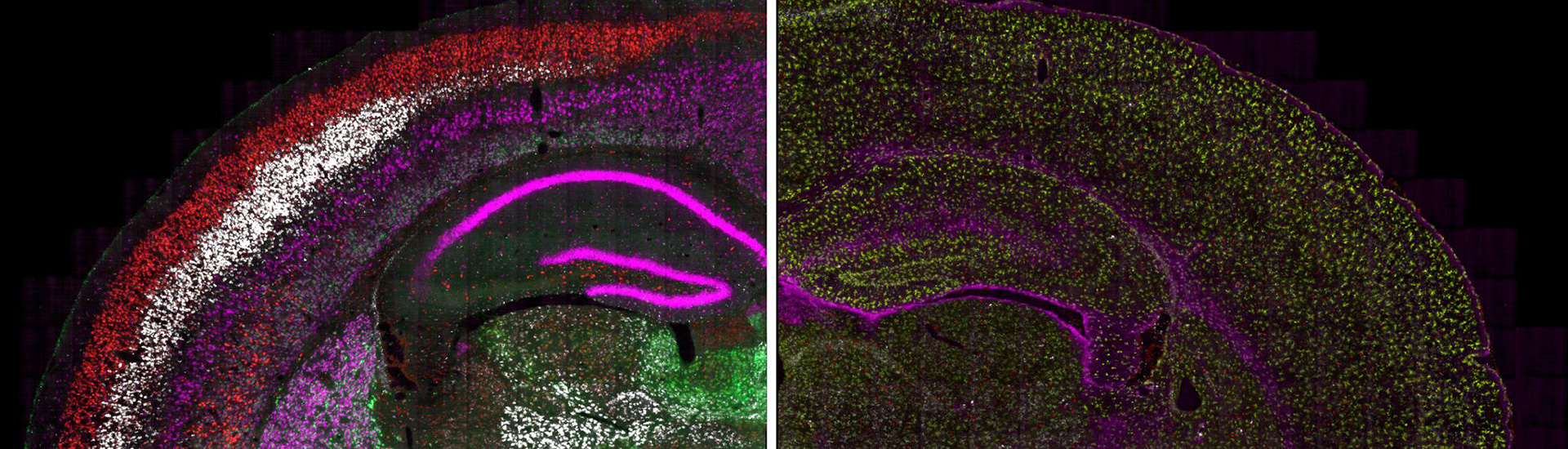
Omer Bayraktar is a Group Leader at the Wellcome Sanger Institute , leading research in the Cellular Genomics Programme. His work focuses on decoding human brain cellular diversity using spatial transcriptomics , imaging , and functional screening to study neural complexity in health and disease. Bayraktar's educational background includes a PhD from HHMI under Chris Doe, investigating neural diversity development in Drosophila , followed by postdoctoral work at University of California, San Francisco and University of Cambridge as a Life Sciences Research Foundation Fellow. He developed a spatial transcriptomic pipeline during his postdoc to analyze astrocyte heterogeneity in the cerebral cortex. His research explores neural cell type mapping , glial-neuronal interactions , and cellular pathways in neurodevelopmental disorders . Recent publications emphasize 3D tissue mapping , multi-omic integration , and computational tools like Cell2fate and WebAtlas. His work bridges neurogenetics and computational biology to advance understanding of human tissue ecosystems. Bayraktar's lab collaborates with the Human Cell Atlas initiative and develops technologies such as automated histology pipelines and highly-multiplexed smFISH for molecular cell typing. His team also investigates glia-based therapies and astrocyte functional heterogeneity in neurodevelopmental contexts. Key scientific contributions include: Discovering astrocyte layer patterns independent of neuronal laminae Developing cell2location for spatial cell mapping Characterizing Drosophila neural stem cell models with human relevance Notable awards include the Life Sciences Research Foundation Fellowship during his postdoctoral training. His current group includes a PhD student , Senior Data Scientists , and Bioinformaticians .
Christian Schlag is a Professor at the Finance Department of Goethe University Frankfurt’s Faculty of Economics and Business , where he also serves as Dean. He leads the Chair of Derivatives and Financial Engineering and coordinates young researchers at the Leibniz Institute for Financial Research SAFE. His research focuses on equilibrium asset pricing, derivative securities, and empirical capital market analysis. Research Trends : Schlag’s recent work explores volatility dynamics, climate risk in asset pricing, return predictability, and investor behavior. His 2023 publications examine time-varying consumption growth risk, equity factors, and individual stock volatility models. Earlier studies (2021–2015) address pricing kernels, welfare costs of temperature volatility, and model mis-specification in hedging. Student Placements : Former advisees hold positions at institutions like the European Central Bank, INSEAD, Australian National University, and Warwick Business School. His Chair of Derivatives and Financial Engineering collaborates with networks across Europe, North America, and Asia.
Thomas S. Lontzek is Professor of Economics at RWTH Aachen University, holding the Chair of Computational Economics within the School of Business and Economics since October 2016. His research develops numerical methods for economic decision-making with focus on climate change and environmental risks. His educational background includes economics studies at Maastricht University and UC San Diego (1999-2003), followed by PhD from University of Kiel (2009). Prior positions include Assistant/Senior Assistant at University of Zurich (2010-2016) and visiting scholar at Stanford's Hoover Institution (2012). Lontzek's research spans Economic Growth, Quantitative Macroeconomics, Resource and Energy Economics, Computational Economics, Climate Risk Management, and Decision Making under Uncertainty. His work emphasizes unconventional methods for analyzing economic processes through multidimensional, nonlinear stochastic optimization while incorporating ethical principles into economic analysis for sustainability challenges. His publication record reveals a consistent focus on climate economics, particularly the social cost of carbon, climate tipping points, and integrated assessment modeling. These works demonstrate how accounting for economic and climate risks, especially potential tipping points, necessitates more aggressive climate policies than traditional models suggest, often requiring sophisticated computational techniques to handle high-dimensional uncertainty. 2021 Erik Kempe Award for work on calculating an optimal CO2 tax Lontzek actively mentors students through research seminars and teaching, emphasizing methodological diversity and interdisciplinary approaches. He leads the Global Challenges Research Seminar through the Global Challenges Lab, providing students with opportunities to conduct innovative research using quantitative decision-making techniques for sustainable development challenges. His teaching portfolio for Summer Semester 2025 includes Quantitative Macroeconomics, Sustainable Finance, and specialized research seminars. He heads the Chair of Computational Economics, which includes scientific staff members Dr. Marco Thalhammer, Dr. Yifan Zhao, and Philipp Olivier, M.Sc., working collaboratively on climate economics and computational methods. The chair's research bridges theoretical economic modeling with practical policy applications, developing dynamic stochastic integrated assessment models capable of handling complex climate-economy interactions under uncertainty.
Atreyi Kankanhalli is a Professor at the National University of Singapore, specializing in Information Systems with a focus on knowledge management, healthcare IT, and digital innovation. Their research spans over three decades, with prolific contributions in top journals like MIS Quarterly, Journal of AIS, and Information & Management. They have co-authored over 150 papers addressing topics such as crowdsourcing, online communities, and the impact of AI on scholarly practices. Notable work includes studies on user adherence to health apps, innovation in public sector data utilization, and the ethical challenges of generative AI in peer review. Kankanhalli has also led research on global virtual teams and digital technologies' role in social justice, reflecting a commitment to both technical and societal dimensions of information systems. Education & Background: While specific degree details are not provided, their extensive publication history and academic roles imply advanced qualifications in Information Systems or related fields. They have collaborated with global researchers across institutions like NUS, University of Illinois, and Singapore Management University. Research Themes: Core areas include digital health interventions (e.g., fitness app adherence), organizational innovation via open data and crowdsourcing, and the socio-technical challenges of AI in academia. Their work often bridges theoretical frameworks with practical applications, such as healthcare decision support systems and policy-driven technology adoption. Impact & Influence: As an editorial board member and frequent conference contributor (e.g., ICIS, PACIS), Kankanhalli shapes the field's research agenda. Their recent focus on generative AI's implications highlights proactive engagement with emerging technologies' ethical and methodological challenges.
Prof. Dr. Johannes Sauer is a Professor at the Technical University of Munich (TUM), holding dual affiliations with the TUM School of Management and the TUM School of Life Sciences . His academic focus is on production and resource economics, with expertise in agricultural sustainability, policy evaluation, and circular economy strategies in Asia-Pacific and Latin America. Education: Bachelor’s/Master’s in Agricultural Economics from Universities of Tübingen, Hamburg, and Imperial College London. Doctorate (summa cum laude) in Agricultural Economics from the University of Bonn (2004). Research Interests: Prof. Sauer’s work spans productivity and resilience in agricultural systems, adoption of sustainable technologies, water resource valuation, and bioeconomic trends. He emphasizes smart technologies and circular economy applications in developing regions. His research employs econometric methods to analyze policy impacts and environmental-economic trade-offs. Key Trends in Publications: Recent articles highlight climate-smart agriculture, ICT adoption in rural China, and agroforestry’s role in reducing ecological-economic trade-offs. He explores behavioral drivers of policy participation and innovative tools like the IoFarm decision support system. Awards: 2021 Honorary Professorship at ANU OECD Fellow Awards (2010, 2016) Best Paper Awards (2008–2015) Consulting & Roles: OECD and Asian Development Bank consultant, ESRC Peer Review College member, and liaison lecturer for the German National Academic Foundation. He advises on agri-environmental policies and international development. Labs/Teams: Active in collaborative projects such as PONDERFUL Framework and IPM Popilia , focusing on nexus research and pest management strategies.
Prof. Dr. Rudi Zagst is a Professor of Mathematical Finance at the Technical University of Munich (TUM), where he serves as Head of the Department of Mathematical Finance within the TUM School of Computation, Information and Technology. He has held this position since 2001 and is actively involved in teaching, research, and academic leadership. In 2003, he was appointed as a second member of the Faculty of Economics, and since 2004, he has served as Deputy Chairman of the joint elite degree program 'Finance & Information Management' of the University of Augsburg and TUM. Prof. Zagst earned his doctorate in business mathematics from the University of Ulm, where he later completed his habilitation in 2000. His academic journey began with a professional career at HypoVereinsbank AG, where he served as Head of Product Development in Institutional Investment Management before becoming Managing Director of RiskLab GmbH in 1997. His research focuses primarily on financial engineering, risk management, and asset management, with particular emphasis on portfolio optimization, mathematical finance, and quantitative risk management. His work bridges theoretical finance with practical applications, often incorporating advanced mathematical techniques to solve complex financial problems. Recent publications demonstrate his continued interest in GARCH models, portfolio optimization under various constraints, and the application of machine learning techniques to financial problems. Analysis of his recent publications (2024-2025) reveals a strong focus on portfolio optimization under complex market conditions, particularly using GARCH models to capture volatility dynamics. His work increasingly incorporates machine learning techniques (as seen in the credit spread analysis paper) while maintaining rigorous mathematical foundations. Many papers explore the intersection of theoretical finance with practical investment strategies, reflecting his commitment to bridging academic research with real-world financial applications. Professor of the Year 2007 (awarded by Unicum Profession magazine) Prof. Zagst has supervised numerous bachelor's, master's, and doctoral theses through TUM's Finance and Actuarial Science research group. His collaborative work with industry partners through the TUM CAIR Labs and RiskFactory demonstrates strong connections between academic research and practical financial applications. He has received research funding through various industry partnerships with major financial institutions including Allianz, Munich Re, and ERGO Group AG. Prof. Zagst leads the Research Group Finance and Actuarial Science at TUM, which includes Professors Matthias Scherer, Aleksey Min, and Christoph Knochenhauer. The group maintains strong industry connections through the TUM CAIR Labs initiative, collaborating with over 25 financial institutions including Allianz, Munich Re, Deloitte, PwC, and KPMG. Their RiskFactory laboratory serves as a bridge between academic research and practical financial risk management applications in the industry.