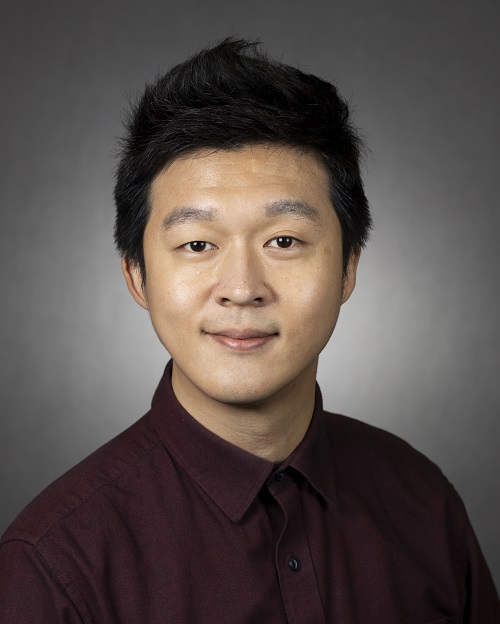
Joonhyuk Suh is an Assistant Professor in the Department of Food Science & Technology at the University of Georgia's College of Agricultural & Environmental Sciences. His research focuses on applying analytical chemistry and metabolomics/flavoromics to enhance food flavor, quality, and safety. Research Interests : Multidisciplinary food chemistry analysis Metabolite and flavor profiling Nut and fruit quality evaluation Dairy product flavor chemistry Food safety biomarkers Recent Publication Trends (2025-2022) show expertise in: Metabolomic evaluation of agricultural products Flavor chemistry in tropical fruits and nuts Food processing safety and contaminant analysis Plant-based food characterization Microbiome and nutritional interventions
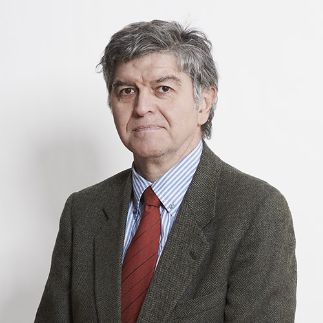
Giuseppe Banfi is a Professor of Clinical Biochemistry and Clinical Molecular Biology at Vita-Salute San Raffaele University, where he has held a full academic position since 2006. His career spans over three decades, combining clinical laboratory leadership with academic contributions in aging, musculoskeletal health, and nutritional biochemistry. Graduated Medicine (1984, University of Pavia) Specialized in Hygiene and Preventive Medicine (1988, University of Milan) His research focuses on clinical biochemistry applications in geriatrics, musculoskeletal disorders, and immuno-nutrition. Recent publications highlight innovations in laboratory medicine value-based models, sarcopenia tele-rehabilitation platforms, and aging-related fall prevention strategies. Journal collaborations span Clinical Chemistry and Laboratory Medicine and Endocrine Reviews . Current work involves multidisciplinary integration of oral health in orthopedic surgery, telemedicine effectiveness for musculoskeletal conditions, and vitamin D supplementation guidelines. His leadership in scientific research programs at Galeazzi Orthopedic Institute and San Donato Foundation Hospital Group demonstrates ongoing translational science engagement. Management roles include directorships at Fondazione Centro San Raffaele and Istituto Insubrico Ricerca per La Vita Foundation.
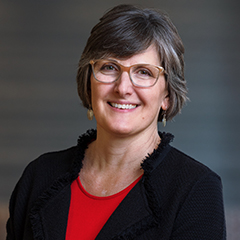
Janet S. Carpenter is a Professor and the Interim Dean at the Indiana University School of Nursing. She holds the Audrey Geisel Endowed Chair in Innovation and is recognized as a leading expert in menopause symptoms and clinical, translational science. Her work has significantly impacted healthcare practices for managing menopause-related conditions. PhD, University of Kentucky MSN, University of Kentucky BSN, Oakland University Her research focuses on menopause symptom characterization and treatment, chronic condition management, and quality of life improvements. She developed the Hot Flash Related Daily Interference Scale, now used globally, and contributed to national guidelines on menopause care. 2021 World Expert in Menopause, Expertscape.com 2020 USA Today Most Influential Indiana Women of the Century 2016 Sigma Theta Tau International Nurse Researcher Hall of Fame 2014 Council for the Advancement of Nursing Science Outstanding Nurse Scientist 2009 Fellow of the American Academy of Nursing Carpenter has secured grants from the National Institute of Nursing Research, National Cancer Institute, and Pfizer. She leads the Champion Center for Cancer Control Research and co-founded the MsFLASH clinical trials network, advancing evidence-based menopause treatments. Her innovative educational exhibit combining art and science, featuring sculptures and digital media, has been widely disseminated through social media and educational programs.
Peter Fino is an Assistant Professor in the Department of Health, Kinesiology, and Recreation within the College of Health at the University of Utah. He directs the Neuromechanics and Applied Locomotion Lab, which is situated within the Cognitive and Motor Neuroscience research theme. His research focuses on understanding and improving mobility in individuals with neurological dysfunction, particularly those with brain injuries, using core concepts from biomechanics and motor control to develop better diagnostic tools and rehabilitation approaches. Dr. Fino's research explores how humans maintain stability during everyday activities that require complex motor control. His primary areas of investigation include: Foot placement control during walking and turning on uneven surfaces Balance recovery mechanisms following perturbations Effects of neurological conditions like concussion and Parkinson's disease on gait Development and application of inertial sensor technology for clinical assessment Neuroanatomical correlates of motor dysfunction after brain injury Nonlinear dynamics approaches to understanding human movement His lab employs a multidisciplinary approach, collaborating with engineers, clinicians, physical therapists, and neuroscientists to translate research findings into practical applications that improve people's lives. Current projects examine mobility in populations with traumatic brain injury, Parkinson's disease, and other neurological conditions, with particular focus on turning gait, dual-task performance, and objective measurement of balance recovery using wearable sensor technology. Dr. Fino actively mentors a diverse research team comprising PhD students, MS students, research coordinators, and undergraduate researchers. His lab has produced numerous graduates who have gone on to academic positions, clinical research roles, and healthcare professions. He maintains strong collaborative relationships across the University of Utah and with external institutions including Oregon Health & Science University, University of Nebraska Omaha, and US Army-Baylor Physical Therapy. The lab participates in outreach through National Biomechanics Day and partnerships with high school programs to introduce students to biomechanics and neuroscience.
Associate Professor Romy Lauche serves as Deputy Director (Research) at the National Centre for Naturopathic Medicine , Faculty of Health , Southern Cross University , Australia. A psychologist by undergraduate training and medical scientist by doctoral education, she has built an international reputation for rigorous methodological expertise in clinical and public-health research focused on complementary, integrative and traditional medicine. Education Master of Psychology – Friedrich Schiller University Jena, Germany Doctor of Health Science (Medical Science) – University of Duisburg-Essen, Germany Research Interests Lauche’s work integrates mind–body interventions (yoga, Tai Chi, mindfulness), manual and non-pharmacological therapies , and self-care strategies within the frameworks of public health , health-services research and evidence-based medicine . She specializes in advanced study designs including randomized controlled trials , systematic reviews , meta-analyses and qualitative inquiry , frequently leveraging large national datasets such as the U.S. NHIS. Scientific Awards 2017 – Dean’s Academic Excellence Award – Research High Achiever, Faculty of Health, University of Technology Sydney 2022 – Award for Research Excellence – Mid-Career Researcher, Southern Cross University Grants & Funding She has attracted a substantial portfolio of competitive research grants supporting clinical and public-health investigations in integrative medicine, although specific grant details are not enumerated in the provided text. Supervision & Teaching Lauche is an experienced supervisor of PhD, Masters and Honours students and welcomes projects on yoga, Tai Chi, hydrotherapy, traditional and cultural medicine, and methodological innovation. She lectures in research methodology, biostatistics, public health and complementary medicine . Professional Service She sits on the Southern Cross University Human Research Ethics Committee , holds editorial roles with leading integrative-medicine journals, and contributes to the Cochrane Collaboration via Cochrane Translate and Cochrane Crowd.
Mostafa Ammar is a Regents' Professor and Interim Chair at the School of Computer Science , Georgia Institute of Technology. He holds a Ph.D. from the University of Waterloo and degrees (S.B., S.M.) from MIT. His career spans academia, industry collaboration, and leadership in networking research. Research Interests : Network architectures, protocols, and services; multicast communication; multimedia streaming; content distribution networks; disruption-tolerant networks; mobile cloud computing; network virtualization; HTTP adaptive streaming; video quality of experience (QoE); encrypted traffic analysis; vehicular networks; peer-to-peer systems; overlay networks. Funding : Supported by NSF, DARPA, AFOSR, CISCO, IBM, Intel, BellSouth, Sprint, and others. His research focuses on video QoE estimation using network measurements, mobile cloud computing , and network agility through virtualization. Recent work includes machine learning approaches for encrypted traffic analysis and scalable techniques for network performance. Key scientific awards include: IBM Faculty Partnership Award (1996), Best Paper at WWW '98, IEEE Fellow (2002), ACM Fellow (2003), GT Outstanding Doctoral Thesis Advisor (2006), IEEE TCCC Service Award (2010), ACM Mobihoc Best Paper (2012), College of Computing Awards (2015, 2018), IFIP Best Paper (2018), and multiple teaching excellence awards (2013-2017, 2022 CIOS Award). Dr. Ammar has advised 39 PhD students , many of whom hold prominent positions at institutions like UC Santa Barbara, Emory University, and companies including Google, Microsoft, and Facebook. His editorial leadership includes Editor-in-Chief of IEEE/ACM Transactions on Networking (1999-2003) and roles in conference committees.
Masaru Kohno is a Professor at the Faculty of Political Science and Economics at Waseda University, with a career spanning over two decades. His research focuses on Japanese politics , electoral studies , and international relations , often employing experimental methods and cross-national comparisons. He has held visiting and research positions at institutions like Stanford University, University of British Columbia, and Sophia University. Education : Ph.D. in Political Science (Stanford University), MA in International Relations (Yale University), LL.B. (Sophia University) His recent work includes experimental analyses of foreign aid preferences, hate speech regulation, and electoral strategies. He has received grants from the Japan Society for the Promotion of Science and contributed to debates on democratic accountability, policy networks, and post-COVID governance. Kohno has presented at leading conferences such as the American Political Science Association and International Political Science Association, often collaborating with scholars like Matthew S. Winters and Gabriella R. Montinola. Key Research Areas : Electoral systems and strategic voting Public opinion on foreign policy Political economy of institutions Democratic accountability mechanisms
Mark Dignan, Ph.D., is a Professor with joint appointments in Behavioral Science, Internal Medicine, and the College of Social Work at the University of Kentucky. He contributes to the Cancer Prevention and Control Research Program, Center for Appalachian Research in Environmental Sciences (UK-CARES), and UNITE Research Priority Area, focusing on reducing health disparities in rural and underserved communities. Doctor of Philosophy, University of Tennessee-Knoxville (1977) Master of Public Health, University of North Carolina (1982) Master of Science, University of Utah (1974) Bachelor of Science, University of Utah (1973) His research evaluates community-based screening and early detection interventions, particularly for cervical, colorectal, and breast cancers. He specializes in health equity, tobacco control, and digital health strategies for rural populations, aligning with UN Sustainable Development Goals related to health and well-being. Recent work includes HPV self-collection programs, digital health interventions for colorectal cancer screening, and behavioral studies during the COVID-19 pandemic. His projects often involve collaborations with state health departments and the National Cancer Institute. R. Davilene Carter Presidential Prize for Best Manuscripts (2012, 2013, 2016, 2017, 2021) University Research Professor Award (2012) Current projects include statewide tobacco control evaluations and multi-institutional trials for cancer screening. He has led over 220 grants and 258 research outputs, emphasizing translational research and community engagement.
Bettina Sandgathe Husebø is a Professor and Head of the Center for Geriatric and Nursing Home Medicine at the Department of Global Health and Community Medicine, Faculty of Medicine, University of Bergen (UiB). She also serves as Innovation Manager at IGS, UiB since 2019. Her extensive career spans clinical practice, research, and leadership roles in geriatric and palliative care. Dr. Husebø completed her medical education at the University of Bonn, Germany in 1988, followed by specialization in Anaesthesiology and Intensive Care in 1995. Her Norwegian qualifications include Medical Specialization in Palliative Medicine (2012) and Nursing Home Medicine (2014) from UiB, along with a PhD from the Faculty of Medicine Dentistry at UiB in 2008. She further enhanced her expertise with a Postgraduate Safety, Quality, Informatics and Leadership (SQIL) Program from Harvard University in 2021. Her research focuses on critical geriatric issues including pain assessment and management in dementia patients, behavioral disturbances in dementia, palliative care in nursing homes, and digital phenotyping applications for elderly care. She has pioneered work on the relationship between pain, agitation, and neuropsychiatric symptoms in dementia patients, particularly through the COSMOS trial and LIVE@Home.Path study. Her recent publications (2023-2025) demonstrate a strong emphasis on digital health solutions for dementia care, with particular focus on activity monitoring, pain assessment through technology, and community-based interventions for aging populations. Her work bridges clinical geriatrics, technology innovation, and patient-centered care models. Among her notable recognitions are the National Dementia Award by His Majesty King Harald of Norway (2022) and multiple awards for research excellence in pain management and palliative care. Her work has significantly influenced Norwegian healthcare policy regarding dementia care and end-of-life practices. As an educator, she lectures in English, German, and Norwegian on dementia, pain in dementia, innovation technologies for older adults, symptom management at end-of-life, systematic medication review, and advance care planning. She has received teaching awards including 'Teacher of the Year' from the Faculty of Medicine and Dentistry at UiB. Dr. Husebø leads the Center for Geriatric and Nursing Home Medicine (SEFAS) and has been instrumental in establishing Norway's first palliative care ward in a nursing home. Her research group focuses on translating evidence into practice to improve quality of life for elderly patients, particularly those with dementia.
Alan Briones Delgado is a researcher at the La Salle School of Engineering , Universitat Ramon Llull , with a focus on Internet of Things , Cybersecurity , and Transport Protocols . His work spans projects funded by the European Commission and national grants, including EXCEL4HOUSING4.0 , WeB-Nimbus , and NG-SOC , addressing challenges in cloud computing education, ecological monitoring, and security operations. His research integrates Artificial Intelligence and Wireless Sensor Networks for sustainable solutions. Key research areas include Quality of Service in heterogeneous networks, Environmental Conservation via IoT, and Teaching and Learning strategies for Big Data. Projects like EcoSentinel and BTL-COP highlight his commitment to Environmental Monitoring and Community Policing applications. His collaborations extend to institutions in the UK , Albania , and Western Balkans . Contact: alan.briones@salle.url.edu
Professor Daniel Catchpoole serves as Deputy Head of School (Research) at the School of Computer Science, University of Technology Sydney (UTS), holding dual appointments at UTS and The Children's Hospital at Westmead. With over 20 years of research experience, he bridges computational sciences and pediatric cancer research through the Biomedical Data Science Lab in the Australian Artificial Intelligence Institute. His work integrates data analytics, artificial intelligence, and software development with molecular cancer biology to transform pediatric cancer treatment pathways. PhD in Cancer Cell Biology, University of New South Wales (1991-1995) Founding Fellow, Royal College of Pathologists Australasia (2010-present) Head, Children's Hospital at Westmead Tumour Bank (2001-present) Professor Catchpoole's research focuses on translational applications of genomics in childhood cancers, particularly acute lymphoblastic leukemia and neuroblastoma. His work combines high-throughput genomic technologies with advanced computational analysis to develop systems biology approaches for cancer patient assessment. Recent projects explore virtual reality applications for complex genomic data visualization and copper chelation therapies to enhance neuroblastoma immunotherapy. His research has received significant funding from Cancer Institute NSW, Sony Foundation, ARC, and NHMRC. His publication record spans biomedical data science, cancer genomics, and virtual reality applications in oncology. Recent work demonstrates leadership in 3D latent diffusion models for tumor segmentation, biobank economics, and innovative immunotherapies. His research consistently addresses the critical need for actionable knowledge from complex multidimensional biomedical data. Editorial Board Member, Cancers (2023) Associate Editor, Innovations in Digital Health, Diagnostics and Biomarkers (2019) Founding member and first President, Australasian Biospecimens Network Association Professor Catchpoole has supervised 17 Honours students (including 6 First Class Honours), 3 MSc students, and 12 PhD candidates across multiple institutions, with 6 current PhD students. His collaborative research bridges UTS's Faculty of Engineering and IT with The Children's Cancer Research Unit at The Children's Hospital at Westmead. Significant research funding includes Cancer Institute NSW grants, Sony Foundation VR projects, and ARC Discovery Projects focused on genomic data analysis and clinical decision support systems. His leadership extends to building frameworks for translational research, managing biobanks and clinical data linkages, and navigating governance requirements for cancer research. The Tumour Bank at Kids Research, CCRU, represents his long-standing commitment to pediatric cancer infrastructure development.
James O'Malley is a Professor at The Dartmouth Institute for Health Policy and Clinical Practice and Professor of Biomedical Data Science at the Geisel School of Medicine, Dartmouth College. He holds the prestigious Peggy Y. Thomson Professorship in the Evaluative Clinical Sciences and serves as an Adjunct Professor of Computer Science, demonstrating his interdisciplinary expertise spanning statistics, healthcare policy, and computer science. Dr. O'Malley earned his B.Sc. (Hons) in Statistics from the University of Canterbury, New Zealand (1994), M.S. in Applied Statistics from Purdue University (1999), and Ph.D. in Statistics from the University of Canterbury (1999), followed by a Postdoctoral Fellowship in Biostatistics at Harvard Medical School (2001). His research spans statistical methodology and healthcare applications, with methodological contributions in statistical inference for social networks , multivariate hierarchical models , comparative effectiveness research , and Bayesian analysis . These methods address critical healthcare problems including health-social network relationships , healthcare quality measurement , medical technology diffusion , and comparative effectiveness in vascular surgery, cardiology, and mental health . His work bridges theoretical statistics with practical healthcare challenges through collaborations with physicians, epidemiologists, and health services researchers. Dr. O'Malley's recent publications reveal a strong emphasis on healthcare network analysis, comparative effectiveness research, and methodological innovations. His work examines physician networks and patient outcomes, evaluates surgical interventions, identifies healthcare disparities, and develops novel statistical approaches for complex healthcare data, with significant contributions appearing in high-impact journals across multiple disciplines. Mid-career Excellence award from the Health Policy Section of the ASA Elected fellow of the ASA (2012) ISPOR Award for Excellence in Methodology (2019) Peggy Y. Thomson Professorship (2021) 2025 Research Excellence Award for Senior Faculty in the Foundational Sciences As a dedicated mentor, Dr. O'Malley has supervised numerous post-doctoral fellows and PhD students across multiple programs. He currently leads major research initiatives including NIH/NLM R01LM014233 on Geographic Variations in Health Care, serves as PI for cores in NIH/NIA projects on healthcare inequity in Alzheimer's Disease and Rural Health Care Delivery Science, and contributes to multiple substantial grants totaling millions of dollars. He previously chaired the Health Policy Statistics Section of the ASA and co-chaired the 2011 International Conference on Health Policy Statistics. Dr. O'Malley co-organized the Dartmouth Interdisciplinary Network Research (DINR) seminar series (2014-2020) and serves as an Associate Editor for Statistics in Medicine and Observational Studies, demonstrating his commitment to advancing methodological research and fostering interdisciplinary collaboration in health services research.
Jesse Liu is an Assistant Professor of Physics at the New York University College of Arts & Science , joining in Spring 2025. He collaborates with the ATLAS Experiment at CERN and leads the NYU Experimental Particle Physics group. Research Interests: Liu's work bridges fundamental particle physics and detector innovation. He investigates Tau-lepton electromagnetic dipoles via photon collisions at the LHC High-luminosity LHC silicon tracker upgrades Dark matter searches through collider experiments and the BREAD axion detection project Cosmic ray physics using ATLAS data Recent Publications focus on tau magnetic moment measurements, detector thermal stress mitigation, and cosmic ray signature analysis. His work has been featured in Phys. Rev. D , Phys. Rev. Lett. , and JINST . Outreach & Mentorship: Liu actively engages in public science communication through Pint of Science talks The Conversation articles School visits to CERN First-gen student mentorship at NYU CU*iP Contact: Office at 726 Broadway, Room 852, New York City. Email: jesse.liu2@nyu.edu
Anna Stuhlmacher is an Assistant Professor in the Department of Electrical and Computer Engineering at Michigan Technological University. Her research focuses on the optimization of uncertain distributed energy resources (DERs) and the coordination of the power grid with other critical infrastructure systems including water and agricultural networks. Dr. Stuhlmacher received her academic credentials from prestigious institutions: PhD in Electrical Engineering, University of Michigan MS in Electrical Engineering, University of Michigan BS in Electrical Engineering, Boston University Her research program addresses a critical challenge in modern energy infrastructure: how distributed generation, storage, and flexible loads can be optimized to provide grid flexibility while coordinating with other essential infrastructure systems. Dr. Stuhlmacher specializes in modeling and optimizing the inherent flexibility and uncertainty propagation between power systems and other infrastructure systems such as drinking water, wastewater treatment, and agricultural systems. This interdisciplinary approach is vital for improving grid reliability, particularly during periods of network stress, by increasing demand flexibility through coordinated management of multiple infrastructure systems. Dr. Stuhlmacher's publication record reveals a consistent progression from fundamental optimization techniques for water distribution networks to more complex systems involving wastewater treatment biogas and agrivoltaics. Her research demonstrates sophisticated application of advanced optimization methods including chance-constrained programming, robust optimization, and machine learning techniques like input convex neural networks to address uncertainty in coupled infrastructure systems. The majority of her work focuses on the water-power nexus, with recent expansion into agrivoltaics as renewable energy and food production compete for land resources. Her notable achievements include: Best paper award for the Electric Energy Systems Track, HICSS 2025 Dr. Stuhlmacher actively secures research funding as Principal Investigator on multiple significant grants including an NSF award focused on biogas from wastewater treatment, a PSERC award on flexible load dispatch (as Co-PI with Georgia Tech researchers), and a Michigan Tech Research Excellence Fund grant on agrivoltaics. While she indicates she is not actively seeking graduate students for the 2025-26 academic year, she remains open to working with exceptional students with strong foundations in power systems and mathematics. Her undergraduate teaching includes courses on Distributed Energy Resources, Electrical Energy Systems, and Power System Optimization, building on her previous teaching experience at the University of Michigan. Her research leverages Michigan Tech's DOE-designated Regional Test Center for Emerging Solar Technologies, particularly for her agrivoltaics research. She has established connections with national laboratories including NREL, where she interned during her PhD studies, and maintains active collaborations with researchers at institutions like Georgia Tech. Her work bridges theoretical optimization techniques with practical applications that have immediate relevance to utility companies and infrastructure operators.
Dr Neil Reid is a Senior Lecturer in Conservation Biology at the School of Biological Sciences, Queen's University Belfast. His research spans policy-relevant conservation strategies, tropical and farmland ecology, invasive species dynamics, and statistical advancements in biodiversity monitoring. Research Focus : Agri-environment schemes, bushmeat hunting impacts, invasive species ecology, and AI applications in ecological analysis. Students : Supervised PhD projects on topics including Natterjack toad breeding, bovine tuberculosis transmission, and carbon flux in grasslands. Recent publications analyze: 2025: Badger-cattle interactions and invasive shrew records in Northern Ireland 2024: Golden eagle reintroduction challenges and hedgerow biodiversity impacts 2023: Wildfire effects on ecosystems and landscape genetics in amphibians Scientific Recognition Fellow of the Higher Education Academy Committee Member, Copeland Bird Observatory His work informs public policy through media engagements with BBC and The Guardian, emphasizing conservation science communication.