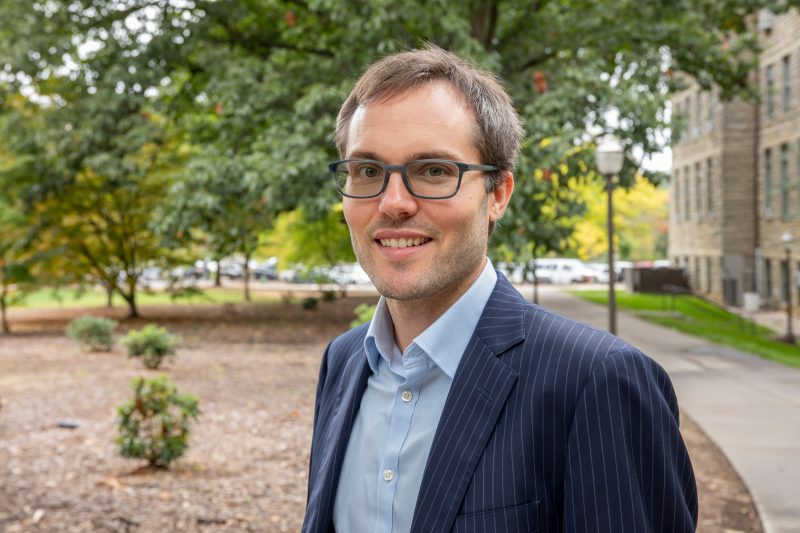
Teemu Malmi is a Professor in the Department of Accounting at the School of Business, Aalto University, Finland. He has been an influential figure in management accounting research, particularly in management control systems and performance measurement. His academic qualifications include a Doctoral degree (1997), Licentiate degree (1994), and Master's degree (1990), all in Business and Economics from the Helsinki School of Economics. His research interests span management control, performance measurement, digitalization in finance, public sector accounting, and organizational behavior. His work often integrates empirical analysis with case studies, including a notable investigation into Nokia’s management control challenges. He has published extensively in top-tier journals and contributed to major handbooks in accounting and information systems. The recent trend in his publications (2020–2025) reflects a growing emphasis on digital transformation, blockchain, data analytics, and the evolving role of finance functions. His research increasingly bridges traditional accounting with technology and public policy, especially in healthcare financing and sustainability. Scientific Awards: “Thirst for knowledge” (“Tiedon Jano”) award by JOKO Executive Education Oy (2001) Teemu Malmi has supervised at least five theses and led externally funded research projects, including the SOTE/Kaks project (2015–2016) on social and healthcare services. He has been actively involved in academic service, such as serving on editorial boards, hosting international scholars, presenting keynote lectures, and participating in funding organization committees. His media appearances demonstrate his engagement in public discourse on welfare policy and regional financing in Finland. There is no indication of part-time status, retirement, or former staff designation; he remains an active academic.
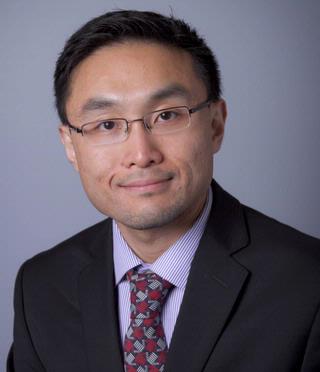
Dr. George C Tseng serves as Professor and Vice Chair for Research in the Department of Biostatistics at the University of Pittsburgh School of Public Health, with secondary appointments in Human Genetics and Computational and Systems Biology. His educational background includes a BS (1997) and MS (1999) in Mathematics from National Taiwan University and an ScD (2003) in Biostatistics from Harvard School of Public Health. Dr. Tseng's research focuses on developing statistical methodologies for genomic and bioinformatic applications to advance precision medicine. His work spans multiple high-impact areas including multi-omics data integration, machine learning for high-dimensional data, cluster analysis for disease subtyping, and statistical methods for experimental design in omics studies. His approach emphasizes close collaboration with biological and clinical researchers to ensure methodological relevance to real-world problems. His publication record demonstrates consistent contributions to top statistical and bioinformatics journals, with recent work focusing on congruence analysis between animal models and humans, outcome-guided clustering methods, and high-dimensional causal mediation analysis. Elected Fellow, American Statistical Association (2017) Statistician of the Year, ASA Pittsburgh Chapter (2017) Provost's Award for Excellence in PhD Mentoring, University of Pittsburgh (2019) Clinical Research Scholar (K12) Award, NIH (2007-2009) Elected Member, International Statistical Institute (2012) Dr. Tseng has successfully mentored over 25 PhD students who have secured positions in academia, industry, and government agencies. His laboratory has maintained continuous NIH funding as principal investigator since 2012, including current grants R01CA285337 (2025-2030) and R01LM014142 (2023-2026). The Tseng Lab operates as a collaborative research environment focused on translating statistical innovations into practical solutions for biological and medical challenges, with strong connections to multiple research centers and clinical departments at the University of Pittsburgh.
Mikael Johansson is a Professor at Kungliga Tekniska Högskolan (KTH), specializing in Control Technology . He teaches and coordinates courses such as Distributed Optimization (FEL3311) and various advanced-level degree projects in computer science, electrical engineering, and systems engineering. His research spans Control Systems , Machine Learning , and Optimization , with a focus on asynchronous algorithms, federated learning, and applications in energy systems and construction. His work includes 15 recent publications on topics like neural networks, distributed optimization, and battery technology. Notable areas of contribution are in asynchronous learning, federated learning with privacy constraints, and quasi-Newton methods for optimization. His research bridges theoretical advancements with practical applications in urban design, healthcare, and autonomous systems.
Sean Welleck is an Assistant Professor at Carnegie Mellon University's School of Computer Science, specifically within the Language Technologies Institute (LTI). He leads the L3 Lab and serves as an advisor for the AI for Math Fund. His academic journey includes a PhD from New York University under Kyunghyun Cho and postdoctoral positions at the Allen Institute for Artificial Intelligence and the University of Washington with Yejin Choi. Dr. Welleck's educational background shows a strong foundation in computer science. He earned his PhD in Computer Science from New York University, where he worked under the mentorship of Kyunghyun Cho and Zheng Zhang. Prior to this, he completed his MSE and BSE in Computer Science from the University of Pennsylvania, demonstrating a long-standing commitment to the field. Dr. Welleck's research focuses on bridging informal and formal reasoning with AI, with particular emphasis on developing learning, inference, and evaluation algorithms for large language models. His work spans multiple cutting-edge areas including mathematical reasoning , code generation , inference algorithms , and AI reasoning agents . A significant portion of his recent work involves combining AI with formal methods for mathematics, where he has developed frameworks like Llemma (an open-source language model for mathematical reasoning) and meta-generation (for inference-time algorithms). His research is characterized by a strong theoretical foundation coupled with practical applications that push the boundaries of what AI systems can achieve in formal reasoning domains. Analysis of Dr. Welleck's recent publications reveals a clear research trajectory focused on enhancing language models' capabilities in formal reasoning and mathematical problem-solving. His work demonstrates an evolution from foundational research in neural text generation to increasingly sophisticated approaches that integrate formal methods with deep learning. Key trends include the development of inference-time algorithms that improve model performance without additional training, frameworks for mathematical reasoning that connect informal and formal proofs, and novel evaluation methodologies for language models. His publications consistently appear in top-tier conferences including NeurIPS, ICLR, ICML, and ACL, reflecting the high impact of his contributions to the field. Dr. Welleck's scientific achievements have been recognized with several prestigious awards: NAACL 2025 Best Paper Award ICLR 2025 Oral Presentation (Top 2%) ICLR 2025 Spotlight Presentation (Top 5%) NeurIPS 2021 Outstanding Paper Award (Top 0.1%) for MAUVE NVIDIA AI Labs Pioneering Research Award (2017 and 2018) As an educator and mentor, Dr. Welleck actively guides the next generation of AI researchers. He currently advises multiple PhD students including Pranjal Aggarwal, Weihua Du, Andre He, and Seungone Kim (some co-advised with other faculty), along with MS students Riyaz Ahuja, Jiewen Hu, Qinyue Tan, and Thomas Zhu, and undergraduate Tate Rowney. At CMU, he teaches advanced courses such as Neural Code Generation and Advanced NLP, and has previously taught at New York University and the University of Washington. His commitment to education extends to creating resources like the Thesis Review Podcast and developing tutorials on neural theorem proving that have been presented at major conferences. Dr. Welleck leads the L3 Lab at CMU, which focuses on the intersection of language, learning, and logic. The lab brings together students and researchers to tackle challenging problems in AI reasoning, with particular emphasis on mathematical reasoning and code generation. Recent initiatives include the development of Llemma, an open-source language model specialized for mathematical reasoning, and work on inference-time algorithms that enable language models to improve their performance through additional computation during inference rather than through additional training.
Hannele Mäkelä serves as an Associate Professor in the Department of Accounting within the Faculty of Management and Business at Tampere University. Her academic profile centers on critical examinations of accounting practices through the lens of sustainability, corporate social responsibility, and stakeholder engagement, with particular emphasis on socio-political dynamics and environmental considerations. Her primary research interests include Sustainability Accounting, Corporate Social Responsibility, Social Enterprises, Stakeholder Engagement, Environmental Accounting, and Sustainability Reporting. She investigates how traditional accounting frameworks can be expanded to address complex sustainability challenges, employing discourse analysis to critique the objectivity of materiality disclosures and exploring nature-inclusive stakeholder relationships in urban ecosystems. Her work consistently challenges ideological assumptions in corporate reporting while advocating for more inclusive and environmentally responsive accounting practices. Analysis of her 15 most recent publications (2018-2023) reveals a cohesive focus on urban ecosystem services, mining operations, and sustainability integration in accounting education. Key trends include the deconstruction of materiality illusions in sustainability reporting, critical assessments of responsible mining practices (notably at Talvivaara), and the exploration of accounting's role in social enterprises. Her research demonstrates a methodological preference for qualitative discourse analysis to uncover power dynamics in stakeholder engagement, with recurring themes of cultural sustainability in heritage sites and the socio-political nature of environmental accountability. While specific awards, grants, or student supervision details are absent from the provided materials, her extensive publication record in specialized journals like the Social and Environmental Accounting Journal underscores her active contribution to advancing critical perspectives in sustainability accounting. Her work shows strong institutional engagement through Tampere University's City Centre Campus, with practical implications for municipal reporting, mining industry accountability, and accounting curriculum development.
Marat I. Latypov serves as Assistant Professor in the Department of Materials Science and Engineering at the University of Arizona's College of Engineering. He is also a member of the Applied Mathematics Graduate Interdisciplinary Program and leads the Materials Informatics Lab. His research spans computational materials science, sustainable alloy design, and machine learning applications for materials development. Dr. Latypov holds a PhD in Materials Science and Engineering from Pohang University of Science and Technology (POSTECH, South Korea, 2014) and a Dipl.-Ing. in Engineering Physics from Ufa State Aviation Technical University (Russia, 2011). His postdoctoral training included appointments at Georgia Tech/CNRS in France and the University of California, Santa Barbara. His research focuses on materials informatics , physics-informed machine learning , and sustainable structural alloys . Key methodologies include graph neural networks for polycrystal mechanics, vision transformers for microstructure representation, and adaptive experimental design for materials optimization. Recent work emphasizes circular economy applications through construction waste recycling and copper mine tailings valorization. Analysis of his publication record reveals strong emphasis on computational microstructure-property linkages (35% of recent work), machine learning for materials design (30%), and sustainable materials processing (25%), with growing integration of large language models for materials knowledge extraction. NSF CAREER Award (2025) : For damage control in recycled aluminum alloys ISTI Distinguished Faculty Scholar (2024) : At Los Alamos National Laboratory Novelis Hackathon First Prize (2021) : Computer vision application Acta Materialia Outstanding Reviewer (2018) Young Researcher Award (2017) : NanoSPD7 Conference Dr. Latypov advises PhD students including Herbold Fellow Zhuocheng Huang and leads projects funded by NSF and the Grantham Foundation. Current initiatives include chalcopyrite leaching optimization for copper mining and graph neural network development for fatigue prediction. His Materials Informatics Lab maintains collaborations with Los Alamos National Laboratory, MIT, and industry partners including Novelis. The lab operates at the intersection of metallurgy , machine learning , and high-performance computing , with capabilities spanning deep learning, Bayesian inference, and cloud-based computational infrastructure. Recent news highlights participation in CODAS-HEP summer school and publication of vision transformer work in Acta Materialia.
Armistead (Ted) Russell is the Howard T. Tellepsen Chair and Regents' Professor in the Department of Civil and Environmental Engineering at the Georgia Institute of Technology's College of Engineering. He co-directs the Southeastern Center for Air Pollution and Epidemiology and the NSF Sustainability Research Network 'Environmentally Sustainable, Healthy and Livable Cities' project. Dr. Russell earned his B.S. from Washington State University and his M.S. and Ph.D. in Mechanical Engineering from the California Institute of Technology, where he conducted research at Caltech's Environmental Quality Laboratory. Russell's research focuses on air pollution modeling, health effects of air pollutants, aerosol dynamics, environmental economics, atmospheric chemistry, and CO2 capture technologies. His group works to understand air pollutant dynamics at urban and regional scales and assess their impacts on health and the environment to develop effective air quality improvement strategies. His work integrates satellite and ground-based observations with air quality models and assesses climate-air quality strategy interactions. His recent publications reveal a strong focus on urban air quality issues, health impacts of pollution, sustainable city development, and pollution control technologies. His work spans from local Atlanta air quality improvements to global issues like pollution in India and China, demonstrating a comprehensive approach to environmental challenges across different scales and contexts. Howard T. Tellepsen Chair Regents' Professor Russell has advised numerous students who have gone on to prominent positions at institutions worldwide, including UC-Berkeley, Rice University, and Peking University. His research has been funded by major organizations including the National Science Foundation, NASA, EPA, CDC, NIH, and industry partners like Phillips 66 and Southern Company. His work is used in policy and regulatory decision-making at local-to-international levels and is highly cited in scientific literature. Russell's research group (Lambda) operates from the Ford Environmental Science and Technology building at Georgia Tech, which houses extensive air quality research facilities including a state-of-the-art smog chamber and numerous laboratories. The group collaborates extensively with researchers from Earth and Atmospheric Sciences, Chemical and Biomolecular Engineering, City & Regional Planning, and Emory University's Rollins School of Public Health.
Olli Seppänen serves as Associate Professor in Civil Engineering at Aalto University's School of Engineering, specializing in operations management for construction productivity improvement. He coordinates the Vision 2030 consortium—comprising 13 Finnish construction and design firms—to develop industrialized building methods for 2030, while leading multiple Business Finland-funded research initiatives focused on digital construction workflows and real-time monitoring. His research centers on lean construction principles, location-based management systems, and digital transformation through IoT, AI, and robotic vision. Key focus areas include prefabrication optimization, construction logistics, and shifting work off-site to industrialize processes. He aims to solve industry-wide productivity challenges by creating real-time situational awareness and implementing takt production systems for workflow stability. Recent publications (2024-2025) reveal strong emphasis on digital twin frameworks, semantic modeling for quality assurance, and AI applications in risk management. His work bridges theoretical lean construction concepts with practical implementations, particularly in real-time resource tracking, waste reduction in MEP work, and cross-sector learning from high-performing teams. Seppänen has received significant recognition including: School of Engineering doctoral dissertation award (2024) Best paper at IEEE Wireless Sensors Conference (2019) Nordic Conference best paper award for PhD research (2019) DSc dissertation award (2010) As principal investigator, he manages: Vision 2030 consortium projects (2-3 annually; PI for two current projects) iCONS: Real-time resource flow monitoring via indoor positioning RECAP: Deep learning analysis of progress/quality from images/point clouds DiCtion: Integrated data systems for real-time stakeholder situation pictures He actively contributes to the "Performance in Building Design and Construction" research group and leverages the Vision 2030 consortium as a collaborative platform for industry transformation, driving adoption of digitalized, industrialized construction methods through academic-industry partnerships.
Heikki Remes serves as Associate Professor in the Department of Energy and Mechanical Engineering at Aalto University's School of Engineering, where he investigates high-performance steel structures for marine environments with emphasis on lightweight ship designs using advanced materials and manufacturing techniques. His research integrates fundamental fatigue and fracture mechanics with practical structural challenges, spanning from crystal-level material behavior to continuum-scale modeling. Key focus areas include welded joint integrity, additive manufacturing defects, and computational analysis of marine structures under extreme conditions. Recent publications reveal strong trends in fatigue assessment methodologies for complex welded geometries, experimental validation of distortion effects, and AI-enhanced damage prediction systems, reflecting his commitment to bridging theoretical mechanics with shipbuilding applications. Scientific Awards: Aalto Education Impact Award (2018) for establishing Marine Technology study programs SNAME Honorable Mention for 2018 Vice Admiral E. L. Cochrane Award Teaching Award of Aalto School of Engineering (2012) for educational tools No specific student advising or grant information appears in available sources, though his active publication record indicates ongoing research leadership. He contributes significantly to the Marine and Arctic Technology research group, driving projects on structural integrity assessment and advanced manufacturing solutions for next-generation marine vessels.
John F. Reid is a prominent Research Professor at the University of Illinois at Urbana-Champaign in the College of Engineering , with dual appointments in Computer Science and Agricultural and Biological Engineering . He serves as Executive Director of the Center for Digital Agriculture . With over 35 years of experience in academic and industrial R&D, his career spans faculty roles at UIUC (1986-2000), leadership at Deere & Company (2000-2020), and Vice President positions at Brunswick Corporation (2020-2022). Education : Ph.D. in Agricultural Engineering (Texas A&M, 1987), M.S. and B.S. in Agricultural Engineering (Virginia Tech, 1982 & 1980) Dr. Reid's research focuses on agricultural automation , machine vision , and innovation management . He has pioneered agricultural robotics , precision technologies , and embodied AI applications in food, construction, and marine systems. His work has resulted in over 30 patents in automated guidance , sensor systems , and agricultural informatics . His scientific contributions center on stereo vision navigation , 3D field mapping , and adaptive control systems for mobile equipment. These innovations underpin modern precision agriculture and agricultural robotics frameworks. Major awards include: NAE Election (2019) ASABE Fellow (2004) University Scholar (1995) Academy of Engineering Excellence (2020) He holds leadership roles in international organizations including the CIGR Working Group on Circular Bioeconomy Systems (Chair 2024-present) and Fraunhofer USA (2013-2022).
Prof. Dr. Matthias Weidlich is a faculty member at Humboldt University of Berlin within the Institute of Computer Science under the Faculty of Mathematics and Natural Sciences . His research focuses on Process Mining , Complex Event Processing , and Data Privacy with applications in Business Process Management and Scientific Workflows . Research Interests: Business Process Management and Process Mining Complex Event Processing and Stream Data Analysis Data Privacy and Security in Process Systems Scientific Workflow Systems and User Behavior Heterogeneous Network Embeddings Algorithm Design and Optimization Recent Publications (2023-2025) demonstrate expertise in: Efficient stream processing techniques Privacy-preserving process mining frameworks Scientific workflow analysis tools Graph neural network applications Multi-modal data integration Adaptive querying systems Contact: Office: Unter den Linden 6, 10099 Berlin Phone: 030 2093-41277 Email: matthias.weidlich@hu-berlin.de Web: hu.berlin/data
Haoming Qiu, M.D. serves as an Associate Professor in the Department of Radiation Oncology at the University of Rochester School of Medicine and Dentistry. He practices clinically at both Wilmot Cancer Center in Rochester and Sands Cancer Center in Canandaigua, providing radiation oncology services for gastrointestinal, lung, and prostate cancers. Board-certified by the American Board of Radiology, Dr. Qiu specializes in advanced radiotherapy techniques including external beam radiation and radiopharmaceutical therapies. Education: MD, Johns Hopkins University (2011) Residency in Radiation Oncology, University of Rochester Medical Center (2013-2016) Residency in Radiation Oncology, Loyola University Medical Center (2012-2013) Internship in Internal Medicine, Sinai Hospital of Baltimore (2011-2012) Research Focus: Dr. Qiu's work centers on optimizing radiation therapy for gastrointestinal malignancies, prostate cancer, and neuroendocrine tumors. His investigations into theranostics explore novel applications of Lutathera for neuroendocrine tumors, Pluvicto for prostate cancer, and Therasphere for liver cancers. Current research emphasizes combining stereotactic body radiotherapy with immunotherapeutic agents to overcome treatment resistance in pancreatic and rectal cancers. Publication Trends: Recent publications (2023-2025) reveal a strategic shift toward adaptive radiotherapy techniques for pelvic malignancies and immunoradiotherapy combinations. His work demonstrates growing emphasis on modulating tumor immune microenvironments through radiation, particularly in pancreatic and rectal cancers. The integration of mRNA nanotechnology with SBRT represents a cutting-edge frontier in his research portfolio. Scientific Recognition: Roentgen Resident/Fellow Research Award (2015) Excellence in Medical Student Research (2011) Clinical Leadership: Dr. Qiu directs multiple clinical trials at the University of Rochester focusing on radiopharmaceutical applications and adaptive radiotherapy protocols. His patient-centered approach is reflected in consistently high patient satisfaction scores (4.9/5 stars) across communication, empathy, and treatment explanation metrics. Care Coordination: As part of the Wilmot Cancer Center and Sands Cancer Center teams, Dr. Qiu collaborates with multidisciplinary groups including medical oncologists, surgeons, and radiologists to deliver integrated cancer care through Accountable Health Partners network.
Giacomo Chiesa is a Full Professor at the Department of Architecture and Design (DAD) at Politecnico di Torino. He is a member of the Interdepartmental Center Ec-L - Energy Center Lab. His research focuses on Architectural Technology , Bioclimatic Design , Building Performance , and Urban Climate . Research Interests : Building Simulation, Passive Cooling, Smart Buildings, Digital Twin, Climate Change Adaptation Recent publications analyze urban weather datasets for energy simulations, shading control thresholds , and ventilation strategies in educational buildings. His work covers energy renovation roadmaps , thermal comfort , and climate-resilient building systems . Teaching : PhD courses in Human-Centric Methodologies and MSc courses in ICT in Building Design Research Leadership : Scientific Director for projects like Urban Generation and Prelude , EU-funded initiatives
Dr. Qiang Li serves as a Professor in the Department of Electrical and Computer Engineering within the College of Engineering at Virginia Tech. His research activities are closely associated with the Center for Power Electronics Systems (CPES), where he contributes to advancing power electronics technologies for various applications. Dr. Li earned his B.S. and M.S. degrees from Zhejiang University, China, in 2003 and 2006 respectively, followed by a Ph.D. from Virginia Tech in 2011. His academic journey reflects a strong foundation in electrical engineering with specialization in power electronics. His research focuses on high-frequency power conversion and controls, high-density electronics packaging and magnetics integration, and power solutions for high performance computing, datacenters, electric vehicles and energy storage systems. Dr. Li's work emphasizes improving power density, efficiency, and reliability of power electronic systems through innovative circuit topologies and magnetic component design. Analysis of Dr. Li's recent publications reveals a strong emphasis on high-density power conversion for next-generation computing systems, particularly vertical power delivery architectures. His research spans resonant converter topologies, advanced magnetics integration techniques, EMI reduction methods, and GaN-based power systems, demonstrating consistent innovation in power electronics design principles. Dr. Li has received significant recognition for his contributions to the field: National Science Foundation (NSF) Career Award recipient Author of over 230 peer-reviewed technical publications, including more than 70 journal articles Recipient of six prize paper awards Associate editor for IEEE Transactions on Power Electronics and IEEE Journal of Emerging and Selected Topics in Power Electronics As an active researcher and educator, Dr. Li contributes to the advancement of power electronics through his research publications, editorial work, and participation in the academic community. His work with CPES demonstrates strong industry collaboration and technology transfer focus, particularly in high-density power conversion for data centers and electric vehicles.
John Bovay is an Associate Professor and Kohl Junior Faculty Fellow in the Department of Agricultural and Applied Economics at Virginia Tech. He leads the department's Extension program and focuses on food and agricultural policy, particularly environmental and health impacts. His roles include membership in the Chesapeake Bay Executive Council's Scientific and Technical Advisory Committee (2024–2026) and Chair of the AAEA Specialty Crop Economics Section (2024–2025). Education: Ph.D. in Agricultural and Resource Economics from UC Davis (2014), B.A. in Mathematics and Politics from Washington and Lee University (2007). His research integrates economic analysis of public policies, including food safety inspections, climate-smart agriculture, SNAP participation, and food waste. Notable projects include a USDA-NIFA grant (2022–25) on vegetable on-farm loss and a study on GMO labeling laws. Teaching includes a Ph.D. course on empirical market and policy analysis with Anubhab Gupta. Selected Awards: Southern Agricultural Economics Association Emerging Scholar (2021), Distinguished Young Alumnus (2017). Outreach efforts emphasize Extension programs like the 'Virginia Sustainable Farms and Agribusiness Education Initiative' and leadership in Virginia Cooperative Extension's Agribusiness Management & Economics team. Grants include the USDA's Climate-Smart Agriculture Alliance and I2GROW initiatives.