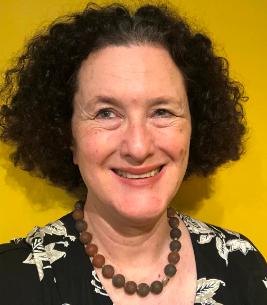
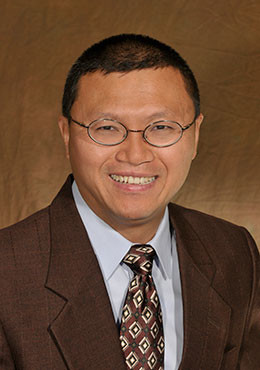
Prof. Andreas Waha directs neuropathology research at University Hospital Bonn, focusing on epigenetic mechanisms in gliomas. His lab develops clinical diagnostic tools including PyroSequencing assays for BRAF/IDH mutations and MGMT promoter methylation analysis. Key discoveries include TET1 inactivation in IDH wild-type gliomas and MTSS1 tumor suppressor functions. Waha's group validates DNA methylation signatures for glioma classification and leads phase II trials investigating bortezomib-temozolomide combinations for recurrent glioblastoma.
Dr. Guillaume Lentendu is a PostDoctoral Researcher at the Department of Soil Ecology , Helmholtz Centre for Environmental Research - UFZ , Germany. His academic career spans institutions including the University of Leipzig and Toulouse 3 University. Education: PhD in Soil Ecology (2010-2014), MSc in Ecology, Evolution, and Biodiversity (Toulouse 3 University), BSc in Biology. Research Interests: Dr. Lentendu specializes in microbial cross-kingdom interactions in the rhizosphere , bioinformatic development of amplicon pipelines , and fertilization-driven soil microbial diversity shifts . His work integrates flow cytometry and molecular ecology to study soil eukaryotic microbes in agroecosystems and subtropical forests. Publication Trends: His research focuses on soil microbial diversity under long-term fertilization, method development for meta-barcoding , and functional roles of fungal communities in decomposition. He employs NGS technologies and cross-kingdom interaction analysis in his studies. Review Activities: Regular reviewer for journals including Molecular Ecology and Scientific Reports . Invited Talks: Presented methods for high-throughput soil microbe analysis at institutions like the University of Köln and iDiv Leipzig. Collaborations: Works with the German Centre for Integrative Biodiversity Research (iDiv) and contributes to soil biodiversity databases through GFBio (German Federation for Biological Data).
Professor Aniko Varadi is a leading biomedical scientist at the University of the West of England (UWE), Bristol, where she holds the position of Professor in Biomedical Research within the Department of Applied Sciences. Since 2018 she has served as Director of the Centre for Research in Biosciences and is the institutional lead for UWE’s associate membership in the BBSRC-funded South West Biosciences Doctoral Training Partnership (SWBio DTP). Research Domains: Genetic susceptibility to brain injury in preterm neonates Pharmacogenetic interventions and neonatal resuscitation genomics Molecular mechanisms of insulin secretion, including glutamate-receptor roles and Myosin Va-mediated vesicle transport Genomic education for nurses and healthcare professionals Novel therapeutic approaches such as 3D scaffolds for diabetic foot ulcers and cold-plasma drug delivery systems Her publication portfolio spans high-impact journals, covering innovation in analytical chemistry (LC-MS/MS C-peptide assays), large-scale genomics workforce studies, and translational cell-biology investigations. Collectively, these works demonstrate an integrative approach that couples basic molecular discovery with clinical and educational impact. Research Leadership & Grants: Principal Investigator, “The Neonatal Gene Study” – the largest UK multicentre study linking DNA variants to neurodevelopmental outcomes in preterm infants (>600 infants recruited) Institutional Lead for UWE REF submissions in Allied Health Professions, Dentistry, Nursing and Pharmacy (RAE2008, REF2014, REF2021) Director, PGCert in Genomics for Nurses and Healthcare Professionals – England’s only fully validated programme, delivered in collaboration with Health Education England, Macmillan Cancer Support, British Heart Foundation, Genomics England and NHS England Management & Implementation Group member, SWBio DTP – overseeing doctoral training, student selection, and enterprise-skills curriculum Centres & Teams: She heads the Centre for Research in Biosciences, a multidisciplinary hub that fosters collaboration between basic scientists, clinicians, and industry partners. Through the centre she coordinates cross-faculty initiatives in genomics, bio-analytical technologies, and responsible research innovation.
John E Froehlich is a Researcher at the Department of Biochemistry and Molecular Biology within the College of Natural Science at Michigan State University , specializing in chloroplast biology and photosynthesis regulation. He holds a fixed-term research position at the MSU-DOE Plant Research Laboratory , focusing on the biogenesis and environmental modulation of thylakoid membrane complexes. Current Affiliations: Michigan State University (MSU) MSU-DOE Plant Research Laboratory Department of Biochemistry and Molecular Biology Research Interests: Thylakoid membrane biogenesis and protein targeting Photosynthetic complex regulation under fluctuating light Chloroplast lipid metabolism and signaling Environmental stress responses in plant energy systems Protein-protein interactions in chloroplasts Computational and biophysical approaches to photosynthetic phenotypes Scientific Contributions: His work spans chloroplast protein import mechanisms, lipid metabolism in seed oil biosynthesis, and stress-induced photosynthetic adaptations. Articles highlight his expertise in Arabidopsis genetics, thylakoid dynamics, and metabolic engineering for plant resilience. He employs techniques like DEPI imaging, chloroplast import assays, and multi-omics to address fundamental questions about photosynthetic robustness and efficiency. Collaborative Networks: Froehlich collaborates with the Kramer Lab (photosynthesis imaging), Benning Lab (lipid metabolism), and Brandizzi Lab (ER-chloroplast interactions). His publications demonstrate cross-disciplinary approaches integrating computational biology, biophysics, and plant molecular genetics.
Dr. Tanja Vojvoda Zeljko serves as a Project advisor at the Ruđer Bošković Institute's Division for Marine and Environmental Research within the Laboratory for marine and atmospheric biogeochemistry in Zagreb, Croatia. Her interdisciplinary work bridges marine biogeochemistry, evolutionary genetics, and microbial ecology, with significant contributions to understanding Adriatic Sea ecosystems and genomic mechanisms across diverse organisms. Her academic journey includes a Master's degree (2006) from the University of Zagreb's Faculty of Science focusing on echinoderm fauna dynamics in the northern Adriatic, followed by a PhD (2015) from the same institution investigating mobile genetic elements in Pacific oyster genomes. These foundations established her expertise in marine biodiversity and molecular evolution. Research interests span genetics, molecular evolution, phylogenetics, marine biogeochemistry, and yeast genetics. She employs advanced genomic techniques to study satellite DNA organization in bivalves, phylogeography of aquatic insects, and microbial dynamics in winemaking. Her work consistently connects molecular mechanisms with ecological and applied contexts, particularly in Adriatic marine environments and fermentation science. Analysis of her 14 publications (2010-2025) reveals three interconnected research pillars: marine biodiversity studies focusing on polychaete-algae symbiosis in the Adriatic; genomic investigations of repetitive DNA elements and transposable elements in marine invertebrates; and enological research on yeast diversity in wine fermentation. This triad demonstrates exceptional integration of field ecology, laboratory genomics, and industrial applications. As a project advisor, she leads research initiatives involving international collaborations across Europe, with recent work spanning cave microbiome resistomes, wine metabolomics, and dance fly biogeography. Her current projects likely integrate multi-omics approaches to address anthropogenic impacts on marine ecosystems and microbial adaptation. She operates within the Laboratory for marine and atmospheric biogeochemistry, which investigates biogeochemical cycles, pollution impacts, and microbial processes in marine environments. Her work contributes to understanding ecosystem resilience and has implications for marine conservation and sustainable viticulture.
Sophie Charvet is an Assistant Professor of Biology at Susquehanna University, specializing in microbial eukaryote research with a focus on mixoplankton physiology and ecology. Her expertise spans microbiology, molecular biology, and aquatic systems, utilizing techniques like transcriptomics, microscopy, and flow cytometry. She holds a PhD from Université Laval (Canada) and additional degrees from McGill University and Université Louis Pasteur. Education: PhD, Université Laval MSc, Université Laval BS, McGill University BACH, Université Louis Pasteur Her research explores mixotrophic organisms' adaptability in polar and marine environments, addressing carbon dynamics and environmental responses. Key themes include nutrient stress, light availability, and microbial community interactions. She has developed tools like AFISsys for brackish water sample preservation and contributed to understanding Arctic lake microbial communities. Honors and awards remain unspecified in the provided information. Her grants and advising roles are not detailed here. She leads a lab focused on molecular and ecological analysis of protists and mixotrophic organisms.
Bente Edvardsen is a Professor at the University of Oslo, affiliated with the Section for Aquatic Biology and Toxicology under the Institute of Biosciences (IBV). Her research focuses on marine biodiversity, microalgal ecology, and harmful algae. She supervises PhD and postdoctoral researchers, contributing to projects like TaxMArc, PROMISE, and MIDTAL. Edvardsen has advised numerous students, including Elisabeth Lundsør and Karoline Saubrekka, and collaborates on grants exploring Arctic protist diversity and marine microbial metabolomes. Her work spans molecular systematics, phytoplankton evolution, and environmental genomics. Notable contributions include studies on haptophyte diversity, harmful algal bloom dynamics, and the application of metabarcoding. Edvardsen is actively involved in research groups like the Centre for Integrative Microbial Evolution (CIME) and Pelagic Ecology, advancing understanding of marine microbial communities and their ecological roles. Publications highlight her expertise in protist taxonomy, environmental monitoring, and the impacts of climate change on marine ecosystems. Her interdisciplinary approach integrates fieldwork, genomic tools, and experimental methods to address pressing questions in marine biology and toxicology.
Diego Mastroeni is a Research Associate Professor at Arizona State University (ASU), affiliated with the ASU-Banner Neurodegenerative Disease Research Center and the Biodesign Institute. His work focuses on neurodegenerative diseases, particularly Alzheimer’s and Parkinson’s, with a strong emphasis on epigenetics, mitochondrial dysfunction, and microglial biology. He holds a PhD in Neuroscience from Maastricht University and conducted postdoctoral training at the Banner Sun Health Research Institute. Research Interests: Epigenetic mechanisms in neurodegeneration Microglial and neuronal heterogeneity Single-cell transcriptomics Alzheimer’s disease biomarkers Age-related neurodegeneration Key Projects: Ongoing Alzheimer’s Association grant (2018–2021): Investigating gender effects in Alzheimer’s cell populations NOMIS Foundation-funded project (2018–2023): Creating a public resource of brain cell RNA sequencing data EU JPND Research initiative (2017–2021): Targeting epigenetic dysregulation in Alzheimer’s Publications: Over 40 peer-reviewed articles, including seminal work on DNA methylation in Alzheimer’s and laser capture microdissection techniques. Recent focus on microglial transcriptomics and novel therapeutic targets. Teaching: Involvement in undergraduate research courses (e.g., BCH 392, BIO 495) emphasizing research techniques and honors thesis supervision.
Kara De León, PhD, is an Assistant Professor in the School of Biological Sciences at the University of Oklahoma. Her research focuses on environmental microbiology, microbial genetics, and computational biology, with particular emphasis on biofilm formation in anaerobic microbes and their roles in environmental and biomedical contexts. She holds a PhD in Microbiology from Montana State University and a B.S. in Biology and Chemistry with a Spanish minor from Northwest Nazarene University. Her recent work includes studies on wastewater surveillance for bacterial pathogens, the role of sulfate-reducing bacteria in cancer suppression, and microbial responses to environmental stressors in oil and gas systems. She has contributed to over 20 peer-reviewed articles since 2012, exploring topics ranging from microbial community dynamics in Yellowstone hot springs to genetic mechanisms underlying biofilm formation in Desulfovibrio vulgaris. Dr. De León’s research integrates computational methods with experimental approaches, including genomics, targeted mutant generation, and biochemical assays. Her work has implications for bioremediation, public health, and understanding microbial interactions in complex environments.
Professor Rosemary Dorrington is a DST/NRF SARChI Professor in Marine Natural Products (MNPs) Research at Rhodes University, leading a multidisciplinary team focused on marine biodiscovery, microbial genomics, and antiviral bioassay development. Her work integrates marine biology, microbiology, and chemistry to study bioactive metabolites in marine invertebrates and microbial communities. She collaborates with the South African Institute for Aquatic Biodiversity (SAIAB) and the African Coelacanth Ecosystem Programme (ACEP), leveraging infrastructure like coastal research vessels and high-performance computing for metagenomic analysis. Education: PhD (Microbiology), University of Cape Town (1990) MSc (Microbiology), University of Cape Town (1987) BSc Hons (Microbiology), University of Cape Town (1983) BSc Agric (Horticulture and Genetics), Stellenbosch University (1982) Research Interests: Marine natural product drug discovery, marine ecosystem functioning, high-throughput NGS technologies, metabolomics, microbial biodiversity characterization, and stromatolite microbiology. Funding & Grants: R30 million SAMRC/UK Newton Fund Antibiotic Accelerator Initiative (2020–2023) R10.75 million DST/NRF SARChI Grant (2019–2023) GBP 20 million UK Global Challenges Research Fund (2019–2023) R7 million DST/NRF SARChI Community of Practice Grant (2020–2022) Research Group & Programs: Leads a team of PhD/MSc students and postdocs exploring MNPs, antimicrobial resistance solutions, and marine spatial planning in Algoa Bay. Collaborates internationally on projects like the One Ocean Hub and the Antibiotic Accelerator Initiative. Infrastructure: Confocal Microscopy Facility, GS Junior Pyrosequencing Facility, and Transmission Electron Microscope grants totaling over R10 million.
Qiang He is a Professor in the Department of Civil and Environmental Engineering at the University of Tennessee, Knoxville, within the College of Engineering. His research centers on environmental microbiology, biological treatment processes, water and wastewater quality, and renewable energy systems. He is actively engaged in advancing sustainable solutions for environmental challenges through microbial biotechnology. PhD in Environmental Engineering, University of Illinois at Urbana-Champaign, 2003 MS in Biological and Agricultural Engineering, Kansas State University, 2000 BS in Biochemical Engineering, East China University of Science and Technology, 1993 Dr. He's research interests span environmental microbiology , anaerobic digestion , microbial ecology , and bioremediation . He investigates microbial community dynamics under stress conditions, such as in sulfate-reducing bacteria and methanogens, with applications in wastewater treatment and bioenergy production. His work integrates systems biology approaches to understand microbial responses to environmental stressors like nitrate, salt, and oxidative conditions. His recent publications (2013–2015) demonstrate a strong focus on microbial processes in anaerobic digestion, particularly methanogen population dynamics and quantification. Other themes include carbon sequestration in soils , antibiotic degradation in manure , bio-oil production , and microbial responses to nutrient and climate stressors . Collectively, these works highlight a transdisciplinary approach combining molecular biology, environmental engineering, and systems microbiology. Dr. He has not been explicitly associated with any named scientific awards in the provided text. He has collaborated extensively with leading scientists including Jizhong Zhou, Terry Hazen, and Judy Wall, particularly in large-scale microbial genomics and stress response studies. Although specific grant details are not listed, his research appears supported by collaborations with major DOE labs and environmental biotechnology initiatives. He has co-authored numerous high-impact publications, often involving interdisciplinary teams. His research is associated with advanced microbiological and environmental engineering laboratories at the University of Tennessee, focusing on microbial genomics, anaerobic bioreactors, and environmental bioprocesses. These labs support research in bioenergy, bioremediation, and sustainable water systems.
Margareta Krabbe is a Senior Lecturer at the Department of Basic Biology , Uppsala University, since 2004. Her role includes teaching synthetic biology and bioprocess courses, coordinating research and education at the Testa Center, and leading innovation projects under EIT Health to integrate entrepreneurship into academic curricula. Former management roles: Head of Department (2013–2016), Subject Coordinator for Biology, Program Manager for the Master of Science in Molecular Biotechnology Academic background: PhD in Molecular Microbiology (Uppsala University, 1995) Industry experience: Senior Researcher at Pyrosequencing AB/Biotage AB (2001–2004) International experience: Research on E. coli at a U.S. institution (1997–2000) Current focus: Bridging academia-industry collaborations and enhancing educational frameworks