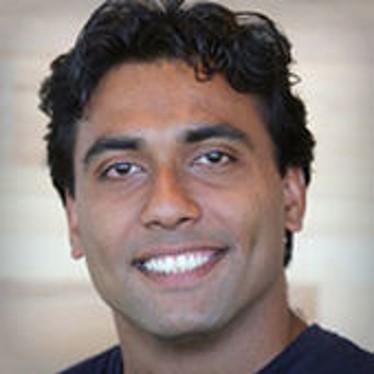
Dr. M Reza Kholghy is an Associate Professor and Canada Research Chair in Particle Technology and Combustion Engineering at Carleton University's Department of Mechanical and Aerospace Engineering. He directs the Energy and Particle Technology Laboratory (EPTL) where he focuses on sustainable industrial solutions. His academic credentials include a BASc in Aerospace Engineering from Sharif University of Technology, and MASc/PhD degrees in Mechanical Engineering from the University of Toronto, followed by postdoctoral work at ETH Zurich. Research interests center on: Industrial decarbonization through metal fuel combustion (aluminum/iron) and carbon management Hydrogen production via methane pyrolysis and metal-water reactions Advanced material synthesis including flame spray pyrolysis for catalytic films and alumina production Nanoparticle engineering with focus on soot formation dynamics and optical properties His publications predominantly explore nanoparticle synthesis mechanisms, soot formation modeling, and sustainable fuel technologies, with recent emphasis on hydrogen cogeneration and metal combustion. Experimental and computational approaches are equally represented across combustion diagnostics, reactor design, and molecular dynamics simulations. Major scientific recognitions include: Canada Research Chair (Tier 2) Vanier Canada Graduate Scholarship NSERC Postdoctoral Fellowship He leads the Energy and Particle Technology Laboratory with industry partnerships focused on sustainable technology development. The lab specializes in flame spray pyrolysis reactors, nanoparticle characterization (surface area, porosity, composition), and high-pressure reaction systems. Dr. Kholghy actively mentors students through capstone projects and research positions, though specific PhD/Master's advisees aren't named in available sources.
Dr. Yunying Fang is a Senior Lecturer at Griffith University's School of Environment and Science, affiliated with the Australian Rivers Institute. She holds a PhD from the University of Sydney and previously worked at the NSW Department of Primary Industries (2013–2023). Her research focuses on Soil Biogeochemistry, Soil Carbon/Nutrient Cycling, and Greenhouse Gas Emissions, with an emphasis on Nature-Based Solutions to Climate Change and Soil Health Resilience. Education: PhD in Soil Science, University of Sydney Research Interests: Soil Carbon Sequestration Mechanisms Impact of Land Management and Climate Change on Ecosystem Processes Stable Isotope Methodologies for Soil Amendment Studies Funded Projects (Selected): Developing Standard Protocols for Microplastics in Soils (Solving Plastic Waste CRC, 2025–2028) Climate Change Effects on Phosphorus Cycling (Griffith University Internal Grant, 2023) Innovative Microbial Carrier Products Evaluation (High Performance Soils CRC, 2023–2026) Teaching & Supervision: Associate Supervisor for doctoral projects on Land Management in Rubber-Based Systems and Organic Amendments in Soil Carbon Sequestration Affiliations: Member of Australian Rivers Institute Research Entity Griffith Sciences Group
Dr. Manuel Garcia-Pérez is a Professor and Department Chair in the Department of Biological Systems Engineering at Washington State University (WSU), affiliated with the College of Agricultural, Human, and Natural Resource Sciences (CAHNRS). His research focuses on thermochemical conversion of biomass to produce biofuels, bio-oils, and biochars, addressing global energy and environmental challenges. He holds a Ph.D. in Chemical Engineering from Université Laval and has held postdoctoral positions at Monash University, the University of Georgia, and other institutions. His work emphasizes sustainable aviation fuels, biochar applications in soil fertility, and environmental impact mitigation. Dr. Garcia-Pérez leads the Bioproducts Science and Engineering Laboratory (BSEL) at WSU Tri-Cities, advancing bio-refinery concepts and reactor design. He collaborates internationally, including projects in Haiti and the Dominican Republic to develop sustainable biomass industries. His research spans analytical chemistry, reactor engineering, and interdisciplinary partnerships in forestry, soil science, and sociology. He has authored nearly 130 peer-reviewed publications and serves on the Biomass Research Development Initiative Technical Advisory Committee. Key achievements include developing pyrolysis oil characterization methods, optimizing biochar for carbon sequestration, and advancing sustainable aviation fuel (SAF) production. His grants and industry partnerships support innovative technologies for waste-to-energy conversion and environmental remediation. Future work targets integrating biomass resources with aviation fuel supply chains and enhancing biochar's role in climate resilience.
Jim Amonette is an Adjunct Professor at Washington State University (WSU), with a joint appointment at the Pacific Northwest National Laboratory (PNNL) since 1986. His work focuses on biochar’s role in climate change mitigation, particularly in agricultural systems. He holds a Ph.D. in Soil Chemistry from Iowa State University, alongside M.S. and B.S. degrees in related fields. His research interests include environmental geochemistry, soil mineralogy, and carbon sequestration. He has authored over 125 peer-reviewed publications, 7 patents, and contributed to a seminal book on soil mineralogy. Notable achievements include the 2008 Fitzner-Eberhardt Award and the 2010 Nature Communications paper on sustainable biochar. Amonette collaborates with CSANR (Center for Sustaining Agriculture & Natural Resources) and serves on professional boards like the Clay Minerals Society and Soil Science Society of America. His work bridges laboratory studies, field applications, and policy, emphasizing practical solutions for sustainable agriculture and climate resilience. Education: Ph.D., Soil Chemistry, Iowa State University M.S., Soil Chemistry, Iowa State University B.S., Soil Science, New Mexico State University Key Awards: PNNL Laboratory Director’s Award (2008) R&D100 Award (1998) His recent work emphasizes biochar’s technical potential in CO 2 drawdown and small-scale agricultural viability in the Pacific Northwest. He actively contributes to global biochar research roadmaps and standardization efforts.
Professor Sankar Bhattacharya is a distinguished academic at Monash University's Department of Chemical & Biological Engineering within the Faculty of Engineering. His career spans industry roles in India, Thailand, Australia, and France, followed by an academic focus on advanced coal and biomass utilization, gasification, biofuels, and catalysis. He leads a research group of 16 PhD students and two research fellows, having supervised 12 PhD completions. His work contributes to UN SDGs related to affordable and clean energy, industry innovation, and climate action. Research focuses on gasification of coal/biomass/algae, liquid fuels from brown coal, and CO₂ utilization. He advises Japan's METI on clean coal and the IEA's Cleaner Fossil Fuels program. Awards include Fellow of the Australian Institute of Energy and membership in the American Chemical Society. Key projects include leadership in ARC Research Hubs for carbon waste valorization and battery recycling. His 240+ publications span catalysis, energy systems, and waste-to-value technologies. Research highlights include catalyst development for hydrogen production, critical metal recovery from coal ash, and ammonia fuel cell innovations. Teaching commitments include courses on energy-environmental systems and biorefinery processes. Collaborations span global institutions, emphasizing sustainable energy solutions and circular economies.
Professor Sai Gu is a distinguished academic and leader in Chemical Engineering, currently serving as Deputy Pro-Vice-Chancellor (East and South East Asia) at the University of Warwick. He holds a Professorship in Chemical Engineering and has held senior roles at institutions including the University of Surrey, Cranfield University, and Southampton. His expertise spans bioenergy, carbon capture, materials science, and digital transformation in industry. Prof Gu earned his PhD in Material Modelling from the University of Nottingham and has led over £100 million in EPSRC/EU-funded projects, pioneering innovations like Industry 6th Sense technologies and catalytic biomass conversion. Research interests include biomass fast pyrolysis, CO2 capture via novel solvents, thermal spray coatings, and AI-driven manufacturing. He established the Centre for Bioenergy and Resource Management and leads the EPSRC-funded DigitalMetal CDT to advance metals industry digitization. Prof Gu has published 200+ papers (20,000+ citations) and is a Fellow of the Royal Academy of Engineering. His work bridges academia and industry, fostering global collaborations in clean energy and sustainable technologies. Education: PhD in Material Modelling (University of Nottingham), Postdoc at University of Cambridge Awards: FREng (Royal Academy of Engineering) Key Projects: EPSRC CDTs in NetZero and Digital Metals, 'Stepping towards Industrial 6th Sense' Labs: Centre for Connected Plants of the Future (UoS), Centre for Bioenergy (Cranfield)
Prof. Donal O'Shea is a Professor in the Department of Chemistry at the Royal College of Surgeons in Ireland (RCSI). Previously, he held roles including Head of Pharmaceutical & Medicinal Chemistry at RCSI and Associate Professor/Senior Lecturer at University College Dublin (UCD). He earned a PhD (1993) and BSc (1990) in Chemistry from University College Galway. His research focuses on synthesizing complex molecules for applications in fluorescence-guided surgery , light-activated anti-cancer agents , and nanomedicine . Key areas include near-infrared fluorophores , drug delivery systems , and collaborations with medical imaging. He has led initiatives like the Centre for Synthesis & Chemical Biology at UCD and contributed to projects on exosome imaging and anti-microbial agents. Recent publications highlight innovations in fluorescence imaging probes , vaping health risk modeling , and bioorthogonal reactions . His work aligns with UN Sustainable Development Goal 3 (Good Health). Awards include the 2012 North/South Ireland Lectureship , Teacher of the Year (2008, 2011), and multiple visiting professorships. He has secured grants totaling millions, including SFI-funded projects on super-resolution imaging and colorectal cancer diagnostics . Prof. O'Shea oversees RCSI's Chemistry Department and collaborates internationally. His lab develops tools for real-time cellular imaging and targeted drug delivery , with applications in surgery and oncology.
Pedro Brancoli is a Senior Lecturer at the Swedish Centre for Resource Recovery within the University of Borås' Faculty of Textiles, Engineering and Business. His research focuses on environmental aspects of resource recovery, waste management, and food waste reduction, particularly in supermarket and bakery contexts. He collaborates with doctoral students Zisen Liu and Samira Syed, and his work emphasizes quantitative methods like material flow analysis and life cycle assessment. Research Interests: Environmental sustainability through waste valorization Automated food waste quantification systems Climate impact of food production and distribution Key Outputs: Recent publications include studies on household food waste patterns, bakery surplus reduction, and carbon footprint analysis of street market waste in Brazil. His work bridges theoretical frameworks with practical applications in circular economy models. Grants & Awards: No specific awards listed, but research is supported by grants like the Swedish Environmental Protection Agency (2022–00077). Labs/Teams: Active within the Swedish Centre for Resource Recovery, focusing on cross-disciplinary solutions for sustainable resource management.
Dr. Judith Chow is a Research Professor and holds the Nazir and Mary Ansari Chair in Entrepreneurialism and Science at the Desert Research Institute (DRI) in Reno, Nevada. She is also a member of the graduate faculty in the Department of Environmental Science and Atmospheric Sciences Program within the Department of Physics at the University of Nevada, Reno (UNR), where she advises graduate students pursuing Masters and Doctoral degrees. With over 40 years of experience in atmospheric, air quality, and environmental health research, Dr. Chow leads DRI's Environmental Analysis Facility (EAF), directing a team of research scientists and technicians in developing and applying advanced analytical methods for characterizing atmospheric particles. Sc.D. in Environmental Science and Physiology from Harvard University (1985) M.S. in Environmental Health Sciences from Harvard University (1983) B.S. in Biology from Fu-Jen Catholic University, Taiwan (1974) Dr. Chow's research spans multiple critical areas in atmospheric science, with particular focus on ambient air and source sampling, chemical and physical analysis of suspended particulate matter, field study design and management, and source apportionment modeling. Her work integrates chemistry, physics, biology, engineering, biostatistics, toxicology, epidemiology, and medicine to address complex air quality challenges. She has established international collaborations across Asia, the Americas, Europe, Africa, Australia, and Antarctica, demonstrating the global relevance of her research. Analysis of Dr. Chow's most recent publications (2023-2025) reveals a continued emphasis on advanced particulate matter characterization, with growing attention to emerging pollution sources like battery fires, spacecraft materials, and industrial processes. Her work increasingly incorporates sensor technology and real-time monitoring approaches, reflecting the evolving nature of air quality research. There's also a noticeable expansion into environmental justice applications and health-focused studies, particularly examining the impacts of air pollution on vulnerable populations. ISI Highly Cited Researcher in ecology and environment with over 28,000 citations and an h-index of 83 Recognized as one of Stanford University's Top 2% of the World's Most Cited Scientists Appointed to U.S. EPA's Clean Air Science Advisory Committee (2015-2018, re-appointed 2021) Member of U.S. National Academy of Sciences committees addressing airborne particulate matter research priorities Co-editor for Aerosol and Air Quality Research and Particuology journals Dr. Chow advises numerous graduate students at UNR and has secured funding for over 50 large atmospheric studies throughout her career. She has led international projects assessing port operations' air quality impacts in southern California, measuring emissions in Canada's Oil Sands Region, designing air quality networks for the World Bank in developing countries, and evaluating photochemical aging effects on biomass burning emissions. Her Environmental Analysis Facility serves as a hub for advanced analytical methods development, particularly for characterizing suspended atmospheric particles and their effects on health, climate, visibility, ecosystems, and cultural artifacts. As founder and leader of DRI's Environmental Analysis Facility, Dr. Chow heads a multidisciplinary team that develops and applies advanced analytical methods to characterize atmospheric particles. Her facility has expanded capabilities to obtain more information from archived samples using thermal and mass spectrometric technologies, with current priorities including improved detection of brown carbon, application of microsensors to human exposure estimates, and simulation of source profile changes using photochemical flow tube reactors.
Dr. Vinuthaa Murthy is a Senior Lecturer in Chemistry at the Faculty of Science and Technology , Charles Darwin University . Her research focuses on Computational and Analytical Chemistry to determine structural properties of Nanoparticles and Inorganic molecules , with applications in environmental remediation and biomedical fields . Education PhD in Theoretical Predictions of Group 13 Hydrides (Charles Darwin University, 2004) Master of Science in Physical Chemistry (Bangalore University, 1988) Bachelor of Science (Bangalore University, 1986) Her research integrates Molecular Dynamics , Quantum Chemistry , and Density Functional Theory to study metal carbides , zeolites , and layered double hydroxides . Recent projects include green synthesis of metal nanoparticles using native plant extracts for wastewater treatment and antibacterial applications , and developing fluorine-free firefighting foams through computational modeling. Representative articles (2020–2024) span Nanoparticle characterization , photovoltaic material design , and anti-cancer compound screening . Collaborations include institutions like Australian Nuclear Science and Technology Organisation (ANSTO) and research groups in environmental chemistry and materials science . Scientific Awards Vice-Chancellor’s Award for Outstanding Contribution to Student Learning (2012) Excellence in Research and Training (2022) Best Scientist in STEM Engagement (2023) She supervises PhD and HDR projects on nanoparticle synthesis , firefighting foam optimization , and Pollutant removal from water . Additional roles include Examiner for PhD/MSc theses and active membership in the Royal Australian Chemical Institute and university committees.
Reinhard Neugschwandtner is an Associate Professor at the Institute of Agronomy , University of Natural Resources and Life Sciences, Vienna . His research focuses on sustainable crop production, soil science, and precision agriculture in Pannonian climates. Key projects: Agri-photovoltaic systems, digitalization in agriculture, drought-tolerant legumes, autonomous robotics in crop technology Leadership roles: Project leader in 8+ research initiatives since 2014 Research Interests : Dr. Neugschwandtner specializes in: Soil health and earthworm ecology under different tillage systems Nitrogen dynamics in legume-cereal intercropping systems Digital tools for canopy parameter estimation and precision farming Life cycle assessment of agricultural practices Climate-smart crop management strategies Scientific Awards : Awardee of five prestigious honors including: Kardinal-Innitzer-Förderungspreis (2017) Klaus Fischer Innovationspreis für Technik und Umwelt (2016) Walter-Kubiena-Preis (2008) BISi Award (2003) Publications & Presentations : Over 171 publications and 102 presentations focusing on: Long-term tillage experiments Winter crop adaptation Intercropping efficiency Digital agriculture tools Soil nutrient dynamics
Dr. Kaushik Venkiteshwaran is an Assistant Professor in the Department of Civil, Coastal, and Environmental Engineering at the University of South Alabama . His work focuses on sustainable water and wastewater treatment, nutrient recovery, and microbial ecology in engineered systems. Ph.D. in Civil Engineering, Marquette University M.S. in Civil Engineering, Clarkson University B.Tech. in Biotechnology, ICFAI University His research emphasizes biological process development, bio-adsorbent design, microbial community modeling, and advanced oxidation for contaminant removal. Recent publications highlight innovations in phosphate-binding proteins and microplastics remediation. Key trends in his 15 most recent articles (2025–2022) span nutrient recovery , microplastics removal , bio-energy production , fermentation optimization , and socio-technical wastewater systems . Technologies include protein-based phosphate adsorption, algal biogas upgrading, and microfluidic microbial analysis. He teaches foundational courses in environmental engineering and wastewater treatment design. A provisional patent (US20210147259A1) covers phosphate recovery using selective proteins.
Henrik Tolvanen is an Assistant Professor (tenure track) and University Lecturer specializing in Materials Science and Environmental Engineering. His research focuses on sustainable biomass conversion technologies, including pyrolysis, bio-oil stability, and waste-to-energy systems. He holds a Doctor of Science (Technology) in Energy Engineering (2016), a Master of Science (Technology) (2010), and additional technical education. His work contributes to UN Sustainable Development Goals related to affordable and clean energy, climate action, and responsible consumption. Key research interests include thermal processing of biomass, bioenergy production, and environmental engineering solutions. Recent studies explore hydrothermal carbonization for nutrient recovery, pyrolysis optimization for agricultural residues, and techno-economic assessments of decentralized energy systems. Tolvanen has reviewed for journals like Energy and Fuels and Fuel , and contributed to international collaborations in India and beyond.
Colin Copeland is an Associate Professor (P.Eng.) at Simon Fraser University's School of Sustainable Energy Engineering. His research focuses on radial turbomachinery optimization, metal additive manufacturing, and sustainable energy systems. He holds a Ph.D. in Mechanical Engineering from Imperial College London (2010), an M.A.Sc. from the University of Waterloo (2005), and a B.Eng. from Ryerson University (2003). His work emphasizes shock-wave rotors, heat recovery systems, and inverted Brayton cycles for exhaust energy recovery. Teaching areas include Heat Transfer, Thermodynamics, and Fluid Dynamics. He has contributed to 50+ peer-reviewed publications and holds multiple patents related to energy conversion systems. His research group (T-FORCE) explores advanced turbine designs, additive manufacturing applications, and hydrogen production via wave reformers. Recent work includes optimizing micro-wave rotor turbines and investigating hydrogen-methane blend fuels for commercial building systems.
Dr. Tosin Somorin is a Chancellor's Fellow/Lecturer in Energy at the University of Strathclyde's Department of Chemical and Process Engineering. His research focuses on sustainable waste conversion, energy systems, and biogenic carbon sequestration, contributing to UN SDGs 7, 11, and 13. He holds a PhD in Gas Turbine Engineering from Cranfield University and has extensive experience in environmental consulting and interdisciplinary research. Education: PhD in Gas Turbine Engineering, Cranfield University (2011–2015) BSc in Microbiology and Biotechnology, University of Hertfordshire (2009–2010) Research Interests: Sustainable waste-to-energy processes, thermochemical/biochemical conversion, circular economy strategies, and environmental impact assessment. Specific areas include gasification, anaerobic digestion, and engineered biochar for carbon capture. Teaching: Contributes to modules such as CP538 (Environmental Engineering for Industrial Challenges), CP407 (Chemical Engineering Design), and 18530 (Chemical Engineering Project). Supervises students in wastewater treatment, resource recovery, and sustainable agri-food systems. Projects: Principal Investigator: 'Geo-Project - Next Generation Wastewater' (2023–2024) Co-Investigator: EU Horizon-funded 'REFINE' project (2023–2027) for solar fuels Awards: 2023 Strathclyde Medal for the 'Sustainable Impact by Design' Team. Labs/Teams: Leads research groups focused on experimental design, process modeling, and feasibility studies for innovative energy technologies.