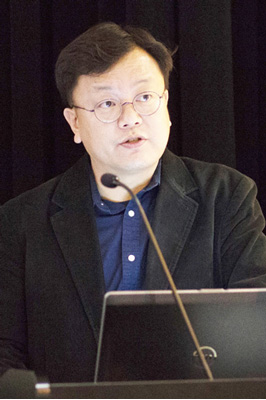
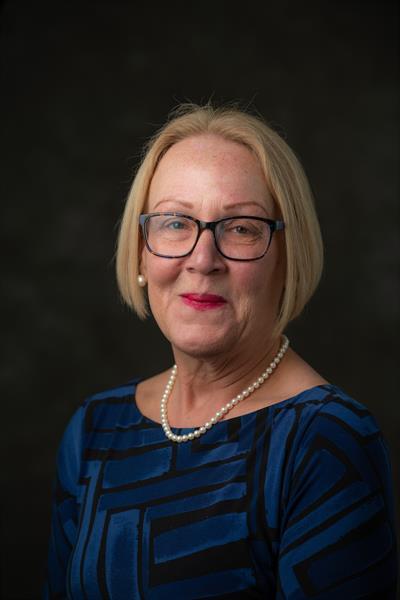
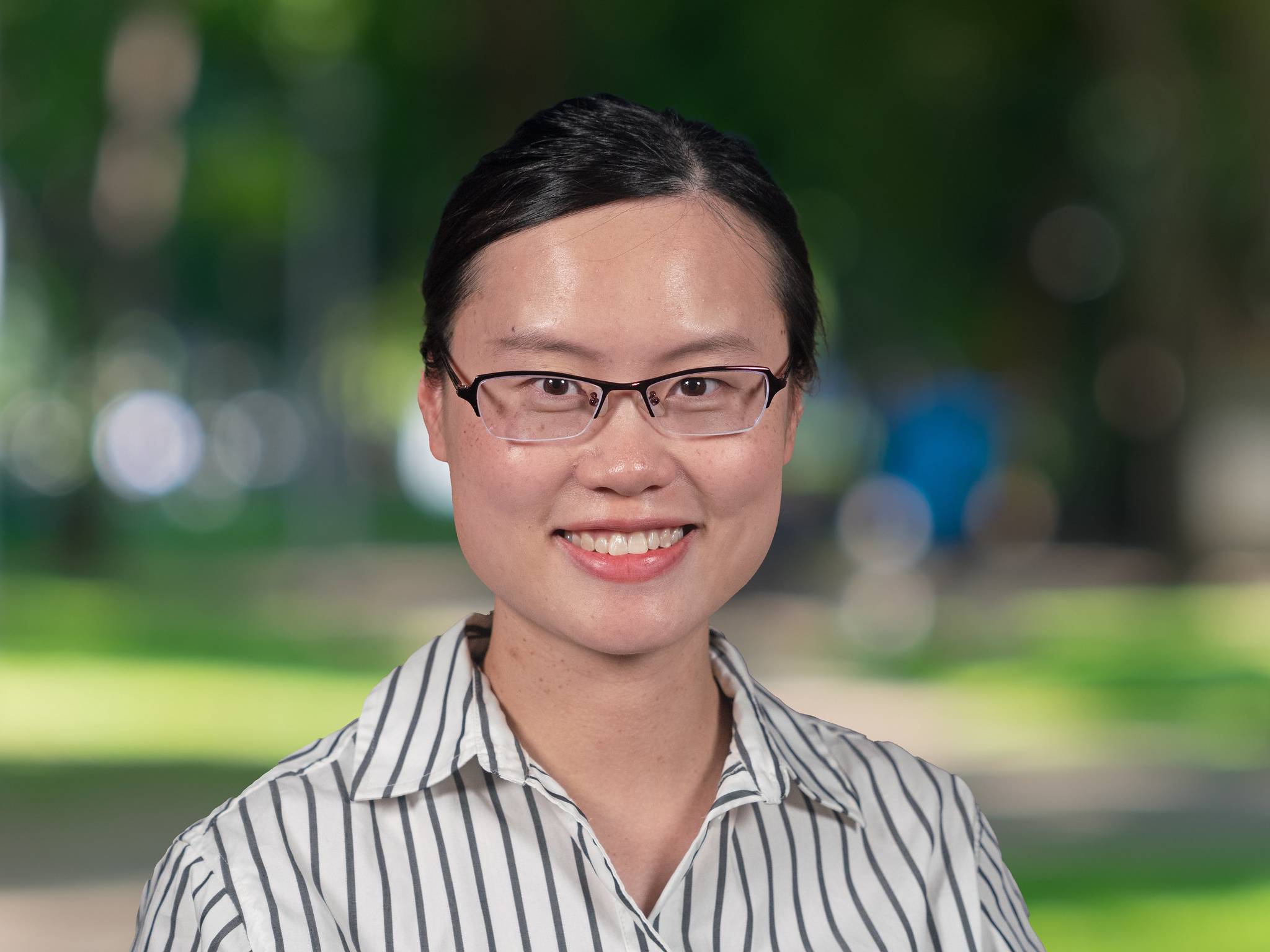
Anna Ljunggren is a Senior Lecturer and Specialist Dentist at Malmö University's Faculty of Odontology, where she serves as a senior dental officer. Her academic and clinical work focuses on oral pathology, endodontics, and the intersection of dental health with systemic medical conditions. Her research interests span several critical areas in dentistry including oral pathology, odontogenic tumors, endodontics, and the relationship between oral infections and systemic health conditions. Dr. Ljunggren has made significant contributions to understanding odontogenic tumors in Nordic populations, the impact of oral infections on organ transplantation outcomes, and pre-medical dental evaluation protocols. Her recent publications demonstrate a strong focus on clinical research with practical applications, particularly in the areas of tumor epidemiology, medical-dental interdisciplinary care, and evidence-based treatment protocols. Her work on odontogenic tumors represents one of the most comprehensive Nordic studies on this topic. Dr. Ljunggren collaborates extensively with researchers across Scandinavia and has contributed to systematic reviews and multicenter studies that inform clinical practice guidelines. Her research bridges clinical dentistry with medical specialties, particularly in contexts where oral health impacts broader patient care.
Maria Kalyva serves as a Lecturer in Endodontics at the Dental School of the European University Cyprus (EUC), where she maintains an active role in dental education and research within the Department of Dentistry. Her academic foundation includes advanced training from leading Greek institutions. Education: Doctorate in Dentistry (2010, Aristotle University of Thessaloniki) - Thesis: The role of transforming growth factor β1 (TGF β1) in pulpal repair. An experimental study Two-year postgraduate training in Endodontics (2001, Aristotle University of Thessaloniki) - Thesis: Etiology of apical cysts: Literature review and research protocol for in vitro lesion development Degree in Dentistry (1998, National and Kapodistrian University of Athens) Research Focus: Dr. Kalyva specializes in regenerative endodontics, investigating growth factor-mediated dentin formation, bioactive therapeutic protocols for endodontic lesions, and material science applications in root canal therapy. Her work bridges experimental dentistry with clinical translation through standardized preclinical testing frameworks. Publication Trends: Her scholarly output (2002-2010) demonstrates consistent innovation in dentin regeneration mechanisms and endodontic material performance. Key themes include TGF-β1 signaling in pulp repair, intratubular mineralization processes, and evidence-based evaluation of sealing technologies - reflecting a cohesive research trajectory toward biologically-driven endodontic solutions. Scientific Awards: No awards were documented in the provided materials. Grants & Service: She secured competitive funding including a Ministry of National Education doctoral scholarship (2002-2005) and PYTHAGORAS II research project (2005-2006). Currently active in the Greek Endodontologists Association, she served as General Secretary (2020-2022) and Council Member (2022), organizing scientific events and facilitating international collaborations. Research Infrastructure: Historical project involvement indicates experience with preclinical testing facilities at Aristotle University, though current laboratory affiliations at EUC are not specified in the source materials.
Ho-Wook Jun, Ph.D., is a Professor in the Department of Biomedical Engineering and the School of Medicine at the University of Alabama at Birmingham (UAB). He serves as the director of the graduate program in the Department of Biomedical Engineering and the School of Medicine at UAB, demonstrating significant leadership within the academic institution. Dr. Jun earned his B.S. in Textile Engineering and M.S. in Fiber and Polymer Engineering from Hanyang University in Seoul, Korea, followed by a Ph.D. in Bioengineering from Rice University in 2004. He completed his postdoctoral training as the Peter and Ruth Nicholas Postdoctoral Fellow at the Richard Smalley Institute for Nanoscale Science and Technology and the Department of Chemistry at Rice University from 2004-2006. In 2006, he joined the UAB faculty, establishing a distinguished academic career spanning nearly two decades. His primary research interests focus on biomaterials and tissue engineering , with specialized expertise in nanomatrix technology for cardiovascular applications. Dr. Jun's work bridges fundamental biomaterials science with translational medical applications, particularly in vascular access, stent technology, and regenerative medicine. His research program has evolved from foundational biomaterials development toward increasingly clinical applications, with recent work expanding into dental pulp regeneration and neuropathic pain management. Analysis of Dr. Jun's publication record reveals a consistent trajectory of innovation in bionanomatrix technology, with a strong emphasis on nitric oxide-releasing systems for vascular applications. His research demonstrates interdisciplinary collaboration across engineering, medicine, and industry, with publications spanning cardiovascular medicine, dentistry, neuroscience, and materials science, reflecting the versatility of his core nanomatrix technology platform. As director of the graduate program, Dr. Jun plays a pivotal role in mentoring the next generation of biomedical engineers. His entrepreneurial spirit is evidenced by his co-founding and role as chief scientific officer of Endomimetics LLC, a company focused on developing bionanomatrix coatings for cardiovascular stents and other medical implants, demonstrating the commercial translation potential of his research. Dr. Jun maintains an active research laboratory focused on developing biomimetic nanomatrix systems for various medical applications. His work involves collaboration with clinicians, basic scientists, and industry partners to translate laboratory discoveries into clinical solutions for vascular diseases, tissue regeneration challenges, and medical device improvements.
Dr. Pamela Yelick is a tenured full Professor in the Department of Basic and Clinical Translational Sciences at Tufts University School of Dental Medicine. She also holds professorial appointments in Biomedical Engineering at Tufts University School of Arts and Sciences and serves as a Graduate Biomedical Sciences Member in both the Genetics, Molecular and Cellular Biology and Pharmacology Programs at Tufts Graduate School of Biomedical Sciences. As Director of the Division of Craniofacial and Molecular Genetics, she leads significant research efforts in dental and craniofacial tissue engineering. Dr. Yelick received her Bachelor of Arts from Smith College in 1979 and her Ph.D. from Tufts University in 1989, followed by postdoctoral training in Molecular Biology at Dana-Farber Cancer Institute (1989-1991). Her research focuses on mineralized tissue development, homeostasis, disease, and regeneration. Her laboratory employs diverse models including zebrafish (Danio rerio), mammalian models (pig, mouse, rat), human healthy and diseased tissues, and 2D/3D in vitro and in vivo tissue engineering models for human cartilage, bone and tooth tissue engineering. She has pioneered work in dental tissue engineering and craniofacial development, establishing herself as an internationally recognized leader in these fields. Analysis of Dr. Yelick's recent publications reveals a strong focus on translational dental research, particularly in tooth regeneration, pulp regeneration, and biomaterial development. Her work increasingly integrates advanced technologies like 3D printing, hydrogel development, and zebrafish modeling to address fundamental questions in craniofacial development and to develop clinical solutions for dental tissue repair. Distinguished Scientist Award - Isaac Schour Memorial Award (2017) Dr. Yelick has secured substantial research funding from multiple sources including the National Institutes of Health (NIH), National Institute of Dental and Craniofacial Research (NIDCR), Department of Defense, and various foundations. Her grants portfolio demonstrates sustained research productivity and leadership in dental tissue engineering. She has mentored numerous graduate students through her roles in the Graduate Biomedical Sciences programs and provides extensive service to the scientific community through editorial work (Journal of Dental Research, 2016-2019) and grant review for NIH and other agencies. Her laboratory operates at the intersection of developmental biology, tissue engineering, and regenerative dentistry, with particular emphasis on creating bioengineered solutions for tooth and bone regeneration. The research team employs cutting-edge approaches to understand craniofacial development while developing clinically relevant tissue engineering strategies.
Dr. Jue Hu is an Assistant Professor in the Department of Nanoscience and Biomedical Engineering at the South Dakota School of Mines and Technology (South Dakota Mines), where she has been appointed since August 2024. She leads the Biomimetic Nanomaterials Lab, focusing on regenerative medicine strategies using biomaterials and stem cell technologies. Education B.S., Donghua University Ph.D., Textile Biomaterials and Technology, Donghua University Postdoctoral Fellow, University of Iowa Joint Ph.D. Researcher, National University of Singapore (2014-2016) Research Focus Dr. Hu's research integrates biomimetic nanomaterials, tissue engineering, and stem cell techniques to modulate cell-matrix interactions for tissue regeneration. Her lab designs nanofibrous/porous scaffolds, hydrogels, and drug/gene delivery systems to enhance stem cell differentiation and control inflammation. Key areas include extracellular vesicles, bone/dental regeneration, and anti-aging biomaterials, with techniques like thermally induced phase separation (TIPS) for scaffold fabrication. Publication Trends Her recent work (2016-2025) emphasizes nanoparticle-mediated gene/drug delivery for bone and dental regeneration, utilizing calcium carbonate, polydopamine, and core-shell nanofibers. Themes include inflammation modulation, stem cell differentiation, and scaffold design for craniofacial, alveolar, and nerve tissues, often targeting aging-related degeneration. Lab Initiatives The Biomimetic Nanomaterials Lab develops 3D scaffolds and microparticles for regenerative applications. Dr. Hu actively recruits PhD students (starting 2025) to explore biomaterials, cell-matrix dynamics, and therapeutic delivery systems. Current projects focus on extracellular vesicles and biomimetic drug release.
Ya Shen is a Professor in the Department of Oral Biological & Medical Sciences at the University of British Columbia's Faculty of Dentistry. She actively supervises graduate students in the Craniofacial Science MSc and PhD programs through the Graduate and Postdoctoral Studies (G+PS) unit, focusing on thesis-based research in dental biomaterials and endodontic innovations. Her research spans multiple critical areas in modern dentistry: Advanced endodontic instrumentation and irrigation techniques Development of stimuli-responsive biomaterials for pulp regeneration Nanotechnology applications for long-term antimicrobial activity Robotic and imaging-guided surgical interventions Oral biofilm management using natural compounds and peptides Calcium silicate-based sealer performance evaluation Analysis of her 15 most recent publications (2024-2025) reveals a strong trajectory toward integrating engineering principles with clinical dentistry. Key trends include computational fluid dynamics for irrigation optimization, multi-national educational assessments, and the convergence of robotics with microsurgical techniques. Her work consistently employs advanced methodologies like limited FOV CBCT, hydrodynamic cavitation systems, and ROS-responsive hydrogels to address persistent challenges in root canal disinfection and pulp regeneration. As a research supervisor, Professor Shen mentors graduate students in Craniofacial Science through UBC's structured thesis programs, emphasizing evidence-based approaches to endodontic material science and clinical technique refinement. Her laboratory work appears centered on ex vivo and in vitro models that simulate complex clinical scenarios, particularly focusing on biofilm eradication in anatomically challenging root canal systems.
Dr. Xuebin Yang is an Associate Professor in Stem Cell Therapy and Tissue Engineering at the University of Leeds School of Dentistry, Faculty of Medicine and Health. He serves as the Deputy Pro Dean: International for the Faculty of Medicine and Health and the School Internationalisation Lead for the School of Dentistry. Dr. Yang also holds honorary/visiting professor positions at Nanjing University, Henan University of Science and Technology, Polytechnic Institute of Leiria, and Tokyo Women's Medical University. Dr. Yang received his first degree in medicine from Luoyang Institute of Science and Technology (formerly Luoyang University) in 1984 and an MSc degree in hand surgery from Fudan University (formerly Shanghai Medical University) in 1992. After obtaining a PhD in tissue engineering from the University of Southampton in 2002, he was appointed to a University Research Fellowship at the University of Leeds School of Dentistry in 2004. His research focuses on using human mesenchymal stem cells (from bone marrow, dental pulp, periodontal ligament and adipose tissue) and biomaterials scaffolds (PLA/PLGA, silk, BioGlass, glass ceramics, 3D printed scaffolds, hydrogel) for skeletal tissue engineering (bone, cartilage, osteochondral, dental pulp, dentine, periodontal tissues) both in vitro and in vivo. In collaboration with biologists and material scientists, he works on using signaling pathways, genetic and epigenetic approaches for controlling stem cell functionality and developing biomimetic, functional scaffolds for tissue engineering applications. Analysis of Dr. Yang's recent publications reveals a strong focus on epigenetic regulation of stem cells for bone regeneration, with particular emphasis on the HDAC inhibitor MI192. His work spans biomaterial development (particularly silk-based scaffolds), vascularization of engineered tissues, and innovative approaches to dental and skeletal tissue engineering. The publications demonstrate a progression from fundamental stem cell biology to increasingly translational research with clinical applications. University Research Fellowship at the University of Leeds School of Dentistry (2004) Head of Tissue Engineering Research (2005) Principal Research Fellow (2006) Treasurer/Trustee of British Orthopaedic Research Society Committee Member of regional/national/international panels Chair for prestigious conferences (BORS, TERMIS WC/AP/EU) Dr. Yang has supervised 12 Masters students, 23 PhD students (including co-supervising students at King's College London, Imperial College London and University of York), and 11 Postdoctoral or visiting Fellows in stem cell therapy and skeletal tissue engineering. He has secured significant research funding from organizations including The Royal Society, Bone Cancer Research Trust, The British Council, Welcome Trust, and EU FP7. His current research involves multiple international consortia with partners in the USA, Australia, New Zealand, Japan, China, Korea, India, and EU countries, as well as strong collaborations with industry partners in the UK, USA, Israel, and China. Dr. Yang leads the Tissue Engineering initiative at the School of Dentistry and is actively involved in large research programmes including WELMEC, DTC, CDT, LMBRU, Regener8, and IKC. His laboratory focuses on developing innovative approaches to skeletal tissue engineering using biomimetic scaffolds and epigenetically-modulated stem cells.
Dr. Wenjian Zhang is an Associate Professor and Division Director of Oral and Maxillofacial Radiology at East Carolina University (ECU) School of Dental Medicine. Previously, she served as faculty at the University of Texas School of Dentistry at Houston. She holds a DDS from Xian Jiaotong University (China), MS in Oral Medicine from Wuhan University (China), and a PhD in Biomedical Sciences from the University of Connecticut. Her research focuses on advanced dental imaging technologies like CBCT, with emphasis on clinical applications in periodontology, bone biology, and infection pathogenesis. She is a Diplomate of the American Academy of Oral & Maxillofacial Radiology and certified by the American Board of Oral & Maxillofacial Radiology. Education: DDS, School of Dentistry, Xian Jiaotong University, China MS, School of Dentistry, Wuhan University, China PhD, Graduate School, University of Connecticut Health Center Certificate in Oral & Maxillofacial Radiology, University of Connecticut Health Center Research Interests: Clinical and research applications of advanced digital and CBCT imaging Periodontal disease mechanisms and diagnostics Bacterial interactions with bone and dental tissues Regenerative dentin and bone therapies Publications focus on CBCT applications in implant planning, bacterial pathogenesis in bone diseases, and imaging technology comparisons. Recent work emphasizes mandibular anatomy analysis and osteoblast responses to infections. Her research bridges clinical imaging needs with biomedical discoveries in oral health. Scientific Awards: Diplomate, American Academy of Oral & Maxillofacial Radiology Board Certified, American Board of Oral & Maxillofacial Radiology Professional Activities: Member, American Academy of Oral & Maxillofacial Radiology (AAOMR) Member, American Board of Oral & Maxillofacial Radiology (ABOMR) Member, American Dental Association (ADA) Member, American Dental Education Association (ADEA)
Dr. Jaleh Barar is a Professor at Nova Southeastern University's Barry and Judy Silverman College of Pharmacy, specializing in multifunctional drug delivery systems and nanomedicine. She holds a Pharm.D. from Tabriz University of Medical Sciences (1994) and a Ph.D. from Cardiff University (2004). As Editor-in-Chief of Bioimpacts , she contributes to advancing biomedical research. Her teaching spans courses like Pharmacy Skill Development II and Advanced Topics in Pharmaceutical Sciences . Her research focuses on cancer drug development, gene/protein therapeutics, and targeted nanomedicines. Key achievements include over 230 peer-reviewed articles (H-index 49), 17 book chapters, and recognition as a top 1% global scientist by WoS-ESI since 2020. She has supervised 40+ PharmD and 20+ Ph.D. students, emphasizing translational research in drug delivery and regenerative medicine. Dr. Barar’s work bridges nanotechnology and medicine, with innovations in hydrogels, aptamer-functionalized nanoparticles, and mRNA vaccine carriers. Her studies explore applications in osteogenesis, ocular delivery, and photothermal cancer therapy. Her awards reflect her global impact in biomedical innovation. Her lab focuses on scaffold-free tissue engineering, smart biomaterials, and nanoscale theranostics. She collaborates internationally to address challenges in drug delivery, with a focus on overcoming biological barriers and enhancing therapeutic efficacy through nanomedicine platforms.
Professor Ove A. Peters is a Professor of Endodontics and Head of Clinical Dentistry & Discipline Lead in Endodontics at the University of Queensland's School of Dentistry. Previously, he held faculty positions at institutions in Germany, Switzerland, and the United States, including founding the postgraduate endodontic program at the Arthur A. Dugoni School of Dentistry in San Francisco. He is affiliated with the Centre for Orofacial Regeneration, Reconstruction and Rehabilitation (COR3). Research Interests: Dr. Peters specializes in endodontic technology, root canal preparation techniques, biomaterials in endodontics, and regenerative approaches in dentistry. His work emphasizes clinical outcomes, material biocompatibility, and translational research in dental stem cell therapies. He has authored two books and contributed to leading textbooks, while also serving on editorial boards of journals like the International Endodontic Journal . Awards: He has received the Hans Genet Award (European Society of Endodontology) and the Louis I. Grossman Award (American Association of Endodontists). He is a Fellow of the International and American Colleges of Dentistry. Publications: His 230+ journal articles span topics like root canal biomechanics, material fatigue analysis, and clinical decision-making in endodontics. Recent work focuses on regenerative endodontics, antimicrobial materials, and finite element modeling of dental structures. Teaching & Innovation: He has pioneered educational tools like 3D-printed models for endodontic training and distance learning courses using dental microscopes. His research also explores AI applications in dental imaging and teledentistry.
Dr. Marco C. Bottino is the Robert W. Browne Endowed Professor in the Department of Cariology, Restorative Sciences, and Endodontics at the University of Michigan School of Dentistry. He also serves as Director of Research in CRSE and Director of the Postgraduate Program in Regenerative Dentistry. His work focuses on regenerative biomaterials and biofabrication, with applications in dental, oral, and craniofacial tissue repair. Research Interests: 3D Bioprinting and Biofabrication of patient-specific scaffolds Antimicrobial drug delivery for root canal disinfection Smart dental biomaterials for durable restorations Tissue engineering strategies for periodontal and craniofacial regeneration Awards: IADR Centennial Emerging Leader Award Young Investigator Awards (IADR Pulp Biology & Implantology) NIH Mentored Clinical Scientist Research Career Development Award Fellow of the Academy of Dental Materials (ADM) Lab & Grants: Bottino Lab at U-M School of Dentistry Funded by NIH, industry, and foundations Developed novel biomaterials platforms including 3D-printed bone scaffolds and antimicrobial nanofibers Labs/Teams: Leads a multidisciplinary team including postdocs, researchers, and undergraduate students focused on translational regenerative solutions. Current projects involve bioprinting personalized periodontal membranes and injectable collagen scaffolds for pulp regeneration.
Kenneth R. Wright, PhD, is a Professor in the Department of Pathology and Human Anatomy at Loma Linda University's School of Medicine. He holds multiple program director roles for the SM-Anatomy PhD/MS programs and the SM-Biomedical Sciences/Medicine MMS program. His academic journey includes a PhD from Loma Linda University (1992) and a Master of Arts in Religion and Society (2019), emphasizing the intersection of religion and science. He teaches courses like Oral Histology, Cell Structure & Function, and directs student research. Wright actively mentors graduate students in anatomy, biomedical sciences, and endodontics. Research Interests: Wright's work bridges anatomy and biomedical sciences, with focuses on bone biology, endodontic therapies, and the philosophical integration of faith and science. His studies include osteoclast biology, bone regeneration, and the application of biomaterials in dentistry. He also explores theological themes through theater, addressing science-religion intersections. His research outputs span over three decades, with key contributions in bone disease mechanisms, dental tissue regeneration, and fossil bone preservation. He has served on numerous academic committees, including curriculum development for dental and biomedical programs, and contributed to international education initiatives in Liberia. Wright is involved in community service, including fresh produce distribution and composting projects.
Anibal Diogenes, D.D.S./Ph.D., is a clinician scientist and Clinical Professor at the Department of Endodontics, School of Dentistry, UT Health San Antonio. He completed his dental training in Brazil, followed by an M.S. in Molecular Biology at the University of Nebraska and a Ph.D. in Pharmacology at UT Health San Antonio, specializing in Endodontics. His research focuses on understanding how peripheral nociceptors interact with immune cells, bone metabolism cells, and mesenchymal stem cells during inflammation and repair processes, particularly in dental infections and pain management. He balances patient care, administrative duties, and research while mentoring students to train the next generation of clinicians and scientists. Education: D.D.S./Ph.D. dual degree, M.S. Molecular Biology, Ph.D. Pharmacology Research Themes: Pain modulation in infections, neuro-immune interactions, regenerative endodontics Teaching Philosophy: Passionate about nurturing scientific curiosity and clinical excellence Diogenes emphasizes translational research to bridge clinical challenges with scientific discovery, aiming to improve regenerative therapies and pain management strategies in dentistry. His work explores how neuronal signals influence inflammation resolution and tissue regeneration, with potential applications in spinal cord repair using dental stem cells.
Ikhlas El Karim is a Clinical Professor at Queen's University Belfast's School of Medicine, Dentistry and Biomedical Sciences, where she leads research in regenerative endodontics and orofacial pain at the Wellcome-Wolfson Institute for Experimental Medicine. Her work bridges clinical dentistry with basic science to develop biologically-based therapies for inflammatory dental diseases. Her research program focuses on: Dental pulp stem cell differentiation and regeneration Neuronal signaling in inflammatory pain pathways Links between oral infections and systemic inflammation Minimal intervention strategies for pulp preservation Recent publications demonstrate strong emphasis on: Clinical validation of pulpitis classification systems European endodontic guideline development Biophysical enhancement of regenerative procedures Immunological mechanisms in pulp repair Dental education during the COVID-19 pandemic Her contributions have been recognized through multiple awards including the British Endodontic Society Research Prize and Fellowship of the Royal College of Surgeons.
Feng Gao is an Assistant Professor at Midwestern University's College of Dental Medicine - Illinois. His research focuses on dental biomaterials, oral biology, and radiation biology, with a particular emphasis on bioengineered hydrogels, antimicrobial materials, and radiation injury mitigation. He holds academic appointments in the Doctor of Dental Medicine (D.M.D.) program and contributes to predoctoral training in clinical and biomaterials research. Research Interests: Dental Biomaterials (e.g., chitosan hydrogels for dentin regeneration), Oral Biology (antimicrobial materials, dental primer development), and Radiation Biology (radiation-induced lung injury biomarkers, delayed radiation effects in animal models). Recent publications highlight advancements in injectable hydrogels for tissue regeneration, photobiomodulation therapies, and radiation countermeasures. His work bridges dental materials science with translational medicine, addressing clinical challenges in pain management and regenerative therapies. Professional Affiliations: Midwestern University, Downers Grove Campus, College of Dental Medicine - Illinois.