University Medical Center Hamburg-EppendorfGermany
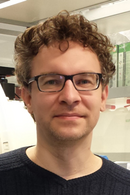
Martin Gosau is a Professor at the Clinic and Polyclinic for Oral and Maxillofacial Surgery within the Medical Faculty of the University Medical Center Hamburg-Eppendorf (UKE). His research focuses on Oral Surgery , Maxillofacial Surgery , and Regenerative Medicine , with a strong emphasis on Dental Implants , Head and Neck Cancer , and Oral Pathology . University: University Medical Center Hamburg-Eppendorf School: Medical Faculty Department: Oral and Maxillofacial Surgery Academic Rank: Professor His recent work explores: Oral Health in Genetic Disorders (e.g., hypophosphatasia) Advanced Surgical Techniques (e.g., nanosecond lasers, fluorescence angiography) Biomaterials and Tissue Engineering (e.g., silk fibroin membranes, extracellular vesicles) Cancer Prognostics (e.g., DCBLD1 overexpression in HNSCC) Key trends in his 15 most recent articles include applications of machine learning in oral diagnostics, stem cell research for bone regeneration, and biomaterials in reconstructive surgery. He frequently collaborates with Ralf Smeets and Thomas Vollkommer , with publications spanning Frontiers in Immunology , Oral Surgery , and Scientific Reports .
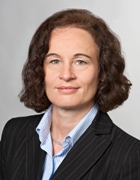
Professor Martin Peifer is a computational cancer genomics researcher at the University of Cologne, where he leads the Department of Translational Genomics. He serves as Principal Investigator of the Peifer Lab, which focuses on developing computational methods to analyze cancer genome sequencing data. His work is deeply integrated with the Center for Data and Simulation Science and he is an active member of the International Cancer Genome Consortium and the Pan-Cancer Analysis of Whole Genomes project. Peifer's research interests center on computational approaches to understanding cancer biology, with particular emphasis on tumor evolution and genome instability mechanisms. His lab develops methods to analyze somatic genome alterations including point mutations, copy number changes, and rearrangements. They also create computational tools for integrative genome analyses, tumor evolution reconstruction, and single-cell sequencing data analysis (both RNA and DNA). His interdisciplinary team applies high-performance computing and machine learning to interpret complex cancer sequencing data, aiming to better understand tumorigenesis, clonal evolution, and therapy resistance. Analysis of Peifer's extensive publication record reveals a strong focus on neuroblastoma and lung cancer genomics, with particular attention to tumor evolution patterns and genomic instability mechanisms. His work spans multiple cancer types but maintains consistent themes of computational methodology development and application to understand cancer progression and treatment resistance. The publications demonstrate increasing sophistication in analyzing intra-tumor heterogeneity and clonal dynamics over time. Peifer leads an active research group including postdoctoral fellows (Joel Kaufmann, Dr. Stephanie Pabel, Agnieszka Rumińska) and PhD students (Magdalena Seiffert, Justinas Valiulis). His lab is involved in the Collaborative Research Center 1399 focused on Mechanisms of Drug Sensitivity and Resistance in Small Cell Lung Cancer, indicating significant grant funding and collaborative research efforts. The Peifer Lab operates at the intersection of computational biology and cancer research, maintaining an interdisciplinary approach that combines bioinformatics, machine learning, and high-performance computing to address complex questions in cancer genomics. Their work has significant implications for understanding cancer evolution and developing more effective treatment strategies.
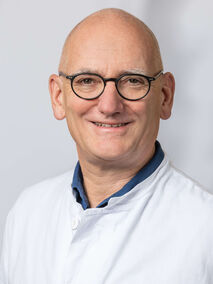
Rex Hung is an Associate Professor of Pathology at Harvard Medical School and serves as an Associate Pathologist at Massachusetts General Hospital . His academic career focuses on Bone and Soft Tissue Pathology , Cardiovascular Pathology , and Pulmonary Pathology , with significant contributions to cancer research.
University Medical Center Hamburg-EppendorfGermany
Jakob Körbelin is a Principal Investigator at the University Medical Center Hamburg-Eppendorf (UKE), affiliated with the Faculty of Medicine and the II. Medical Clinic and Polyclinic. His research focuses on vascular biology, gene therapy, and neurological disorders, particularly targeting the blood-brain barrier using adeno-associated viral (AAV) vectors. He leads studies on pulmonary hypertension, neurovascular interactions, and genetic diseases like Niemann-Pick type C2. His work bridges basic science and translational medicine, emphasizing AAV engineering and therapeutic applications. Key research interests include endothelial cell biology, neuroinflammation, and the pathophysiology of vascular diseases. Notably, he received the UCCH Hubertus Wald Young Investigator Award 2013 for his contributions. His lab explores mechanisms of vascular dysfunction, gene delivery optimization, and the impact of viral vectors in treating rare diseases. Collaborations span molecular neurobiology, immunology, and translational oncology. Publications highlight breakthroughs in AAV-mediated therapies, such as reversing neurodegeneration in NPC2 models and identifying novel targets for pulmonary hypertension. Ongoing projects address microvascular brain pathology in SARS-CoV-2 infection and the role of transcription factors in vascular diseases.
Prof. Dr. Martin Witzenrath serves as Medical Director CC 12 and Director of the Clinic for Pulmonology, Respiratory Medicine and Intensive Care Medicine with the Department of Sleep Medicine at Charité – University Medicine Berlin. He operates across multiple campuses including Campus Benjamin Franklin (CBF), Campus Charité Mitte (CCM), and Campus Virchow-Klinikum (CVK) as part of the Joint Department of Infectious Diseases, Respiratory Medicine and Critical Care Medicine. His clinical and academic focus centers on respiratory pathologies, critical care interventions, and sleep-related disorders, with particular emphasis on the intersection between infectious diseases and pulmonary conditions. The department maintains a multidisciplinary approach to complex respiratory cases requiring intensive care support. Based at the Virchowweg 10 visiting address within the Charité Mitte Campus infrastructure, his work bridges clinical practice with academic medicine through Berlin's largest university hospital system.
Prof. Agnes Görlach is a Professor of Experimental and Molecular Pediatric Cardiology at the Technische Universität München (TUM), affiliated with the TUM School of Medicine and Health. She leads the Department of Experimental Pediatric Cardiology at the German Heart Center Munich. Her research focuses on oxygen biology, hypoxia, oxidative stress, and their roles in cardiovascular diseases, inflammation, and tumor biology. Education: Studied human medicine in Munich and Bochum, completed her PhD at the Max Planck Institute of Molecular Physiology (Dortmund). Habilitation in physiology (2001) at Johann Wolfgang Goethe University Frankfurt. Held visiting professorships at the University of Zurich and Aix-Marseille University (France). Research emphasizes hypoxia-induced mechanisms, NADPH oxidase regulation, and their implications in pulmonary hypertension, tumor hypoxia, and vascular pathologies. Active in the German Center for Cardiovascular Research as a principal investigator since 2011. Awards: Otto Hahn Medal (1992), Lederle Prize (1992), Nick McNally Prize (1991), De Castro-Heymans-Neil Prize (1991) Key Contributions: Elucidated hypoxia’s role in NOX4 regulation, cross-talk between p22phox and ATF4, and ER stress pathways in ADAM17 activation. Grants and collaborations: Extensive funding through German research initiatives. Lab integrates molecular physiology, cell biology, and translational cardiology.
Prof. Dr. Michael Guckert is a Professor of Business Informatics - Artificial Intelligence at the Department of MND (Management, Natural Sciences, Design) at Technische Hochschule Mittelhessen (THM). He serves as Spokesperson of the KITE Competence Center, Board member at hessian.AI, and Director at StudiumPlus. His research spans multiple domains with a strong focus on AI applications in medical contexts and multi-agent systems. Dr. Guckert's research interests center on applying artificial intelligence to solve complex problems across multiple domains. His primary focus is on medical applications, particularly using AI for electrocardiogram (ECG) analysis, cardiac pathology detection, and clinical decision support systems. He also maintains significant research in multi-agent systems for traffic simulation, model-driven development approaches, and trustworthy/explainable AI systems. His work bridges theoretical AI development with practical applications in healthcare, manufacturing, and transportation. Analysis of Dr. Guckert's recent publications reveals a clear trend toward medical AI applications, particularly in cardiology. His work on the RisKa project demonstrates how AI can interpret ECG data to detect heart conditions, with significant emphasis on explainability and trustworthiness. Parallel to this medical focus, he maintains active research in multi-agent traffic simulation systems (AGADE), acoustic emission analysis, and model-driven development approaches. The publications show increasing collaboration with medical researchers, indicating a strategic focus on interdisciplinary AI applications in healthcare. Dr. Guckert leads the RisKa project (2022-2024), a €736,682 initiative funded by the Ministry for Digital Strategy and Development, which develops an AI-based clinical decision support system for ECG analysis. His research group at THM KITE Competence Center collaborates with Justus Liebig University in Giessen on biomarker research. He has secured multiple research grants for projects involving AI in medical diagnostics, traffic simulation, and manufacturing quality control. His work demonstrates strong industry-academia collaboration, particularly in applying AI to solve real-world problems in healthcare and transportation. Dr. Guckert directs the KITE Competence Center at THM, which focuses on information technology research and applications. His team includes researchers specializing in medical AI, multi-agent systems, and model-driven development. The RisKa project team specifically brings together computer scientists and cardiologists to develop clinically useful AI tools. His work with hessian.AI positions him at the forefront of AI development in the Hesse region of Germany, facilitating collaboration between academic and industry partners.
Prof. Dr. Jennifer Hannig is a leading researcher in Explainable Artificial Intelligence (XAI) and computational biology at the Technical University of Mittelhessen's KITE Competence Center. Her work bridges AI transparency with applications in cardiology, digital pathology, and smart home technologies, focusing on interpretable algorithms for safety-critical domains. Junior Research Group Leader, TimeXAI project (2024-2027, €1.09M) Collaborations with Kerckhoff Clinic, CRS medical GmbH, and Veli GmbH Member of good scientific practice committee Mentor at Mentoring Hessen and AI Grid initiative Research Focus : Developing human-understandable XAI methods for time series classification, particularly in cardiovascular diagnostics and smart home monitoring. Her approach combines mathematical modeling (Petri nets) with deep learning to ensure reliable AI decision-making. Scientific Contributions : Key publications in PLOS Computational Biology , Frontiers in Digital Health , and Bioinformatics , with h-index of 8. Developed AI models for myocardial scar detection, Hodgkin lymphoma analysis, and manufacturing predictions. Poster Award – 1st Place (German Conference on Bioinformatics, 2013) ECCB 2016 Travel Award Contact: jennifer.hannig@kite.thm.de
Dr. Martin Dierolf is a researcher at the Technical University of Munich (TUM), working within the Department of Physics and the Chair of Biomedical Physics led by Prof. Dr. Franz Pfeiffer. He is actively involved in research related to X-ray imaging, particularly focusing on the Munich Compact Light Source (MuCLS) and its applications in biomedical research. His work spans both the optimization of the MuCLS machine performance and the development of experimental methods for biomedical applications. Dr. Dierolf's primary research interests include: Optimization of the Munich Compact Light Source (MuCLS) for biomedical research Development of experimental and algorithmic methods for ptychography Biomedical applications of ptychographic coherent diffractive imaging (PCDI) Wave-field characterization of focusing optics Scanning transmission X-ray microscopy Grating-based phase-contrast imaging techniques His recent publications demonstrate a strong focus on advancing X-ray imaging techniques, particularly using compact light sources. His work spans from fundamental physics of X-ray optics to practical medical applications, with particular emphasis on breast imaging, renal tissue analysis, and cardiovascular applications. A significant portion of his recent work focuses on the Munich Compact Light Source and how to optimize its use for various biomedical applications. Dr. Dierolf has received recognition for his academic supervision, having been awarded the Supervisory Award of the Graduate Center of the TUM Department of Physics in both 2019 and 2021. He has also received Best Poster Awards at international conferences in 2008 and 2009. As an educator, Dr. Dierolf serves as a lecturer and teaching assistant for courses in Modern X-Ray Physics at TUM. He is scheduled to teach in the Winter term 2025/26, indicating his ongoing active role at the university. His research is conducted within the framework of the Munich Compact Light Source facility, which represents a significant advancement in making synchrotron-like X-ray sources accessible in laboratory settings. This work has potential applications across multiple biomedical fields, from cancer research to cardiovascular imaging.
Professor Felix Herth serves as Chief Physician of Pneumology and Respiratory Medicine and Medical Director of the Thoracic Clinic at Heidelberg University Hospital. He is a prominent figure in the field of respiratory medicine with a distinguished career spanning over two decades. His educational and professional milestones include becoming a Specialist in Internal Medicine in 1997, obtaining subspecialty certification in Pulmonology in 1998, and being appointed Professor in 2006. He earned the distinction of Fellow of the College of Chest Physicians (FCCP) in 2001 and was recognized as a European Health Leader in 2015. Professor Herth's research focuses on interventional pulmonology, lung cancer, interstitial lung diseases, mechanical ventilation, and lung volume reduction techniques. His work has significantly advanced bronchoscopic interventions, particularly in endobronchial ultrasound, transbronchial cryobiopsy, and endobronchial valve treatments for emphysema. His publication record shows consistent scholarly output with over 600 publications through 2025, with recent work addressing multiple primary lung cancer, tracheal tumors, pulmonary nodules, and post-COVID respiratory conditions. His research demonstrates a clear trajectory from technical aspects of bronchoscopy to broader clinical applications and guidelines. Among his notable honors are recognition as a Fellow of the College of Chest Physicians and designation as a European Health Leader. He is listed as an expert in the Leading Medicine Guide. Professor Herth maintains active memberships in numerous professional organizations including the European Respiratory Society, American Association of Bronchology, World Association of Bronchology, and European Association of Bronchology and Interventional Pulmonology.
University Medical Center Hamburg-EppendorfGermany
Prof. Dr. med. Alexandra M. Preisser is a senior physician and professor at the University of Hamburg's Faculty of Medicine, affiliated with the Center for Psychosocial Medicine's Professorship of Occupational Medicine and Maritime Medicine. She holds roles as head of a scientific working group and deputy director of her institute. Her expertise spans occupational medicine, pneumology, and environmental health, with a focus on workplace-related respiratory diseases, exposure assessment, and occupational asthma diagnostics. Education details are not explicitly listed, but her extensive publication record indicates advanced training in occupational health and pulmonology. Research interests include occupational lung diseases, inhalation challenges, and ergonomic risks in industries like offshore wind energy and municipal waste management. Recent articles analyze exposure assessment methods for obstructive lung diseases, long-term effects of cold environments on lung function, and musculoskeletal risks in offshore workers. Key contributions include guidelines for lung function diagnostics, asthma management, and occupational silicosis evaluation. Recipient of no explicitly mentioned awards, but contributes to major clinical guidelines and multidisciplinary research initiatives. Advising and grants: Active in ergonomic studies for waste workers and offshore personnel, evaluating new shift schedules for police officers. Labs/teams: Leads research groups on inhalation testing (AIT) and collaborates with international networks like E-PHOCAS for occupational asthma phenotyping.
Herbert Schiller is a Director of the Research Unit for Precision Regenerative Medicine (PRM) at Helmholtz Munich and a Professor for Systems Biology of the Airways and Lungs at the Medical Faculty of Ludwig Maximilian University (LMU) Munich. Previously, he served as Deputy Director of the Institute of Lung Health and Immunity (LHI) and held adjunct faculty positions at the Institute of Lung Health in Giessen, Germany. M.Sc. in Biology and Genetics (University of Vienna, 2004-2008) Ph.D. in Molecular Immunology (Medical University of Vienna, 2008) Postdoctoral training at Max Planck Institute of Biochemistry (2009-2015) His research focuses on extending human healthspan by studying genetic and environmental drivers of chronic lung disease and aging through experimental systems biology and AI-driven approaches. Key areas include: Pulmonary systems biology Regenerative medicine and stem cell biology Extracellular matrix and mechanobiology Single-cell genomics Biology of aging and autoimmune diseases His work emphasizes cross-disciplinary methods like human lung organotypic models and mass spectrometry proteomics. Research trends include lung fibrosis mechanisms, integrin-mediated mechanosensing, and AI applications in chronic disease modeling. Scientific distinctions include: W2 Professorship at LMU Munich Dick Heinegard European Young Investigator Award Helmholtz Young Investigator award German Respiratory Society (DGP) research prize EMBO long term fellowship He has secured research grants from the German Research Foundation (DFG), Chan Zuckerberg Initiative (CZI), and the European Commission. His lab employs cutting-edge single-cell RNA-seq, proteomics, and ex vivo tissue perturbation techniques to elucidate lung disease mechanisms.
Martha Pitman, MD is a Professor of Pathology at Harvard Medical School and a Pathologist at Massachusetts General Hospital . As Director of the Cytopathology Laboratory and Fine Needle Aspiration Biopsy Service , she leads a team of eight cytopathologists and oversees clinical, educational, and research activities. Research Interests: Her work focuses on pancreaticobiliary cytopathology , including the clinical utility of fine needle aspiration (FNA) biopsy , preoperative diagnosis of pancreatic cysts , and development of international reporting standards. She is a principal author of the Papanicolaou Society System for Reporting Pancreaticobiliary Cytology and co-author of the WHO Classification of Tumours of the Digestive System . Publications highlight her leadership in standardizing diagnostic criteria for pancreatic and biliary tract diseases, with a focus on mucinous cysts, intraductal papillary neoplasms, and molecular assessment of brushing specimens. She has contributed to consensus guidelines and systematic reviews on pancreatic pathology. Scientific Awards: President-Elect, American Society of Cytopathology Labs & Teams: At Mass General, she directs a Cytopathology Laboratory staffed by cytopathologists, cytotechnologists, and medical technologists. The lab is accredited for cytopathology fellowships and emphasizes quality patient care, education, and translational research in cytological specimen procurement.
University Medical Center Hamburg-EppendorfGermany
Theresia Herget is a Researcher at the Institute of Human Genetics , affiliated with the Faculty of Medicine, University of Hamburg . Her work focuses on human genetics , neurodevelopmental disorders , and genetic diagnostics . Medical Specialist in Human Genetics Key Collaborations with international research groups Contributor to 14+ peer-reviewed publications (2020–2024) Research Interests: Her research explores genotype-phenotype correlations , neurogenetics , and rare genetic diseases through clinical case studies and exome sequencing. Publication Trends: Recent work spans topics such as ion channelopathies , Golgi apparatus dysfunction , and mitochondrial disorders , often involving collaborative studies with multinational teams.
Rhenish Friedrich Wilhelm University of BonnGermany
PD Dr. Christina Katharina Weisheit is a Consultant Anesthesiologist and Principal Investigator at the Department of Anesthesiology and Intensive Care Medicine, Medical Faculty, University of Bonn, and will move to the University Hospital Cologne in February 2025. She leads the Weisheit Research Group and is a co-Principal Investigator in the SFB TRR259 project. She is a member of the Excellence Cluster Immunosensation2 and the ACCENT Program for Advanced Clinician Scientists. Research Interests: Her research focuses on elucidating the immunological and molecular mechanisms underlying aortic valve stenosis, left ventricular hypertrophy, and infective endocarditis. She investigates the roles of aging, the gut microbiome, and epigenetic modifications in immune dysfunction during critical illness. Her group employs advanced techniques including multiparameter FACS, immunofluorescence microscopy, and molecular biology. A key translational goal is the development of nanoparticle-based drug delivery systems for targeted therapy in cardiovascular diseases and the identification of novel biomarkers for early detection and treatment. Publication Trends: Her recent publications span from basic immunology (e.g., neutrophil function, macrophage subsets) to clinical-translational research (e.g., anesthetic management in aortic stenosis, sustainability in surgery). A strong theme is the interplay between immunity and cardiovascular pathology, with increasing focus on microbiome influences, aging, and epigenetic regulation in sepsis and cardiac remodeling. Her work bridges experimental models with human patient samples. Scientific Awards and Memberships: Member, Excellence Cluster Immunosensation2 Member, ACCENT Program Bonn for Advanced Clinician Scientists Advising and Grants: She mentors a diverse team including doctoral candidates, master's students, and medical researchers. Her research is supported by competitive third-party funding, including a DFG individual grant (Project Number: 535107899), a subproject in SFB TRR259 (Project A01), and funding from DLR for the CovidDataNet.NRW project at the Bonn site. Labs and Teams: She leads the AG Weisheit research group at the University Hospital Bonn, which is embedded within the Institute for Experimental Immunology and Molecular Medicine. Her team collaborates extensively with cardiology, microbiology, and immunology experts across Bonn, Cologne, and internationally (e.g., Harvard Medical School). Her lab focuses on translational cardiovascular immunology and is part of a larger interdisciplinary network investigating aortic diseases.