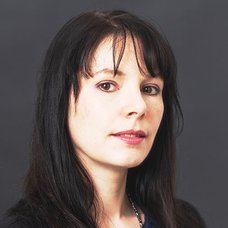
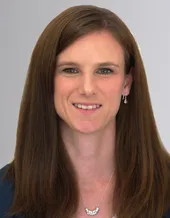
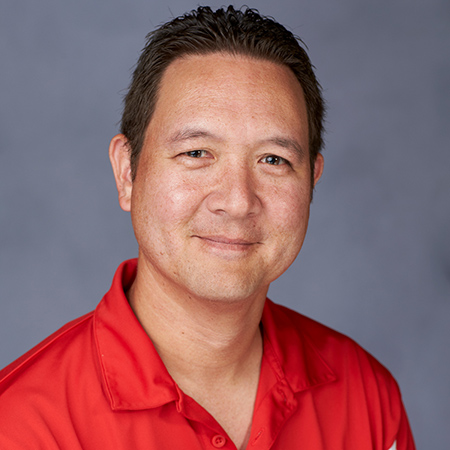
Melody Alsaker is an Associate Professor in the Department of Mathematics at Gonzaga University, where she has held this position since January 2016. Her research focuses on medical imaging and applied inverse problems, particularly in the field of electrical impedance tomography (EIT). She specializes in mathematical modeling, algorithm design, and biomedical image processing, with applications in pulmonary and thoracic imaging. Her work emphasizes improving EIT reconstruction techniques using the D-bar method, incorporating spatial priors, and developing real-time solutions for clinical applications. Notable contributions include the ACE1 EIT system for thoracic imaging and studies on stroke classification, air trapping in lungs, and surrogate measures of pulmonary function in children with cystic fibrosis. Alsaker's research bridges mathematics and engineering, addressing challenges in medical imaging accuracy and computational efficiency. Her collaborations span disciplines, including biomedical engineering, respiratory physiology, and clinical medicine.
Dr. Timothy Hresko is a Professor of Orthopedic Surgery at Harvard Medical School and serves as an Orthopedic Surgeon in the Orthopedics and Sports Medicine Department at Boston Children's Hospital. He also holds the position of Director of Spine Research and Quality Improvement in the Department of Orthopedic Surgery. Dr. Hresko received his medical degree from Columbia University, College of Physicians and Surgeons in 1981. He completed his internship at New England Deaconess Hospital in 1982, followed by residency at New England Medical Center in 1987, and a fellowship at Boston Children's Hospital in 1988. He is certified by the American Board of Orthopedic Surgery. His research focuses on orthopedic surgery, particularly spine surgery and pediatric orthopedics. Dr. Hresko's work centers on scoliosis treatment, spinal deformity correction, and outcomes of pediatric spinal fusion surgeries. He has conducted extensive research on surface topography measurements for scoliosis assessment, bracing techniques for adolescent idiopathic scoliosis, and surgical outcomes for various spinal conditions. His recent work explores the biomechanical effects of thoracolumbosacral orthosis design and the relationship between spinal deformity and patient self-image. Dr. Hresko's recent publications demonstrate a strong emphasis on technological advancements in spine surgery, including robotic pedicle screw placement and computer vision algorithms. His work also explores the relationship between socioeconomic factors and surgical outcomes, as well as innovative approaches to non-surgical management of scoliosis. Scoliosis Research Society (SRS) Pediatric Orthopaedic Society of North America (POSNA) American Academy of Orthopaedic Surgeons (AAOS) American Board of Orthopaedic Surgery As Director of Spine Research and Quality Improvement, Dr. Hresko leads initiatives to enhance patient outcomes and optimize care pathways for children with spinal conditions. His work emphasizes evidence-based approaches to pediatric spine care, with particular attention to quality improvement and research translation into clinical practice.
Professor Shaun Gregory is the Director of the Centre for Biomedical Technologies at Queensland University of Technology (QUT), where he also serves as Co-Director of the Artificial Heart Frontiers Program, Founder and Director of the Heart Hackathon student team competition, and Director of the CardioRespiratory Engineering and Technology Laboratory. He holds appointments in the Faculty of Engineering, School of Mechanical, Medical & Process Engineering. His educational background includes Bachelor, Masters (research), and PhD degrees, all awarded by QUT. He also holds both NHMRC and Heart Foundation fellowships, demonstrating his significant contributions to cardiovascular research. Professor Gregory's research applies a translational approach to cardiovascular engineering with a particular focus on devices used to support or replace the heart. His work brings together multidisciplinary teams of engineering, biomedical science, design, and medicine to develop novel technical solutions for clinically relevant problems. His research has changed clinical practice on numerous occasions and assisted with the regulatory approval of medical devices. His areas of interest include mechanical circulatory support, artificial heart development, cardiovascular device engineering, and hemodynamics. His publication portfolio demonstrates a strong focus on extracorporeal membrane oxygenation (ECMO), ventricular assist devices, and cardiovascular device testing. His recent work has explored computational fluid dynamics in blood flow analysis, novel cannula design for circulatory support, and the hemodynamic effects of various cardiovascular devices. His research often bridges engineering principles with clinical applications, resulting in practical innovations in cardiac support technologies. NHMRC Fellowship Heart Foundation Fellowship President-Elect of the International Society for Mechanical Circulatory Support Professor Gregory has successfully secured more than $65 million in research funding and has published over 100 research articles in his field. He is actively involved in mentoring the next generation of researchers, currently accepting Honours, Masters, and PhD students. His CardioRespiratory Engineering and Technology Laboratory serves as a hub for interdisciplinary research that brings together engineering, biomedical science, and clinical expertise to address critical challenges in cardiovascular medicine.
Marita Dale is a Senior Lecturer in the Discipline of Physiotherapy at the University of Sydney and an Early Career Researcher affiliated with the Charles Perkins Centre. She specializes in cardiorespiratory physiotherapy, focusing on exercise interventions for chronic respiratory and cardiac diseases, particularly asbestos-related and dust-related conditions. Her work emphasizes improving accessibility to pulmonary rehabilitation services and leveraging mHealth technologies for patient care. Education: PhD in Physiotherapy (2016, University of Sydney). Her research interests include optimizing pulmonary rehabilitation through mobile health platforms, such as the m-PR™ app, and investigating pediatric burn injury rehabilitation, including orthosis use and scar prevention. She also explores multimorbidity management and simulation-based learning in healthcare education. Recent studies have highlighted her contributions to COPD care protocols, telehealth implementation during the pandemic, and qualitative analyses of patient experiences. Major awards: Sydney School of Health Sciences Teaching Citation (2022), Ashurst Prize for Outstanding Oral Presentation (2015), Helga Pettitt FHS Postgraduate Study Award (2010). Marita supervises Honours, Masters, and PhD students, including Mitchell Taylor on airway clearance in bronchiectasis. Her teaching spans undergraduate and postgraduate programs in cardiopulmonary and musculoskeletal physiotherapy. She collaborates on projects like the Lung Support Service, a nationwide text message program for chronic respiratory patients during the pandemic, and contributed to the commercialization of the Perx-R app for pulmonary rehab. Labs/teams: Active member of the Charles Perkins Centre, focusing on interdisciplinary chronic disease research and healthcare innovation.
Anna Salvati is an Associate Professor specializing in nanomedicine and drug delivery systems. Her research focuses on nanoparticle-cell interactions, biomolecular corona formation, and the physicochemical properties governing nanomaterial behavior in biological environments. Key research themes include cellular uptake mechanisms, toxicity of nanomaterials, and nanoparticle targeting strategies. Recent publications highlight her work on nanoparticle stability, membrane interactions, and environmental impacts of microplastics. Her studies integrate multiomics approaches, advanced imaging, and interlaboratory validation to address challenges in nanomedicine design and safety testing. Current projects explore the role of high-density lipoproteins in nanoparticle functionality and the modulation of drug release kinetics through material engineering.
Kaye Morgan is a Research Fellow at Monash University's School of Physics within the Faculty of Science. She holds a Hans Fischer Fellowship at the Technische Universität München (TUM), hosted by Prof. Franz Pfeiffer. Her research focuses on phase contrast X-ray imaging (PCXI), particularly its application in biomedical research and translation to compact imaging systems for clinical use. Educated at Monash University, she earned her PhD in 2011, followed by a Discovery Early Career Researcher Award (2012–2015) from the Australian Research Council. She is also a Veski Victorian Postgraduate Research Fellow, combining her roles at Monash with visits to TUM supported by her Hans Fischer Fellowship. Her research interests include developing PCXI methods for non-invasive imaging of soft tissues, such as lung and airway dynamics, and optimizing imaging techniques to minimize radiation exposure. Key projects include assessing cystic fibrosis treatments via airway surface hydration analysis and improving X-ray source accessibility for clinical applications. Notable achievements include pioneering single-grid phase imaging techniques and contributing to high-speed imaging of biological dynamics. Her work has been recognized with awards like the 2014 Tall Poppy Young Scientist Award and the 2011 Australian Synchrotron Thesis Medal. Morgan collaborates across disciplines, working with biomedical researchers to advance imaging technologies for respiratory health. Her publications span journals like Scientific Reports, Optics Letters, and the American Journal of Respiratory and Critical Care Medicine.
Prof. Raimon Jané Campos is a leading figure in biomedical signal processing at the Universitat Politècnica de Catalunya (UPC) and Universitat de Barcelona (UB). As co-director of UPC's Biomedical Signal and System Group (CREB) and coordinator of the Biomedical Engineering PhD Programme, he bridges engineering and clinical applications. His work focuses on respiratory and sleep disorder diagnostics, with significant contributions to COPD and sleep apnea monitoring through wearable devices and machine learning. PhD in Biomedical Engineering (UPC, 1989) Visiting researcher at Université de Nice-Sophia Antipolis Vice-president of Spanish Society of Biomedical Engineering Research spans respiratory mechanics , sleep-disordered breathing , acoustic biomarkers , bioimpedance , and machine learning in biomedical contexts . His 2025 work on microcalorimetric pathogen classification and 2024 spiking neural networks for apnea detection demonstrate cutting-edge integration of computational methods with physiological monitoring. Articles from 2017-2024 reveal consistent focus on non-invasive diagnostics , cardiorespiratory synchronization , and smartphone-based health solutions . Awarded the Barcelona City Technology Research Award (2005) and serving on the International Advisory Board for Physiological Measurement since 2010, his career combines academic leadership with real-world clinical translation through IBEC's technology transfer initiatives.
Dr. James W. Navalta is an Associate Professor in the Department of Kinesiology and Nutrition Sciences at the University of Nevada, Las Vegas. His research focuses on physiological responses to outdoor exercise (hiking, trail running) and the validity/reliability of wearable technology. He earned his B.S. in Physical Education and Biology from Brigham Young University–Hawaii, M.S. in Kinesiology from UNLV, and Ph.D. in Exercise Physiology from Purdue University. Education: B.S. - Physical Education & Biology, Brigham Young University–Hawaii M.S. - Kinesiology, University of Nevada, Las Vegas Ph.D. - Exercise Physiology, Purdue University His research portfolio includes: Wearable technology validation for physiological measurements Comparative studies of indoor vs outdoor exercise environments Impact of gender-inclusive approaches on sports science Metabolic and cardiovascular responses to unconventional workouts Psychological benefits of nature immersion Recent publications demonstrate expertise in: Wearable device accuracy testing VO2max and lactate threshold validation Environmental influence on exercise physiology Methodological improvements in data collection Gender-inclusive research design Outdoor activity impact assessment As co-founder and executive editor of the International Journal of Exercise Science, he contributes significantly to academic discourse. He also serves on editorial boards for journals related to digital health and exercise technology.
Philip Boone, MD, PhD, is an Attending Physician in the Division of Genetics and Genomics at Boston Children's Hospital and an Instructor of Pediatrics at Harvard Medical School. He specializes in medical genetics with particular expertise in rare disorders, medical mysteries, deletion and duplication syndromes, and Cornelia de Lange syndrome. Dr. Boone sees patients at Boston Children's Brookline location (2 Brookline Place, 7th Floor) and provides comprehensive genetic care including diagnostics, counseling, and individualized management. Stanford University (Undergraduate, 2006) Baylor College of Medicine (Graduate & Medical School, 2013-2014) Boston Combined Residency Program (Internship & Residency, 2016-2020) Harvard Medical School Genetics Training Program (Fellowship, 2020) Dr. Boone's research focuses on neurodevelopmental disorders, chromatin regulation, and genetic diagnostics. His work spans from fundamental genetic mechanisms to clinical applications, with particular emphasis on cohesinopathies including Cornelia de Lange syndrome. He has contributed significantly to understanding genetic variants associated with growth disorders, developmental features, and structural chromosomal abnormalities. His research combines advanced genomic technologies with clinical insights to improve diagnosis and management of rare genetic conditions. Analysis of Dr. Boone's publication record reveals a strong focus on medical genetics with emphasis on neurodevelopmental disorders, chromatin regulation, and genetic diagnostics. His work spans basic research on gene function and regulation to clinical applications in rare disease diagnosis. A notable trend is his investigation of cohesin complex disorders, particularly SMC3 variants and their relationship to Cornelia de Lange syndrome. His publications demonstrate expertise in both traditional genetic analysis and cutting-edge genomic technologies including long-read sequencing and telomere-to-telomere assembly. Dr. Boone actively contributes to medical education through publications on genetic diagnostics and distance learning resources for medical genetics. He has co-authored educational materials that help advance the field's knowledge base and training capabilities. As an attending physician in the Division of Genetics and Genomics at Boston Children's Hospital and a research fellow in the Center for Genomic Medicine at Massachusetts General Hospital, Dr. Boone works within one of the largest pediatric genetics practices in the country. The division includes over 30 board-certified clinical geneticists, genetic counselors, dieticians, and nursing staff who provide comprehensive care for patients with both common and extremely rare genetic conditions.
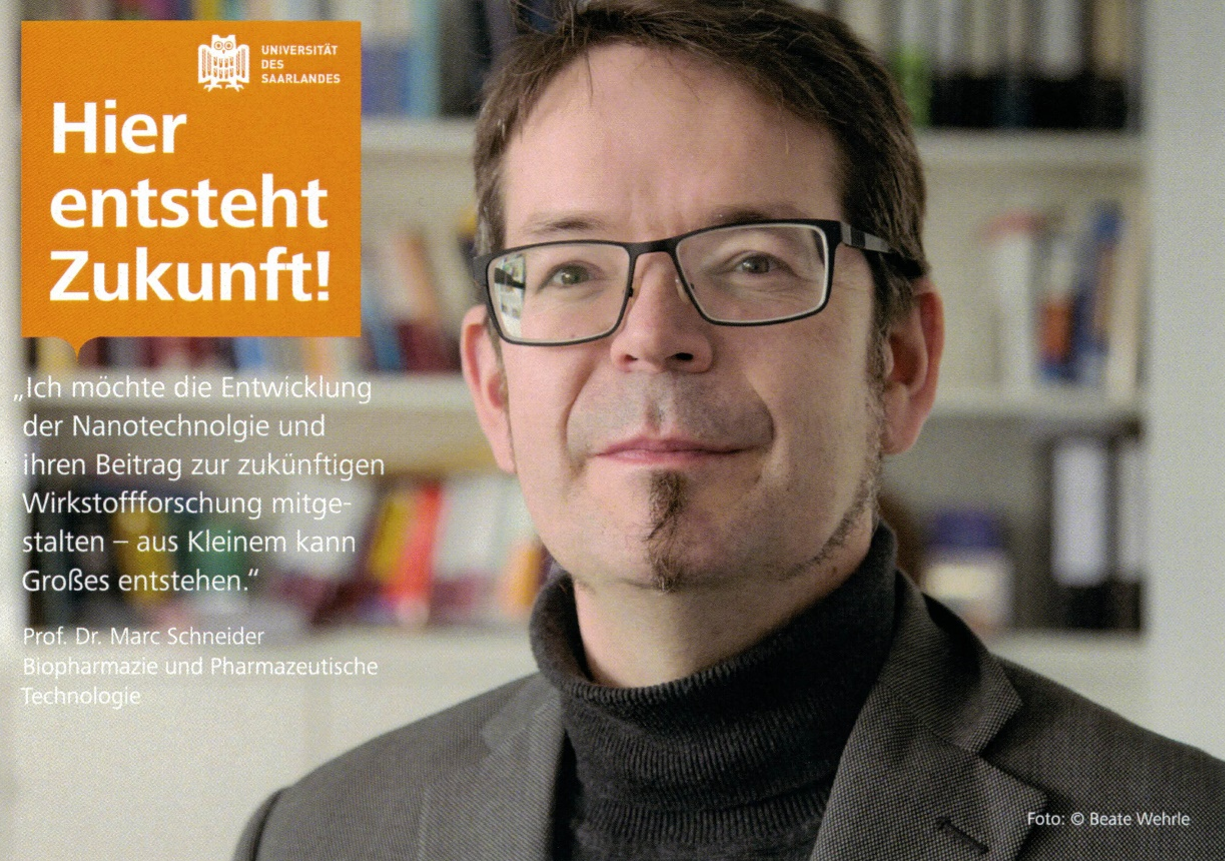
Prof. Dr. Marc Schneider holds a professorship in Biopharmaceutics and Pharmaceutical Technology at Saarland University's College of Pharmacy . His research focuses on colloidal drug delivery systems, particularly nanostructured and non-spherical particle engineering for overcoming biological barriers in pulmonary and transdermal applications. He leads an internationally recognized lab in Saarbrücken, collaborating with Helmholtz Institute for Pharmaceutical Research Saarland (HIPS) and trinational institutions. Research Highlights: Development of inhalable nano/microparticle systems Surface modification of gelatin nanoparticles Characterization of mucus-penetrating particles 3D printing for microneedle fabrication Atomic Force Microscopy (AFM) for nanoparticle analysis Selected Scientific Awards: European Journal of Pharmaceutics and Biopharmaceutics Best Paper Award (2018) for mucus-penetrating nanoparticles Recognized in 'Ausgezeichnete Orte im Land der Ideen' competition (2018) for 'Nano-Mais' drug delivery system Collaborative Networks: Co-editor for Advanced Drug Delivery Reviews special issue on biological barriers Key participant in trinational Master's program in Biomedicine with Strasbourg, Mainz, and Luxembourg Active in Controlled Release Society (CRS) conferences and local chapters
Gianmarco Pinton is an Associate Professor in the Department of Biomedical Engineering at the University of North Carolina at Chapel Hill. His research focuses on nonlinear ultrasound and mechanical wave propagation, with applications to medical imaging and therapy. He specializes in traumatic brain injury, shear shock waves, and ultrasound therapy. Ph.D., M.S., and B.S.E. in Biomedical Engineering/Physics from Duke University His lab develops physics and simulation tools for nonlinear wave propagation, aiming to create advanced diagnostic ultrasound methods. Key areas include traumatic brain injury, transcranial imaging, and therapeutic ultrasound. His recent work explores super-resolution imaging, brain motor circuits, and Alzheimer's disease vascular mapping using ultrasound. Article trends highlight innovations in transcranial ultrasound, super-resolution techniques, lung imaging, and neuromodulation. His publications address image degradation, contrast agents, and shear wave dynamics in neurological contexts.
Brian Kavanagh, MD, MPH is a Professor and Department Chair of Radiation Oncology at the University of Colorado Anschutz Medical Campus School of Medicine. He serves as Department Chair and maintains clinical practice at multiple UCHealth locations including the University of Colorado Cancer Center, Cherry Creek Medical Center, Longs Peak Medical Center, and the Rocky Mountain Gamma Knife Center. His leadership extends to serving as Chair of the American Society for Radiation Oncology since 2017. MD, Tulane University School of Medicine (1988) MPH, Tulane University (1988) BSE, Tulane University (LA) (1984) Internship: Tulane University Program (1989) Residency: Duke University Hospital Program, Radiation Oncology (1993) Dr. Kavanagh's research primarily focuses on stereotactic body radiation therapy (SBRT), functional lung avoidance radiation therapy using 4DCT-ventilation imaging, and treatment of brain metastases from oncogene-driven lung cancers. His work bridges clinical practice, medical physics innovation, and outcomes research, with particular emphasis on optimizing radiation therapy techniques while minimizing toxicity. Recent publications demonstrate his leadership in developing novel approaches to image-guided radiation therapy, including antiscatter grid technology for CBCT imaging and functional avoidance techniques for lung cancer treatment. Analysis of Dr. Kavanagh's recent publications (2019-2024) reveals a strong focus on precision radiation therapy for lung cancer and brain metastases. His research spans technical innovations in medical physics (such as 2D antiscatter grid development), clinical trials evaluating functional avoidance radiation therapy, and studies examining outcomes for patients with oncogene-driven cancers. A significant portion of his work addresses the integration of radiation therapy with targeted therapies for lung cancer with brain metastases, reflecting the evolving treatment paradigms in this field. Top Doctor, 5280 Magazine (2023) Dr. Kavanagh has been instrumental in developing national radiation oncology curriculum frameworks through stakeholder consensus processes. His leadership in the American Society for Radiation Oncology has positioned him to influence practice guidelines and educational standards in the field. His research has been supported through multi-institutional clinical trials and collaborations with major cancer centers across the United States. Dr. Kavanagh leads research efforts in the Rocky Mountain Gamma Knife Center and contributes to the University of Colorado Cancer Center's radiation oncology program. His work with 4DCT-ventilation imaging has established a clinical research program focused on functional avoidance radiation therapy, which aims to preserve lung function while effectively treating tumors.
Per Sigvald Bakke is a Professor at the University of Bergen's Faculty of Medicine, Department of Clinical Science, with extensive expertise in respiratory medicine. His research primarily focuses on Chronic Obstructive Pulmonary Disease (COPD), asthma, and related pulmonary conditions, with significant contributions to understanding disease mechanisms, clinical phenotyping, and epidemiology. Dr. Bakke's research interests span COPD phenotyping, asthma heterogeneity, genomics of respiratory diseases, pulmonary function testing, and clinical epidemiology. His work frequently involves large-scale cohort studies and international collaborations, particularly through the U-BIOPRED consortium. His research has significantly advanced understanding of COPD progression, exacerbation risk factors, and the relationship between respiratory diseases and systemic conditions like metabolic syndrome. His publication record demonstrates consistent contributions to respiratory medicine, with recent work focusing on multi-omics approaches to disease phenotyping, genetic determinants of lung function, and clinical management of COPD. His research often bridges basic science with clinical application, addressing critical questions in respiratory disease management and patient outcomes. Dr. Bakke has been instrumental in numerous international collaborative studies including the ECLIPSE cohort, U-BIOPRED, and various genome-wide association studies examining COPD and asthma. His work has contributed to clinical guidelines and improved understanding of respiratory disease mechanisms across diverse populations.
Dr. Michael Choma is an Adjunct Associate Professor in the Radiology & Biomedical Imaging department at Yale School of Medicine . He also serves as Vice President Clinical at LookDeep Health , a Bay-Area startup developing AI/computer vision technologies for inpatient telemedicine and patient monitoring. Dr. Choma holds a PhD (2004) and MD (2006) from Duke University , completed pediatric training at Boston Children’s Hospital , and pursued postdoctoral research at the Wellman Center for Photomedicine, Massachusetts General Hospital/Harvard Medical School . His research spans biomedical optics , medical imaging , and developmental biology , with a focus on optical coherence tomography (OCT) for studying pulmonary and cardiovascular physiology . He has developed OCT technologies to quantify cilia-driven fluid flow in respiratory systems, investigated embryo heart physiology , and designed novel light sources for speckle-free imaging. His work also bridges clinical medicine and engineering innovation , particularly in digital health and AI-driven diagnostics . Dr. Choma’s publications from 2015-2016 highlight trends in medical imaging , biophotonics , and computational diagnostics , with subfields including optical coherence tomography , fluid dynamics , and point-of-care testing . His scientific awards include the Numenta Startup Prize (2015) and Theodore von Kármán Fellowship (2014) . At Yale, Dr. Choma previously led an NIH-funded biophotonics laboratory and contributed to clinical radiology . He also served as an attending physician in the Yale-New Haven Primary Care Clinic . His interdisciplinary approach integrates medical practice , engineering , and data science , with recent interests in AI bias in medicine , digital pathology , and healthcare innovation .
Dr. Michael Stevens is a Senior Lecturer at University of New South Wales (UNSW) Canberra , where he focuses on advanced manufacturing and biomedical device control systems . His work bridges digital manufacturing for SMEs with smart artificial heart technologies , emphasizing industry collaboration and translational research. Specializes in physiological control systems for rotary blood pumps Develops unobtrusive fall detection systems for dementia patients Leads international projects on total artificial heart development Education : B.Eng (Medical - First Class Honours), Queensland University of Technology (2010) PhD in Physiological Control for Biventricular Assist Devices, University of Queensland (2014) Research Trends show consistent focus on: Machine learning for biomedical diagnostics (2018–2025) mmWave radar and thermal sensors in patient monitoring (2021–2024) Computational fluid dynamics in artificial heart modeling (2016–2024) Physiological control algorithms for rotary blood pumps (2011–2025) Scientific Awards : UNSW Scientia Education Award (2021) for contextual teaching Heart Foundation Runner-up for "Smart Artificial Hearts" pitch (2021) ARC PGC Supervisor Award (2017) for mentoring Grants & Supervision : Holds over $6 million in competitive funding including MRFF and ARC grants. Currently supervises 4 PhD students while maintaining industry partnerships with VitalCare and BiVACOR. Labs & Facilities : Works across UNSW Engineering labs and Graduate School of Biomedical Engineering platforms, including mock circulation loops and high-performance computing clusters for CFD simulations.