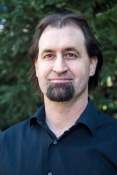
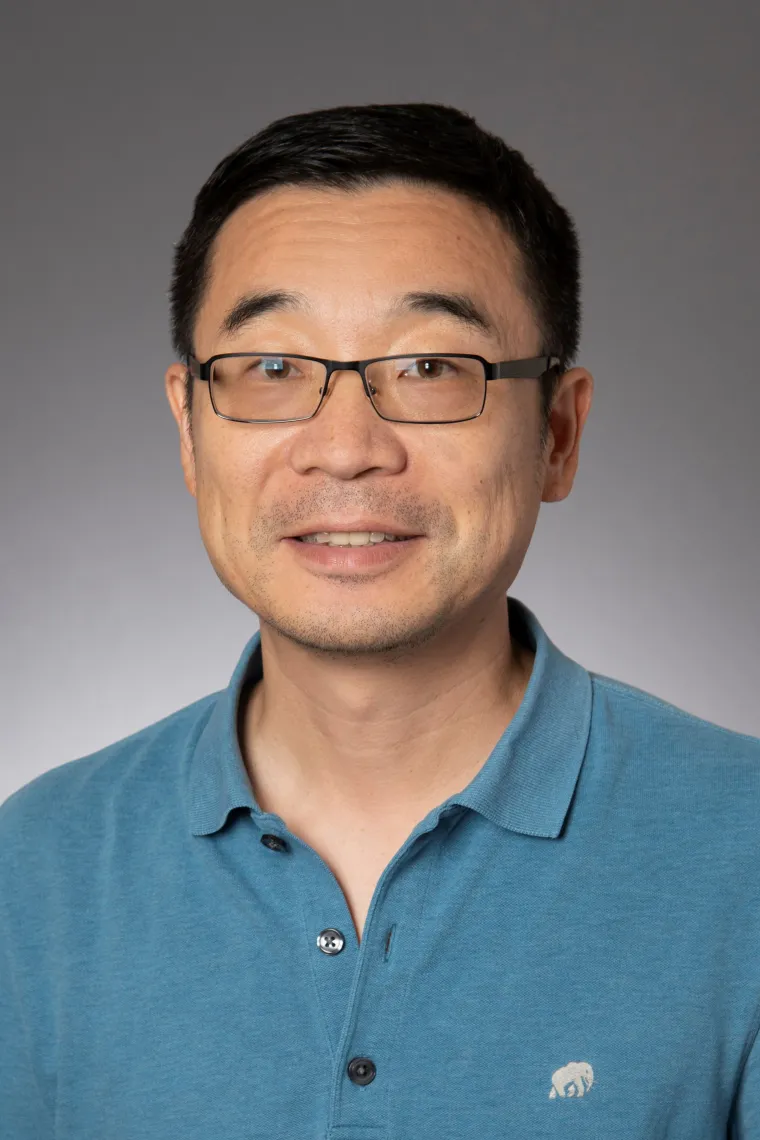
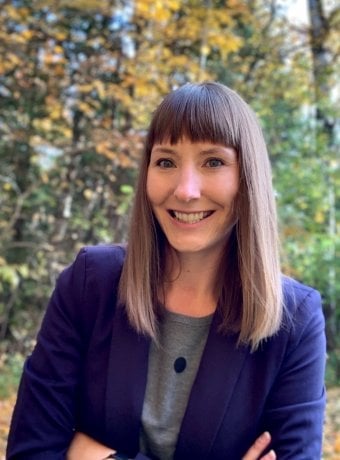
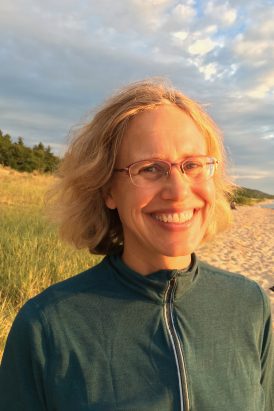
Hector Rivera is an Associate Professor in the Department of Educational Psychology at Texas A&M University’s College of Education and Human Development. His research focuses on bilingual education, educational resilience, classroom learning environments, and community development, particularly for English Language Learners (ELLs). He has advised doctoral students such as Bizhu He and Lileana Rios-Ledezma. His work bridges sociocultural perspectives with practical interventions to support underrepresented groups, including refugees and minority students. Awards include the 2015 Outstanding New Faculty Award from CEHD. Key research initiatives include the Eco-Resilience NPD program (2016-2021), funded by the US Department of Education, aimed at connecting multiple environments to support ELL success. Other projects address teacher performance evaluation and STEM pathways for Hispanics. Rivera has held leadership roles like Chair of the Climate Committee in EPSY (2016) and Co-Chair of the NABE Special Interest Group (2015). Publications span topics like parental involvement in bilingual education, teacher empowerment, and the impact of learning environments on student resilience. His work often emphasizes culturally responsive practices and systemic equity in education.
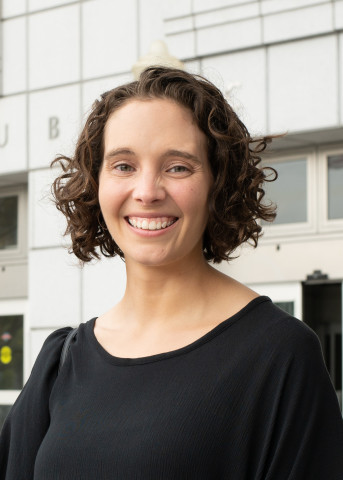
Hilary Nelson is an Assistant Professor in the Department of Fine Art at Maharishi International University (MIU), where she teaches courses such as Art of the Self, Color Theory, Sculpture I, and graduate-level seminars. She has also served as an Adjunct Instructor at MIU and Santa Fe Community College, and as a Visiting Lecturer at Grinnell College. Her academic journey includes an MFA and MA in Painting from the University of Iowa and a BFA in Painting and BS in Environmental Science from MIU. University of Iowa, MFA Painting, 2017 University of Iowa, MA Painting, 2016 Maharishi International University, BFA Painting, 2013 Maharishi International University, BS Environmental Science, 2007 Hilary Nelson's research and creative practice focus on the intersection of art, sustainability, and regenerative design. Her fields of interest include painting, drawing, sculpture, and curatorial practice, with a strong emphasis on environmental consciousness. She has developed and taught courses like 'Regenerative Art: Sustainability in Practice and Concept,' reflecting her commitment to ecological themes in art education. The 15 most recent articles highlight her active exhibition history, spanning solo and group shows across the U.S. and internationally. These works reflect trends in contemporary visual art, including installation, public art, conceptual practice, and interdisciplinary exploration. Her exhibitions often engage with themes of space, materiality, perception, and social critique, demonstrating a consistent evolution in her artistic voice. Scientific and Artistic Awards: Mildred Pelzer Lynch Fellowship, University of Iowa (2015–2017) Graduate Teaching Assistant Scholarship, University of Iowa (2014–2016) Faculty Research and Teaching Grants, Wege Foundation (2022, 2024) Artist Residencies at Yaddo, Vermont Studio Center, and international locations (2019–2024) Arts and Environmental Sciences Honors Awards from MIU (2007, 2013) Hilary Nelson has been actively involved in academic advising, curriculum development, and grant-funded research. She has led projects supported by the Wege Foundation, focusing on regenerative art and sustainability. Her teaching spans foundational to advanced levels, and she has mentored students through studio courses and graduate seminars. She has also curated exhibitions and organized artist talks, contributing to the broader academic and artistic community. She is co-founder of the Nelson Project, a collaborative art initiative with Trilby Nelson, and previously co-founded The Beauty Shop in Fairfield, IA—a non-profit gallery and music venue. She has also served as Gallery Curator at The Times Club in Iowa City and co-directed Unity Gallery at MIU, demonstrating strong leadership in curatorial and collaborative art environments.
Michael J. Spivey is a Professor of Cognitive Science at the University of California, Merced, affiliated with the School of Social Sciences, Humanities and Arts. His research focuses on understanding human cognition through embodied and dynamic systems approaches, with particular expertise in eye-tracking methodologies and real-time language processing. As a faculty member in the Cognitive and Information Sciences department, he contributes to interdisciplinary research that bridges psychology, linguistics, and neuroscience. Dr. Spivey's educational background includes: Ph.D. in Brain and Cognitive Sciences from the University of Rochester (1996) M.A. in Brain and Cognitive Sciences from the University of Rochester (1995) B.A. from the University of California, Santa Cruz (1991) His research interests span psycholinguistics, visual perception, sensorimotor processing, embodied cognition, and dynamical systems theory. Dr. Spivey investigates how cognitive processes unfold in real-time through eye movements and other behavioral measures, challenging traditional modular views of cognition. His work emphasizes the continuous interaction between perception, action, and cognition, demonstrating how language processing is deeply embedded in our sensorimotor experiences. He has made significant contributions to understanding the time course of language comprehension, the role of visual context in linguistic processing, and the dynamic nature of cognitive representations. Analysis of Dr. Spivey's recent publications reveals a strong focus on embodied and dynamic approaches to cognition. His work spans diverse areas including eye-tracking and mouse-tracking methodologies, team cognition, creativity research, bilingual language processing, and the application of foraging theory to cognitive processes. A recurring theme across these publications is the investigation of real-time cognitive dynamics using continuous behavioral measures. His research increasingly incorporates ecological approaches, examining cognition in more naturalistic contexts while maintaining experimental rigor. The interdisciplinary nature of his work is evident in collaborations across psychology, linguistics, neuroscience, and even music cognition. Dr. Spivey is affiliated with the Center for Human Adaptive Systems and Environments and collaborates with researchers at Western University, Northwestern University, Brown University, and UCLA. His work with students likely focuses on training in advanced methodologies for measuring real-time cognitive processes.
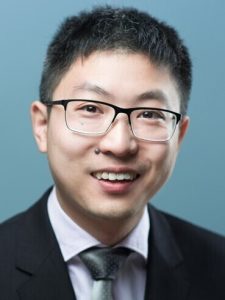
Jun Xiao is an Assistant Professor in the Department of Materials Science and Engineering at the University of Wisconsin-Madison since August 2021. He holds additional affiliations with the Physics and Electrical & Computer Engineering departments. His research focuses on quantum materials, light-matter interactions, and terahertz optoelectronics. Ph.D. in Applied Science and Technology from UC Berkeley (2018) Postdoctoral scholar at Stanford University and SLAC National Accelerator Laboratory Bachelor's degree in Physics from Nanjing University Research interests include structure-property relationships in quantum materials, ultrafast optical engineering, and THz device development. His lab explores non-equilibrium phase transitions, quantum collective excitations, and photocarrier dynamics for energy and computing applications. Recent publications emphasize topological semimetals for THz sensing, stacking order engineering in 2D materials, and spin-mechanical coupling in antiferromagnets. His group integrates ultrafast lasers, quantum transport measurements, and in-situ strain control to study ferroelectricity, magnetism, and electron correlations. Scientific awards include Nature Communications Editor's Suggestion (2018) Nature Nanotechnology publication (2015) Jun Xiao's lab operates 2D material preparation and multimodal characterization facilities, including ultrafast laser systems, CW light sources, and cryogenic strain cells. He teaches courses on quantum materials and device physics, including MS&E 803 and MS&E 456.
State University of New York at BuffaloUnited States
Sophie Nowicki is an Empire Innovation Professor at the University at Buffalo's RENEW Institute, Department of Earth Sciences within the College of Arts and Sciences. She serves as Director of the Center for Geological and Climate Hazards. Her research focuses on ice sheet and sea level dynamics, using a combination of applied mathematics, remote sensing observations, and numerical modeling to understand how ice sheets interact with the global climate system. Empire Innovation Professor, University at Buffalo Director, Center for Geological and Climate Hazards Member of UB RENEW Institute Department of Earth Sciences, College of Arts and Sciences Dr. Nowicki's research interests center on glaciology, ice-sheet modeling, climate modeling, and sea level change. She studies how ice sheets interact with the global climate system and affect sea level change using a spectrum of models from idealized to large-scale continental ice sheet models. Her work is integral to climate models that provide forcing for ice sheet models, particularly through the Ice Sheet Model Intercomparison Project for CMIP6 (ISMIP6). She teaches courses including Introduction to Computational Earth Science, Environmental Remote Sensing, and various graduate research courses. Her recent publications reveal a strong focus on Antarctic and Greenland ice sheet modeling, sea level rise projections, and the development of advanced modeling frameworks. The research spans from fundamental glaciological processes to large-scale climate impacts, with a particular emphasis on quantifying uncertainties in ice sheet contributions to sea level rise. Her work frequently appears in top journals including Nature, The Cryosphere, and Geophysical Research Letters, and she has made significant contributions to the IPCC Sixth Assessment Report. Empire Innovation Professor recognition Lead contributor to IPCC AR6 Working Group I Principal Investigator for ISMIP6 (Ice Sheet Model Intercomparison Project) Dr. Nowicki actively mentors graduate students and postdoctoral researchers, with current advisees working on various aspects of ice sheet dynamics and sea level change. Her research is supported by multiple grants from NASA, NSF, and other agencies focused on improving our understanding and projections of ice sheet behavior in a warming climate. She leads the development of critical tools like the Cryosphere Model Comparison Tool (CmCt) and has been instrumental in establishing community standards for ice sheet modeling. She is involved with several research groups and initiatives including the Ice Sheet & Sea Level Lab at UB, which focuses on understanding how ice sheets will evolve in a warming world and what this means for future sea levels. Her team combines observational data with sophisticated modeling approaches to address key questions about ice-ocean and ice-atmosphere interactions that drive ice sheet changes.
Gennie Gebhart is the Managing Director of Technology at the Electronic Frontier Foundation (EFF), overseeing Engineering & Design, Public Interest Technology, and Technical Operations teams. She concurrently serves as an Affiliate Associate Professor at the University of Washington's Allen School of Computer Science & Engineering. Her leadership spans both applied technology development and academic research in digital rights. Education: Gebhart holds a Master of Library and Information Science from the University of Washington Information School. Prior to EFF, she was a Henry Luce Scholar conducting work in Laos and Thailand. Research Focus: Her work centers on consumer privacy and security ecosystems, with specialized investigations into: Behavioral tracking infrastructures and data broker networks Policy frameworks for digital platforms and content governance Encryption technologies for communications (e.g., secure messaging) Open knowledge systems and equitable information access Honors: Recognitions include the competitive Henry Luce Scholars Program fellowship, supporting immersive professional work in Southeast Asia. Professional Engagement: She contributes to academic communities through program committee roles for computer security research conferences, bridging industry and scholarly discourse on emerging threats.
David Blakesley is Professor of Rhetorics, Communication, and Information Design and Campbell Chair in Technical Communication at Clemson University's College of Arts and Humanities, Department of Interdisciplinary Studies. He currently serves as President of the Faculty Senate for 2023-2024. His academic career spans over three decades with significant contributions to rhetorical theory, digital publishing, and technical communication. Blakesley earned his PhD in Rhetoric, Linguistics, and Literature from the University of Southern California (1990), an MA in English from San Diego State University (1986), and a BA in English from the same institution (1983). His research spans multiple interconnected fields including rhetorical theory, history of rhetoric, digital and visual rhetorics, print and digital publishing, film theory and production, technical communication, and digital humanities. He has focused particularly on Kenneth Burke's rhetorical theory and its applications across various media. His scholarly work demonstrates a consistent trajectory from traditional rhetorical theory toward digital applications and publishing innovations. Over the past decade, his research has increasingly focused on the intersection of digital technologies with rhetorical practices, particularly examining how digital platforms transform scholarly communication and publishing. His 2022 TUGboat article on production versus distribution in publishing exemplifies his ongoing interest in how technological shifts impact academic and professional communication. Fellow, Rhetoric Society of America George Yoos Distinguished Service Award (RSA) Charles Moran Award for Distinguished Contributions to the Field of Computers and Composition Blakesley has secured significant funding including the $11 million Clemson-Adobe Partnership for Campus-Wide Creative Cloud implementation. He serves as Editor of KB Journal, Co-Editor of WAC Journal, and General Editor of The Writing Instructor. His editorial work has been instrumental in shaping scholarly communication in rhetoric and composition studies, particularly through his leadership in digital publishing initiatives.
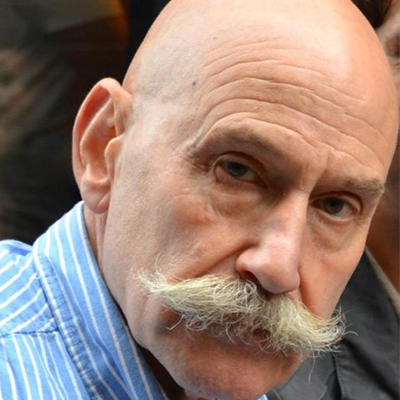
Ross Koppel is an Adjunct Professor of Sociology with expertise in healthcare information technology, medication errors, and ethics in social research. His work explores the intersection of technology and societal impacts, focusing on data governance, clinical workflows, and human factors in health IT systems. Research Interests Context-sensitive understanding of medication errors Societal implications of clinical data sharing Ethical challenges in AI and informatics Healthcare cost analysis Scientific Awards Fellow of the American College of Medical Informatics (FACMI)
Anne-Marie Oswald is an Associate Professor in the Department of Neurobiology within the Biological Sciences Division at the University of Chicago. Her research profile indicates active engagement in neuroscience research with a particular focus on cortical circuits, neural coding, and sensory processing systems. She maintains an active research program with publications spanning from 2011 to the present. Dr. Oswald's research interests span multiple areas of neuroscience, with particular emphasis on cortical circuit function, neural coding mechanisms, and sensory processing. Her work investigates how inhibitory interneurons shape cortical dynamics, how neural assemblies form during learning, and how sensory information is processed across different brain regions. Notably, she has also contributed to discussions on diversity in science through her publication "Curating more diverse scientific conferences" in Nature Reviews Neuroscience (2020). Her research employs a combination of electrophysiological, computational, and behavioral approaches to understand neural circuit function. Analysis of her publication record reveals a strong focus on cortical circuit mechanisms, particularly in the olfactory system. Her work demonstrates expertise in understanding how different interneuron subtypes (particularly parvalbumin and somatostatin-positive cells) regulate cortical dynamics, assembly formation, and sensory processing. Over time, her research has evolved from examining basic circuit mechanisms to investigating how these circuits support complex cognitive functions like odor discrimination and associative learning. The consistent presence of computational and systems neuroscience approaches throughout her publication history indicates a rigorous quantitative approach to understanding neural function. Dr. Oswald appears to be actively mentoring students and postdoctoral researchers, as evidenced by her consistent publication record with multiple collaborators. While specific grant information isn't provided in the available data, her sustained publication output suggests successful funding of her research program. Her work bridges cellular and systems neuroscience, contributing to our understanding of how microcircuit properties shape sensory processing and behavior.
Beichuan Zhang serves as Associate Department Head and Professor in the Department of Computer Science at the University of Arizona, maintaining office GS 723 with contact details 520-621-4817 and bzhang@cs.arizona.edu. His academic leadership spans network architecture research and departmental administration within the university's computing ecosystem. Zhang holds a Ph.D. from the University of California at Los Angeles (2003), establishing his foundation in advanced networking systems. His doctoral work catalyzed a career focused on internet infrastructure evolution. Research centers on computer networks with specific expertise in Internet routing architecture, protocols, topology, and multicast systems. Zhang is a principal investigator in Named Data Networking (NDN), driving innovations in stateful forwarding planes, in-network caching (e.g., Nb-cache, BLEnD), and congestion control mechanisms. His work bridges theoretical networking models with practical implementations for wireless, satellite, and live-streaming environments. Analysis of 2021-2025 publications reveals strategic expansion into Low Earth Orbit satellite networks, where Zhang pioneers NDN adaptations for handover resilience and outage detection. Concurrently, his group optimizes video streaming protocols and wireless performance through interest bundling techniques. This dual trajectory demonstrates systematic progression from terrestrial networking to space-ground integrated architectures.
Panying Rong, Ph.D. is an Assistant Professor in the Department of Speech-Language-Hearing: Sciences & Disorders at the University of Kansas , within the College of Liberal Arts and Sciences. Her research focuses on the neuromechanical basis of motor speech disorders and the development of quantitative tools for speech assessment. Primary Affiliation: University of Kansas Department: Speech-Language-Hearing: Sciences & Disorders Academic Rank: Assistant Professor Email: prong@ku.edu Research Interests Dr. Rong’s work investigates the biomechanical and neurological mechanisms underlying speech impairments in neurodegenerative diseases like ALS and Parkinson’s. Key areas include: Mechanistic modeling of speech motor control Development of data-driven speech diagnostics Acoustic and kinematic analysis of bulbar disorders Compensatory articulatory strategies in speech pathologies Temporal structuring of speech signals Integration of multimodal assessments for neurological conditions Article Trends Her recent publications emphasize automated, multimodal frameworks for assessing bulbar ALS, neuromechanical biomarkers, and cultural-linguistic influences on speech outcomes. Techniques include EMA, EMG, kinematic modeling, and computational analysis of speech subsystems.
Christie Toth is an Associate Professor in the Department of Writing & Rhetoric Studies at the University of Utah . Her research focuses on two-year college composition studies, transfer student writing experiences, writing assessment and placement, settler colonial studies, and tribal college writing instruction. Education: PhD in Education from the University of Michigan (2014) MA in English from Portland State University (2008) BA in Anthropology from Bowdoin College (2004) Research Interests center on equity in writing assessment, transfer student literacy sponsorship, and the intersection of settler colonial studies with writing pedagogy. She advocates for transformative practices in community college-university partnerships and guided pathways reforms. Recent Publications explore writing placement equity, transfer student experiences, and the role of two-year colleges in shaping writing studies. Her work emphasizes social justice frameworks and systemic reform. Scientific Awards include the Robert A. Goldberg Endowed Prize in the Humanities (2024), Best Book Award from the Council of Writing Program Administrators (2022), and multiple teaching and leadership accolades from the University of Utah and national organizations. Grants supported initiatives like the Transfer Student Success Fellowship and Martha Bradley Evans Teaching Fellowship, focusing on writing studies and pedagogical innovation.
Joel Rosenthal is Professor and Chair of the Department of Chemistry and Biochemistry at the University of Delaware, where he also serves as Associate Dean for Research and Graduate Affairs in the College of Arts and Sciences. His group integrates inorganic synthesis, electrochemistry, and photochemistry to create functional materials and catalysts for energy, environmental, and biomedical challenges. Education & Training B.S. with Honors, New York University (2001) Ph.D., Massachusetts Institute of Technology (2007) NIH Postdoctoral Fellow, MIT (2007-2010) Research Directions The Rosenthal Research Lab pursues four intertwined themes: Environmental & energy sustainability via CO₂ reduction and solar-to-fuel conversion. Design of catalytic platforms for small-molecule up-conversion. Light-activated therapeutics targeting cancer and other diseases. Electrosynthetic routes to advanced inorganic materials and coordination complexes. To tackle these goals, the group synthesizes non-traditional tetrapyrroles, porous inorganic frameworks, and metal alloys, then interrogates them with electrochemical, spectroscopic, and ultrafast methods in collaboration with colleagues across UD, other universities, and National Laboratories. Recent Publication Trends Between 2021-2025 the group has published extensively on (i) selective electrochemical CO₂ reduction using bismuth, tin, and alloy catalysts, (ii) structure–function relationships in palladium and ruthenium tetrapyrrole complexes for singlet-oxygen generation, and (iii) new metal–organic framework (MOF) electrosyntheses. The work bridges fundamental mechanistic insights with practical device demonstrations, including 3-D-printed flow cells and solar-powered reactors. Scientific Awards & Honors While specific awards are not enumerated in the provided text, Prof. Rosenthal has garnered recognition through sustained federal funding, invited colloquia, and extensive peer-reviewed publication records. Students, Collaborators & Infrastructure The group actively recruits graduate students, post-docs, and undergraduates interested in interdisciplinary research. Trainees gain expertise spanning chemical synthesis, electrochemical cell design, ultrafast spectroscopy, computational modeling, and biological assays through partnerships both on campus and at national user facilities. The lab maintains state-of-the-art instrumentation for electrochemistry, photochemistry, and materials characterization, and communicates its latest findings via Twitter @rosenthal_lab .
Trista Vick-Majors is an Assistant Professor in the Department of Biological Sciences within the College of Sciences and Arts at Michigan Technological University. Her research bridges microbial ecology and biogeochemistry in aquatic ecosystems, with specialized focus on polar environments and ice-covered systems. Her educational background includes a PhD and MSc in Ecology and Environmental Sciences from Montana State University, and a BA in Biology from Colorado College. This foundation supports her investigation of microbial community interactions with elemental cycles in extreme environments. Research interests center on microbial ecology in cryosphere systems , examining how physical and chemical factors influence microbial metabolism in both seasonal ice environments and permanent Antarctic ice covers. Her work addresses critical questions about energetic constraints on microbial life during ecosystem transitions and seasonal changes, with implications for global biogeochemical cycles. Publication trends reveal consistent contributions to Antarctic subglacial lake research since 2016, with recent work focusing on Mercer Subglacial Lake sediment analysis, biogeochemical connectivity beneath ice sheets, and microbial responses to environmental change. Her research spans glaciology, limnology, and microbial ecology with strong interdisciplinary collaboration. Current research is supported through major Antarctic science initiatives including the Subglacial Antarctic Lakes Scientific Access project and Winter Network Project, providing field opportunities in extreme environments and access to specialized drilling and sampling technologies for subglacial exploration. Her laboratory work emphasizes environmentally clean access to pristine subglacial environments, with research groups focused on microbial community analysis in ice-covered aquatic systems and biogeochemical processes in polar sediments.
Professor Kate Jenckes is a faculty member in the Department of Romance Languages and Literature (RLL) at the University of Michigan since 2005. She holds affiliations with the Center for Latin American and Caribbean Studies (LACS), the International Institute, and the Brazil Initiative Advisory Committee. Her research explores the intersections of aesthetics, philosophy, and politics in Chilean and Argentine literature, art, and critical thought, with a notable publication: Witnessing Beyond the Human: Addressing the Alterity of the Other in Post-coup Chile and Argentina (2017). Education: B.A. in 1992 from Reed College; Ph.D. in 2001 from the University of Oregon. Research interests emphasize post-coup Latin American cultural production, ethical dimensions of literature, and critical theory. Her work spans authors like Borges, Kafka, Gelman, and Chejfec, analyzing themes of memory, identity, and political resistance. Professional service includes roles on the LACS advisory board, U-M Senate Assembly, Rackham Executive Board, and Michigan Humanities Emerging Research Scholars Program (MICHHERS). She actively contributes to interdisciplinary initiatives bridging literature, philosophy, and social sciences. Publications reflect engagement with comparative literature, postcolonial studies, and deconstruction, with a focus on Latin American intellectual history and contemporary critical discourse.