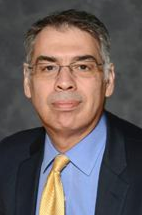
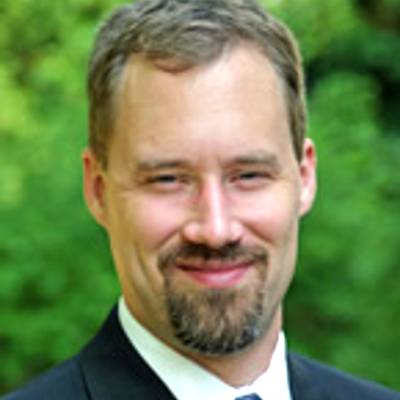
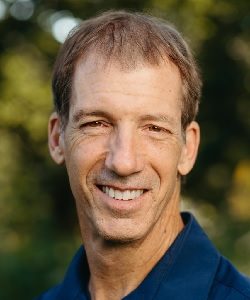
Shrikanth (Shri) Narayanan is a University Professor and holder of the Niki and Max Nikias Chair in Engineering at the University of Southern California (USC), serving as the inaugural Vice President for Presidential Initiatives. He leads the Signal Analysis and Interpretation Lab (SAIL) and holds joint appointments in Computer Science, Linguistics, Psychology, Neuroscience, Pediatrics, and Otolaryngology-Head and Neck Surgery. His research focuses on speech and audio processing, behavioral signal processing, and real-time MRI of speech production, with applications in healthcare, education, and technology. Education: B.E. in Electrical Engineering from College of Engineering, Guindy (Chennai, India, 1988); M.S., Engineer, and Ph.D. in Electrical Engineering from UCLA (1990, 1992, 1995). Research interests span computational linguistics, machine learning, and multimodal human behavior analysis. He pioneered technologies for speech biomarkers in mental health, real-time MRI of speech production, and wearable sensor systems for longitudinal health studies. His work in speech emotion recognition, forensic interviews, and clinical applications has been recognized through over 40 awards, including the IEEE Flanagan Award and ISCA Medal. He has published extensively in journals like Proceedings of the IEEE , Journal of the Acoustical Society of America , and PLOS One . Key Grants: NSF CAREER, Okawa Research, IBM Faculty, Google/Amazon awards. Labs/Teams: Signal Analysis & Interpretation Lab (SAIL), USC Information Sciences Institute (ISI), Google Visiting Faculty Researcher.
Catherine F. Eubanks is an Associate Professor of Psychology at Yeshiva University . She holds a PhD in Clinical Psychology from Stony Brook University and completed a postdoctoral fellowship at Beth Israel Medical Center, where she currently serves as Associate Director of the Psychotherapy Research Program. Education BA, Princeton University MDiv, Union Theological Seminary PhD, Stony Brook University Postdoctoral Fellowship, Beth Israel Medical Center Research Interests Dr. Eubanks specializes in: Therapeutic alliance ruptures and resolution Therapist characteristics linked to cross-theoretical effectiveness Psychotherapy skill enhancement through training and supervision Psychotherapy process research Contact Office: Resnick Campus - Rousso Building, Room 122 Phone: 646-592-4374
Douglas K. Snyder is a Professor in the Department of Psychological and Brain Sciences within the College of Liberal Arts at Texas A&M University. He previously served as Director of Clinical Training from 1991 to 2012 and has been internationally recognized for his research on marital assessment and outcome research on marital therapy, particularly through his development of the Marital Satisfaction Inventory. Dr. Snyder earned his bachelor's degree from Wittenberg University in 1974, received his doctoral degree from the University of North Carolina at Chapel Hill in 1978, and completed his internship at Duke University Medical Center. Prior to his appointment at Texas A&M, he served on the faculty at Wayne State University in Detroit and at the University of Kentucky in Lexington, where he also served as Director of Clinical Training and Associate Dean in the College of Arts and Sciences. Dr. Snyder's research emphasizes the assessment, treatment, and prevention of couple relationship distress. His work centers on the Marital Satisfaction Inventory, a multidimensional measure of relationship accord now published in several languages and used worldwide. His treatment research focuses on tailoring therapy to specific partner and relationship characteristics by integrating cognitive, behavioral, emotion-focused, and insight-oriented interventions. His specific clinical interests include treating difficult couples with emotional, behavioral, and health problems, with particular attention to military and veteran couples and those dealing with infidelity. Dr. Snyder's recent publications demonstrate continued leadership in couple therapy, with emphasis on evidence-based approaches, treatment of infidelity, military couples, and cross-cultural applications of couple assessment tools. His work spans theoretical advancements and practical clinical applications. Outstanding Research Publication Award, Association for Marriage and Family Therapy, 1991 Professor of the Year Award, Texas Psychological Association - Division of Students, 1993 Award for Distinguished Contributions to Family Psychology, American Psychological Association, 2005 Outstanding Contributions to Science Award, Texas Psychological Association, 2008 Distinguished Alumnae Award, University of North Carolina (Chapel Hill), 2012 Distinguished Psychologist Award for Lifetime Contributions to Psychotherapy, American Psychological Association, 2015 Fellow of the American Psychological Association (Divisions 5, 12, 19, 29, 43) Fellow of the Association for Behavioral and Cognitive Therapies Fellow of the Society for Personality Assessment Dr. Snyder has served as Editor of the Clinician's Research Digest and as Associate Editor for the Journal of Consulting and Clinical Psychology and the Journal of Family Psychology. His research has been supported by the National Institute of Mental Health, with significant focus on military couples and relationship distress. He has developed evidence-based approaches for assessing and treating relationship problems across diverse cultural contexts. Dr. Snyder is affiliated with the Personality Processes research cluster at Texas A&M University, focusing on objective personality assessment and clinical assessment of couples and families. His work bridges research and clinical practice, with emphasis on developing practical assessment tools and treatment approaches for clinicians working with distressed couples.
Dr. Kelsey A. Bonfils is a Nina Bell Suggs Endowed Professor and Assistant Professor in the School of Psychology at the University of Southern Mississippi, where she directs the Social Cognition & Recovery in Schizophrenia (SCORS) Lab. Her academic journey includes a PhD and MS in Clinical Psychology from Indiana University-Purdue University Indianapolis, and a BS from the same institution. Dr. Bonfils' research focuses on social cognition mechanisms in schizophrenia-spectrum disorders, examining contributing factors like sleep disturbance and developing interventions to improve recovery outcomes. Her work spans clinical psychology applications for adults with serious mental illness, psychosis risk, and emotion regulation processes. She maintains active professional affiliations with the American Psychological Association, Society for Research in Psychopathology, and International Society of Interpersonal Psychotherapy. Her publication portfolio demonstrates strong research trends in: Social cognition and metacognition in psychotic disorders Sleep-psychopathology relationships Innovative psychotherapies for serious mental illness Mental health disparities and treatment accessibility Veterans' mental health services Dr. Bonfils has received the distinguished Nina Bell Suggs Endowed Professorship recognizing her contributions to clinical psychology research. She teaches graduate and undergraduate courses including Abnormal Psychology, Clinical Psychology Practicum, and Adult Psychotherapy. At the SCORS Lab, Dr. Bonfils leads research on social cognitive processes and recovery-oriented interventions for individuals with schizophrenia-spectrum disorders, with current projects investigating sleep-social cognition interactions and metacognitive therapies.
Kenneth Rice is a Professor and holds the Ken and Mary Matheny Endowed Professorship in the Department of Counseling and Psychological Services at Georgia State University's College of Education & Human Development. He co-directs the Ken Matheny Center for the Study of Stress, Trauma, and Resilience. His research focuses on perfectionism, stress management, and psychological resilience, with studies addressing diverse populations such as STEM students, international students, and adult learners in literacy programs. He has held faculty positions at Penn State, Purdue, Michigan State, and the University of Florida. Education: B.S. with High Honors in Psychology, University of Florida (1986) Ph.D. in Counseling Psychology, University of Notre Dame (1990) His research explores how personal traits (e.g., perfectionism), emotion regulation, and relational factors influence health, mental health, and academic/work outcomes. He has developed psychometric tools for use in educational and clinical settings. His work emphasizes underrepresented groups and cross-cultural comparisons, such as sociodemographic factors impacting stress during the pandemic. Publications span journals like Journal of Counseling Psychology , Journal of Personality Assessment , and Psychotherapy . He is a Fellow of the American Psychological Association. His lab, the Personality, Stress and Adjustment Lab, investigates adaptive and maladaptive responses to stress. Collaborations include the Ken Matheny Center, focusing on trauma and resilience interventions.
William O'Donohue, Ph.D., is a Professor in the Department of Psychology at the University of Nevada, Reno (UNR), within the College of Science. He holds advanced degrees in both clinical psychology (Ph.D., SUNY Stony Brook) and philosophy (M.A., Indiana University). His research focuses on forensic psychology, sexual assault, evidence-based practice, and the philosophy of psychology. He has directed a NIJ-funded clinic for 27 years, providing free services to victims of sexual abuse, and secured over $3 million in grants. He has authored 90 books and 300+ publications, serving on key committees like the APA's DSM revision panel. Education: Ph.D. in Psychology, SUNY Stony Brook (1986) M.S. in Psychology, SUNY Stony Brook (1982) B.S. in Psychology, University of Illinois (1979) M.A. in Philosophy, Indiana University (1988) Research Themes: His work critically examines forensic interviewing protocols, ideological bias in psychology, and the scientific validity of therapeutic practices. He advocates for procedural justice in psychological practice and challenges social justice movements' methodological rigor. Grants & Clinical Work: His clinic's NIJ grant supports free services for sexual abuse victims. He has consulted for the U.S. military and legal professionals on evidence-based practices. Labs/Teams: Operates a long-term clinical research program focused on forensic assessment and victim support through his UNR clinic infrastructure.
Lauren M. Lipner, Ph.D., is an Assistant Professor in the Clinical Psychology Doctoral Program at Long Island University (LIU) Post, within the College of Liberal Arts and Sciences. She holds a B.A. from Pennsylvania State University and earned her M.A. and Ph.D. in Clinical Psychology from Adelphi University in 2020. Her academic and clinical training includes an APA-accredited pre-doctoral internship at Pennsylvania Hospital/University of Pennsylvania Health System, a clinical postdoctoral fellowship at Mount Sinai Beth Israel, and a research and teaching postdoctoral fellowship at Adelphi University. Her research focuses on psychotherapy process and outcome, with an emphasis on the development and repair of the therapeutic alliance. Key areas include alliance rupture resolution, factors contributing to premature treatment termination, and methodological approaches to measuring therapeutic dynamics. She has contributed extensively to the literature through peer-reviewed journal articles, book chapters, and conference presentations. The most recent publications reflect a strong trend in advancing methodological rigor in studying alliance ruptures, utilizing control chart methods, single-case designs, and multi-method approaches. Her work bridges clinical practice with empirical research, particularly in cognitive-behavioral and integrative therapies for personality and anxiety disorders. Scientific awards and grants highlight her recognition in the field: Small Research Grant, Society for Psychotherapy Research (2021) Charles J. Gelso, Ph.D. Psychotherapy Research Grant, Society for the Advancement of Psychotherapy (APA Division 29, 2023) Dr. Lipner has served as Principal Investigator on funded projects including 'The relationship between therapist flexibility, alliance rupture resolution, and premature treatment termination' and 'Reasons for dropout measure: Development and validation.' She is actively involved in professional organizations such as the American Psychological Association (Divisions 12 and 29), the Society for Psychotherapy Research, and the Society for the Exploration of Psychotherapy Integration. She regularly presents her research at national and international conferences, contributing to training and supervision literature, particularly in CBT and alliance-focused models. While no specific lab or research team is explicitly named in the text, her collaborative work with prominent researchers like Jeremy D. Safran, J. Christopher Muran, and Jacqueline P. Barber suggests active participation in a research network focused on psychotherapy process and integration. Her contributions to handbooks and case studies further indicate a strong commitment to clinical education and training.
Jesse Cougle is a Professor of Psychology at Florida State University, focusing on anxiety disorders , obsessive-compulsive and related disorders (OCRD), and problematic anger . He leads the Cougle Lab, which develops computerized treatments and investigates distress intolerance , courage , and transdiagnostic factors . Education: University of Texas at Austin (2008), Oxford University (postgraduate) Research: Cognitive-behavioral mechanisms in anxiety disorders, technology-based interventions for social anxiety and BDD, and biological processes in problematic anger Students: Mentoring Tapan Patel, James Zech, Victoria Swaine, and others His work spans interpretation bias modification , safety behavior reduction , and 'not just right' experiences in OCRD. Recent publications emphasize digital interventions for mental health and distress tolerance as a key transdiagnostic factor. Scientific Awards: President’s New Researcher Award (ABCT) Graduate Faculty Mentor Award (FSU) He serves as Editor-in-Chief of the Journal of Obsessive-Compulsive and Related Disorders and holds editorial roles in major journals. The Cougle Lab explores anxiety , perfectionism , and appearance-related psychopathology through multimodal research .
Miriam Steele serves as the Alfred J. and Monette C. Marrow Professor of Psychology at The New School for Social Research and Co-Director of the Center for Attachment Research. Her career bridges psychoanalytic theory with empirical child development research, focusing on attachment transmission across generations and clinical interventions. Her educational background includes a PhD from University College London (1990) and training as an Anna Freud Center psychoanalyst. She is a member of the Adult Attachment Interview Trainers’ Consortium and has co-edited seminal works including the Handbook of Attachment-Based Interventions (2018). Dr. Steele's research centers on intergenerational attachment patterns, with pioneering work establishing 'reflective functioning' as a key mechanism. Her NIH-funded studies examine attachment-based interventions for vulnerable families, while current projects explore body representation transmission, impacts of smartphone use on parent-child relationships, and embodiment in adolescence. She extends this work through interdisciplinary courses like 'Psychology for Designers' that connect psychology with Parsons School of Design. Analysis of her 15 most recent publications reveals sustained focus on longitudinal attachment studies from pregnancy through adolescence, adoption outcomes, and pandemic impacts on family dynamics. Her work increasingly integrates cross-cultural perspectives, as seen in studies of caste systems in India and global mental health frameworks. Notable awards include the 2017 Bowlby-Ainsworth Award from the Center for Mental Health Promotion, a $15,000 New School Research Cluster Award for 'The Body as Metaphor' (2013-2014), and a $900,000 MCH Research Program Award for 'Birth to Three' (2012-2015). As an educator, she teaches 'Child and Adolescent Global Mental Health' and mentors PhD/MA students through the Center for Attachment Research. Her grant portfolio demonstrates strong funding success in intervention development and longitudinal studies, with recent work securing support for digital media impact research. The Center for Attachment Research, co-directed with Howard Steele, operates as a multidisciplinary hub involving NSSR psychology students, Eugene Lang undergraduates, and international interns. Current initiatives include the Group Attachment-Based Intervention (GABI), Body Group studies examining physical disability impacts, and embodiment research in emerging adulthood.
Dimitris N Kiosses serves as Professor of Psychology in Psychiatry at Weill Cornell Medical College's School of Medicine since 2021. His academic affiliations center within the Department of Psychiatry with a focus on geriatric mental health services and research. His educational background includes a B.S. from Tufts University (1992), M.A. (1994), and Ph.D. (1999) from Adelphi University, establishing his foundation in clinical psychology with specialization in geriatric populations. Dr. Kiosses' research primarily investigates late-life depression, suicide prevention in older adults, and cognitive-behavioral interventions for comorbid conditions. His work emphasizes Problem Adaptation Therapy (PATH) development and implementation, particularly for depressed elders with cognitive impairment or chronic pain. Recent publications demonstrate growing focus on digital mental health tools, ecological momentary assessment, and international applications of geriatric interventions. His studies frequently examine emotion regulation mechanisms, neurocognitive correlates of depression, and implementation science approaches for real-world settings. Analysis of his 15 most recent publications reveals consistent thematic progression toward transdiagnostic approaches for late-life mental health, with increasing emphasis on technology-enabled interventions, cross-cultural adaptation, and precision medicine applications. The work spans clinical trials, implementation studies, and neurobiological investigations, predominantly targeting depression-suicide pathways in aging populations. Dr. Kiosses maintains active research mentorship through his leadership of multiple NIH-funded projects. His grant portfolio demonstrates particular strength in securing R01-level funding from NIMH and NIA for innovative geriatric mental health interventions. As Principal Investigator, he directs the Problem Adaptation Therapy research program which has evolved from home-based depression treatment (PATH) to specialized adaptations including PATH-Pain and suicide prevention applications. His work increasingly incorporates digital health components and focuses on implementation within primary care and community settings.
University of California, San FranciscoUnited States
Jennifer Mitchell, PhD is a Professor in the Departments of Neurology and Psychiatry & Behavioral Sciences at the University of California, San Francisco (UCSF) School of Medicine. She serves as the Associate Chief of Staff for Research and Development at the San Francisco VA Medical Center. Dr. Mitchell is affiliated with the UCSF Weill Institute for Neurosciences and is a member of both the UC Berkeley Center for the Science of Psychedelics and the UCSF Neuroscape Psychedelics Division. Dr. Mitchell's research focuses on identifying and developing novel therapeutics for drug and alcohol abuse, PTSD, stress, anxiety, impulsivity, and depression. Her work examines the neural mechanisms responsible for these disorders through translational neuroscience research that bridges psychology, behavioral pharmacology, and neuroanatomy. She has made significant contributions to the field of psychedelic therapeutics, particularly in developing MDMA for PTSD treatment and psilocybin for demoralization and depression. Dr. Mitchell's research portfolio demonstrates a strong emphasis on human and animal pharmacology, hypothesis-driven neuroscience, human proof-of-concept studies, translational models, and clinical trials. Her work on MDMA-assisted therapy for PTSD has reached phase 3 clinical trial status, representing a significant advancement in the field. Her recent publications show a consistent focus on psychedelic therapeutics, with particular attention to MDMA for PTSD treatment, but also extending to policy considerations, cost-effectiveness analyses, and the broader application of psychedelic compounds for various psychiatric conditions. Dr. Mitchell has received multiple DoD grants for the Institute for Translational Neuroscience from 2007 through 2014, demonstrating sustained funding support for her research program. Her work has been published in high-impact journals including Nature Medicine, Neuropsychopharmacology, and JAMA Neurology. As an advisor and mentor, Dr. Mitchell has contributed to the training of numerous researchers in the field of neuroscience and psychedelic therapeutics. Her laboratory work combines behavioral pharmacology with neuroimaging techniques to understand the mechanisms underlying addiction and stress-related disorders.
Lisa Wallner Samstag is a Professor of Psychology at Long Island University's Brooklyn Campus, affiliated with the College of Liberal Arts and Sciences and Department of Psychology. She is Director of Psychotherapy Research and Clinical Supervisor at LIU's Psychological Services Center, and Senior Consultant at Mount Sinai Beth Israel's Psychotherapy Research Program. B.A. in Psychology from Queen’s University M.A., M.Phil., and Ph.D. in Clinical Psychology from City University of New York Her research focuses on therapeutic alliance development, alliance ruptures, process-outcome dynamics, depression, anxiety, personality disorders, and developmental themes like parenting and infertility. She has extensively published on ruptures in psychotherapy and their resolution. Dr. Samstag's publications span from 2004 to 2022, emphasizing therapeutic alliance dynamics, rupture repair strategies, and clinical outcomes across diverse psychotherapy approaches. Her work bridges theoretical concepts with practical applications in alliance-focused training. Fellow of the American Psychological Association (APA) She supervises trainees in alliance-focused therapy, co-edited a book on rupture repair, and contributes to psychotherapy literature through book chapters and editorship roles in APA journals.
Bryce McLeod, Ph.D., serves as Professor and Director of the Child/Adolescent Concentration within the Clinical Psychology Program at Virginia Commonwealth University's Department of Psychology. Tenured faculty member with active research leadership directing the CREATE Lab focused on community-based mental health implementation science. Education: Ph.D. in Psychology, University of California, Los Angeles (2004) Dr. McLeod's research centers on implementation science for evidence-based practices in youth mental health, specializing in treatment integrity measurement, implementation sustainment factors, and community-school intervention development. His CREATE Lab develops pragmatic tools for measuring treatment fidelity, optimizes training/consultation strategies, and creates flexible interventions for real-world settings serving youth with behavioral and emotional challenges. Current work emphasizes school-based prevention systems and community mental health implementation frameworks. His publication record (2011-2022) reveals consistent focus on measurement innovation for implementation science, particularly treatment integrity instruments and therapeutic alliance assessment in youth contexts. Key trends include developing locally-managed data systems for schools, cross-treatment fidelity measurement approaches, and mechanistic models for training effectiveness - all targeting practical implementation barriers in community settings. Scientific Awards: VCU Department of Psychology Outstanding Service Award (2016) VCU Department of Psychology Outstanding Research Award (2011) NIH Clinical Research Loan Repayment Award Renewal (2011-2013) NIH Clinical Research Loan Repayment Award (2006-2008) As dedicated mentor, Dr. McLeod trains graduate students in applied implementation research through CREATE Lab projects, emphasizing community-engaged scholarship. His NIH-funded research portfolio supports multiple active grants including CEDARS, PRISM, and Sustainment of Evidence-Based Programs in Schools initiatives. Current funding focuses on optimizing measurement-based care systems and identifying key fidelity indicators for community implementation. Dr. McLeod leads the CREATE Lab conducting community-based implementation research across multiple funded projects including CEDARS, PRISM, and CHILD initiatives. The lab develops practice elements for flexible interventions, creates pragmatic fidelity measures, and tests implementation strategies in school and community mental health settings through active collaborations with local agencies and school systems.
Brian Zaboski, PhD, is an Assistant Professor of Psychiatry at the Yale School of Medicine. He holds dual expertise as a licensed Connecticut psychologist and Nationally Certified School Psychologist. His primary academic affiliation is with the Obsessive Compulsive Disorder Research Clinic within the Department of Psychiatry. Dr. Zaboski completed his PhD in School Psychology at the University of Florida, gaining clinical experience across school-based to acute inpatient settings. He specializes in cognitive-behavioral therapy (CBT) and exposure-based interventions for psychological disorders, with particular focus on OCD neurobiology and treatment innovation. His research integrates advanced quantitative methods and translational neuroscience to improve exposure therapy efficacy. Key areas include neurobiological network analysis, machine learning applications for OCD severity prediction, and neurofeedback treatment trials. He leads clinical trials investigating psilocybin therapy, pharmacotherapy combinations, and brain network changes in OCD patients. Dr. Zaboski's work has been funded by prestigious grants including the 2022 Brain & Behavior Research Foundation Young Investigator Award. Collaborations include prominent researchers like Christopher Pittenger, Terence Ching, and Michelle Hampson. His publications span peer-reviewed journals in psychiatry, neuroscience, and school psychology, with a focus on OCD mechanisms, treatment innovation, and school-based mental health interventions. Clinical trials he participates in explore novel treatments like troriluzole and psilocybin while investigating biomarkers for treatment response prediction.
John J. Curtin is a Professor in the Department of Psychology at the University of Wisconsin-Madison, where he directs the Addiction Research Center. His work bridges clinical psychology, computer science, and engineering to develop innovative digital solutions for mental health and addiction treatment. Dr. Curtin's research focuses on digital therapeutics and personal sensing technologies for substance use disorders and mental illness. His laboratory develops software applications that provide evidence-based interventions, treatment management tools, and enhanced communication with care providers. He specializes in algorithm development for moment-to-moment psychiatric risk prediction and just-in-time personalized interventions that adapt to both patient characteristics and their current context. His research program is highly interdisciplinary, collaborating with the Center for Health Enhancement Systems Studies, computer science, geography, and electrical and computer engineering departments. Dr. Curtin's work combines machine learning approaches with novel data streams from geolocation, cellular communications, social media activity, and wearable biosensors to create more effective and personalized treatment approaches. Dr. Curtin has secured continuous funding from the National Institutes of Health (NIAAA, NIDA, NCI and NIMH) since 1998. His current research examines machine learning-assisted precision medicine for smoking cessation, contextualized daily prediction of lapse risk in opioid use disorder, and dynamic real-time prediction of alcohol use lapse using mobile health technologies. His laboratory has produced numerous publications advancing the field of digital mental health interventions, with a particular focus on using technology to deliver precisely tailored treatments at the right moment for individuals struggling with substance use disorders.