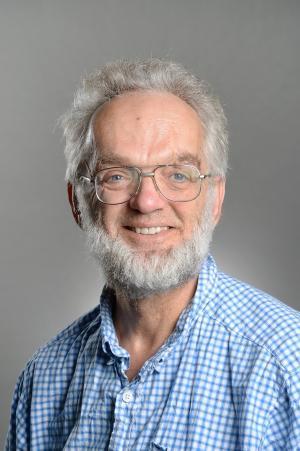
Bruno FaustinoView profile
Lecturer
Bruno Faustino is a Lecturer and researcher at the Faculty of Psychology and Life Sciences of Lusofona University in Lisbon, Portugal. Specializing in Clinical Psychology and Neuropsychology, he has authored over 50 scientific publications and serves as a reviewer for international journals. Education: Licenciatura in Psychological Sciences, Faculty of Psychology, University of Lisbon (FPUL) Master in Clinical and Health Psychology, FPUL Master in Applied Neuropsychology, Faculty of Psychology and Life Sciences, Lusofona University (FPCV-ULHT) PhD in Clinical Psychology, FPUL Post-graduate in Psychotherapy, Portuguese Association of Behavioral, Cognitive and Integrative Therapies (APTCCI) Research Interests: Dr. Faustino's work centers on the integration of neurobiological perspectives with psychotherapy, notably through his Transtheoretical Integrative Metamodel (2021). His expertise spans schema therapy, emotion regulation, complex trauma, and the neural underpinnings of psychopathology. He investigates how early maladaptive schemas, dissociative experiences, and neurocognitive domains interact to influence psychological distress and therapeutic outcomes. His research emphasizes transdiagnostic approaches and evidence-based clinical decision-making. Publication Trends: His recent work (2023-2025) reveals a dual focus: developing psychometric instruments (e.g., Neural Networks Symptomatology Inventory, Social Mentalities Scale) and advancing theoretical models linking neuroscience to psychotherapy. Key themes include dialectical core schemas, biopsychosocial disorder theory, and the role of emotional regulation in sexual/psychological distress. Methodologically, he frequently employs mediation/path analysis and cross-cultural validation in Portuguese samples. Academic Contributions: Beyond publications, Dr. Faustino actively participates in conferences worldwide, presenting on schema therapy, neuropsychology, and therapist responsiveness. His scientific reviewing supports advancements in cognitive-behavioral and emotion-focused therapies. He has contributed to Portuguese adaptations of assessment tools like the Interpersonal Emotion Regulation Questionnaire and Leahy Emotional Schema Scale.