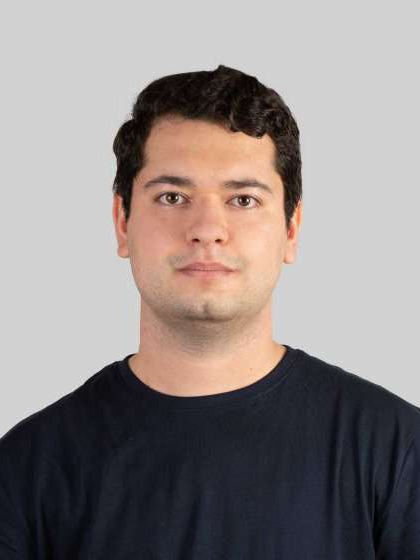
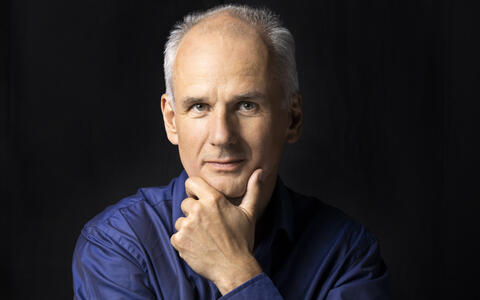
Yi-Jun Chang is an Assistant Professor in the Department of Computer Science at the National University of Singapore (NUS). He previously held a Junior Fellow position at the Institute for Theoretical Studies, ETH Zurich (2019–2021), and earned his Ph.D. in Computer Science and Engineering from the University of Michigan (2019). His research focuses on theoretical computer science, particularly distributed, parallel, and sublinear graph algorithms. Ph.D., University of Michigan (2019) M.S., National Taiwan University (2015) B.S., National Taiwan University (2013) Chang’s research explores the complexity and optimization of algorithms in distributed systems, including leader election, graph shattering, expander decomposition, and subgraph detection. His work addresses fundamental challenges in time-energy trade-offs, communication efficiency, and deterministic vs. randomized approaches in models like LOCAL and CONGEST. Recent publications highlight advancements in distributed triangle enumeration, optimal coloring, shortest path computation, and certification in bounded pathwidth graphs. Awards include the PODC 2019 Best Paper and Best Student Paper Awards, followed by the 2020 PODC Doctoral Dissertation Award. PODC 2019 Best Paper Award PODC 2019 Best Student Paper Award 2020 PODC Doctoral Dissertation Award Chang teaches courses such as CS3230 (Design and Analysis of Algorithms) and CS5275 (The Algorithm Designer's Toolkit). He advises Ph.D. students Hung Thuan Nguyen and Haoran Zhou, and has collaborated with postdoctoral researchers including Gopinath Mishra and Dean Leitersdorf.
Dr. Xiaopeng Li is the Harvey D. Spangler Professor in the Department of Civil and Environmental Engineering at the University of Wisconsin-Madison, with an affiliation in the Department of Electrical and Computer Engineering. He leads the USDOT Rural Autonomous Vehicle Program and previously directed the National Institute for Congestion Reduction. He earned his B.S. in Civil Engineering from Tsinghua University (2006), M.S. in Civil Engineering (2007), M.S. in Applied Mathematics (2010), and Ph.D. in Civil Engineering (2011) from the University of Illinois at Urbana-Champaign. His research focuses on modeling and field experiments for connected, electric, and automated vehicles (CAVs), infrastructure systems analysis, and interdependent network modeling. He has pioneered physics-enhanced machine learning frameworks for vehicle control and developed simulation tools for CAV deployment. His 2025-2024 publications highlight advancements in Connected vehicle trajectory modeling Energy consumption optimization Edge computing for autonomous operations Residual learning control systems Equity analysis in AV deployment Communication technologies for V2X Awards include: TRB Best Paper Award (2025) NSF CAREER (2015) ASCE Fellow (2024) IEEE Senior Member (2022) Multiple institution-specific fellowships He has advised 15+ graduate students, secured $35M+ in grants from NSF, USDOT, and industry partners, and chairs the IEEE ITSS Emerging Transportation Technology Testing committee. His work addresses real-world AV implementation, safety validation, and sustainable transportation systems.
Peter Fino is an Assistant Professor in the Department of Health, Kinesiology, and Recreation within the College of Health at the University of Utah. He directs the Neuromechanics and Applied Locomotion Lab, which is situated within the Cognitive and Motor Neuroscience research theme. His research focuses on understanding and improving mobility in individuals with neurological dysfunction, particularly those with brain injuries, using core concepts from biomechanics and motor control to develop better diagnostic tools and rehabilitation approaches. Dr. Fino's research explores how humans maintain stability during everyday activities that require complex motor control. His primary areas of investigation include: Foot placement control during walking and turning on uneven surfaces Balance recovery mechanisms following perturbations Effects of neurological conditions like concussion and Parkinson's disease on gait Development and application of inertial sensor technology for clinical assessment Neuroanatomical correlates of motor dysfunction after brain injury Nonlinear dynamics approaches to understanding human movement His lab employs a multidisciplinary approach, collaborating with engineers, clinicians, physical therapists, and neuroscientists to translate research findings into practical applications that improve people's lives. Current projects examine mobility in populations with traumatic brain injury, Parkinson's disease, and other neurological conditions, with particular focus on turning gait, dual-task performance, and objective measurement of balance recovery using wearable sensor technology. Dr. Fino actively mentors a diverse research team comprising PhD students, MS students, research coordinators, and undergraduate researchers. His lab has produced numerous graduates who have gone on to academic positions, clinical research roles, and healthcare professions. He maintains strong collaborative relationships across the University of Utah and with external institutions including Oregon Health & Science University, University of Nebraska Omaha, and US Army-Baylor Physical Therapy. The lab participates in outreach through National Biomechanics Day and partnerships with high school programs to introduce students to biomechanics and neuroscience.
Prof. Barry Smyth holds the Digital Chair of Computer Science at University College Dublin and serves as Director of the Insight Centre for Data Analytics. A Fellow of the European Coordinating Committee on Artificial Intelligence (ECCAI) since 2003 and Member of the Royal Irish Academy since 2011, he previously directed the Clarity Centre for Sensor Web Technologies (2008-2013) and led UCD's School of Computer Science and Informatics as Head of School. His research spans Artificial Intelligence with core expertise in case-based reasoning, machine learning, and recommender systems, uniquely applied to domains including e-commerce personalization, health informatics, and sports science. Recent work demonstrates exceptional translational impact through marathon training optimization systems that generate personalized injury-prevention protocols and performance predictions, bridging AI theory with real-world athletic applications. Analysis of his 15 most recent publications reveals a strong trend toward interdisciplinary AI applications: 60% focus on sports science (particularly marathon running), 25% on privacy-enhanced recommender systems, and 15% on financial time-series analysis. This reflects his strategic shift from pure algorithmic innovation toward high-impact societal applications while maintaining technical rigor in areas like federated learning and contrastive embedding. Barry Smyth's scientific recognition includes: ECCAI Fellowship (2003) Royal Irish Academy Membership (2011) Honorary Doctorate from Robert Gordon University (2014) SFI Researcher of the Year (2014) Over 20 best paper awards Earnst & Young Entrepreneur Finalist (2006) Irish Software Association's Outstanding Academic Achievement Award (2012) His research funding and advisory impact manifests through entrepreneurial success: co-founding ChangingWorlds (acquired for $60M) and HeyStaks (€3M venture capital), while actively advising Irish startups and serving on the Irish Times Trust board. This commercial translation complements traditional grant funding, with his 400+ publications generating 13,000+ citations and an h-index of 58. Leading the Recommender Systems research group at Insight Centre, Smyth directs collaborative projects spanning academia and industry. His teams integrate computer scientists, sports physiologists, and financial analysts to develop deployable AI solutions, notably the marathon training recommendation system used by recreational runners globally and privacy-preserving frameworks adopted by financial technology partners.
Rachel N Clark is a Lecturer in the School of Physics at the University of Bristol, actively contributing to the Quantum Engineering Technologies research group with a focus on quantum photonics and quantum light source development. Education: Master of Physics (MPhys) Master of Science (MSc) Doctor of Philosophy (PhD) Her research spans Quantum Engineering , Quantum Optics , and Photonics with concentrated expertise in solid-state quantum emitters—particularly aluminum nitride color centers—and single photon source engineering. Key investigations include evanescent-field photon collection enhancement, room-temperature quantum emitter characterization, and nanofabrication of quantum photonic devices for improved efficiency and integration. Analysis of her 13 publications (2022-2025) reveals dominant trends in aluminum nitride quantum emitter development, with 60% of works addressing room-temperature quantum light sources and photon collection efficiency. Her research bridges fundamental quantum optics with practical quantum technology applications, emphasizing scalable fabrication methods and metrology standards for quantum photonic systems. No scientific awards were documented in the provided materials. Information regarding graduate students, research grants, or specific laboratory teams beyond her Quantum Engineering Technologies affiliation was not indicated in the source texts.
Castilleja Olmsted serves as a Teaching Assistant Professor at the University of Pittsburgh, with office location in A259 Langley Hall (5th & Ruskin Ave., Pittsburgh, PA 15260). Her research focuses on ecological dynamics in forest ecosystems, particularly examining interactions between disturbances, wildlife, and plant communities. Contact is facilitated through her institutional email cfo7@pitt.edu. Her primary research interests span Ecology , Evolutionary Biology , and Forest Ecology , with specialized expertise in Wildlife Management and Biodiversity Conservation . Key investigations include disturbance legacies from fire and herbivory, cryptic biodiversity reservoirs, and non-trophic ecosystem engineering by large mammals. She integrates field studies with theoretical frameworks to address conservation challenges in changing landscapes. Recent publications (2019-2025) reveal a cohesive research trajectory centered on disturbance ecology and species interactions. Her work consistently examines how multiple stressors—such as fire, canopy gaps, and ungulate herbivory—reshape forest composition and regeneration. Notable contributions include demonstrating moose's ecosystem engineering roles and nematode-mediated plant competition dynamics, while practical outputs like her graduate school guide and field safety manual highlight commitment to academic community building. Dr. Olmsted actively mentors students in ecology and evolutionary biology, evidenced by her publication advising on graduate applications. Her fieldwork-driven approach necessitates robust safety protocols reflected in her manual, though specific grant details remain undisclosed in available materials. Current research directions suggest expanding investigations into multi-disturbance legacies and cryptic biodiversity mechanisms.
Manos Kapritsos is an Associate Professor in the Department of Computer Science and Engineering at the University of Michigan's College of Engineering. He leads the GLaDOS research group focusing on reliability of distributed systems through formal verification and fault-tolerant replication techniques. His research spans: Formal verification of concurrent and distributed systems Fault-tolerant replication protocols beyond client-server models Automation of verification processes for complex systems Performance verification including latency properties Reliable cryptographic code implementation Analysis of his publications reveals strong emphasis on: developing automated verification tools (Armada, Vale, IronFleet), creating novel replication protocols (Aegean), verifying performance characteristics (Performal), and improving specification reliability (IronSpec). His work consistently bridges theoretical formal methods with practical systems implementation. Awards and honors include: Jay Lepreau Best Paper Award at OSDI 2025 Jon R. and Beverly S. Holt Award for Excellence in Teaching (2022) NSF CAREER Award (2021) Distinguished Paper Award at PLDI 2020 Google Faculty Award (2017) Distinguished Paper Award at USENIX Security 2017 Grant support includes NSF FMitF grants (2020, 2023), NSF Large grant (2021), DARPA grant (2020), and Google Faculty Award (2017). He advises PhD students through the GLaDOS group, focusing on distributed systems verification. He directs the GLaDOS lab at University of Michigan, developing verification frameworks and reliable distributed systems. Current projects include automated proof generation (Basilisk) and efficient communication protocols (Scrooge).
Pavel Panchekha is an Assistant Professor in the School of Computing at the University of Utah, where he holds the Warnock Chair for Junior Faculty. His research spans programming languages, web browsers, and numerical analysis, with a focus on developing programming language techniques to address challenges across computer science. Dr. Panchekha received his educational training at prestigious institutions: PhD in Computer Science from the Paul G. Allen School for Computer Science and Engineering at the University of Washington, advised by Michael D. Ernst and Zachary Tatlock BS in Mathematics from MIT Panchekha's research program has two major thrusts. First, he works on web browser internals , with projects including fuzzing layout invalidation, multi-tenant garbage collection, and optimizing 2D graphics. He is also authoring a textbook on web browsers that informs much of this research. Second, he focuses on automatic numerical analysis , with projects such as automatic accuracy improvement, synthesis via term rewriting, scalable static accuracy analysis, and math library implementation. He leads the FPBench and Herbie projects, which are major deployments of his research. His scholarly output demonstrates consistent contributions across programming languages, verification, and numerical methods. Recent work shows a growing emphasis on bidirectional typing systems, layout invalidation in browsers, and robust floating-point error analysis. His publications reveal a trajectory from foundational work on floating-point accuracy (notably the Herbie tool that won a Distinguished Paper Award at PLDI 2015) toward more comprehensive systems for program synthesis, verification, and browser optimization. Panchekha has received significant recognition for his research contributions: NSF Fellowship ARCS Foundation Fellowship Adobe Research Fellowship Wissner-Slivka Foundation Fellowship 2015 PLDI Distinguished Paper Award for work on the Herbie numerical analysis and repair tool As an advisor, Panchekha mentors a substantial group of students across multiple levels. He currently advises six students: Marisa Kirisame (PhD), Bhargav Kulkarni (PhD), Yumeng He (PhD), Artem Yadrov (MS), Jesus Ponce (BS), and Jonas Regehr (BS). Previously, he has advised over twenty students including PhD candidates like Ian Briggs and numerous MS and BS students. His advising spans theoretical topics in programming languages and practical applications in web browsers and numerical computing. Panchekha leads research groups focused on programming languages applications to web browsers and numerical analysis. His work on the Herbie tool for floating-point accuracy improvement has become influential in the programming languages community, and his more recent work on browser internals is shaping how researchers understand and optimize modern web rendering engines. He is currently developing a textbook on web browsers that aims to synthesize knowledge about browser architecture and implementation.
Alan Briones Delgado is a researcher at the La Salle School of Engineering , Universitat Ramon Llull , with a focus on Internet of Things , Cybersecurity , and Transport Protocols . His work spans projects funded by the European Commission and national grants, including EXCEL4HOUSING4.0 , WeB-Nimbus , and NG-SOC , addressing challenges in cloud computing education, ecological monitoring, and security operations. His research integrates Artificial Intelligence and Wireless Sensor Networks for sustainable solutions. Key research areas include Quality of Service in heterogeneous networks, Environmental Conservation via IoT, and Teaching and Learning strategies for Big Data. Projects like EcoSentinel and BTL-COP highlight his commitment to Environmental Monitoring and Community Policing applications. His collaborations extend to institutions in the UK , Albania , and Western Balkans . Contact: alan.briones@salle.url.edu
Rodrigo Otoni is an Assistant Professor at the University of Groningen's Faculty of Science and Engineering, affiliated with the Bernoulli Institute for Mathematics, Computer Science, and Artificial Intelligence. His research focuses on automated reasoning for verification, synthesis, and certification in computer science. He leads initiatives in formal methods for distributed systems and maintains active profiles on GitHub and LinkedIn. Research Interests: Specializes in theoretical computer science foundations with applied work in model checking and formal verification. Key areas include: Automated theorem proving for system certification Formal specification of distributed protocols Rigorous verification methodologies for concurrent systems
Peter A. Tass is a Professor of Neurosurgery at Stanford University's School of Medicine, where he leads the Tass Lab within the Department of Neurosurgery. His research focuses on developing groundbreaking neuromodulation techniques designed to impact the course of neurological diseases including Parkinson's disease, stroke, epilepsy, and tinnitus. The Tass Lab is part of several prestigious Stanford initiatives including Bio-X, the Wu Tsai Human Performance Alliance, the Maternal & Child Health Research Institute (MCHRI), and the Wu Tsai Neurosciences Institute. MD from Universities of Ulm and Heidelberg, Germany (1989) PhD in Physics from University of Stuttgart, Germany (1993) Diploma (master's degree) in Mathematics from University of Stuttgart, Germany (1993) Habilitation thesis in Physiology from RWTH Aachen University, Aachen, Germany (2001) Dr. Tass's primary research interests center around computational neuroscience approaches to understanding and treating neurological disorders. His lab pioneers neuromodulation techniques based on thorough computational modeling that employs dynamic self-organization, plasticity, and other neuromodulation principles to produce sustained therapeutic effects after stimulation. He specifically focuses on developing stimulation methods that cause sustained neural desynchronization by unlearning abnormal synaptic interactions. His work spans both invasive techniques like deep brain stimulation and non-invasive approaches such as vibrotactile and acoustic stimulation. Current projects involve developing novel therapies for Parkinson's disease, epilepsy, tinnitus, and other neurological conditions using comprehensive computational neuroscience methods derived from non-linear dynamics, statistical physics, and numerics. Analysis of Dr. Tass's recent publications reveals a strong focus on coordinated reset stimulation techniques, neural network modeling with plasticity mechanisms, and computational approaches to brain stimulation. His work consistently bridges theoretical computational neuroscience with clinical applications, particularly for Parkinson's disease treatment. A significant portion of his recent research examines how stimulation parameters, sequences, and timing affect long-lasting desynchronization effects in neural networks. His publications demonstrate an interdisciplinary approach combining physics, mathematics, neuroscience, and clinical medicine to develop novel therapeutic interventions. Member of the European Academy of Sciences and Arts (2012) Nicolaus August Otto Innovation Prize (2011) German Innovation Award in Medicine (2011) Rapid Response Innovation Awards from The Michael J. Fox Foundation (2009, 2010) Runner-up for the German future prize (2006) Erwin Schrödinger prize (2005) Fritz Winter prize (2000) Dr. Tass actively mentors a diverse team of researchers including staff scientists, postdoctoral fellows, clinician-scientists, and students. His lab currently includes researchers with backgrounds in physics, computational neuroscience, biomedical engineering, and clinical neurology. The lab is involved in multiple clinical trials, including studies on coordinated reset spinal cord stimulation and vibrotactile coordinated reset stimulation for Parkinson's disease. His research is supported by various funding sources including foundations focused on neurological disorders and innovation in medical technology. Dr. Tass collaborates extensively with both internal Stanford researchers and external collaborators worldwide. The Tass Lab at Stanford is a multidisciplinary research group comprising physicists, neuroscientists, engineers, and clinicians working together to develop novel neuromodulation therapies. The lab team includes staff scientists like Justus Kromer (theoretical physicist), postdocs like Daniel Ehrens and Kanishk Chauhan, clinician-scientists like Tina Munjal, and clinical research coordinators. The lab maintains active collaborations with Stanford colleagues across departments including Kwabena Boahen, Vivek P. Buch, and Jaimie Henderson, as well as external collaborators like Alexander Neiman and Kęstutis Pyragas. Current research directions include developing non-invasive vibrotactile treatments for Parkinson's disease, acoustic coordinated reset therapy for tinnitus, and responsive deep brain stimulation for conditions like loss-of-control eating.
Reda Mastouri is an Adjunct Professor in the Department of Data Sciences within the College of Computer and Information Sciences at Saint Peter’s University. He combines academic roles with 12 years of industry experience as a Lead Cyber Security Engineer and Product Consultant, collaborating with Fortune 200 and 500 companies. His teaching includes courses such as DS-520 Data Analysis, DS-530 Big Data, and CS-332 Advanced Computing. Ph.D., AI & Data Sciences, Saint Peter’s University M.Eng., Telecommunication and Network Engineering, ENSA-M Cadi Ayyad University M.S., Data Sciences, Saint Peter’s University B.S., Computer Sciences, New Jersey Institute of Technology B.A., Applied Mathematics, Rutgers University His scholarly work focuses on AI-driven algorithms for truth demystification and cluster computing applications in high-fidelity image/video forgery detection within cybersecurity. Additional expertise spans DevSecOps, enterprise architecture, and software economics, with a dedication to innovation in business strategy and technology integration. Dr. Mastouri’s research trends emphasize heterogeneous ad hoc networks, collaborative honeypot architectures, and blockchain-based security models for IoT. His work addresses distributed attack detection, false positive/negative reduction, and protocol optimization, aligning with his specialization in cybersecurity and artificial intelligence. Certified Splunk Super User Palo Alto Networks Certified Cybersecurity Associate (PCCSA) CyberArk Certified Trustee Certified Scrum Professional SFPC Certified 10-Hr OSHA Training for the Construction Industry Certified Project Management Essentials Certified (PMEC)™ Lean Six Sigma Yellow Belt (ICYB) CPR & AED Certified AWS Certified Developer Associate Scrum Foundation Professional Certificate NSE 1 Network Security Associate NSE2 Fortinet's Network Security Expert
Christopher P. Higgins serves as Professor and AMAX Distinguished Chair in the Department of Civil and Environmental Engineering at the Colorado School of Mines, a position he attained in 2025 following his 2022 designation as University Distinguished Professor. Joining Mines in 2009, he leads critical research on environmental contaminants with emphasis on poly- and perfluoroalkyl substances (PFASs) in natural and engineered systems. His educational foundation includes: PhD in Civil and Environmental Engineering from Stanford University (2007) MS in Civil and Environmental Engineering from Stanford University (2002) AB in Chemistry from Harvard University (1998) Dr. Higgins' research program investigates chemical fate and transport mechanisms, particularly PFAS movement through soils and water, human exposure pathways, and remediation technologies. His work integrates field studies, laboratory experiments, and mathematical modeling to address: PFAS leaching dynamics in vadose zones Advanced treatment methods for contaminated media Exposure assessment via water, food, and indoor environments Environmental risk characterization at contaminated sites His recent publications demonstrate increasing focus on analytical method development, source identification, and destruction technologies for ultrashort-chain PFAS compounds. Notable recognitions include: ASCE Huber Prize for Civil Engineering Research (2019) SERDP Environmental Restoration Project of the Year (2020) Honorary Professorship at The University of Queensland, Australia His research program has secured substantial funding from NSF, NIH, EPA, USDA, and DoD, supporting interdisciplinary collaborations and graduate student mentorship. Current initiatives emphasize translating laboratory findings to field applications through partnerships with regulatory agencies and industry stakeholders. Dr. Higgins directs the Center for Environmental Risk Assessment and co-leads the PFAS@Mines Initiative, which coordinates campus-wide research on PFAS contamination through integrated experimental, computational, and policy-focused approaches.
Nikolaus Rajewsky is a leading Professor at the Max Delbrück Center for Molecular Medicine (MDC) and Charité – Universitätsmedizin Berlin , where he founded and directs the Berlin Institute for Medical Systems Biology (BIMSB) . His lab integrates experimental (biochemistry, molecular biology) and computational (bioinformatics, physics) approaches to study RNA regulation in gene expression , with applications to developmental biology, regeneration, neurodegenerative diseases, and cancer . Using model systems like C. elegans , planaria, and human brain organoids, his team pioneers cutting-edge methods such as MirDeep , DistMap , and FLAM-seq for RNA analysis. His research focuses on single-cell transcriptomics , spatial RNA sequencing , and circular RNA (circRNA) regulation , revealing novel roles for circRNAs like CDR1as in neuropsychiatric disorders. Recent work includes 3D tumor microenvironment mapping and computational modeling of RNA metabolism in diseases. Scientific Awards : Gottfried Wilhelm Leibniz Prize (2012) EMBO Membership (2010) Honorary PhD, Sapienza University of Rome (2014) Berlin Science Award (2009) His team's recent articles highlight breakthroughs in 3D spatial transcriptomics , circRNA degradation mechanisms , and mitochondrial disease modeling using human brain organoids. The lab actively collaborates with clinical partners across Charité and European institutions, driving the LifeTime initiative for cell-based interceptive medicine.
Amalia Miliou is a Professor in the Department of Informatics at Aristotle University of Thessaloniki, where she has served since 1993, progressing through the academic ranks from Lecturer to her current position as Professor since 2022. She holds a PhD in Electrical and Computer Engineering from the University of Florida (1991) with specialization in Optoelectronics, following an MSc in the same field (1988) and a Physics degree from Aristotle University (1985). Her research focuses on optical communications systems, with specific expertise in optoelectronic circuits simulation, optical switching, optical RAM development, converged fiber-wireless technology, 5G networks, and secure optical communications using chaos theory. Over her career, she has supervised numerous graduate students across these research areas, with thesis topics spanning optical memory systems, fiber-wireless integration, chaos-based secure communications, and advanced optical network architectures. Her recent publications (2021-2024) demonstrate a strong focus on next-generation optical networking solutions for 5G/6G applications, including fiber-wireless convergence, optical memory systems for high-speed networks, and innovative approaches to optical signal processing. Her work bridges fundamental photonics research with practical telecommunications applications, particularly in addressing the bandwidth and latency challenges of modern mobile networks. Professor Miliou has served as the Coordinator of the LLP-ERASMUS student exchange program at the Department of Informatics since 1997 and has held various administrative positions including membership in the University Senate and General Assembly. She has led and participated in numerous research projects, most recently focusing on technological improvements for 5G systems through optical-wireless network development (2019-2021), next-generation healthcare applications leveraging 6G networks (2023-2027), and photonic integrated circuits for random access memory (2012-2015).