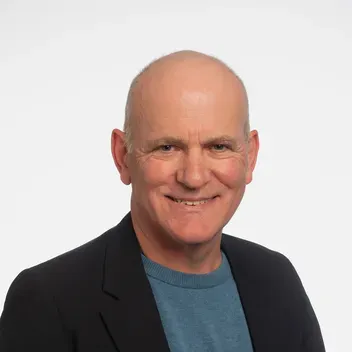
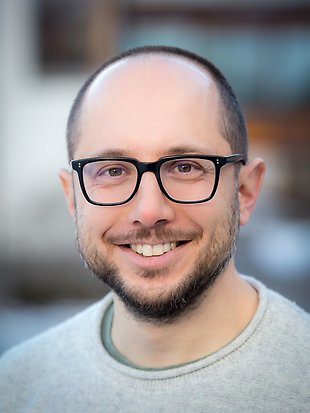
Masahiro Ryo is a Professor of Environmental Data Science at Brandenburg University of Technology (BTU) and leads the working group "Artificial Intelligence for Smart Agriculture" at the Leibniz Centre for Agricultural Landscape Research (ZALF). His research integrates machine learning with ecological systems to address global sustainability challenges, focusing on biodiversity, soil health, and AI-driven agricultural solutions. His work spans environmental data science, ecosystem services, and smart agriculture. Key themes include explainable AI for biodiversity monitoring, soil organic carbon prediction, and machine learning applications in ecological modeling. Recent publications highlight trends in environmental AI, with applications in yield mapping, fungal taxonomy, and global change ecology. He emphasizes the integration of ecological theory with deep learning to tackle small-data problems and improve model transferability. Contact: masahiroryo@gmail.com | Personal Website
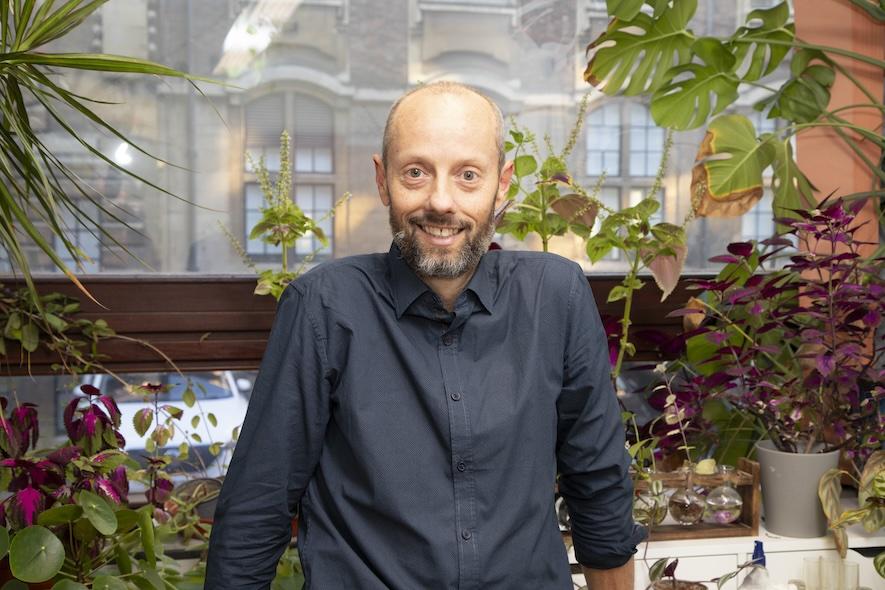
Maria Angeles Ayllón is an Associate Professor at the Technical University of Madrid (UPM) and leads the Virus-Fungus-Plant Interaction research group at the Center for Plant Biotechnology and Genomics (CBGP-UPM/INIA/CSIC) . Her research focuses on understanding the molecular mechanisms of mycovirus interactions with plant pathogenic fungi, particularly Botrytis cinerea , to develop sustainable biocontrol strategies for plant diseases. Research Focus: Mycovirus diversity and evolution in fungal pathogens Molecular mechanisms of fungal responses to viral infections Development of mycovirus-based biocontrol agents RNA silencing in fungi as antiviral defense Synthetic mycovirus construction for functional studies Her group has made significant contributions to mycovirus discovery, including novel Botrytis cinerea viruses, and has developed infectious clones for reverse genetics studies. The research has direct applications in sustainable agriculture, particularly in reducing chemical fungicide use as mandated by the EU Green Deal. Current Research Projects: PID2020-120106RB-I00 (2021-2024): "Molecular mechanism involved in the interaction of Botrytis cinerea-host plant mediated by a mycoviral infection" - Co-PI with Julio L. Rodríguez-Romero VIROPLANT H2020-SFS-17 (2018-2021): "Virome NGS analysis of pests and pathogens for plant protection" - PI Research Team: The group currently includes 3 PhD students (Cecilia Martín Parera, Julian Méndez Garcia), 1 postdoc (Javier Pardo Medina), and collaborates with Assistant Professor Julio Luis Rodriguez Romero. Laboratory Facilities: The group operates from offices (Room 223) and laboratories (Room 229) at the CBGP facilities in Montegancedo Campus, Madrid, with full molecular biology, genomics, and plant pathology capabilities.
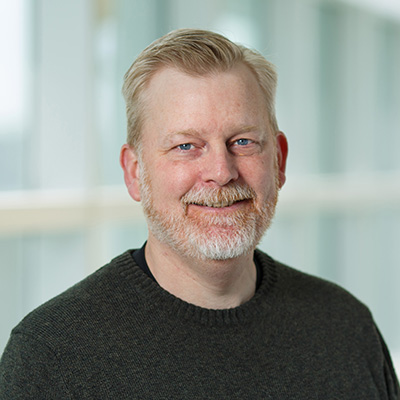
Professor Geoffrey Barton is the Chair of Bioinformatics at the Computational Biology department within the School of Life Sciences at the University of Dundee . With a career spanning decades, he has been pivotal in advancing bioinformatics tools and methodologies for analyzing biological data, particularly in protein structure prediction and RNA sequencing. Core Research Interests : Protein structure and function prediction, computational methods for large biological datasets, small RNA analysis, and integration with wet-lab collaborations across plants, model organisms, and human disease. Awards : Fellow of the Royal Society of Edinburgh (2019) Fellow of the Royal Society of Biology (2011) Brian Cox Prize for Excellence in Public Engagement with Research (2023) Publications and Software : He leads the development of widely used tools like JPred (25,000+ predictions/month) and Jalview (55,000+ installations). His group's work spans proteomics, transcriptomics, and structural genomics, addressing questions in basic science and clinical applications. Media and Collaboration : Available for media commentary on bioinformatics and computational biology, he collaborates extensively with international institutions, including the University of Cambridge and Oxford.
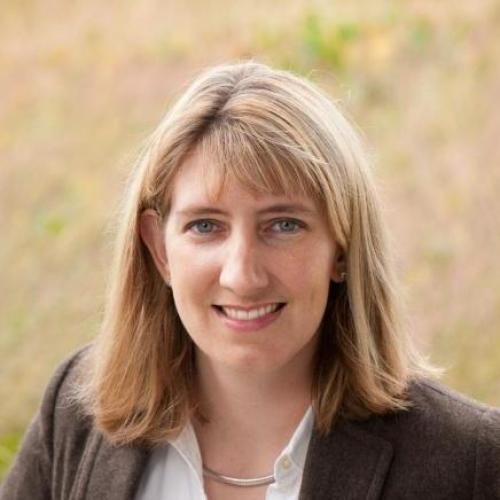
Terézia Beck is a university teacher at the Department of Biology and Environmental Studies, Faculty of Natural Sciences, Matej Bel University in Banská Bystrica, Slovakia. She teaches courses in Microbiology, Molecular Biology, Diversity and Phylogenesis of Protists, Algae and Fungi, Plant Cytology, Anatomy and Morphology, Plant Physiology, and Molecular Ecology, with consultation hours held Monday-Tuesday 09:00-11:00. Her educational background includes: PhD in Evolution of Ecosystems and their Protection (2015-2019), Matej Bel University, Faculty of Natural Sciences RNDr. in Ecology and Protection of Ecosystems (2016-2018), Matej Bel University, Faculty of Natural Sciences Mgr. in Nature and Landscape Conservation and Use (2013-2015), Comenius University in Bratislava, Faculty of Natural Sciences Dr. Beck's research focuses on mycology , particularly the molecular diversity and phylogenesis of wood-decay fungi including Ganoderma and Fomes fomentarius . She employs advanced techniques such as ITS sequencing, MALDI-TOF mass spectrometry, and fuzzy logic systems to study fungal identification, host-pathogen interactions, and ecological adaptations in urban and natural ecosystems across Central Europe. Her recent publications (2017-2022) demonstrate consistent contributions to fungal systematics, revealing cryptic diversity in Ganoderma species and pioneering identification methods for wood-decay macrofungi. Key thematic areas include molecular ecology of euglenoid flagellates, synanthropic processes in fungal communities, and host-specific adaptations of wood-decaying fungi in Mediterranean and Central European habitats. Dr. Beck serves as co-worker on two VEGA research projects: VEGA 1/0694/21 ( The influence of intra-and extracellular factors on the metabolism and motility of euglenoid flagellates ) and VEGA 1/0564/21 ( Interactions of wood-decay macromycetes and woody plants in habitats with different levels of preservation ). No graduate students are documented in available records. She actively collaborates within the Department of Biology and Environmental Studies and maintains professional memberships in the Slovak Mycological Society and the Slovak Society for Agricultural, Forestry, Food and Veterinary Sciences under the Slovak Academy of Sciences.
Ross Waller is a researcher at the Department of Biochemistry , University of Cambridge, focusing on the molecular evolution and cell biology of protists, particularly within the Alveolata infrakingdom. His work spans apicomplexan parasites (Plasmodium, Toxoplasma), dinoflagellate symbionts, and ciliates, investigating their subcellular organization, endosymbiotic partnerships, and genomic adaptations. His research provides critical insights into eukaryotic evolution and parasitism. Key research areas include: Adaptations in apicomplexan parasites for host exploitation Molecular processes of endosymbiont establishment Chromatin management in dinoflagellates without histones Cell biological innovations in coral-associated dinoflagellates Recent publications highlight advancements in understanding plastid evolution, secretory organelle dynamics, and metabolic adaptations across parasitic and symbiotic protists. The Waller Group is actively recruiting interns and researchers interested in experimental cell biology of marine protists.
Michael Marr is an Associate Professor of Biology at Brandeis University, specializing in mechanisms controlling gene expression. His research spans transcriptional and post-transcriptional regulation in metazoan cells, with a focus on Drosophila models. University: Brandeis University Department: Department of Biology Email: mmarr@brandeis.edu Research Interests Dr. Marr investigates how cells respond to developmental and environmental signals via changes in gene expression. Key areas include: Transcriptional activation by metal-dependent factors (MTF-1) under heavy metal shock Post-transcriptional control via insulin receptor pathways and IRES-mediated translation Functional coupling of transcription and translation to amplify signaling responses Role of co-activators in transcriptional regulation and redundancy analysis Notable Discoveries His lab demonstrated that the Drosophila insulin receptor (dINR) utilizes an internal ribosome entry site (IRES) for cap-independent translation, resolving how cells prioritize pathway-specific protein synthesis under stress. Article Trends His work focuses on molecular signaling, RNA biology, and transcriptional machinery across genomics, stress response, and developmental biology. Studies often bridge biochemical assays, RNA interference, and translational control mechanisms. Laboratory Located at the Rosenstiel Basic Medical Sciences Research Center, his lab employs Drosophila to dissect gene regulatory networks.
Gerald B. Koudelka is a Professor in the Department of Biological Sciences at the University at Buffalo, part of the College of Arts and Sciences. He holds the SUNY Chancellor's Award for Excellence in Teaching and is a Fellow of the American Academy of Microbiology. His research focuses on two major themes: mechanisms of DNA-protein interactions and the evolutionary role of bacteriophage-encoded exotoxins as antipredator defenses. Dr. Koudelka earned his PhD from the University at Buffalo and completed postdoctoral research at Harvard University. His work combines molecular genetics, microbial ecology, and evolutionary biology to explore how bacteria interact with their environment. Key areas include understanding how regulatory proteins recognize DNA sequences and investigating the ecological functions of Shiga toxin-encoding bacteriophages in bacterial survival strategies. Research highlights include discovering that Shiga toxin production may primarily function as a defense against predatory protists rather than targeting mammals, and elucidating the role of DNA conformation in protein binding specificity. His lab has also developed novel recombineering systems for genetic manipulation of enterohemorrhagic E. coli. Recent studies (2023-2024) focus on how bacterial surface structures like LPS influence amoeba predation and the role of prophage-encoded enzymes in regulating toxin expression. Awards include the SUNY Chancellor's Teaching Excellence Award and American Academy of Microbiology Fellowship. Dr. Koudelka maintains an active laboratory at Buffalo, with ongoing projects investigating bacterial defense mechanisms, phage-toxin ecology, and the environmental persistence of pathogenic E. coli strains.
Dana E. Hunt is an Associate Professor of Microbial Ecology at Duke University's Department of Civil and Environmental Engineering within the Marine Science and Conservation school. Her research focuses on microbial interactions with the environment, including temperature effects and responses to pollutants. Academic Rank: Associate Professor University: Duke University Department: Civil and Environmental Engineering Research Interests: Marine microbial ecology, bacterial interactions, environmental stressors Email: dana.hunt@duke.edu The Hunt lab investigates bacterial dynamics in marine systems, emphasizing temporal and spatial scales. Recent publications highlight studies on nutrient cycling, pollutant adaptation, and microbial community responses to environmental changes. Key topics include marine microbiomes, niche partitioning, and climate stressors. Her teaching portfolio includes courses like Ecological Perspectives: Evolution to Ecosystems and Coastal Watershed Management and Restoration . Collaborations span oceanographic phenomena like Gulf Stream eddies and biogeochemical processes in coastal environments.
Matthias Horn is a University Professor at the Centre for Microbiology and Environmental Systems Science of the University of Vienna, specializing in microbial symbioses and intracellular bacteria. He leads the Division of Microbial Ecology and investigates symbionts of amoebae, arthropods, and marine organisms, with a focus on genome evolution and host-pathogen interactions. Research Interests: Microbial symbioses (protozoa, insects) Evolution of intracellular bacteria Microbial genome evolution Host-eukaryote interactions Recent Publications explore chlamydiae adaptation, giant virus-host codon mismatches, and symbionts in corals and dinoflagellates. His work is supported by the Austrian Science Fund Cluster of Excellence Microbiomes Drive Planetary Health and previously by the ERC and FWF. Awards: FWF START Award (2005) ERC Starting Grant (2011) Teaching includes courses on molecular microbial ecology, symbiosis, and advanced techniques like FISH. His team comprises postdocs, PhD candidates, and technicians studying microbial interactions.
Matthias Wolf is an Academic Director at the Department of Bioinformatics, Biocenter, University of Würzburg. He holds a Doctor rerum naturalium (summa cum laude) from Free University of Berlin (2002) and has been a faculty member since 2003, progressing through roles including C1 Assistant Professor (2003–2008), Lecturer (2008–2015), Senior Lecturer (2015–2024), and now Academic Director. His research focuses on phylogenetics, phycology, and RNA secondary structure analysis, particularly using ITS2 databases. He has over 85 peer-reviewed publications and an h-index of 46. Awards include being listed among the top 2% scientists in his field (2020) and recognition for 25 years of service in Berlin and Bavaria (2023). Education highlights include a Diploma in Biology (1999) and PhD studies on molecular systematics of green algae (2002). He has held visiting roles at Research Center Jülich and contributed to expeditions aboard the research vessel METEOR. His grants include DFG funding for ITS2-based phylogenetic algorithms (2007–2011). He serves on editorial boards for BMC Ecology and Evolution and Biology , and is active in societies like GfBS and DBG. Research interests emphasize using ITS2 sequence-structure data for phylogenetic reconstruction, species delineation, and molecular systematics. His work spans algae, protists, and fungi, with a focus on resolving evolutionary relationships and taxonomic ambiguities. Teaching responsibilities include courses in bioinformatics, phylogenetics, and computational tools for biology. Labs/Teams : Chair of Bioinformatics, ITS2 Database Project Grants : DFG MU 2831/1-1 (2007–2011) Advising : Supervised numerous PhD/Master’s students in microbial systematics and bioinformatics
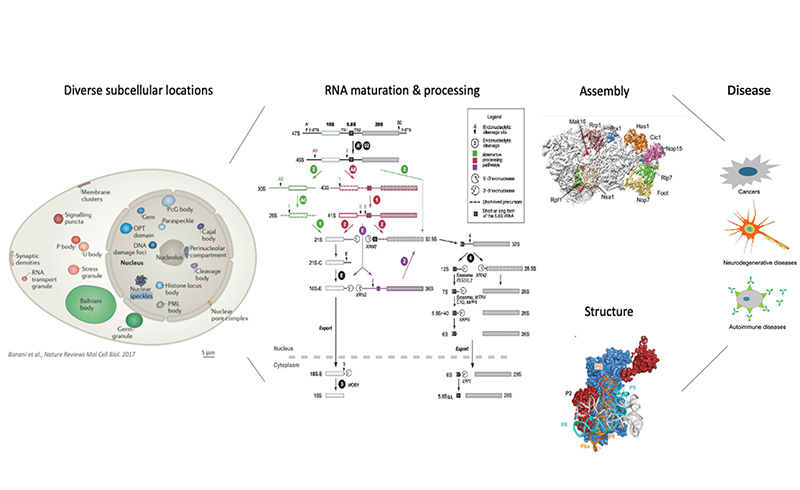
Marlene Oeffinger is an Associate Professor at the Faculty of Medicine, University of Montreal and holds a cross-appointment at the Division of Experimental Medicine, McGill University . She serves as Research Director of the Ribonucleoprotein Biochemistry Research Unit at the Montreal Clinical Research Institute (IRCM). Her research focuses on RNA maturation pathways, ribosome biogenesis, and their links to neurodegenerative diseases like Alzheimer's and ALS through RNA-protein complex dynamics. Education : Master's in Cell Biology (University of Vienna), PhD in Molecular Biology (University of Edinburgh). Training : Postdoctoral work in David Tollervey's lab (Edinburgh) and Mike Rout's lab (Rockefeller University). Her work combines proteomics , biochemical assays , and computational approaches to map RNA maturation networks and their connections to DNA damage repair. Recent articles highlight discoveries in archaeal ribosome evolution, mRNA export mechanisms, and RNA structure probing in yeast. She has received prestigious awards including the CIHR New Investigator Award , FRQ-S Junior Scholar Fellowships , and Revson Foundation Biomedical Fellowship . Marlene's lab trains students and researchers in RNA biology, with current members like Master's student Mauricio Hernandez Magana. Her affiliations span multiple platforms at the IRCM, including bioinformatics , proteomics , and molecular biology . She leads grants from CIHR , FRQNT , and Brain Canada , advancing understanding of RNA's role in disease etiology.
Peter Kennedy is a Professor in the Department of Plant and Microbial Biology at the University of Minnesota's College of Biological Sciences, where he serves as Interim Associate Dean of Research and holds the PMB Wardle Chair of Microbial Ecology. His Kennedy Lab investigates plant-microbe interactions, with a primary focus on ectomycorrhizal fungal symbioses in forest ecosystems. The lab integrates mycology, microbiology, ecology, evolution, and molecular biology to study how biotic and abiotic factors shape ecological communities. Research employs field sampling, greenhouse experiments, and molecular techniques to examine fungal necromass decomposition, carbon sequestration mechanisms, and climate change impacts on microbial communities. Key areas include the 'Gadgil Effect' (fungal guild interactions controlling carbon cycling), protist roles in soil food webs, and biogeographic patterns of symbiotic versus saprotrophic fungi. Recent publications reveal strong trends in fungal necromass decomposition dynamics under warming and nitrogen fertilization, with emphasis on melanin's role in carbon stabilization and microbial community shifts. Work increasingly connects molecular mechanisms (e.g., gene expression in Ascomycota) to ecosystem-scale carbon cycling. Scientific recognition includes: Fulbright fellowship (2019) for Colombia-based biodiversity research PMB Wardle Chair of Microbial Ecology (2022), supporting new microbial ecology directions Mentorship spans 14+ PhD students including Lotus Lofgren (UC Riverside), Craig See (Northern Arizona University), and Chris Fernandez (Syracuse University). Major grants include NSF Dimensions of Biodiversity (oak symbiont networks), Gadgil Effect studies, and SPRUCE experiment collaborations. International partnerships with Norway (University of Oslo), China (Xishuangbanna Institute), and Colombia (Universidad Nacional) drive cross-continental research. The Kennedy Lab operates the Itasca ForestGEO plot and maintains strong ties with the Bell Museum fungal collections. Current initiatives include protist-fungal interaction studies, necromass RNASeq analyses, and expansion of FUNGuild—a community resource for fungal ecological guild classification.
Dr. Pauline Scanlan is a Lecturer in the School of Microbiology at University College Cork (UCC), leading the Scanlan Lab at the APC Microbiome Ireland research institute. Her research focuses on the ecology and evolution of the human gut microbiome, including antimicrobial resistance (AMR), bacteria-phage coevolution, and protist diversity. She holds a Royal Society-Science Foundation Ireland University Research Fellowship and previously worked at the University of Oxford and Teagasc. Education : B.Sc. (Plant and Microbial Biotechnology), UCC, 2002 Ph.D. (Medicine), UCC, 2007 Research Interests : Dr. Scanlan investigates how gut microbiota evolve in response to antibiotics, biotic interactions, and environmental factors. Key areas include AMR evolution, phage-bacteria dynamics, Blastocystis prevalence, and inflammatory bowel disease (IBD) associations. Articles : Her recent work highlights antibiotic impacts on gut microbiota stability, phage-bacteria coexistence mechanisms, and protist diversity in health. Themes include microbial adaptation, community resilience, and evolutionary trade-offs in the gut ecosystem. Awards : Royal Society-Science Foundation Ireland University Research Fellowship (2015) Marie Curie Intra-European Research Fellowship Grants & Labs : The Scanlan Lab explores microbiome evolution using in vitro models and longitudinal human cohort studies. Active projects include IBD-related research and microbial coevolutionary dynamics.
Fabien Burki is an Associate Professor at Uppsala University's Department of Organismal Biology, where he leads the Burki Lab focused on systematic biology. His research investigates protist evolution, particularly the origin of photosynthetic organelles through endosymbiosis and transitions to parasitic lifestyles in marine environments. Research interests include: Evolutionary mechanisms in microbial eukaryotes Plastid acquisition and genome reduction Phylogenomics of understudied protist lineages Marine parasite ecology (e.g., shellfish pathogens) Development of phylogenomic methods and databases His publications demonstrate consistent focus on: Resolving deep eukaryotic phylogenies Characterizing novel protist diversity Evolutionary transitions between free-living and parasitic lifestyles Adaptations in organelle biology He leads multiple research initiatives including an ERC Consolidator grant ( PlastidOrigin ) supporting investigations into plastid evolution through metagenomics and single-cell genomics. Current lab members include PhD students (Anders Alfjorden, Anne Walraven, Nina Pohl, Yash Pardasani) and postdoctoral researchers (Jennah Dharamshi, Xavi Florenza).
Professor Thomas Richards is a Professor of Evolutionary Genomics at the University of Oxford and a Royal Society University Research Fellow. His research focuses on understanding the origins and diversification of eukaryotic cellular complexity through phylogenomic, cell biological, and molecular approaches. Current research themes include phylogenomic analysis of gene ancestry, endosymbiosis mechanisms, and environmental DNA studies of microbial diversity. His work spans disciplines such as evolutionary genomics, microbial ecology, and systems biology, addressing questions like how endosymbioses form and how uncultured protists contribute to biodiversity. Key projects include studies on pathogen evolution, transporter proteins, and the genetic networks governing symbiotic interactions. Prof. Richards has published extensively on topics like membrane permeability, genetic code reassignments, and the evolution of eukaryotic microbes. His awards include the Royal Society University Research Fellowship, recognizing his contributions to understanding microbial and eukaryotic evolution.