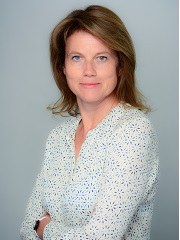
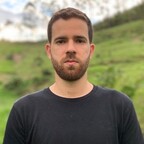
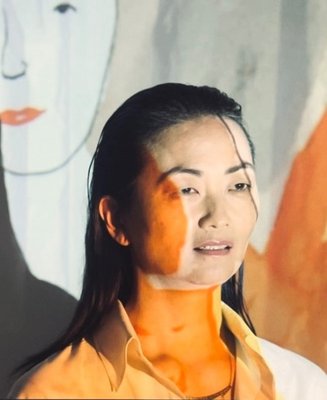
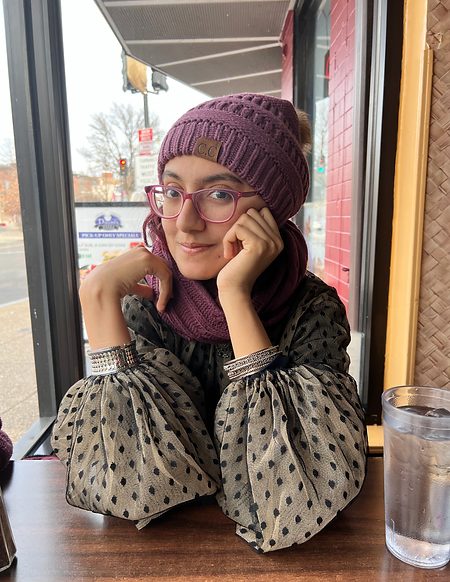
Dr. Mary O'Rawe is a Senior Lecturer at the School of Law within Ulster University's Faculty of Arts, Humanities & Social Sciences, based at the Belfast campus. She is affiliated with the Transitional Justice Institute and maintains offices at both the Belfast (2-24 York Street) and Jordanstown (Shore Road) campuses. Her research bridges law with neuroscience and social sciences. Her work focuses on: Human rights law and international standards in policing Critical analysis of counterterrorism strategies Gender mainstreaming in security sectors Interdisciplinary studies connecting autonomic nervous system research with legal decision-making Transitional justice mechanisms in post-conflict societies Her publications demonstrate consistent focus on police accountability and human rights compliance, with recent exploration of neuroscientific applications in legal contexts. Research emphasizes empirical field studies of law enforcement practices in Northern Ireland and cross-jurisdictional comparisons.
Simone Rödder is Assistant Professor in Sociology of Science at the Department of Social Sciences, Faculty of Business, Economics and Social Sciences, University of Hamburg. Her research focuses on the sociology of science, governance of science and technology, science and climate communication, and the theory and practice of science journalism. She leads the research project 'Understanding Science in Interaction' within the Excellence Cluster CliSAP and supervises numerous students in interdisciplinary climate and social science research. Dr. phil. nat. (summa cum laude), Universität Bielefeld, 2008 Diplom-Biologin (mit Auszeichnung), Johannes Gutenberg-Universität Mainz, 2003 Journalistenausbildung, ifp München, 1999–2001 Her research interests span the sociology of science, science governance, climate communication, and the role of scientific knowledge in public discourse and social movements. She investigates how scientific evidence is framed, used, and challenged in climate activism, media, and policy, with a strong emphasis on narrative analysis and ethnographic methods. Her work critically examines the interplay between science, politics, and publics in shaping climate futures. Recent publications reveal a strong focus on visible scientists, academic air travel, dramaturgical aspects of climate protests, collaborative ethnography, and the framing of climate futures across media and movements. Her work consistently explores the legitimacy of science in public discourse, the depoliticization of climate narratives, and the co-production of knowledge across social worlds. Dr. phil. nat. summa cum laude, Universität Bielefeld (2008) Diplom-Biologin mit Auszeichnung, Johannes Gutenberg-Universität Mainz (2003) She has supervised multiple students and leads major research initiatives. Her team includes Youssef Ibrahim, Max Braun, Christopher Pavenstädt, and others. She has received external funding for projects on science under mediatization and climate futures. She co-edited the influential volume Schlüsselwerke der sozialwissenschaftlichen Klimaforschung and contributes to transdisciplinary frameworks like the CLICCS Plausibility Assessment. She is actively engaged in collaborative ethnographic research on global environmental governance and contributes methodological and theoretical innovations to the field of science and technology studies.
Andrea Bieler is Professor of Practical Theology and Dean at the Faculty of Theology, University of Basel, Switzerland. She holds the Professorship of Practical Theology and is a member of the Regency. Her office is located at Heuberg 12, 4051 Basel. She leads the Faculty of Theology with a vision for interdisciplinary and intercultural theological engagement. Professor of Practical Theology, University of Basel (2017–present) Dean, Faculty of Theology, University of Basel (2020–present) Professor of Practical Theology, Kirchliche Hochschule Wuppertal (2012–2016) Professor, Pacific School of Religion and Graduate Theological Union, Berkeley, CA (2000–2012) Andrea Bieler's research centers on the intersection of practical theology and social dynamics, particularly in the context of migration, vulnerability, and intercultural communities. Her work explores how religious communities respond to trauma, displacement, and diversity. She investigates themes such as hospitality, agency, and digital pastoral care, contributing to both academic and ecclesial discourse. Her scholarship integrates trauma hermeneutics, memory studies, and intercultural theology to understand healing and reconciliation in post-conflict and migratory settings. Her recent publications and research projects, such as 'Conviviality in Motion' and 'Religion and Migration,' reveal a consistent focus on multiethnic congregations, vulnerability, and the ethical dimensions of care. These works span disciplines including theology, anthropology, ethics, and art, reflecting a deeply interdisciplinary approach. She frequently collaborates on international projects and publications, engaging with global theological networks. Scientific awards and recognitions include: Nomination for the Hanns Lilje Foundation Prize for Freedom and Responsibility in the field of The Formative Power of Art and Culture Projects Andrea Bieler actively supervises doctoral students and leads major research initiatives funded by the Swiss National Science Foundation. She is involved in numerous editorial and advisory roles, including the Scientific Advisory Board of the Magnus Hirschfeld Foundation and the Commission for Ethics of the Protestant Churches in Switzerland. Her service extends to leadership in academic societies such as the International Academy of Practical Theology and Societas Homiletica. She is affiliated with key research networks and centers, including the Karl Barth Center for Reformed Theology at the University of Basel and the international research network 'The Enhancing Life Project' at the University of Chicago. These affiliations support her work in connecting historical theology with contemporary ethical and pastoral challenges.
Lisbet Tarp is an Associate Professor in Art History at the School of Communication and Culture, Aarhus University. Her academic work bridges traditional art historical scholarship with digital methodologies and interdisciplinary research, particularly in the fields of painting, materiality, and conservation. She is actively engaged in several high-impact research projects exploring the intersections of art, science, and technology. Research Interests: Digital Art History and computational analysis of paintings Materiality and technique in historical and contemporary painting Conservation science and hidden layers in artworks Mathematics and geometry in visual art Early modern court culture and ceremonial representation Interdisciplinary practices between art and anatomy Her recent publications reflect a strong trend toward integrating digital tools into art historical inquiry, with a focus on uncovering the material and technical dimensions of paintings. Projects such as Digital Art History: Rediscovering the Painting and ANAT: Anatomical Theater demonstrate her innovative approach to visual culture through scientific and digital lenses. Her work often involves collaborative, peer-reviewed publications and digital dissemination. Scientific Projects & Activities: ANAT: Anatomical Theater (2023–2029) – Investigating dissection as aesthetic practice in early modern and contemporary contexts Digital Art History: Rediscovering the Painting (2019–2022) – Using digital methods to analyze painting techniques and material composition MoCMa: Mobility Creates Masters (2017–2019) – Studying transnational influences in European art LUMEN Center (2015–2025) – Researching Lutheran theology and its impact on confessional societies and visual culture Lisbet Tarp has contributed extensively to academic discourse through peer-reviewed journals, anthologies, and digital publications. While no formal students or awards are listed, her leadership in major research initiatives underscores her scholarly influence. She employs digital platforms for both research and pedagogy, including student-organized seminars and open-access digital versions of her work.
Gabriel Pereira is Assistant Professor in AI & Digital Culture at the University of Amsterdam (UvA), based at the Media Studies department and the Institute for Logic, Language and Computation (ILLC). His primary affiliation is with the Natural Language Processing & Digital Humanities (NLP&DH) group. Pereira's research focuses on the critical study of data and algorithms, particularly as they intersect with vision, images, and surveillance systems. He brings an interdisciplinary approach that combines Science and Technology Studies (STS), critical algorithm studies, platform studies, and artistic interventions to examine how computational systems shape social relations and power structures. Pereira's research interests center on critical perspectives of computer vision and algorithmic governance, with particular attention to how these technologies operate in contexts of surveillance, platform labor, and digital culture. His work critically examines hegemonic computer vision systems that reinforce surveillance capitalism while exploring alternative ways of seeing and engaging with technology. He has conducted extensive research on Automated License Plate Recognition systems, WhatsApp disruptions in Brazil, and the political economy of smart surveillance projects like Curitiba's 'Digital Wall.' His methodology combines qualitative research with practice-based inquiry, including arts-based and interventionist approaches that challenge dominant technological narratives. His publication trends reveal a consistent focus on critical examinations of algorithmic systems, with growing attention to resistance practices, decolonial perspectives, and situated knowledge from the Global South. The articles show a trajectory from analyzing specific surveillance technologies toward broader theoretical frameworks for understanding algorithmic antagonisms and developing critical technical practices. His work consistently bridges theory and practice, often collaborating with artists and activists to create interventions that make visible the hidden operations of algorithmic systems. Independent Research Fund Denmark International Postdoc grant Deviant Practice Grant (Van Abbemuseum) Pereira actively organizes academic and artistic events, serving as Secretary of the Association of Internet Researchers and participating in the Tierra Común network. He co-organized the Con/Crit/Tec residency in São Paulo that brought together over 80 transdisciplinary researchers to explore alternative geographies of digital consciousness. His collaborative approach extends to numerous grant-funded projects examining platform labor, algorithmic surveillance, and critical data literacy. Pereira emphasizes organizing as an essential element of research work, facilitating knowledge exchange between academic, artistic, and activist communities. He is affiliated with multiple research collectives including the Center for Arts, Design and Social Research (CAD+SR), where he serves as a Researcher in Residence. His practice-based projects like 'Future Movement Future – REJECTED,' 'Algorithmic Sea,' and 'History of _rt' demonstrate his commitment to using artistic interventions as critical research methods. These projects often involve collaborations with artists, technologists, and activists to create alternative ways of engaging with and understanding algorithmic systems.
Dr. Deniz Ay is a Senior PostDoc and Lecturer at the University of Bern’s Institute of Geography, specializing in Political Urbanism and Sustainable Spatial Development. She holds a PhD in Urban and Regional Planning from the University of Illinois at Urbana-Champaign (UIUC), an MSc in Development Economics from LSE, and a BA in Economics from Sabanci University. Previously, she was a Research Fellow at Vrije Universiteit Brussel and Lecturer at The Ohio State University. Her research focuses on urban renewal, housing policy, spatial justice, and social reproduction feminism. She analyzes urban governance through qualitative methods, emphasizing policy negotiations between planning authorities and landowners in densification projects. Key interests include commons care, decommodification of housing, and post-conflict urban redevelopment. Recent work examines affordable housing negotiations, green space access in densification, and ethnocratic governance in Diyarbakir. Her studies often address Turkey’s urban policies, including earthquake resilience planning and protracted urban renewal dynamics. Publications: Over 20 peer-reviewed articles and book chapters on urban policy, including in Land Use Policy , Environment and Planning C , and Frontiers in Sustainable Cities . Grants: Active in Swiss and international urban research networks, with projects on densification and care policy. Teaching: Courses on land policy, urban commons, and social reproduction at the University of Bern.
Sara Sejin Chang (also known as Sara van der Heide) is a Korean-Dutch artist born in 1977 in Busan, South Korea, who currently serves as Interim Professor administering the Chair of Spatial Concepts at the University of Braunschweig (HBK) for the 2024-2025 academic year, replacing Candice Breitz. Based in Berlin, Chang creates shamanic film installations that combine film, historical research, rituals, drawings, texts, and sound compositions to challenge Eurocentric thinking, racialization, and persistent colonial narratives. Her work has been exhibited internationally at major venues including Moderna Museet Stockholm, Kunstinstituut Melly Rotterdam, Centraal Museum Utrecht, and ARGOS Brussels, and she has participated in significant biennials such as the Berlin Biennale, Dhaka Art Summit, and Busan Biennale. Chang's research interests focus on the intersection of Korean shamanism and contemporary art practice as a means of healing colonial trauma, particularly examining transnational adoption narratives between Korea and the Netherlands. Her work critically engages with the historical relationship between these two countries, including the participation of 3,418 Dutch soldiers in the Korean War (1950-1953) and the subsequent adoption industry that saw approximately 40,000 people adopted from the Global South to the Netherlands. She interrogates Eurocentric systems of categorization, racialization, and their penetration into all levels of contemporary Western society, proposing what she terms 'meta-cosmic and inclusive approaches to modernity' that transform conventional understandings of value and time. Through her practice, Chang seeks to repair historical ruptures, particularly those affecting diasporic communities, and create spaces for ancestral reconnection. Chang's artistic output demonstrates a consistent trajectory toward using shamanic practices as frameworks for decolonial critique and healing. Her recent major work Dismemberment (2024) employs the Korean Ssitgimgut ritual tradition to symbolically heal 'sick Europe' through a dismemberment and cleansing process, while Four Months, Four Million Light Years (2020) addresses colonial narratives behind transnational adoption through a shamanic healing journey across time and space. These works, along with her long-term project The Mother Mountain Institute , form a cohesive body of work that challenges the normalization of racialization within European society while proposing alternative knowledge systems rooted in Korean shamanic traditions. Scientific Awards: Theodora Niemeijer Prize (2023) - the largest Dutch Art Prize Berlin Artistic Research Grant Fellowship (2022-2023) Jeanne Oostingprize for 'Claim to Universality; Colour Theory Exercise 1-12' Chang's practice extends beyond traditional academic advising, functioning instead through collaborative research frameworks and institutional critique. Her work has been supported by significant grants including the Mondriaan Fund and the Berliner Programm Künstlerische Forschung. She operates through what she terms 'the Mother Mountain Institute,' a conceptual framework that connects her artistic practice with shamanic knowledge systems and decolonial theory. This institute serves as both a research platform and a metaphorical space for healing colonial ruptures, particularly those affecting transnationally adopted individuals. Chang's work consistently challenges the 'whiteness of contemporary art spaces' in European cities, using these spaces themselves as metaphors for the colonial structures they inhabit while simultaneously transforming them into sites of ritual and healing.
Sanika Phawde is a Visiting Lecturer in the Department of Illustration at Massachusetts College of Art and Design (MassArt). She is an illustrator, educator, cartoonist, and reportage artist based in Boston, originally from India. Her work explores emotional connections and conversations over meals through comics and visual narratives. MFA in Illustration as Visual Essay, School of Visual Arts, NY (2021) BFA in Illustration, Parsons School of Design, NY (2019) Sanika's creative practice centers on illustration, comics, and visual storytelling, with a focus on personal and cultural narratives. Her work bridges art and documentation, often capturing intimate human interactions through a reportage lens. She is deeply engaged in art education, having taught at Parsons and RISD, and has been invited as a guest speaker at institutions like SVA and Rutgers University. The breadth of her recent publications shows a strong trend in editorial illustration, independent publishing, and cultural commentary. Her work appears in prestigious outlets such as The New Yorker , Food & Wine Magazine , and American Illustration , reflecting expertise in narrative drawing, visual journalism, and thematic exploration of food, emotion, and identity. Selected Awards and Honors: ADC Young Ones Portfolio Award (2021) D&AD New Blood Portfolio Award (2021) Paula Rhodes Memorial Award for Exceptional Achievement in Master’s Program (2021) MoCCA Arts Festival Awards of Excellence (2021) SVA Alumni Scholarship Award (2021) Sanika has advised through teaching roles at leading art institutions and has contributed to creative discourse through exhibitions and media features. Her work is part of the permanent zine collection at the Frick Fine Arts Library. She is actively involved in the illustration community through exhibitions and collaborations with global clients including Spotify, The New Yorker, and Accenture. Sanika is associated with creative collectives and exhibition spaces such as Printed Matter NY, MoCCA Arts Festival, and Carousel NY. Her practice integrates studio work, public engagement, and educational outreach, positioning her at the intersection of art, storytelling, and cultural documentation.
Dr. Seongcheol Kim is a Postdoctoral Researcher and Project Head at University College Freiburg, Albert Ludwig University of Freiburg, a position he has held since June 2025. He previously served as a Postdoctoral Researcher at the University of Bremen (2022–2025) and the University of Kassel (2020–2022), and was an affiliated researcher at the WZB Berlin Social Science Center. From October 2024 to March 2025, he served as Interim Professor of Comparative Politics at the University of Bremen. He earned his doctorate in Political Science from Humboldt University of Berlin in 2020 and completed his habilitation at the University of Bremen in 2023, where he was appointed Privatdozent. AB in German & Politics, Princeton University (2014) MA in Political Science, Free University of Berlin (2016) Dr. phil. in Political Science, Humboldt University of Berlin (2020) Habilitation in Political Science, University of Bremen (2023) Dr. Kim’s research centers on political theory, particularly populism, radical democracy, discourse analysis, and political organization in Europe. His work critically examines the ideological and organizational dynamics of both left and right-wing movements, with a focus on Central and Eastern Europe. He investigates how social movements transform into political parties, the nature of anti-populism across the political spectrum, and the interplay between authoritarian institutionalism and populist discourse. His theoretical framework is deeply rooted in post-foundational and discourse-theoretical approaches, drawing from thinkers like Laclau and Mouffe. His recent publications reveal a strong trend toward analyzing populism in comparative and transnational contexts, especially in relation to war, far-right mobilization, and democratic backsliding. He frequently publishes in top political science journals such as Government and Opposition , Constellations , and Political Studies Review , and has authored influential monographs on movement parties and populism in the Visegrád countries. His editorial work includes special issues on populism and radicalism, reflecting his leadership in shaping scholarly discourse. His scientific contributions include: Monograph: Movement Parties and People's Parties of a New Type (2024) Monograph: Discourse, Hegemony, and Populism in the Visegrád Four (2022) Edited volume: Populism, Protest, and New Forms of Political Organisation (2022) Special Issue: An Anti-Populist Moment? (forthcoming, 2025) Dr. Kim has held research fellowships and postdoctoral positions supported by prestigious institutions, including the Berlin Graduate School of Social Sciences and the WZB. He has led and contributed to collaborative research projects, including a DFG-funded project at UCF Freiburg. While there is no public list of advisees, his role as a project head and interim professor suggests mentoring and supervision responsibilities. He is actively involved in academic networks focused on radical democracy, populism, and East European studies. He is affiliated with research centers including the Research Centre for East European Studies (University of Bremen) and the Center for Civil Society Research (WZB). His work often engages with policy-relevant topics, such as far-right movements in the workplace and civil society responses to illiberal governance, published in analytical digests and science communication outlets.
Dr. Joel M. Dodson is Associate Professor of English at Southern Connecticut State University in the College of Arts and Sciences. He serves as the English Department Graduate Coordinator and oversees the Renaissance Studies Minor. He teaches courses in early modern British literature, classical drama, critical theory, and first-year writing, and is also active in the Honors College. B.A. in English and Philosophy, Wheaton College (2001) Ph.D. in English Renaissance Literature, University of Notre Dame (2011) Professor Dodson's research centers on early modern British literature, with a focus on the intersections of religion, politics, and aesthetics. His work explores Tudor poetics, the literature of poverty, confessional identity, and the role of keyword studies in pedagogy. He investigates how literary form engages with religious conflict and political ideology in Renaissance England, particularly in the works of Sidney, Spenser, Donne, and Marlowe. His recent publications and conference presentations reveal a strong thematic focus on the relationship between material conditions (such as poverty) and aesthetic expression, the role of confession in shaping literary identity, and the enduring influence of classical and religious thought on early modern poetics. His scholarship appears in presses like Manchester University Press and Northwestern University Press, as well as journals including The Spenser Review and The Catholic Historical Review. Professor Dodson is actively involved in the academic community, regularly presenting at major conferences such as the Renaissance Society of America, Sixteenth Century Studies Conference, and the Marlowe Society of America. He advises graduate students and contributes to the development of the English graduate program. He is currently working on a book project titled "The Poverty of Aesthetics in Early Modern England," which examines the representation of poverty in Renaissance literature from Bocaccio to Marlowe. He also maintains a professional website at www.jmdodson.com.
Prof. Dr. Jörg Zedler is a Senior Academic Councillor and Associate Professor at the Chair of Bavarian Regional History within the Institute of History at the University of Regensburg's Faculty of Philosophy, Arts, History and Social Sciences. Since 2023, he has held the title of apl. Professor, and during the academic years 2023/24-2024/25, he serves as Acting Professor for Modern History at LMU Munich. His research focuses on cultural history from the 18th to 21st centuries, with special emphasis on funeral ceremonies, diplomatic history of the 19th and 20th centuries, Catholicism research, Bavarian-Italian relations, and early 18th century travel research. His work frequently bridges regional Bavarian history with broader European contexts, particularly examining connections between Bavaria and Italy/Belgium. His major publications include "Useful Corpses. Monarch Burials in Bavaria and Belgium (1825–1935)" (2022) and "Bavaria and the Vatican. A political biography of the last Bavarian ambassador to the Holy See, Otto von Ritter (1909–1934)" (2013). Recent scholarly output shows a strong focus on Bavarian-Vatican relations, royal funeral ceremonies, diplomatic history, and transnational cultural transfers. Member of the Gesellschaft der Münchner Landeshistoriker Member of the Historischer Verein für Oberpfalz und Regensburg His teaching encompasses Bavarian regional history, covering topics from early modern imperial church politics through princely travels of the 16th-18th centuries to tourism history, environmental and protest history of the 20th-21st centuries, and Jewish history. His methodological approach combines cultural, social, political event, and environmental history perspectives, often placing specifically Bavarian regional historical questions within larger national, European comparative, and smaller regional contexts.
Joachim Kunstmann is a distinguished Researcher specializing in Protestant Theology/Religious Education . His work bridges religious educational theory , religion and aesthetics , and popular culture analysis. Research Priorities : Religious education, educational theory, religion and aesthetics, religious psychology, popular culture, modern life orientation Publications : Over 25 articles and 8 books, including Subjektorientierte Religionspädagogik (2018) and Religion und Erziehung (2002) His scholarly output reveals a consistent focus on interdisciplinary approaches integrating theological foundations with contemporary cultural analysis . Recent works examine visual and auditory dimensions of religious experience , while earlier publications address postmodern theological frameworks and educational philosophy . Kunstmann's contributions include lexicon articles on concepts like reality and subjectivity , demonstrating his commitment to theoretical clarification in practical theology. His empirical-theological analyses connect religious pedagogy with modern psychological and sociological realities .
Laura Vrana is an Associate Professor in the English Department at the University of South Alabama's College of Arts and Sciences. Her research specializes in African American literature and poetry, with particular focus on Black women poets, literary recognition dynamics, and institutional constraints in contemporary poetry. Research Expertise Vrana's scholarship examines how American literary institutions since 1980 have shaped Black women's poetic expression. Her work explores themes of racial justice, historical memory, and innovative poetics through frameworks including: Black feminist literary criticism Poetics of institutional recognition Experimental forms in African American poetry Interdisciplinary approaches to literary studies Publications and Awards Her 2024 book Pitfalls of Prestige analyzes tensions between inclusion and constraint in literary recognition. Vrana's articles appear in leading journals including Callaloo , Tulsa Studies in Women's Literature , and MELUS , where she received the 2022 Katherine Newman Best Essay Award for her analysis of Thylias Moss's poetic innovations. Projects and Contributions She contributed to the Mellon Foundation-funded Remarkable Receptions podcast exploring Ralph Ellison's legacy and has published critical reviews and book chapters on African American poetics across multiple historical periods.
Judith Thissen is an Associate Professor at Utrecht University 's Department of Media and Culture Studies, Faculty of Humanities. Trained in Paris (Film Studies at Paris 8, Archaeology at Paris 1), she earned her PhD in Arts and Humanities from Utrecht University. Her work bridges cinema history, social history, urban studies, and Jewish studies. PhD: Utrecht University (Arts and Humanities) MA: Paris 8 (Film Studies) BA: Paris 1 (Archaeology) Thissen specializes in early cinema's role in social and cultural transformations. She examines Jewish immigrant film culture in New York (1880-1914), rural European cinema (1920-1970), and digital humanities applications. Her current project, Kol Nidre on Broadway, Jazz Singers in Shul , explores cinema's influence on Jewish religious modernization. Recent publications focus on urban cultural politics, rural film venues, and ethnic media practices. She co-edited Cinema Beyond the City , the first anthology on European rural film culture (BFI, 2017). Key themes include cinema's public sphere, hygiene discourses, and comparative historical analysis. Scientific recognition includes a Max-Weber-Kolleg Senior Fellowship (2020/21) and the Jury Boekman Dissertatieprijs (2012). She teaches in Utrecht's Media & Culture bachelor and Media, Art and Performance Studies master's programs. Thissen actively contributes to digital humanities through networks like DICIS (Digital Cinema Studies), Digital Yiddish Theater Project , and HoMER (History of Moviegoing, Exhibition and Reception). Her research integrates comparative and interdisciplinary methodologies.
Johanna Jebe is a researcher at the University of Tübingen's Department of History, specializing in medieval history. She has held positions including: Academic Assistant (Post-Doc) at the Seminar for Medieval History since 2022 Academic Assistant at Prof. Steffen Patzold's chair (2017-2022) Doctoral Fellow at Graduate College 1662 (2014-2017) Research Focus: Analysis of Carolingian-era monastic manuscripts from St. Gallen and Fulda, examining knowledge organization, religious practices, and reform discourses. Her work challenges centralized narratives of monastic reform by emphasizing local manuscript traditions. Publications & Projects: Has published extensively on medieval libraries, monastic rules, and Carolingian knowledge systems. Created digital editions of medieval exorcisms and charms and contributed to the Tübingen History smartphone app. Awards: Received the Walter Witzemann Prize (2023), Dr. Leopold Lucas Young Researcher Award (2023), and Josef Leinweber Prize (2024). Education: Completed Magistra Artium in Modern/Contemporary History, Medieval History, and Protestant Theology (2014), with studies at Università di Bologna and a doctoral thesis on Carolingian monastic writing practices.