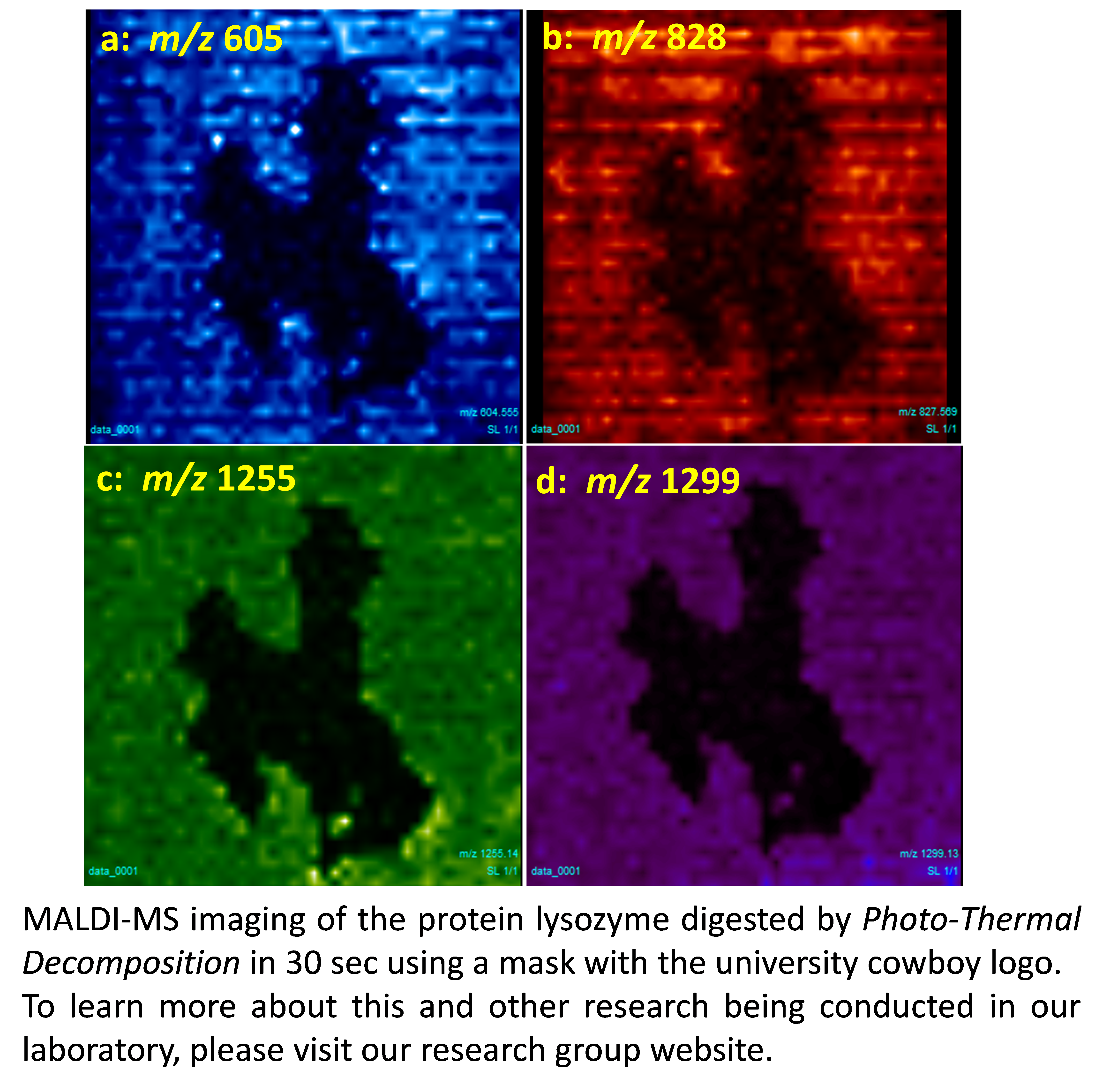
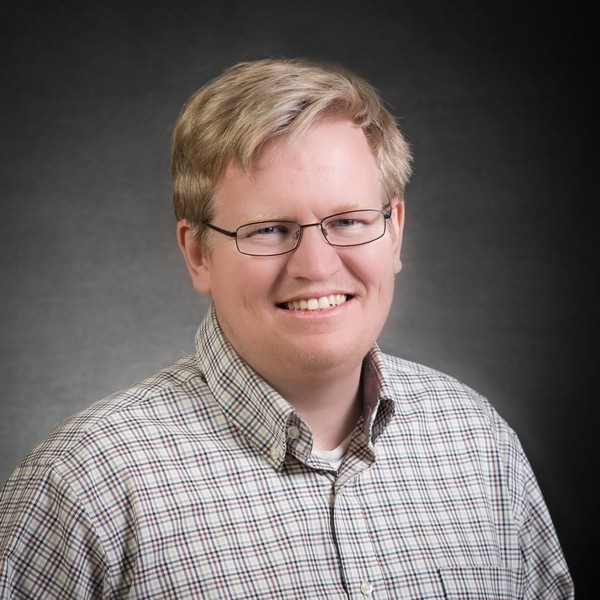
Franco Basile is a Professor in the Department of Chemistry at the University of Wyoming, specializing in Analytical Chemistry and Bioanalytical Mass Spectrometry . His research focuses on developing rapid, non-enzymatic sample preparation techniques for proteomics and metabolomics of biological and environmental samples, including microorganisms, bees, plants, and coal deposits. Education: B.S. in Chemistry (University of Wisconsin-Eau Claire, 1985), Ph.D. in Analytical Chemistry (Purdue University, 1992) Research Interests include: Analytical Mass Spectrometry : Pioneering thermal/microwave digestion for on-tissue proteomics and imaging-MS Metabolomics and Lipidomics : Analyzing root exudates, invasive grasses, and insect cold tolerance Microbial Ecology : Investigating sterol synthesis in bacteria and soil metaproteomics Article Trends span from 2025 to 2012 , emphasizing MALDI- and ESI-MS applications in proteomics, metabolomics, and environmental analysis. Recent work includes non-intrusive laser techniques for protein denaturation monitoring and sterol gene studies in planctomycetes. Scientific Awards : NSF CAREER Award R&D 100 Award ACS Outstanding Professor Award Lindbergh Foundation Research Award Funding sources include NSF, NIH, USDA, and DTRA for projects on insect cryobiology , microbial methane production , and field-portable biodetection systems . The Biodetection and Mass Spectrometry Laboratory houses advanced instrumentation like Q-Exactive HF-X Orbitrap and MALDI-ToF/ToF-MS, supporting interdisciplinary collaborations across ecology, geology, and biomedical sciences.
Dr. Mustafa Demir serves as an Associate Research Scientist at Arizona State University's Biodesign Center for Applied Structural Discovery and Faculty Associate in the Ira A. Fulton Schools of Engineering. His interdisciplinary work integrates cognitive science and engineering to optimize human-AI collaborative systems across healthcare, transportation, and defense domains through human-centered design principles. Education: Ph.D. in Simulation, Modeling, and Applied Cognitive Science, Arizona State University (2017) Dr. Demir's research centers on human-machine teaming dynamics, employing advanced statistical and nonlinear dynamical systems modeling. His expertise includes quantum cognitive approaches to decision-making, team cognition analysis, and machine learning applications for real-time physiological monitoring. Current projects focus on AI-powered stress management tools, curiosity-driven STEM education systems, and human-autonomy coordination in driving and command environments using eye-tracking and biometric sensing. Analysis of his 2023-2025 publications reveals methodological innovation in dynamical systems analysis (DSA Toolbox) and quantum probability modeling applied to trust calibration in autonomous vehicles, educational technology, and digital health interventions. His work consistently bridges theoretical modeling with real-world implementation in complex sociotechnical systems. Dr. Demir mentors students in cognitive engineering and applied data science while leading multi-institutional research initiatives funded by NSF, AFRL, and DARPA. His grant portfolio supports experimental work across simulated and operational environments including remotely piloted aircraft systems and urban search-and-rescue scenarios. He contributes to the Biodesign Center for Applied Structural Discovery and HLA-Inception research group, developing computational models of team interaction and adaptive AI systems for healthcare and education applications.
Professor Mark Lythgoe is a distinguished academic at University College London (UCL), where he serves as Professor of Biomedical Imaging in the Department of Imaging within the Faculty of Medical Sciences. He is the Founder and Director of the Centre for Advanced Biomedical Imaging (CABI) at UCL, a multidisciplinary research center hosting 12 state-of-the-art imaging modalities and 50 researchers. Additionally, he is Co-Director of the UCL Department of Imaging and Director of Biomedical Imaging Research at the Francis Crick Institute. Mark Lythgoe earned his Doctor of Philosophy from University College London in 1999 and his Master of Science from the University of Surrey in 1993. Professor Lythgoe has a long-standing track record in the development and application of biomedical imaging techniques, with research spanning from fundamental imaging science to clinical applications. His work focuses on advancing imaging technologies for biomedical research and clinical practice, with particular emphasis on neuroimaging, molecular imaging, and the application of imaging to understand neurological disorders and cancer. He has translated his research findings into clinical radiological practice and established training programs in biomedical imaging. His extensive publication record demonstrates consistent innovation across imaging modalities, with recent work increasingly focused on the glymphatic system in neurological disorders, advanced tumor imaging techniques, and the development of novel imaging technologies for both preclinical and clinical applications. His research bridges engineering, physics, biology, and clinical medicine to solve complex biomedical challenges. Professor Lythgoe's significant contributions to the field have been recognized with numerous prestigious awards: IET Achievement Medal (2023) - for major and distinguished contribution in Medical Imaging Royal Society of Medicine Ellison-Cliffe Award (2021) - for contribution of fundamental science to the advancement of medicine Davies Medal from the Royal Photographic Society (2013) - for significant contribution to imaging science Alumni Achievement Award from the University of Salford Neuroscience Prize for Public Understanding from the British Neuroscience Association Dorothy Hodgkin Award Biosciences Federation Science Communication Award Fellow of the British Science Association Professor Lythgoe has secured substantial research funding, with £45 million awarded for his collaborative imaging research program. He is deeply committed to training the next generation of imaging scientists, serving as Co-Director of the MSc in Advanced Biomedical Imaging and Co-Founder of the UCL Centre for Doctoral Training in Medical Imaging. His public engagement efforts include directing the Cheltenham Science Festival, which has become one of the largest science festivals in the world. As Director of the Centre for Advanced Biomedical Imaging, Professor Lythgoe leads a vibrant research team of 50 researchers working across 12 state-of-the-art imaging modalities. His center fosters interdisciplinary collaboration between engineers, physicists, biologists, and clinicians to develop and apply cutting-edge imaging technologies. He has published over 300 papers including publications in Nature, Nature Photonics, Nature Medicine and The Lancet, demonstrating the high impact of his research across multiple disciplines.
Scott W. Stevens is an Associate Professor and Associate Chair for Undergraduate Education in the Molecular Biosciences department at the University of Texas at Austin, College of Natural Sciences. His research focuses on understanding the structure and function of ribonucleoprotein (RNP) complexes, particularly the spliceosome. Dr. Stevens' research interests center on RNA processing and splicing mechanisms. His laboratory investigates how RNA and protein assemble into large RNP complexes, how these complexes function, and how they are rearranged during their action. His work has significant implications for understanding human diseases caused by RNP malfunction. His research methodology combines yeast genetics, biochemistry, cryo-electron microscopy, and X-ray crystallography. More recently, his lab has expanded into mammalian systems by designing human cells and mice to study splicing reactions in these model organisms. Dr. Stevens has published extensively on spliceosome structure and function, with research spanning from fundamental molecular mechanisms to potential therapeutic applications. His publication record shows consistent productivity from the early 2000s through 2023, demonstrating sustained research impact in the field of RNA biology. His collaborative work extends across disciplines, as evidenced by publications in medical physics and environmental science alongside his primary molecular biology research.
Univ.-Prof. Dr. Nuno Maulide is a full professor at the Department of Organic Chemistry, University of Vienna. He serves as Deputy Head of his department and is a member of the Senate. His research focuses on innovative organic synthesis strategies, particularly in C-H activation, hypervalent iodine chemistry, and asymmetric synthesis. Current Roles: Deputy Head - Department of Organic Chemistry; Member - Senate. Teaching: Offers advanced courses in organic synthesis, medicinal chemistry, and catalysis, including laboratory training and specialized seminars. His work bridges synthetic chemistry with applications in medicinal chemistry and bioimaging, exemplified by fluorescent probes for serotonin transporter imaging. He actively develops crosslinkers for protein structure modeling and investigates charge-driven reactions for functionalized hydrocarbons. Despite recent publications, no explicit scientific awards or student advising details are mentioned in the provided data.
Dr. Stanley Riddell is a world-renowned Professor at Fred Hutchinson Cancer Center in the Translational Science and Therapeutics Division. He holds the Burke O'Reilly Family Endowed Chair in Immunotherapy and serves as a Professor in the Division of Hematology and Oncology at the University of Washington School of Medicine. Dr. Riddell is a member of multiple integrated research centers including the Immunotherapy Integrated Research Center (IIRC), Pathogen-Associated Malignancies Integrated Research Center (PAM IRC), and Translational Data Science Integrated Research Center (TDS IRC). Dr. Riddell's educational background includes an MD from the University of Manitoba (1979), followed by a residency in Internal Medicine (1983) and fellowship in Hematology (1985), both also at the University of Manitoba. His clinical expertise centers on hematopoietic stem cell transplantation for leukemias and lymphomas, treating graft-versus-host disease, and developing T cell-based therapies for viral infections and cancers. As a pioneer in immunotherapy research, Dr. Riddell focuses on harnessing T cell biology to develop groundbreaking cancer treatments. His laboratory was instrumental in developing the first human trial of transferred therapeutic T cells to prevent cytomegalovirus infections after stem cell transplantation. His team's breakthroughs include identifying optimal T cell subsets for therapy, developing techniques for isolation and genetic modification of therapeutic T cells, and creating engineered receptors like CARs targeting CD19, BCMA, and ROR1. Dr. Riddell's work has demonstrated remarkable efficacy, with 93% remission rates in acute lymphoblastic leukemia patients treated with CD19 CAR T cells. Analysis of Dr. Riddell's recent publications reveals a strong focus on overcoming challenges in CAR T-cell therapy for solid tumors, particularly breast cancer and lung cancer. His research increasingly addresses metastasis prevention, tumor immune evasion mechanisms, and precision engineering of CAR constructs. Current work emphasizes optimizing T cell subset composition, developing neoantigen-targeted therapies, and creating molecular switches for safer, more effective treatments. Burke O'Reilly Family Endowed Chair in Immunotherapy Dr. Riddell has led numerous clinical trials translating laboratory discoveries into patient treatments. His team developed critical techniques now broadly used in adoptive immunotherapies, including methods for identifying tumor antigens recognized by T cells and rapidly multiplying disease-fighting T cells. Current research focuses on understanding the mechanisms behind both the anti-cancer effects of donor T cells and their role in graft-versus-host disease, dissecting how cancers evade T cell responses, identifying tumor antigens, and elucidating intrinsic T cell properties important for effective therapy. His lab continues to refine approaches to target multiple myeloma and solid tumors while addressing common toxicities of CAR T-cell therapies. The Riddell Lab maintains a robust research program with multiple integrated projects spanning basic T cell biology, receptor engineering, preclinical modeling, and clinical translation. The lab employs various animal models to evaluate new strategies, including human tumor xenografts and orthotopic models. Current emphasis includes developing personalized cancer vaccines targeting tumor-specific neoantigens and creating next-generation CAR constructs with improved safety and efficacy profiles.
Dr. R. Claudio Aguilar is a Professor and Assistant Head in the Department of Biological Sciences at Purdue University, where he leads the Aguilar Lab. His research focuses on understanding protein trafficking, membrane transport, and cell polarity establishment, with applications to cancer and developmental diseases. Key areas include the study of Lowe Syndrome and the development of anti-cancer therapies, such as EGF-targeted toxin agents and fibronectin-based targeting strategies. He holds a Ph.D. from the University of Buenos Aires (1996). Research interests include vesicle trafficking, endocytic signaling, and the role of epsin proteins in cancer cell migration and invasion. His lab has pioneered therapeutic approaches against bladder cancer and Lowe Syndrome, leveraging insights from yeast and mammalian cell models. Notable achievements include the design of receptor micro-clustering strategies (patented) and the development of induced pluripotent stem cell models for disease study. Dr. Aguilar has received numerous awards, including the Purdue University Faculty Scholar (2018), Sigma Xi Midcareer Research Award (2017), and multiple travel and mentoring awards. His work spans over 100 publications, with a focus on cellular dynamics, membrane biology, and translational research. He teaches courses in eukaryotic cell biology and supervises undergraduate and graduate research projects. Lab activities include hosting seminars like the Cell Dynamics Series and organizing outreach events such as Science in the Movies nights. Collaborations extend to institutions globally, emphasizing interdisciplinary approaches to cell biology challenges.
John T. Groves is the Hugh Stott Taylor Chair of Chemistry and Professor of Chemistry at Princeton University, affiliated with the Department of Chemistry. His research bridges organic, inorganic, and biological chemistry, focusing on biomimetic catalysis, membrane-protein interactions, and radical-mediated transformations. He leads the Groves Group in the Frick Laboratory, collaborating with institutions like the Andlinger Center for Energy and Environment. Research interests include designing catalysts for energy and environmental applications, studying host-pathogen iron interactions via siderophores, and developing probes for peroxynitrite in biological systems. His work emphasizes metal-catalyzed processes, with notable contributions to methane oxidation, C-H functionalization, and enzyme-inspired chemistry. Dr. Groves has received over 50 honors, including the National Academy of Sciences membership (2012) and multiple ACS awards (e.g., 2015 Inorganic Chemistry Award). His research has led to innovations in fluorination, catalytic oxidation, and enzyme inhibition strategies. Key achievements include manganese-catalyzed fluorination techniques, iodate/chloride-driven alkane oxidation, and insights into cytochrome P450 mechanisms. His lab also investigates hypothetic applications in drug discovery and sustainable chemistry.
Prof. Shana Sturla is a Full Professor at the Department of Health Sciences and Technology (D-HEST) at ETH Zurich. Her research focuses on understanding human toxicity through the lens of chemical structure-reactivity relationships, with a particular emphasis on dietary chemicals and nucleic acid interactions. Her work bridges toxicology, biochemistry, and molecular biology, aiming to elucidate mechanisms linking chemical exposure to cancer initiation and treatment. Research interests include Mechanisms of mutagenesis via DNA-damaging agents Biomarkers for precision cancer therapy Safety assessment of nanomaterials Gut microbiota-mediated chemical toxicity Systems toxicology approaches for exposure modeling Recent studies highlight her lab's work on DNA repair pathways (e.g., MGMT protein function), microbiome-driven metabolism of dietary carcinogens, and PBK modeling to predict internal exposure. Her interdisciplinary approach combines synthetic chemistry, bioanalytical techniques, and computational modeling to address translational toxicology challenges. Key methodologies include Genome-wide DNA damage mapping In vitro-to-in vivo extrapolation High-content imaging for toxicity assessment Physiologically based kinetic modeling No scientific awards or grants are explicitly listed in the provided text, but her extensive publication record reflects significant contributions to toxicology and cancer biology.
Bonnie Berger is a Professor of Applied Mathematics at the Massachusetts Institute of Technology (MIT), with a joint appointment in Computer Science in the Department of Electrical Engineering and Computer Science (EECS). She leads the Computation and Biology group and is part of the Theory of Computation group at MIT's CSAIL. Her research focuses on computational biology, algorithms, and their applications to molecular biology. She has pioneered work in computational molecular biology, influencing the field through her mentorship of students and collaborations. Her academic roles include Vice President of the International Society for Computational Biology (ISCB), Head of the RECOMB steering committee, and membership on the NIGMS Advisory Council. Berger has received numerous awards, including membership in the American Academy of Arts and Sciences, the NIH Margaret Pittman Award, and an Honorary Doctorate from EPFL. Her current projects include developing algorithms for metagenomic binning, context-aware functional genomics, and secure federated genomic analysis using frameworks like Sequre and SCA. She also leads research on protein structure prediction, privacy-preserving data analysis, and single-cell transcriptomics integration with tools like Scanorama and CryoDRGN. Berger’s research bridges computational methods with biological insights, addressing challenges in health care, disease genetics, and data privacy. Her labs and collaborative efforts emphasize interdisciplinary approaches to solving complex biological questions through advanced computational techniques.
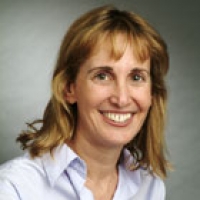
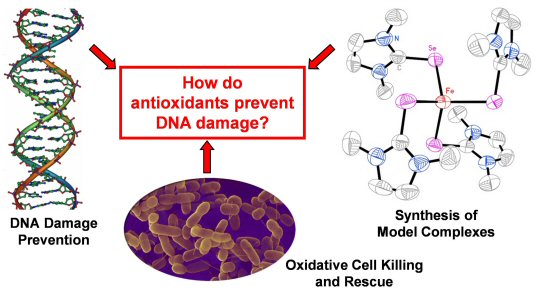
Julia Brumaghim is a Professor and Associate Department Chair in the Department of Chemistry at Clemson University's College of Science, where she also serves as Graduate Program Coordinator. She leads the Brumaghim Group research laboratory focused on oxidative damage prevention mechanisms. Her educational background includes an A.B. in Chemistry from Harvard University (1994), Ph.D. in Inorganic Chemistry from University of Illinois at Urbana-Champaign (1999), and postdoctoral training at UC Berkeley as an NIH Postdoctoral Fellow in Bioinorganic Chemistry (1999-2001) followed by research in DNA damage and repair (2001-2003). Her research examines metal-mediated oxidative DNA damage prevention through antioxidant mechanisms. Key interests include: Metal-reactive oxygen species interactions in DNA damage pathways Structure-activity relationships for antioxidant prevention of oxidative damage Nanoparticle generation of reactive oxygen species and toxicology Radiation damage mechanisms involving reactive oxygen species Metal-binding drugs and antifungal resistance mechanisms Her recent publications focus on coordination chemistry of biologically relevant metals (Cu, Fe, Zn, Ru), antioxidant mechanisms of sulfur/selenium compounds, nanoparticle toxicity assessments, and DNA damage prevention strategies. The work integrates inorganic synthesis, biochemical assays, computational modeling, and spectroscopic techniques. Significant scientific awards include: American Chemical Society Fellow (2022) Clemson University Research Achievement Award (2020) ACS Women Chemists Committee Rising Star Award (2014) Journal of Inorganic Biochemistry Young Investigator Award (2008) NSF CAREER Award (2006-2012) ACS PROGRESS/Dreyfus Lectureship (2004-2005) As Graduate Program Coordinator, she oversees chemistry graduate studies and mentoring. Her research group (Brumaghim Group) investigates oxidative damage prevention using chemical and biochemical approaches. Current projects examine metal coordination in antioxidant activity, nanoparticle toxicology, and radiation damage mechanisms.
Dr. Laura Leff is a Professor and Chair at Kent State University's Environmental Science and Design Research Institute. Her research focuses on microbial ecology in aquatic ecosystems, particularly bacterial responses to environmental stressors like urbanization, pollution, and habitat changes. She has held editorial roles for journals including *Applied and Environmental Microbiology* and *Microbial Ecology*, contributing to academic discourse in her field. Dr. Leff earned her Ph.D. from the University of Georgia. Her research projects include studying bacterial communities in acid mine-impacted streams, agricultural streams, and wetlands, using molecular biology and microscopy to explore microbial community structure and function. She investigates topics such as denitrification dynamics, microplastic colonization, and antibiotic resistance in urban stream biofilms. Dr. Leff has secured funding from NSF, NASA, and the EPA. Her work bridges microbiology and ecology, addressing pressing environmental issues like water quality and bioremediation. Recent studies highlight her focus on emerging contaminants, microbial interactions in biofilms, and the impacts of human activities on freshwater ecosystems. Key Affiliations: American Society for Microbiology, International Society for Microbial Ecology. Grants: NSF, NASA, EPA grants for projects on microbial ecology and bioremediation. Editorial Roles: *Applied and Environmental Microbiology* (2001–2011), *Microbial Ecology* (2001–2017).
Kyongbum Lee is the Karol Family Professor and Dean of Engineering at Tufts University School of Engineering, where he also serves as Professor in the Department of Chemical and Biological Engineering. His research integrates metabolic engineering, tissue engineering, and systems biology to study cellular metabolism and develop technologies for biomedical applications. Dr. Lee directs a laboratory focused on host-microbe interactions, cell-based bioprocesses, and metabolic regulation in diseases like obesity. Education Ph.D., Massachusetts Institute of Technology, 2002 B.S., Stanford University, 1995 Research Focus Dr. Lee's group employs systems approaches combining experimental and computational methods to investigate how metabolites regulate cellular communication. Current projects examine gut microbiome interactions, metabolic flux in engineered tissues, and development of therapeutic strategies targeting metabolic disorders. The lab specializes in bioreactor systems, metabolomic profiling, and mechanistic studies of metabolite signaling pathways. Publication Trends Recent publications emphasize gut microbiota metabolism, microbial metabolite therapeutics, and engineered tissue models. Work consistently demonstrates translational focus—from computational prediction of metabolic pathways (e.g., flavonoid biotransformation algorithms) to preclinical validation of microbial metabolites in disease models (e.g., steatosis reduction via indole derivatives). Recurring themes include nuclear receptor modulation, HDAC/IFN-γ pathway regulation, and high-throughput screening platforms. Awards Karol Family Professorship (endowed position recognizing scholarly excellence) Research Operations The laboratory actively recruits postdoctoral researchers and graduate students through Tufts' Chemical and Biological Engineering program. Current projects are supported by specialized infrastructure for metabolomics, bioreactor systems, and 3D tissue culture. The team emphasizes interdisciplinary collaboration, particularly at the interface of engineering, microbiology, and translational medicine.
Gavin King is a Professor in the Department of Physics at the University of Missouri. His research focuses on precision single-molecule biophysics and applications of atomic force microscopy (AFM) to study membrane proteins. He developed an ultrastable AFM to investigate protein structure, energetics, and conformational dynamics in physiologically relevant conditions. Key areas include understanding how protein dynamics influence function, particularly in medically relevant systems like P-glycoprotein and Candida albicans virulence factors. Education: PhD from Harvard University. His work bridges biophysics, nanotechnology, and infectious disease, with a focus on lipid membrane interactions, peptide assembly, and drug transport mechanisms. Recent advancements include ice lithography for nanomanufacturing and machine learning-enhanced AFM data analysis. Research emphasizes membrane-active peptides, protein translocation machinery (e.g., E. coli Sec translocase), and antifungal toxin mechanisms. Collaborative efforts integrate computational modeling with experimental AFM to achieve quantitative insights at the single-molecule level. Awards: None explicitly listed in the provided text. Grants: His work is supported by initiatives in biophysics and nanotechnology. Labs/Teams: Leads the Precision Single Molecule Biophysics Group, focusing on AFM innovation and biological applications.
Cole Cerrato is an Assistant Professor in the Department of Food Science and Technology at Oregon State University, where he leads the Smoke, Wine, and Grapes Analytical Chemistry Lab. His research focuses on wildfire smoke effects on wine grapes and viticulture, utilizing advanced analytical techniques like NMR and MRI to address chemical challenges in the wine industry. Education B.A. in Chemistry (2012) from the University of South Florida Ph.D. in Chemistry (2019) from the University of South Florida Research Interests Dr. Cerrato specializes in wildfire smoke chemical characterization, particularly using 13C-labeled smoke to track volatile phenol interactions in wine grapes. His work addresses smoke taint mitigation through functional spray coatings and environmental chemistry impacts on viticulture. Earlier research explored peptide folding, polyimide materials, and Alzheimer's disease intervention strategies. The lab at Oregon State University, funded by a $2.7 million state grant after the 2020 wildfires, aims to protect Oregon's wine industry from climate-related smoke exposure. His publications span analytical chemistry, agricultural science, and molecular biology, with recent studies focusing on chemical adsorption in grapes and collaborative enology research. Advising and Collaborations Dr. Cerrato accepts graduate students for the Food Science and Technology Department and serves on graduate committees. He collaborates with enologists like Elizabeth Tomasino and chemists like Ming Lab on interdisciplinary projects. Labs and Media The Smoke, Wine, and Grapes Analytical Chemistry Lab at Oregon State University is a state-funded initiative addressing wildfire impacts on wine quality. His work has been featured in national media outlets discussing solutions to smoke taint in wines.