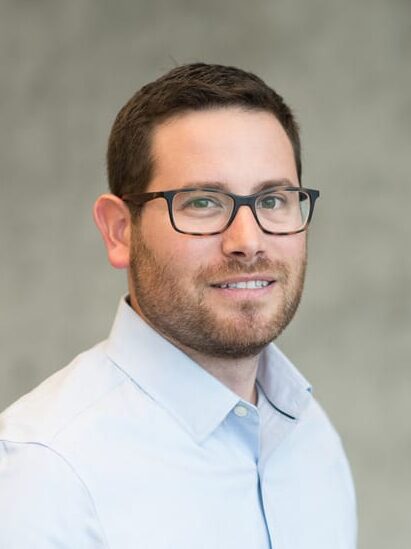
David A. Tirrell serves as Provost and holds the Ross McCollum-William H. Corcoran Professorship in Chemistry and Chemical Engineering at the California Institute of Technology. He earned his B.S. (1974) from MIT, M.S. (1976) and Ph.D. (1978) from the University of Massachusetts at Amherst, and received an honorary doctorate (D.h.c.) from Eindhoven Technical University. Chair, Division of Chemistry and Chemical Engineering (1999-2009) Director, Beckman Institute (2012-2018) Provost (2017-present) His research focuses on macromolecular chemistry and genetic code reengineering to incorporate non-canonical amino acids into proteins. This work enables novel approaches to biomaterials design , proteomic analysis , and protein evolution with applications in tissue regeneration and molecular imaging . Recent publications highlight 3D-printable cellular composites , engineered bacterial films , and non-canonical amino acid applications in medical contexts. Scientific recognitions include election to: American Academy of Arts and Sciences American Philosophical Society All three branches of U.S. National Academies (Sciences, Engineering, and Medicine) As principal investigator of the Tirrell Lab , he has mentored numerous students and researchers like Sophie Miller, Hanwei Liu, and Grace Wang, whose work spans synthetic biology , genetic code modification , and advanced proteomic techniques .
Olga Vitek is a Professor at Northeastern University's Khoury College of Computer Sciences, with affiliated faculty status in the Department of Chemistry and Chemical Biology. Her research bridges statistical science and machine learning with mass spectrometry-based proteomics and systems biology, focusing on developing open-source software tools like MSstats and Cardinal for quantitative proteomic analyses and imaging. Education: PhD in Statistics (Purdue University), Postdoc at the Ruedi Aebersold Lab (Institute for Systems Biology) Leadership: Director of the Barnett Institute for Chemical and Biological Analysis Her work emphasizes: Statistical experimental design Signal detection in complex mass spectrometry data Causal inference in biomolecular networks Reproducible computational infrastructure Recent publications highlight advancements in quantitative proteomics , mass spectrometry imaging , and causal modeling , with applications spanning cancer research, immunology, and clinical diagnostics. Notable trends include deep learning integration for image analysis and open-source tool development for scalable, transparent workflows. Scientific accolades: Elected Fellow of the American Statistical Association 2021 Gilbert S. Omenn Computational Proteomics Award NSF CAREER award Chan-Zuckerberg Essential Open-source Software award Senior Member, International Society for Computational Biology
Julia Chamot-Rooke is a Principal Investigator and Researcher at the Institut Pasteur in Paris, France, affiliated with the Department of Structural Biology and Chemistry and the Mass Spectrometry for Biology unit (UTechS MSBio), a joint CNRS service and research unit (USR2000). She leads multiple projects in advanced proteomics and is the PI for the Institut Pasteur in the European Proteomics Infrastructure Consortium providing access (EPIC-XS). Her research focuses on developing innovative methods in top-down proteomics , cross-linking mass spectrometry , and structural proteomics to study intact proteins, post-translational modifications, and protein complexes. Her work has applications in microbiology, infectious diseases, and host-pathogen interactions. She has developed the ProteoCombiner software to integrate proteomics data for improved proteoform characterization. The recent publications reflect a strong emphasis on structural and functional proteomics , particularly in microbial systems and immune interactions. Trends include the use of advanced mass spectrometry techniques (HDX-MS, cross-linking MS, top-down MS) to investigate protein structure, dynamics, and interactions in pathogens and host systems. There is also a growing focus on software and tool development to enhance data analysis and reproducibility in proteomics. Principal Investigator, EPIC-XS at Institut Pasteur Coordinator, Joint Research Activity on Future and Emerging Proteomics Technologies Lead Developer, ProteoCombiner software She supervises PhD students and research engineers and collaborates widely on projects involving bacterial pathogenesis, immune evasion, and structural biology. Her lab is equipped with state-of-the-art Orbitrap mass spectrometers and participates in transnational access programs, providing cutting-edge proteomics services to the European research community.
Dr. Premdass Ramdas is a Senior Lecturer at Monash University Malaysia, affiliated with the Jeffrey Cheah School of Medicine and Health Sciences. He joined in October 2023 with over 13 years of experience in medical biotechnology and health sciences, focusing on cancer research and bioactive natural compounds. PhD in Cancer Proteomics and Genomics, University of Malaya MSc in Medical Sciences (Cancer Genomics and Natural Products), International Medical University BSc with First-Class Honors His research focuses on the anticancer mechanisms of tocotrienols, utilizing proteomics, genomics, bioinformatics, and mouse models. He explores epigenetics, nutrigenomics, RNA/microRNA analysis, exosome biology, and AI-driven big data in cancer. His work contributes to UN Sustainable Development Goals in health and well-being. Recent publications show a strong trend in systematic reviews and mechanistic studies on vitamin E analogues in cancer, particularly colorectal and breast cancers. His research integrates molecular biology with computational approaches, including molecular docking and data mining. First-class honors for BSc Malaysian Palm Oil Board Scholarship for MSc MyBrain15 Scholarship for PhD Dr. Ramdas has secured research grants such as FRGS and actively supervises research projects. He is currently accepting PhD students and has co-supervised non-HDR reviews, indicating active mentorship. He has no known labs or teams explicitly mentioned, but collaborates extensively, particularly with Prof. Radhakrishnan A.K.
Jacob Malone is an Honorary Professor and Group Leader in the School of Biological Sciences at the University of East Anglia (UEA), jointly affiliated with the John Innes Centre (JIC), UK. He serves as a Synergy Lecturer in Plant and Microbial Science and leads a research group focused on bacterial signal transduction and plant-microbe interactions. MBiochem, St Catherine's College, Oxford University (1997–2001) DPhil, Department of Plant Sciences, Oxford University (2001–2005) Postdoctoral Researcher, Biozentrum, University of Basel (2005–2011) Dr. Malone's research centers on molecular mechanisms of bacterial signal transduction, particularly the role of cyclic-di-GMP in regulating rhizosphere colonization by Pseudomonas fluorescens . His lab investigates how environmental signals influence bacterial behavior, including biofilm formation, motility, and plant colonization. Using genetics, molecular microbiology, and systems biology, the group studies both beneficial and pathogenic Pseudomonas species to develop sustainable agricultural solutions. Their work has implications for biocontrol, antibiotic tolerance, and microbial ecology. Recent publications highlight trends in plasmid-mediated host manipulation, ribosomal modification, tropolone biosynthesis, and c-di-GMP signaling. These studies reveal novel regulatory mechanisms in bacterial adaptation, with applications in combating plant pathogens and persistent infections. CEPAMS Newton Fund: Sino-UK excellence with impact on the Sustainable Development Goals (BBSRC) Automated detection and treatment of bacterial blight in food crops (Innovate UK) Plasmid manipulation of bacterial gene networks (BBSRC) Identifying natural biocontrol products for PsaV (Zespri Kiwifruit) CRISPR-guided vector technology to disrupt biofilms (Innovate UK) The Malone lab actively mentors postgraduate researchers and postdoctoral scientists, including Supakan Panturat, Catriona Thompson, and Harshanie Dasanayaka. Dr. Malone teaches the BIO-1A03 practical course and welcomes PhD and fellowship applicants. He leads a multidisciplinary team that includes Dr. Ainelen Piazza and Dr. Catriona Thompson, and collaborates widely across institutions and countries. The lab is part of the Molecular Microbiology department and contributes to initiatives such as Microbes in Norwich and PfBIO.
Christopher D. Lima is a Professor and Chair of the Structural Biology Program at the Sloan Kettering Institute (SKI), Memorial Sloan Kettering Cancer Center (MSKCC), and an Investigator of the Howard Hughes Medical Institute. He holds the Alfred P. Sloan Chair. His research focuses on understanding the structural, biochemical, and functional mechanisms of macromolecules involved in post-translational protein modification by ubiquitin-like proteins (e.g., SUMO) and RNA processing pathways, including co- and post-transcriptional RNA maturation and decay. His lab employs cryo-electron microscopy (cryo-EM), X-ray crystallography, and biochemical reconstitution to study these processes. Education: PhD, 1994, Northwestern University BA, 1989, The Ohio State University Research Interests: Structural basis of ubiquitin and SUMO conjugation pathways Mechanisms of RNA surveillance and decay by the nuclear exosome Role of RNA processing in cell cycle control and disease Interactions between RNA helicases and exosome complexes Awards & Honors: Member, National Academy of Sciences (2020) Fellow of the American Academy of Arts and Sciences (2017) HHMI Investigator (2013) Louise and Allston Boyer Young Investigator (2006) Advising & Grants: Lima mentors numerous graduate students and postdoctoral researchers. His lab has received funding from the NIH, HHMI, and other institutions to support research into RNA processing and ubiquitin pathways. He collaborates widely, including with teams at MSKCC and other academic institutions. Labs & Teams: The Lima Lab is part of the Tri-Institutional PhD Program in Chemical Biology and the Gerstner Sloan Kettering Graduate School. The lab has made groundbreaking contributions to understanding SUMOylation and RNA exosome mechanisms, with key findings published in Nature , Cell , and Science .
Prof. Dr. Kirsten Jung is a faculty member at the Department of Microbiology , Faculty of Biology , Ludwig Maximilian University of Munich . Her research focuses on bacterial signal transduction, stress response mechanisms, and systems biology approaches to understand microbial regulatory networks. Key research areas include stress-dependent gene expression in bacterial populations Structural and functional analysis of membrane-integrated receptors Metabolism-based chemical communication in bacteria Integration of experimental and computational systems biology Recent publications highlight her lab's work on Escherichia coli epitranscriptomic modifications under heat stress, m 5 C rRNA dynamics, and the role of RNA methylation in host-pathogen interactions. Collaborative studies address bacterial acid stress responses and their implications for antibiotic tolerance. Her interdisciplinary work bridges microbiology with ecological studies, as evidenced by research on biodiversity conservation in forest and urban ecosystems. Publications also demonstrate expertise in advanced imaging techniques (e.g., arterial spin labeling for glioma analysis) and bioinformatics approaches. Current advisees include Gloria Gessinger and Tania P. Gonzalez-Terrazas . She can be contacted at jung@lmu.de .
Miratul Muqit is a Professor of Experimental Neurology at the University of Dundee, affiliated with the MRC Protein Phosphorylation and Ubiquitylation Unit. His research focuses on molecular mechanisms of Parkinson's disease, particularly the PINK1/Parkin pathway and ubiquitin-mediated signaling in neurodegeneration. Research Interests: His work spans neuroprotective pathways, mitochondrial quality control (mitophagy), and kinase signaling in neuronal survival. Key areas include: Ubiquitin phosphorylation dynamics LRRK2/PINK1 convergence in ciliogenesis Therapeutic targeting of neurodegenerative processes Awards & Recognition: Elected Fellow of Academy of Medical Sciences (2023) Fellow of Royal Society of Edinburgh (2020) Brian Cox Prize for Excellence in Public Engagement Professional Activities: Active in public engagement through Parkinson's research interest groups and science festivals, translating complex neurological concepts for broader audiences.
Simon Tang is a BBSRC Research Fellow and Proleptic Lecturer in the Department of Life Sciences at the University of Bath. He also holds a Visiting Researcher position in the same department. His research is supported by prestigious grants from the Biotechnology and Biological Sciences Research Council (BBSRC) and the Engineering and Physical Sciences Research Council (EPSRC), where he serves as Principal Investigator (PI) and Co-Investigator (CoI) on multiple active projects. His research focuses on advancing sustainable biotechnological solutions for drug discovery, particularly through the engineering of enzymes such as asparaginyl endopeptidases and peptide ligases. Key areas include the intracellular production of cyclic peptides, enzyme compartmentalization, and the development of novel screening platforms for bioactive compounds. The trends in his recent publications reflect a strong emphasis on chemical biology, protein engineering, and enzyme mechanism studies. His work integrates synthetic biology with therapeutic discovery, targeting neurodegenerative diseases and sustainable pharmaceutical development. Scientific Awards: BBSRC Research Fellowship (2025), competitively awarded for innovative work in sustainable cyclic peptide production. Dr. Tang leads independent research projects, including the development of intracellular screening platforms and methods for controlling enzyme activity. He collaborates closely with Prof. Jody Mason and Dr. Luet Luk. While no formal advisees are listed, his leadership roles indicate active mentorship and research supervision. His work contributes to UN Sustainable Development Goals related to good health and sustainable industry. He is associated with research networks in enzyme engineering and peptide therapeutics, with collaborations spanning multiple institutions and countries.
Dr. Sheng-Jian Ji is a Tenured Associate Professor at the School of Life Sciences, Department of Neuroscience at Southern University of Science and Technology (SUSTech) in Shenzhen, China. He also serves as the Academic Vice President of Shude Academy and was previously the first Deputy Director of Research and Graduate Affairs in the Department of Biology at SUSTech (2016-2018). As a leading neuroscientist specializing in RNA modification and neural development, Dr. Ji has established an internationally recognized research program. Dr. Ji's educational background includes: 2003-2007: Postdoctoral Fellow, Johns Hopkins University School of Medicine, Neurobiology 1998-2003: PhD in Biochemistry and Molecular Biology, Peking University School of Life Sciences 1994-1998: Bachelor's Degree in Biochemistry, Yantai University Department of Biochemistry Dr. Ji's research primarily focuses on developmental neurobiology, with particular emphasis on post-transcriptional regulation mechanisms including RNA modification and local translation of mRNA in axons. His laboratory is recognized as one of the leading international groups studying how mRNA modification (particularly m6A and m5C) regulates neural development and function. Through innovative approaches combining molecular biology, cell biology, and microfluidic technologies, his team has revealed important insights into axon growth, dendrite maintenance, cortical neurogenesis, and retinal development. His publication record shows a clear trajectory from fundamental mechanisms of RNA modification to applications in understanding neurological disorders and aging. Recent work has expanded into aging-related neural decline, cognitive functions, and potential therapeutic targets for neurological conditions. Dr. Ji has received numerous prestigious awards: 2020, 2016: SUSTech Excellent College Mentor 2020: SUSTech Biology Department Outstanding Service Award 2019: Guangdong Province Talent Youyue Card A 2017: Guangdong Provincial Professor of Neurobiology 2013: Jiangsu Distinguished Professor (Nanjing University) 2011: National Natural Science Award Second Prize (third contributor) As an educator, Dr. Ji teaches undergraduate Neurobiology and graduate Cellular and Molecular Neurobiology courses. He actively mentors students, with recent master's graduates including Yuan Jiaxin and Zhang Pingrui. His laboratory recruits postdoctoral fellows (with salaries of 335,000+ RMB annually), research assistants, and graduate students, providing comprehensive training in molecular techniques, neuronal cell culture, microfluidics, and omics approaches. Dr. Ji leads a vibrant research team that collaborates both within SUSTech and internationally. His work continues to advance understanding of RNA modification in neural development, function, and aging, with recent progress highlighted in June 2025.
Stefan Rüdiger is Professor of Protein Chemistry of Disease at Utrecht University's Faculty of Science, Department of Chemistry. He leads the Rüdiger Group, focusing on molecular mechanisms of protein folding, proteostasis, and chaperone networks in neurodegenerative diseases like Alzheimer's and Parkinson's, as well as cancer. His work combines structural biology, NMR spectroscopy, and biochemical assays to understand chaperone-client interactions and develop therapeutic strategies. Institutional Roles: Head of Department of Chemistry (2021-2022) Former Director of Education, Chemistry Department Coordinator of bachelor course "Protein Folding and Assembly" and master courses "Molecules and Cells" and "Concepts in Science for Life" Research Interests: His research deciphers how molecular chaperones like Hsp70 and Hsp90 maintain proteostasis, prevent protein aggregation, and how their failure contributes to diseases. Key areas include: Mechanistic insights into Hsp90-Tau interactions (Alzheimer's) Peptide-based "Fibril Paint" compounds for amyloid targeting Proteostasis network dynamics in aging and disease Molecular basis of chaperone-client specificity Scientific Contributions: Elucidated Hsp90's role as downstream optimizer of Hsp70 in protein folding (Molecular Cell 2018) Developed FIDA technology for fibril analysis Discovered arginine π-stacking in Tau fibril interactions (Nature Communications 2020) Identified nano-aggregates in Wnt signaling dysregulation (Nature Structural & Molecular Biology 2016) Grants & Collaborations: Lead investigator for NWO Gravitation programme FLOW (national proteostasis consortium) Marie-Curie Innovative Training Networks: WntsApp (2012-2017), ManiFold (2012-2017) NWO ZonMW TOP Grant: "Chaperoning axonal transport in neurodegenerative disease" Education & Mentorship: Redesigned Utrecht's Molecular Life Sciences bachelor curriculum (2012-2014) Directed "Exploring Nature's Molecular Machines" Summer School (2012-2016) Supervised 15+ PhD students across European institutions
Young-Hoon Ahn is an Associate Professor in the Department of Chemistry at Drexel University, serving as Chair of the Chemistry Graduate Program Committee. His research focuses on cysteine-based redox signaling in physiology and diseases, particularly using chemical tools to study glutathionylation. He holds a PhD from New York University and has held academic positions at Wayne State University and Drexel University since 2012. Education: PhD (2007, NYU), MS (2001, POSTECH), BS (1999, POSTECH). Postdoctoral training at Johns Hopkins University School of Medicine (2008-2012). Research Interests: Development of chemical probes for glutathione biology, functional studies of protein glutathionylation in cancer and cardiovascular systems, and covalent small-molecule inhibitors targeting cysteine residues. His interdisciplinary approach combines synthetic chemistry, proteomics, bioinformatics, and mouse models. Publications emphasize glutathionylation mechanisms in cellular stress and disease, with recent work on E-cadherin stability, cardiomyocyte biology, and SMYD2 regulation. His lab employs clickable glutathione strategies and bioorthogonal chemistry for redox proteomics.
Sachi Horibata is an Assistant Professor in the Department of Pharmacology & Toxicology at Michigan State University (MSU), affiliated with the College of Human Medicine. She is also associated with the Precision Health Program and the Neuroscience Program. Her research focuses on cancer biology, drug discovery, and computational genomics, with a particular emphasis on understanding mechanisms of drug resistance in cancers like acute myeloid leukemia (AML) and breast cancer. Dr. Horibata’s work integrates proteomics, transcriptomics, and cellular models to uncover therapeutic targets and biomarkers. She holds a PhD in Biological and Biomedical Sciences from Cornell University (2010–2016). Her research interests include genomic analysis of cancer heterogeneity, enzyme-driven cancer progression (e.g., PAD enzymes), and immune evasion mechanisms in tumors. Her recent studies highlight the role of protein citrullination in cancer cell migration and endocrine resistance. Dr. Horibata’s publications span topics in oncology, immunology, and molecular biology, with a focus on translational research. She teaches PHM 802: Cellular, Molecular and Integrated Systems Pharmacology. Her lab is located in the Interdisciplinary Science and Technology Building at MSU.
Tohru Fukai is a Professor and holds the Barbara A. Schnuck Endowed Chair in Translational Medicine at the Medical College of Georgia, Augusta University, where he serves in the Department of Pharmacology and Toxicology. His research is centered at the Vascular Biology Center, where he leads a productive laboratory investigating the molecular mechanisms of oxidative stress and dysfunctional copper metabolism in cardiovascular and metabolic diseases. Dr. Fukai earned his MD in 1988 and PhD in Medical Science in 1995, both from Kyushu University in Japan. Following his medical and doctoral training, he completed postdoctoral fellowship at Emory University School of Medicine in Atlanta from 1995-1999. His research focuses on oxidative stress in cardiovascular and metabolic disease pathogenesis, particularly investigating the role of extracellular SOD (ecSOD, SOD3) and copper transport proteins. His lab has pioneered research on copper transport proteins CTR1, Atox1, and ATP7A in regulating vascular function, demonstrating their critical roles in hypertension, vascular remodeling, inflammatory angiogenesis, atherosclerosis, and diabetes. Notably, his team discovered that copper chaperone Atox1 functions as a copper-dependent transcription factor regulating cell proliferation and inflammatory responses. Analysis of Dr. Fukai's recent publications reveals a strong focus on the intersection of redox signaling, copper metabolism, and vascular function. His work increasingly explores how oxidative stress and copper transport mechanisms contribute to conditions like diabetes, atherosclerosis, Alzheimer's disease, and ischemic injury. A prominent theme across his recent work is the role of protein modifications (particularly sulfenylation and SUMOylation) in regulating vascular responses to oxidative stress, with significant implications for therapeutic interventions. Dr. Fukai's scientific achievements have been recognized with numerous awards including the Barbara A. Schnuck Endowed Chair in Translational Medicine (2017), World Science Leaders in Human Biology Program (2021), and multiple Circulation Research Reviewer Awards. He has served on editorial boards for prestigious journals including Scientific Reports, Journal of Molecular and Cellular Cardiology, and American Journal of Physiology-Heart and Circulatory Physiology. As a mentor, Dr. Fukai has advised numerous graduate students and postdoctoral fellows, including several who have received AHA awards and trainee recognition. He serves on various committees including the VBC post-doc evaluation committee and the CNVAMC Subcommittee for Research Safety. His lab has secured significant funding, including a recent $11.3 million NIH grant for vascular disease research. Dr. Fukai leads an active research group at the Vascular Biology Center comprising senior research associates, assistant research scientists, postdoctoral fellows, and graduate students working collaboratively on multiple projects related to copper transport, redox signaling, and vascular disease mechanisms. His lab has made seminal contributions to understanding how copper transport proteins function as key regulators of vascular antioxidant enzymes and as unexpected signaling molecules in inflammatory disease processes.
Dr. Scott Rothbart is a Professor in the Department of Epigenetics at Van Andel Institute (VAI), where he leads the Rothbart Laboratory. He earned his B.S. in Food Science and Human Nutrition from the University of Florida and his Ph.D. in Pharmacology and Toxicology from Virginia Commonwealth University. His postdoctoral training was conducted under Dr. Brian Strahl at the University of North Carolina at Chapel Hill. His research focuses on understanding chromatin accessibility, histone post-translational modifications, and DNA methylation's role in disease, particularly cancer. He translates this basic research into epigenetic target identification and drug discovery. Dr. Rothbart has contributed to groundbreaking studies on UHRF1’s role in DNA methylation maintenance and its therapeutic potential in cancer. He co-leads the VAI-SU2C Epigenetics Dream Team and directs the VAI Cancer Epigenetics Training Program. His work has been recognized with awards like the NIH MIRA Award and the American Cancer Society Research Scholar Grant. Research Interests: Chromatin biochemistry, cancer epigenetics, functional proteomics, histone modifications, and epigenetic drug development. His lab develops tools like peptide microarrays and functional proteomics platforms to study histone modifiers and their clinical relevance. Notable Achievements: Published over 122 peer-reviewed papers in 2024, including 63 in high-impact journals. Launched 15 clinical trials through the Epigenetics Dream Team. His lab’s work on viral mimicry therapies and epigenetic drug combinations has advanced cancer treatment strategies. Education: B.S. University of Florida (2004), Ph.D. Virginia Commonwealth University (2009), Postdoctoral Fellowship UNC Chapel Hill (2014).