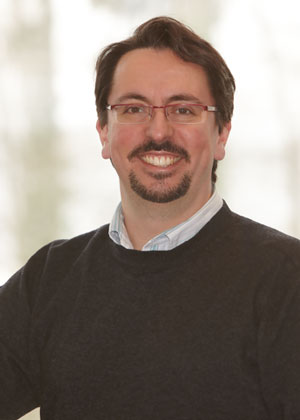
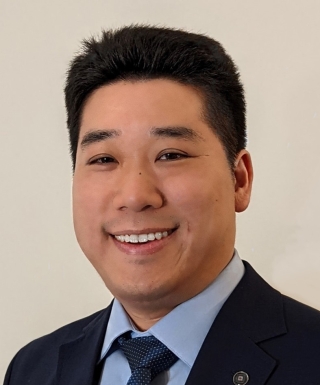
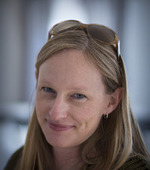
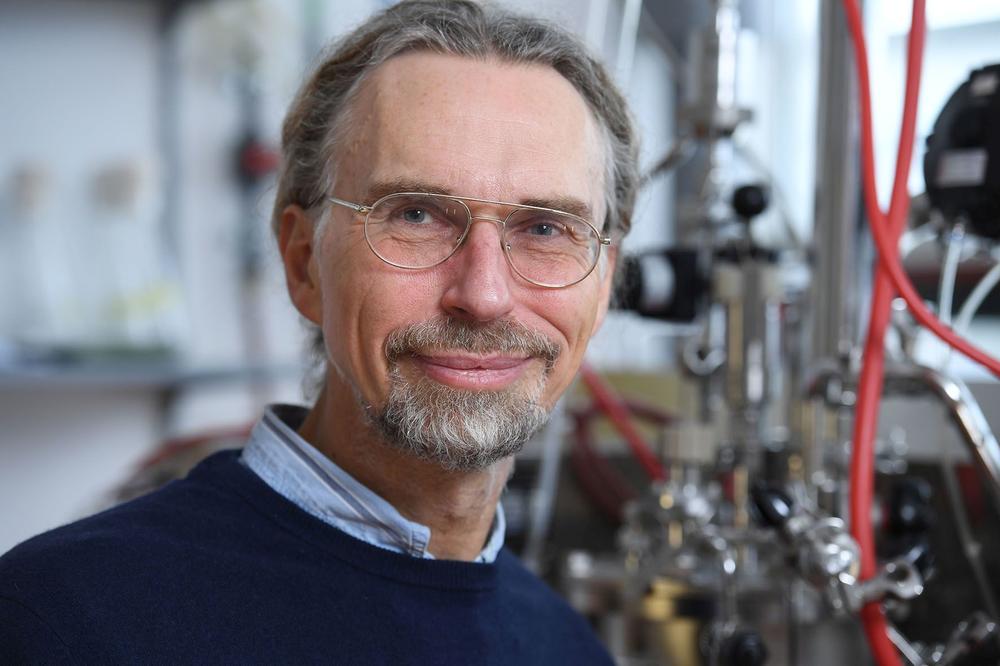
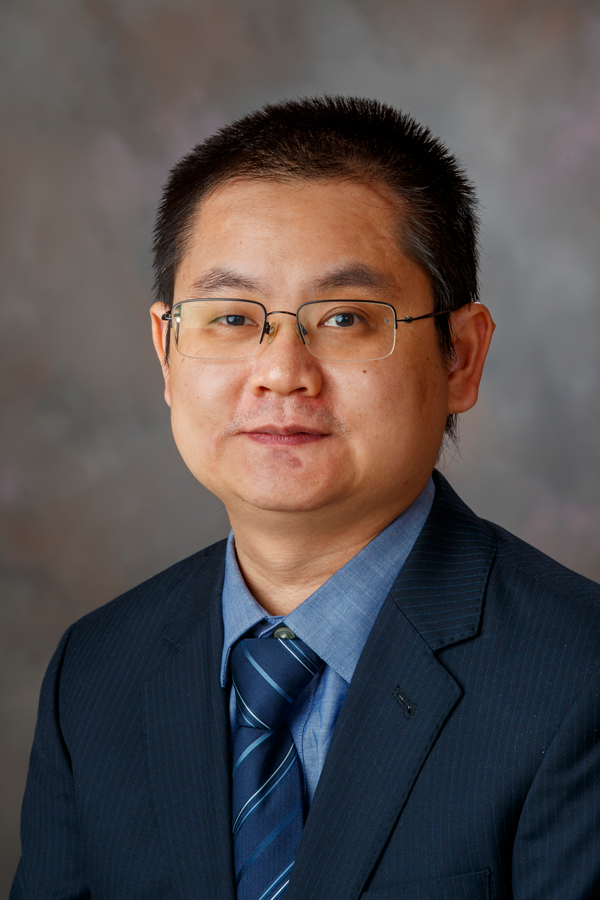
Prof. Dr. Andreas G. Ladurner is a faculty member at the Faculty of Medicine , Ludwig-Maximilian University of Munich, where he leads the Department of Physiological Chemistry . His research focuses on the molecular mechanisms of chromatin plasticity, particularly through post-translational modifications like ADP-ribosylation and acetylation, and their interplay with cellular metabolites. Discovered the first cellular receptor for glucose metabolites Elucidated PARP1's role in chromatin remodeling Defined macrodomain proteins' function in ADP-ribosylation His work bridges structural biology, epigenetics, and metabolism, with significant implications for cancer and metabolic diseases. Recent publications highlight his group's contributions to DNA damage response and chromatin dynamics. Funded by the BioM m4 Award , his lab investigates: Regulation of transcription factors by metabolites Mechanistic insights into the histone chaperone FACT Molecular dissection of ADP-ribosylation signaling
Alvin Yu, PhD, is an Assistant Professor in the Department of Physiology & Biophysics at the University of California, Irvine (UCI) School of Medicine. He leads the Computational Biophysics Group (CBG), which develops theoretical and computational methods to study complex biological systems at the intersection of physics, biology, and chemistry. The lab collaborates closely with experimentalists to achieve a molecular understanding of life’s essential machinery. Research Interests: Computational biophysics, HIV capsid dynamics, ionotropic glutamate receptors, coarse-grained simulations, protein conformational changes, molecular interactions in viral systems. Key Article Trends: Focus on HIV-1 capsid self-assembly mechanisms, ligand-gated ion channels, and computational modeling of viral and receptor systems. His work spans multiscale and atomistic simulations to uncover molecular pathways in virology and neuroscience. Students: Advises Lorenzo Foglia, a PhD student contributing to the lab's research. Labs/Teams: Heads the CBG lab, which actively posts research updates, job openings, and publications on their website.
Dr. Alexander C. Drohat is a Professor in the Department of Biochemistry and Molecular Biology at the University of Maryland School of Medicine. His research focuses on DNA repair mechanisms and epigenetic regulation through DNA methylation, with a particular emphasis on thymine DNA glycosylase (TDG) and SUMO modification pathways. Utilizing biochemical, biophysical, and structural approaches—including NMR spectroscopy and crystallography—his lab explores how TDG maintains genomic integrity by repairing oxidized and deaminated bases, while also investigating its role in active DNA demethylation via TET enzymes. Notably, his work reveals how SUMO conjugation dramatically impairs TDG activity, potentially enabling it to function as a transient reader of modified cytosines. His lab has characterized TDG's interactions with substrates like G·T mismatches, 5-formylcytosine, and 5-carboxylcytosine, uncovering critical residues and mechanisms for specificity and catalysis. Recent studies highlight TDG's search strategies involving nucleosome interactions and its regulation by sumoylation. 2025 : Characterized 7,8-dihydro-8-oxoadenine repair 2024 : Investigated TDG sumoylation effects on DNA binding 2023 : Developed 19F NMR methods for nucleotide flipping 2022 : Linked TDG activity to genomic methylation patterns 2019 : Defined TDG's role in 5-carboxylcytosine excision Dr. Drohat has received prestigious accolades including AAAS Fellowship (2022) and an NIGMS MIRA Award (R35GM136225, 2020-2025) . His work is supported by continuous NIH funding since 2005.
Radhakrishnan Mahadevan is Professor and Canada Research Chair (Tier 1) in Metabolic Systems Engineering at the University of Toronto's Faculty of Applied Science and Engineering, Department of Chemical Engineering & Applied Chemistry. He serves as Acting Associate Chair for Undergraduate Curriculum Development and leads the Laboratory for Metabolic Systems Engineering and BioZone Centre for Applied Bioscience and Bioengineering. Education: B.Tech., Indian Institute of Technology (Madras) Ph.D., University of Delaware His research integrates machine learning with metabolic engineering to address challenges in industrial biotechnology, environmental sustainability, and biomedical applications. Current projects include AI-assisted biocatalyst engineering, bioengineering mine tailings for nickel extraction, and hybrid metabolic engineering approaches. His work spans genome-scale modeling, synthetic biology for dynamic metabolic control, and development of therapeutic probiotics for inflammatory diseases. Recent publications reveal a strong trend toward machine learning integration in enzyme engineering and metabolic model optimization, with applications spanning biofuels, biochemicals, and personalized medicine. The research demonstrates increasing focus on multi-scale modeling from molecular interactions to bioreactor systems. Scientific Awards: Canada Research Chair (Tier 1) in Metabolic Systems Engineering Professor Mahadevan actively mentors 19 graduate students including 15 PhD candidates and 4 Master's students, with ongoing recruitment for new projects. His research is supported through the Canada Research Chair program and industry collaborations focused on bioprocess optimization and synthetic biology applications. He directs the Laboratory for Metabolic Systems Engineering, which employs robotic platforms for automated cell engineering and maintains collaborations with industrial partners. The lab's multi-disciplinary team includes research scientists, postdoctoral fellows, and students working across computational and experimental domains.
Dr. Louis Luk is a Senior Lecturer at the School of Chemistry, Cardiff University , leading a research group that bridges chemistry and biology to advance protein science and biocatalysis. His work spans medicinal chemistry, antibacterial peptide research, bioactive candidate design, and biotherapeutic manufacturing. Current roles: Senior Lecturer (2020-present), Lecturer (2019-2020), Cardiff University Research Fellow (2016-2020) Research areas: protein labeling, D-peptide technology, enzyme design, racemic crystallography Research Focus : The group develops scalable and precise protein labeling methods via biocatalysis, discovers peptide binders as medicinal chemistry leads, and synthesizes bifunctional ligands for targeted protein degradation. Techniques include peptide synthesis, molecular cloning, enzyme engineering, and structural biology. Trainees gain skills applicable in academia and industry. Publications (2024-2021) : Recent work explores AEP compartmentalization , genetic code expansion , cyclic enzyme topology , and DHFR dynamics . Studies span racemic crystallography, organocatalysis in protein hosts, and folate modification for targeted delivery. Grants & Collaborations : Principal Investigator for BBSRC (2021-2024), Royal Society (2018-2020), Leverhulme Trust (2017-2020), and Wellcome Seed Trust (2016-2018) projects. Collaborations include Cardiff University researchers (Tsai, Jin) and international institutions (University of British Columbia, ETH Zurich). Teaching & Leadership : Teaches modules on drug discovery, chemical biology, and supramolecular chemistry. Holds leadership roles in RSC committees and Cardiff School of Chemistry ethics/EDI initiatives.
Professor Kenn Gerdes at Newcastle University is a leading researcher in molecular microbiology, focusing on bacterial persistence mechanisms, toxin-antitoxin systems, and cell division regulation. His work bridges biochemistry, genetics, and systems biology. Key research areas include: RNA cleavage and translation inhibition by toxin-antitoxin modules Role of (p)ppGpp in bacterial dormancy Dynamics of plasmid segregation via ParA/ParB systems Structural analysis of bacterial cell division proteins His publications highlight collaborations with researchers like Dr. Kristoffer Winther, Dr. Etienne Maisonneuve, and Dr. Andrew Fenton. Articles span topics such as VapC toxin function , HipA-mediated persistence , and ParA ATPase dynamics , reflecting interdisciplinary contributions to bacterial physiology and antibiotic resistance. He has mentored numerous postgraduate researchers, including Dr. Kristoffer Winther and Dr. Etienne Maisonneuve, who co-authored studies on RNA interferases and plasmid segregation.
Sandra Schick is a Group Leader at the Institute of Molecular Biology (IMB) in Mainz since 2020 and a Junior Faculty Member at the Max Planck Graduate Center (MPGC) since 2021. Her research focuses on ATP-dependent chromatin remodeling complexes, specifically BAF, and their critical roles in cancer pathogenesis and developmental disorders through regulation of DNA accessibility. Her primary research areas include: Chromatin remodeling mechanisms and epigenetic regulation Structure-function relationships of polymorphic BAF complexes Molecular basis of BAF subunit mutations in human diseases Integration of chromatin dynamics with DNA repair and transcriptional control Analysis of her publication record reveals a consistent trajectory in dissecting BAF complex functionality using multi-omics approaches, with emphasis on synthetic lethality networks in cancer and developmental disease contexts. Her work demonstrates how BAF perturbations immediately alter chromatin architecture, providing mechanistic insights for therapeutic targeting. Dr. Schick leads an active research group at IMB that employs CRISPR/Cas9, targeted protein degradation, single-cell genomics, and advanced imaging to investigate chromatin regulation across model systems. She actively recruits experimental and computational scientists to advance understanding of chromatin-related disease mechanisms and resilience pathways.
Kirk W. Deitsch is a Professor of Microbiology and Immunology at Weill Cornell Medicine , where he leads research on Plasmodium falciparum pathogenesis. His work focuses on gene regulation and antigenic variation through the var gene family, which enables immune evasion by malaria parasites. Department of Microbiology and Immunology, Weill Cornell Medicine Research spans molecular mechanisms of var gene switching and immune avoidance Investigates genome plasticity via DNA repair and telomere dynamics His laboratory explores how chromatin structure and DNA double-strand break repair contribute to antigenic diversity. Recent studies highlight the role of transcriptional plasticity and epigenetic memory in malaria pathogenesis. Key findings include insights into mitotic recombination and environmental sensing for immune evasion. Notable article trends include: 2025 work on scRNA-seq for var gene plasticity 2024 analysis of var gene evolutionary importance 2023 studies on sexual differentiation epigenetics and environmental response 2022 reviews of antigenic variation mechanisms 2021 investigations into telomere dynamics His research team has secured multiple National Institute of Allergy & Infectious Diseases grants to study transcriptional switching networks and genome diversification. The lab also examines Plasmodium -host interactions and applications of CRISPR-Cas9 in malaria genetics.
Silke Robatzek is a Professor in the Department of Genetics at LMU Munich's Faculty of Biology. Her research focuses on plant immune signaling mechanisms and their regulation of host-microbe interactions, particularly regarding pathogens like Xylella fastidiosa and Phytophthora infestans . Current member of Graduate School Life Science Munich Research themes: plant immune receptors, extracellular vesicles, microbial homeostasis, stomatal immunity, pathogen effectors Key methodologies: quantitative imaging, proteomic analyses, receptor trafficking studies Recent research trends show heavy emphasis on extracellular vesicles and their roles in plant-pathogen communication, receptor kinase signaling (e.g., QSK1, SOBIR1), and microbiome dynamics in disease resistance. Her work spans molecular mechanisms (S-acylation, phosphorylation) to ecological implications in sustainable agriculture. Contact: robatzek@biologie.uni-muenchen.de
Jared Rutter is Distinguished Professor of Biochemistry and an Adjunct Professor of Nutrition and Integrative Physiology at the University of Utah, where he is also an HHMI Investigator. His laboratory spans the Biological Chemistry and Molecular Biology PhD programs, using yeast, Drosophila, mammalian cells, and mice to dissect metabolism and mitochondrial biology. Education B.S., Brigham Young University Ph.D., University of Texas Southwestern Medical Center Research Focus The Rutter group is driven by a central question: how does metabolism control cell fate? They pursue three interlocking themes: MIDAS platform — high-throughput mass spectrometry coupled to equilibrium dialysis for systematic discovery of allosteric metabolite-protein interactions. Mitochondrial Biology — multidisciplinary genetics, imaging, and biochemical approaches to reveal evolutionarily conserved proteins governing mitochondrial function and human disease. Mitochondrial Pyruvate Carrier (MPC) — a complex they discovered in 2012 that dictates pyruvate fate, thereby steering energy production, stemness, and cancer cell proliferation. Publication Trends Across >50 high-impact papers from 2009-2025, Rutter’s work defines how metabolites serve as signaling molecules, how mitochondrial transporters gate metabolic flux, and how rewiring these pathways can treat cancer, heart failure, and inherited metabolic disorders. His most recent studies integrate metabolomics with structural biology to map allosteric networks and exploit them therapeutically. Scientific Awards While specific honors are not enumerated in the source text, Rutter’s designation as an HHMI Investigator and Distinguished Professor signals sustained national and international recognition. Training & Collaboration The Rutter laboratory welcomes rotation students and fosters cross-disciplinary collaborations across the University of Utah Health Sciences campus and beyond. Prospective trainees are encouraged to contact Dr. Rutter directly or follow the lab website and Twitter @RutterLab .
Professor Holger Dau, Ph.D. in Physics, leads the Biophysics and Photosynthesis group at Freie Universität Berlin's Department of Physics. His research focuses on biological and artificial solar energy conversion, particularly water oxidation in photosynthesis and electrocatalysis for solar fuels. Current affiliation: Freie Universität Berlin Research areas: Photosynthesis, Solar Energy, Electrocatalysis, Artificial Photosynthesis, Nanomaterials Recent publications highlight his work on: Electrocatalyst design for oxygen evolution Time-resolved spectroscopy in photosynthetic systems Biologically inspired metal complexes for energy conversion Stability of heterostructures in catalytic environments Phosphorus-doped nanostructures for hydrogen production His group employs advanced techniques including X-ray absorption, Raman spectroscopy, and molecular precursor approaches to study catalytic mechanisms and materials optimization.
Annalisa Tirella serves as Associate Professor in the Department of Industrial Engineering at the University of Trento, specializing in biomaterials and tissue engineering. Her research focuses on developing advanced 3D models for cancer microenvironments and regenerative medicine applications, with particular expertise in hydrogel engineering and bioprinting technologies. Her primary research interests include Tissue Engineering , Biomaterials Design , and Cancer Microenvironment Modeling , with emphasis on creating physiologically relevant in vitro systems. She investigates how mechanical properties of biomaterials influence cellular behavior in breast and prostate cancer models, develops sustainable biomaterials from circular economy sources, and engineers drug delivery systems using nano-in-micro technologies. Her TERM (Tissue Engineering and Regenerative Medicine) work bridges fundamental biophysical principles with clinical translation. Dr. Tirella teaches advanced courses including Biotechnology Engineering for the Department of Cellular, Computational and Integrative Biology, where she covers TERM applications, biomaterials characterization, and additive manufacturing techniques. Her educational focus emphasizes problem-solving skills for designing biomedical technologies and understanding cell-biomaterial interactions. Her recent publications (2023-2025) reveal strong trends in cancer microenvironment modeling (particularly breast and prostate cancers), hydrogel engineering with alginate and natural polymers, and advanced drug delivery systems . Key research directions include deciphering invasive cancer phenotypes through data-driven approaches, developing tumor-mimetic scaffolds with tunable mechanical properties, and creating sustainable biomaterials for precision medicine applications. The work consistently integrates biomechanical analysis with biological validation. Dr. Tirella actively develops innovative methodologies including microfluidic fabrication, response surface methodology for hydrogel optimization, and nano-in-micro encapsulation techniques. Her research has significant implications for understanding cancer metastasis mechanisms and developing targeted therapeutic approaches.
Dean R Madden, PhD serves as Professor of Biochemistry and Cell Biology at Dartmouth College's Geisel School of Medicine. He holds significant leadership positions including Vice Provost for Research, Director of the Dartmouth Institute for Biomolecular Targeting, and Director of the Dartmouth Cystic Fibrosis Research Center (DartCF). His academic journey began with an A.B. in Physics from Harvard (1985) followed by a Ph.D. in Biophysics from Harvard (1992). Dr. Madden's research focuses on understanding ion channels and transporters at the molecular level, particularly AMPA-receptor subfamily of glutamate receptors and the cystic fibrosis transmembrane conductance regulator (CFTR). His work bridges structural biology, biophysics, and translational medicine with applications in neurological disorders and cystic fibrosis treatment. He employs diverse methodologies including X-ray crystallography, NMR, fluorescence spectroscopy, and computational modeling. His publication record demonstrates consistent contributions to understanding protein-ligand interactions, particularly in the context of PDZ domains and CFTR-related mechanisms. Recent work shows increasing focus on bacterial virulence factors in cystic fibrosis, particularly Pseudomonas aeruginosa and its Cif protein. His research integrates structural insights with physiological implications, creating a strong foundation for therapeutic development. Dr. Madden actively mentors early-career faculty through the COBRE Institute for Biomolecular Targeting and leads GrantGPS, a college-wide initiative supporting faculty scholarship. He has served as Chair of the MCB Graduate Program and contributed to Dartmouth's Strategic Planning for Graduate Education and Geisel Curriculum Reform initiatives. His laboratory maintains robust NIH funding from NIDDK, NIGMS, and NHLBI, with past support from NIAID and the Cystic Fibrosis Foundation. As course director for BIOC101 (Molecular Information in Biological Systems), he continues to contribute to medical education while directing two major program-project grants.
Simon Boulton is a distinguished molecular biologist and cancer researcher serving as a Senior Group Leader at the Francis Crick Institute and holding an honorary Professorship at University College London. He also serves as Senior Vice President of Science Strategy at Artios Pharma Ltd, which he helped establish in 2016, where he additionally chairs the Scientific Advisory Board and serves on the Executive Board. His educational background includes: Molecular Biology studies at the University of Edinburgh PhD at the University of Cambridge with Professor Steve Jackson (Gurdon Institute) EMBO and HFSP funded postdoctoral fellowships at Harvard Medical School with Prof. Nick Dyson (MGH Cancer Centre) and Prof. Marc Vidal (Dana Farber Cancer Institute) Boulton's research focuses on understanding DNA damage response mechanisms, particularly DNA double-strand break repair in both mitotic and meiotic cells. His laboratory employs the complementary experimental strengths of C. elegans and mouse genetics, combined with cell biology and biochemistry approaches. Over his career, his lab has discovered novel DNA repair genes and provided crucial molecular insights into human diseases, especially cancer. His work bridges fundamental biological processes with potential therapeutic applications in oncology. Analysis of his recent publications reveals a consistent focus on genome integrity mechanisms, with particular emphasis on DNA repair pathways, telomere biology, replication stress responses, and the development of novel assays to study these processes. His research increasingly intersects with cancer therapeutics, particularly through his work with Artios Pharma on DNA Damage Response (DDR) target pipelines. His significant scientific contributions have been recognized with numerous prestigious awards: Member of EMBO Fellowship of the Academy of Medical Sciences Colworth Medal European Association for Cancer Research (EACR) Young Investigator Award Eppendorf/Nature Award for Young European Investigators Royal Society Wolfson Research Merit award EMBO Gold Medal Paul Marks Prize for Cancer Research Royal Society Francis Crick Prize lecture Mendel Lecture Boulton has secured substantial research funding throughout his career, including EMBO and HFSP postdoctoral fellowships, and currently leads a well-funded research group at the Crick Institute. His dual role in academia and industry through Artios Pharma demonstrates a successful translation of basic research into therapeutic development, with the company building an innovative DNA Damage Response (DDR) target pipeline aimed at transforming cancer therapy. His laboratory at the Francis Crick Institute maintains strong collaborative networks across multiple disciplines, utilizing advanced facilities including proteomics, genomics, bioinformatics, and microscopy resources. The lab's work spans from fundamental DNA repair mechanisms to potential clinical applications, with a particular focus on how failures in DNA repair contribute to cancer and other diseases.
Qiuming Yao is an Assistant Professor in the Department of Computer Science at the School of Computing, University of Nebraska-Lincoln since 2020. His research develops computational methods for integrating multi-omics data to decode complex biological systems at the interface of computer science, biology, and medicine. PhD in Computer Science, University of Missouri, 2014 MA in Statistics, University of Missouri, 2014 Dr. Yao's work pioneers scalable algorithms for genomics, transcriptomics, proteomics and metabolomics integration. His lab investigates microbiome ecology (environmental/health impacts), genetic mutation functionality (gene therapy applications), molecular isoform quantification (medical/plant contexts), and interpretable machine learning. He bridges frequentist and Bayesian statistical frameworks to model biological uncertainty while developing tools for causal inference in high-dimensional omics data. His publication record (2012-2021) reveals consistent innovation in bioinformatics tool development, with flagship projects including Motif Raptor for transcription factor analysis, Storm/Omega2 for metagenomic pipelines, and P3DB/Musite for phosphorylation databases. These tools, published in Nature Genetics, Nature Communications, and Bioinformatics, demonstrate cross-domain applicability from human genetics to plant proteomics through rigorous algorithmic design. No scientific awards were documented in the source material. Dr. Yao actively mentors postdocs (offering salaries exceeding NIH standards), graduate RAs (with tuition waivers), undergraduates, and visiting scholars through his Integrated Digital Omics Lab. His lab culture emphasizes interdisciplinary collaboration, self-directed learning, and translating computational research into publishable outcomes for academic or industry careers. The Integrated Digital Omics Lab (IDOL) cultivates a collaborative environment where computer scientists, biologists, and statisticians develop omics integration frameworks. The lab welcomes researchers passionate about algorithm development for biological discovery, with current focus on microbiome modeling, mutation impact prediction, and interpretable machine learning for molecular systems.