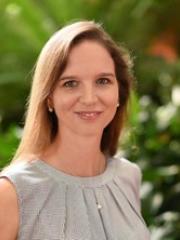
Dr. Angela Poole is an Assistant Professor of Molecular Nutrition in the Division of Nutritional Sciences at Cornell University's College of Human Ecology. She leads a research group focused on precision nutrition, investigating interactions between host genetics, dietary intake, and gut/oral microbiomes to prevent metabolic diseases. Education & Background Ph.D. in Genome Sciences, University of Washington Postdoctoral research at Dr. Ruth Ley's laboratory B.S. in Engineering and Applied Science, Caltech Research Focus Her interdisciplinary work combines genetics, microbiology, and nutrition to develop personalized dietary interventions. Key areas include: Optimizing dietary fiber for diabetes prevention Oral biofilm pathogenesis Host-microbiome-diet interactions in metabolic disorders Publication Trends Her 15 most recent publications (2014-2025) demonstrate consistent focus on microbiome dynamics, genetic influences on nutrition, and metabolic health. Recent work emphasizes oral/gut microbiome responses to dietary components like resistant starch and salivary amylase. Research Group Leads an active lab developing systems biology approaches for precision nutrition applications.
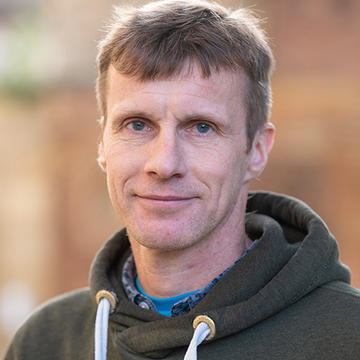
Dr. Janin Chandra is a Senior Research Fellow at the Frazer Institute, University of Queensland, leading her own lab since 2023. Her research focuses on immune regulation in HPV-driven cancers, antigen-presenting cells, and squamous cell carcinomas. She holds a PhD in Immunology from the University of Zurich and has extensive postdoctoral experience at UQ and biotech companies like Admedus Vaccines. She has published over 35 journal articles, contributed to clinical trials, and received the Garnett Passe Mid-Career Fellowship (2023–2027). Education: Master of Science (Goethe University, Frankfurt), PhD (University of Zurich). Research highlights include developing HPV vaccines, studying immune suppression mechanisms, and investigating Langerhans cell dysfunction in tumors. Her work bridges immunology and oncology, targeting therapies to modulate antigen-presenting cells. Research Interests : HPV-induced immune evasion mechanisms Antigen-presenting cell biology in cancer Clinical development of DNA vaccines Immune microenvironment of head/neck and cutaneous cancers Grants & Awards : Current funding includes targeting cancer-associated fibroblasts (Garnett Passe Fellowship). Past grants involve microbiome analysis and vaccine development. Lab Activities : Her lab investigates intra-tumor immune regulations and develops novel immunotherapies. Collaborations span veterinary oncology and microbiome research.
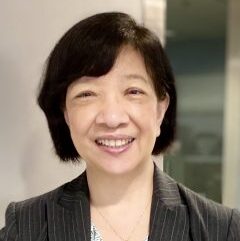
Professor Cleo Kontoravdi is a Professor of Biological Systems Engineering at the Department of Chemical Engineering, Imperial College London, within the Faculty of Engineering. Her roles include Director of Postgraduate Studies (2021–present) and Postgraduate Admissions Tutor (2018–2021). She holds affiliations with key research centers such as the Centre for Process Systems Engineering, Centre for Synthetic Biology, and Future Vaccine Manufacturing Research Hub. Her research focuses on applying systems engineering principles to bioprocessing, integrating model-based tools like sensitivity analysis and optimization with experimental work on mammalian cell cultures and vaccine production. Key areas include metabolic flux analysis, media optimization, and multiscale modeling. Her recent publications highlight advancements in hybrid modeling frameworks, mRNA vaccine process design, and metabolic engineering of CHO cells. She actively contributes to vaccine manufacturing strategies and sustainable biopharmaceutical supply chains. Education: PhD (2007) and MEng (2002) in Chemical Engineering from Imperial College London. Professional experience spans academic roles (since 2007) and industry R&D at Lonza Biologics (2006–2007). Her work bridges computational biology, bioprocess engineering, and systems biology, addressing challenges in vaccine development and production efficiency. Awards: Not explicitly listed in the provided text. Research grants and collaborations are implied through her involvement in high-impact projects like the Future Vaccine Manufacturing Hub. She advises on bioprocess optimization, glycoengineering, and biomanufacturing sustainability.
Jonathan Doye is a Professor of Theoretical Chemistry at the University of Oxford, affiliated with Queens College. He holds positions in the Department of Chemistry and collaborates with the Brandeis Bioinspired Soft Materials MRSEC. His research focuses on theoretical and computational studies of soft matter and biomolecular systems, including DNA biophysics, DNA nanotechnology, liquid crystals, and quasicrystals. He co-developed the oxDNA coarse-grained model for DNA simulations, widely used in nanotechnology research. Education: Bachelor’s and PhD in Theoretical Chemistry from the University of Cambridge Postdoctoral research at FOM Institute in Amsterdam (1996–1998) Research Interests: Coarse-grained modeling of DNA and RNA Patchy-particle self-assembly (including quasicrystals) Prokaryotic S-layer structural analysis Liquid crystal phase behavior of DNA origami rods Key Achievements: Discovery of one-component icosahedral quasicrystals via patchy particles Development of oxDNA model for DNA origami simulations Structural elucidation of S-layers across prokaryotes Awards: Royal Society of Chemistry Harrison Memorial Prize (2000) Labs/Teams: Jonathan Doye's Research Group focuses on computational studies of soft matter systems, with experimental collaborations in DNA nanotechnology and materials science.
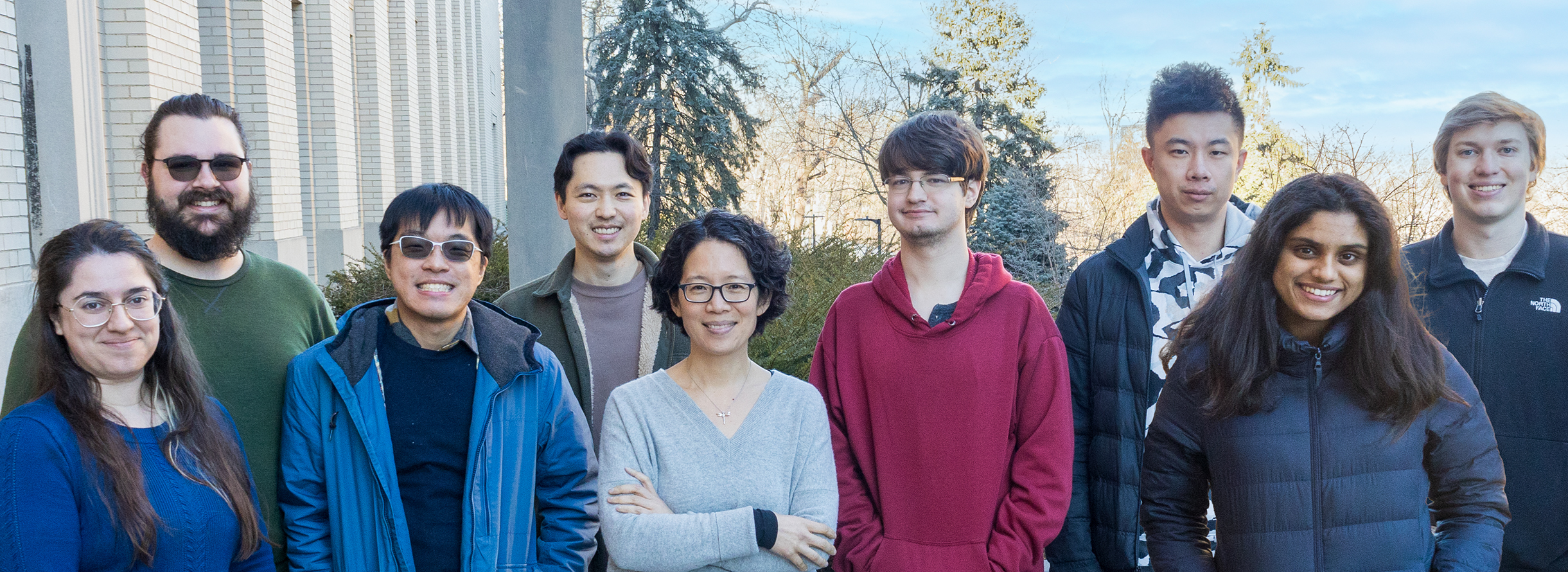
Lillian T. Chong is a Professor in the Department of Chemistry at the University of Pittsburgh, affiliated with the Kenneth P. Dietrich School of Arts and Sciences. She leads the Chong Lab, focusing on computational biophysics and biomolecular simulations. Her research emphasizes developing advanced simulation methods like weighted ensemble (WESTPA) for studying rare events in biomolecules, such as protein folding, binding pathways, and conformational switches. Research Interests: - Development of weighted ensemble algorithms for long-timescale simulations - Protein-protein binding kinetics and unbinding pathways - Design of switchable proteins with enhanced dynamic properties - Integration of experimental data (e.g., NMR, EPR) with simulations Recent Article Trends: Recent work explores ligand unbinding mechanisms, glycan-mediated spike protein dynamics, and force field validation. The lab’s methods are applied to drug discovery, viral entry mechanisms, and enzyme catalysis. Awards & Honors: Gordon Bell Special Prize for HPC-Based COVID-19 Research (2020) NSF CAREER Award (2009-2014) Bellet Teaching Excellence Award (2017) Advising & Grants: Advised students including Darian Yang (PhD 2023) and Jeremy Leung (PhD 2023). Funded by NSF and industry grants, including work on SARS-CoV-2 spike protein dynamics and force field development. Labs & Teams: The Chong Lab collaborates with groups at CMU and NIH, developing open-source tools like WESTPA and LPATH . Research spans Pittsburgh’s computational biophysics community, with interdisciplinary projects in drug design and protein engineering.
Sachi Horibata is an Assistant Professor in the Department of Pharmacology & Toxicology at Michigan State University (MSU), affiliated with the College of Human Medicine. She is also associated with the Precision Health Program and the Neuroscience Program. Her research focuses on cancer biology, drug discovery, and computational genomics, with a particular emphasis on understanding mechanisms of drug resistance in cancers like acute myeloid leukemia (AML) and breast cancer. Dr. Horibata’s work integrates proteomics, transcriptomics, and cellular models to uncover therapeutic targets and biomarkers. She holds a PhD in Biological and Biomedical Sciences from Cornell University (2010–2016). Her research interests include genomic analysis of cancer heterogeneity, enzyme-driven cancer progression (e.g., PAD enzymes), and immune evasion mechanisms in tumors. Her recent studies highlight the role of protein citrullination in cancer cell migration and endocrine resistance. Dr. Horibata’s publications span topics in oncology, immunology, and molecular biology, with a focus on translational research. She teaches PHM 802: Cellular, Molecular and Integrated Systems Pharmacology. Her lab is located in the Interdisciplinary Science and Technology Building at MSU.
Jenny PY Ting, PhD, is the William R. Kenan, Jr. Distinguished Professor of Genetics at the UNC School of Medicine and a member of the UNC Lineberger Comprehensive Cancer Center. She serves as Director of the Center for Translational Immunology and Co-Director of the Inflammatory Diseases Institute. Her research focuses on innate immunity, inflammation, and the molecular mechanisms underlying autoimmune diseases, cancer, and neuroinflammation. Dr. Ting's lab investigates the NLR protein family, particularly their roles in inflammasome activation, MHC regulation, and microbial sensing. She has discovered critical functions of NLRC5 and CIITA in immune gene transcription and pioneered studies on plexin-semaphorin signaling in immune cell interactions. Her work on SARS-CoV-2 revealed necroptosis-driven cell death cascades in airway cells, informing therapeutic strategies against cytokine storms. Key Projects: Microbiome-based therapies for multiple sclerosis Targeting NLRP3 inflammasomes in inflammatory diseases Role of plexins in T cell activation and sepsis Awards: National Academy of Sciences member (2022), AAI Distinguished Fellow (2023), ICIS-Pfizer Award (2021). Her lab employs cutting-edge techniques including transcriptomics, proteomics, and murine models. Collaborations span virology, oncology, and neurobiology, with translational goals for immune-based therapies.
Sang-Hyun Oh is Distinguished McKnight University Professor and Sanford P. Bordeau Chair in Electrical and Computer Engineering at University of Minnesota. His research develops nano-optical tools for biomedical applications, specializing in plasmonic biosensors, nanophotonic devices, and optical manipulation techniques. Key innovations include nanofluidic platforms for single-molecule analysis, high-Q metasurfaces for vibrational spectroscopy, and waveguide-integrated optical tweezers. Recent projects focus on diagnostic technologies such as Nano-QuIC for Parkinson's detection and computational design of upconversion materials. His laboratory advances nanofabrication methods including template stripping and atomic-layer lithography to create plasmonic nanostructures with atomic-scale precision. Collaborative projects bridge photonics, neuroscience, and clinical medicine to develop next-generation biosensors.
Shang Song is an Assistant Professor of Biomedical Engineering and Materials Science and Engineering at the University of Arizona , where she leads the Integrated BioDesign Lab. Her work bridges advanced engineering methods with cell therapies to develop microphysiological platforms and regenerative treatments. Education: PhD in Bioengineering from University of California Berkeley and University of California San Francisco BS in Biomedical Engineering (Honors) from Brown University Dr. Song's research focuses on manipulating cellular microenvironments to create novel therapeutics. Key areas include conductive biomaterials for stem cell therapy, organ-on-chip systems , and neural repair through electrical stimulation. Her work spans molecular, cellular, and organ-level biological scales to address translational challenges in human health. Recent publications highlight trends in conductive hydrogels , electrical modulation of stem cells , and microfluidic blood-brain barrier modeling . These align with her lab's emphasis on multi-scale engineering solutions for regenerative medicine. Scientific Awards: George H. Davis Fellowship (2025) ORAU Ralph E. Powe Junior Faculty Enhancement Award (2024) American Heart Association Career Development Award (2024) Arizona Biomedical Research Centre New Investigator Award (2024) NIH F32 Fellowship (2019) Forbes 30 Under 30 (2016) NSF Graduate Research Fellowship (2010) Gates Millennium Scholar (2006) Her lab integrates advanced engineering design with disease-mimicking models to create organs-on-chips platforms and regenerative strategies that address clinical needs through cross-disciplinary innovation.
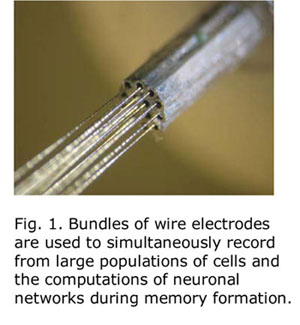
Stefan Leutgeb is a Professor in the Department of Neurobiology at the University of California San Diego (UCSD), affiliated with the School of Biological Sciences. His research focuses on the neural mechanisms underlying long-term memory storage, particularly the role of coordinated neuronal activity and synaptic plasticity in hippocampal and cortical networks. His work investigates how spatial and nonspatial information is encoded, how memory systems degrade in aging and neurodegenerative disorders like dementia, and the translational implications of these findings. Key research areas include hippocampal ensemble dynamics, temporal organization of neuronal activity, and the impact of Alzheimer’s-related proteins (e.g., APP) on neural networks. Leutgeb employs multi-electrode recordings, optogenetics, and computational modeling to study these processes. His lab has discovered critical mechanisms such as pattern separation in the dentate gyrus and the role of theta oscillations in memory encoding. Notable recent contributions include studies on how hippocampal network dysfunction due to APP expression disrupts spike timing ( 2022 ), theta oscillation roles in memory phases ( 2021 ), and the necessity of dentate gyrus activity for spatial working memory ( 2018 ). Despite no explicitly listed awards, his prolific publication record reflects significant contributions to systems neuroscience. Leutgeb’s research also explores cognitive aging and cross-species comparisons of neural processes. His lab emphasizes translational research, aiming to bridge basic neuroscience discoveries with clinical applications for neurodegenerative diseases. Current projects include investigating hippocampal ensemble dynamics during memory retention and developing biomarkers for cognitive flexibility.
Prof. Dr. Jörg Stülke is a full Professor of Microbiology and Head of the Department of General Microbiology at the Institute of Microbiology and Genetics, University of Göttingen. He has held this position since 2003 and leads an active research group focused on bacterial metabolism and gene regulation. His research spans two major model systems: the pathogenic bacterium Mycoplasma pneumoniae and the well-studied Bacillus subtilis . His group employs systems-level approaches including transcriptomics, metabolomics, and bioinformatics to understand metabolic regulation and gene expression. Key interests include protein phosphorylation, RNA-mediated regulation, mRNA processing, and the role of second messengers such as cyclic di-AMP in bacterial physiology and pathogenicity. The recent publications reveal a strong trend in molecular microbiology, functional genomics, and systems biology. His work often integrates experimental and computational methods, particularly evident in the development and maintenance of the SubtiWiki database for B. subtilis . The research bridges fundamental mechanisms of life with applications in understanding bacterial virulence and cellular homeostasis. He is affiliated with several graduate programs under the Göttingen Graduate Center for Neurosciences, Biophysics, and Molecular Biosciences (GGNB), including: Molecular Biology (IMPRS) Biomolecules: Structure - Function - Dynamics (GZMB) Molecular Biology of Cells (GZMB) Microbiology and Biochemistry Genome Science (IMPRS) While no individual students are listed, he clearly supervises doctoral candidates through these programs. His group has secured significant research output, including publications in Science , Nucleic Acids Research , and PLOS Pathogens , indicating successful grant funding and collaborative research. The lab maintains a dedicated website at http://genmibio.uni-goettingen.de/ , which serves as a hub for research activities and resources like SubtiWiki.
Clifford W. Bogue, MD , is the Waldemar Von Zedtwitz Professor of Pediatrics, Chair of the Department of Pediatrics at Yale School of Medicine, and Chief of Pediatrics for the Yale New Haven Health System. He has been a faculty member at Yale since 1993 and has held numerous leadership roles, including Interim Chairman of Pediatrics, Chief Medical Officer of Yale-New Haven Children’s Hospital, and Director of Pediatric Critical Care programs. Education: BA and MD from the University of Virginia; Residency and Chief Residency at Vanderbilt University; Fellowship in Pediatric Critical Care at Yale. Dr. Bogue is a pediatric critical care specialist whose research centers on the molecular mechanisms of organ development, particularly the role of the Hhex gene in liver, cardiovascular, and lung organogenesis. His lab used mouse models to uncover critical genetic pathways in embryonic development, with implications for regenerative medicine. His recent work also extends into pediatric public health, critical care infrastructure, and health equity. An analysis of his recent publications reveals a sustained focus on developmental genetics, with increasing engagement in clinical and policy-oriented research in pediatrics. His work spans molecular biology, translational models, and national health initiatives, reflecting a broad scholarly impact. His scientific honors include: President of the American Pediatric Society (2024–2025) Norman J. Siegel Faculty Award Marna P. Borgstrom Lifetime Achievement Award Consistent recognition in Best Doctors in America since 2004 Honorary M.A. from Yale University Dr. Bogue has been deeply involved in training the next generation of physician-scientists, serving as PI of an NIH T32 program, Training Director of the Yale Child Health Research Center (K12), and mentor in the MD/PhD program. He has contributed to national pediatric research policy through roles in the American Academy of Pediatrics, NIH advisory committees, and the Charles H. Hood Foundation. He leads or has led significant research initiatives, including an NIH-funded program on cardiopulmonary development and the Bedside to Bench seminar for medical students. His leadership extends to national boards and editorial roles, including Section Editor for Current Opinion in Pediatrics .
Alison Elder, Ph.D., is an Associate Professor in the Department of Environmental Medicine at the University of Rochester School of Medicine and Dentistry. She is affiliated with several research programs including the Environmental Health Sciences Center, the Inhalation Exposure Facility, the Toxicology Training Program (as Co-Director), the Lung Biology and Disease Program, and the Multidisciplinary Training in Pulmonary Research Program. Her research focuses on the toxicology of inhaled ultrafine particles (UFPs) and engineered nanomaterials, with implications for pulmonary, cardiovascular, and central nervous system health. Ph.D. in Environmental Toxicology, University of California, Irvine (1997) B.S. in Chemistry, Chatham College (1992) Post-doctoral Fellow, Department of Environmental Medicine, University of Rochester (1997–2000) Dr. Elder’s research centers on the health impacts of airborne particulate matter, particularly how age, co-pollutants, and health status influence responses to inhaled particles. Her work explores the translocation of particles to extrapulmonary tissues, including the brain, and their role in neurodegenerative diseases like Alzheimer’s. She investigates mechanisms such as oxidative stress, inflammation, and glymphatic dysfunction. Her lab also studies airborne micro- and nanoplastics, focusing on exposure characterization and health implications. Her recent publications span topics including Alzheimer’s disease models, glymphatic impairment, nanoparticle dissolution, and diesel exhaust effects on lung barriers. These works emphasize particle-induced inflammation, neurotoxicity, and the intersection of environmental exposure with neurological outcomes. Young Investigator Award, Society of Toxicology (2009) Cornerstone Alumna Award, Chatham University (2007) Graduate Student Fellowship, U.S. EPA (1995–1996) College Chemistry Award, Society for Analytical Chemists of Pittsburgh (1992) Dr. Elder mentors graduate students in toxicology and has trained numerous postdoctoral fellows and technicians. She leads an active research laboratory funded by NIH and DOD, investigating air pollution’s role in brain health and military burn pit exposures. Her collaborative research includes work with experts in neuroscience, materials science, and environmental engineering. She is also involved in national workshops on nanomaterial risk assessment and children’s environmental health. She leads the Elder Lab, which conducts studies on air pollution and Alzheimer’s disease, characterizes airborne micro- and nanoplastics, and develops models for nanoparticle toxicity. The lab uses advanced techniques in particle characterization, animal modeling, and cellular assays to assess health risks.
Tony Breitbach is an Associate Professor in the Department of Chemistry at the University of Iowa. His research focuses on organic synthesis, fluorination reactions, and their applications in medicinal chemistry and chemical biology. Ph.D. in Chemistry, University of Iowa Postdoctoral Fellow, University of California, Berkeley His work explores electrophilic fluorination, C–H activation, and bioorthogonal reactions for pharmaceutical development and in vivo imaging. Recent publications highlight electrochemical fluorination, chiral catalysis, and sustainable synthesis methods. ACS Fellow NIH R01 Award University of Iowa Collegiate Teaching Award Tony Breitbach's research group investigates fluorinated compounds for medicinal applications and develops novel synthetic methodologies.
Dr Graeme Bragg is a Senior Teaching Fellow at the University of Southampton within the Department of Electronics and Computer Science . His work spans teaching, research, and technical development with a focus on event-driven computing, bioinformatics, and computational modeling. He actively supervises PhD students and collaborates on interdisciplinary projects. Research Interests: Parallel computing, event-driven systems, genotype imputation, Petri net simulations, subglacial hydrology modeling Teaching: Specializes in hardware description languages and computational methods for engineering students Technical Expertise: RISC-V architecture, FPGA acceleration, bespoke compute fabric development His recent publications demonstrate expertise in applying event-driven computing to diverse problems including: 2025: Automated marking systems for SystemVerilog labs 2025: Seasonal dynamics in subglacial hydrology 2023: Genotype imputation using custom hardware 2022: Optimization algorithms and graph analysis Current research explores: Custom RISC-V FPGA clusters for bioinformatics Event-triggered systems for scientific simulations Parallel computing solutions for molecular modeling Contact: gmb@ecs.soton.ac.uk | +44 23 8059 2784