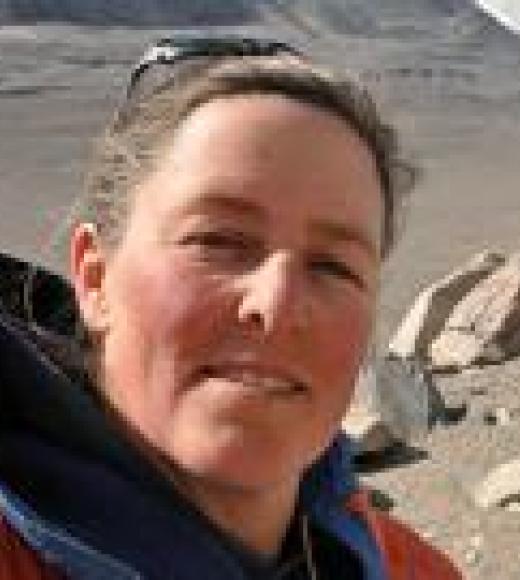
Dawn Y. Sumner is a Professor in the Department of Earth and Planetary Sciences at the University of California, Davis. Her research focuses on geobiology, paleobiology, and planetary science, particularly reconstructing ancient environments on Earth and Mars. She is a key member of NASA’s Mars Science Laboratory team, contributing to the Curiosity rover’s exploration of Gale Crater on Mars. Sumner’s work integrates field studies, lab analyses, and interdisciplinary approaches to understand microbial life’s role in shaping Earth’s history and potential habitability on other planets. Education: Ph.D., Massachusetts Institute of Technology (1995). Research interests include microbialite formation, Antarctic lake ecosystems, and the evolution of oxygenic photosynthesis. She investigates modern microbial communities in ice-covered lakes (e.g., Lake Vanda) to understand ancient environments and their biosignatures. Her scientific awards include the California Academy of Sciences Academy Fellow (2020) and Geological Society of America Fellow (2014). Sumner emphasizes inclusive education and supports student success in STEM through feminist research practices. Labs/Teams: W.M. Keck Center for Active Visualization in the Earth Sciences (KeckCAVES), Antarctic Lake Research Group.
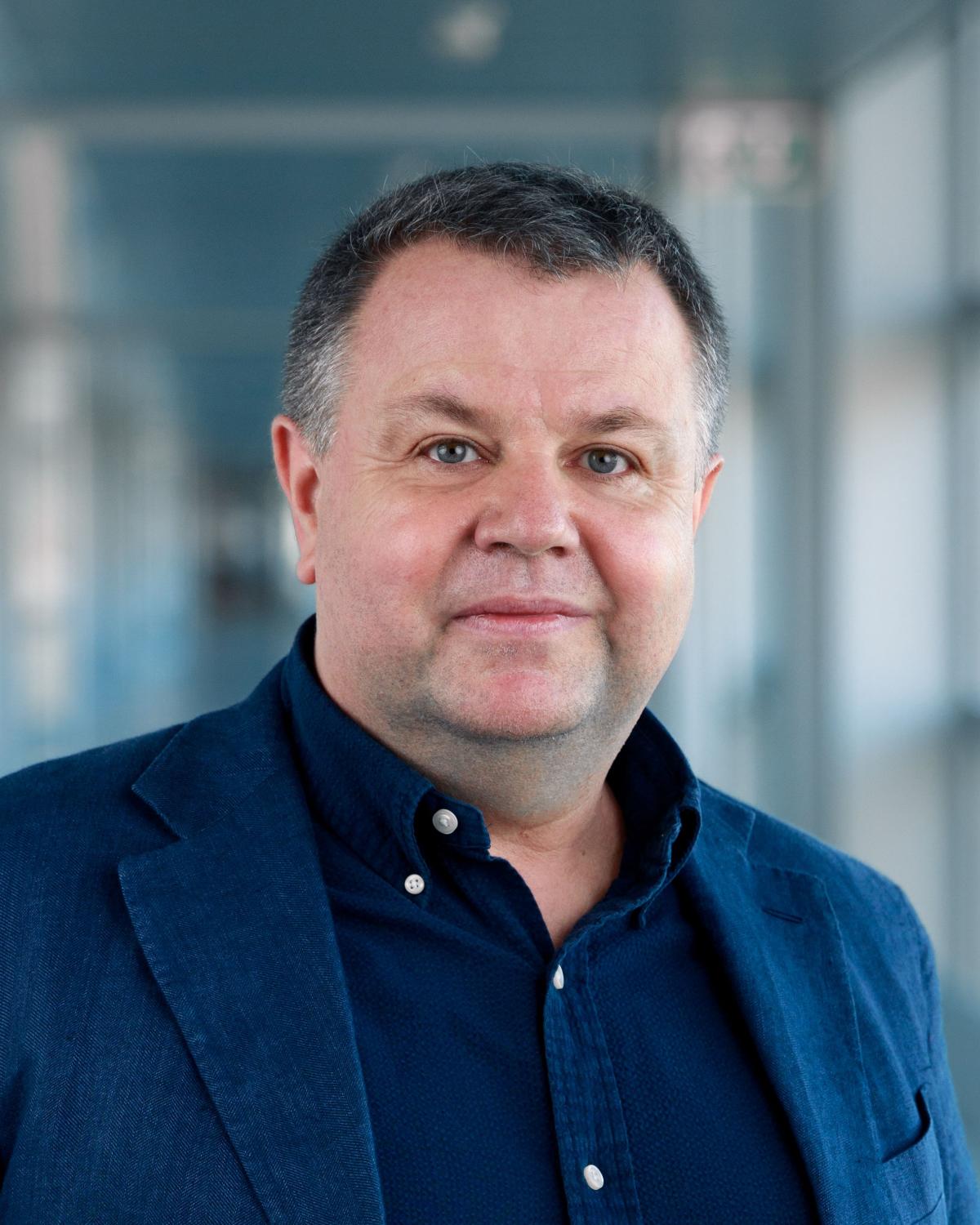
Professor Mikko Haataja is a distinguished faculty member in the Department of Mechanical and Aerospace Engineering at Princeton University's School of Engineering and Applied Science. Holding a Ph.D. from McGill University (2003), he leads the Haataja Research Group focused on theoretical and computational approaches to materials science and physical biology. His office is located in D404C Engineering Quadrangle, and he serves as an advisor to numerous graduate students working at the intersection of physics, materials science, and biology. Professor Haataja's research spans multiple domains including theoretical and computational materials science, physics of materials, and physical biology. His work examines microstructure formation during solid-solid phase transformations and solidification, growth of electrodeposited thin films and quantum heterostructures, dynamics of driven interfaces with mobile impurities, recrystallization kinetics, cell signaling mechanisms, and the regulation & self-organization of 'lipid rafts' in plasma membranes. His group has pioneered concepts in 'dynamically programmable electromechanical 2D materials' and investigates phase separation phenomena in biological systems. His publication record demonstrates significant contributions across several key areas: intracellular phase transitions and biomolecular condensates, 2D transition metal dichalcogenide materials, lipid bilayer membrane physics, solid oxide fuel cells and batteries, and organic semiconductor thin films. His most recent work focuses on amyloid-like fibril formation, liquid-liquid phase separation in biological contexts, and defect engineering in 2D materials, reflecting his interdisciplinary approach that bridges physics, materials science, and biology. Professor Haataja actively mentors graduate students and postdoctoral researchers, with numerous co-authored publications indicating strong advising relationships. His research program encompasses multiple funded projects investigating materials for energy conversion and storage, intracellular organization mechanisms, and novel 2D material systems. The Haataja Group maintains strong collaborations with other Princeton researchers and external institutions, particularly in the fields of biophysics and advanced materials. The Haataja Group operates as a dynamic research laboratory employing computational modeling and theoretical approaches to address fundamental questions in materials science and biophysics. Their work spans from atomic-scale simulations to continuum modeling, with particular emphasis on phase-field crystal models, membrane biophysics, and 2D material systems. The group maintains specialized computational infrastructure for multiscale modeling and collaborates extensively with experimental groups to validate theoretical predictions.
Jörg F. Löffler is a Full Professor of Metal Physics and Technology at the Department of Materials, ETH Zürich , where he has been since 2003. He previously served as Chairman of the Department (2010–2013) and holds Adjunct Professor positions at Tohoku University (Japan) and a Visiting Faculty role at Caltech. His research focuses on bulk metallic glasses , metallic biomaterials , and magnetic materials , combining synthesis, characterization, and applications in biomedical and structural contexts. Educations : Studied Physics and Materials Science at Saarland University (Germany), earned his doctorate at ETH Zurich and Paul Scherrer Institute on magnetism and neutron scattering (1997). Research Trends : Recent work explores additive manufacturing (e.g., laser powder bed fusion), biodegradable magnesium alloys for implants, and magneto-structural coupling in metallic glasses. Collaborative efforts integrate in situ analysis with computational modeling. Scientific Awards : International Magnesium Science and Technology Award (2023) MRS Fellow (2021) DGM 'Breakthrough' Prize (2016) Masing Memorial Prize (2005) ETH Zurich Medal (1998) Alexander von Humboldt Fellowship (1998-2001) Löffler advises the Department of Materials Science and Engineering at UC Davis and serves on editorial boards. His group at ETH Zürich investigates advanced metallic materials using synchrotron radiation and neutron scattering facilities.
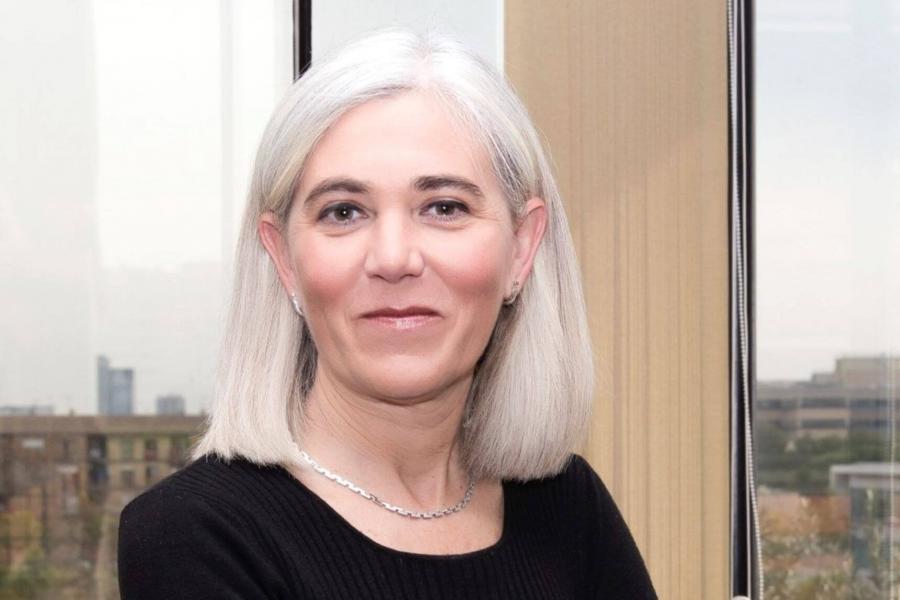
Andrew Spakowitz is a Professor of Chemical Engineering, Materials Science and Engineering, and by courtesy, Applied Physics and Chemistry at Stanford University. He currently serves as the Senior Associate Dean for Research and Faculty Affairs and holds the Tang Family Foundation Chair of the Department of Chemical Engineering. His academic career at Stanford spans from Assistant Professor (2006-2014) to Associate Professor (2014-2020) and now Professor since 2020. Dr. Spakowitz earned his PhD in 2004, MS in 2001 from the California Institute of Technology, and his BS in Chemical Engineering from the University of Wisconsin, Madison in 1999. He completed postdoctoral training in Molecular and Cell Biology and Biophysics at UC Berkeley from 2004-2006. His research focuses on theoretical and computational approaches to understanding biological processes and complex materials. The Spakowitz lab addresses fundamental chemical and physical phenomena through four main research themes: chromosomal organization and dynamics, protein self-assembly, polymer membranes, and charge transport in conducting polymers. His group employs diverse theoretical and computational methods including analytical theory of semiflexible polymers, polymer field theory, continuum elastic mechanics, Brownian dynamics simulation, equilibrium and dynamic Monte Carlo simulations, and reaction-diffusion modeling. Analysis of his recent publications reveals a strong emphasis on epigenetics and chromatin dynamics, with significant work on DNA methylation patterns, nucleosome clustering, and chromosome organization. His research also extends to polymer physics applications in biological systems, particularly in respiratory diseases, water purification membranes, and bacterial phage interactions with human mucus. Tang Family Foundation Chair of the Department of Chemical Engineering Professor Spakowitz mentors several graduate students and postdoctoral scholars in the Chemical Engineering and Materials Science departments. His lab members work on diverse projects spanning from chromatin dynamics to polymer membranes for water purification. He teaches multiple courses including CHEMENG 120B (Energy and Mass Transport), CHEMENG 340 (Molecular Thermodynamics), CHEMENG 466 (Polymer Physics), and CHEMENG 467 (Physics of Biomacromolecules). The Spakowitz lab operates from Clark S295 at Stanford University, conducting theoretical and computational research that bridges chemistry, physics, biology, and engineering disciplines to address complex problems across multiple length and time scales.
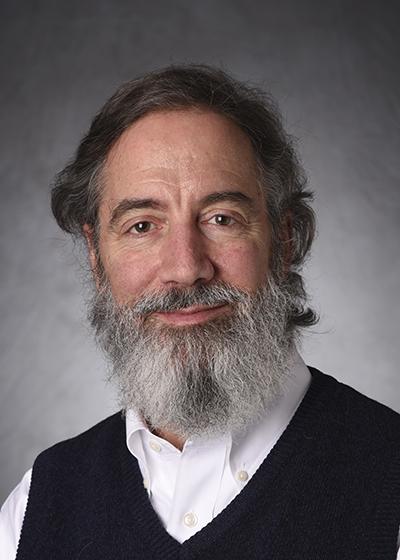
Ralph H. Colby serves as Professor of Materials Science and Engineering and Chemical Engineering at Pennsylvania State University's College of Earth and Mineral Sciences, holding the Corning Faculty Fellowship. His research focuses on molecular-level dynamics in complex fluids, particularly polymers, ionomers, and liquid crystalline systems. With over 130 publications and authorship of the textbook Polymer Physics (2003), he directs an active research program examining structure-property relationships in soft matter. B.S. in Materials Science and Engineering, Cornell University (1979) M.S. in Chemical Engineering, Northwestern University (1983) Ph.D. in Chemical Engineering, Northwestern University (1985) Professor Colby's research spans polymer physics, rheology, and materials for energy applications. His group employs mechanical rheology, dielectric spectroscopy, and scattering techniques to investigate ion transport in single-ion conductors for batteries, dynamics of glass-forming liquids, and self-assembly in polyelectrolyte systems. Current work emphasizes structure-property relationships in ionomers, liquid crystalline polymers, and branched architectures. Analysis of recent publications reveals consistent focus on ionomer membranes for energy applications, processing-structure relationships in advanced polymers, and fundamental dynamics of complex fluids. Key trends include increasing integration of computational modeling with experimental characterization, expansion into sustainable materials processing, and growing emphasis on applications in battery technology and biomedical materials. Penn State Faculty Scholar Medal for Outstanding Achievement (2022) Bingham Medal, Society of Rheology (2012) American Chemical Society Fellowship Corning Faculty Fellowship in Materials Science and Engineering Professor Colby leads multiple federally funded projects including NSF's 'Fundamental Studies of Flow-Induced Polymer Crystallization' and DOE's 'Conduction mechanisms and structure of ionomeric single-ion conductors'. His group maintains strong industry partnerships with Corning Incorporated and participates in interdisciplinary initiatives like the Penn State Intercollege Graduate Degree Program in Materials Science and Engineering. Current research includes collaborations on breast cancer adherence interventions in Rwanda and conjugated polymer development for flexible electronics. The Colby Research Group operates specialized facilities for rheological characterization, dielectric spectroscopy, and X-ray scattering at Penn State's Materials Research Institute. The team maintains active collaborations with national laboratories and international research groups, focusing on translating fundamental polymer physics discoveries into practical applications for energy storage and advanced manufacturing.
Professor Hala Zreiqat AM is a leading biomedical engineer at The University of Sydney , serving as the Director of the ARC Training Centre for Innovative BioEngineering . A Fellow of all major Australian academies (AAS, ATSE, FAHMS, FRSN), she develops 3D printed bioceramics for bone regeneration while championing diversity through initiatives like the IDEAL Society and BIOTech Futures mentorship program. Her work bridges academia, clinical practice, and industry in musculoskeletal research . Research Focus: Her lab creates synthetic bone scaffolds that mimic natural bone architecture, strength, and porosity, enabling non-rejected bone regeneration via patient-matched implants. Key applications include orthopaedic, dental, and maxillofacial repair , with over $18M in competitive funding and multiple patents. Current projects explore AI-driven scaffold performance prediction and anti-senescence strategies for aging-related bone loss. Scientific Trends: Recent publications highlight 3D printed nanovoxelated ceramics , antisenescence biomaterials , and multifunctional theranostic platforms . Her team integrates machine learning for scaffold design, atom probe tomography for interface analysis, and two-photon imaging for cellular monitoring in 3D environments. 2021-2022 Fulbright Senior Scholar 2018 NSW Premier's Woman of the Year 2019 Eureka Prize for Innovative Use of Technology Fellow of Australian Academy of Science (2021) Over $18M in research funding Teaching & Leadership: She designed core courses like Tissue Engineering and Nanomaterials in Medicine , mentoring 158 students in 2020 alone. As Chair of CAAR (2020-2023), she strengthens Australia-Arab collaborations. Her lab trains early-career researchers , with alumni now in academia and industry.
Zoran Cenev holds a Tenure Track Assistant Professor position within the Mechatronics and Dynamics section of the Department of Mechanical and Production Engineering at the School of Engineering, Aarhus University. His primary institutional affiliation is with AU Engineering, and contact details include email zoran.cenev@mpe.au.dk and telephone +45 20 64 75 44, with office location Aarhus N, 5128-140. Research interests focus on interdisciplinary applications of magnetic and robotic systems: Robotic micromanipulation via electromagnetic needles Ferrofluid-based biofabrication for skeletal muscle engineering Laser-induced photothermal droplet control Theoretical modeling of particle dynamics at fluid interfaces Surface engineering for underwater metallic stability Nanostructure formation through ion bombardment His recent publications (2023-2025) reveal a dominant trend in adapting ferrofluids for biomedical automation, particularly 3D bioprinting of magnetically responsive tissues and droplet manipulation on engineered surfaces. This work bridges mechanical engineering with regenerative medicine, emphasizing practical implementations of theoretical models for microscale precision. Scientific awards are not documented in the provided information. As a faculty member, Dr. Cenev likely mentors graduate students and pursues research grants, though specific advisees or funding details are absent. Departmental laboratories and workshops support his experimental work in mechatronics, with emphasis on magnetic manipulation systems and surface characterization.
Dr. Yi Shen is a Senior Lecturer at the School of Chemical and Biomolecular Engineering, The University of Sydney, and Chair of RACI Women in Chemistry. She is also affiliated with multiple research institutes including Sydney Institute of Agriculture, Sydney Southeast Asia Centre, The Centre for Drug Discovery Innovation, and The University of Sydney Nano Institute. PhD in Soft Materials from ETH Zurich Postdoctoral research at University of Cambridge and Harvard University Her research focuses on protein phase behavior and functional biomaterials development, utilizing soft matter approaches and microfluidic techniques to address challenges in neurodegenerative diseases, sustainable materials, and biomedical engineering. She has published extensively in top journals like Nature Nanotechnology and PNAS, with a particular emphasis on: Protein liquid-liquid phase separation mechanisms Biomaterials from protein nanofibrils Microfluidic manipulation of biological systems Biodegradable bioplastics development Shear force effects on biomolecular systems Pathological protein aggregation dynamics Key scientific achievements include: 2022 ARC DECRA Fellowship 2022 Sydney Nano Frontier award 2018 ETH Zurich Spark Award (for Fe delivery system invention) 2012 Princeton Grand Challenges Program 2 patents pending 2 Nature Nanotechnology cover articles As an educator, she coordinates CHNG2802 Chemical Engineering Modelling and Analysis, co-teaches CHNG3804 Biochemical Engineering and CHNG5605 Bio-products: Laboratory to Marketplace, and guest lectures across biomedical and nanotechnology programs. Her lab actively collaborates with institutions in Switzerland (ETH Zurich), UK (Cambridge), and US (Harvard, Princeton), focusing on transforming biomolecular understanding into real-world applications in health, industry, and environmental sustainability.
Dr. Qian Shunzhi is an Associate Professor and Program Director for the Bachelor of Engineering (Civil) at NTU's School of Civil and Environmental Engineering. He holds a PhD from the University of Michigan (2007), with prior faculty experience at Southeast University (2009-2013) and postdoctoral research at TU Delft (2007-2009). His research focuses on advanced construction materials like Engineered Cementitious Composites (ECC), self-healing concrete, and 3D-printable concrete, alongside life cycle assessment of infrastructure. Key interests include sustainable materials, CO2 sequestration, and material durability. Education: Bachelor's: Southeast University (Nanjing, 1998) Master's: Chinese Ministry of Transport Highway Research Institute (Beijing, 2001) PhD: University of Michigan (Ann Arbor, 2007) Research Interests: Novel cementitious composites for infrastructure resilience Recycled materials in construction 3D printing applications in concrete Material lifecycle analysis Notable contributions include bacterial encapsulation for self-healing, graphene-enhanced antibacterial surfaces, and CO2 sequestration via reactive materials. His work bridges material science, sustainability, and advanced manufacturing techniques.
Jerelle A. Joseph is an Assistant Professor at Princeton University , affiliated with the Department of Chemical and Biological Engineering and the Omenn-Darling Bioengineering Institute . They also hold associated faculty roles in the Department of Chemistry , Andlinger Center for Energy and the Environment , Princeton Institute for Computational Science and Engineering , and the Biophysics Graduate Program . Research Interests : The Joseph Group investigates the physicochemical principles governing biomolecular condensate formation, dissolution, and misregulation . Their work focuses on phase separation mechanisms , computational modeling of protein-RNA interactions , and engineering condensates for biomedical and sustainability applications , including therapeutic targeting of neurodegenerative diseases and design of synthetic microreactors . Scientific Awards : NIGMS MIRA (R35) Award (2024) Biophysical Society Award Lecture (2024) Chan Zuckerberg Initiative Investigator (2023) Postdoctoral Award, Biophysical Society IDP Subgroup (2022) Rising Star in Soft and Biological Matter (University of Chicago, 2020) Advising : Dr. Joseph advises graduate students including Ananya Chakravarti , Dominic Curtis , and Pablo Garcia . The group develops chemically-specific coarse-grained models using molecular dynamics , Monte Carlo sampling , and machine learning to study condensate microstructure , aging dynamics , and surface electrostatics .
Dr. Cristina Rosell is a Professor and Head of the Department of Food and Human Nutritional Sciences at the Faculty of Agricultural and Food Sciences, University of Manitoba. Her research focuses on grain-based food innovation, starch properties, and sustainable bakery processes. Education: PhD and BSc in Pharmacy from Universidad Complutense de Madrid, Spain Dr. Rosell specializes in cereal science, enzymatic food modification, and gluten-free product development. Her current projects include optimizing bakery processes with computational tools, tracing rice supply chains via blockchain, and integrating bioactives into gluten-free foods. Her work bridges food chemistry, nutritional science, and industrial bakery technology. Her recent research trends emphasize gluten-free bread using legume and root starches, starch-plant compound interactions , and sustainable food processing via microwave-assisted extraction, high-pressure treatments, and fermentation. Key subfields include dough rheology, polyphenol bioactivity, and techno-functional ingredient development. Dr. Rosell’s teaching includes graduate seminars in food science (HNSC 7130). She supervises graduate students in breadmaking, starch hydrolysis, and functional food design. Her lab explores grain quality, enzymatic treatments, and bakery product optimization through interdisciplinary approaches combining chemistry, nutrition, and process engineering.
Meisam Asgari is an Assistant Professor in the Department of Medical Engineering at the University of South Florida. He holds a Ph.D. in Mechanical Engineering from McGill University (2015), with postdoctoral training at Northwestern University (2018–2020) and McGill University (2016–2018). His research focuses on biomechanics, cardiovascular diseases, biomimetic design, and functional gradients in biological materials. He teaches courses such as Transport Phenomena in Biomedical Engineering and Biomechanics. Education: Ph.D. Mechanical Engineering, McGill University, 2015 M.Sc. Solid Mechanics, Isfahan University of Technology, 2011 B.Sc. Mechanical Engineering, Isfahan University of Technology, 2007 Awards: NSERC Postdoctoral Fellowship (2018–2020) McGill Engineering International Tuition Award (2011–2014) Outstanding Teaching Assistant Award, McGill (2015) His research integrates experimental and computational methods to study vascular diseases, biomaterials for tissue engineering, and structural adaptations in biological systems like crustacean exoskeletons. Recent work includes developing decellularized aortic grafts and investigating collagen mechanics in diseased tissues. Publications span Acta Biomaterialia , Scientific Reports , and Journal of the Mechanical Behavior of Biomedical Materials , emphasizing biomechanics and material characterization. His work bridges engineering and biology to address clinical challenges in cardiovascular and musculoskeletal systems.
Dr. Sajid Alavi is a Professor in the Department of Grain Science and Industry at Kansas State University. He joined the faculty in 2002 after earning his Ph.D. in Food Science/Food Engineering from Cornell University (2002), M.S. in Agricultural and Biological Engineering from Penn State (1997), and B.S. in Agricultural Engineering from IIT (1995). His research focuses on extrusion processing in food, pet food, and feed applications, with expertise in rheology, food microstructure imaging, and process sustainability. He leads global projects in Africa, Brazil, India, and beyond, emphasizing sustainable food technologies and AI-driven processing innovations. Dr. Alavi is a recipient of the 2010 Young Research Scientist Award from the Cereals & Grains Association. He teaches GRSC 620 (Intro to Extrusion Processing) and GRSC 820 (Advanced Extrusion Processing), and has trained over 1,000 industry leaders through his renowned 'Extrusion Processing: Technology and Commercialization' short course. His work bridges food science and engineering, addressing challenges in plant-based meat analogs, nutrient bioavailability, and food aid product development. Key facilities associated with his work include the BIVAP Feed Quality Assurance Lab and Hal Ross Flour Mill. His research spans sensory analysis of meat alternatives, fiber utilization in pet food, and sustainability assessments of novel crops like intermediate wheatgrass. Recent studies explore insect protein in pet food, AI-driven extrusion optimization, and iron bioavailability in fortified foods. Dr. Alavi’s contributions span academic, industrial, and global food security domains, reflecting a commitment to innovative, scalable food solutions.
Henry Jäger is a Professor in Food Technology at the University of Natural Resources and Life Sciences, Vienna (BOKU) since 2014. Previously, he worked as a Project Manager at Nestlé (2012-2014) and Lecturer at TU Berlin (2012-2017), following his PhD/Postdoc at TU Berlin (2006-2012) and Diploma in Food Technology (2000-2006). His research focuses on electrotechnologies in food processing , particularly pulsed electric fields (PEF) and ohmic heating , for microbial inactivation, food preservation, and quality optimization. He explores applications in plant material processing , gluten-free baking , and novel food preservation methods . His work also addresses edible insect processing for allergenicity reduction and protein recovery. Recent publications (2025-2024) analyze synergies between PEF and ohmic heating, biofilm imitation systems for hygiene validation, and computational models for sterilization processes. These studies span food safety , sustainable processing , and functional food design . Henry Jäger actively contributes to scientific communities, serving on the EFFoST managing board , as scientific advisor for food conferences, and as reviewer for journals like Food Chemistry and Trends in Food Science & Technology . He has organized workshops on PEF applications and contributed to EU food technology initiatives.
Rhett C. Smith is a Professor of Chemistry at Clemson University, leading a research group dedicated to sustainable materials innovation since 2006. His work focuses on transforming industrial waste streams into high-performance composites through green chemistry approaches. His academic background includes: B.S. in Chemistry from the University of Toledo Ph.D. in Chemistry from Case Western Reserve University NIH Postdoctoral Fellowship at MIT Professor Smith's research pioneers waste valorization using elemental sulfur and biomass derivatives. Key areas include: Upcycling mixed plastic and food waste into structural materials Developing sulfur-based polymers for sustainable construction Creating circular economy solutions for agricultural byproducts His group's work bridges fundamental chemistry with commercial applications in South Carolina's industrial sector. Recent publications reveal a strong trend toward atom-economical processes using waste sulfur and biomass. The research emphasizes scalable technologies for plastic recycling and sustainable cement alternatives, with increasing focus on food waste upcycling and flame-retardant composites. Major recognitions include: National Merit Scholar and NIH Postdoctoral Fellowship Two-time InnoVision Award Finalist (2024 Sustainability category) Fats and Proteins Research Foundation Innovate Award Fred Bisplingoff Research Innovation Award Professor Smith has mentored over a dozen Ph.D. students to successful careers in national labs and industry. His group secured seven major grants in Spring 2024 from NSF, USDA, and industry partners to advance sustainable materials for structural applications. Current projects focus on upcycling post-consumer waste streams and developing carbon-negative building materials. The Smith Research Group operates as a collaborative hub within Clemson's chemistry department, recently expanding to include four faculty co-leaders (Tennyson, Ashlyn Smith, and Sauceda). The team maintains strong industry partnerships while promoting academic accessibility through open educational resources.