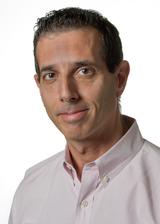
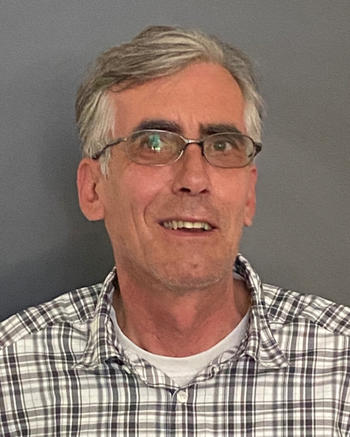
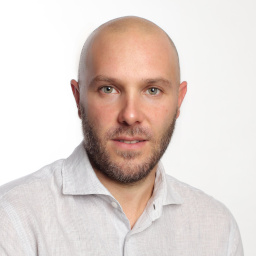
Tommy Löfstedt is an Associate Professor at Umeå University , affiliated with the Department of Computing Science and the Department of Mathematics and Mathematical Statistics. His research focuses on machine learning , computer vision , and medical image analysis , with applications in life sciences, radiation therapy, and biomedical imaging. He leads multiple research projects, including AI-driven delineation in radiation therapy, quantitative MRI for radiotherapy, and machine learning for plant nutrient uptake. Current research emphasizes structured regularization methods to improve model interpretability and robustness. Key applications include medical image segmentation , Alzheimer's classification , and uncertainty estimation in MRI . Recent publications highlight his work on morphological regularization , adversarial attack mitigation , and multi-task learning in medical imaging contexts. His projects span 2022–2026 with funding for pediatric oncology automation and gynecological cancer staging. Affiliated with both computing and mathematical departments, he bridges algorithm development with applied mathematical frameworks in medical and life science domains.
Antonio Molina Fernández is a Professor at the Universidad Politécnica de Madrid , leading the Plant Innate Immunity and Resistance to Necrotrophic Fungi group at the Center for Plant Biotechnology and Genomics (CBGP) . His research focuses on understanding plant defense mechanisms against necrotrophic fungal pathogens, particularly using the Arabidopsis-Plectosphaerella cucumerina interaction as a model system. Key areas include molecular recognition of pathogens, cell wall integrity signaling, and fungal pathogenicity mechanisms. His group investigates how plants sense necrotrophic fungi through receptors like ERECTA and BAK1, regulatory pathways involving MAP kinases and G-proteins, and the role of secondary metabolites in immunity. They also study the genomic basis of fungal lifestyles (pathogenic vs. endophytic) and their interactions with host plants. Current projects include enhancing crop disease resistance via cell wall-derived signals, zinc-mediated immunity, and sustainable agricultural solutions through bioengineering. Molina has secured funding from multiple EU programs, including Horizon-CL6 and MCIN/AEI grants. Notable achievements include identifying the YODA kinase pathway for broad-spectrum resistance and demonstrating the role of cell wall DAMPs in immunity. His work bridges fundamental research with translational applications, aiming to develop biocontrol strategies and climate-resilient crops.
Lea Atanasova is a Senior Researcher and Principal Investigator at the Institute of Food Technology, Department of Biotechnology and Food Science, University of Natural Resources and Life Sciences Vienna (BOKU). She holds a PhD (Dr. rer. nat.) and a Master’s degree (Mag. rer. nat.) and has extensive postdoctoral experience in fungal molecular biology and genomics. Her research is centered on mycoparasitic fungi such as Trichoderma and Clonostachys , with a focus on carbohydrate-active enzymes, signal transduction, gene expression, and ecological genomics. Her research interests span molecular biology, genetics, genomics, microbiology, mycology, and enzyme technology. She investigates the functional roles of genes and proteins in fungal biocontrol, nutrient acquisition, and host interactions. Her work integrates comparative genomics, transcriptomics, and functional proteomics to understand fungal evolution and ecological niches. The most recent publications highlight a strong trend in understanding fungal signaling pathways (e.g., TOR and MAPK), enzyme diversification (e.g., CDHs, pectate lyases), and the molecular mechanisms of mycoparasitism. Her work also extends to fungal secondary metabolites, host-microbe interactions, and advanced imaging techniques for protein localization. Scientific Awards: Carl Trygger scholarship for research at SLU (Uppsala, Sweden) GSA fungal meeting award, Genetics Society of America (Asilomar, CA, United States) FEMS Young Scientist Meeting Grant, Federation of European Microbiological Societies (Sant Feliu de Guíxols, Spain) Price Award for best Master-/Diploma research, Ecological Society of Germany, Austria and Switzerland (GFÖ) (Bayreuth, Germany) Austria National Park Research Award, Austrian Federal Ministry of Agriculture, Forestry, Environment and Water Management (Vienna, Austria) Ad Futura Special Achievements Fellowship for studies abroad, Slovene human resources development and scholarship fund (Ljubljana, Slovenia) Lea Atanasova has supervised several Master’s and Diploma theses on topics related to fungal biotechnology and enzymology. She leads an Austrian Science Fund (FWF)-funded project on GMC oxidoreductases in Clonostachys rosea . She is actively engaged in the scientific community, serving on editorial boards and as a guest editor. She has organized and chaired sessions at major conferences, including ECFG, and frequently presents her research internationally. She is a key member of the research community at BOKU, contributing to knowledge transfer through student supervision, editorial roles, and conference participation. Her work bridges fundamental fungal biology with applications in agriculture and biotechnology.
Nevil Singh is an Associate Professor in the Department of Microbiology and Immunology at the University of Maryland School of Medicine, where he has been a faculty member since 2013. He is also a Member of the Marlene and Stewart Greenebaum Comprehensive Cancer Center. His research focuses on understanding the mechanisms of T cell activation, tolerance, and memory formation. Dr. Singh received his graduate training at the Tata Institute of Fundamental Research (TIFR) in Bombay, India, where he worked on vaccine-antigens against the malarial parasite Plasmodium falciparum . He then completed a post-doctoral fellowship with Ron Schwartz's group at the NIAID, NIH, examining T cell tolerance to self-proteins. Following this, he worked as a Research Scientist at the NIAID studying mechanisms controlling the responsiveness and frequency of helper T cells. Dr. Singh's research spans several interconnected areas in immunology. His laboratory investigates how T cells discriminate between pathogens, tumors, and self-antigens through mechanisms of negative regulatory signaling. They study how T cells calibrate their sensitivity to antigen through a process called "T cell tuning." The lab also examines how T cell responses are tailored to both pathogen type and affected tissue niche. Additionally, they investigate the mechanisms by which neurotransmitters regulate T cell function, exploring the intersection of nervous and immune systems. Dr. Singh's research has significant implications for understanding autoimmune diseases, developing more effective vaccines, and improving cancer immunotherapies. His work on T cell tuning provides insights into how the immune system maintains tolerance to self-antigens while remaining responsive to pathogens, with potential applications for treating both autoimmune disorders and cancer. Dr. Singh has received funding from diverse sources including DARPA for his work on immunological memory formation. His laboratory collaborates with teams at UMSOM, Arizona State University, and the NIAID/NIH in Bethesda, and with the Fuerst group at IBBR for preclinical HCV vaccine evaluation. Dr. Singh actively mentors graduate students and postdoctoral fellows, with several former trainees now in prominent positions in academia and industry. His laboratory culture emphasizes both experimental training and intellectual development, encouraging independent thinking and project development skills.
Kevin O'Connor is a Full Professor in the School of Biomolecular and Biomedical Science at University College Dublin (UCD), where he has held academic positions since 1999, progressing from Assistant College Lecturer to his current role as Full Professor since 2018. He serves as Director of the BiOrbic Bioeconomy SFI Research Centre, leading Ireland's national research efforts in bioeconomy development. His academic career spans over 25 years with continuous advancement through UCD's academic ranks. Professor O'Connor's research focuses on two primary areas: biodegradable polymer synthesis by bacteria and enzymes as biocatalysts. His work in biodegradable polymers centers on polyhydroxyalkanoates (PHAs), investigating bacterial production methods using waste and bio-based resources. His enzyme research explores biocatalysis under mild conditions with high specificity, using protein engineering to enhance enzyme activity for producing pharmaceuticals and fine chemicals. His laboratory investigates waste valorization, upcycling plastic monomers, CO 2 conversion to biopolymers, and hydroxytyrosol applications in food and animal nutrition. His publication record reveals a strong trend toward solving plastic pollution through biotechnological approaches, with significant work on converting plastic waste to valuable biopolymers. Recent publications demonstrate expertise in bioprocess engineering for fungal cultivation, metabolic engineering of bacterial strains for PHA production, and developing sustainable alternatives to fossil-based plastics. His research bridges fundamental microbiology with practical industrial applications in the circular bioeconomy. NovaUCD innovation award (2016) Professor O'Connor has secured significant research funding including the Horizon Europe 'PROMOFER' project (2024-2028) focusing on PHB production optimization and the SFI 'BEACON' partnership (2019-2027) as part of the BiOrbic Bioeconomy Research Centre. He has coordinated the 'Applied Enzymology and Protein' module for over seven years and serves as PhD thesis supervisor. His leadership extends to chairing the Scientific Committee of the Biobased Industries Joint Undertaking and serving on the EC Expert Group for bio-based products. As Director of BiOrbic, Professor O'Connor leads a major national research center focused on developing Ireland's bioeconomy, with particular emphasis on creating rural economic opportunities through bio-based innovations. His work includes establishing the Lisheen bioeconomy innovation and pilot facility campus, demonstrating his commitment to translating research into practical applications that support primary producers in innovating and diversifying through science and technology.
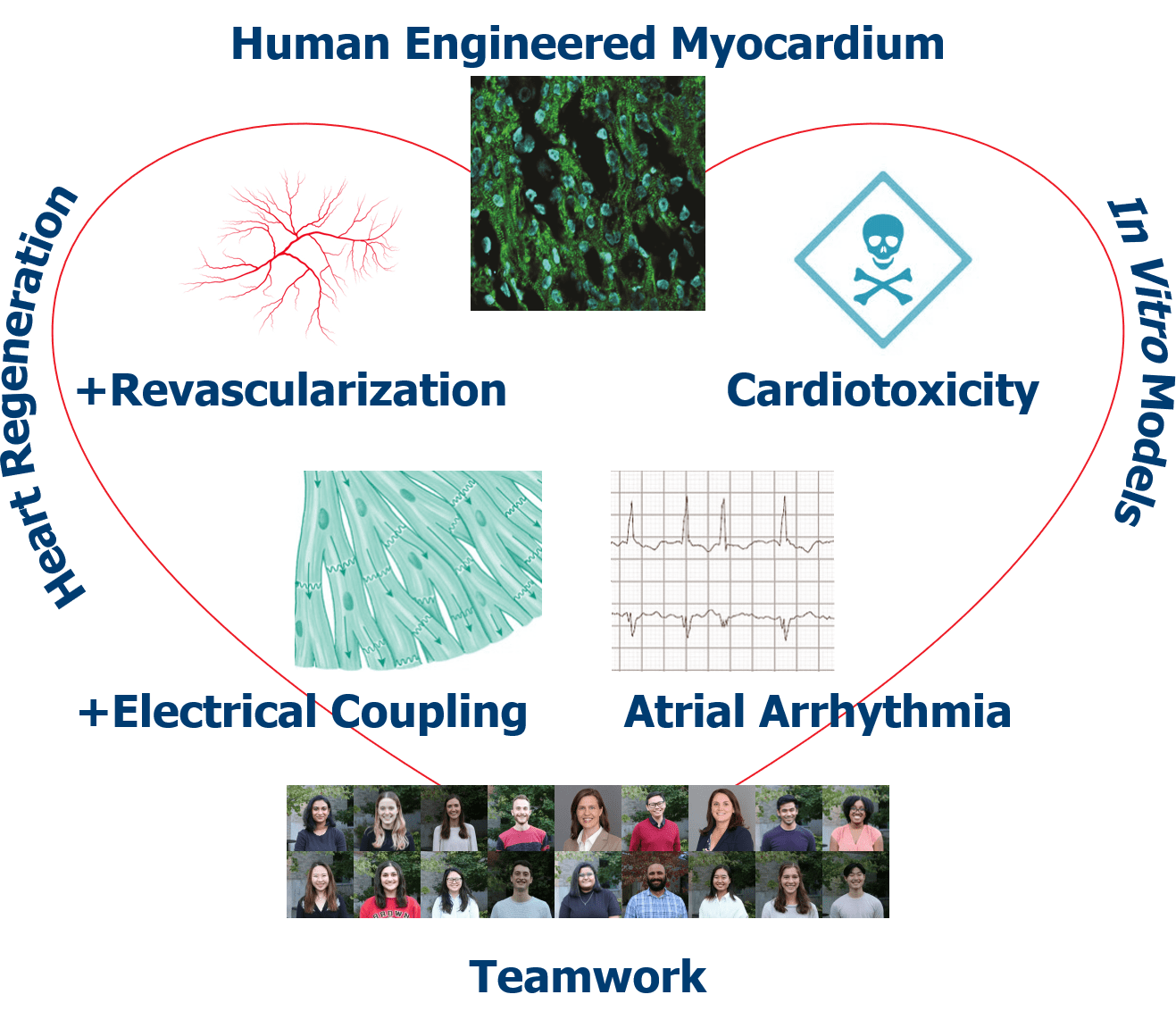
Kareen L.K. Coulombe is an Associate Professor of Engineering at Brown University, affiliated with the Institute for Biology, Engineering and Medicine . She collaborates with researchers from the Department of Medicine and institutions like the University of Edinburgh and ScitoVation, Inc . Education: B.S. in Biomedical Engineering, Summa Cum Laude (University of Rochester, 2001) Ph.D. in Bioengineering (University of Washington, 2007) Her research focuses on cardiovascular regenerative engineering , including: Developing human iPSC-derived cardiac tissues for heart attack therapy Creating anisotropic biomaterial scaffolds to enhance tissue integration Designing in vitro cardiotoxicity testing platforms for pharmaceuticals and environmental chemicals Optimizing electrical coupling between engineered and native heart tissue Recent publications highlight advancements in: Predictive 3D cardiac microtissue models for arrhythmic risk assessment Custom polycaprolactone scaffolds for tailored mechanical properties Immunomodulatory biomaterials that reshape cardiac repair processes Computational strain continuum modeling of cardiac tissue mechanics Scientific Awards: 2023 - Brown University Innovation of the Year 2021 - NSF CAREER Award & Young Innovator Award (BMES) 2019 - Dean’s Award for Excellence in Mentoring 2017-2012 - Rising Star Award & NIH Pathway to Independence K99/R00 Dr. Coulombe mentors students through programs like: Brown Leadership Alliance (undergraduate research) Tougaloo College Partnership (student development) NIH-IMSD Programs (graduate mentoring)
Professor Gerrit Jan Poelarends is a distinguished academic at the University of Groningen, holding the position of Professor of Pharmaceutical Biotechnology within the Faculty of Science and Engineering. He serves as Director of the Groningen Research Institute of Pharmacy and Head of the Department of Chemical and Pharmaceutical Biology. His extensive research portfolio spans biocatalysis, enzyme engineering, and sustainable pharmaceutical synthesis, with significant contributions to the UN Sustainable Development Goals through environmentally friendly chemical processes. Prof. Poelarends' research interests focus on the discovery and design of novel biocatalysts for pharmaceutical applications. His work centers on developing enzymatic pathways for asymmetric synthesis of noncanonical amino acids, creating enantioselective biocatalysts for various synthetic bond-forming methodologies, and characterizing promiscuous protein functions to understand enzyme evolution. His research group actively explores enzyme engineering guided by mutability landscapes, development of engineered peroxygenases, and discovery of ene- and nitroreductases for sustainable chemistry applications. Analysis of his recent publications reveals a strong trend toward sustainable pharmaceutical synthesis through enzyme engineering, particularly in the areas of nitroreductases, C-N lyases, and peroxygenases. His work consistently bridges fundamental enzymology with practical applications in green chemistry, demonstrating expertise in both understanding enzyme evolution and applying this knowledge to create biocatalysts for environmentally friendly production of pharmaceuticals. His scientific achievements have been recognized through numerous prestigious awards including NWO VENI, VIDI, and VICI grants, ERC Starting and Proof of Concept grants, and competitive fellowships for his students. These awards highlight the innovative nature and impact of his research in biocatalysis and enzyme engineering. Prof. Poelarends has supervised over thirty PhD students throughout his career, with current supervision of multiple doctoral candidates working on projects related to enzyme engineering and biocatalysis. His research has been supported by substantial grants from NWO, the European Union (including multiple ERC grants), and collaborative international projects, reflecting the significance and scope of his work. The Pharmaceutical Biotechnology group he leads includes technicians, postdocs, and PhD students working on various aspects of enzyme discovery and engineering. The research team operates within well-established laboratory facilities at the Groningen Research Institute of Pharmacy, with access to state-of-the-art equipment for protein expression, purification, structural analysis, and biocatalytic reaction screening. Their work is closely integrated with the University of Groningen's broader research initiatives in sustainable chemistry and pharmaceutical sciences, contributing to multiple EU-funded training networks and collaborative projects.
Patrick Wagner is a full professor at the Catholic University of Leuven (KU Leuven), affiliated with the Faculty of Sciences and the Department of Physics of Soft Matter and Biophysics. His research focuses on biosensors, soft matter physics, and nanotechnology, often intersecting with biomedical and environmental applications. Head of the Department of Physics of Soft Matter and Biophysics Member of Leuven One Health and LIMNI institutes Active in interdisciplinary projects involving sensor development and biophysical systems His current projects include PFAS contamination monitoring, thermally responsive biosensors, and advanced electrode systems for lab-on-chip integration. While no explicit awards or students are listed in the provided text, his publications highlight collaborations across Europe and involvement in clinical, environmental, and materials science domains. Recent works emphasize electrochemical sensing, molecular imprinting, and temperature-driven cell adhesion techniques.
Prof. Dr. Kirsten Jung is a faculty member at the Department of Microbiology , Faculty of Biology , Ludwig Maximilian University of Munich . Her research focuses on bacterial signal transduction, stress response mechanisms, and systems biology approaches to understand microbial regulatory networks. Key research areas include stress-dependent gene expression in bacterial populations Structural and functional analysis of membrane-integrated receptors Metabolism-based chemical communication in bacteria Integration of experimental and computational systems biology Recent publications highlight her lab's work on Escherichia coli epitranscriptomic modifications under heat stress, m 5 C rRNA dynamics, and the role of RNA methylation in host-pathogen interactions. Collaborative studies address bacterial acid stress responses and their implications for antibiotic tolerance. Her interdisciplinary work bridges microbiology with ecological studies, as evidenced by research on biodiversity conservation in forest and urban ecosystems. Publications also demonstrate expertise in advanced imaging techniques (e.g., arterial spin labeling for glioma analysis) and bioinformatics approaches. Current advisees include Gloria Gessinger and Tania P. Gonzalez-Terrazas . She can be contacted at jung@lmu.de .
Jeffrey Weiss is a Research Professor at the Department of Medicine (Endocrinology, Metabolism and Molecular Medicine) within Northwestern University Feinberg School of Medicine. His work bridges genetic research and core facilities management , focusing on reproductive biology and organizational efficiency in academic settings. Education: BS from The Pennsylvania State University (1982), PhD from University of Virginia (1987), and postdoctoral training at Harvard Medical School (1990) and Massachusetts General Hospital (1991). Dr. Weiss's research spans gonadal development , pituitary function , and reproductive genetics , with a focus on hormones like activin, LH, and FSH. He also contributes to core facilities infrastructure , including software solutions for research management. His recent publications highlight trends in bioinformatics systems for core facilities and genetic models for studying reproductive disorders. Key subfields include mouse mutagenesis , gene expression , and research portfolio sustainability . Scientific Awards: Member, Association of Biomolecular Research Facilities (2013 - Present) Dr. Weiss is affiliated with the Center for Genetic Medicine and Center for Reproductive Science at Feinberg. While no current grants are listed, his work emphasizes interdisciplinary collaboration and efficient research infrastructure.
PD Dr. Michael Veit is an Associate Professor (Privatdozent) at the Institute of Virology, School of Veterinary Medicine, Freie Universität Berlin , where he heads the independent Research Group Veit – Cell Biology of Viral Infections . He is a faculty member of the Center for Infection Medicine and participates in the Berlin Equine Virus Lab (BEVL). Education & Training Doctorate (Dr. rer. nat.) in Virology/Biochemistry – exact institution not stated in text. Post-doctoral qualification (Privatdozent) awarded by Freie Universität Berlin. Research Focus Veit’s laboratory investigates the molecular and cellular biology of enveloped RNA viruses , with emphasis on virus–host membrane interactions and post-translational lipid modifications (S-acylation/palmitoylation). His group combines reverse genetics, live-cell imaging, mass spectrometry and structural approaches to dissect how viral glycoproteins are modified, trafficked and assembled into infectious particles. Model pathogens include influenza A, B, C and D viruses, coronaviruses (SARS-CoV-2, MERS-like CoVs, PHEV, PDCoV), arteriviruses (PRRSV, EAV), alphaviruses (Getah, CHIKV-like), and other emerging zoonotic agents. Publication Trends From 2020 to 2025 Veit has published >30 high-impact articles that cluster around four major themes: (i) coronavirus surveillance and zoonotic risk assessment , (ii) mechanistic dissection of protein acylation in influenza and arteriviruses , (iii) structure-function analysis of viral entry receptors (ACE2, LDLR), and (iv) development of reverse-genetic tools and reporter viruses for antiviral screening. Grants & Collaborative Networks Ongoing third-party funded projects coordinated by Veit are not explicitly listed in the text, but the continuous publication output and mention of “Current Collaborations” imply active grant support. He collaborates closely with other FU Berlin groups (Osterrieder, Kaufer, Azab) and international partners on coronavirus and influenza consortia. Laboratory & Teams The Research Group Veit comprises post-docs, PhD students and technicians working in BSL-2 and BSL-3 facilities at the Institute of Virology. Core platforms include confocal & FLIM microscopy, quantitative proteomics, and reverse-genetics suites for segmented RNA viruses.
Jingyi Chen is a Professor in the Department of Chemistry and Biochemistry at the University of Arkansas. She serves as Vice Chair in the College of Arts & Sciences and leads the Chen Research Group focused on rational design and synthesis of functional nanomaterials for energy conversion and human-health applications. PhD, Chemistry & Nanotechnology – University of Washington (2006) MA, Chemistry – State University of New York College at Buffalo (2002) BS, Chemistry – Sun Yat-sen University (1997) Her research spans three major projects: Project I: Developing cost-effective catalysts for fuel cell applications through precise synthesis of copper-based bimetallic nanocrystals. Project II: Surface modification of nanoparticles with polydopamine for bio-related applications like low-friction coatings. Project III: Creating nanoplatforms for targeted drug delivery against antibiotic-resistant infections and cancer. Recent publications focus on nickel phosphide nanoparticles (2024), perovskite oxide oxygen evolution catalysts (2023-2024), and silver nanoparticle antimicrobial mechanisms (2020-2023). Her group has produced 15+ recent publications in journals like ACS Nano , J. Phys. Chem. C , and ACS Infectious Diseases . Award highlights include: Thomson Reuters Top 1% Highly Cited Researcher (2015-2018) Arkansas Research Alliance Fellow (2018) Women’s Giving Circle Award (2014) Ralph E. Powe Junior Faculty Enhancement Award (2011) She has mentored over 20 graduate and undergraduate students , including Ryan Manso (PhD 2022), Isabelle Niyonshuti (PhD 2021), and David Thompson (DOE SCGSR awardee 2022). Her lab (CHBC 304/306/309) employs advanced tools like synthesis setups , electrochemical stations , and laser irradiation systems .
Damiano Piovesan is Associate Professor in Bioinformatics (SSD BIO/10) at the Department of Biomedical Sciences , University of Padua , Italy. Since March 2022 he has held this rank, having previously served as Assistant Professor (2022) and PostDoc researcher (2019) in the same department. Education 2013 – PhD in Biotechnology, Pharmacology and Toxicology, University of Bologna 2009 – MSc in Bioinformatics, University of Bologna 2007 – BSc in Biotechnology, University of Bologna Research Focus Piovesan’s research integrates machine-learning approaches with structural bioinformatics to advance understanding of intrinsically disordered proteins (IDPs) and protein function prediction . He develops widely used resources such as MobiDB for disorder annotation, DisProt for functional curation of disordered regions, and RING for residue interaction networks. Additional interests include tandem repeat proteins , cancer-related IDP targets , and community benchmarking initiatives (CAFA, CAID, CAGI). Publication Trends His 2024–2025 output is dominated by updates to flagship databases ( InterPro , DisProt , MobiDB ), next-generation disorder predictors leveraging deep learning ( PredIDR , MobiDB-lite 4.0 ), and large-scale genomics challenges ( CAGI6 ). Across the decade, recurring themes include methodological advances in disorder prediction, creation of interoperable bioinformatics platforms, and rigorous benchmarking to ensure community-wide reliability. Scientific Awards No specific awards are listed in the provided materials. Advising & Grants No individual students or grant details are explicitly supplied; however, his leadership in multi-institutional consortia (e.g., InterPro, DisProt, CAFA) implies substantial supervisory and funding coordination roles. Labs & Teams Piovesan is affiliated with the BioComputingUP Lab ( https://biocomputingup.it/ ) at the University of Padua, a hub for computational biology and bioinformatics tool development.
Duncan J Clarke is a Professor in the Department of Genetics, Cell Biology and Development at the University of Minnesota Medical School. His research focuses on the molecular mechanisms of chromosome segregation during cell division, with particular emphasis on the role of DNA topoisomerases and related proteins. Dr. Clarke's research interests include: Mechanisms of chromosome segregation during mitosis Function of DNA topoisomerase II in centromere and kinetochore regulation Role of SUMOylation in chromosome dynamics Spindle assembly checkpoint mechanisms Interactions between histone modifications and chromosome segregation machinery Connections between DNA topology and cell division His recent publications reveal a strong focus on the molecular details of chromosome segregation, particularly examining how DNA topoisomerases, histone modifications, and microtubule dynamics coordinate to ensure accurate chromosome distribution during cell division. His work bridges basic molecular mechanisms with potential clinical applications in cancer therapy, as evidenced by his research on topoisomerase inhibitors. Dr. Clarke has received significant research funding from NIH, including: Control of Chromosome Segregation by DNA Topoisomerase II (2024-2028) A high-throughput screen for inhibitors of Plk1-interacting checkpoint helicase (PICH) (2022-2025) Multiple previous NIH-funded projects dating back to 2003 His laboratory utilizes both yeast and mammalian model systems to investigate fundamental mechanisms of chromosome segregation that are conserved across species, with potential implications for understanding cancer development and improving cancer therapies.
Ole Winther is a Professor at the Department of Biology, University of Copenhagen, specializing in Computational and RNA Biology. He also holds a joint appointment as Professor at DTU Compute, Technical University of Denmark. His research bridges machine learning, bioinformatics, and natural language processing with applications in biological sequence analysis, transcriptomics, and health informatics. Education: 1998: PhD in Physics, University of Copenhagen 1994: Master of Science in Physics, University of Copenhagen Winther's research focuses on developing advanced machine learning methodologies for biological applications. He has pioneered protein language models for sequence analysis (DeepLoc, SignalP, DeepTMHMM), interpretable deep learning for RNA subcellular localization, and benchmarking frameworks for DNA language models. His work spans latent variable models, variational inference, diffusion models, and novel architectures for deep generative modeling, with increasing emphasis on practical healthcare applications including rare disease diagnosis through findzebra.com and medical question answering with large language models. Scientific Recognition: ELLIS Fellow (2021) Head of ELLIS Copenhagen Unit H-index of 61 (Google Scholar, May 2023) 19,700+ citations (Google Scholar, May 2023) Winther has supervised 25+ PhD students to completion with 7 currently in progress, along with over 100 master's projects. He frequently serves as PhD opponent and committee chairman across European institutions. His research is supported by substantial funding including multiple Novo Nordisk Foundation grants totaling over 60 million DKK for the Center for Basic Machine Learning Research in Life Science and CAZAI projects, plus significant funding from the Danish Independent Research Fund. He leads an active research group developing cutting-edge machine learning approaches for bioinformatics and NLP challenges. Winther co-founded two spin-out companies: findzebra.com (2014, 2018), a search engine for rare diseases, and raffle.ai, an NLP startup for enterprise search. He initiated DTU's popular BSc in AI and Data program and teaches the highly enrolled MSc course in Deep Learning (450+ students) and PhD course in Bayesian Data Analysis.