Martin KircherView profile
Researcher
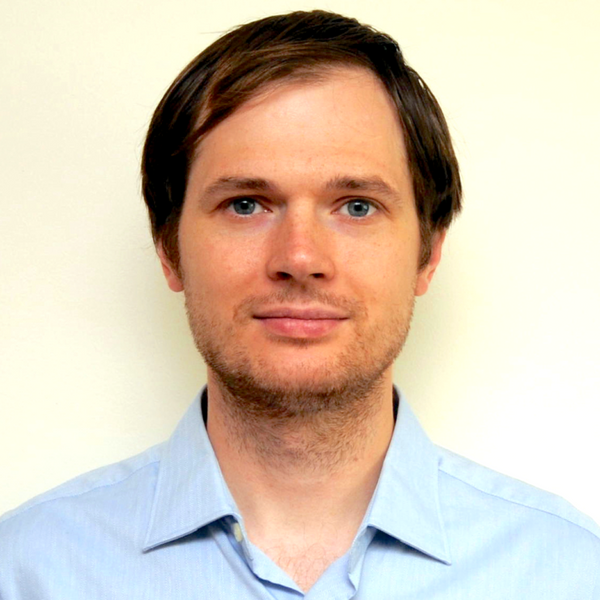
Martin Kircher is a computational molecular biologist currently leading a research group at the Berlin Institute of Health (BIH), Germany. He previously held research positions at the University of Washington and the Max Planck Institute for Evolutionary Anthropology. His work spans genomics, bioinformatics, and functional genomics, with a focus on understanding the impact of genetic variation. Research Interests: His primary research areas include genomics, computational biology, and evolutionary genetics. He has made significant contributions to ancient DNA analysis, functional genomics, and the development of tools for interpreting non-coding variants. His work integrates high-throughput sequencing, machine learning, and molecular assays to decode regulatory elements and variant pathogenicity. Publication Trends: His recent publications reflect a strong focus on functional genomics, variant interpretation (e.g., CADD), and high-throughput methods like MPRA. He frequently publishes in top-tier journals and contributes to large consortia, indicating collaborative and impactful research in genomic medicine and regulatory biology. Scientific Contributions: He has developed widely used tools such as CADD and IBIS and contributed to landmark studies on Neandertal and Denisovan genomes. His protocols for sequencing library preparation are foundational in the field. Advising and Grants: While no formal list of advisees is provided, he leads a research group and has collaborated extensively. He has been involved in major projects such as the University of Washington's Center for Mendelian Genomics, suggesting substantial grant funding and collaborative leadership. Labs and Teams: He established and leads a computational research group at the Berlin Institute of Health. Previously, he was a key member of Jay Shendure’s lab at the University of Washington and part of Svante Pääbo’s team at the Max Planck Institute, contributing to large-scale genomics initiatives.