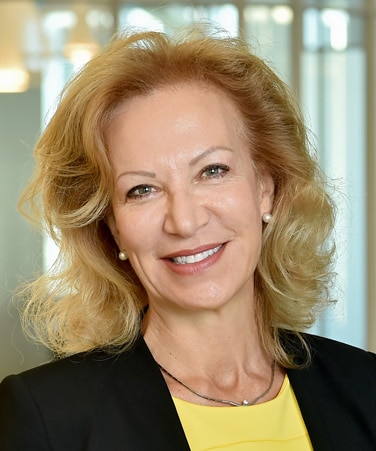
Judith A.J. Steen is a Research Professor at Harvard Medical School's Neurobiology Department and co-leads the Steen Laboratory at Boston Children's Hospital. Her research develops novel mass spectrometric methods for proteomic analysis, focusing on disease biomarkers, cell cycle control, and systems biology applications in pediatric diseases. Dr. Steen studied chemistry and biochemistry at the University of Toronto and trained in mass spectrometry (University of Southern Denmark) and cell biology (Harvard University). Her lab combines proteomics with biochemical approaches to study neurological diseases using animal models. Recent articles (2020-2025) focus on tau proteoforms in Alzheimer's disease, proteomic methods for pathological analysis, and biomarker discovery in bronchopulmonary dysplasia. Her work utilizes advanced fractionation techniques and computational pipelines to analyze complex protein mixtures.
Professor Thomas la Cour Jansen is a computational spectroscopist at the Zernike Institute for Advanced Materials , University of Groningen, leading research on quantum dynamics in complex molecular systems. Key affiliations: Berendsen Center for Multiscale Modeling, PhotoCaM doctoral network Research spans photophysical properties of advanced materials, exciton dynamics in light-harvesting systems, and protein structure-function relationships Research Interests focus on unraveling quantum-mechanical aspects of energy transport in molecular aggregates, interpreting nonlinear spectroscopies (2D-IR, 2D-Electronic), and multiscale modeling of materials from perovskite solar cells to photosynthetic complexes. His work bridges theoretical quantum physics with experimental validation, emphasizing coherence effects and structural disorder. Recent Publications highlight breakthroughs in measuring exciton delocalization, controlling charge-transfer dynamics with tailored pulses, and resolving structural debates in synthetic light-harvesting complexes through polarization-controlled spectroscopy. The group employs techniques like molecular dynamics, quantum-classical simulations, and stochastic methods to decode notoriously complex spectral signals. Scientific Software developed by the team (available on GitHub) enables advanced spectral simulations and analysis of quantum systems.
Patrizia Casaccia is the Einstein Professor of Biology and Biochemistry at The Graduate Center, CUNY, and Director of the Neuroscience Initiative. She holds an affiliation as Co-director of the joint CUNY-Mount Sinai Glial Center. Her research focuses on epigenetic regulation in glial cells, environmental influences on white matter, and gut-brain interactions in neurodegenerative disorders like multiple sclerosis (MS). Dr. Casaccia holds a medical degree from the University of Rome and a Ph.D. in Neurobiology from SUNY Health Science Center Brooklyn. She has trained numerous students and postdoctoral fellows, recognized through multiple Teaching and Research Awards. Her work is funded by grants from the NIH, Department of Defense, and National MS Society. Her lab employs advanced techniques such as single-cell isolation, robotic technologies, and omics approaches to study myelin formation, neurodegeneration, and microbiome effects. Recent articles highlight epigenetic mechanisms in oligodendrocyte differentiation, ceramide-mediated neuroprotection, and novel MS therapeutics. Key awards include peer-recognized teaching excellence and research contributions. She mentors junior faculty and leads translational research in MS, bridging basic science and clinical applications.
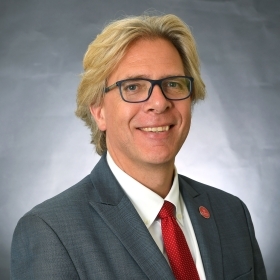
Simon Geir Møller is Provost and Senior Vice President for Academic Affairs at St. John’s University, holding the titles of University Distinguished Professor and Provost Endowed Chair. Previously, he served as a professor and department chair at institutions including the University of Stavanger and the University of Leicester. He founded the Centre for Organelle Research, Plastid Corp., SKMøller LLC, and WalCado Labs Inc., focusing on biotechnology and neurodegenerative diseases. Education: PhD in Biochemistry from the University of Leeds (1995-1998), M.S. from Imperial College London (1992-1993), and B.S. with Honors from the University of Leeds (1989-1992). Additional studies in management and employment law at the University of Stavanger (1994-1995). Research focuses on neurodegenerative diseases (e.g., Parkinson’s and Alzheimer’s), biomarkers, proteomics, and plant biology. Key contributions include identifying microRNA biomarkers for Parkinson’s and elucidating roles of proteins like DJ-1 and PARK13 in neuroprotection. His work bridges plant and human biology, leveraging Arabidopsis models to understand human disease mechanisms. Awarded the EMBO Young Investigator Award, FESPB Young Scientist Award, and SEB President’s Medal. Secured over $12 million in research funding, including grants from NATO and industry partnerships. Active in over 40 international conferences, serving as plenary speaker and session chair. Advisory roles include board positions at biotech firms and leadership in academic administration. Maintains a research lab with over 90 peer-reviewed publications, book chapters, and edited volumes. Current initiatives include WalCado Labs’ focus on brain health and neurodegenerative disease therapeutics.
Ryan Wylie is an Associate Professor in the Department of Chemistry & Chemical Biology at McMaster University, Canada. He holds a position within the Faculty of Science and teaches courses related to biomaterials, chemical biology, and physical chemistry. His research focuses on biomaterial design, hydrogel systems for drug delivery, and applications in cancer therapy and tissue engineering. Wylie has authored over 40 peer-reviewed publications and contributed to several patents in biomaterials science. Research interests include developing smart hydrogel materials for controlled drug release, engineering biocompatible polymer coatings, and investigating protein-polymer interactions. His work spans interdisciplinary areas such as immunotherapy delivery platforms, antifouling surface technologies, and 3D cell culture systems. Wylie’s studies often address challenges in localized cancer treatment, neurotrauma diagnosis, and regenerative medicine. Recent articles highlight advancements in hydrogel-based delivery systems, antibody engineering for T-cell engagement, and novel methods for patterning biomolecules within scaffolds. His contributions have been recognized through collaborations with industry and academic partners, though no specific awards are listed here. Wylie supervises undergraduate and graduate research projects in chemical biology and biomaterials, contributing to training the next generation of scientists in this field.
Dr. Joseph Barritt is a Research Associate in the Department of Life Sciences at Imperial College London’s Faculty of Natural Sciences. His research focuses on structural biology, neurodegenerative diseases, microbiology, and nanotechnology. He investigates protein-membrane interactions, viral replication mechanisms, and the structural basis of disease-related protein misfolding. His work spans Alzheimer’s disease, Parkinson’s disease, bacterial biofilm breakdown, and nanoparticle design for drug delivery. Dr. Barritt’s expertise includes advanced analytical tools for studying membrane proteins and viral vectors. His recent projects include developing microfluidic platforms for nanoparticle synthesis and characterizing adenovirus-based vaccines. He collaborates on bacteriophage therapies targeting gut bacteria and structural studies of plant borate transporters. While no scientific awards or grants are explicitly listed, his publications reflect interdisciplinary research at the intersection of biophysics, virology, and nanotechnology. He is affiliated with the Department of Life Sciences at Imperial College London, contributing to cutting-edge studies in structural biology and infectious diseases.
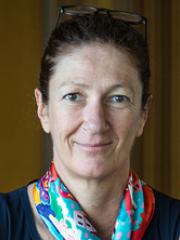
Associate Professor Marie-Odile Parat is a prominent researcher and educator at the School of Pharmacy and Pharmaceutical Sciences, University of Queensland. With a career spanning over two decades in cancer research, pharmacology, and molecular biology, she has established herself as a leading expert in opioid-cancer interactions and caveolae biology. Dr. Parat earned her Pharm.D. from University Joseph Fourier in Grenoble, France, a Masters in Cutaneous Biology from University Claude Bernard in Lyon, France, and her Ph.D. in Cell Biology from University Joseph Fourier in Grenoble, France. She further holds postgraduate diplomas in Biomedical and Industrial Pharmacy, Photobiology, Pharmaceutical Management, and Public Health. Her professional journey includes a Pharmaceutical Residency at University Hospitals of Grenoble, research at Estee Lauder's R&D laboratories, and three years with the United Nations International Trade Center in Geneva, Switzerland. Her research focuses on the relationship between opioids and cancer progression, particularly how perioperative pain management influences cancer recurrence and metastasis. She also investigates caveolae biology and their role in cell migration, angiogenesis, and cancer progression. Her work spans from basic science to translational research, with the goal of developing novel cancer therapies. Dr. Parat's publication record demonstrates strong focus on cancer biology, opioid pharmacology, and drug delivery systems. Recent work includes systematic reviews on opioid-cancer relationships, novel drug delivery systems for gynecological conditions, and molecular mechanisms of cancer metastasis across multiple high-impact journals in oncology, pharmacology, and molecular biology. She has received research funding from prestigious organizations including the Research Funding Agency of the State of São Paulo (FAPESP), the American Heart Association, the American Cancer Society, the National Heart Foundation of Australia, Cancer Council Queensland, and the Australian Research Council (ARC). As an educator, Dr. Parat has supervised numerous PhD students whose research spans cancer biology, drug delivery systems, and natural product pharmacology. Her current research program includes investigations into opioid receptor-active metabolites produced by the human gut microbiome, tumor-targeted gene delivery platforms, and novel drug delivery systems for gynecological conditions.
Xiaohua Gong is a Professor of Optometry and Vision Science at the University of California, Berkeley's School of Optometry. Her research focuses on molecular and cellular mechanisms underlying vertebrate eye development and diseases, particularly cataracts, retinal degeneration, and vascular disorders. She leads the Gong Lab, which employs genetic, biochemical, and imaging techniques to study lens biology, gap junction signaling, and connexin proteins' roles in ocular health. Key projects include analyzing ENU-induced mouse mutations, MAP kinase pathways in lens differentiation, and developing diagnostic tools for ocular diseases. Her teaching includes Vision Science courses 206A (Anatomy/Physiology of the Eye) and 212G (Molecular Genetics of Eye Development). Notable contributions include identifying novel genetic factors in eye development, characterizing connexin mutations' effects on cataract formation, and elucidating interactions between Eph receptors and lens morphogenesis. The lab also pioneers 3D lens cell culture systems and advanced imaging technologies like adaptive optical microscopy for in vivo studies. Awards and recognitions are not explicitly listed in the text, but her extensive publication record reflects sustained research impact. The Gong Lab fosters collaboration across disciplines, integrating molecular biology, genetics, and clinical insights to advance translational ophthalmology.
Fenghua Hu is an Associate Professor in the Department of Molecular Biology and Genetics at Cornell University, and a member of the Weill Institute for Cell and Molecular Biology. She holds affiliations with the Biochemistry, Molecular, and Cell Biology (BMCB), Genetics, Genomics and Development (GGD), and Biological and Biomedical Sciences (BBS) graduate programs. Dr. Hu earned her B.S. in Biochemistry from Peking University (1997) and her Ph.D. from Baylor College of Medicine (2002), followed by postdoctoral training at Yale University. Her research focuses on molecular mechanisms of neurodegenerative diseases, particularly ALS and FTLD, with emphasis on progranulin, TMEM106B, C9orf72, and TDP-43. Her lab investigates lysosomal dysfunction links to neurodegeneration, exploring therapeutic avenues for these diseases. Key findings include the role of progranulin in lysosomal pathways and TMEM106B in myelination and inflammation. Dr. Hu has been recognized with awards such as the Rosalinde and Arthur Gilbert Foundation/AFAR New Investigator Award (2010), Platform Speaker Award (2001), and the Trentin Award for Scholastic Excellence (1998). She teaches BIOMG 6360: Functional Organization of Eukaryotic Cells and actively collaborates with interdisciplinary teams in neuroscience and cell biology. Her lab’s work spans from basic molecular mechanisms to translational research, with recent studies highlighting TMEM106B’s role in SARS-CoV-2 cell entry and C9ORF72’s regulation of inflammation. Ongoing projects address lysosomal dysfunction in aging and neurodegeneration, leveraging mouse models and biochemical approaches.
Dr. Elizabeth Seward is a Senior Lecturer at the School of Biosciences, University of Sheffield, UK. She holds expertise in neuroscience, immunology, and cell signaling, focusing on secretion mechanisms in neurological and inflammatory diseases. Her career includes academic roles at the University of Leicester and University of Bristol, alongside postdoctoral research across institutions in the UK, Switzerland, and the US. Education: PhD in Pharmacology, University of Cambridge (1986-1990) MPhil in Pharmacology, University of Cambridge (1985) BSc (First Class Honours) in Biochemistry, McGill University (1981-1984) Research Interests: Her lab investigates signaling pathways controlling secretion from neurons and mast cells, emphasizing calcium channels (e.g., P2X, TRPC, Orai) and GPCRs. Key projects include ATP-sensitive P2X receptors in asthma pathogenesis, Munc13’s role in GPCR-regulated secretion, and synaptotagmin’s modulation of calcium sensitivity. Techniques employed include patch-clamp electrophysiology, amperometry, and fluorescence microscopy. Grants and Collaborations: Awarded grants from the Wellcome Trust, HEFCE, GSK, AstraZeneca (AZ), and BBSRC. Collaborators include Dr. Walter Marcotti, Dr. Peter Peachell, and Prof. G. Battaglia. Teaching: Coordinates undergraduate and postgraduate modules in membrane receptors, pharmacology, and physiology, including BMS109, BMS242, and MSc-level courses. Labs/Teams: Affiliated with the Neuroscience Institute at the University of Sheffield, focusing on neuroimmunological interfaces and exocytosis modulation in disease.
Prof. Jörg Höhfeld is a Professor in the Department of Cell Biology at the University of Bonn. He serves on the Steering Committee of the Transdisciplinary Research Area (TRA) 'Life and Health', focusing on life sciences and healthcare research. His primary affiliation is with the Institut für Zellbiologie , where he leads studies on cellular stress responses and proteome integrity. Education and Research Interests : His work centers on molecular mechanisms of proteostasis, including how chaperones prevent protein aggregation and regulate degradation pathways under stress. Key areas include the role of ubiquitin ligases like CHIP in aging and insulin signaling, and the role of chaperone-assisted selective autophagy (CASA) in muscle maintenance and mechanotransduction. Grants and Advising : While specific grants are not detailed here, his research has resulted in significant publications (e.g., in Cell , Current Biology ). No student advisees are listed in the provided text. Labs and Teams : His research is conducted within the University of Bonn’s Institute for Cell Biology, collaborating with networks in transdisciplinary health-related research.
Assoc Prof Ma Wei is an Associate Professor at the School of Biological Sciences, Nanyang Technological University (Singapore), specializing in plant molecular biology and lipid metabolism. He holds a PhD in Plant Science from the University of Connecticut (USA) and completed postdoctoral training at Michigan State University (USA). His lab focuses on understanding plant signal transduction, gene regulation, and lipid biosynthesis mechanisms, with a particular emphasis on improving seed oil yields through genetic engineering. He was promoted to Associate Professor with Tenure in 2024 and recognized as an EMBO Global Investigator in 2024. Education: PhD in Plant Science, University of Connecticut (USA) Postdoctoral Training, Michigan State University (USA) Research Interests: His research integrates molecular genetics, biochemistry, and systems biology to study plant lipid metabolism pathways. Key themes include: Transcriptional regulation of seed oil biosynthesis (e.g., WRINKLED1 regulatory networks) Protein engineering for enhanced oil production Crosstalk between lipid metabolism and plant signaling pathways Awards: EMBO Global Investigator (2024) Grants & Lab Activities: Current grants support projects on seed oil metabolic engineering and plant stress responses. His lab collaborates internationally to advance applications in biofuel production and sustainable agriculture. No listed advising students are currently visible. Labs/Teams: Maintains an active research group focused on plant lipidomics and genetic improvement strategies.
Dr. Juan Varela is an Associate Professor and Reader at the School of Physics and Astronomy, University of St Andrews. He leads a research group funded by an ERC Starting Grant, focusing on nanotechnology and single-molecule imaging to combat neurodegenerative diseases. His work bridges physics, biology, and medicine, with applications in disease mechanisms and diagnostic tools. Education: BSc in Physics (Uruguay), PhD in Bio-Nano Interactions from University College Dublin. Postdoctoral research at Bordeaux’s Interdisciplinary Institute for Neurosciences and Cambridge’s Department of Chemistry. Research interests include nanotechnology-based diagnostics, single-molecule analysis of neurodegenerative proteins, and imaging techniques for brain cell studies. Recent work highlights protein aggregation mechanisms, extracellular matrix dynamics, and early-stage disease biomarkers. Publications span topics like aquaporin dynamics, amyloid detection probes, and brain extracellular space imaging, demonstrating cross-disciplinary impact. His lab (Neurophotonics Research Group) actively pursues translational research with clinical relevance. Supervises PhD students in neurodegeneration and nanomedicine. No awards explicitly listed but has secured major grants. Active in lab leadership and collaborative projects across institutions.
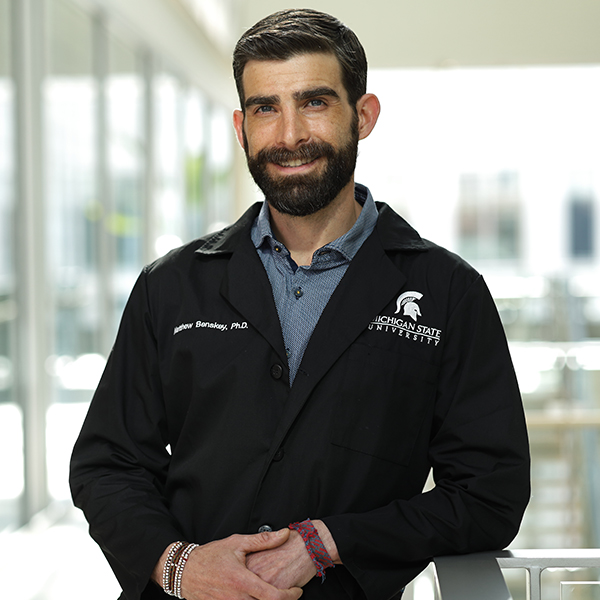
Matthew Benskey, PhD, is an Assistant Professor in the Department of Translational Neuroscience at Michigan State University’s College of Human Medicine. His research focuses on neuroimmunological mechanisms underlying Parkinson’s and Alzheimer’s diseases, particularly the roles of alpha-synuclein and tau proteins in neuroinflammatory responses. He leads studies on how glial cells (microglia/astrocytes) contribute to neuronal degeneration, using viral vector technologies for gene delivery and disease modeling. Education: B.S. in Psychology/Neuroscience, Central Michigan University (2008) Ph.D. in Neuroscience, Michigan State University (2013) Postdoctoral Fellowship in Translational Neuroscience, Michigan State University (2013–2016) Research Highlights: Dr. Benskey combines molecular, cellular, and animal model approaches to dissect proteinopathy-driven pathology. His lab pioneered viral vector tools for studying Parkinson’s-related mechanisms, including enteric nervous system targeting. Recent work explores microglial responses to alpha-synuclein aggregates and tau-induced neurodegeneration. Publications: His 2024 studies revealed microglial resistance to CSF1R inhibitors and identified neuroinflammatory gene signatures in Parkinson’s models. Earlier work (2017) uncovered asparagine endopeptidase’s role in alpha-synuclein toxicity. Labs/Teams: Directs the Benskey Lab at the Grand Rapids Research Center, focusing on translational neurobiology of neurodegenerative diseases.
Patrick Onck is a Full Professor of Micromechanics at the Zernike Institute for Advanced Materials, University of Groningen. His research focuses on understanding the mechanical and functional behavior of biological materials using computational techniques like molecular dynamics and finite element modeling. He leads a team studying transport through the nuclear pore complex, protein phase separation in neurodegenerative diseases, and bio-inspired soft robotics. Onck holds a PhD in Applied Mechanics from Delft University of Technology (1998) and completed postdoctoral research at Harvard University. He has held positions at TU Delft and the University of Groningen since 2001, advancing to Full Professor in 2012. His work bridges atomistic and macroscopic scales, with applications in medicine and materials science. Key research areas include: Biophysical mechanisms of cellular transport Mechanics of disordered proteins in ALS and Huntington’s disease Magneto-responsive soft materials for microfluidics and robotics His recent articles explore magnetic soft robotics, artificial cilia, and nuclear pore dynamics. He serves on editorial boards of Extreme Mechanics Letters and International Journal of Molecular Sciences , and is an active member of IUTAM. Awards include KNAW Research Fellowships (1998–2000 and 2001–2002). Labs/Groups: Onck Research Group at the Zernike Institute focuses on multiscale modeling and bio-inspired design. Collaborations include the UMCG in Groningen for neurodegenerative disease studies.