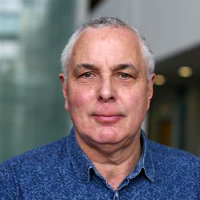
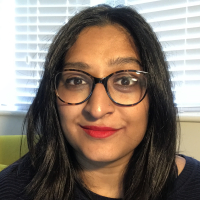
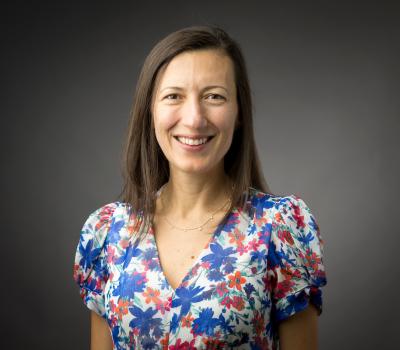
Dr Farhad Masoomi-Aladizgeh is a Research Fellow in the School of Life and Environmental Sciences at the University of Sydney. His work focuses on understanding how environmental stresses like heat and drought impact crop fertility, particularly in cereal crops. He holds a BSc, MSc, and PhD in Plant Biology. His research emphasizes male reproductive systems in plants and seeks to identify molecular mechanisms underlying abiotic stress susceptibility to enhance climate resilience in crops. Education includes advanced training in plant sciences, with a focus on molecular biology and stress physiology. Current research projects explore transcriptome responses to stress, stress tolerance gene identification in crop relatives, and ABA-mediated stress protection in rice. His publications span plant proteomics, stress physiology, and molecular protocols, with a strong emphasis on drought and heat tolerance mechanisms. Notable work includes developing universal nucleic acid isolation protocols and analyzing stress responses in rice and cotton. No scientific awards are listed, but his contributions to crop resilience research are significant. He advises no current students but collaborates on interdisciplinary projects involving genomic and proteomic approaches to agricultural challenges. Research is centered at the University of Sydney with potential collaborations in plant science labs focused on environmental stress mitigation strategies.
Dr. Sanfeng Wu is Assistant Professor of Physics at Princeton University, where he leads a research group investigating quantum phenomena in two-dimensional materials. His laboratory explores topological materials, superconductivity, and quantum information processes in atomically thin systems. He is an associated faculty of the Princeton Materials Institute and Princeton Quantum Initiative. Research focuses on: Quantum transport in topological materials Superconductivity in two-dimensional systems Moiré engineering of quantum phases Ultralow-temperature spectroscopy techniques Excitonic insulators and correlated states Publication analysis reveals predominant themes: Topological quantum materials (40%) Two-dimensional superconductivity (30%) Quantum transport phenomena (20%) Advanced characterization methods (10%) with recent work advancing understanding of unconventional superconductivity. Honors include: Sloan Research Fellowship (2023) AFOSR Young Investigator Award (2023) Moore Foundation EPiQS Award (2023) He advises doctoral students Haosen Guan, Yanyu Jia, and Yue Tang. His laboratory develops novel cryogenic and nanofabrication techniques for probing quantum phenomena in 2D materials.
Eleonora Vacca is a PhD student and Research Fellow in the Department of Automatic Control and Computer Science (DAUIN) at the Polytechnic University of Turin. She holds a B.S. in Electronic Engineering from the University of Palermo (2018) and an M.S. in Electronic Engineering-Embedded Systems from Politecnico di Torino (2021). Her research focuses on digital hardware design, reliability engineering, reconfigurable devices, and AI applications in aerospace and safety-critical systems. She is a member of the Aerospace and Safety Computing Lab and the CAD - Electronic CAD & Reliability Group (DAUIN). Her work addresses challenges such as radiation effects mitigation in space missions, fault-tolerant AI accelerators, and real-time anomaly detection in satellite telemetry. She has contributed to projects like the RAMSES CubeSat-1 Development (2025-2026), funded by commercial contracts. In 2024, she won the Best Student Paper Award at the NEWCAS Conference for her research on radiation effects in space missions. Vacca collaborates on teaching, including assisting in the course 'Electronic Calculators' for Computer Engineering students. Her recent publications explore AI resilience in RISC-V ecosystems, radiation environment analysis for space missions, and gesture recognition systems for smart cities. She actively contributes to conferences such as the ACM International Conference on Computing Frontiers and the IEEE International Smart Cities Conference.
Russell Tessier is a Professor and Department Head of Electrical and Computer Engineering at the University of Massachusetts Amherst, affiliated with the Manning College of Information and Computer Sciences. His research focuses on reconfigurable computing, FPGA architectures, and hardware security, with notable contributions in CAD algorithms for FPGAs, embedded systems, and multi-tenant FPGA vulnerability analysis. Education: B.S.C.S.E., Rensselaer Polytechnic Institute (1989) M.S. and Ph.D., Massachusetts Institute of Technology (1992 and 1999) Research Interests: Dr. Tessier's work spans FPGA security (e.g., side-channel attacks, power distribution vulnerabilities), reconfigurable cloud computing, and hardware acceleration for applications like SAR imaging and machine learning. His lab, the Reconfigurable Computing Group, develops open-source FPGA cores (e.g., FlexGrip GPGPU, DE4 NetFPGA) and explores cutting-edge security countermeasures. Awards and Honors: Chancellor's Leadership Fellow (2015-2016) NSF Information Technology Research Grant Lilly Teaching Fellow (2002-2003) Multiple College of Engineering Excellence Awards Grants and Projects: Active funding includes NSF SaTC grants on reconfigurable cloud security and NASA support for snowpack measurement systems. His research also addresses FPGA-based solutions for cybersecurity, such as intrusion detection and power-side channel mitigation. Labs and Teams: Leads the UMass Reconfigurable Computing Group, which collaborates on open-source FPGA tools, security frameworks, and embedded system designs. The group maintains platforms like the DE4 NetFPGA and FlexGrip architecture.
Dr. Holly Doel-Mackaway is an Associate Professor at Macquarie Law School and a leading expert in children's rights, Indigenous studies, and international law. She co-leads the Children’s Rights, Participation and Protection Research Stream in Macquarie’s Faculty of Arts and serves as Co-Editor-In-Chief of the Australian Journal of Human Rights. Her interdisciplinary research focuses on advancing children’s rights globally, with a particular emphasis on Indigenous children’s participation in law and policy development. Dr. Doel-Mackaway holds a PhD in Law from Macquarie University and has extensive international experience with organizations like UNICEF and Save the Children. She teaches courses on Child and Elder Law, International Human Rights Law, and Research Methodologies. Recognized for her teaching excellence, she won the Vice-Chancellor's Learning & Teaching Award in 2021 and was nominated again in 2024. Her research includes groundbreaking work such as the 2022 book Indigenous Children's Right to Participate in Law and Policy Development , which provides a framework for involving Indigenous youth in policy decisions. She leads major grants like the 2024 ARC Linkage Grant on child-centered evidence for social change and collaborates with NGOs and governments across five continents. Key awards include the Macquarie University Executive Dean’s Higher Degree Research Excellence Award (2017) and the Erasmus+ Mobility Grant (2023). She actively participates in international committees like LAWASIA’s Human Rights Committee and advises on child rights in Australia, the Pacific, and beyond. Current research projects include exploring intergenerational policymaking, child protection in the Pacific, and the impact of the Voice to Parliament referendum on Indigenous rights.
Prof. Han Olff is a Professor of Community and Conservation Ecology at the University of Groningen's Faculty of Science and Engineering, within the Groningen Institute for Evolutionary Life Sciences. He leads research on ecosystem structure, species interactions, and theoretical ecology, with fieldwork in savannas, salt marshes, and coastal systems. His work bridges theory and conservation, advising organizations like WWF and ARK Nature. Education: PhD (Cum Laude) in Biology from the University of Groningen (1992), MSc in Biology (1988). Research Interests: Focuses on plant-herbivore-predator interactions, ecosystem engineering, and the impact of human activities on biodiversity. Key themes include savanna ecology, food web dynamics, and restoration ecology. Awards: Gold Medal from Teyler Museum (2006) and PIONIER Award (2002). Active in grants like the EU Horizon 2020 AfricanBioServices project. Teaching: Coordinates courses in Conservation Biology, Ecological Research Skills, and Advanced Population Ecology. Leadership: Directed the Centre for Ecological and Evolutionary Studies (2011–2015) and chairs the National Research Agenda's 'Green Route'. Fieldwork: Organizes expeditions to the Serengeti-Mara, Banc d'Arguin, and Bijagos Archipelago to study human-wildlife interactions and ecosystem dynamics.
Lina Bernaola is an Assistant Professor in the Department of Entomology at Texas A&M University AgriLife Research. She holds a Ph.D. in Entomology and an M.S. in Agronomy from Louisiana State University, alongside a B.S. in Biology from Universidad Nacional Mayor de San Marcos (Peru). Her research focuses on plant-insect interactions, particularly rice pests, and explores the role of arbuscular mycorrhizal fungi (AMF) in enhancing plant defense systems. She develops sustainable pest management strategies integrating agronomy, biochemistry, and ecology. Her expertise spans Host Plant Resistance, Plant-Microbe-Insect Interactions, and Integrated Pest Management. Recent work includes studies on rice delphacid control, biocontrol mechanisms, and the ecological impacts of mycorrhizal symbiosis. She is recognized for her leadership, becoming the first Latina president of the Entomological Society of America (ESA). Education: B.S. Biology, Universidad Nacional Mayor de San Marcos M.S. Agronomy, Louisiana State University Ph.D. Entomology, Louisiana State University Awards/Honors: Incoming President, Entomological Society of America (2023). Her research bridges fundamental and applied entomology, aiming to improve crop resilience through multidisciplinary approaches. Collaborations emphasize translational science for practical agricultural solutions.
Christoph Frei is a Professor and Chair of the Department of Mathematical and Statistical Sciences at the University of Alberta. He holds a PhD in mathematical finance from ETH Zurich and previously worked as a researcher at École Polytechnique in Paris. His research focuses on quantitative finance, risk management, and mathematical economics, with applications to algorithmic trading, credit risk, and digital currencies. Education: PhD in Mathematical Finance, ETH Zurich Postdoctoral Researcher, École Polytechnique (Paris) Bachelor/Master in Mathematics, ETH Zurich His work bridges academia and industry through collaborations with institutions like ATB Financial, Canadian Western Bank, and the Federal Reserve System. Key research interests include over-the-counter markets, financial regulation, and machine learning applications in risk prediction. Frei has received notable recognition, including the Best Paper in Asset Pricing Award (2019). Current industry partnerships include AI-driven customer risk prediction projects with ATB Financial and credit risk analysis with Canadian Western Bank. He actively contributes to professional organizations like PRMIA Edmonton and advises on financial technology innovation. Research grants come from NSERC, SSHRC, and Mitacs. His consulting roles have spanned risk modeling at UBS and Credit Suisse, emphasizing practical applications of theoretical frameworks.
Majid Ghaderi is a Professor in the Department of Computer Science at the University of Calgary, Faculty of Science. His expertise spans network algorithms, secure communication, and machine learning applications in network control. He holds a Ph.D. in Computer Science from the University of Waterloo (2006), and M.Sc. and B.Sc. degrees in Software Engineering from Sharif University of Technology (2001 and 1999). Education: Ph.D. Computer Science, University of Waterloo, 2006 M.Sc. Software Engineering, Sharif University of Technology, 2001 B.Sc. Software Engineering, Sharif University of Technology, 1999 Research Interests: Dr. Ghaderi focuses on optimizing network algorithms, securing communication in distributed systems, and leveraging machine learning for network control. His work addresses challenges such as secure wireless protocols, SDN-based network management, and efficient resource allocation in data centers. He explores proactive traffic scheduling and anomaly detection in critical infrastructures like industrial control systems and vehicular networks. Publications Trends: His recent work emphasizes covert communication in heterogeneous networks, adaptive federated learning in edge environments, and low-overhead diagnostic systems for cloud networks. He also investigates cybersecurity defenses against hardware vulnerabilities and dynamic threat landscapes. Awards: Best in-session Presentation Award, IEEE INFOCOM 2018 Municipal Excellence Award, Government of Alberta 2018 Faculty of Science Excellence in Teaching Award 2012 Advising & Grants: While no specific advisees are listed, his research has been supported by grants focusing on network security, edge computing, and IoT applications. He teaches CPSC 441 (Computer Networks) and maintains an active lab focused on network systems and cybersecurity. Labs & Teams: His research group collaborates on projects involving software-defined networks, vehicular communication, and industrial IoT security. The team develops open-source tools for network monitoring and anomaly detection.
Joel Palka is an Associate Professor in the School of Human Evolution and Social Change at Arizona State University (ASU). His research focuses on Maya archaeology, ethnohistory, and cultural interaction in Mesoamerica, particularly in Chiapas, Mexico. He leads long-term collaborative projects with Lacandon Maya communities, emphasizing ritual landscapes, pilgrimage routes, and subsistence strategies. His work integrates archaeological, ethnographic, and historical methodologies. Key research areas include Mesoamerican warfare, sacred landscapes, and Lacandon Maya cultural resilience. He investigates how ritual practices, such as pilgrimage and cremation, reflect socio-religious dynamics. His projects at sites like Mensabak explore overland trade networks, fortified sanctuaries, and ecological adaptations like aquaculture. Recent studies highlight Lacandon Maya knowledge systems, including indigenous conservation practices and artifact repatriation. His interdisciplinary approach bridges archaeology with contemporary community engagement, addressing themes of identity, environment, and colonial impact. Publications span 30 years, with a focus on ritual symbolism, ethnohistory, and archaeological site analysis. He has collaborated with international scholars and institutions on projects such as the Paso de la Amada ceremonial center and the repatriation of Maya artifacts.
Sonia Mayoral is the Robert J. and Nancy D. Carney Assistant Professor of Neuroscience at Brown University. Her research focuses on studying cell-cell interactions in the brain, particularly the development and function of oligodendrocytes – glial cells critical for myelin formation. She explores how these cells contribute to myelination, remyelination processes, and their roles in neurological disorders like multiple sclerosis. Her work integrates cellular neuroscience, immunology, and drug screening methodologies. Research interests include glial cell biology, neuron-glial interactions, and the molecular mechanisms governing myelin repair. She investigates how environmental cues and signaling pathways regulate oligodendrocyte differentiation and function. Notable projects involve developing high-throughput screening platforms for MS therapeutics and studying sex-specific responses to neurodegenerative challenges. Her lab’s recent work includes clinical trials (Re-WRAP) evaluating Bazedoxifene for remyelination in women, and fundamental studies on regulatory T cell roles in myelin regeneration. She also examines how mechanical stimulation and epigenetic changes influence oligodendrocyte behavior. Her research bridges basic science and translational efforts, aiming to advance treatments for myelin-related disorders. Dr. Mayoral’s lab is active at Brown University, with a dedicated website detailing ongoing projects and collaborations. While no specific grants or students are listed here, her work reflects a strong focus on interdisciplinary approaches to neurodegenerative disease mechanisms.
Dr Paul Lashmar is a Reader in Journalism at the Department of Journalism , City, University of London , within the College of Arts and Social Sciences . He previously served as Head of Department (2019–2021) and has extensive experience as a national journalist, having worked for The Observer , The Independent , World in Action , BBC, and Channel 4. His academic and professional background is detailed through the following areas: Education: PhD, Brunel University London, 2015 PDAP (PGSHE Equivalent), Brunel University London, 2011 His research interests center on investigative journalism, media and intelligence agencies, propaganda, slavery and colonial history, and policing. His current research includes the legacy of British landed gentry in colonial slavery, Cold War covert propaganda via the Foreign Office’s Information Research Department (1947–1977), and police-media relations. His recent publications reflect a strong trend in historical and political journalism, with a focus on uncovering hidden power structures, intelligence operations, and colonial injustices. His work spans books, peer-reviewed articles, and public commentary in outlets like The Conversation , The Guardian , and The Observer . Key themes include media ethics, source protection in the digital age, and the role of journalism in democratic accountability. Scientific awards and honors are not explicitly mentioned in the provided text. In terms of advising and grants : Successfully secured a City internal HEIF grant (£4,825) for the Journalism Archive Project, a collaboration with London Metropolitan Archives. Adviser to the AHRC-funded project ‘Writers in Intelligence’ (£415,000). Supervised PhD students including Natricia Duncan, Lin Pan, and Dr Sawsun Tah. He has played a significant role in public engagement, organizing a conference on organ trafficking with the Metropolitan Police and speaking at high-profile events such as the US Embassy’s MP CSCC Training Day. He also led media training within his department and contributed to numerous television documentaries and radio programs on intelligence and crime. He is a founder of the Bureau of Investigative Journalism and has advised The Centre for Investigative Journalism, underscoring his leadership in advancing investigative journalism standards.
Dr. Rishita Nandagiri is a feminist researcher and academic currently serving as a Lecturer (Assistant Professor) in the Department of Global Health & Social Medicine at King's College London. She previously held research and teaching positions at the London School of Economics (LSE), including an ESRC Postdoctoral Fellowship and an LSE Fellow in Health and International Development. Her work is deeply rooted in reproductive justice, gender, and global health, with a focus on the Global South. PhD in Social Policy, London School of Economics (2019) ESRC Postdoctoral Fellow, LSE Department of Methodology (2020-2021) LSE Fellow in Health and International Development (2019-2020) Research Assistant, LSE Department of Media and Communications (2018-2019) Dr. Nandagiri’s research centers on reproductive (in)justices, interrogating how power and politics shape abortion access, self-managed abortion, care trajectories, and reproductive governance. Her work is interdisciplinary, drawing on feminist theory, qualitative and participatory methods, policy analysis, and co-production with communities and organizations. She has extended her research to examine the impact of the COVID-19 pandemic on abortion and the role of lay health providers in care delivery. Her methodological interests include multi-method designs that integrate interviews, archival research, and community engagement. The 15 most recent articles reflect a strong trajectory in reproductive justice, with increasing engagement with feminist economics, carceral systems, and global policy. Themes include structural violence, legal pluralism, care ethics, and transnational advocacy. Her publications span high-impact journals in public health, social policy, gender studies, and media, indicating a broad interdisciplinary reach. Scientific awards and recognitions include: ESRC Postdoctoral Fellowship (2020-2021) LSE Class Teacher Award (2020) LSE Research Investment and Infrastructure Funds (2020) Best PhD Poster Prize, British Society for Population Studies (2018) LSE PhD Studentship (2015-2019) Dr. Nandagiri has advised on and contributed to numerous research grants, particularly those related to reproductive health, digital privacy, and pandemic response. She has collaborated with major institutions such as UNFPA, the Women’s Global Network for Reproductive Rights, and FRIDA. She co-founded the Abortion Book Club and serves on editorial and advisory boards, including BMJ Sexual & Reproductive Health and the International Union for the Scientific Study of Population’s Abortion Research panel. She also co-convenes the Development Studies Association’s Women and Development Study Group, demonstrating strong leadership in academic and advocacy networks. She is actively involved in public engagement, contributing to LSE blogs, media outlets like Women's Health Magazine UK, and platforms such as the Oxford Human Rights Hub and Harvard’s Bill of Health. Her lab and team affiliations are not explicitly named, but her collaborative projects suggest strong ties to interdisciplinary research groups focused on global health, reproductive justice, and digital rights.
Prof. Maryline Laurent is a Professor at Telecom SudParis, affiliated with the SAMOVAR research laboratory. Her work focuses on cybersecurity, privacy-preserving technologies, blockchain applications, and IoT security. She has contributed to numerous high-impact publications and conferences, addressing challenges in secure healthcare systems, decentralized identity management, and privacy in distributed systems. Her research spans cryptographic protocols, access control mechanisms, and compliance with EU data protection regulations. Key areas of expertise include secure communication protocols for IoT, blockchain-based solutions for healthcare, and privacy-enhancing technologies. She has collaborated on projects such as self-sovereign identity frameworks, anonymized data aggregation, and privacy-preserving smart grid systems. Her work emphasizes practical methodologies for assessing re-identification risks in anonymized datasets and designing secure systems compliant with evolving regulations. Prof. Laurent’s contributions extend to book chapters and edited volumes on digital identity management and wireless network security. She actively participates in international conferences and initiatives, advocating for privacy-by-design principles in intelligent infrastructures.
Dr. Yelda Turkan is an Associate Professor in the School of Civil and Construction Engineering at Oregon State University, where she leads research in automation, computer vision, and machine learning for sustainable infrastructure. She holds a PhD from the University of Waterloo and dual BS degrees in Civil Engineering and Geomatics Engineering from Istanbul Technical University. Her work focuses on leveraging lidar, digital twins, and BIM to improve construction operations and decision-making in the built environment. She has secured over $4M in grants from NSF, FHWA, and other agencies, and currently leads the NSF Convergence Accelerator-funded 'Deep Reality' project for AI-driven infrastructure management. Education: Ph.D., Civil Engineering, University of Waterloo, 2012 M.S., Engineering Informatics & Remote Sensing, Istanbul Technical University, 2006 B.S., Civil Engineering (double major in Geomatics Engineering), Istanbul Technical University, 2005/2003 Professional Roles: Vice President, International Association for Automation and Robotics in Construction (IAARC) Chair, ASCE Computing Division Education Committee Associate Editor, ASCE OPEN Journal Her research emphasizes automation in construction quality control, infrastructure inspection via drones and lidar, and immersive education tools using VR/AR. Recent projects include automated curb ramp compliance analysis, wildfire impact modeling, and digital twin development for timber structures. She has published over 80 peer-reviewed articles and actively promotes computing integration in civil engineering education and professional practice.