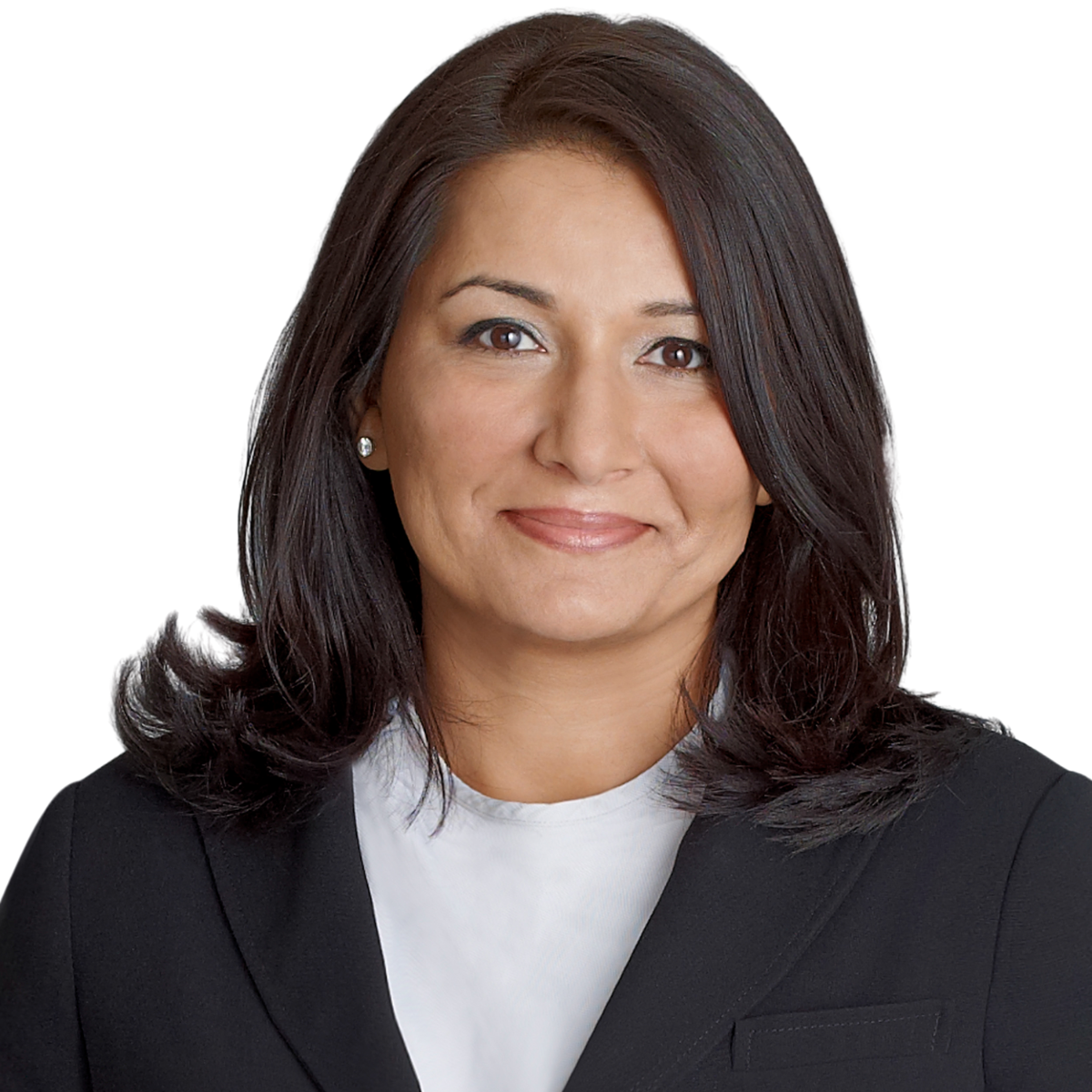
Poonam Puri is a Professor and York Research Chair in Corporate Governance, Investor Protection & Financial Markets at Osgoode Hall Law School, York University. She holds an LLB from Toronto and an LLM from Harvard. Co-Founder and Director of the Osgoode Investor Protection Clinic Founder and Director of the Business Law LLM at Osgoode Professional Development Chair of York University’s Senate Her research focuses on corporate governance, investor protection, securities regulation, and the legal implications of digital currencies. She has supervised PhD and LLM students in areas like corporate accountability, ESG, and cryptocurrency regulation. Article Trends : Recent works emphasize digital currencies, corporate sustainability, enforcement mechanisms, and governance reforms, reflecting her interdisciplinary approach to law and finance. Scientific Awards : Royal Society of Canada’s Yvan Allaire Medal (2021) Law Society Medal (2021) Walter Mundell Medal for Legal Writing (2020) Top 25 Most Influential Lawyers (2015, 2017) Canada’s 100 Most Powerful Women (2011) Grants : Over $5 million in research funding, including five SSHRC grants and $775,000 from York and University of Toronto for digital currency research. Labs & Teams : Directs the Osgoode Investor Protection Clinic and has served on numerous public and private sector boards, including Canada Infrastructure Bank and Holland Bloorview Kids Rehabilitation Hospital.
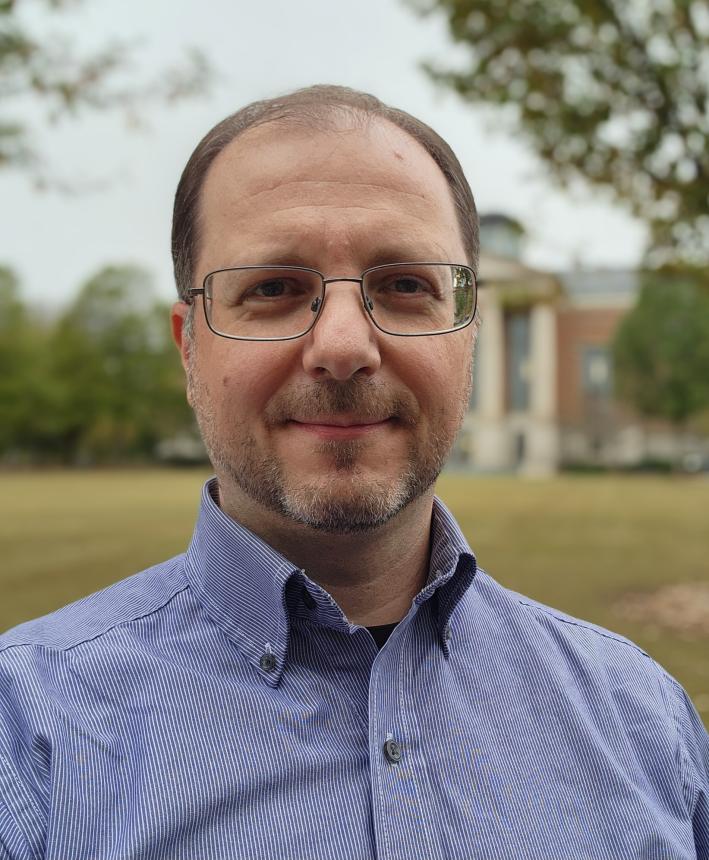
Daniel Schnurr holds the Chair of Machine Learning, especially Uncertainty Quantification at the University of Regensburg since August 2022, where he conducts research at the intersection of artificial intelligence, data economics, and digital market regulation. Previously, he headed the Data Policies research group at the University of Passau, building his expertise in the economic and regulatory aspects of digital markets. His educational background includes a doctorate in business informatics from the Karlsruhe Institute of Technology (2016), where he also worked for three years as a research associate at the Institute for Information Systems and Marketing. He completed his undergraduate and master's studies in Information Systems at KIT (2007-2013), with international experience at Concordia University in Canada and Singapore Management University. Professor Schnurr's research focuses on the technical, economic, and social implications of new machine learning methods and data as a decisive competitive factor and driver of innovation in digital markets. His work examines how data functions as both an economic asset and regulatory challenge, particularly in contexts of market power, competition policy, and AI governance. He investigates uncertainty quantification in machine learning systems while considering their broader economic and societal impacts. His publication portfolio demonstrates consistent output in top-tier journals including Management Science, Journal of Information Technology, and Journal of Competition Law & Economics, with recent work increasingly focusing on AI regulation, data access remedies, and uncertainty-aware AI systems. The trajectory shows evolution from telecommunications infrastructure research to contemporary digital market and AI regulation issues. As a Research Fellow at the Centre on Regulation in Europe (CERRE) since 2022, he has authored numerous policy reports addressing regulation of cloud computing services, digital platforms, and data economy frameworks. His policy contributions bridge academic research with practical regulatory implementation, particularly regarding the European AI Act and Digital Services Act. His research program involves experimental approaches to understanding data markets, human-AI interaction dynamics, and regulatory effectiveness. Through his work at CERRE and collaborations with international scholars, he contributes to shaping evidence-based digital policy in the European context while maintaining strong connections to academic research communities in information systems and economics.
Francesco Maisano, MD , is Full Professor of Cardiac Surgery at Vita-Salute San Raffaele University (Milan) since 2021, where he also serves as Director of the Cardiac Surgery Clinic and of the Valve Center at IRCCS San Raffaele Hospital. From 2014 to 2020 he held the Chair of Cardiac Surgery and directed the Department at University Hospital Zurich. Education & Training 1990 – MD, Catholic University of Rome 1994 – Clinical Fellowship, University of Alabama at Birmingham 1995 – Specialization in Cardiac Surgery, La Sapienza University of Rome Research Interests Professor Maisano’s work centres on innovative therapies for heart-valve disease, spanning surgical reconstruction, catheter-based interventions (TAVI, MitraClip, transcatheter tricuspid devices), and hybrid approaches. He leads translational programmes in biomedical engineering, multimodality cardiac imaging, and artificial-intelligence-guided interventions, with emphasis on the multidisciplinary “Heart Team” model for complex cardiovascular disease. His recent publications (2024-2025) demonstrate intense activity in transcatheter mitral and tricuspid repair, long-term durability of surgical mitral repair, AI-driven procedural guidance, and renal protection strategies during mechanical circulatory support. A dominant theme is translating imaging innovations and device concepts into first-in-human studies and large-scale registries. Scientific Awards & Recognitions European Society of Cardiology Silver Medal (2018) ICI Lifetime Achievement in Research & Teaching (2018) ICI Best Technology Parade Presentation (2010) C. Walton Lillehei Young Investigator Award (1999) Leadership & Grants He directs multiple postgraduate programmes, including Certificate of Advanced Studies (CAS) tracks at the University of Zurich in multimodality imaging, aortic valve, and mitral–tricuspid interventions. He is principal investigator on investigator-initiated grants, coordinates industry-partnered device trials, and mentors numerous doctoral and post-doctoral researchers. His team has filed >24 patents and spun off several cardiovascular start-ups. Labs & Teams At IRCCS San Raffaele he leads the Valve Science Center , a multidisciplinary hub integrating cardiac surgeons, interventional cardiologists, imaging specialists, biomedical engineers, and data scientists focused on next-generation valve repair/replacement technologies and personalised cardiovascular medicine.
Jong-Yeon Lee is an Assistant Professor in the Department of Physics at the University of Illinois Urbana-Champaign, where he joined in 2023 after completing postdoctoral research at the Kavli Institute for Theoretical Physics. His work bridges condensed matter physics and quantum information science through investigations of quantum many-body phenomena. His educational background includes: B.S. in Physics and Mathematics from California Institute of Technology (2015) Ph.D. in Physics from Harvard University (2020) Professor Lee's research focuses on exotic quantum phenomena where information theory intersects condensed matter systems. He develops frameworks for understanding decoherence in topological phases, quantum criticality in open systems, and non-equilibrium dynamics using advanced numerical methods. His work on "decohered" quantum systems reveals how information-theoretic transitions relate to boundary quantum criticality, with implications for quantum computing robustness. His publication record shows consistent innovation in quantum information preservation under decoherence, topological phase characterization, and computational studies of correlated electron systems like twisted bilayer graphene. Recent work emphasizes decoding protocols for topological order recovery and information capacity under environmental entanglement. He was awarded the Richard P. Feynman Prize in Theoretical Physics during undergraduate studies at Caltech. Professor Lee actively recruits graduate students and postdoctoral researchers, teaching graduate courses including PHYS 598 Special Topics in Physics. His group focuses on quantum simulation platforms and theoretical frameworks for noisy quantum systems. At Illinois, he contributes to the theoretical condensed matter and quantum information research ecosystem, developing collaborations across physics and engineering disciplines.
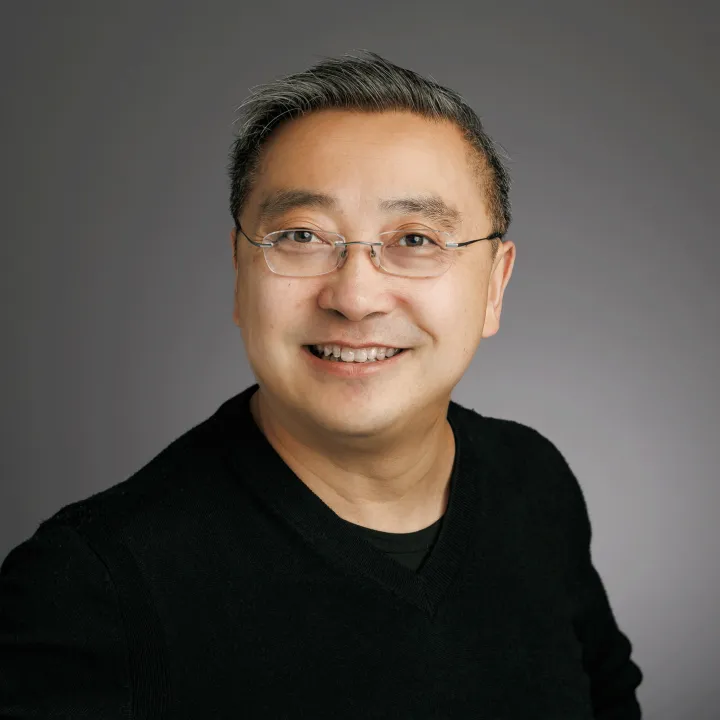
Dr. Bo Liu is an Associate Professor in the School of Computer Science at the University of Technology Sydney (UTS), where he serves as a core member and director of the AI Security and Privacy (AISP) Research Lab at the Australian Artificial Intelligence Institute (AAII). With expertise spanning cybersecurity, privacy protection, AI and machine learning, and wireless communications, Dr. Liu has established himself as a leading researcher in the field of AI security and privacy. Dr. Liu earned his PhD from the Department of Electronic Engineering at Shanghai Jiao Tong University in 2010. His academic journey at UTS has progressed from Senior Lecturer (November 2019-December 2022) to his current position as Associate Professor (January 2023-present). Dr. Liu's research focuses on the critical intersection of artificial intelligence and security, particularly addressing emerging threats in the age of advanced AI systems. His work spans multiple dimensions of security and privacy, including deepfake detection, privacy-preserving data synthesis, AI model security, and fair machine learning. He has pioneered approaches to detect AI-generated content, protect visual privacy through de-identification techniques, and address the complex relationship between algorithmic fairness and privacy preservation. His publication record demonstrates significant contributions across multiple cutting-edge research areas, with particular emphasis on detecting and mitigating threats from generative AI systems. His recent work reveals a strong focus on deepfake detection across multiple modalities (images, video, and audio), privacy-preserving techniques for sensitive data, and the security implications of emerging AI architectures like Retrieval-Augmented Generation systems. Dr. Liu has secured substantial research funding, including as Lead Chief Investigator on multiple ARC Discovery and Linkage Projects, totaling over $3.5 million AUD. His industry collaborations include partnerships with the NSW Department of Planning and the Reserve Bank of Australia, demonstrating the practical applicability of his research. As an academic leader, Dr. Liu serves as Associate Editor for IEEE Transactions on Broadcasting and actively contributes to the academic community through conference organization, peer review for top-tier venues, and assessment for ARC grant schemes. He also teaches courses including Penetration Testing, Ethical Hacking and Offensive Security, and supervises Masters and PhD students in cybersecurity and privacy research.
Roberto Perdisci is a Professor at the University of Georgia , holding the Patty and D.R. Grimes Distinguished Professorship in Computer Science . He also serves as an Adjunct Associate Professor at the Georgia Tech School of Cybersecurity and Privacy and is a faculty member of the UGA Institute for Artificial Intelligence . His research focuses on securing networked systems through web security , malware detection , and machine learning applications. Directed the UGA Institute for Cybersecurity and Privacy Post-Doctoral Fellow at Georgia Institute of Technology Research Scholar at Georgia Tech Information Security Center His work combines systems research with data mining to address challenges in network security , malware analysis , and Internet-scale measurements . Key contributions include DNS reputation systems analysis , CAPTCHA attack frameworks , and robocall mitigation prototypes . He has received the NSF CAREER award for adaptive malware detection research. Conference service includes: Program Chair for ACSAC 2024 and EuroS&P 2024 Area Chair for WWW 2024 Security Track Best Reviewer Award at ACM CCS 2022 Current affiliations span multiple institutions, with research groups focusing on: Phishing and Social Engineering (PhishInPatterns, TRIDENT projects) Web Browser Forensics (WEBRR, Clickminer) IoT Device Identification (IoTFinder)
Janina Grabs is Professor of Sustainability Research at the University of Basel, where she heads the subject area of Sustainability Research within the Department of Social Sciences at the Faculty of Humanities and Social Sciences. She is responsible for social science teaching in the Master's program in Sustainable Development and leads a research group investigating sustainability governance in global value chains, particularly in tropical agricultural commodities. Her academic background includes a PhD in Political Science from Westfälische Wilhelms-Universität Münster (2018), with research stays at Carleton University in Ottawa and Yale University in New Haven. Prior to her current position since June 1, 2024, she worked as an assistant professor at ESADE Business School in Barcelona (2021-2024) and as a postdoc at ETH Zurich (2019-2021). Professor Grabs' research focuses on transnational sustainability governance in global value chains, examining how states, firms, NGOs and other actors can improve environmental and social sustainability in commodity production. Her interdisciplinary work bridges political economy, regulatory governance, and business in society scholarship to investigate who defines sustainability in the marketplace, what rule-making mechanisms exist, their effectiveness, and potential unintended consequences on smallholders' livelihoods. She places special emphasis on coffee, palm oil, and cocoa sectors, exploring how global production and consumption processes can be steered toward more sustainable directions within market frameworks. Analysis of her recent publications reveals a strong focus on zero-deforestation initiatives, supply chain due diligence legislation (particularly the EU Deforestation Regulation), jurisdictional approaches to sustainable commodity governance, and the evolving role of various actors in sustainability governance. Her work spans multiple commodities but shows particular depth in coffee and palm oil sectors, examining both environmental and social dimensions of sustainability through field research in Colombia, Honduras, Costa Rica and Indonesia. Her significant contributions to the field have been recognized with prestigious awards: 2021 Organizations and the Natural Environment Book Award from the Academy of Management 2022 Lynton Keith Caldwell Award for the best book in the field of science, technology and environmental politics from the American Political Science Association Professor Grabs actively mentors doctoral students and postdoctoral researchers including Alexandra Bögner, Charline Depoorter, Lucia Casalegno, Lesly Nassila, and Philipp Dunker. Her research is supported by multiple third-party funded projects such as EXPECT-AGRI (investigating political economy of expectations in agri-food sustainability transformations), PACSMAC (examining paradoxes of climate-smart coffee production), and research on zero-deforestation commitments in the palm oil sector. She also serves as book review editor for the journal Regulation & Governance and participates in professional associations including the ECPR Standing Group on Regulatory Governance and the International Studies Association. She leads the Sustainability Research Group at the University of Basel, which conducts interdisciplinary research on sustainability governance and transformations toward more sustainable socio-economic systems, with particular focus on agri-food, energy, and mobility sectors while addressing critical questions of justice, equity, and inclusivity in sustainability transitions.
Dr. Alexandre Marques is an Assistant Professor at the University of Southern Mississippi. His expertise spans Microbiology, Immunology, and Parasitology, with a focus on vaccine development against parasitic infections like Leishmaniasis, Chagas disease, and Malaria. He holds a PhD from the Universidade de São Paulo (2007) and teaches courses such as Gen Microbiology and Microorg Hth Di at the university. His research integrates immunological, clinical, and molecular approaches to understand parasitic disease mechanisms and therapeutic interventions. Notable areas include α-Gal immunization strategies, transcriptomic analysis of breast cancer, and vaccine design against Leishmania. He has also explored applications in aquaculture nutrition and cosmetic safety assessments. Dr. Marques’ work spans interdisciplinary collaborations, including veterinary medicine, nanotechnology-based drug delivery, and antimicrobial stewardship in pediatrics. His contributions to animal models for Chagas disease and canine visceral leishmaniasis highlight translational research impact. Key themes in his publications include immune response modulation, pathogen-host interactions, and biomarker discovery in chronic infections. He has published over 50 articles across microbiology, immunology, and biomedical engineering since 2007.
Lin Zhong is the Joseph C. Tsai Professor of Computer Science at Yale University, leading the Efficient Computing Lab. He holds a Ph.D. from Princeton University and M.S./B.S. degrees from Tsinghua University. Previously, he served at Rice University from 2005 to 2019. His research focuses on optimizing computing efficiency, quantum error correction, operating systems, and mobile systems. Education: Ph.D., Princeton University M.S., Tsinghua University B.S., Tsinghua University Research Interests: His work spans quantum computing (e.g., decoding algorithms for surface codes), operating systems (safety, correctness, and lightweight kernels), and mobile/networking systems (massive MIMO, energy-efficient designs). Recent trends include integrating large language models (LLMs) into robotics and securing cloud-based AI workflows. Awards: NSF CAREER Award ACM SIGMOBILE RockStar (2014) and Test of Time (2022) Fellowships from IEEE and ACM Best Paper Awards at ACM MobileHCI, IEEE PerCom, ACM MobiSys, and more Lab & Teams: His Efficient Computing Lab explores systems for quantum error correction (e.g., FPGA-based decoders), secure embedded systems, and LLM-driven robotics. Projects include TimelyLLM (real-time LLM serving) and Blindfold (confidential memory management).
Andreas Langfeld serves as a Researcher in the Department of Social Pedagogy within the Faculty of Philosophy at the University of Rostock. His academic work focuses on socio-educational frameworks with emphasis on family dynamics, child welfare, and institutional systems. His core research interests include: Socio-educational family research Biographical research methodologies Child protection frameworks Youth development systems Institutional analysis in social pedagogy Dr. Langfeld maintains speaking hours on Thursdays from 1:30 pm to 3:00 pm by prior registration via Stud.IP. Contact is available through his university email at andreas.langfeld@uni-rostock.de, with office location at August-Bebel-Str. 28, Room 4014, and phone +49 (0) 381 498 2644.
Dr. Larry Moore is a Professor of Civil Engineering at the University of Memphis, specializing in environmental engineering with a focus on wastewater treatment optimization, water quality modeling, and energy conservation in water treatment plants. He holds a B.S. from the University of South Alabama (1973) and M.S./Ph.D. in Environmental Engineering from Mississippi State University (1974/1983). His career spans over 33 years of teaching and applied research, addressing wastewater challenges for over 200 industries in Tennessee through the UT Center for Industrial Services. Research interests include water quality modeling of streams (e.g., Loosahatchie River studies), optimization of municipal/industrial wastewater treatment plants, and energy efficiency improvements in water treatment facilities. Collaborative projects with the Tennessee Department of Environment and Conservation and the U.S. Department of Energy have driven energy savings in over 24 treatment plants. Dr. Moore has served as President of the Kentucky-Tennessee Water Environment Association (KTWEA) and received the prestigious Leary Jones Award (2009) for his contributions to the wastewater profession, inducting him into the KTWEA Hall of Fame. Teaching responsibilities include advanced graduate courses such as Biological Wastewater Treatment, Water Quality Modeling, and Solid Waste Management. Awards include multiple 'Superior Performance in University Research' recognitions (1985-1989) and the 1990 Civil Engineering Outstanding Research award. He actively mentors graduate students in applied wastewater research and has advised numerous M.S. and Ph.D. candidates focusing on treatment plant optimization and emerging technologies. Professional Affiliations: Life Member of Water Environment Federation, KTWEA Pretreatment Certification Committee (since 2000), Tennessee Water and Wastewater Operator Certification Board (since 2007) Key Projects: Operational guidance for Memphis' Maxson WWTP, energy conservation studies across 24 plants, and aeration system design improvements Community Impact: Operator training programs, NPDES permit compliance support, and industrial wastewater problem resolution
Keith A. Brown is an Associate Professor in Mechanical Engineering at Boston University's College of Engineering with additional appointments in Materials Science & Engineering and Physics. He serves as Associate Chair for Graduate Programs in ME and leads the interdisciplinary KABLab research group. Education: PhD, Harvard University Dr. Brown's research centers on hierarchical soft matter systems including polymers and smart fluids. His group develops innovative approaches to accelerate materials research through nanocombinatorics , autonomous experimentation , and scanning probe lithography . Key focus areas include connecting nanoparticle properties to bulk smart fluid behavior, designing 3D-printed structures with programmed mechanics, and creating self-driving laboratories for materials discovery. His recent publications (2024-2025) demonstrate a strong emphasis on autonomous experimentation systems integrating machine learning with physical research. This work spans energy-absorbing foam design, nanoscale fluid manipulation, and physics-informed modeling for mechanical systems, establishing new paradigms in accelerated materials development. Scientific Awards: The Early Career Research Excellence Award, College of Engineering, 2021 Professor of the Year, Mechanical Engineering, 2020 Frontiers of Materials Award, The Minerals Metals and Materials Society (TMS), 2020 Dean’s Catalyst Award (2018) Dean’s Catalyst Award (2020) Moorman-Simon Interdisciplinary Career Development Professor, 2016 Dr. Brown teaches undergraduate courses including Fluid Mechanics (ME 303), Introduction to Materials (ME 306), and Nanomanufacturing (ME/MS 576). His research is supported by: Federal Grants : AFOSR MURI, NSF Nanomanufacturing, ACS Petroleum Research Fund Foundations : Gordon and Betty Moore Foundation Industry : Google Faculty Research Award University : BU Dean's Catalyst Award, Nanotechnology Innovation Center The KABLab employs interdisciplinary teams to develop novel instrumentation for hierarchical soft matter research, with particular expertise in autonomous experimentation platforms that combine scanning probe techniques with machine learning for accelerated materials discovery.
Dan A. Iancu is an Associate Professor of Operations, Information & Technology at Stanford Graduate School of Business, affiliated with the Emmett Interdisciplinary Program in Environment and Resources (E-IPER). He holds a BS from Yale, SM from Harvard, and PhD from MIT. His research bridges operations, finance, and sustainability, focusing on dynamic optimization under uncertainty and its applications in supply chains, FinTech, and healthcare. Notable work includes designing financing solutions for global supply chains and promoting ethical analytics. Education: BS in Electrical Engineering (Yale, 2004), SM in Engineering (Harvard, 2006), PhD in Operations Research (MIT, 2010). Professional experience includes a Goldstine Fellowship at IBM Research and teaching roles at Wharton and INSEAD. He has won multiple awards including INFORMS Optimization Society (2009) and JFIG (2013) prizes. Research emphasizes fairness and environmental impact, with recent projects on sustainable palm oil production and climate impacts of digital supply chains. His work appears in Management Science, Operations Research, and Mathematics of Operations Research. Awards include Srivani Faculty Scholar (2023–24) and teaching commendations at Harvard, MIT, and INSEAD. He advises on multi-disciplinary projects involving engineering, environmental science, and business students.
Tiago de Melo Cartaxo is a Senior Lecturer in Environmental Law at the University of Exeter’s College of Humanities and Social Sciences, Cornwall Campus. He founded the Exeter Centre for Environmental Law (ExCEL) and is part of Law and Business Cornwall (LAB/C). Current roles include Associate Director for External Engagement at the Environment and Sustainability Institute (ESI) and former Director of Postgraduate Research for Humanities and Social Sciences. His research focuses on environmental rights, climate resilience justice, circular economy, energy transition, and international environmental law. He holds a European PhD in Law from Universidade Nova de Lisboa, with postdoctoral work at the University of Surrey. Tiago has advised governments and international bodies, including the Portuguese Presidency of the EU Council, and chairs the World Public Sector Integrity Initiative (WPIEI). Education European PhD in Law, Universidade Nova de Lisboa (2015–2020) LLM in Environmental Law and Planning, University of Coimbra (2012–2014) Licenciatura in Law, University of Lisbon (2000–2005) Research Interests He explores legal frameworks supporting sustainability transitions, including governance of single-use plastics, nature markets, and climate adaptation. His work bridges environmental law with social equity, focusing on resilience justice, circular economy policies, and EU environmental law. He emphasizes transdisciplinary approaches to address socio-ecological challenges in urban contexts. Notable Contributions Coordinated ESI-funded projects on regulatory frameworks for nature markets Developed academic partnerships with the Portuguese Environment Agency Chaired WPIEI during Portugal’s EU Presidency Advised on post-2011 Portuguese economic reforms Awards & Affiliations Fulbright Scholarship (USA) FCT Fellowships (Portugal) Senior Fellow of AdvanceHE Member of ILA Committees on Sustainable Development, SDGs, and ICC Environment Commission Advising & Grants Tiago welcomes PhD/Masters supervision in Environmental & Climate Law. His grants include ESI funding and collaborations with international institutions. He leads the NOVA Law Green Lab and has advised Portuguese and EU policymakers on environmental compliance and energy transitions. Labs & Networks Founder of ExCEL and NOVA Law Green Lab; collaborates with Exeter Biodiversity & People Network, Exeter Food Policy, and Environmental Intelligence initiatives.
Thomas Berger is a Professor at the University of Hohenheim , affiliated with the Faculty of Agricultural Sciences and leading the Department of Economics of Land Use . He also contributes to the Computational Science Hub and Hohenheim Tropics initiatives. Focus Areas: Climate change adaptation, land-use modeling, biodiversity-productivity trade-offs, agent-based simulation, and machine learning in agricultural systems. Key Projects: Simulation frameworks for smallholder resilience in Ethiopia, bioeconomic modeling in the Amazon, and hybrid intelligence applications in European agricultural policy. Recent Publications: 2025 study on climate change effects on insecticide reduction in Germany, 2024 work on reconciling biodiversity with productivity via hybrid models, and 2023 methodological contributions to surrogate modeling and seasonal forecast integration. Research Trends: Interdisciplinary integration of climate science, agricultural economics, and computational modeling, with increasing emphasis on AI-assisted decision support systems and sustainability policy validation. Teaching & Outreach: Offers Agricultural Economics seminars and Hohenheim Tropics discussions, requiring advance email registration for office hours.