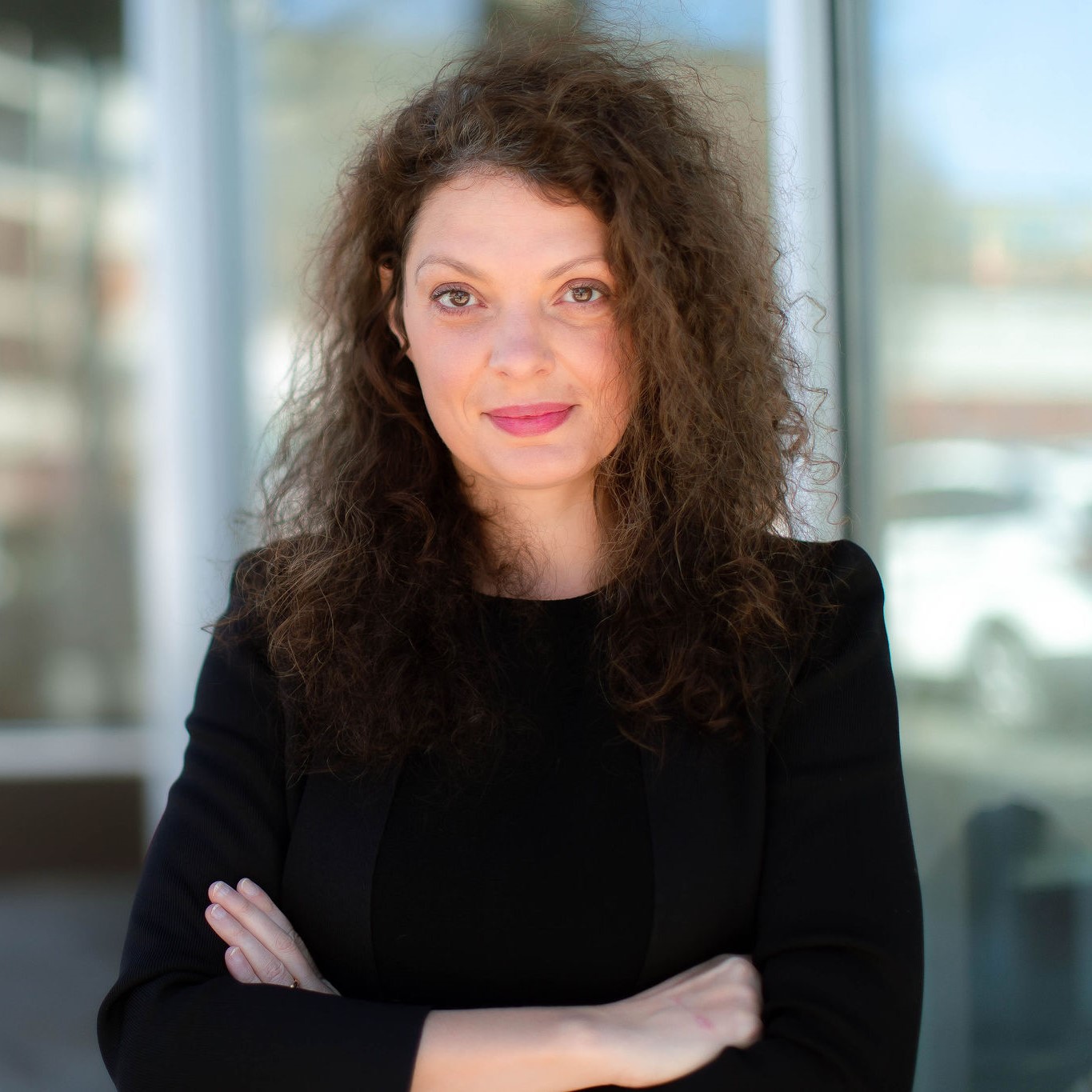
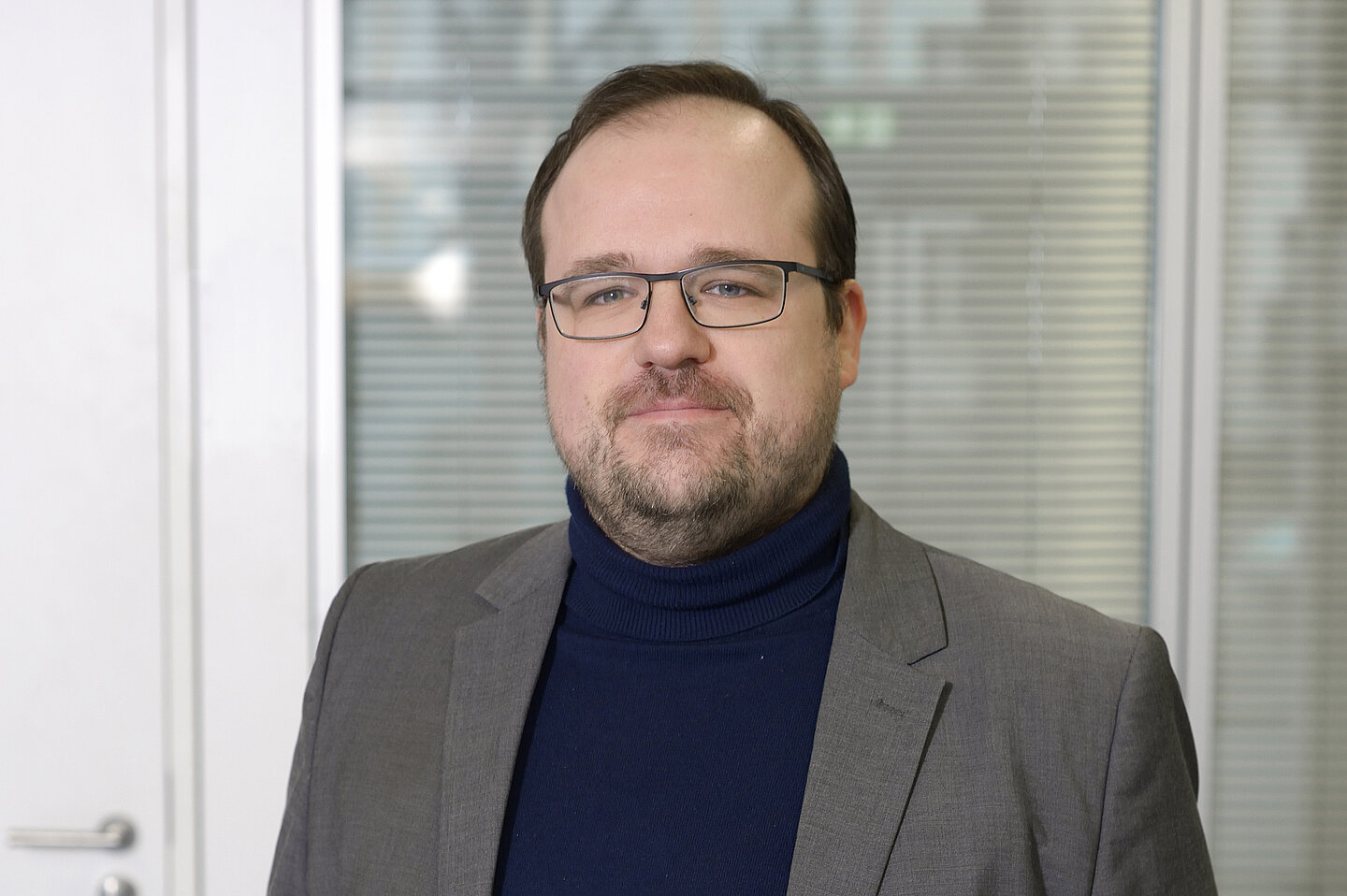
Adriana Chira is an Associate Professor of Atlantic World History at Emory University. She holds a Ph.D. from the University of Michigan, an M.A. from Cornell University, and a B.A. from Cambridge University (UK). Her research focuses on race, law, and property in Cuba and Puerto Rico during and after slavery. Her award-winning book Patchwork Freedoms examines how enslaved and free Afro-descendants navigated legal systems to claim land and freedom in 19th-century Cuba. Dr. Chira’s work has been supported by the National Endowment for the Humanities and fellowships at Yale and Harvard. She teaches courses on global history, Cuba, Puerto Rico, and the Caribbean. She also leads a study abroad program in Cuba focused on food sovereignty and environmental history. Her current research includes projects on labor markets in 18th-century Cuba/Colombia, land ownership theories in Cuba, and 20th-century Puerto Rican land policies. She has published widely in journals like the American Historical Review and Law and History Review , and her work has earned multiple prizes, including the James A. Rawley Prize and Elsa Goveia Prize. Education: B.A. Cambridge University (2005), M.A. Cornell (2008), Ph.D. University of Michigan (2016) Key Awards: Outstanding First Book Prize (ASWAD), James A. Rawley Prize (AHA), Peter Gonville Stein Award (ASLH) Teaching: Courses include Human Trafficking in World History , Globalization: The Atlantic World , and Cuba in World History
Rajesh Karki is a Professor in the Department of Electrical and Computer Engineering at the University of Saskatchewan’s College of Engineering. He holds a B.E., M.Sc., and Ph.D. in related fields. His research focuses on power system reliability, renewable energy integration, and microgrid resilience, with particular emphasis on addressing challenges posed by extreme weather, cyber threats, and decarbonization targets. Dr. Karki’s work spans theoretical modeling, probabilistic analysis, and practical implementation strategies for smart grids, energy storage systems, and distributed generation. His educational background includes advanced degrees in electrical engineering, complemented by professional engineering licensure (P.Eng.). His research has explored diverse topics such as wind energy curtailment mitigation, energy storage optimization, and demand response mechanisms in developing economies like Nepal. He has authored numerous peer-reviewed publications on grid resilience, reliability economics, and cyber-physical system security. Key themes in his work include: (1) quantifying the reliability value of energy storage in active distribution systems, (2) modeling cyber-physical threats to microgrids, and (3) developing frameworks for extreme weather-resilient infrastructure. Despite the volume of his publications (over 50 articles), no specific awards or grants are explicitly listed in the provided materials. His research often intersects technical, economic, and policy dimensions of sustainable energy systems.
Neal Sullivan is a Professor of Mechanical Engineering at the Colorado School of Mines (CSM), leading experimental research at the Colorado Fuel Cell Center as its director. His expertise lies in electrochemical ceramics, with a focus on fuel cells, electrolyzers, and membrane reactors for energy conversion and storage. Sullivan’s work spans from materials development to large-scale system integration, addressing applications such as hydrogen production, CO₂-to-fuels processes, and geothermic fuel cell systems for unconventional oil recovery. His research is supported by grants from the U.S. Department of Energy (DOE), NASA, and industry partners, totaling over $15M. Notable projects include the development of proton-conducting ceramic electrolyzers for water splitting, high-efficiency hybrid SOFC-IC engine systems, and Mars-based CO₂ methanation. Sullivan has led collaborative efforts with global leaders in electrochemistry, emphasizing scalability and durability in energy systems. Key contributions include innovations in protonic ceramic fabrication, catalyst integration, and multi-stack system design. His lab focuses on bridging early-stage materials research with full-scale demonstrations, achieving power outputs up to 100 kW. Sullivan’s work has been published in top journals like Nature Energy and International Journal of Hydrogen Energy , with a strong emphasis on practical applications and renewable energy solutions. Labs/Teams: Director of the Colorado Fuel Cell Center. Grants/Advising: PI/co-PI on multiple DOE and NASA grants, including $5M for hybrid SOFC systems and $1.5M for geothermic fuel cells. Advises on advanced materials and system integration for energy storage and conversion.
Maartje Bastings is an Associate Professor at the École Polytechnique Fédérale de Lausanne (EPFL) , leading the Programmable Biomaterials Laboratory (PBL) within the School of Engineering (STI) . She holds additional affiliations with the Institute of Materials (IMX) , IBI-STI (Bioengineering), and supervises doctoral programs in Biotechnology and Biological Engineering ( EDBB-GE ) and Materials Science and Engineering ( EDMX-GE ). Her research focuses on DNA-based supramolecular materials engineered to achieve dynamic reciprocity —a two-way interaction between synthetic materials and biological systems. By leveraging DNA as a programmable scaffold, she investigates structural mechanics, valency control, and geometric constraints governing self-assembly and cell communication at bio-interfaces. Key applications include immune system modulation, diagnostics , and vaccine development . Analysis of her 15 most recent publications reveals a focus on multivalent interactions for T-cell activation, spatial patterning in immune signaling, and engineered coatings for DNA origami stability. Subfields span T cell receptor engineering , nanoscale protein dynamics , stimuli-responsive biomaterials , and bio-inspired therapeutic design . PhD Students: Chen Yuduo Hendrickx Pauline Bart M. Kononenko Artem Li Shujie Lou Yameng Meyer Pitt Narita Minako Rousseau Benjamin Bila Hale Caroprese Vincenzo Comberlato Alice Kurisinkal Eva Eugene Paloja Kaltrina Rodríguez Franco Hugo José Tekin Cem Wong Siu Ho Contact: maartje.bastings@epfl.ch
Nico Trocmé is the Philip Fisher Chair in Social Work and Director of the School of Social Work at McGill University. He holds a PhD and MSW from the University of Toronto and has over 30 years of leadership in child welfare research, policy, and practice. His work focuses on child abuse/neglect, First Nations service collaboration, and systemic inequities in child protection systems. Education: PhD, University of Toronto (1992) MSW, University of Toronto (1983) Bachelor of Arts (Philosophy), University of Toronto (1981) Affiliations: Director, School of Social Work (2014–2023) Adjunct Professor, Factor-Inwentash Faculty of Social Work, University of Toronto (2005–2020) Scientific Director, Centre of Excellence for Child Welfare (2000–2008) His research spans national child maltreatment studies (e.g., Canadian Incidence Studies), First Nations partnership initiatives, and policy development. Key areas include socioeconomic disparities in child protection, trauma-informed care, and culturally responsive services for Indigenous communities. He has authored over 230 peer-reviewed publications and led grants totaling $14.3 million. Recent work emphasizes reducing overrepresentation of Indigenous children in systems and addressing mental health inequities. Awards include Fellow of the Royal Society of Canada (2017) and the SSHRC Impact Award (2014). Grants & Projects: Co-developing evaluation mechanisms for Indigenous child welfare (2024–2030) Pan-Canadian Child Welfare Administrative Data Project (2020–2025) Ontario Incidence Study of Child Abuse (2023–2025) Labs/Teams: Canadian Child Welfare Research Portal (cwrp.ca) Centre for Research on Children and Families (McGill) International Society for the Prevention of Child Abuse and Neglect (ISPCAN)
Antonello Monti is a Professor and Director of the Institute for Automation of Complex Power Systems at RWTH Aachen University. His research focuses on modern power systems, including smart grid technologies, hybrid AC-DC grids, and quantum computing applications in energy systems. Recent publications demonstrate innovations in grid resilience, EV charging optimization, quantum-assisted power system planning, and advanced simulation techniques. His team develops open-source tools like JuliaGrid for power system analysis and validates concepts through real-time testing platforms. Research addresses energy transition challenges including renewable integration, grid modernization, cyber-physical security, and next-generation optimization methods combining quantum computing with traditional power engineering approaches.
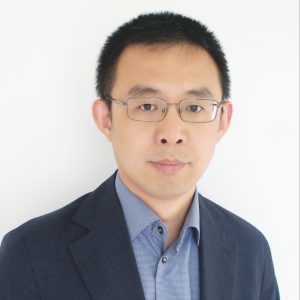
Xiongfei Wang is a Visiting Professor at KTH Royal Institute of Technology in Stockholm, Sweden, and a Digital Futures Fellow. He holds academic leadership roles, including Editor-in-Chief of IEEE Transactions on Power Electronics and chairs in IEEE committees. His research focuses on power electronics systems, stability analysis, and data-driven approaches for energy systems. Previously, he served as a Professor at Aalborg University (2009–2022). His work addresses challenges in power system stability, converter dynamics, and renewable integration. He leads projects like 'Machine Learning for Dynamics Analysis of Power Electronic Systems,' aiming to enhance grid resilience through AI-driven methods. Notable awards include IEEE Fellow (2023), Isao Takahashi Award (2022), and multiple best paper awards. Wang collaborates extensively, organizing conferences and editing journals. His research spans power electronics, grid stability, and smart grid technologies, with a focus on practical applications in energy transition.
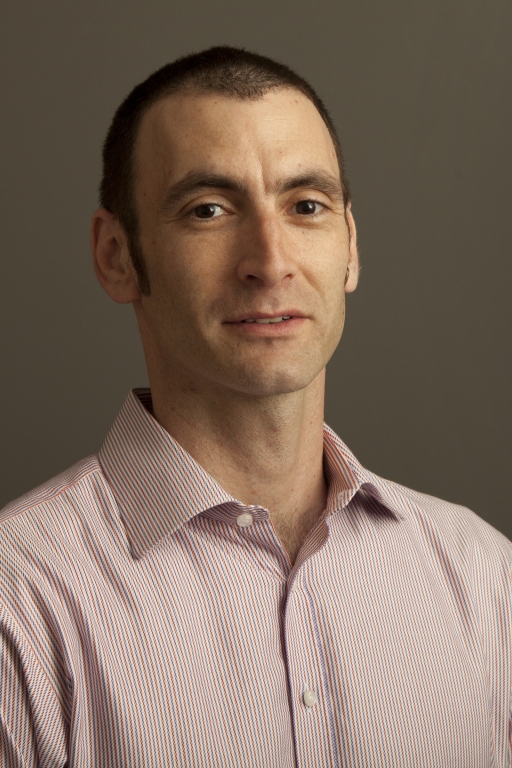
Douglas C. Hopkins is a Research Professor and Director of the Laboratory for Packaging Research in Electronic Energy Systems (PREES) at North Carolina State University's Department of Electrical and Computer Engineering. He joined the ECE faculty in 2011 and is affiliated with the FREEDM Systems Center and the Center for Additive Manufacturing and Logistics (CAMAL). He holds a Ph.D. in Electrical Engineering from Virginia Tech (1989). His research focuses on Very High-Frequency power electronics, Wide Band Gap (WBG) devices (GaN/SiC), advanced packaging, and solid-state protection systems . He has pioneered work in integrated power electronics, harsh-environment systems, and 3D power electronics integration. His leadership includes founding conferences such as the International Symposium on 3D Power Electronics Integration and Manufacturing (3D-PEIM) and the International Symposium on Advanced Power Electronics Packaging (APEPS). Prof. Hopkins has authored over 200 publications and co-founded DensePower, LLC as CEO/CTO. He serves as Associate Editor for the IEEE Journal of Emerging and Selected Topics in Power Electronics and holds editorial roles in multiple journals. His awards include the IMAPS Outstanding Educator Award (2013) and IMAPS Fellow (2007). He has held visiting appointments at the Army Research Lab, NASA, and Lawrence Livermore National Lab, and served as a National Academy of Sciences reviewer. His consulting firm, DCHopkins & Associates, LLC, provides engineering expertise in power electronics and packaging. Key Contributions: Director of PREES Lab and FREEDM Center member Co-founder of 3D-PEIM and APEPS symposiums IEEE PELS Technical Committee member (TC2, TC-6) Recipient of IMAPS Fellow and multiple conference recognitions
Jonathan Zinman is the R. Stephen Cheheyl Professor of Economics at Dartmouth College, affiliated with the John Sloan Dickey Center for International Understanding. He holds academic advisory roles at Innovations for Poverty Action (IPA) and is a research affiliate with J-PAL, NBER, and ideas42. His work bridges behavioral economics and household finance, focusing on consumer decision-making, financial product design, and policy applications. Zinman earned his B.A. from Harvard College and Ph.D. from MIT. Research emphasizes experimental methodologies to study lender-consumer interactions, financial inclusion, and behavioral biases. He collaborates with global policymakers (e.g., CFPB, Federal Reserve) and private-sector firms to design interventions improving financial outcomes. Key areas include microfinance, payment systems, and financial literacy. Teaching includes undergraduate finance courses emphasizing real-world applications and behavioral economics frameworks. Notable contributions include seminal work on payday lending dynamics, savings behavior interventions, and measurement of consumer decision-making heterogeneity. His work appears in top journals like Review of Economic Studies , Journal of Finance , and Nature .
Prof. Dr. Oliver Crönertz serves as Dean and Professor of Business Administration and IT-Supported Business Processes at the Faculty of Digital Transformation , HTWK Leipzig. His work bridges digital transformation with business management, focusing on interdisciplinary project management, digital business models, and sustainability. Current roles: Dean, supervising professor for HTWK Robots/nao Team Research areas: Digital Transformation, Business Analytics, Industry 4.0, Stoffstrommanagement Research Trends : Recent publications emphasize digital solutions for environmental management, business process optimization, and smart urban logistics. His work connects Industry 4.0 with financial sustainability and societal impacts of digitalization. Projects : Leads Mittelstand-Digital Zentrum Leipzig-Halle, involved in EXIST-Potentiale, Future Parking, and FAssMII (Feedback-based E-Assessment in STEM).
Hilde Fiva Buzungu is an Associate Professor in the Department of Social Work, Child Welfare and Social Policy at Oslo Metropolitan University, Faculty of Social Sciences. Her work bridges social anthropology, applied linguistics, and public policy, with a strong focus on language and communication in welfare services for minority language speakers. Her research interests include: Language discordance and interpreter-mediated communication in social work and healthcare Multilingualism and migration Professional practices in child welfare and public administration Interpreter training and quality assurance Human rights and minority inclusion Intersectionality in social services Buzungu's recent publications (2020–2024) reveal a consistent focus on the challenges of language access in public institutions such as NAV, child welfare, and hospitals. Her work critically examines how language barriers affect service delivery, professional decision-making, and equity. She investigates systemic issues in interpreter availability, quality, and integration, particularly during crises like the Ukrainian refugee influx. Her research combines ethnographic methods with policy analysis, emphasizing the 'space between' where meaning is negotiated across languages and cultures. She has contributed extensively to both academic and public discourse, publishing in journals like Nordic Social Work Research and Kritisk juss , as well as producing key reports for governmental bodies like Integrerings- og mangfoldsdirektoratet and Oslo University Hospital. Her book Language Discordant Social Work in a Multilingual World: The Space Between (2023) synthesizes her core themes. Buzungu actively disseminates her findings through public lectures, media engagement, and policy forums, advocating for improved language services in the Norwegian public sector. She is affiliated with the research group on Professional Qualification and Professional Practices in Social Work and Child Protection.
Cesla Amarelle serves as Full Professor and Chairholder of Public Law and Migration Law at the University of Neuchâtel's Faculty of Law. Her academic leadership extends to co-directing the Swiss Center for Migration Law (CDM) and contributing to national research initiatives including the National Center of Competence in Research (NCCR) 'On the Move'. She concurrently holds significant public appointments as Chair of the Institute of European Law at the University of Fribourg and Federal Commissioner for Women's Issues, with recent expert designation to the Federal Round Table on signature collection integrity for 2024. Her academic foundation includes a law degree from the University of Lausanne (1996), LL.M. in European and International Economic Law from the University of Fribourg, and doctoral thesis from the University of Lausanne (2004). Her career progression at the University of Neuchâtel spans assistant professor (2009-2014), extraordinary professor (2015-2016), and full professor positions since 2016, complemented by earlier research roles at Swiss National Science Foundation and University of Fribourg. Professor Amarelle's research centers on migration law frameworks, human rights protections in asylum systems, and constitutional dimensions of European integration. Her work critically examines the intersection of migration governance with digital technologies, climate change impacts, and gender equality. Current projects analyze temporary protection regimes, non-refoulement principles in technological contexts, and the evolving relationship between Swiss migration law and European legal frameworks. Her scholarship consistently bridges theoretical legal analysis with practical policy implementation challenges. Her extensive publication record demonstrates evolving focus from foundational migration law codification toward contemporary challenges including digital discrimination, child rights in emergency contexts, and sustainable finance frameworks. Recent scholarship reflects increasing engagement with technological impacts on migration governance and the humanitarian dimensions of temporary protection systems, while maintaining rigorous analysis of constitutional and European law interfaces. Professor Amarelle actively contributes to academic and public discourse through leadership in the Swiss Center for Migration Law and participation in the NCCR 'On the Move' consortium. Her public service includes significant political roles as Vaud State Councilor for Education (2017-2022) and National Councilor (2011-2017), where she chaired key committees on political institutions and finance while representing Swiss higher education interests nationally. She maintains active engagement with professional associations including the Swiss Conference of Higher Education Institutions and Conference of Directors of Public Education.
Helen Jarvie is a Professor of Water and Global Environmental Change at the University of Waterloo, Canada. She holds adjunct and visiting professor positions at the University of Arkansas (Fluvial Sciences), Plymouth University (Environmental Chemistry), and the University of Tokyo (Water Quality Science), and is a UK Centre for Ecology & Hydrology Fellow. Her research centers on river-system biogeochemistry, with intense focus on nutrient (phosphorus and nitrogen) cycling, eutrophication, and water quality across watershed-to-global scales. She investigates how climate variability, land-use change, and human activities drive water-quality impairment, and develops strategies for improved nutrient stewardship to build resilience in water resources. Her work uniquely bridges the critical tension between phosphorus-dependent food security and water-quality protection, given phosphate rock's non-renewable status. Analysis of her 2015-2019 publications reveals dominant trends in phosphorus dynamics research, spanning watershed management, global phosphorus budgets, and the water-energy-food nexus. Key themes include unintended consequences of agricultural conservation practices on soluble phosphorus loads, stoichiometric responses to hydrologic extremes, and sustainable phosphorus stewardship frameworks addressing eutrophication while ensuring resource security for future food production.
Sergio Carrera serves as Senior Research Fellow and Head of the Justice and Home Affairs Unit at the Centre for European Policy Studies (CEPS), a prominent Brussels-based think tank. Additionally, he holds the position of Adjunct Professor at the Paris School of International Affairs (PSIA) in SciencesPo, France, where he contributes to academic teaching and research in international affairs. Dr. Carrera's academic background includes a Ph.D. on immigration and citizenship from Maastricht University (The Netherlands), an LL.M. in European, Comparative and International Law from the University of Maastricht, and a Law Degree from Universidad de Salamanca in Spain. His extensive educational foundation in European and international law underpins his expertise in EU justice and home affairs policy. His primary research interests focus on EU justice and home affairs (JHA) law and the Area of Freedom, Security and Justice policy, with particular emphasis on migration, asylum, citizenship, and Schengen policies. Dr. Carrera's expertise also extends to EU criminal justice law and police cooperation, examining their impacts on data protection, privacy, and the rights of the defense. His work consistently addresses the intersection between security measures and fundamental rights within the European context. Dr. Carrera has produced an extensive body of scholarly work, with over 190 published publications according to the available information. His recent research has particularly focused on EU-US data transfers, rule of law challenges in the context of migration management, global asylum governance, and the evolving landscape of EU security policy. His publications demonstrate a consistent concern with ensuring that security and migration policies uphold fundamental rights and the rule of law. Among his notable contributions are policy analyses on the European Green Deal's implications for climate policy, assessments of the EU's response to the Ukraine crisis, and examinations of the impact of the Trump administration on EU security policy. His research often bridges academic analysis with practical policy recommendations for EU institutions. Dr. Carrera leads and participates in numerous research projects addressing critical issues in EU policy. Current initiatives include "Reclaiming our past, rebuilding our future: new approaches to fighting antigypsyism" (2024-2026) and the "Study on Mapping Civil Dialogue Practices in the EU Institutions" (2024-2025). Previous significant projects include "Global Asylum Governance and European Union's Role" (ASILE, 2019-2023), "Pan-European Response to the ImpactS of COVID-19" (PERISCOPE, 2020-2023), and "IT tools and methods for managing migration FLOWS" (ITFLOWS, 2020-2023). His work has been commissioned by various EU institutions, including the European Parliament's Policy Department for Citizens' Rights and Constitutional Affairs, demonstrating the policy relevance and impact of his research. Dr. Carrera's expertise is frequently sought for task forces addressing timely issues such as EU-US data transfers, digital justice, and cross-border cooperation in criminal matters.
Prabir Burman is a Professor in the Department of Statistics at the University of California, Davis, with a career spanning over three decades. His research focuses on nonparametric function estimation, model fitting/selection, image analysis, time series, and discrete data. Education: Ph.D. (1982) and Master of Statistics (1977) from University of California, Berkeley; Bachelor of Statistics (1976) from Indian Statistical Institute, Calcutta. His work bridges theoretical statistics and applied problems, including ecological studies (e.g., coyote parasites, mountain lion tracking), biomedical research (e.g., metabolic syndrome in bipolar patients), and time series forecasting. He has secured multiple NSF and NSA grants for projects on multivariate analysis, shape modeling, and covariance estimation. Recent publications highlight his expertise in predictive model fitting, stock return analysis, and stroke survivor studies. While not explicitly listing awards, his editorial roles (e.g., Journal of Multivariate Analysis) and collaborative grants underscore his academic leadership.