University of California, Los AngelesUnited States
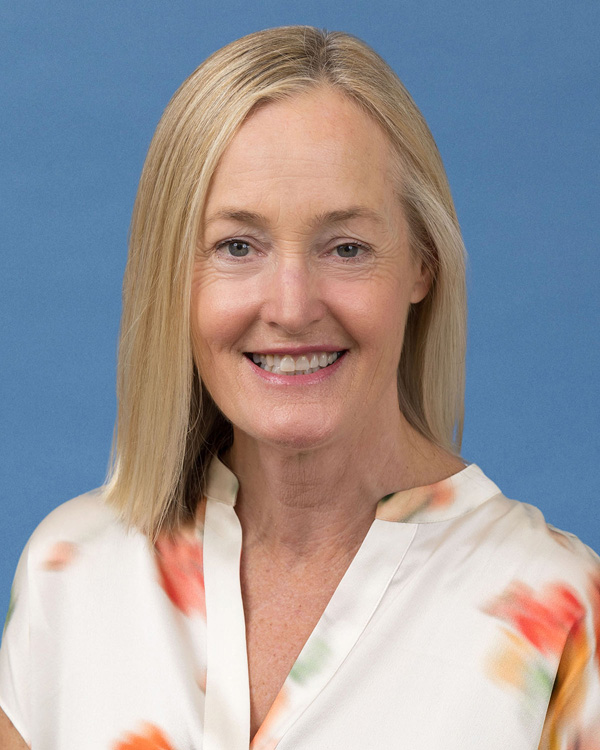
Julienne Bower is a Professor at the University of California, Los Angeles (UCLA) with joint appointments in the Department of Psychology and the Department of Psychiatry/Biobehavioral Sciences. She serves as Director of the Mind-Body Research Lab, Associate Director of the Cousins Center for Psychoneuroimmunology, and as a Member of the Jonsson Comprehensive Cancer Center. Her research explores mind-body interactions in individuals facing stressful life events, particularly cancer patients and survivors, focusing on biological pathways linking psychological states to health outcomes and the effects of mind-body interventions. Ph.D. from UCLA Area Chair: Health Psychology Primary Area: Health Psychology Secondary Area: Clinical Psychology Location: 6538 Pritzker Hall, UCLA Dr. Bower's research examines how positive psychological factors (e.g., benefit finding, positive affect) influence physical health through immune and neuroendocrine pathways, while also investigating mind-body interventions like yoga and mindfulness meditation. Her work spans observational, experimental, and intervention studies, emphasizing the immune system as a central mechanism. The Mind-Body Research Lab, under Dr. Bower's leadership, has published extensively on topics including cancer-related fatigue, stress-induced inflammation, and the physiological impacts of psychosocial interventions. Key publications address NF-κB signaling, glucocorticoid resistance, and cortisol dysregulation in cancer survivors. Dr. Bower's lab is actively recruiting graduate students for 2024 through the UCLA Health Psychology Program, offering training in psychoneuroimmunology, cancer prevention, and mind-body research methodologies.
Alexis Battle is an Associate Professor at Johns Hopkins University with appointments in Biomedical Engineering , Computer Science , and Genetic Medicine (secondary). She directs the Malone Center for Engineering in Healthcare and serves as Deputy Director of the Data Science and AI Institute . Educated at Stanford University (PhD in Computer Science, 2013), Battle transitioned to academia after leadership roles at Google. Research Focus: Battle’s work bridges genomics and machine learning , emphasizing the impact of genetic variation on human health. Her lab develops tools like Watershed to predict functional effects of rare variants, aiming to enhance rare disease diagnosis. Key themes include non-coding DNA analysis , personalized genomics , and systems biology , with applications in cardiovascular disease and neurodegenerative disorders . Publications & Awards: Over 60 peer-reviewed articles in journals like Nature , Science , and Genome Biology , with recent emphasis on single-cell transcriptomics , multiomics integration , and telomere biology . Recipient of the President’s Frontier Award (2022), Microsoft Investigator Fellowship (2019), and Searle Scholar (2016). Scientific Awards: 2022 President’s Frontier Award 2019 Microsoft Investigator Fellowship 2019 Johns Hopkins Discovery Award 2017 Johns Hopkins Catalyst Award 2016 Searle Scholar Advising & Funding: Mentors 11 PhD students, 3 undergraduates, and postdoctoral fellows. Her research is funded by NIH, Searle Scholars, and institutional grants. The Battle Lab collaborates on projects like the GTEx Consortium , focusing on gene regulation and clinical genomics .
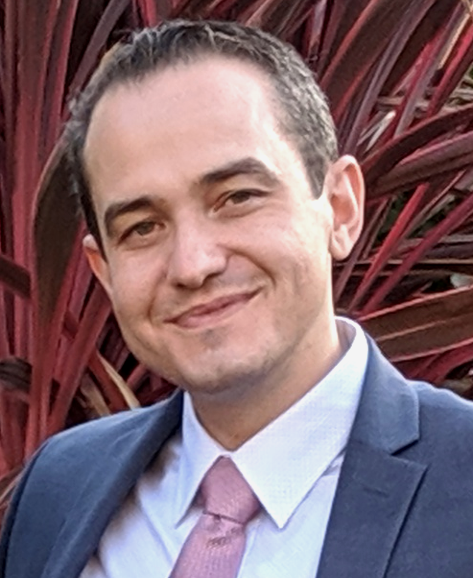
Jonathan W. Friedberg, M.D., M.M.Sc. is the Director of the Wilmot Cancer Institute and Professor in the Department of Medicine, Hematology/Oncology at the University of Rochester School of Medicine and Dentistry. He holds the Samuel E. Durand Chair in Medicine and leads one of the nation's premier lymphoma programs. Dr. Friedberg is internationally recognized for his expertise in lymphoma treatment, particularly in developing novel therapies and clinical trial approaches. Dr. Friedberg's research focuses on lymphoma, with particular expertise in Hodgkin lymphoma, non-Hodgkin lymphoma, Waldenstrom macroglobulinemia, and chronic lymphocytic leukemia. His work spans the entire treatment continuum from diagnosis through novel therapies including autologous stem cell transplantation and CAR-T cell interventions. He has built a comprehensive lymphoma program with expertise spanning hematopathology, radiation oncology, dermatology, and neurology, in addition to hematology and medical oncology. His research interests include developing risk-adapted treatment strategies, investigating novel therapeutic agents, and improving outcomes for patients with various lymphoma subtypes. Dr. Friedberg's extensive publication record demonstrates his leadership in lymphoma research, with recent work focusing on immunotherapy combinations, predictive modeling, risk stratification, and novel treatment approaches for various lymphoma subtypes. His research has significantly contributed to the understanding and treatment of lymphomas, particularly in developing more personalized and effective treatment strategies. Scientific Awards: Faculty Academic Mentoring Award (2012) Scholar in Clinical Research (2008) America's Top Doctors Selection (2008) Jacob Gitelman Award (2007) Lawrence A. Kohn Senior Teaching Fellow (2004-2006) Clinical Investigator Career Development Award (2003) Clinical Oncology Research Fellowship "Immunotherapy of Hodgkin's Disease" (2001-2003) Rising stars program for innovative research (2001-2003) As Director of the Wilmot Cancer Institute, Dr. Friedberg leads numerous clinical trials and research initiatives focused on advancing lymphoma treatment. He is actively involved in SWOG and has served in leadership roles for multiple clinical trials investigating novel therapies for lymphoma patients. His practice team includes Anna Morrison, R.N., and Kerri Hugelmaier, N.P., providing comprehensive care for lymphoma patients. Dr. Friedberg has established the Lymphoma Epidemiology of Outcomes (LEO) Consortium, a large observational cohort study supporting broad research on NHL prognosis and survivorship. His leadership extends to national organizations where he contributes to developing clinical practice guidelines and consensus recommendations for lymphoma treatment.
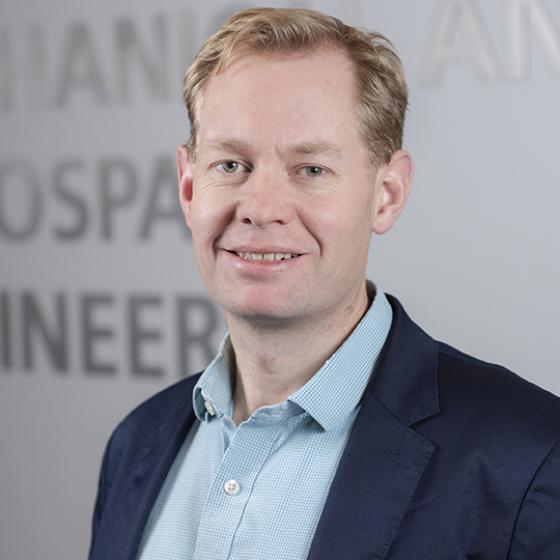
Christopher Kanan is a tenured Associate Professor of Computer Science at the University of Rochester, leading the AI Initiative within the Hajim School of Engineering & Applied Sciences. He holds secondary appointments in Brain and Cognitive Sciences, the Goergen Institute for Data Science and AI (GIDS-AI), and the Center for Visual Science. His research focuses on deep learning systems for artificial general intelligence (AGI), including continual learning, medical computer vision, and visual question answering. Previously, he was an Associate Professor at RIT’s Carlson Center for Imaging Science and a leader at Paige.AI, contributing to the FDA-cleared Paige Prostate system. Kanan earned his PhD from UC San Diego, completed postdoctoral work at Caltech, and worked at NASA JPL. Education: PhD in Computer Science, UC San Diego MS in Computer Science, University of Southern California Bachelor’s in Philosophy and Computer Science, Oklahoma State University Research Interests: Kanan’s work spans foundational AI capabilities like continual learning, medical imaging (pathology and radiology), multi-modal reasoning, and cognitive science-inspired models. His lab develops bias-robust AI systems and applies deep learning to healthcare and fusion research. Articles Trends: His recent work emphasizes out-of-distribution generalization, foundation models in pathology, and stability in continual learning. Key themes include AI applications in healthcare, model robustness, and neuroscience-inspired algorithms. Awards: NSF CAREER Award Senior Member, AAAI and IEEE DoE and NSF grants totaling $5M+ DARPA/ARL awards Advising & Grants: Mentored over 10 PhD students, including Robik Shrestha and Usman Mahmood. Secured grants for AI in nuclear fusion and medical imaging. Led RIT’s Center for Human-aware AI (CHAI) as Associate Director. Labs & Teams: Heads the University of Rochester AI Initiative, collaborates with Paige.AI, and leads teams advancing AI in pathology and robotics. His lab’s KLab (klab.cis.rit.edu) focuses on vision and learning systems.
David Erickson is the SC Thomas Sze Director and Sibley College Professor at Cornell University's Sibley School of Mechanical and Aerospace Engineering. He also holds a joint professorship in the Division of Nutritional Sciences. His research focuses on global health technologies, medical diagnostics, microfluidics, photonics, nanotechnology, and energy systems. He previously served as Associate Dean of Engineering for Research and Graduate Programs. Erickson leads the NIH-funded PORTENT Center for Point-of-Care Technologies in Global Health and has co-founded companies like Dimensional Energy and VitaScan to commercialize diagnostic and energy technologies. Education: B.Sc., Mechanical Engineering, University of Alberta (1999) M.A.Sc., Mechanical Engineering, University of Toronto (2001) Ph.D., Mechanical Engineering, University of Toronto (2004) Postdoctoral Scholar, Electrical Engineering, California Institute of Technology (2005) Research Interests: Erickson’s work spans global health diagnostics , nanobio applications , and clean energy innovation . He develops portable medical devices for low-resource settings, including smartphone-integrated diagnostic tools for malaria, iron deficiency, and cancer. His lab also pioneers photothermal reactors for CO2 conversion into sustainable fuels. Key areas include: Point-of-care testing for infectious diseases and nutritional deficiencies Nanofluidic and optofluidic technologies for biomolecular analysis Solar-driven energy systems for carbon-neutral fuels Awards: Presidential Early Career Award for Scientists and Engineers (2011) Fellowships from the Optical Society, ASME, and Canadian Academy of Engineering Carbon X-Prize Finalist (2019) for Dimensional Energy’s CO2-to-fuel technology Grants & Industry Collaboration: Erickson’s research is funded by NIH, NSF, ARPA-E, DOE, and USAID. His lab’s innovations have spun off start-ups addressing global health and energy challenges. Notable projects include: - Portable cancer diagnostics in sub-Saharan Africa using mobile phone-based systems - Solar-powered CO2 conversion reactors tested in Wyoming and Arizona Labs & Teams: The Erickson Lab collaborates with the Cornell Atkinson Center for Sustainability and the McGovern Center for Entrepreneurship. Key initiatives include the PORTENT Center and the Dimensional Energy CO2-to-fuel project.
Weiping Tang is a Professor of Pharmaceutical Sciences and Chemistry at the University of Wisconsin-Madison, holding the Janis Apinis Professorship in the School of Pharmacy and the Vilas Distinguished Achievement Professorship. He also serves as Director of the Medicinal Chemistry Center at the School of Pharmacy and maintains a faculty appointment with the Department of Chemistry in the College of Letters and Science. Janis Apinis Professor of Pharmaceutical Sciences Vilas Distinguished Achievement Professor Director of Medicinal Chemistry Center Faculty Appointment with Department of Chemistry Dr. Tang received his B.S. in Chemistry from Peking University in 1997, M.S. in Chemistry from New York University in 1999, Ph.D. in Organic Chemistry from Stanford University in 2005, and completed a postdoctoral fellowship in Medicinal Chemistry, Chemical Biology and Drug Discovery at Harvard University in 2007. Dr. Tang's research program focuses on drug discovery for cancer, infectious diseases, and neurodegenerative disorders through three interconnected areas: Organic Synthesis (advancing glycoscience through novel carbohydrate synthesis technologies), Medicinal Chemistry (developing small molecules that selectively remove disease-associated proteins), and Chemical Biology (dissecting biological pathways using novel small molecule probes). His group operates as an interdisciplinary team where chemists and biologists collaborate closely on drug discovery projects, with particular emphasis on developing novel degraders for disease-causing proteins. Analysis of Dr. Tang's publication record reveals a significant shift toward targeted protein degradation technologies, particularly PROTACs and molecular glues, while maintaining strong foundations in carbohydrate chemistry. His most impactful recent work includes developing degraders for extracellular and membrane proteins (previously considered 'undruggable'), creating rapid synthesis platforms like Rapid-TAC and Rapid-Glue, and advancing understanding of ternary complex formation for novel PROTAC design. His research spans both chemical methodology development and therapeutic applications across multiple disease areas. Vilas Distinguished Achievement Professorship Janis Apinis Professorship Numerous high-impact publications in leading chemistry and pharmacology journals Editor's pick and hot paper designations for significant contributions Dr. Tang mentors a diverse team of graduate students, postdoctoral fellows, and staff scientists with expertise spanning synthetic chemistry, medicinal chemistry, carbohydrate chemistry, computational chemistry, biochemistry, and cell biology. His group has developed innovative platforms for the rapid synthesis of protein degraders and has made significant contributions to understanding the mechanisms of action for these novel therapeutics. Current research includes developing selective degraders for cancer targets like RIPK1, BRD4, and CARM1, as well as advancing delivery systems for clinical translation. The Tang Research Group maintains state-of-the-art facilities within the School of Pharmacy at UW-Madison, equipped for comprehensive chemical synthesis, compound characterization, and biological evaluation. The group actively collaborates with researchers across campus and with industry partners to advance discoveries toward clinical applications, with particular focus on cancer therapeutics and protein degradation technologies.
Jay Raman serves as Professor and Chair of the Department of Urology and Professor in the Department of Surgery at Penn State College of Medicine, with additional affiliation at the Penn State Cancer Institute where he contributes to cancer control research. His clinical and academic leadership spans urologic oncology, surgical innovation, and healthcare policy initiatives. Dr. Raman's research centers on Transitional Cell Carcinoma (bladder cancer) and Upper Tract Urothelial Carcinoma , with extensive work on nephroureterectomy outcomes, local ablation techniques, and renal preservation strategies. He actively investigates prostate cancer diagnostics , comparing transperineal versus transrectal biopsy approaches, while addressing systemic barriers in surgical training through analyses of residency application fees and workforce diversity. His 2025 publications reveal a dual focus: advancing surgical precision in upper tract urothelial carcinoma management and critiquing structural inequities in surgical education. Key studies compare renal outcomes between local ablation and radical nephroureterectomy while examining how application costs hinder healthcare workforce diversity, demonstrating his commitment to both clinical innovation and equitable medical training.
Tim Q. Duong, Ph.D., is a Professor at Albert Einstein College of Medicine, affiliated with the Departments of Radiology, Biochemistry, Ophthalmology & Visual Sciences, and Neuroscience. His research focuses on medical imaging, MRI, image analysis, machine learning, and predictive modeling for studying diseases like COVID-19 , neurodegeneration (Alzheimer's, multiple sclerosis), brain injuries , and breast cancer . Develops AI-driven MRI techniques for early disease detection Investigates neuroplasticity in glaucoma and diabetic retinopathy Leads grants from NIH and National Eye Institute Research Trends : Recent publications emphasize AI integration in medical imaging, long-term effects of SARS-CoV-2, and advanced MRI applications for ocular and neurological disorders. Grants include multiple R01 awards for diabetic retinopathy and glaucoma studies. Training Opportunities : Actively recruits postdocs, research coordinators, and faculty. Offers research positions for graduate, medical, and high school students, including Regeneron Scholar programs. Labs & Teams : Leads the Duong Lab at Montefiore Medical Center, focusing on translational research for clinical imaging solutions.
Sunitha Nagrath is a Professor of Chemical Engineering at the University of Michigan, leading the Nagrath Lab. Her research focuses on developing microfluidic and nanotechnology-based tools to isolate and analyze circulating tumor cells (CTCs) and extracellular vesicles (EVs) for cancer diagnostics and personalized medicine. She holds an AIMBE Fellowship and has pioneered technologies like the Graphene Oxide Chip and Microfluidic Labyrinth. Education PhD in Mechanical Engineering, Rensselaer Polytechnic Institute (2004) MS in Nuclear Engineering, Rensselaer Polytechnic Institute (2000) B.Tech in Chemical Engineering, Sri Venkateswara University (1992) Research Interests Her lab integrates engineering, biology, and clinical expertise to study CTCs' role in metastasis, develop high-throughput isolation methods, and leverage exosomes as liquid biopsy biomarkers. Key projects include: CTC-based monitoring of therapy response in lung and pancreatic cancers Microfluidic devices for simultaneous CTC and exosome analysis Functional studies of CTC-derived organoids for drug sensitivity testing Notable Achievements AIMBE Fellow (Junior Faculty, Harvard Medical School/MGH, 2008-2010) Over 150 peer-reviewed publications and patents on CTC/exosome technologies Recipient of the 2021-22 Chemical Engineering Staff Incentive Award (via lab member Mina Zeinali) Labs & Collaborations The Nagrath Lab collaborates with clinicians and engineers to translate technologies like the OncoBean Chip and EVOD chip into clinical settings. Current work emphasizes real-time CTC monitoring and exosome-based immuno-oncology strategies.
Mayo Clinic College of Medicine and ScienceUnited States
Dr. John A. Copland III is a Professor of Cancer Biology and Biochemistry & Molecular Biology at Mayo Clinic in Jacksonville, Florida. He leads the Cancer Biology and Translational Research Laboratory, focusing on molecular mechanisms of carcinogenesis, tumor progression, and development of targeted cancer therapies. Education: PhD in Physiology & Endocrinology (Medical College of Georgia), MS in Endocrinology (Medical College of Georgia), BS in Chemistry (Columbus College), with postdoctoral training at University of Texas Medical Branch. Research interests center on: Identifying tumor suppressor genes (e.g., RhoB, TBR3, GATA3) and oncogenes (e.g., FOXO3a, SCD1, NPTX2). Developing patient-derived xenografts and live cell models for personalized medicine. Designing SCD1 inhibitors via in silico modeling for clinical trials. Recent publications highlight his work on SCD1 inhibition in leukemia and thyroid cancer ImmunoPET imaging of thyroid tumors CRISPR-identified drug synergies in cholangiocarcinoma Patient-specific combination therapies using xenograft models
Ruth Etzioni is an Affiliate Professor in the Biostatistics Program and Public Health Sciences Division at the Fred Hutchinson Cancer Center. She leads the Etzioni Lab, focusing on cancer screening, early detection, and overdiagnosis analysis. Her work integrates statistical modeling, epidemiology, and clinical research to address critical questions in prostate and breast cancer control. Dr. Etzioni holds the Rosalie & Harold Rea Brown Endowed Chair and has received a $7.4M NIH Outstanding Investigator Award. Education: PhD in Statistics (Carnegie Mellon University, 1990), MS in Statistics (Carnegie Mellon, 1987), BS in Mathematics (University of Cape Town, South Africa). Research interests emphasize biomarkers, clinical trials, and epidemiological methods. She leads the Biostatistics Core for the Pacific Northwest Prostate Cancer SPORE and participates in the Cancer Intervention and Surveillance Modeling Network (CISNET). Her lab develops models to evaluate screening policies, quantify overdiagnosis, and inform healthcare disparities reduction strategies. Key achievements include groundbreaking work on prostate cancer screening's harm-benefit tradeoffs and contributions to multi-cancer early detection (MCED) frameworks. Recent studies address racial disparities in prostate cancer outcomes, metastasis trends, and the clinical utility of novel diagnostics like PSMA PET imaging. Awards include the Brown Endowed Chair (2020), NCI OIA Award (2023), and recognition for advancing cancer data science. Her lab collaborates with institutions globally and mentors students in biostatistics and translational data science.
Mike Kirby is a Professor at the Kahlert School of Computing, University of Utah. He also holds adjunct professorships in the Department of Bioengineering and the Department of Mathematics. His current roles include leadership in scientific computing and informatics initiatives, including former directorships of the Utah Informatics Initiative (2019-2023) and the Multi-Scale Multidisciplinary Modeling of Electronic Materials (MSME) Collaborative Research Alliance (2016-2022). He has extensive experience in strategic research initiatives, including serving as Assistant Vice President for Research (2024-2025). Education: Dr. Kirby earned a PhD in Applied Mathematics (2002) and MS in Computer Science (2001) from Brown University, and a BS in Applied Mathematics and Computer Science from Florida State University (1997). Research Interests: Focus on large-scale scientific computing, physics-informed machine learning, computational science and engineering, high-order numerical methods, and visualization. His work bridges applied mathematics and computer science to address real-world engineering challenges. Publications: Over 150 peer-reviewed articles, including high-impact contributions in journals like Journal of Computational Physics and SIAM Journal on Scientific Computing . Recent work emphasizes machine learning for differential equations, topology optimization under uncertainty, and multi-fidelity modeling. Awards: Recognized for leadership in computational science and informatics, including contributions to University of Utah’s Clery Compliance Program. Advising & Grants: Supervised over 50 graduate students and postdocs. Secured funding from NSF, DOE, and industry partnerships, totaling millions in research grants. Active in interdisciplinary collaborations across engineering, materials science, and medicine. Labs/Teams: Scientific Computing and Imaging (SCI) Institute, Utah Informatics Initiative, and the Center for Multiscale Modeling of Electronic Materials (MSME).
Dana Pe'er is a Professor and Chair of the Computational and Systems Biology Program at the Sloan Kettering Institute (SKI) of Memorial Sloan Kettering Cancer Center. She is also an Investigator of the Howard Hughes Medical Institute and holds the Alan and Sandra Gerry Endowed Chair. Dr. Pe'er leads an interdisciplinary research group that combines advanced genomics approaches with machine learning to address fundamental questions in biomedical science, with particular focus on cancer biology, developmental biology, and immunology. Dr. Pe'er earned her PhD from Hebrew University in Jerusalem, Israel. Her academic journey includes a postdoctoral fellowship with George Church at Harvard Medical School. Before joining Memorial Sloan Kettering Cancer Center in 2016, she held faculty positions at Columbia University. Dr. Pe'er's research focuses on understanding cellular plasticity, the consequences of intra-tumor heterogeneity, cancer evolution and metastasis, and the mechanisms by which regulatory circuits go awry in disease. Her lab combines single-cell and spatial profiling technologies with machine learning approaches to investigate gene regulation, cellular plasticity, and cell-cell communication in the contexts of cancer, immunity, and development. They are particularly interested in how organisms develop from a single cell to generate diverse cell types, how epigenetic control rewires during development, and how cells communicate to execute multicellular responses. Analysis of Dr. Pe'er's recent publications reveals a strong focus on developing computational methods for single-cell and spatial genomics data analysis. Her work spans cancer types including pancreatic, prostate, colorectal, and breast cancer, with emphasis on tumor heterogeneity, metastasis mechanisms, and cellular plasticity. A significant portion of her research involves creating novel algorithms and tools like CellRank, REUNION, and SEACells that enable researchers to extract meaningful biological insights from complex genomic datasets. 2023 Class of 2023 Inductee - American Academy of Cancer Research (AACR) Academy 2023 Innovator Award - International Society for Computational Biology (ISCB) 2021 Fellow - International Society for Computational Biology (ISCB) Howard Hughes Medical Institute Investigator (2021) 2019 Ernst W. Bertner Memorial Award - University of Texas MD Anderson Cancer Center 2016 Lenfest Distinguished Faculty Award - Columbia University 2014 Director's Pioneer Award - National Institutes of Health 2014 Overton Prize - International Society for Computational Biology (ISCB) Dr. Pe'er is known for her dedicated mentorship approach, describing herself as "a mama bear" who cares deeply about her trainees while expecting independence, innovation, and hard work. She mentors numerous PhD students and postdocs in her lab. Her HHMI Investigator award provides approximately $9 million over seven years, enabling ambitious research directions. She also collaborates extensively with the Single-cell Analytics and Innovation Lab (SAIL) at MSK to generate new data from emerging technologies, working closely with wet-lab collaborators at MSK and beyond to apply computational methods to cutting-edge datasets across multiple disease areas. The Pe'er Lab is an interdisciplinary group of computational biologists with diverse backgrounds ranging from pure mathematics to clinical medicine. They work closely with wet-lab collaborators to apply their computational methods to cutting-edge datasets across cancer, immunology, and developmental biology. The lab is described as open, supportive, collaborative, and fun, with access to world-class facilities at the Sloan Kettering Institute. Dr. Pe'er's work continues to push the boundaries of computational biology and cancer research, with the ultimate goal of developing more effective, personalized therapies for cancer patients.
Joseph P. Bressler is an Associate Professor at Johns Hopkins University, jointly affiliated with the Bloomberg School of Public Health and the Krieger School of Arts and Sciences. He is a member of the Department of Environmental Health and Engineering and conducts research at the Kennedy Krieger Institute in Baltimore, Maryland. His work bridges public health, neuroscience, and molecular toxicology, focusing on environmental impacts on brain development. Education: PhD, Rutgers University, 1978 Dr. Bressler’s research centers on neurotoxicology, particularly how environmental pollutants such as lead, cadmium, and aluminum disrupt metal transport systems and affect neurodevelopment. His laboratory investigates the role of iron and other metal transporters at the blood-brain barrier and in glial cells, revealing mechanisms of metal uptake and toxicity. His work has implications for understanding autism, fetal alcohol syndrome, and other neurodevelopmental disorders. His recent publications highlight ongoing research into metal homeostasis, cytotoxicity in cancer and neuronal cell lines, e-cigarette aerosol variability, and epigenetic changes in sex chromosome aneuploidies. The research spans molecular mechanisms, in vitro models, and human health outcomes, demonstrating a multidisciplinary approach to environmental health. Scientific Contributions: Elucidated how lead and cadmium hijack iron transporters to enter the brain Demonstrated aluminum activation of iron uptake pathways in glial cells Investigated flavoring agents like ethyl maltol in enhancing metal toxicity Explored epigenetic and behavioral impacts in rare genetic conditions Dr. Bressler has advised numerous researchers and collaborators across disciplines. His work has been supported by federal and institutional grants, though specific funding details are not provided in the source text. He actively publishes in high-impact toxicology and environmental health journals, with research cited in policy and public health discussions. He leads a research laboratory focused on cellular and molecular mechanisms of neurotoxicity, utilizing in vitro models of the blood-brain barrier, astrocytes, and neuronal cell lines. His team collaborates widely across neuroscience, public health, and environmental engineering domains.
Lawrence Staib is Professor of Radiology and Biomedical Imaging, Biomedical Engineering, and Electrical Engineering at Yale University. He serves as Director of Undergraduate Studies in Biomedical Engineering and is a member of Yale's Bioimaging Sciences division, Image Processing & Analysis Group, Yale Biomedical Imaging Institute, and Yale-BI Biomedical Data Science Fellowship program. Dr. Staib earned his A.B. in Physics from Cornell University (1982), followed by a Ph.D. in Engineering and Applied Science from Yale University (1990), and completed a postdoctoral fellowship at Yale School of Medicine (1991). His research focuses on developing advanced medical image analysis methods using machine learning and model-based approaches. Key research areas include neuroimaging applications for autism spectrum disorder classification, cardiac imaging analysis for strain and motion assessment, prostate cancer diagnosis and risk mapping, and innovative techniques for medical image segmentation with limited labeled data. Dr. Staib's work emphasizes uncertainty estimation in deep learning models, multi-modal image registration, and domain adaptation techniques to improve clinical decision support systems. His recent publications demonstrate a strong trend toward developing interpretable AI models for clinical applications, with particular emphasis on fMRI analysis for neurological conditions, cardiac motion analysis, and prostate cancer diagnosis. His work frequently addresses the challenge of limited labeled data in medical imaging through innovative self-supervised, semi-supervised, and few-shot learning approaches. Fellow of the American Institute for Medical and Biological Engineering (AIMBE) (2015) Distinguished Investigator Award from the Academy for Radiology & Biomedical Imaging Research (2017) MICCAI Fellow (2022) Medical Image Analysis Second Best MICCAI Paper Award (2005) ASNR Cum Laude Scientific Exhibit Award (2003) Dr. Staib serves on the editorial board of Medical Image Analysis and as Associate Editor of IEEE Transactions on Biomedical Engineering. His research is supported by NIH grants including the Autism Center of Excellence program. He leads the Image Processing & Analysis Group within Yale's Bioimaging Sciences division, collaborating extensively with James Duncan, John Onofrey, Xenophon Papademetris, and other Yale researchers on applications spanning neuroimaging, cardiology, and oncology. Current projects focus on developing robust AI models for clinical decision support with emphasis on uncertainty quantification and interpretability.