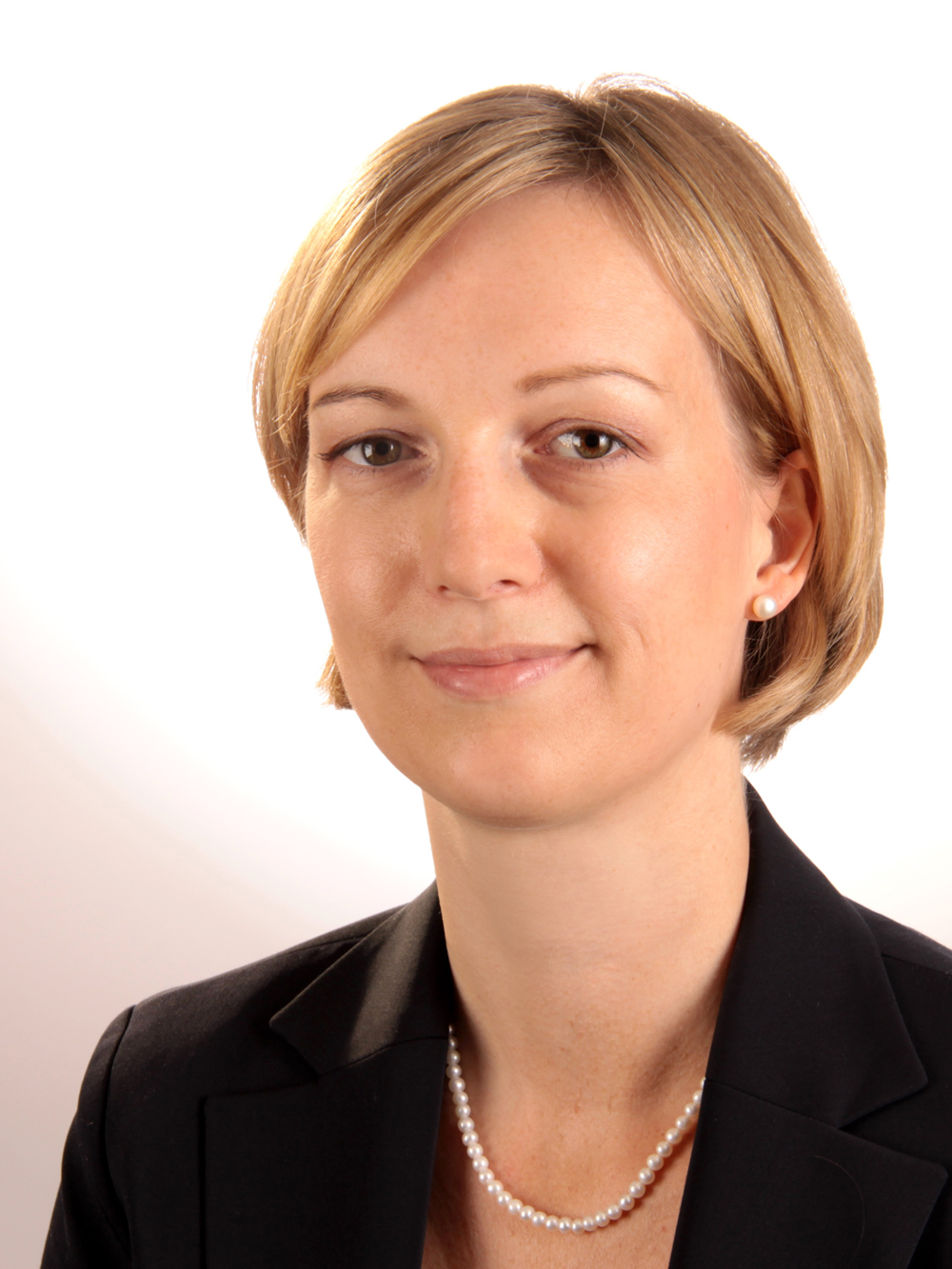
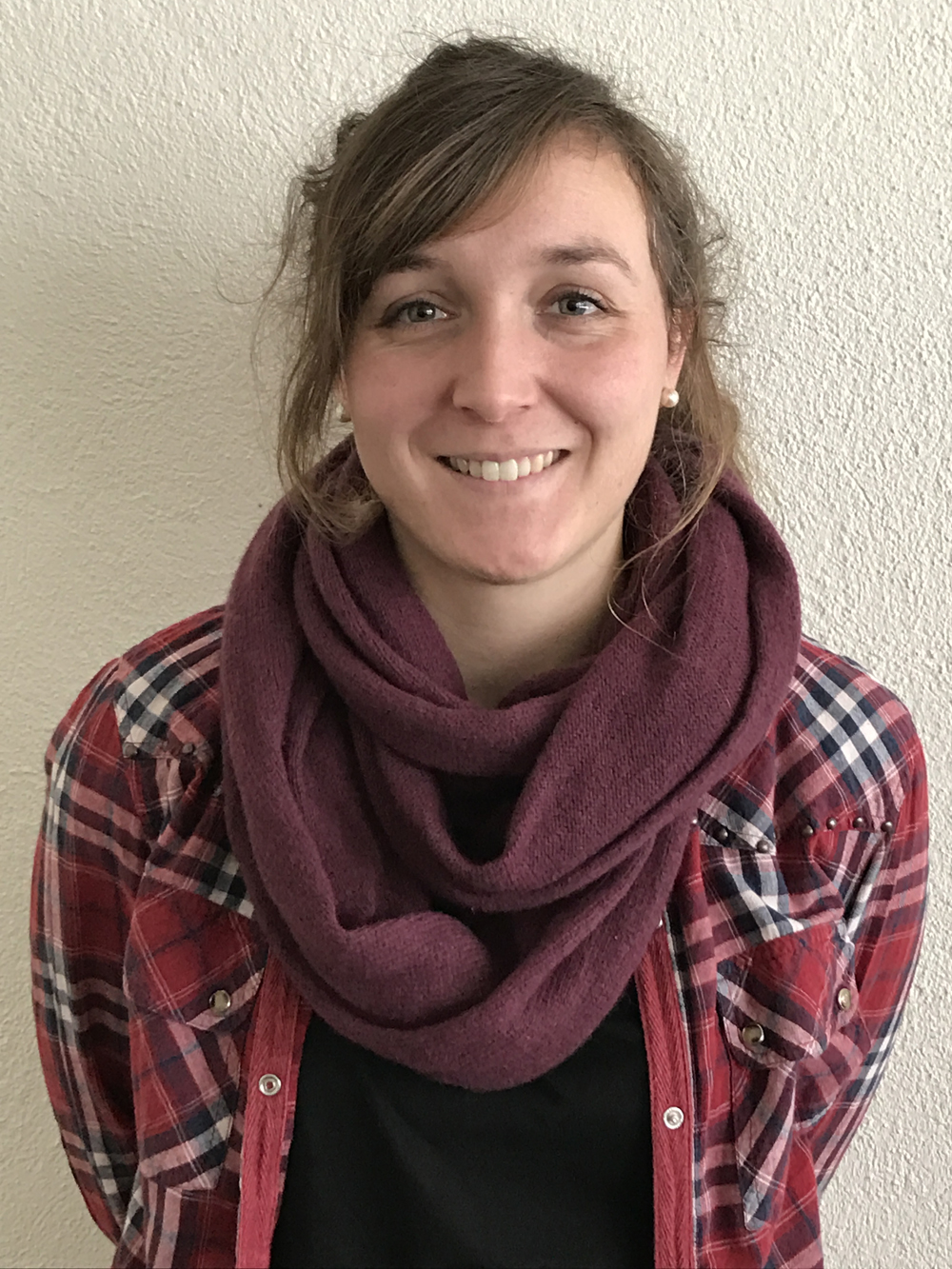
Prof. Dr. Mike Martin is a leading researcher at the University of Zurich's Center for Gerontology . His work spans cognitive aging, social development in old age, and life-span developmental psychology, with a focus on ecological validity in aging research. Professor, University of Zurich Director, Zurich Longitudinal Study on Cognitive Ageing Co-editor, Journals of Gerontology series Key research areas include: Healthy aging and quality of life Cognitive-emotional interactions in aging Dyadic adaptation in dementia caregiving Mobile sensing of aging-related behaviors Participatory research methodologies Language use as a biomarker of aging His recent publications analyze: GPS mobility and cognitive function Machine learning in reminiscence detection Prospective memory trajectories Emotion regulation in couples Digital interventions for cognitive health Neuroimaging correlates of aging
Professor Matthias Kliegel is affiliated with the LIVES Centre at the University of Geneva, where he conducts research on aging and cognitive processes. His work spans multiple interdisciplinary collaborations across Switzerland and internationally, focusing on memory, cognitive aging, and health outcomes in older populations. As a prominent researcher in gerontology, he contributes significantly to understanding age-related cognitive changes and their implications for healthy aging. Professor Kliegel's research interests center on cognitive aging, with particular emphasis on prospective memory, cognitive complaints, and the interplay between physical activity, health literacy, and cognitive function in older adults. His work examines how individual differences affect cognitive trajectories across the lifespan and investigates factors that contribute to successful cognitive aging. Recent research has expanded into technology applications, including AI and consumer-grade devices for cognitive health monitoring and early detection of cognitive decline. Analysis of Professor Kliegel's recent publications reveals a strong focus on longitudinal approaches to studying cognitive aging, with an increasing integration of technology in aging research. His work spans traditional psychological methodologies while incorporating contemporary approaches like AI analysis of aging research priorities and digital screening tools for preclinical Alzheimer's disease. The research consistently addresses practical applications for improving cognitive health outcomes in aging populations, with several studies focusing on modifiable factors like physical activity that could inform public health interventions. Professor Kliegel maintains active collaborations with numerous researchers across Swiss institutions including the LIVES Centre network, with co-authors spanning psychology, public health, and geriatric medicine. His work appears in high-impact journals across gerontology, psychology, and public health disciplines, demonstrating the interdisciplinary nature of his research program. The consistent funding evident from his publication record suggests successful grant acquisition supporting his longitudinal research initiatives. As a faculty member at the University of Geneva's LIVES Centre, Professor Kliegel contributes to a major interdisciplinary research platform focused on vulnerability throughout the life course. His work aligns with the Centre's mission to investigate social, economic, and health-related vulnerabilities across different life stages, with particular emphasis on aging populations in Switzerland and beyond.
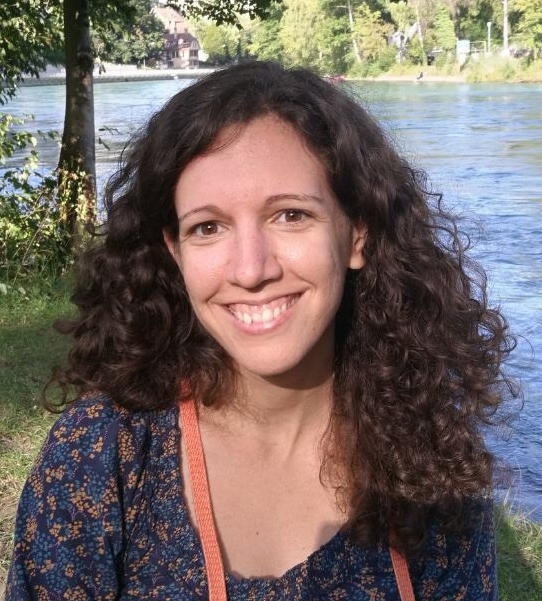
Prof. Athina Tzovara is a Professor at the University of Bern, leading the Cognitive Computational Neuroscience (CCN) research group within the Institute of Computer Science (Faculty of Science) with a dual affiliation in the Department of Neurology (Faculty of Medicine). Her research integrates computational modeling, machine learning, and neural recordings to study cognitive processes and neurological conditions. Key areas include sleep dynamics, coma prognosis, AI-driven healthcare solutions, and neural mechanisms underlying consciousness. Education: BEng in Electrical & Computer Engineering (National Technical University of Athens, 2009), PhD in Neuroscience (University Hospital Centre Lausanne, 2012). Postdoctoral roles at University of Zurich and University College London preceded her current position. Research focuses on: (1) Sleep-wake disorders using EEG and causal inference approaches, (2) Predictive neural coding models for auditory processing in coma patients, (3) Ethical AI frameworks for automated medical diagnostics, and (4) Data-driven phenotyping of neurological conditions. Recent work emphasizes translating computational neuroscience insights into clinical tools - such as EEG-based coma outcome prediction and bias-aware sleep scoring algorithms. Her lab collaborates internationally on initiatives like SPHYNCS (narcolepsy cohort study) and Brain Mappers for open neuroscience communication. Advocates for inclusive scientific practices through gender bias mitigation strategies and multilingual dissemination efforts. Active in Open Science initiatives like Open Humans platform development.
Gianvito Laera is a Postdoctoral Research Fellow at the University of Geneva's Department of Psychology within the Faculty of Psychology and Educational Sciences. He works in the Cognitive Aging Lab, focusing on prospective memory research with particular emphasis on time-based memory processes across the lifespan. His research integrates cognitive psychology, neuroscience, and gerontology to understand how people remember to perform future intentions. Dr. Laera received his PhD in Psychology from the University of Geneva (2018-2023), following a Master of Science in Neuroscience and Neuropsychological Rehabilitation from the University of Padua, Italy (2013-2016), and a Bachelor of Science in Psychological Sciences and Techniques from the University of Bari 'Aldo Moro', Italy (2010-2013). Prior to his doctoral studies, he worked as a Research Assistant at Keele University's Neuropsychology Lab (2016-2018) and completed a research internship at the University of Padua (2015-2016). His research primarily investigates prospective memory—particularly time-based prospective memory—which involves remembering to perform intended actions at specific future times. His work examines age-related differences in these processes, neural correlates using EEG methodology, strategic monitoring behaviors, and the impact of various contextual factors on memory performance. He employs both laboratory and web-based experimental approaches to study how people monitor time, check clocks, and manage cognitive resources when executing delayed intentions. His research has important implications for understanding cognitive aging and developing interventions to support memory in older adults. Analysis of his publication record reveals consistent focus on time-based prospective memory mechanisms across 15 recent publications. His work demonstrates sophisticated methodological approaches including meta-analyses, experimental manipulations of clock-speed, EEG measurements, and longitudinal assessments. Key trends include examining the cost of monitoring behavior, strategic clock-checking patterns, neural correlates of memory retrieval, and the relationship between personality factors and cognitive performance in aging populations. While no specific scientific awards are documented in the available information, his research has been published in high-impact journals across psychology, neuroscience, and gerontology, reflecting recognition within his field. As a postdoctoral researcher, Dr. Laera continues to develop his independent research program while collaborating with senior researchers in the Cognitive Aging Lab. His work bridges experimental cognitive psychology with real-world applications for understanding memory changes in aging populations.
Olivier Desrichard is an Associate Professor at the University of Geneva, affiliated with the LIVES Centre. His research bridges cognitive psychology, educational psychology, and gerontology, focusing on how psychological factors influence cognitive performance across the lifespan. His research interests include cognitive aging, educational interventions, social psychology phenomena, and memory research. Dr. Desrichard has established himself as a significant contributor to understanding how factors like motivation, anxiety, personality traits, and social contexts affect cognitive functioning, particularly in educational settings and among older adults. His recent publications demonstrate a strong focus on large-scale longitudinal studies examining gender differences in educational settings, cognitive reserve mechanisms, and the impact of lifestyle factors on cognitive aging. His work often employs sophisticated statistical methods to explore mediation and moderation effects in complex psychological processes. Dr. Desrichard collaborates extensively with researchers across disciplines, particularly with colleagues from the LIVES Centre including Nathalie Mella, Andreas Ihle, and Matthias Kliegel. His research program addresses critical questions at the intersection of cognitive science, education, and aging, contributing valuable insights to both theoretical understanding and practical applications.
Matthias Kliegel is a Full Professor of Psychology at the University of Geneva, where he holds the Chair of Cognitive Aging. He is also the Director of the Interfaculty Center for Gerontology and Vulnerability Studies (CIGEV), a leading interdisciplinary research center focused on aging and vulnerability. His academic career spans institutions in Germany and Switzerland, including professorships at Dresden University of Technology and the University of Zurich. His educational background includes studies in psychology, philosophy, ethics, and theology across Vienna, Mainz, and Albuquerque. He earned his PhD in Psychology from the University of Heidelberg in 2002 and completed his Habilitation at the University of Zurich in 2005. Dr. Kliegel's research centers on cognitive development across the lifespan, with emphasis on prospective memory, executive functions, working memory, and cognitive reserve. His work integrates cognitive, clinical, and social perspectives on aging, exploring how cognitive plasticity and health behaviors evolve over time. He investigates the impact of socioeconomic factors, leisure activities, and technology use on cognitive aging. The recent publication trends reflect a strong focus on longitudinal studies, cognitive interventions, and the neuroscience of aging. His work frequently appears in top-tier journals such as Nature Human Behaviour , Psychology and Aging , and PNAS , highlighting interdisciplinary approaches to understanding cognitive decline and resilience in aging populations. His scientific awards include the Vontobel Award for Research on Aging, the Leenaards Price for Translational Medicine, an Honorary Lectureship at the University of the Third Age (Frankfurt), and a Distinguished Visiting Research Fellowship at the Australian Catholic University. He has led major research initiatives and has been involved in advising and mentoring students, though specific names are not listed. His work is supported by extensive collaborative grants and institutional funding. He leads a dynamic research team focused on cognitive and clinical neuroscience of aging and developmental disorders. Dr. Kliegel is affiliated with the Interfaculty Center for Gerontology and Vulnerability Studies (CIGEV), where he directs research on life course reserves, vulnerability, and resilience in later life. His team conducts cutting-edge research on plasticity, memory, and executive function, contributing significantly to both theoretical and applied gerontology.
Sascha Zuber is a Research and Teaching Fellow (Assistant Professor) at the Center for the Interdisciplinary Study of Gerontology and Vulnerability (CIGEV), Faculty of Psychology and Educational Sciences, University of Geneva. He leads the research group Variability and Plasticity in Lifespan Development (V+Life) and is an associate member of the Institute on Aging & Lifelong Health at the University of Victoria. He is affiliated with the Swiss Center of Expertise in Life Course Research LIVES and serves on the editorial boards of Swiss Psychology Open and Cognitive Development . His research focuses on prospective memory, executive functions, and cognitive development across the lifespan . He investigates how cognitive abilities evolve from childhood to old age, with a strong emphasis on individual differences, plasticity, and interventions. His work integrates experimental, longitudinal, and naturalistic approaches to understand cognitive aging, memory monitoring, and the impact of psychological and social factors on cognitive health. The recent publications highlight a strong trend in longitudinal cognitive aging, online cognitive assessment tools (e.g., Geneva Space Cruiser, eCOGTEL), and methodological innovations in life course research . His work frequently appears in top journals such as Journal of Memory and Language , Psychology and Aging , and Memory , reflecting a cohesive program on the cognitive architecture of intention maintenance and memory variability. LIVES Young Scholar grant (2024) for 'Creating a Prospective Memory Longitudinal Data Catalog (ProMLoD)' LIVES Young Scholar grant (2024) for 'Expanding the Geneva Spacer Cruiser' Swiss National Science Foundation (SNSF) Postdoctoral Fellowship (2021–2023) Vontobel Award for Research on Age(ing) (2016) Dr. Zuber has been involved in advising and collaborative research, particularly within the CIGEV and LIVES networks. He has contributed to large-scale integrative projects on life course risk and health, often in collaboration with international teams. His work is supported by competitive grants focused on open science and longitudinal data infrastructure. He leads the V+Life research group, which develops and validates online cognitive tools and investigates variability in cognitive development. The group promotes open science by providing free access to neuropsychological test batteries such as the Geneva Space Cruiser and COGTEL, supporting reproducibility and collaborative research.
Petra Zimmermann is a Teaching and Research Councillor at the Department of Medicine, Faculty of Mathematics, Natural Sciences and Medicine at the University of Fribourg. With dual doctorates in medicine (Dr. med) and philosophy (Dr. phil), and holding the academic title of Privatdozent (PD), Dr. Zimmermann is an established researcher with over 100 publications spanning from 2012 to 2025. Her work primarily focuses on the intersection of microbiome research, pediatric infectious diseases, and immunology. Dr. Zimmermann's research interests center around the complex relationship between the human microbiome and health outcomes, particularly in infants and children. She investigates how the intestinal microbiota influences vaccine responses, how antibiotics affect microbial composition and long-term health outcomes, and the role of breast milk microbiota in infant development. Her research has significant implications for understanding the developmental origins of immune-mediated diseases such as allergy, eczema, and asthma. As a leading expert in her field, Dr. Zimmermann has contributed to numerous systematic reviews and meta-analyses that have shaped current understanding of microbiome-vaccine interactions and antibiotic effects on pediatric populations. Her recent publications (2024-2025) demonstrate a strong focus on translational research with immediate clinical applications. A significant portion of her work examines the microbiome's role in circadian rhythm development, particularly through melatonin metabolism in the gut. She has also been actively involved in COVID-19 research, contributing to our understanding of pediatric manifestations, long-term outcomes, and comparative effectiveness of interventions. The NapBiome trial she's leading represents an innovative approach to targeting the gut microbiome to improve developmental outcomes in early childhood. Dr. Zimmermann is currently leading the ABERRANT study (2020-2026), funded by the Swiss National Science Foundation (SNSF), which investigates how antibiotic exposure during pregnancy and infancy affects the maternal and infant microbiome and subsequent health outcomes. This prospective cohort study represents a significant contribution to evidence-based antibiotic stewardship and could lead to interventions that mitigate negative impacts of necessary antibiotic treatments.
Ulrike Rimmele is an Assistant Professor in the Faculty of Psychology and Educational Sciences at the University of Geneva. She leads the Emotion and Memory Laboratory based at the Interfaculty Center for Gerontology and Vulnerability Studies (CIGEV), focusing on how emotions, stress, and their regulation affect learning and memory processes across the lifespan. University of Geneva Faculty of Psychology and Educational Sciences Emotion and Memory Laboratory CIGEV (Interfaculty Center for Gerontology and Vulnerability Studies) Her research explores emotion-memory interactions through behavioral experiments, psychophysiology, pharmacology, and virtual reality, examining topics like cortisol's role in memory consolidation, aging's impact on emotional memory retrieval, and trauma-related memory regulation. Current projects involve studying physical exercise effects on memory in children, emotional memory construction in older adults, and memory regulation for complex events. Recent publications analyze stress modulation of memory phases, emotional valence effects on temporal-spatial binding, and interventions for traumatic memory mitigation. The laboratory offers internships and thesis opportunities in these areas.
Chiara Scarampi is an Assistant Professor in Psychology at the University of Geneva and a key member of the LIVES Centre. Her research focuses on metacognition and its role in compensating for age-related cognitive decline. University of Geneva, LIVES Centre Research in metacognition, memory, and decision-making Scarampi's work explores how individuals monitor and adapt their behavior across cognitive domains, including memory, perceptual decision-making, and economic decision-making, with particular emphasis on aging populations. Her research aims to develop strategies to help older adults maintain independence and wellbeing throughout their lifespan. Recent publications highlight her focus on prospective memory, cognitive offloading, and memory compensation techniques. Collaborations with researchers like Matthias Kliegel and Sascha Zuber are evident in her work. Scarampi holds a Doctor of Psychology degree and is based at the Pinchat campus in office 208.
Prof. Dr. Jessica Peter is a SNSF Professor and Head of Research at the University of Bern's Department of Old Age Psychiatry and Psychotherapy. She leads the Research Group Peter, focusing on cognitive functions in healthy and clinical populations using advanced neuroimaging (e.g., fMRI, 7T MRI) and non-invasive brain stimulation techniques. Her work explores aging-related cognitive decline, dementia biomarkers, and interventions like tDCS and cognitive training. Education: PhD in Experimental Psychology (University of Freiburg, 2014), Diploma in Psychology (University of Bamberg, 2011). She completed postdoctoral research at the University of Bern and held a Habilitation in Experimental Psychiatry (2018). Awards include the COMET Career Program for Female Scientists (2019) and the 2015 Society of Neuropsychology Award. Research Interests: Cognitive neuroscience of aging, neuropsychology, neuroimaging, brain stimulation, and dementia. Her group applies methods like real-time fMRI neurofeedback, electrical properties tomography, and blood-based biomarkers to study interventions targeting memory and attention. Grants: SNSF Starting Grant (2023), Empiris Foundation, Bangerter-Rhyner Foundation. She advises multiple PhD students and collaborates internationally on projects like the Velux Foundation-supported studies. Labs/Teams: Leads the interdisciplinary Research Group Peter at UPD, integrating clinical psychiatry, neuroimaging, and computational methods to address cognitive challenges in aging populations.
Swiss Federal Institute of Technology in LausanneSwitzerland
Prof. Bryan Alexander Ford is an Associate Professor at École Polytechnique Fédérale de Lausanne (EPFL), where he leads the Decentralized and Distributed Systems (DEDIS) lab within the School of Computer and Communication Sciences, Department of Computer Science. He also holds teaching positions in SIN (Systems and Networking) and SSC (Security and Software Composition) at EPFL, and serves on the Open Science Strategic Committee. His academic journey includes faculty positions at Yale University following his Ph.D. at MIT. Dr. Ford's research spans multiple domains with a primary focus on building secure decentralized systems. His work encompasses privacy and anonymous communication systems like Dissent, systems security, blockchain technology, and novel approaches to operating systems for deterministic parallel computing such as Determinator. He has made seminal contributions to parsing theory through his development of Parsing Expression Grammars (PEGs) and packrat parsing algorithms, which provide linear-time parsing with backtracking capabilities. His research also extends to networking protocols including the Unmanaged Internet Architecture and Structured Stream Transport, as well as virtualization technologies like VX32. Ford's publication record demonstrates a remarkable evolution from foundational work in parsing and programming languages to cutting-edge research in decentralized systems and security. His early career focused on operating systems theory, parsing algorithms, and language design, culminating in influential papers on packrat parsing and PEGs. More recently, his work has shifted toward practical decentralized systems, blockchain technology, and security architectures, while maintaining connections to programming language theory through projects like Matchertext and MinML. This trajectory reflects both continuity in his interest in system architecture and a strategic pivot toward emerging challenges in decentralized computing. As an educator and mentor, Ford advises multiple PhD students at EPFL through the EDIC program and welcomes prospective students and researchers to join his lab. His teaching includes courses on decentralized systems engineering and technologies for democratic society, reflecting his commitment to both technical rigor and societal impact of computing technologies.
Dr. Katharina Klink is a Postdoc researcher at the University Psychiatric Services (UPD) in Bern, Switzerland, affiliated with the Department of Old Age Psychiatry and Psychotherapy at the University of Bern. Her work focuses on cognitive neuroscience, neuroimaging, and aging-related memory processes. She holds an MSc in Psychology (Cognition & Brain) from the University of Salzburg and a PhD in Clinical Psychology from UPD Bern. Her research explores brain stimulation techniques (tACS/tDCS), neurofeedback protocols, and compensatory mechanisms in aging and neurodegenerative disorders. Research Interests: Her studies investigate how transcranial brain stimulation and neuroimaging (fMRI/EEG) can enhance cognitive performance in healthy aging populations and patients with mild cognitive impairment. Key themes include associative memory encoding, hippocampal hyperactivity interventions, and the role of loss incentives in prospective memory tasks. Publications: Her work spans systematic reviews on frequency-specific transcranial stimulation effects and clinical trial protocols for neurofeedback in Alzheimer's research. Recent studies address compensatory brain activity in subjective cognitive decline and ultra-high field fMRI applications in elderly populations. Lab/Team: Collaborates with interdisciplinary teams at UPD Bern, focusing on translational neuroscience and clinical trials in geriatric psychiatry.
Alexandra Hering is an Assistant Professor for Developmental Psychology at Tilburg University and a Privat-Docent at the University of Geneva, where she is affiliated with the Cognitive Aging Lab within the Faculty of Psychology and Educational Sciences. Her research spans cognitive aging, prospective memory, executive functions, and cognitive control across the lifespan, utilizing EEG and digital tools such as virtual reality for ecologically valid assessment. PhD in Psychology, University of Geneva (2016) Diploma in Psychology (Master’s equivalent), Technische Universität Dresden (2011) Her research interests center on the development of goal-directed behavior, with a focus on prospective memory and cognitive control. She investigates how motivational, emotional, and social factors influence memory performance in aging, and explores behavioral and neuronal plasticity through cognitive interventions. Her work increasingly integrates digital innovations like VR games (e.g., Virtual Day, EPELI) to enhance ecological validity in cognitive testing. Her recent publications (2023–2025) reflect a strong trend in time-based and event-based prospective memory, cognitive monitoring costs, and the use of neurostimulation and digital tools to assess and improve cognitive function in older adults. Topics span from virtual reality assessment to transcranial stimulation protocols, emphasizing real-world applicability and experimental rigor. Award details are not explicitly mentioned in the provided text. Alexandra Hering has delivered numerous invited and keynote talks at international conferences, including the St. Gallen Congress on Dementia and the International Online PM Symposium, indicating active engagement in academic dissemination and potential grant-supported research. She has led research groups and contributed to multi-institutional collaborations, particularly in cognitive aging and intervention design. She is actively involved in the Cognitive Aging Lab at the University of Geneva, where she has served as a research group leader and postdoctoral researcher. Her work emphasizes interdisciplinary collaboration, combining cognitive neuroscience, psychology, and digital innovation to advance understanding of cognitive aging and develop scalable interventions.
Paolo Ghisletta is a Full Professor of Psychology at the University of Geneva's Faculty of Psychology and Educational Sciences. With a distinguished career spanning over two decades at the university, he has progressed from Assistant Professor to his current position as Full Professor since 2015. His academic journey includes significant research contributions in cognitive aging, methodological approaches to longitudinal data analysis, and the study of individual differences in cognitive development across the lifespan. Ph.D. in Quantitative Psychology and Methodology, University of Virginia (1999) MA in Quantitative Psychology and Methodology, University of Virginia (1996) BA Mathematics and BA Psychology, Clarion University, Pennsylvania (1994) Ghisletta specializes in methodologies for analyzing multivariate data in lifespan development research, with particular expertise in Structural Equation Models and Multilevel Models. His work examines cognitive aging in relation to health, activities, and sensory functioning, as well as the management of psychological resources in adults and the elderly. He has made significant contributions to understanding inter- and intra-individual variability over the lifespan, exploring how these variations relate to cognitive performance, health outcomes, and aging trajectories. An analysis of Ghisletta's recent publications (2022-2025) reveals a strong focus on cognitive aging, particularly examining memory systems, longitudinal changes, and the relationship between cognitive performance and health outcomes. His methodological expertise is evident in numerous papers on statistical approaches for analyzing longitudinal data. A recurring theme is the investigation of individual differences in cognitive aging trajectories and their predictors, including cognitive reserve, social factors, and genetic influences. His research often employs sophisticated statistical techniques to disentangle complex relationships between cognitive variables across time. Ghisletta maintains an active research program with numerous collaborations across international institutions, particularly within European aging research consortia. His work has significant implications for understanding normal cognitive aging processes and identifying factors that may contribute to healthy cognitive aging or vulnerability to decline.