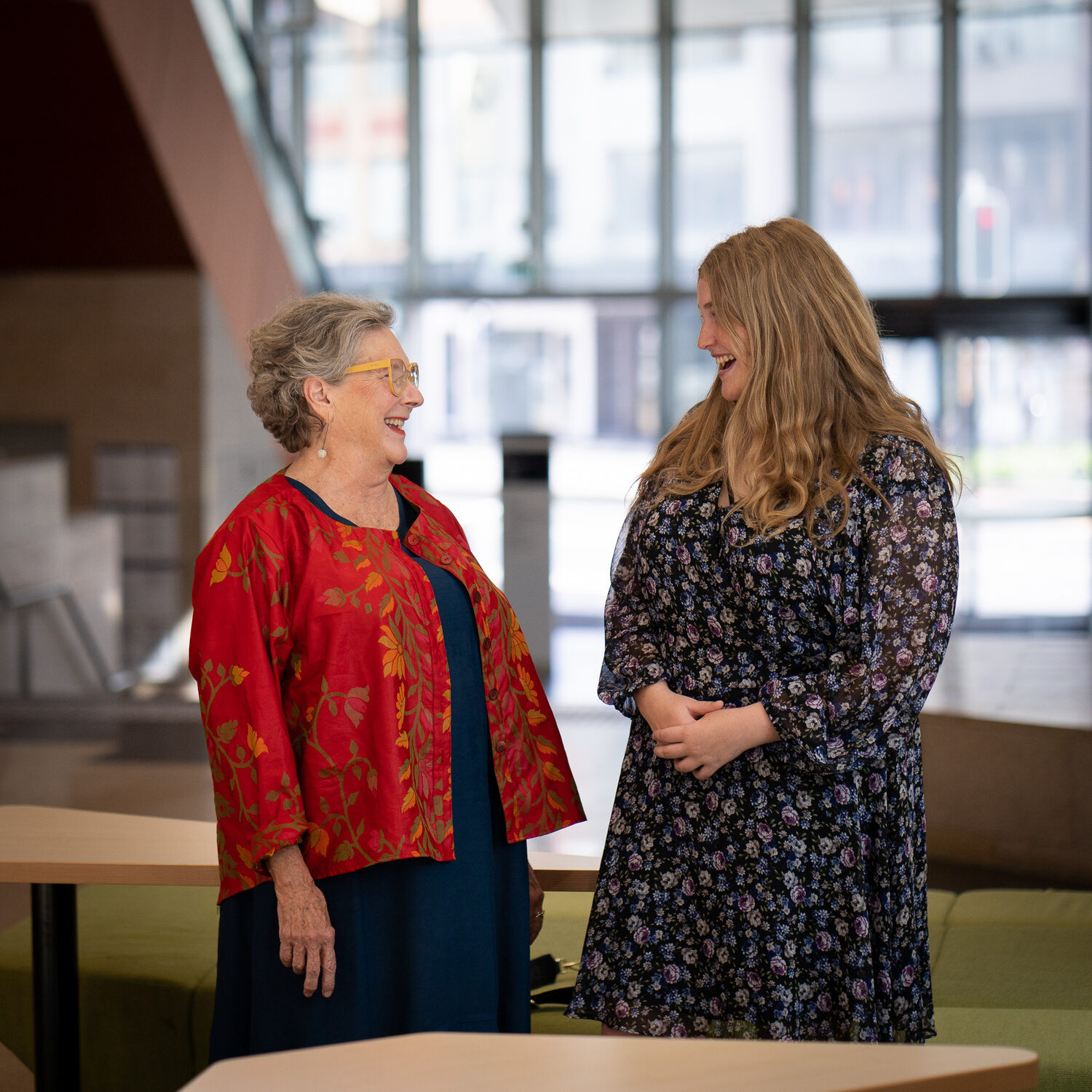
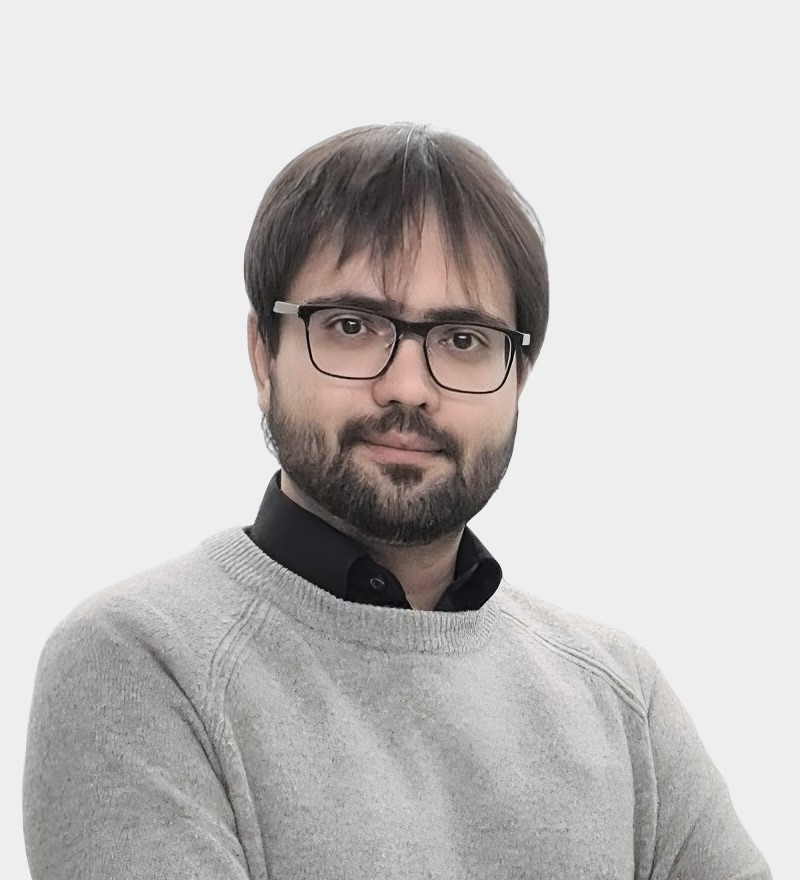
Professor Roberta Ryan is an Honorary Professor at the University of Newcastle, serving as the founding Executive Director of the Institute for Regional Futures and the University’s inaugural Professor of Local Government. She holds ministerial appointments as a member of NSW Regional Planning Panels and has led institutions like the UTS Institute for Public Policy and Governance. Her expertise spans social planning, strategic planning, and stakeholder engagement, advising governments on development challenges and policy reforms. Notably, she was the Independent Community Commissioner for Sydney’s Western Sydney Aerotropolis project. Ryan holds BAs from the University of Sydney. Her research focuses on local governance, urban development, and community engagement, with over 300+ projects and grants exceeding $7.8 million. She co-authored the Handbook of Research on Sub-National Governance and frequently publishes on regional futures, energy policy, and public value frameworks. Ryan’s work emphasizes equitable urban growth and participatory decision-making.
Denise D. Quigley is a Senior Policy Researcher and Professor of Policy Analysis at the RAND School of Public Policy. She serves as the quality improvement (QI) team lead for the Consumer Assessment of Healthcare Providers and Systems (CAHPS) project and leads multiple federally funded studies for AHRQ and NIH, focusing on health care quality, patient experience, and health equity. Ph.D. in Public Policy, RAND School of Public Policy Her research centers on end-of-life care, hospice, patient-provider communication, shared decision-making, patient safety, and access to care through workers' compensation. With expertise in qualitative methods, thematic analysis, survey development, and mixed-methods inquiry, she investigates organizational behavior and system change in health care delivery. Her work emphasizes patient and family care experiences, with a strong focus on reducing disparities across racial, ethnic, linguistic, and geographic lines. Her recent publications reflect a consistent focus on health equity and quality measurement, particularly through CAHPS and other patient-reported instruments. Themes include disparities in post-acute care, mental health support for first responders, language concordance in primary care, and spiritual care in hospice. She has led systematic reviews on hospice use in nursing homes, patient safety culture in Black-serving hospitals, and infection control in long-term care settings. Racial and ethnic disparities in post-acute care Urban-rural disparities in COVID-19 outcomes Patient safety culture in hospitals Improving patient experience via survey design Spiritual care for African American hospice patients She collaborates with researchers at RAND and Columbia University on NIH-funded projects assessing infection prevention and transitions of care. Her policy-relevant research supports quality improvement initiatives and informs health system reforms. While her role includes academic leadership, there is no public information about advised students or received scientific awards. She is actively contributing to health services research and public policy analysis.
Rebecca Tekula, Ph.D., is Professor and Chair of Public Administration at Pace University’s Dyson College of Arts and Sciences, and Executive Director of the Helene and Grant Wilson Center for Social Entrepreneurship. She also serves as Interim Associate Provost for External Engagement and Faculty Opportunity. Her academic affiliations are deeply rooted in public service, nonprofit leadership, and social innovation. Her educational background includes a Ph.D. in Public Management and Economics from the University of Lugano, Switzerland; an MPA in Nonprofit Management from Pace University; an MBA in Social Entrepreneurship, Finance, and Strategy from the University of Oxford; and a BA in English Literature from Vassar College. Tekula’s research focuses on impact investing, social enterprise, social finance, and governance , with a strong emphasis on community-engaged research that involves stakeholders as equal partners. Her work bridges academic rigor with real-world application, particularly in evaluating the financial health of nonprofits, community needs assessments, and public service delivery. She has led funded projects with organizations such as the Westchester County Hispanic Advisory Board, the Council of Family and Childcare Agencies, and the Teagle Foundation. Her publications span high-impact journals including Journal of Business Ethics , Public Administration Review , and Social Enterprise Journal . The trends in her recent work reflect a consistent focus on equity, organizational resilience, and the growing role of nonprofit and public sectors in social finance and impact investing. 2022 Faculty of the Year Award (Student-Selected, Department of Public Administration) 2021 Bronze Medal Jefferson Award for Public Service Tekula actively mentors students and collaborates with graduate researchers on funded projects. She teaches courses such as Public Administration and its Environment, Financial Resource Development for Nonprofits, and Social Entrepreneurship. She also leads the Wilson Center’s Faculty Fellows program, supporting interdisciplinary research on social issues. Her leadership extends to professional service in organizations like the Academy of Management and ARNOVA, where she contributes to innovation and equity in public and nonprofit management scholarship.
Dr. Scott C. Bible, SHRM-SCP, is a Professor in the Department of Management at The University of Akron's College of Business , where he teaches leadership, strategic management, human resource development, and organizational behavior. With over 30 years of experience in higher education, healthcare administration, and organizational consulting, he specializes in leadership development, performance improvement, and strategic human resource practices. Education: D.B.A. in Management from Cleveland State University M.A. in Personnel Psychology from The University of Akron B.S. in Human Resource Management from The University of Akron His research interests focus on emotional intelligence, leadership motivation, organizational civility, and the future of work , with a particular emphasis on virtual work environments and agile organizational practices . Key publication trends include interactive e-learning tools (e.g., H5P), virtual collaboration (e.g., Zoom integration), and business analytics pedagogy . Scientific Awards: Co-author of award-winning research on transformational leadership and millennial motivation to lead As a faculty advisor for the student chapter of SHRM, Dr. Bible integrates real-world consulting projects into his teaching. He has received a $3,000 grant from The University of Akron for online graduate course development and serves on university committees like the Assurance of Learning Committee and Student Accessibility Committee .
Oscar Leandro Ramos is a researcher at the Centre for Biotechnology and Fine Chemistry (CBQF) of the Portuguese Catholic University (UCP) since 2018. He transitioned to a Senior Researcher role at Biorbis in Nov 2023, leading projects in food innovation, sustainability, and advanced materials. His career spans academia, entrepreneurship (co-founder of Blendera Food Solutions), and industry collaboration with Amyris Inc. and Biorbis. Education: PhD in Microbiology (2007-2012) from ITQB/Nova University of Lisbon, with research at CBQF/UCP. Ramos focuses on sustainable formulation technologies, including edible coatings, nanoscale delivery systems, and bio-based hydrogels. His work bridges food science, biotechnology, and materials engineering, addressing applications in food preservation, cosmetics, and biomedical sectors. His recent publications highlight advancements in biopolymer design, liposomal delivery systems for skincare, and superabsorbent hydrogels for agriculture. These contributions align with UN Sustainable Development Goals, particularly in sustainability and innovation. Scientific Awards: Annual incentives by CBQF (2020-2022) Honorable distinction by COTEC Portugal (2012) Honorable distinction by Food Hydrocolloids (2016) Ramos has co-supervised 1 postdoctoral, 5 PhD (2 as sole supervisor), 11 MSc, and 15 undergraduate students. He has led R&D collaborations between academia and industry, translating research into market-ready products and securing competitive funding for projects like Alchemy and Fermentation Solutions.
Géraldine Texier is a Professor at the Network Systems, Cybersecurity and Digital Law (SRCD) department of IMT Atlantique, a member of the Adopnet research team at IRISA, and affiliated with the Advanced Connectivity lab of the b com Institute. Her research focuses on network programmability, virtualization, Quality of Service (QoS), inter-domain routing, and IoT. She contributes to academic activities through teaching networking courses and co-developing three MOOCs. Her research spans advanced topics in Software Defined Networking (SDN) Network Function Virtualization (NFV) QoS in inter-domain contexts IoT routing protocols Genetic algorithms for network optimization Fuzzy reputation systems for 5G infrastructure with a particular emphasis on scalable solutions and trust mechanisms. The 15 most recent publications highlight her work in network tomography, federated learning, and 5G slicing. Key trends include AI-driven network service placement reputation systems for RAN sharing genetic algorithms for monitoring optimization inter-domain path computation QoS in virtualized environments collaborative security frameworks In her advisory role, she has directed multiple PhD students including Masoud Taghavian (NFV in 5G Edge) Cedric Morin (SDN-NFV QoS algorithms) Rabah Guedrez (Segment Routing) Pascal Thubert (Deterministic Networks) and maintains active involvement in EU projects and industry collaborations.
Ali Gohar is a Researcher at the Department of Electrical Engineering and Computer Science, Faculty of Science and Technology, University of Stavanger. He holds a PhD in Computer Science from the same university (2019-2024) and has supervised multiple master's theses. Education: PhD - Computer Science, University of Stavanger (2019-2024) MS - Computer Science, Kookmin University (2017-2019) BS - Telecommunication, COMSATS University Islamabad (2011-2014) Certifications: AI in Education, Constructive Alignment and Digital Course Design, Intercultural Competence, NyTi Teaching Certificate, CCNA Research Interests: Ali Gohar's work centers on Deep Reinforcement Learning, 5G/6G communication networks, mathematical modeling, and resource allocation optimization. His research develops autonomous algorithms for network systems in smart cities and space-air-ground integrated networks. Publications: He has contributed to 15 recent publications spanning peer-reviewed journals and conference proceedings, focusing on network slice brokers, virtual network embedding, scalable video coding, and remote driver selection. These works intersect with AI, telecommunications, and urban infrastructure. Supervision: He has mentored students on projects including security-aware resource allocation, federated learning, and vertical industry optimization in smart cities.
Hans Quak is a Professor of Smart Cities and Logistics at Breda University of Applied Sciences (BUas) and a Senior Scientist at TNO in the Sustainable Transport and Logistics group. His work focuses on urban logistics, sustainable transport, automation impacts, and innovations in last-mile delivery. He leads projects on urban freight electrification, zero-emission cities, and disruptive logistics trends. Research interests include city logistics, urban freight transport efficiency, and the integration of technology to reduce environmental impacts. He collaborates internationally on projects like DISCO Urban Freight Eco-System and Low Impact Lastmile logisticS (LILS). Key contributions include studies on hub effectiveness, digitalization in food supply chains, and energy transitions in logistics. Quak frequently presents at conferences and engages with media on urban logistics challenges, emphasizing practical solutions for sustainable urban development. He leads projects funded by Rijkswaterstaat, the European Commission, and Dutch innovation programs. His work bridges academic research with real-world applications, addressing both technical and policy aspects of modern logistics systems.
Fatma Demirağ is an Associate Professor at Kütahya Dumlupınar University's Faculty of Applied Sciences, Department of Electronic Commerce and Management. She holds a PhD in Business from Dumlupınar University (2015-2019), an MSc in Business Administration (2013-2015), and a BSc in Business Administration from Marmara University (2007-2011). Academic roles: Associate Professor (2025–present), Research Assistant (2013–2021). Teaching: Courses on Consumer Behavior in the Digital Environment, E-Commerce Strategies, Marketing Research, and Marketing Communications. Her research focuses on consumer behavior , digital marketing , AI applications in marketing , and export strategies . Key areas include metaverse engagement, influencer marketing, and green supplier evaluation in the textile industry. She has published over 30 articles and authored/co-authored books on marketing, digital transformation, and consumer insights. Her recent projects include analyzing the relationship between marketing capital and job performance (2020–2021) and supporting national marketing congresses (2016–2017). She actively contributes to academic journals and conferences, emphasizing methodological rigor in qualitative marketing research. Her work extends to practical applications such as improving SMEs' customer agility via AI tools and exploring social media motivations in the metaverse context.
Sevgi ÖZDİNÇ is an Assistant Professor at the Prosthetics and Orthotics Department of Trakya University's Vocational School of Health Services. She holds a doctoral degree in Physical Medicine and Rehabilitation from Trakya University (1998). Her academic journey includes master's degrees in Anatomy (1992) and Physiotherapy and Rehabilitation (1987). She has been affiliated with the university since at least 2006 when she assumed her current academic rank. Her research focuses on musculoskeletal health, ergonomics, and rehabilitation strategies. Key areas include the biomechanical effects of footwear, musculoskeletal disorders in academic and occupational settings, and the impact of exercise programs on aging populations. She has also explored topics such as vestibular function, ballet training effects on foot development, and mental health issues among students. Her publications span from 1995 to 2021, with recent works emphasizing gait analysis, low back pain management, and telehealth applications. Notable studies include evaluations of Masai Barefoot Technology footwear and ergonomic interventions for pregnancy-related pain. She has contributed to over 20 peer-reviewed articles and book chapters, often addressing interdisciplinary themes like rehabilitation engineering and preventive medicine. Dr. ÖZDİNÇ has no listed academic awards but has maintained active involvement in university education and clinical research. Her work integrates clinical practice with community health initiatives, particularly in geriatric and pediatric populations. She has advised no formally listed students but has engaged in collaborative research projects with colleagues in physical therapy and health sciences.
Prof. Dr. Hadi Işık Aybay is a distinguished Professor of Computer Engineering at Eastern Mediterranean University (EMU), North Cyprus. He has held academic roles including Department Chairman of Computer Engineering (1994–2004 and 2013–present) and Director of EMU's Distance Education Institute (2000–2013). He earned his PhD in Electrical and Electronic Engineering from METU (1989) and served as an Assistant/Associate Professor before becoming a full Professor in 2013. His research spans neural networks, distributed systems, and e-learning technologies. Education: PhD, Electrical and Electronic Engineering, Middle East Technical University (1989) M.Sc., Electrical and Electronic Engineering, METU B.Sc., Electrical and Electronic Engineering, METU Research Interests: Prof. Aybay's work focuses on computer engineering innovations, including neural network hardware, distributed multimedia systems, and wireless communication protocols. He pioneered EMUOnline, a blended learning platform, and contributed to science park development in North Cyprus. His research also addresses challenges in video streaming optimization and adaptive resource allocation in cellular networks. Key Achievements: He led over 15 projects, including EU-funded initiatives like 'Deep Farm' (2024–2025). His publications (80+ papers) span IEEE journals and conferences, with 281 Google Scholar citations. Awards include the 1973 National Project Contest First Prize and the 1990 Best Thesis Award (supervised). Grants and advising: Supervised 3 PhD and 28 MSc students. Current projects include AI-driven agriculture (Erasmus+). Grants include EU funding (€1M) and Turkish Republic of Northern Cyprus initiatives. Labs/Teams: Active in the EMU Computer Engineering Department's research groups, focusing on distributed systems and e-learning infrastructure.
Marcial Gonzalez is an Associate Professor of Mechanical Engineering at Purdue University's School of Mechanical Engineering. He holds a Ph.D. in Aeronautics from the California Institute of Technology and has expertise in multi-scale modeling of granular systems, pharmaceutical manufacturing, and energetic materials. His research focuses on predictive modeling of particulate processes and their applications in industries like pharmaceuticals and energy. Education: Ph.D., Aeronautics (Minor in Materials Science), California Institute of Technology, 2011 M.Sc., Aeronautics, California Institute of Technology, 2006 Mechanical Engineer, University of Buenos Aires, 2002 Research interests emphasize multi-scale modeling of microstructure evolution in granular systems, particulate product design, and continuous manufacturing. Key areas include pharmaceutical tablet performance, energetic materials thermomechanics, and biomass processing. Notable awards include multiple Seed for Success Awards (totaling over $1M in grants) and teaching accolades like the Robert W. Fox Outstanding Instructor Award. He is affiliated with Purdue's Center for Particulate Products and Processes and Ray W. Herrick Laboratories. Awards: Purdue Insights Fellow (2025-2026) Fellow of Purdue University Teaching Academy (2025) Outstanding Engineering Teacher (2024, 2019) Robert W. Fox Outstanding Instructor Award (2021) Grants and advising: Active in securing grants for projects like FDA-funded Industry 4.0 frameworks and DOE biomass transport studies. His work bridges micromechanics with industrial-scale manufacturing challenges. Labs/Teams: Leads research at the Gonzalez Research Group, focusing on granular dynamics and particulate product engineering.
Xiaoyu Sun is a Lecturer in the School of Computing at Australian National University (ANU), specializing in Software Engineering with a focus on Mobile Software Engineering and Intelligent Software Engineering. She holds a PhD from Monash University (2023) and a Bachelor's degree in Computer Science from Beijing Normal University (2016). Her research emphasizes applying static code analysis, dynamic testing, and NLP techniques to enhance software security and reliability, particularly in Android systems. Current projects include tools for detecting compatibility issues and privacy leaks in mobile apps. Her research interests span code generation frameworks (e.g., A^3-CodGen), security management in open-source projects, and AI-enhanced software development practices. Collaborations with tech giants like Bytedance and Alibaba highlight her industry engagement. Xiaoyu is Co-Investigator in the Tech4HSE project (2025-2027), developing AI-based monitoring systems for workspace safety. She has published in top venues including ICSE, ASE, and IEEE Transactions on Software Engineering. Her work bridges academia and industry, addressing challenges in mobile app security, code reuse efficiency, and developer toolchain innovation. Ongoing efforts focus on AI-driven solutions for software engineering tasks and fostering transparent privacy practices in open-source AI applications.
Jonathan Hammond is a Senior Lecturer in Health Policy and Organisation at the University of Manchester's Division of Population Health, Health Services Research & Primary Care. He specialises in qualitative and observational methods, focusing on NHS reforms, healthcare policy, governance, and primary care access. His work emphasizes translating research into policy through collaborations with policymakers. Education: BMedSci in Health and Human Sciences (University of Sheffield) MSc in Environmental Governance (University of Manchester) PhD in Health Policy (University of Manchester, 2015) Research Interests: NHS reforms, healthcare governance, political economy of healthcare, primary care access, health inequalities, and qualitative methods. His research often addresses the implementation of policies like Clinical Commissioning Groups (CCGs) and Primary Care Networks (PCNs). Recent Research Trends: His articles (2023–2025) explore primary care networks' impact on continuity of care, health inequalities, and policy implementation challenges. They highlight themes such as healthcare access, patient-clinician relationships, and global health system comparisons. Awards: Edward's Prize for Excellence in Health and Human Related Sciences (2008). Grants & Projects: He led an NIHR-funded project on optimizing general practice access (2021–2023) and co-leads the Policy Research Unit in Health and Social Care Systems and Commissioning (PRUComm, 2024–2029). Previously worked on the AMP programme (NIHR) and studies of NHS commissioning post-2012 reforms. Labs/Groups: Member of the Health Policy, Politics and Organisation (HOPE) research group and Policy@Manchester.
Chunlin Xu is a Professor in the Faculty of Science and Engineering at Åbo Akademi University, leading the Laboratory of Natural Materials Technology. His research focuses on developing sustainable materials from biorefinery feedstocks, with significant contributions to lignin valorization, nanocellulose engineering, and bio-based coatings. Current affiliations include principal investigator roles in major EU and national projects advancing circular bioeconomy solutions. Xu's research spans Lignin chemistry and nanoparticle formation Nanocellulose-based hydrogels and composites Biomaterials for packaging and medical applications Photosynthetic biohybrid systems for chemical production Machine learning applications in biorefining His work demonstrates strong alignment with UN Sustainable Development Goals, particularly for sustainable materials and clean water technologies. Analysis of Xu's 2025 publications reveals dominant trends in Advanced lignin modification for additive manufacturing Multi-functional hemicellulose derivatives for emulsion stabilization Scalable production of bio-based barrier coatings Nanocellulose integration in environmental remediation These works emphasize practical applications in packaging, agriculture, and water treatment while maintaining strong fundamental science. Scientific recognition includes: Chancellor’s Prize (2023) for renewable materials innovation Election to Swedish Academy for Engineering Sciences in Finland (2023) Xu directs substantial research funding through projects like S2B (EU-funded solar butanol production) and CIMANET (doctoral network for circular materials). His laboratory hosts numerous academic visitors and collaborates internationally across Europe. The research group operates within Åbo Akademi's Natural Materials Engineering ecosystem, with facilities for advanced biopolymer characterization and processing. Current activities include organizing the European Workshop on Lignocellulosics and Pulp while developing next-generation biohybrid systems for sustainable chemical production.