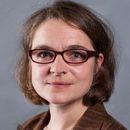
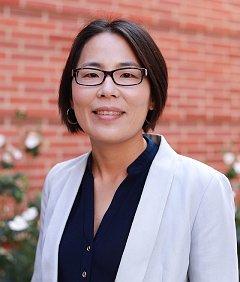
Prof. Dr. Kathleen Stürmer is a faculty member at the University of Tübingen, affiliated with the Tübingen School of Education (TüSE) and the Hector Institute for Empirical Educational Research . As Deputy Director of TüSE for Internationalization since 2021, she leads initiatives to enhance global collaboration in teacher education. Research Focus: Teacher professional vision, simulation-based learning environments, diagnostic competence development, and technology integration in classrooms. Methodologies: Eye-tracking studies, meta-analytic reviews, and longitudinal analyses of teacher training efficacy. Key Projects: Observer (video-based diagnostic tool), Di-MaL (simulation framework for pedagogical diagnostics), and quality initiatives in digital distance teaching during the pandemic. Her recent publications highlight trends in educational technology (AI, tablets), teacher cognition (professional vision, attention processes), and structural innovations in teacher education programs. She actively develops standardized instruments for measuring pedagogical expertise and explores the impact of individual and contextual factors on instructional quality. Labs & Teams: She collaborates with the Hector Institute for Empirical Educational Research and leads internationalization efforts at TüSE, focusing on interdisciplinary frameworks for diagnostic competence across professions like teaching and medicine.
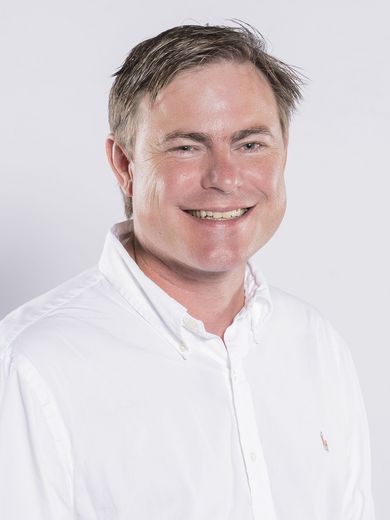
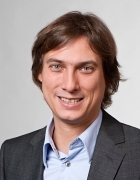
Dr. Andreas Brämer serves as the Rektor (President) of the Heidelberg University of Jewish Studies, a leading institution dedicated to the academic study of Jewish history, religion, and culture. His extensive career spans multiple prestigious academic institutions including the Institute for the History of German Jews (IGdJ) where he served as deputy director since 2005 and acting director during 2011/12 and 2020/21. Brämer has established himself as a prominent scholar in German-Jewish studies with particular expertise in 19th century Jewish history and religious developments. Brämer's academic journey began with studies at the Heidelberg University of Jewish Studies and the Hebrew University of Jerusalem. He earned his doctorate from the Free University of Berlin with a dissertation on Rabbi Zacharias Frankel, a pivotal figure in 19th century Jewish religious thought. In 2004, he completed his habilitation at the University of Hamburg, qualifying him as Privatdozent (roughly equivalent to Associate Professor) in History. Brämer's research primarily focuses on "Jewish history from within," examining religious developments, rabbinic leadership, and Jewish historiography. His scholarly work reveals several interconnected trajectories: the evolution of German-Jewish religious communities in the 19th century, the professionalization of Jewish religious teachers and rabbis, and the complex relationship between Jewish identity and German citizenship. His publications demonstrate particular expertise in the Hamburg Jewish community, rabbinic biographies, and the intellectual history of Jewish religious movements. His extensive publication record, spanning from 1994 to present, shows consistent scholarly productivity with increasing focus on edited volumes and collaborative projects in recent years. While maintaining his core interest in 19th century German-Jewish religious history, his work has expanded to include contemporary issues such as ritual slaughter controversies in post-WWII Germany and the preservation of Jewish cultural heritage sites. Brämer actively contributes to the academic community through leadership roles including membership on the board of the Academic Working Group of the Leo Baeck Institute and chairmanship of the Society for the Study of Jewish History. He also serves on the Advisory Board of the Leo Baeck Institute Yearbook, influencing the direction of German-Jewish historical scholarship. As Rektor of the Heidelberg University of Jewish Studies, Brämer oversees academic programs and research initiatives while maintaining his own scholarly output. His leadership comes at a critical time for Jewish studies in Germany, as the field continues to evolve following decades of post-Holocaust reconstruction of Jewish academic life in the country.
Sarah Jadwiga Jahn is a Lecturer in Ethics, Intercultural Competence and Professional Role Reflection at the Police University of North Rhine-Westphalia (HSPV NRW), where she has been employed since October 2018. She serves as Spokesperson for the Institute for History and Ethics of Police and Public Administration (IGE) since 2022 and is Deputy Chair of the Senate Commission for Continuing Education, University Didactics and Media since 2024. Dr. Jahn earned her Magistra Artium in Religious Studies, Sociology and Philosophy from Universität Leipzig in 2009 and completed her doctoral dissertation on religious freedom in the German penal system in 2015. Her academic journey includes research positions at Ruhr-Universität Bochum and Westfälische Wilhelms-Universität Münster. Dr. Jahn's research focuses on religious diversity, antisemitism, police education, and religious freedom in correctional facilities. Her work examines the intersection of religion, law, and public administration, with particular attention to how religious minorities navigate institutional settings like prisons and police forces. She has developed numerous educational programs addressing cultural and religious diversity in public service. Her recent publications demonstrate a strong focus on antisemitism in police education and practice, examining police officers' perceptions of Jewish life and developing training approaches to address knowledge gaps. Her work also explores religious diversity in prisons, analyzing how religious freedom is implemented in correctional settings and addressing challenges related to Islamic chaplaincy services. Dr. Jahn leads several significant research projects including the BMBF-funded EMPATHIA³ project (2021-2025) on empowering police officers to address antisemitism, and the DFG Network on religious minorities and majorities in plural societies (2019-2023). EMPATHIA³ - EMpowering Police Officers and TeacHers in Arguing Against Antisemitism (2021-2025) DFG Network: Constellations of religious minorities and majorities in plural societies (2019-2023) Implementation of the Istanbul Convention in the city of Gelsenkirchen (2021-2023) Development of educational offerings on religious diversity for public administration Dr. Jahn has established herself as a leading expert in religious diversity within police education and correctional facilities, bridging academic research with practical applications in public service training and policy development.
Marc David Ludwig serves as a Lecturer at Alice Salomon University of Applied Sciences Berlin (ASH Berlin), teaching across multiple modules in the Bachelor's program in Social Work. His primary teaching responsibilities include Theories and Methods of Social Work (with focus on Action Methods), Propaedeutics, History and Theory of Social Work , and specialized courses on open child and youth work. He has held teaching assignments continuously from 2022 through 2025 across various semesters. Ludwig's research interests center on community work, youth participation, and socio-spatial contextualization of social services. His work emphasizes participatory approaches to social research, with particular attention to qualitative methods including grounded theory, ethnography, and mixed methods. He investigates social change impacts on young people and families, organization of citizen-led processes in marginalized communities, and cross-departmental integrated action in district development. His recent publications reflect these interests, with articles on crisis discourse, research-practice connections, and civic engagement. An upcoming anthology volume titled Social Work as a Place of Political Education (2025) demonstrates his ongoing scholarly contributions. Ludwig actively supervises numerous Bachelor's and Master's theses on topics ranging from youth participation to social inclusion challenges. Ludwig maintains significant professional engagement through memberships in multiple organizations including the German Professional Association for Social Work (DBSH), where he served on the Executive Board (2021-2024) and held editorial responsibility for FORUM sozial . He also serves on the Board of BAG Social Urban Development and Community Work and participates in working groups focused on doctoral funding and youth engagement.
Martin Schmidt is a Full Professor (W3) for Nonlinear Optimization at the Department of Mathematics, Trier University, since 2019. He has held leadership roles in research training groups and international committees, focusing on mathematical modeling and optimization of energy systems, gas networks, and market equilibria. His work bridges mixed-integer nonlinear optimization , bilevel optimization , and robust methods with applications to real-world energy challenges. Education: PhD in Mathematics (2013), Diplom in Mathematics (2008), both from Leibniz University Hannover. Editorial Roles: Editorial Board member of Journal of Optimization Theory and Applications and Optimization Letters , Associate Editor for OR Spectrum and EURO Journal on Computational Optimization . His research integrates complex physical systems (e.g., gas transmission networks) with game-theoretic models to analyze energy markets. Recent publications emphasize robust optimization , decomposition techniques , and machine learning integration in bilevel frameworks. Awards highlight his contributions to gas market feasibility , linear bilevel optimization , and practical applications in energy systems. Collaborations span institutions like Universidad Zaragoza, Sapienza University, and Forschungszentrum Jülich.
Prof. Dr. Sven-Erik Behrens serves as a Professor in the Department of Microbial Biotechnology at the Faculty of Natural Sciences I of Martin Luther University Halle-Wittenberg. He is affiliated with the Protein Research Center 'Charles Tanford' and maintains an active research program focused on RNA biology, molecular virology, and biotechnological applications. His primary research interests encompass RNA-based plant protection strategies, viral replication mechanisms (particularly for flaviviruses and plant viruses), and innovative vaccine development using Kluyveromyces lactis yeast expression systems. Behrens' work investigates fundamental RNA-protein interactions, RNA chaperone activities, and the molecular basis of antiviral defense mechanisms in plants. His laboratory explores how RNA accessibility influences viral replication and how this knowledge can be harnessed for developing novel RNA-based antiviral strategies. Analysis of his recent publications (2021-2025) reveals a clear research trajectory focused on identifying accessible RNA sites for targeted antiviral applications, optimizing yeast-based vaccine platforms for both plant and animal pathogens, and investigating the role of non-coding RNAs in plant development and stress responses. His work spans multiple disciplines including plant virology, medical virology, and microbial biotechnology, demonstrating translational research from basic molecular mechanisms to practical applications. Prof. Behrens leads research in the Department of Microbial Biotechnology, collaborating with various groups working on plant-pathogen interactions and vaccine development. His laboratory employs advanced techniques including RNA structure probing, fluorescence-based assays for RNA chaperone activity, and plant in vitro systems for studying viral replication. The research demonstrates significant potential for developing novel approaches to combat viral diseases in both agricultural and medical contexts.
Melanie Gruß is a Research Fellow at the Institute for Theatre Studies at Leipzig University, where she has been employed since March 2018. She also works with the NFDI4Culture consortium of the DFG-funded National Research Data Infrastructure since January 2021. In addition to her university position, she voluntarily supports various projects of the Tanzarchiv Leipzig e.V., demonstrating her deep commitment to dance heritage preservation. Dr. Gruß received her doctorate in 2015 from Leipzig University with a dissertation entitled "Synesthesia as Discourse. A Figure of Longing and Thought between Art, Media, and Science," which was supported by a scholarship from the Free State of Saxony and awarded the distinction "opus eximium." Her academic journey began with studies in theater studies, psychology, and general and comparative literature at Leipzig University and Université Paris X (Nanterre) through an Erasmus exchange program. Her research spans dance and dance research in the GDR, research data management in dance and theatre studies, the institutionalization of the independent scene in Germany since the 1990s, and inclusion in dance and theatre projects. Her work consistently explores the interfaces between movement cultures and knowledge systems, as well as the connections between arts, media, and sciences. Current research projects include "Cultural Heritage Dance in the GDR" and work with the NFDI4Culture consortium on dance and theatre studies research data between collection and research. Dr. Gruß has taught numerous courses at Leipzig University covering topics from digital dance platforms and folk dance documentation in the GDR to inclusive dance practices and Bauhaus media experiments. Her teaching connects historical dance practices with contemporary issues in dance documentation and theory, often incorporating hands-on experience with the "Tanz digital" online platform. Dance and cultural history of the GDR Research data management in performing arts Inclusive dance practices Historical dance documentation methods Interdisciplinary approaches to movement studies Through her work with the Tanzarchiv Leipzig and various research projects, she contributes significantly to the preservation and analysis of dance heritage, particularly from the East German context, while advancing contemporary approaches to dance research data infrastructure.
Taiga Brahm is a Professor at the University of Tübingen , holding the Chair of Economic Education and Business Didactics since 2016. She serves as Dean of the Faculty of Business, Economics and Social Sciences (since September 2024) and has held prior administrative roles including Dean of Studies (2019-2024). Education: Business Education studies at Johannes Gutenberg University Mainz and Ghent University Doctorate (2006-2010) at the University of St. Gallen Research assistant at University of Kaiserslautern Research Focus: Learner competency development during school-to-university transitions Promoting interdisciplinary competencies in business education (financial literacy, entrepreneurial skills) Gender gap analysis in economic literacy Design of digital learning environments and instructional videos Teacher professionalism and bilingual education frameworks Technology integration in higher education Publication Trends: Her recent work examines gender disparities in economic literacy, digital media’s role in education, teacher development for instructional video creation, and factors supporting student engagement in higher education. She collaborates extensively on interdisciplinary projects analyzing learning environments. Current Affiliation: Leads the Economics Business Didactics team and contributes to faculty governance in both the Faculty of Business and Economics and broader Faculty of Economics and Social Sciences.
Thomas Klefoth serves as Professor of Ecology and Nature Conservation and Fisheries Biologist at Bremen University of Applied Sciences, where he heads the ISTAB program (Institute for Sustainability and Environmental Management in Bremen). His expertise spans freshwater ecosystems, particularly gravel pit lakes, integrating fisheries science with biodiversity conservation and recreational angling management. His research focuses on ecological dynamics in small lake systems, examining angler behavior, habitat management, and species conservation. Key interests include ontogenetic niche shifts in fish, crayfish population viability, telemetry-based movement ecology, and socio-ecological aspects of environmental stewardship. His work consistently bridges empirical lake studies with stakeholder engagement to develop sustainable water management practices. Analysis of his recent publications reveals a strong interdisciplinary trend combining biotelemetry, experimental ecology, and social science methodologies. His research demonstrates how ecosystem-based approaches outperform single-species management, particularly in recreational fisheries contexts, while addressing contamination impacts and biodiversity-service trade-offs in human-dominated aquatic landscapes. Professor Klefoth leads multiple externally funded projects through 2028, including initiatives on sustainable water management by fishing clubs, campus greening, municipal biodiversity strategies, and organofluorochemical contamination. His advisory roles include service on the Lower Saxony Animal Welfare Advisory Board (2012-2020), Hameln Fishing Cooperative (as 2nd Deputy Chairman, 2015-2020), and Dümmer Advisory Board (2012-2015), demonstrating active integration of research with policy implementation.
Jerg Gutmann is a Junior Professor for Behavioral Law and Economics at the University of Hamburg, focusing on interdisciplinary research at the intersection of law, economics, and political science. His work spans constitutional compliance, migration studies, judicial independence, and the economic impacts of international sanctions. Affiliation: University of Hamburg Research Focus: Law & Economics, Political Science Projects: Principal Investigator for DFG-funded constitutional economics research; Affiliated Researcher with POLMIG Advisory Roles: Member of UNODC corruption measurement task force; Advisory Board for EU-PHILIPPINE ASEP energy program Research Trends: Analysis of constitutional compliance mechanisms, migration economics, sanctions efficacy, and judicial independence dynamics through empirical and behavioral frameworks. Grants & Memberships: Funded by German Research Foundation (DFG #525707184) for constitutional social contract research; active in international policy advisory capacities.
Dr. Yun Qian is a distinguished Earth Scientist and Lab Fellow at Pacific Northwest National Laboratory (PNNL), where he leads the Earth System Modeling Group with over 80 scientists and staff within the Atmospheric, Climate, and Earth Sciences (ACES) Division. He joined PNNL in 2000 and has established himself as a renowned expert in climate modeling, particularly in regional climate systems, aerosol-climate interactions, and urban climate effects. Dr. Qian is also an AMS Fellow with significant contributions to understanding human influences on the Earth system. Dr. Qian received his academic training in China: Ph.D. in Atmospheric Science from Nanjing University, Nanjing, China B.S. in Atmospheric Science from Nanjing University, Nanjing, China Dr. Qian's research focuses on advancing our understanding of climate systems through sophisticated modeling approaches. His work spans regional and global climate modeling, aerosol-climate interactions, snow and glacier impurities and their climatic impacts, land-atmosphere-water interactions, urban and coastal environment modeling, and uncertainty quantification in climate modeling. His pioneering work on Asian aerosols revealed their dominant role in shaping climatic trends in East Asia, while his research on snow and ice impurities provided new insights into changes in snowpacks in the western United States and the Himalayas. Dr. Qian has also made significant contributions to understanding how atmosphere-land-water interactions modulate the influence of human activities on the environment. Analysis of Dr. Qian's recent publications shows a strong focus on urban climate effects, regional climate modeling, and the impacts of human activities on climate systems. His work increasingly incorporates advanced computational methods including machine learning for weather pattern identification. There's a clear trend toward studying the interactions between urban environments and climate systems, with particular attention to heat stress, precipitation patterns, and regional warming effects. His research also shows growing interest in extreme weather events and their changing patterns under climate change scenarios. Dr. Qian has received numerous prestigious awards and recognitions: Fellow of American Meteorological Society Chair of AMS Coastal Environment Committee Program Chair for Annual AMS Coastal Environment Symposium Editor of JGR-Atmospheres, Atmospheric Chemistry and Physics, and Advances in Atmospheric Sciences Director of international workshop on Uncertainty Quantification in Climate Modeling and Projection Member of Scientific Steering Committee for IPCC CMIP6 Global Monsoons Modeling Inter-comparison Project NSR 2020 Best Paper AAS Esteemed Review Paper Award PNNL Exceptional Contribution Program Award PNNL EBSD Mentor of the Year Editors' Citation for Excellence in Refereeing at AGU (2015, 2019) Contributing Author of IPCC Assessment Report Fellowship Award of International Council for Science (ICSU), 1997 Xue-Du-Feng-Zheng Award in Chinese Academy of Sciences, 1998 With over 200 peer-reviewed articles and 20,000 citations (h-index of 74), Dr. Qian has made substantial contributions to climate science. His work has garnered significant media attention, with features in top-tier scientific publications like Nature and Science, as well as major news outlets including the Associated Press, New York Times, Washington Post, BBC, NBC, and NPR. He has served as chair of the AMS Coastal Environment Committee, Program Chair for the Annual AMS Coastal Environment Symposium, and as a member of the Scientific Steering Committee for the IPCC CMIP6 Global Monsoons Modeling Inter-comparison Project. Dr. Qian has also directed international workshops on uncertainty quantification in climate modeling and served as an editor for three prestigious journals. Dr. Qian leads the Earth System Modeling Group at PNNL, which comprises over 80 scientists and staff. His team focuses on developing and applying atmospheric and land surface models to advance understanding of human influence on the Earth system. The group's work spans regional climate modeling, aerosol-climate interactions, snow and glacier impurities, land-atmosphere-water interactions, urban and coastal environment modeling, and uncertainty quantification. Their research has significant implications for understanding climate change impacts and developing adaptation strategies.
Rainer Bauböck is a political theorist and part-time Professor in the Global Governance Program of the Robert Schuman Center for Advanced Studies at the European University Institute. He serves as a corresponding member of the Austrian Academy of Sciences and Chairman of the Commission for Migration and Integration Studies. Bauböck previously held the chair in social and political theory at the Department of Political and Social Sciences of EUI from 2007 to 2018 and served as Dean of Graduate Studies at EUI from 2012 to 2016. His research spans several interconnected fields: Normative political theory Democratic citizenship European integration Migration and integration policies Nationalism and minority rights Diversity and democracy Bauböck has made significant theoretical contributions to understanding the relationship between diversity and democracy, arguing that diversity is not a threat to democratic systems but rather a fundamental condition that necessitates democratic processes. He challenges the notion that homogeneity is required for successful democracy, instead positing that democratic procedures emerge precisely because people have different interests, identities, and ideas that need reconciliation through legitimate collective decision-making. His recent scholarly work focuses on citizenship laws, migration policies, and democratic inclusion frameworks. Bauböck co-directs GLOBALCIT, an online observatory on citizenship and voting rights, with colleagues from various European institutions. Bauböck's scholarly contributions have been recognized with prestigious awards: Latsis Prize of the European Science Foundation (2006) for work on immigration and social cohesion Corresponding member of the Austrian Academy of Sciences (2013) Throughout his career, Bauböck has held visiting positions at Yale University, Princeton University, Central European University, and University of Edinburgh. He has been instrumental in advancing citizenship and migration studies through both theoretical contributions and practical policy analysis, particularly through his advocacy against essentializing group identities in diversity research.
Miryung Kim is a Professor and Vice Chair of Graduate Studies in UCLA's Computer Science Department, where she directs the Software Engineering and Analysis Laboratory. She is renowned for her pioneering work in software evolution, code clone management, and establishing the emerging field of Software Engineering for Data Intensive Computing (SE4DA and SE4ML). Her research focuses on automated testing and debugging for Apache Spark, developer tools for heterogeneous computing, and conducting systematic studies of refactoring practices in industry. She led the first large-scale study of data scientists in industry and developed JDebloat, a Java bytecode debloating tool that made significant tech transfer impact to the Navy. Her recent publications demonstrate strong trends in fuzz testing for big data analytics and heterogeneous computing, with a focus on natural input generation, co-dependence awareness, and leveraging hardware probes for acceleration. Her work bridges software engineering with data-intensive and heterogeneous computing paradigms. ACM SIGSOFT Influential Educator Award (2022) ICSME Most Influential Paper Award (2023 and 2020) NSF CAREER award Google Faculty Research Award Okawa Foundation Research Award Humboldt Fellow ACM Distinguished Member As an academic advisor, she has produced eight tenure-track faculty members at institutions including Columbia, Purdue, and Virginia Tech. Her research has been supported by National Science Foundation, Air Force Research Laboratory, Google, IBM, Intel, Okawa Foundation, Samsung, and Office of Naval Research. She previously served as Program Co-Chair of ESEC/FSE 2022 and has delivered keynotes at ASE 2019 and ISSTA 2022. She maintains active industry collaborations, serving as an Amazon Scholar at Amazon Web Services and having spent time as a visiting researcher at Microsoft Research.
Professor Friedrich Simmel (*1970) holds the Chair of Physics of Synthetic Biosystems at the Technical University of Munich (TUM) within the TUM School of Natural Sciences, Department of Bioscience. His research laboratory is located at Am Coulombwall 4a in Garching near Munich, where he leads a vibrant research group focused on the physics of synthetic biological systems. Professor Simmel's research interests center on bionanotechnology, particularly artificial molecular machines and nanostructures made from DNA molecules, as well as the design of artificial biochemical control circuits. His work bridges physics, chemistry, and biology to create novel synthetic biosystems with programmable functions. Key research areas include DNA origami, DNA nanotechnology, synthetic gene circuits, and biomimetic systems. His recent publications demonstrate a strong trend toward increasingly complex DNA-based nanodevices with applications in biosensing, nanomedicine, and synthetic biology. The research shows progression from fundamental DNA nanostructure design to functional systems with practical applications in diagnostics and biocomputation. His group has pioneered approaches for creating DNA-based nanorobots, synthetic membrane channels, and programmable biochemical oscillators. ERC Advanced Grant (2015) Human frontier science program (HFSP) young investigator award (2006) Emmy Noether Young Researcher of the German Research Foundation (2002) acatech - the German Academy of Science and Engineering (2013) Professor Simmel actively mentors numerous students and junior researchers, as evidenced by the many co-instructors listed on his practical courses. His research has been supported by prestigious grants including the ERC Advanced Grant. His laboratory maintains strong collaborations across disciplines, working with researchers in microfluidics, synthetic biology, and biomedical engineering. The group operates within TUM's advanced infrastructure for biophysics and nanotechnology, including facilities for electron microscopy, NMR spectroscopy, and X-ray crystallography.
Professor Axel Roers serves at Heidelberg University's Faculty of Medicine within the Institute of Immunology at Heidelberg University Hospital. His research program focuses on mast cell biology and immune regulation, particularly examining how these cells monitor blood flow and protect against pathogens and toxins. Dr. Roers' research interests center on immunological mechanisms in skin tissue, with particular expertise in interleukin-10 regulation, mast cell functions in inflammatory processes, and NF-kappaB-dependent proinflammatory responses. His work bridges fundamental immunological research with clinical applications, especially in understanding autoimmune conditions and skin barrier function. His current research portfolio demonstrates strong activity across multiple funding mechanisms including Research Groups, Transregional Collaborative Research Centers, and Clinical Research Groups. Notably, he serves as speaker for FOR 2599: Tissue type 2 responses: Mechanisms of induction and regulation, indicating leadership in this specialized field. Dr. Roers has secured substantial research infrastructure through completed projects including a cell analysis and high-speed cell sorting system and a 2-photon laser scanning microscope for intravital applications, demonstrating his commitment to advanced methodological approaches in immunological research. His collaborative approach is evident through numerous sub-project management roles in Transregios and Collaborative Research Centers, focusing on molecular dynamics of nucleic acid-driven immune responses, immune cell interactions in barrier-defective skin, and cellular plasticity in myeloid malignancies.