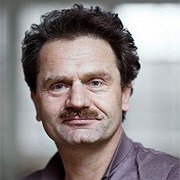
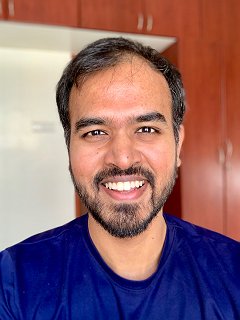
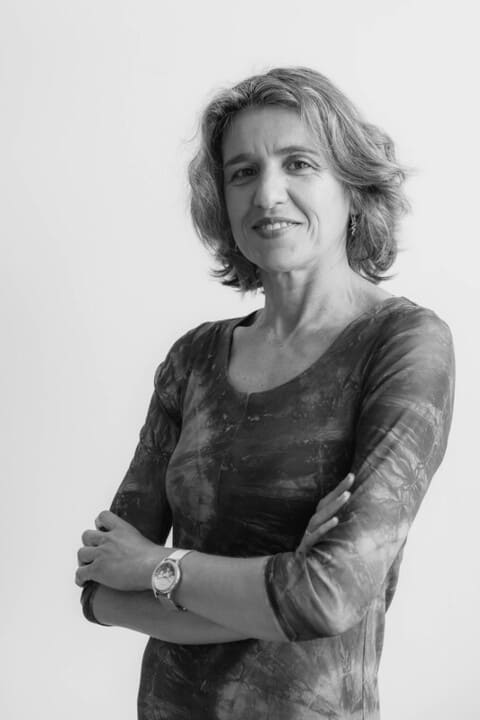
Dr. Pedro Antonio Palmer Rodríguez serves as Senior Lecturer in the Department of Informatics Engineering at the University of the Balearic Islands' School of Mathematics and Computer Science. With continuous service since 1993, he teaches core theoretical and practical computer science subjects across multiple campuses including Majorca, Ibiza, and Minorca. His research focuses on multimedia technologies with specializations in: Image synthesis and deformable object representation Mobile and television application development Social media content analysis systems Algorithmic language implementations As an active member of both the Multimedia Information Technology (TIM) and Computational Biology and Bioinformatics (BIOCOM) research groups, he bridges theoretical computer science with practical multimedia applications. His current teaching portfolio emphasizes compilers, theory of computation, and final degree projects across various Informatics Engineering programs. Dr. Palmer Rodríguez maintains regular office hours in Anselm Turmeda building (Room 142) and supervises student research through the university's Informatics Engineering programs. His academic journey includes completing both undergraduate and doctoral studies at UIB, with his PhD awarded in 2014 after two decades of teaching experience.
Fritz Henglein is a Professor at the Department of Computer Science, University of Copenhagen (DIKU), with affiliations also at Deon Digital. His career spans over three decades, with notable roles including Head of the Algorithms and Programming Languages (TOPPS) research group and Director of the HIPERFIT research center. Research interests include Programming languages and type systems Functional programming and DSLs High-performance computing Contracts and distributed ledger technology Algorithmic logic and formal semantics His work often bridges theoretical rigor with practical applications, particularly in financial information technology and compiler design. Collaborations include leadership in conferences like POPL, ICFP, and PEPM, with a focus on mentoring through academic events and community-building initiatives.
KC Sivaramakrishnan serves as an Adjunct Professor at the Indian Institute of Technology, Madras and CTO of Tarides, bridging academic research and industrial application in programming languages and systems. His dual roles reflect a commitment to advancing both theoretical foundations and practical implementations in computer science. His research spans Functional Programming, Language Runtimes, Concurrency/Parallelism/Distribution, and Weak Memory/Consistency models, with particular focus on the OCaml programming language. Sivaramakrishnan's work addresses fundamental challenges in concurrent and distributed systems through innovative language design and runtime techniques. Analysis of his publication record reveals a consistent trajectory from foundational work on effect handlers and concurrency models (2015-2020) to more recent contributions in verified systems, multicore programming, and distributed data types (2021-2025). His research demonstrates strong continuity in exploring how programming language principles can solve real-world systems challenges. Sivaramakrishnan actively contributes to the academic community through program committee memberships across major PL conferences including POPL, PLDI, ICFP, and SPLASH. His service spans multiple roles from committee member to track chair and diversity co-chair. As CTO of Tarides, he leads industrial efforts in OCaml compiler development and systems programming, maintaining a productive synergy between his academic research and industry leadership. His work with the OCaml community includes significant contributions to multicore support and effect handler implementations.
Tej Chajed is an Assistant Professor in the Department of Computer Science at the University of Wisconsin-Madison. His research focuses on formal verification of systems software, particularly addressing concurrency and crash safety in file systems and distributed protocols.
Erola Palau serves as a Lecturer in the Department of Operations, Technology and Science at Pompeu Fabra University's Barcelona School of Management (UPF-BSM). She holds a Bachelor’s Degree in International Business and Languages from the University of Rotterdam, a Master’s Degree in Management and Business Analytics from UPF-BSM, and is currently a Doctorand (PhD candidate) in Economics and Business at the University of Girona (UdG), bringing international professional experience from six countries to her academic role. Her research centers on corporate application of Sustainable Development Goals (SDGs) to address businesses' social, economic, and environmental impacts, with dedicated focus on promoting gender equality within organizational structures. This work bridges sustainability management systems, corporate social responsibility frameworks, and business analytics methodologies to drive measurable private-sector change. Palau teaches the core course Sustainability Management Systems in the Master of Science in Sustainability Management program—a 3-ECTS compulsory course delivered in English that equips students to implement integrated management systems combining quality control, environmental efficiency, and occupational safety standards within corporate environments.
Claudia L. Gandía is a Professor at the Faculty of Languages and Education at Antonio de Nebrija University, where she teaches in the Master's Degree in ICT for Education and Digital Learning and serves as Academic Coordinator of the Master's Thesis program. She is affiliated with the Department of Didactics and School Organization and leads the CE-Ed Nebrija Research Group on Quality and Equity in Education. Previously, she was a professor and researcher at the National University of Villa María (Argentina) from 2000-2019 and was associated with the CEDI Nebrija Research Group on Cognition, Education and Individual Differences. Education Background: PhD cum laude in New Languages of Communication from University of La Laguna (2013), supervised by Dr. Carmen Rodríguez Wangüemert and Dr. Adrián Scribano. Thesis: "ICT, Gender and Scientific Research: Use and Perceptions of Women Researchers on Information and Communication Technologies" Degree in Psychology from National University of Córdoba (Argentina) Research Focus: Her work centers on social research methodologies with emphasis on expressive-creative approaches, ICT integration in education, sociology of bodies/emotions, and gender studies. She specializes in participatory action research, educational technology applications, and innovative qualitative methods. Her investigations frequently explore intersections between digital competencies, feminist epistemology, and transformative educational practices. Publication Trends: Recent articles (2017-2025) demonstrate strong thematic coherence across four domains: 1) Technology-enhanced learning (TPACK integration, digital tools efficacy), 2) Sociological examinations of gender in academic/sports contexts, 3) Participatory methodologies in community interventions, and 4) Innovative approaches to teaching research methodology. Her work consistently combines theoretical rigor with applied solutions in educational settings. Academic Leadership: Director of GESSYCO (Social Studies Group on Subjectivities and Conflict) Director/co-director of multiple research and knowledge transfer projects Editor and General Coordinator of Working Papers for CIES (Center for Sociological Research and Studies) External reviewer for Journal of Learning Styles Student Advising: Directs Master's theses in thematic areas including ICT applications in education, gender studies, digital competencies development, neuropsychology in education, and gamification strategies. Her supervisory work emphasizes participatory methodologies and critical digital pedagogy.
Miguel Angel Cepillo Galvin is a Professor at the University of Cádiz , specializing in Public International Law and International Relations . He is affiliated with the Institute for Sustainable Social Development (INDESS) and leads research within the SEJ572 Center for International and European Studies of the Strait Area . Education: PhD in International Law (2007) from the University of Cádiz His research focuses on: EU customs integration of Ceuta and Melilla Spain-Morocco cross-border cooperation Migrant integration through education Sustainable development in trade policy Gibraltar Strait maritime governance Recent publications highlight: Customs policy challenges in EU border territories Ethical dimensions of migration management SDG implementation through academic service-learning SPG trade preferences and sustainable development His work spans both theoretical analysis and practical policy evaluation within European and Mediterranean contexts.
Alejandra Hernández Ruiz is a Senior Lecturer in the Department of Communication and Social Psychology at the University of Alicante. She specializes in gender studies, advertising ethics, and digital communication, with over 15 years of experience in teaching and research. Her leadership roles include directing the University Institute of Gender Studies Research (IUIEG) and serving as director of the journal Feminismo/s . Senior Lecturer, University of Alicante (since 2002) Director, University Institute of Gender Studies Research (2023-present) Director, Feminismo/s journal (2023-present) Member, Gender Research Group (IG) and COSOCO research group Her research focuses on gender representation in advertising , professional ethics , and digital communication . She leads projects analyzing gender competencies in university advertising programs and gender inequalities in the advertising sector. Her recent work examines social media's role in perpetuating or challenging gender stereotypes. Significant scientific awards include the José Castillejo postdoctoral fellowship and visiting lecturer roles at Italian universities. She has led multiple competitive research projects funded by MICINN and GVA, and has been actively involved in teaching innovation networks and editorial leadership in gender studies.
Jorge Soto Almela serves as an Associate Professor in the Department of English Philology at the University of Alicante, where he is affiliated with the Interuniversity Institute of Applied Modern Languages and the Digital Language Learning (DL2) research group. Previously, he held teaching positions at the Catholic University of Murcia (2012-2019) and the Technical University of Madrid (2019-2021), with ongoing collaborations at the University of Milan. His academic credentials include a PhD in Translation and Interpreting (University of Murcia, 2014), a Master's in Editorial Translation (2011), a Licentiate in Translation and Interpreting (English) (2009), and a Master's in Secondary Education Teacher Training (Universidad Católica San Antonio, 2014). Professor Soto Almela's research integrates applied linguistics, translation studies, and corpus-based discourse analysis to investigate tourism promotion strategies, refugee representation in media, and transcreation phenomena. His work frequently employs Spanish-English contrastive methodologies to examine linguistic creativity in digital contexts, semantic preferences in migration discourse, and data-driven language pedagogy applications. Recent publications demonstrate a clear trajectory toward analyzing multimodal digital discourse (Instagram, Twitter) in tourism marketing and refugee narratives, while simultaneously advancing corpus-assisted language teaching frameworks like LEX-DDL for specialized domains such as health sciences communication. As an active educator across undergraduate and postgraduate programs, he has developed innovative curricula in English linguistics, translation, and bilingualism, though specific advisee details remain unlisted in available sources. His research is supported through institutional frameworks including the DL2 group and Interuniversity Institute of Applied Modern Languages, where he contributes to language technology and cross-cultural communication initiatives.
Jose Apesteguia is an ICREA Research Professor at Universitat Pompeu Fabra, affiliated with the Department of Economics and Business. He received his PhD in Economics from the Public University of Navarra in 2001, followed by postdoctoral work at the University of Bonn and a Ramón y Cajal fellowship at UPF. His research integrates behavioral economics, decision theory, and political economy, with a focus on modeling human choice anomalies and stochastic behavior. Apesteguia's work spans: Behavioral adaptations in economic decisions Random utility models for heterogeneous preferences Language-driven moral cognition in cross-cultural contexts His publications emphasize quantitative rigor, employing field experiments and theoretical frameworks to dissect irrationality in human behavior. Honors include the competitive Ramón y Cajal Fellowship and the prestigious ICREA Research Professorship . He teaches courses like 'Bounded Rationality in Choice' (PhD) and 'Behavioral Decision Theory' (BSc), and mentors students through CREi-Fundacio Catalunya La Pedrera's economics outreach program.
Maríana Relinque Barranca is a full-time Lecturer in Translation at the Department of Philology and Translation, Pablo de Olavide University in Seville, Spain, where she has worked since 2010. She is also a sworn translator and interpreter of English since 1999, bringing extensive professional translation experience to her academic role. Her work bridges theoretical translation studies with practical applications in real-world contexts. Dr. Relinque Barranca earned her Licentiate degree in Translation and Interpreting from the University of Granada, followed by a Master's degree in International Communication, Translation and Interpreting from Pablo de Olavide University. She completed her PhD at Pablo de Olavide University in 2016 with a thesis titled "The Sentence as an Object of English-Spanish Translation: A Study Based on Corpus of Intellectual and Industrial Property Sentences in the United States and Spain," supervised by Dr. Elisa Calvo. Her primary research focuses on intercultural communication processes, with particular emphasis on legal translation and tourism translation. Dr. Relinque Barranca investigates how language barriers affect communication in specialized contexts, especially within legal frameworks and tourism settings. Her work examines the challenges faced by translators and interpreters working with asylum seekers and refugees, analyzing the gap between professional practice and academic training in interpreter education. She also studies the application of legal language simplification recommendations by judges in both the United States and Spain, contributing to the plain language movement in legal contexts. Her research consistently demonstrates a commitment to improving translation quality through practical applications of theoretical frameworks. Analysis of Dr. Relinque Barranca's recent publications reveals a strong focus on translation in migration contexts, particularly legal document translation for asylum seekers and refugees across multiple languages (Spanish, English, and Russian). Her work spans theoretical and practical aspects of translation studies, with significant contributions to tourism translation through her analysis of Seville's tourist signage. She has developed frameworks for translation problem analysis and implemented these in legal translation training, demonstrating her commitment to bridging academic research with professional practice. Her publications show a consistent trajectory from theoretical foundations to practical applications in real-world translation scenarios. Dr. Relinque Barranca has been actively involved in research throughout her career. From 2010 to 2017, she was a member of the research group "Estudios interculturales (inglés-español): Aspectos pragmáticos y discursivos" at Pablo de Olavide University. Currently, she is one of the founding researchers of the INTERGLOSSIA research group (HUM-996) at the same institution, which focuses on "Interglossia: Intercultural Communication Processes." Her professional translation work since 2002, combined with her academic career since 2009, demonstrates her dual commitment to both the theory and practice of translation. She has also served as a translation and legal Spanish professor at CIEE since 2009, contributing to international educational exchange.
Francisco José Lorenzo Bergillos is a Professor at Universidad Pablo de Olavide in the Department of Philology and Translation . His research focuses on Bilingual Education , Content and Language Integrated Learning (CLIL) , and Language Policy , with significant work on Second Language Acquisition and Historical Literacy . He has published extensively on bilingual program implementation in monolingual regions, particularly in Andalusia, Spain. His scholarly work examines the interdependence of language and content in CLIL, disciplinary literacies across Europe, and the role of connectives in L2 academic writing . Using computational tools like Coh-Metrix, he has tracked longitudinal language development in bilingual history education. His research also addresses equity in bilingual systems and policy adaptation to regional contexts. Key trends in his publications include empirical validation of CLIL effectiveness, analysis of cognitive academic language proficiency (CALP) , and critiques of one-size-fits-all educational models . He emphasizes the need for complex research frameworks in bilingual studies and has contributed to debates on language integration strategies in non-traditional contexts.
Natalia Ojeda Del Pozo is a Professor in the Department of Psychology within the Faculty of Health Sciences at the University of Deusto. With an extensive publication record spanning over two decades, her research has significantly contributed to understanding cognitive aspects of neurological and psychiatric conditions, particularly through neuropsychological assessment and rehabilitation approaches. Her educational background, while not explicitly detailed in the provided text, can be inferred from her extensive research output to include advanced training in psychology, neuropsychology, and clinical neuroscience. Her work demonstrates deep expertise in both theoretical and applied aspects of cognitive functioning across various patient populations. Dr. Ojeda Del Pozo's primary research interests focus on cognitive rehabilitation methodologies, particularly for Parkinson's disease and schizophrenia. Her work examines brain connectivity patterns, the effects of transcranial stimulation techniques on cognitive functions, and developmental outcomes in preterm-born individuals. She has made significant contributions to understanding the relationship between brain structure and cognitive performance across different clinical populations. Her research often employs multimodal approaches combining neuropsychological assessment with neuroimaging techniques to elucidate the neural mechanisms underlying cognitive processes. Analysis of her recent publications (2022-2025) reveals a continued focus on Parkinson's disease research, particularly examining sex differences, fatigue mechanisms, and structural brain changes. She has also maintained strong research lines in preterm birth outcomes, transcranial stimulation effects on creativity and language, and cognitive rehabilitation methodologies. Her work demonstrates increasing interdisciplinary collaboration, particularly with neurologists, neuroimaging specialists, and developmental psychologists. Extensive work on cognitive rehabilitation protocols including REHACOP and REHACOG programs Multiple publications on Parkinson's disease cognitive aspects Significant contributions to understanding preterm birth neuropsychological outcomes Research on transcranial stimulation techniques for cognitive enhancement Dr. Ojeda Del Pozo has supervised numerous doctoral theses and mentored early-career researchers, with students including Pilar Luna, Clara Isabel Gonzalez, and Rocío Del Pino. Her research has been supported through multiple projects examining cognitive rehabilitation efficacy, brain connectivity in neurological disorders, and developmental outcomes in at-risk populations. She has developed standardized cognitive assessment tools and rehabilitation protocols that have been implemented clinically. Her research group focuses on neuropsychological assessment and cognitive rehabilitation, with particular emphasis on developing evidence-based interventions for neurological and psychiatric conditions. Current projects include investigations into quality of life predictors for dependent older adults and their caregivers through the Begiraleak research project, as well as continued work on brain stimulation techniques for cognitive enhancement.
Aleksandar Nanevski is a Research Professor at the IMDEA Software Institute since 2009. He holds a Ph.D. in Computer Science from Carnegie Mellon University (2004), with postdoctoral positions at Harvard University and Microsoft Research, Cambridge. His research focuses on programming languages for formal verification, integrating programming with theorem proving via type theory. Key interests include verifying imperative programs with modern language features, concurrency, and pointer arithmetic. He leads projects like FCSL (Functional Concurrent Separation Logic) and RHTT (Relational Hoare Type Theory). Education: Ph.D., Computer Science, Carnegie Mellon University, 2004 M.S., Computer Science, Carnegie Mellon University B.S., Computer Science, University of Skopje, Macedonia, 1995 Research Interests: Design and implementation of programming languages for formal verification, dependent type systems, concurrency, and security. His work bridges programming methodology with interactive and automated theorem proving, emphasizing scalable verification of imperative programs. Professional Activities: Program chair for HOPE (2016-2017), PC member for OOPSLA, POPL, and ESOP. Invited keynotes at MFPS, ICTI, and VS-THEORY. Active in foundational research on separation logic and concurrent systems. Labs/Projects: FCFS (Functional Concurrent Separation Logic) and RHTT (Relational Hoare Type Theory), focusing on security-aware and concurrent program verification.
Alejandro Sánchez is a Post-doctoral Researcher at the IMDEA Software Institute in Madrid, Spain. His research focuses on formal methods, decision procedures, and the verification of parametrized concurrent systems and data structures. He holds a PhD in Computer Science from the Universidad Politécnica de Madrid (2015), a Master's in Programming and Software Technology from Universidad Complutense de Madrid (2011), and a Bachelor's in Computer Science from Universidad Nacional de Córdoba (2007). Education Background: PhD in Computer Science, Universidad Politécnica de Madrid (2012–2015) Master in Programming and Software Technology, Universidad Complutense de Madrid (2010–2011) Bachelor of Science in Computer Science, Universidad Nacional de Córdoba (2002–2007) Research Interests: His work emphasizes formal verification techniques for concurrent systems, including parametrized systems, dynamic memory analysis, and specialized decision procedures. Key areas include temporal logics, deductive reasoning, and the verification of complex data structures like skiplists and concurrent lists. He has developed tools like LEAP for parametrized verification and contributed decision procedures integrated with SMT solvers (Yices, Z3). Professional Contributions: He has published extensively on formal methods and concurrency, including work on invariant generation, parametrized verification diagrams, and skiplist theory. His research bridges theoretical foundations with practical tool development, addressing challenges in verifying safety and liveness properties in complex concurrent systems. Tool Development: LEAP, an interactive theorem prover he maintains, enables deductive verification of concurrent systems. He has also implemented decision procedures for pointer-based data structures, demonstrating practical applications of formal methods in real-world systems.