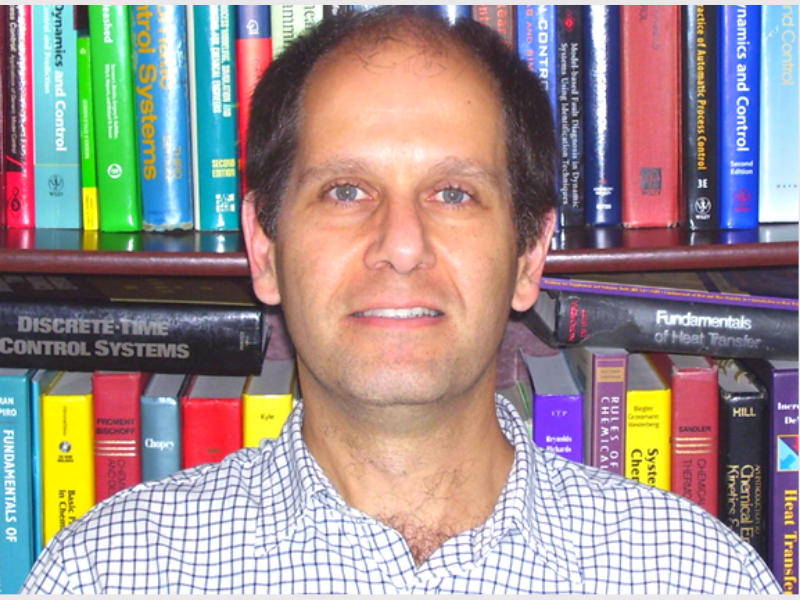
Joseph J. SarverView profile
Teaching Professor
Dr. Joseph J. Sarver serves as a Teaching Professor at Drexel University's School of Biomedical Engineering, Science & Health Systems since 2012, maintaining concurrent research affiliation with the University of Pennsylvania's McKay Orthopaedic Laboratory since 2001 where he progressed from post-doctoral fellow to Senior Research Investigator under Dr. Louis J. Soslowsky. His educational foundation includes: B.S. in Mechanical Engineering from Purdue University (1994) M.S. in Biomedical Engineering from Drexel University (1997) Ph.D. in Biomedical Engineering from Drexel University (2001) Postdoctoral training in Orthopaedic Surgery at the University of Pennsylvania (2003) Dr. Sarver's research program centers on orthopaedic biomechanics with emphasis on tendon mechanics, rotator cuff repair optimization, and neuromuscular adaptation to injury. His methodology integrates animal models (primarily rat and mouse), mechanical testing apparatus development, and advanced imaging techniques including MRI texture tracking and double-quantum-filtered NMR. Key investigations include the REMO project on remobilization after rotator cuff repair and studies of intervertebral disc degeneration. Analysis of his 15 most recent publications reveals consistent focus on shoulder biomechanics (2008-2011) examining rotator cuff repair outcomes, immobilization effects, and functional recovery in rat models, building upon earlier foundational work (1999-2007) in spinal biomechanics, neuromuscular fatigue quantification, and spinal cord injury rehabilitation. Dr. Sarver has actively mentored undergraduate students, Drexel co-op participants, and senior design teams, particularly in developing mechanical testing equipment like the planar biaxial system for soft tissue analysis. His collaborative research network extends to ultrasound experts (Dr. Seghal at Penn), NMR specialists (Dr. Wehrli), and muscle adaptation researchers (Sam Ward at UCSD). He maintains primary laboratory affiliation with the McKay Orthopaedic Laboratory at Penn while directing biomechanics instruction at Drexel, contributing to both institutions' research infrastructure through equipment development and collaborative projects spanning orthopaedic surgery, rehabilitation science, and biomedical engineering.